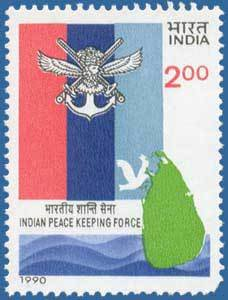
Troops Deployed for Sri Lanka Peacekeeping Operation
Political
Global Trade
3 min read
Updated By: History Editorial Network (HEN)
Published:
Updated:
In the late 1980s, India took a significant step to mediate the ethnic conflict in Sri Lanka by deploying its troops for a three-year peacekeeping operation. The conflict between the Sri Lankan government and the Liberation Tigers of Tamil Eelam (LTTE) had escalated, leading to widespread violence and instability in the region. India's intervention aimed to facilitate peace negotiations and restore stability.
The deployment of Indian troops, known as the Indian Peace Keeping Force (IPKF), marked a crucial moment in the conflict. Despite initial hopes for peace, the operation faced numerous challenges, including clashes with the LTTE and other militant groups. The IPKF's involvement was controversial, with allegations of human rights violations and strained relations with the Sri Lankan government.
The impact of India's peacekeeping operation was mixed. While there were some efforts to disarm militant groups and promote dialogue, the presence of foreign troops also fueled resentment and resistance. The operation ultimately ended in 1990, with the withdrawal of Indian forces.
The India-Sri Lanka peacekeeping operation in the late 1980s remains a complex chapter in the history of both countries. It reflects the challenges of intervening in ethnic conflicts and the complexities of peacekeeping efforts. The legacy of the IPKF's involvement continues to shape relations between India and Sri Lanka.
#India #SriLanka #Peacekeeping #EthnicConflict #IPKF #LTTE #PeaceNegotiations
Explore the Life Moments of
 AI Twin