Impact of Demonetization on Indian Economy and Society
Political
Economic Downturn
3 min read
Updated By: History Editorial Network (HEN)
Published:
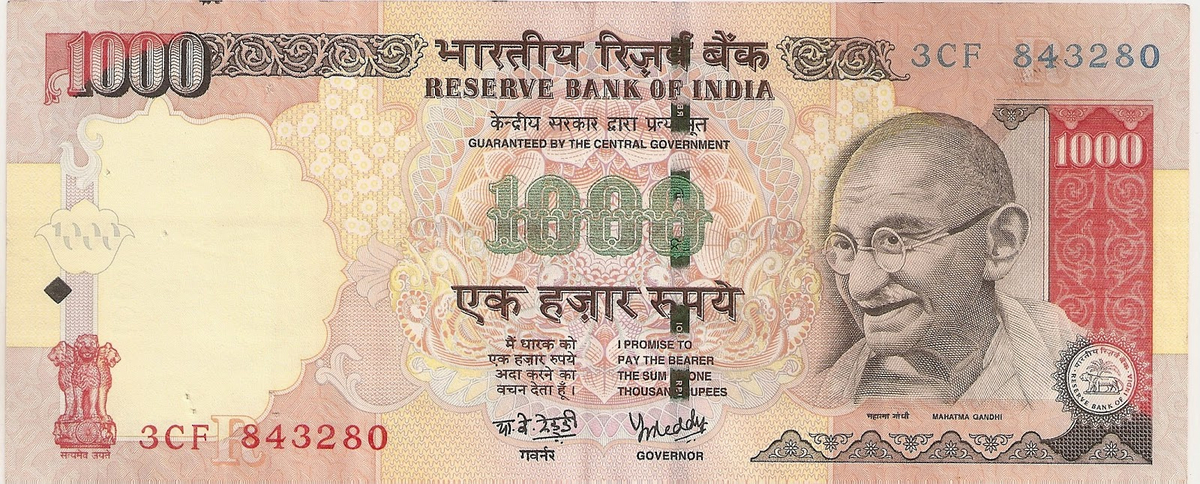
In 2016, the Indian government initiated the demonetization policy, aiming to curb corruption, counterfeit currency, and black money in the country. Overnight, high-value currency notes were declared invalid to be used as legal tender.
The sudden move brought about significant challenges for the general public, as people rushed to exchange their old notes for new ones. Long queues formed at banks and ATMs, leading to cash shortages and disruptions in daily life. Small businesses, which heavily relied on cash transactions, were particularly affected.
Despite the initial chaos, demonetization had several positive outcomes. It boosted digital payments, leading to a more transparent economy. It also encouraged tax compliance and formalization of the informal sector. Additionally, the move disrupted terrorist financing and money laundering activities.
However, the policy was not without criticism. Some questioned its effectiveness in curbing black money and argued that it disproportionately affected the poor. The Indian economy did experience short-term disruptions, with a temporary slowdown in growth rates.
Overall, demonetization was a bold step taken by the Indian government to tackle long-standing issues of corruption and black money. It sparked a nationwide debate on the merits and demerits of such a policy, leaving a lasting impact on the Indian economy and society.
#IndianGovernment #Corruption #BlackMoney #DigitalPayments #EconomicReform

Explore the Life Moments of
 AI Twin