
India

The Land of Diversity and Vibrant Culture.
Related Lives

Academy Awards
The Oscars

Burundi
The Land of a Thousand Hills

Nobel Prize in Literature
Inspiring through literature

Rugby World Cup
International Rournament in Rugby

Cuba
The Jewel of the Caribbean

Chile
Land of poets and penguins.

Ethiopia
Federal Democratic Republic of Ethiopia

Bosnia and Herzegovina
The Land of Golden Lilies

1965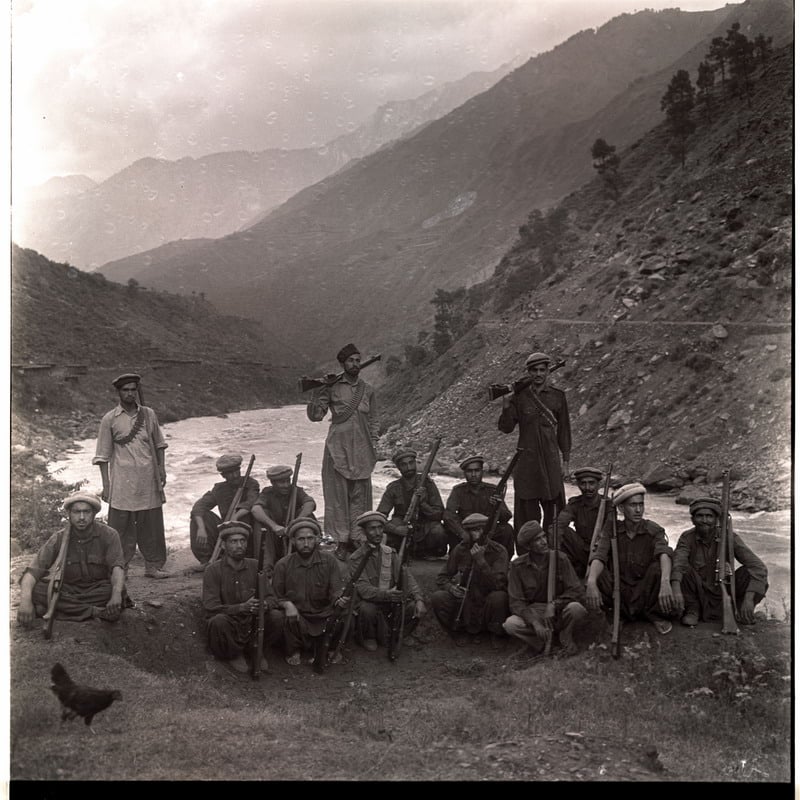
The Second war with Pakistan was a significant conflict between India and Pakistan, arising from tensions following the first war in 1947. The conflict escalated due to border disputes concerning the region of Kashmir. The war, fought over several weeks, saw both countries engaged in intense battles on various fronts.
The impact of the war was significant, with both nations suffering heavy casualties and economic losses. The conflict resulted in a stalemate, with neither side emerging as a clear victor. The geopolitical landscape of the region was altered, with international powers playing a crucial role in brokering a ceasefire between the two nations.
The war highlighted the ongoing animosity between India and Pakistan, rooted in historical grievances and territorial disputes. It also underscored the importance of diplomatic channels in resolving conflicts and maintaining peace in the region. The aftermath of the war saw renewed efforts towards finding a long-term solution to the Kashmir conflict, though the issue remains unresolved to this day.
The Second war with Pakistan left a lasting impact on both countries, shaping their respective foreign policies and defense strategies. It also served as a reminder of the need for dialogue and peaceful resolutions to prevent further bloodshed and instability in the region.
#India #Pakistan #War #Kashmir #Geopolitics #Conflict #Diplomacy #Peacekeeping
View details1962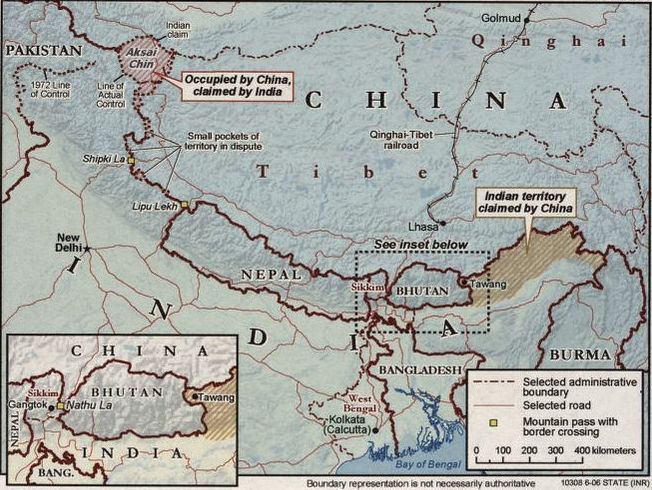
The India-China War arose from territorial disputes along the Himalayan border. The conflict culminated in the establishment of the Line of Actual Control (LAC) between the two nations. China's growing unease with India's territorial claims in the region, specifically in Aksai Chin, led to escalating tensions and ultimately military confrontation.
The war had a profound impact on both countries. China emerged victorious, consolidating its control over Aksai Chin and significant territories in the western sector, while India faced a humiliating defeat. The conflict strained diplomatic relations and sowed seeds of distrust that linger to this day. The establishment of the LAC aimed to prevent further military clashes by delineating the de facto boundary between India and China.
Multiple rounds of negotiations have been held over the years to clarify the LAC and resolve outstanding border issues, but progress has been limited. Incidents of incursions, standoffs, and skirmishes along the LAC continue to challenge the fragile peace between the two nations. The unresolved border dispute remains a contentious issue, impacting bilateral relations and regional stability.
The India-China War and the subsequent establishment of the Line of Actual Control serve as reminders of the complexities and challenges inherent in border management and territorial disputes. The need for diplomacy, dialogue, and confidence-building measures remains paramount to prevent escalation and maintain peace along the disputed border.
#IndiaChinaWar #LineofActualControl #BorderDispute #TerritorialConflict #DiplomaticRelations.
View details1951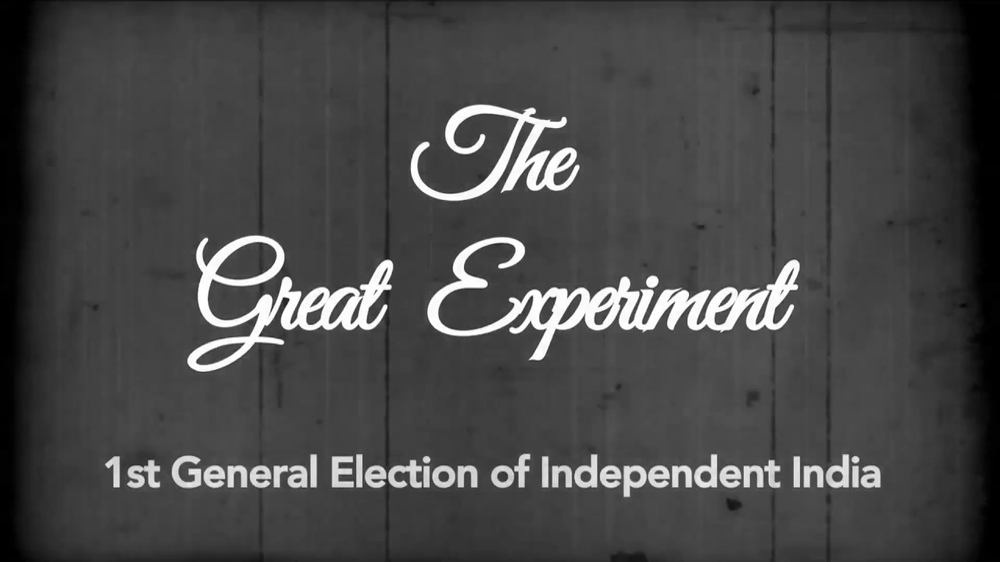
After gaining independence, India undertook its first general elections, a milestone in establishing democratic governance. Following years of British colonial rule, the nation embarked on a momentous journey towards self-governance. The elections aimed to provide all citizens with the opportunity to elect their representatives, irrespective of caste, creed, or socioeconomic status.
These elections had a profound impact on the country, shaping the future of Indian democracy. With over 176 million people eligible to vote, it was the largest democratic exercise in the world at that time. The election process was conducted in a phased manner to ensure smooth functioning and maximum participation. Political parties campaigned vigorously, presenting their visions and ideologies to the diverse Indian populace. The elections resulted in the Indian National Congress, led by Jawaharlal Nehru, emerging as the dominant force.
The significance of these elections extended beyond the political realm. They symbolized the empowerment of the Indian people, who actively participated in shaping the future of their nation. The elections laid the foundation for a democratic system based on principles of equality, justice, and freedom. The newly elected representatives were entrusted with the responsibility of drafting the constitution and guiding the country towards progress and prosperity.
In conclusion, India's first general elections marked a critical juncture in the nation's history, setting the stage for democratic governance. The overwhelming turnout of voters and the peaceful conduct of elections highlighted the commitment of the Indian populace to upholding the principles of democracy. The results of the elections reflected the will of the people and paved the way for a new era of inclusive and participatory governance.
#India #Democracy #Elections #Independence #Governance
View details1950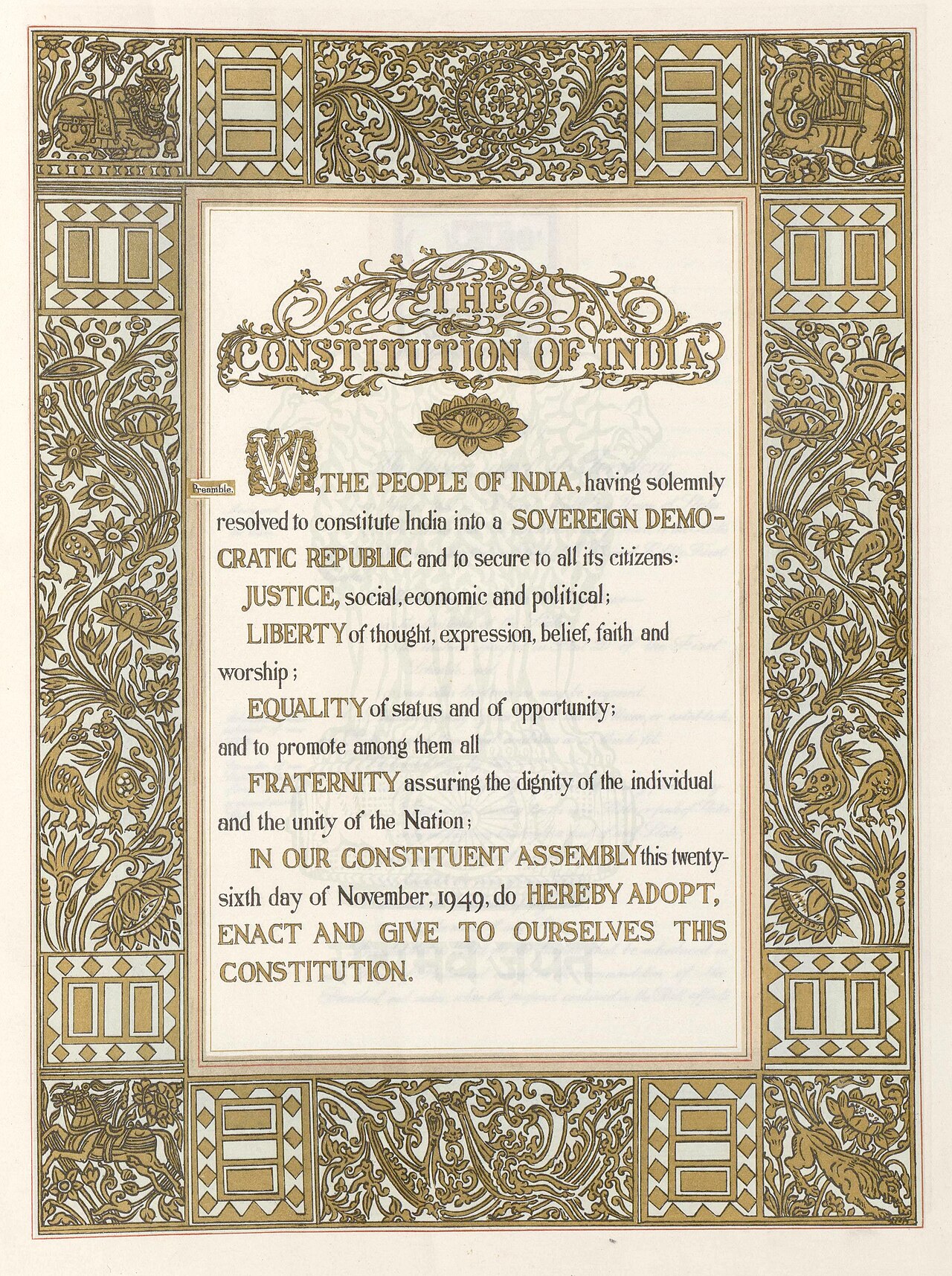
The adoption of the Constitution of India marked a crucial milestone in the country's history. The drafting process began in 1946 under the leadership of Dr. B.R. Ambedkar, Chairman of the Drafting Committee. The Constitution established India as a sovereign, socialist, secular, and democratic republic, embodying the aspirations of a diverse nation striving for unity in diversity.
The Constitution of India replaced the Government of India Act of 1935 and provided a comprehensive framework for governance, outlining the rights and duties of citizens, the structure of the government, and the principles guiding the nation. It enshrined principles of justice, equality, and liberty for all, regardless of caste, creed, or gender, ensuring a fair and just society for future generations.
The adoption of the Constitution had a profound impact on the country, laying the foundation for a democratic and inclusive society. It guaranteed fundamental rights to all citizens and set forth the directive principles of state policy, guiding the government in promoting social justice and equality. The Constitution also established the structure of the government, including the roles and responsibilities of the executive, legislative, and judiciary, ensuring a system of checks and balances.
The adoption of the Constitution of India was a momentous occasion that shaped the course of the nation's history. It symbolized the triumph of democracy over colonial rule and paved the way for a new era of governance based on the principles of justice, liberty, and equality. The Constitution continues to serve as the guiding light for the world's largest democracy, upholding the values of unity, diversity, and secularism.
#ConstitutionOfIndia #SovereignNation #DemocraticRepublic #InclusiveSociety
View details1947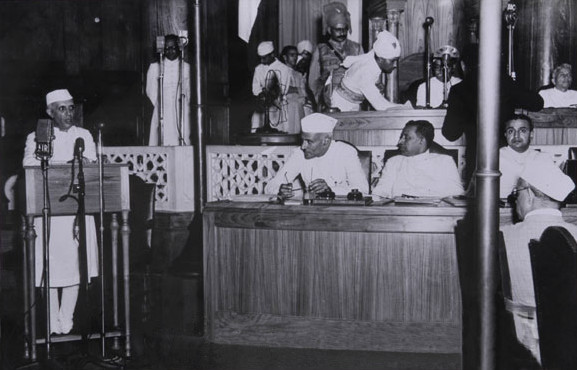
After nearly two centuries under British colonial rule, India, with its rich history and diverse culture, emerged victorious in its struggle for independence. The movement, led by iconic figures like Mahatma Gandhi and Jawaharlal Nehru, gained momentum through nonviolent resistance and civil disobedience. The Salt March, Quit India Movement, and numerous protests were pivotal moments in the nation's fight for autonomy.
India's independence marked a turning point not only in the country's history but also in the global struggle against colonialism. The end of British rule paved the way for the establishment of the world's largest democracy. With newfound freedom, India embarked on a journey of self-governance, focusing on nation-building and development.
However, the partition of the subcontinent into India and Pakistan led to one of the largest mass migrations in history, accompanied by tragic communal violence. The scars of partition continue to impact the region to this day.
Independence brought challenges as well as opportunities for India. The task of nation-building and fostering unity among its diverse population was no small feat. Over the years, India has made significant strides in various fields, including politics, economy, and culture. The country's rich heritage and democratic values have solidified its position on the world stage.
As the world's largest democracy, India continues to strive for progress and inclusive growth while upholding its commitment to pluralism and diversity. The legacy of its independence movement serves as a reminder of the power of nonviolent resistance and the importance of unity in diversity.
#IndiaIndependence #ColonialLegacy #NonviolentResistance #NationBuilding
View details1942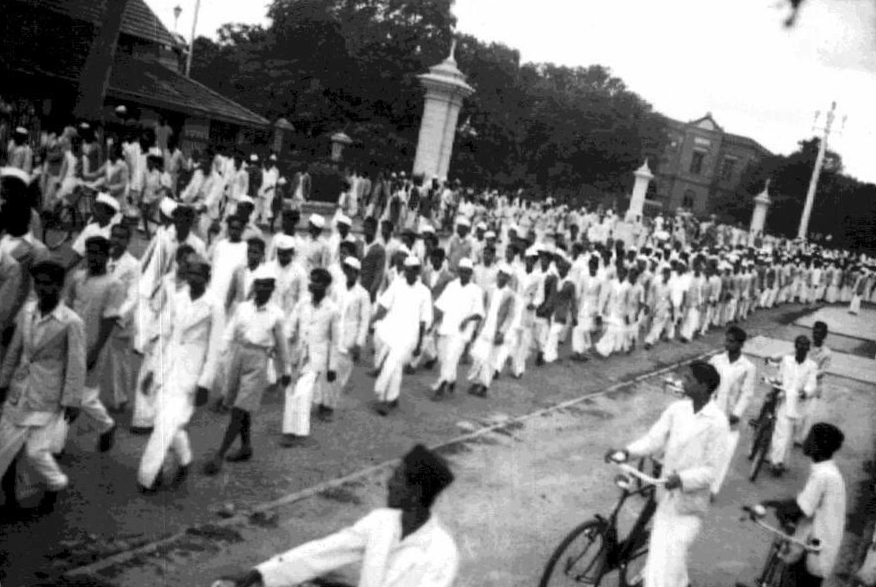
In the midst of World War II, amidst a growing discontent with British colonial rule in India, the Quit India Movement emerged. The Indian National Congress, led by Mahatma Gandhi, called for immediate British withdrawal from the country. This marked a significant turning point in India's struggle for independence.
The Quit India Movement aimed to launch a massive civil disobedience campaign, urging Indians to nonviolently resist British authority. The British responded with force, arresting tens of thousands of Indian nationalists, including top leaders like Gandhi himself. Despite facing harsh repression, Indians across the country joined the movement, leading to strikes, protests, and acts of sabotage against British institutions.
The impact of the Quit India Movement was profound. It united Indians from all walks of life in a common goal of achieving independence. The British government, already strained by the demands of World War II, faced growing pressure to address Indian grievances. The movement brought international attention to the Indian freedom struggle, weakening the legitimacy of British colonial rule.
Ultimately, the Quit India Movement paved the way for India's independence in the years that followed. It demonstrated the power of nonviolent resistance in achieving political change and inspired future movements for freedom and justice around the world.
#QuitIndiaMovement #IndianIndependence #NonviolentResistance #BritishColonialism
View details1935
The passing of the Government of India Act 1935 marked a significant development in India's constitutional history. The Act was an attempt by the British government to address growing demands for increased Indian participation in governance. It aimed to introduce provincial autonomy and establish a federal structure, laying the groundwork for a more democratic system in India.
One of the key features of the Act was the establishment of a federal structure that included a central government alongside provincial governments. It also expanded the role of Indian legislatures and granted them more power in certain areas of governance. However, the Act also maintained significant control with the British government by retaining authority over key areas such as defense, foreign affairs, and finance.
Despite its efforts to decentralize power, the Act faced criticism from various Indian political parties and leaders. Many felt that it did not go far enough in granting sufficient autonomy to Indian provinces and that it still concentrated too much power in the hands of the British government.
The passing of the Government of India Act 1935 had a lasting impact on India's political landscape. It laid the foundation for the eventual framing of the Indian Constitution and the establishment of an independent India. The Act also contributed to the evolution of India's political system, shaping the way for future constitutional reforms and the eventual transition to a republic.
Overall, the passing of the Government of India Act 1935 was a crucial step in India's journey towards self-governance and independence. It set the stage for further political developments and provided a framework for India's future constitutional arrangements.
#GovernmentOfIndiaAct #ConstitutionalReform #IndianIndependence
View details1930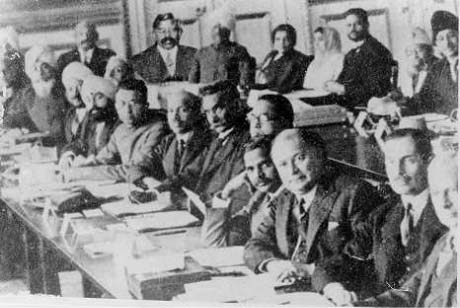
In historical records, the Round Table Conferences held in London aimed to address constitutional reforms in India. These conferences were pivotal in bringing together various Indian leaders and British officials to deliberate on the future governance of India. The objective was to find a common ground between the demands of the Indian National Congress, representing Indian aspirations for self-governance, and the British government's interests in maintaining control and stability in the region.
With Mahatma Gandhi's call for civil disobedience ringing through India, the British government realized the pressing need for dialogue to address the escalating tensions. The Round Table Conferences provided a platform for discussions on issues like electoral representation, minority rights, and the structure of government. Notably, leaders like Mahatma Gandhi, Muhammad Ali Jinnah, and B. R. Ambedkar participated, each advocating for their communities' interests and vision for India's future.
Despite the diverse viewpoints and challenges, the conferences played a crucial role in shaping the Government of India Act 1935, which laid the foundation for India's eventual independence. The Act introduced provincial autonomy, expanded legislative councils, and addressed the concerns of minority communities. The discussions held during the Round Table Conferences influenced the constitutional developments that followed, setting the course for India's transition to self-rule.
Overall, the Round Table Conferences were a seminal moment in India's struggle for independence. They exemplified the importance of dialogue and negotiation in resolving complex political issues and laid the groundwork for the constitutional framework that would guide independent India. The legacies of these conferences continue to reverberate in India's democratic fabric, underscoring the significance of inclusive decision-making and collaborative efforts in nation-building.
#RoundTableConferences #ConstitutionalReforms #IndiaIndependence #BritishColonialHistory
View detailsMahatma Gandhi, a prominent leader in India's struggle for independence, led the Salt March, also known as the Dandi March. The British Salt Act imposed a tax on salt, a vital commodity in daily life. Gandhi's aim was to protest this unjust law imposed by the British colonial rulers.
On the morning of the march, Gandhi and his followers set out on a 240-mile journey to the coastal village of Dandi. The route was thronged by people cheering and joining the peaceful protest. After 24 days of walking, Gandhi reached Dandi and symbolically broke the salt laws by collecting salt from the shores, sparking a wave of civil disobedience across the nation.
The Salt March had a profound impact on India's fight for freedom. It united people from different walks of life and regions under the common goal of independence. The defiance shown by Gandhi and his followers inspired a surge of nationalist sentiment and a renewed determination to challenge British supremacy.
The British authorities responded with crackdowns and arrests, but the peaceful resistance continued to gather momentum. The Salt March drew international attention to the Indian independence movement, highlighting the oppressive policies of the British colonial government.
Ultimately, the Salt March became a watershed moment in India's struggle for independence, setting the stage for future protests and civil disobedience campaigns. The act of peacefully protesting against unjust laws and colonial oppression became a powerful weapon in the hands of Indian nationalists.
Gandhi's Salt March exemplified the power of nonviolent protest in bringing about social and political change. It remains a symbol of India's quest for freedom and justice, a testament to the enduring legacy of Mahatma Gandhi and the resilience of the Indian people in their fight against oppression.
#SaltMarch #DandiMarch #IndianIndependence #MahatmaGandhi #NonviolentResistance
View details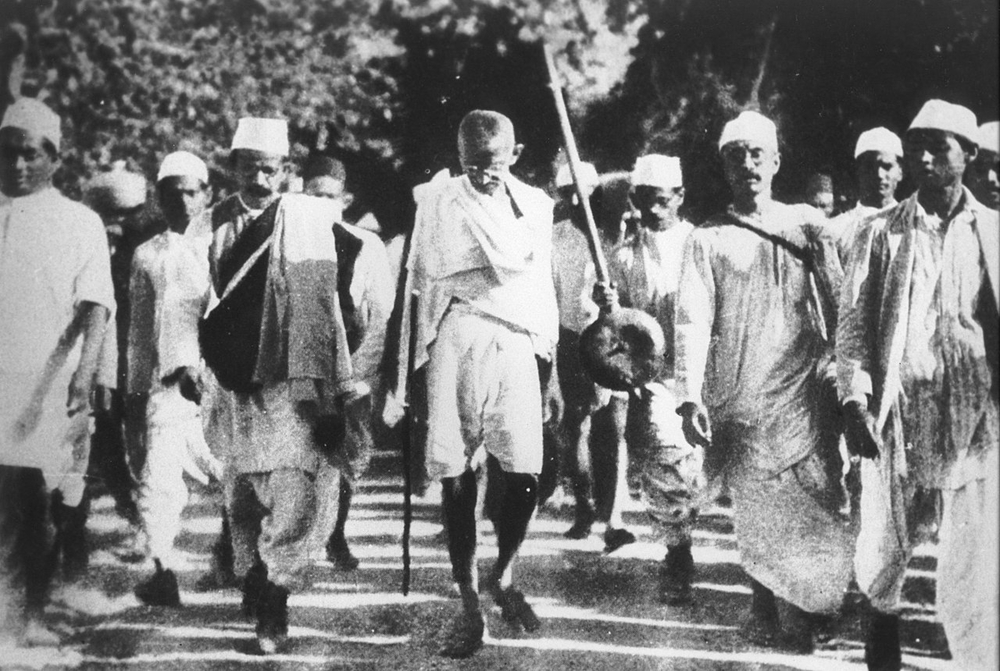
1922
The Chauri Chaura incident transpired during the Non-Cooperation Movement, a peaceful protest against British rule in India. On that day, a group of protestors clashed with the police at the Chauri Chaura police station. The confrontation escalated, culminating in protestors setting fire to the police station which resulted in the death of several police officers. In retaliation, the British authorities arrested over 200 individuals in connection to the incident.
The repercussions of the Chauri Chaura incident were profound. Mahatma Gandhi, who led the Non-Cooperation Movement, was deeply disheartened by the escalation of violence. He believed in non-violent resistance as a means to achieve independence and saw the incident as a betrayal of the movement's principles. Subsequently, Gandhi made the difficult decision to suspend the Non-Cooperation Movement as a form of protest.
The suspension of the movement had a significant impact on the Indian independence struggle. It marked a turning point in the fight against British colonial rule, highlighting the importance of non-violent protest as advocated by Gandhi. The incident also brought to the forefront the challenges and complexities of leading a mass movement against a powerful colonial regime.
In conclusion, the Chauri Chaura incident, which led to the suspension of the Non-Cooperation Movement, serves as a reminder of the sacrifices made and the challenges faced during India's struggle for independence. It underscores the enduring legacy of non-violent resistance in the fight against oppression and injustice.
#ChauriChaura #NonCooperationMovement #IndianIndependence #MahatmaGandhi #BritishColonialRule
View details1920
In the backdrop of growing discontentment against British colonial rule in India, Mahatma Gandhi initiated the Non-Cooperation Movement. This movement aimed to unite Indians in their resistance against British oppression by advocating nonviolent protest and non-cooperation with British authorities.
The Non-Cooperation Movement saw widespread participation from people across India, transcending barriers of class, religion, and ethnicity. Indians boycotted British educational institutions, courts, government services, and foreign goods. The call for Swaraj, or self-governance, resonated deeply with the masses who yearned for independence.
The impact of the Non-Cooperation Movement was significant. It propelled the Indian National Congress into the forefront of the independence movement and galvanized millions of Indians to join the struggle against colonial rule. The movement also highlighted the power of nonviolent resistance as a potent weapon against injustice.
Despite its achievements, the Non-Cooperation Movement faced challenges. Incidents of violence and internal divisions within the Congress hindered its progress. The movement was eventually called off by Gandhi after the Chauri Chaura incident, where protesters turned violent, deviating from the principles of nonviolence.
Nevertheless, the Non-Cooperation Movement left an indelible mark on India's struggle for independence. It instilled a sense of unity and purpose among Indians and laid the foundation for future mass movements against colonial rule. The spirit of nonviolent resistance championed by Gandhi during this movement would continue to inspire generations of freedom fighters in India and around the world.
#NonCooperationMovement #MahatmaGandhi #IndianIndependence #Swaraj
View details1919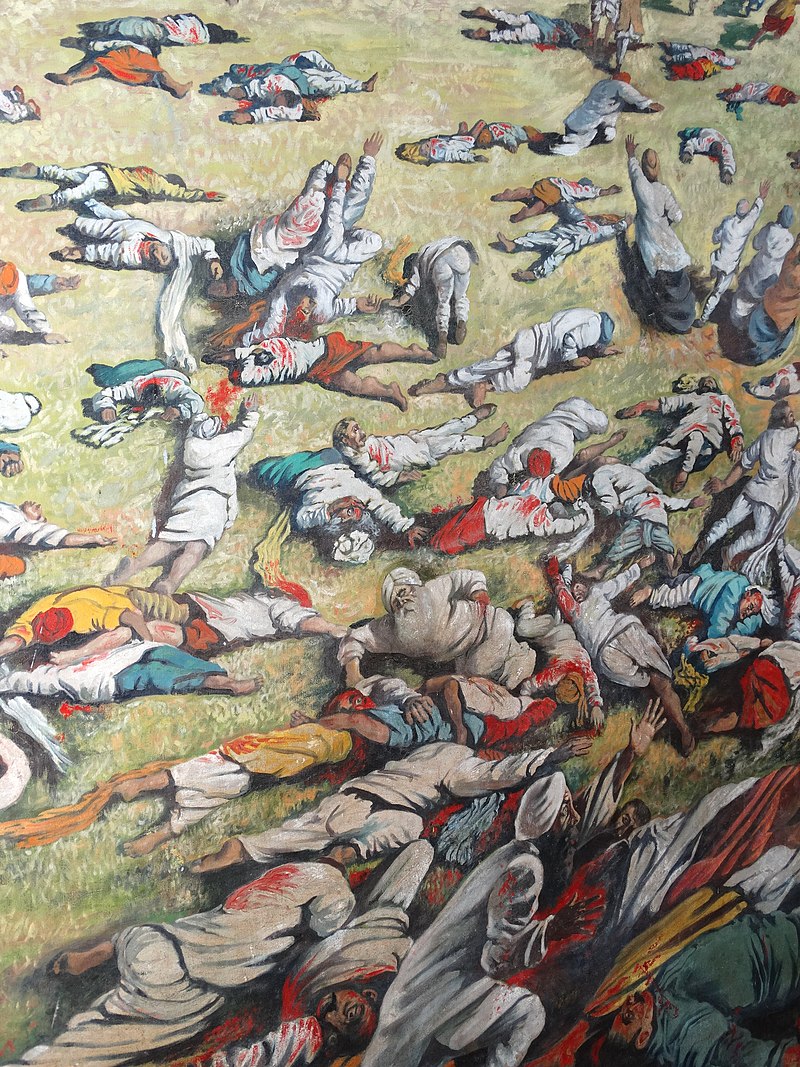
The Jallianwala Bagh massacre took place in Amritsar, India. British Brigadier General Reginald Dyer ordered his troops to open fire on a peaceful gathering of thousands of unarmed civilians who had gathered at the Jallianwala Bagh garden. The event was organized as a protest against oppressive laws and to demand freedom.
The massacre had a profound impact on the Indian independence movement, leading to increased resentment towards British colonial rule. It sparked outrage and protests across the country, galvanizing support for the independence movement led by Mahatma Gandhi. The brutality of the massacre also garnered international condemnation, bringing attention to the plight of Indians under British rule.
The incident was a turning point in India's struggle for independence, serving as a rallying cry for freedom fighters and solidifying the resolve of those fighting for self-rule. The massacre highlighted the brutal methods employed by the British to suppress dissent and fueled calls for independence from colonial rule.
The Jallianwala Bagh massacre remains a somber reminder of the sacrifices made by those who fought for India's independence and the atrocities committed during British colonial rule. The site of the massacre has been turned into a memorial, serving as a poignant reminder of the lives lost on that fateful day.
#JallianwalaBagh #Amritsar #IndianIndependence #BritishColonialRule #MahatmaGandhi #Protest #Memorial #Sacrifice
View details1910
In the early 1910s, the Indian film industry saw the emergence of what would later be known as 'Bollywood'. The term 'Bollywood' is a combination of Bombay (now Mumbai) and Hollywood, signifying the amalgamation of India's film hub with the glamour of the American film industry.
The Indian film industry was propelled by pioneers like Dadasaheb Phalke, who directed and produced 'Raja Harishchandra', India's first full-length feature film in 1913. This marked the beginning of a new era in Indian cinema, with films becoming a medium of storytelling that captivated audiences across the country.
Bollywood quickly gained popularity for its musical melodramas, colorful costumes, and intricate dance sequences. Films like 'Mother India', 'Sholay', and 'Dilwale Dulhania Le Jayenge' became iconic not only in India but also internationally, showcasing the cultural richness and diversity of the country.
The impact of Bollywood transcended borders, with Indian films gaining recognition at international film festivals and finding audiences around the world. Bollywood stars became global icons, attracting fans from diverse backgrounds and cementing India's position as a powerhouse in the film industry.
Over the years, Bollywood has evolved, embracing new technologies and storytelling techniques while staying true to its roots. The industry continues to produce a wide range of films, from romantic dramas to action-packed blockbusters, catering to the varied tastes of audiences both in India and abroad.
Today, Bollywood remains a significant cultural phenomenon, shaping perceptions of India and influencing popular culture worldwide. With its blend of music, dance, drama, and romance, Bollywood continues to captivate audiences and hold a special place in the hearts of millions of fans.
#Bollywood #IndianCinema #CulturalPhenomenon
View details1905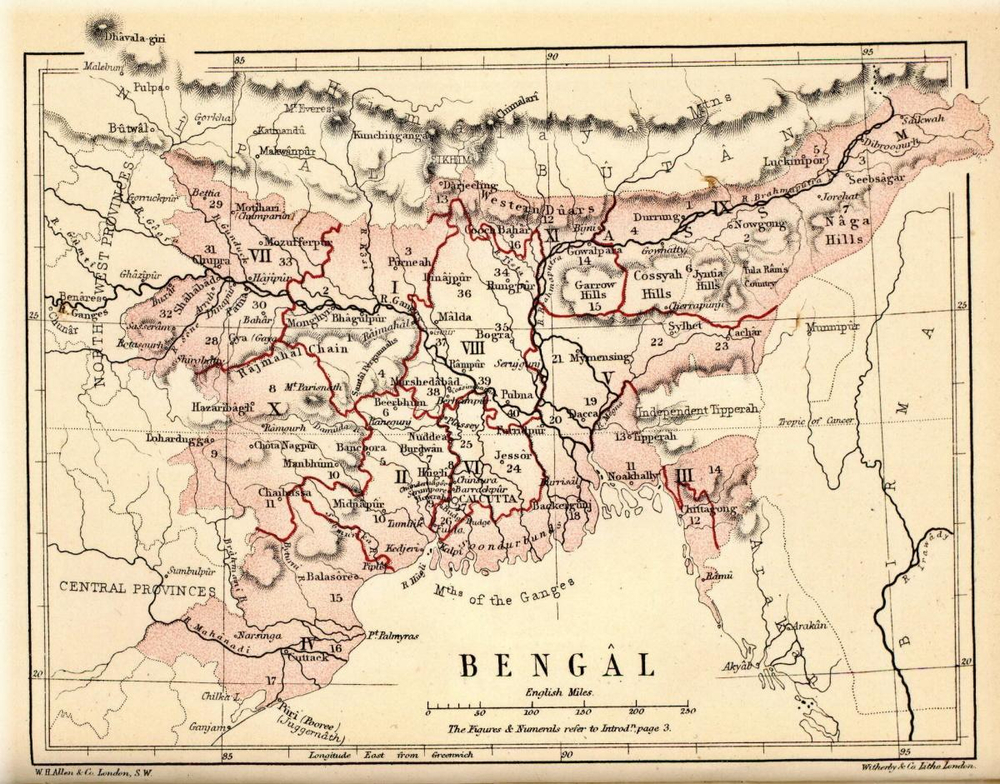
The Partition of Bengal separated the Bengal region in British India into two distinct entities: Bengal and East Bengal and Assam. The decision was driven primarily by administrative concerns but was met with resistance from various factions, including political figures, educators, and the general populace. The official reasoning behind the partition was to improve the efficiency of governance in the large Bengal province, with the aim of better serving the diverse population. However, the move sparked widespread protests and boycotts as it was seen as an attempt to divide the Bengali-speaking population along religious lines, as East Bengal had a Muslim majority while Bengal had a Hindu majority.
The backlash against the partition was intense, with public demonstrations, strikes, and acts of civil disobedience becoming commonplace. Notably, the Indian National Congress, under the leadership of prominent figures like Surendranath Banerjee and Sir Henry Cotton, played a crucial role in organizing and leading the opposition to the partition. The Swadeshi movement, which called for the promotion of Indian goods and the boycott of British products, gained momentum as a direct response to the partition.
The widespread protests and opposition eventually led to the reversal of the partition in 1911, as the British government sought to quell growing unrest and consolidate its control over its Indian territories. The reunification of Bengal was hailed as a victory for the Indian nationalist movement and a testament to the power of unified resistance against colonial policies.
In the aftermath of the partition and its subsequent annulment, the event left a lasting impact on Indian society and politics. It fueled a sense of unity and solidarity among Indians of different backgrounds and laid the foundation for future anti-colonial struggles. The Partition of Bengal remains a poignant symbol of the strength of collective action and the importance of preserving unity in the face of divisive policies.
#PartitionOfBengal #Bengal #SwadeshiMovement #IndianNationalism
View details1904
In the early 20th century, during British colonial rule in India, the University Act was implemented to restructure the higher education system. The Act aimed to centralize control over universities, standardize education, and promote British ideologies among Indian students. It led to the establishment of universities in major cities across the subcontinent, such as Delhi, Mumbai, and Kolkata.
The University Act had a profound impact on Indian society. It introduced a uniform curriculum based on British educational models, emphasizing subjects like literature, science, and law. This restructuring aimed to produce a class of Indians who were well-versed in Western knowledge and could assist the British administration. The Act also opened up opportunities for Indian students to receive higher education and pursue careers in various fields.
Despite its intentions, the University Act faced opposition from Indian nationalists and scholars who saw it as a tool for perpetuating colonial dominance. They criticized the Act for neglecting traditional Indian education systems and languages, which led to a decline in indigenous knowledge and practices. Some Indian leaders viewed the Act as a means to suppress Indian culture and reinforce British supremacy through education.
Nevertheless, the University Act paved the way for the modernization of education in India. It laid the foundation for a structured higher education system that continues to evolve and expand to this day. The Act's legacy can be seen in the diverse range of disciplines offered in Indian universities, catering to the educational needs of a growing population.
#UniversityAct #HigherEducation #BritishColonialism #Modernization #IndianNationalism
View details1885
In response to the growing need for a platform to voice the concerns of the Indian population, the Indian National Congress was established. The founding members, including Allan Octavian Hume, Dadabhai Naoroji, and Dinshaw Wacha, came together to address issues faced by Indians under British rule. The initial focus was on promoting Indian representation in the civil services and legislative councils, as well as advocating for greater autonomy in local affairs.
The formation of the Indian National Congress marked the beginning of an organized nationalist movement in India. It provided a unified voice for Indians to express their grievances and push for political reforms. Over the years, the Congress evolved into the principal vehicle for Indian independence, playing a crucial role in shaping the country's destiny.
The impact of the Indian National Congress was profound. It laid the groundwork for future leaders like Mahatma Gandhi and Jawaharlal Nehru to spearhead the struggle for independence. Through various campaigns, protests, and civil disobedience movements, the Congress mobilized the masses and challenged British authority. The demand for self-rule grew stronger, leading to key milestones such as the Salt March and the Quit India Movement.
The establishment of the Indian National Congress galvanized the Indian population and set the stage for the eventual end of British rule in India. Its legacy as the oldest and most influential political party in the country is a testament to its enduring impact on Indian society and politics. The Congress's contributions to India's freedom struggle remain etched in the nation's history, inspiring generations to strive for a more just and equitable society.
#IndianNationalCongress #NationalistMovement #IndianIndependence #PoliticalReform
View details1878
In 1878, the British colonial government in India enacted the Vernacular Press Act, aiming to restrict the freedom of the press. This legislation targeted newspapers published in Indian languages, such as Hindi, Bengali, and Urdu, which were influential in shaping public opinion at the time. The Act required the publishers of vernacular newspapers to provide a financial guarantee and secure a license from the government.
The background of this Act stemmed from the British fear of growing nationalist sentiments and anti-colonial movements in India, which were being effectively propagated through the vernacular press. The British authorities saw these newspapers as a threat to their control and decided to clamp down on their freedom to report and criticize government policies.
The passing of the Vernacular Press Act had a significant impact on the Indian press and freedom of expression. It led to self-censorship among newspaper publishers and journalists who feared government reprisals. Many newspapers chose to shut down rather than comply with the restrictive regulations, resulting in a loss of diverse voices in the public sphere.
The Act was met with strong opposition from Indian intellectuals, journalists, and political leaders who viewed it as an attack on free speech and press freedom. The Indian National Congress, founded a few years earlier in 1885, also condemned the Act and called for its repeal.
Despite the challenges posed by the Vernacular Press Act, Indian newspapers continued to be crucial in mobilizing public opinion and shaping the national discourse towards independence from British colonial rule. The Act highlighted the ongoing struggle for freedom of the press and the right to dissent in colonial India.
#VernacularPressAct #FreedomofPress #BritishColonialism #IndianNationalism
View details1857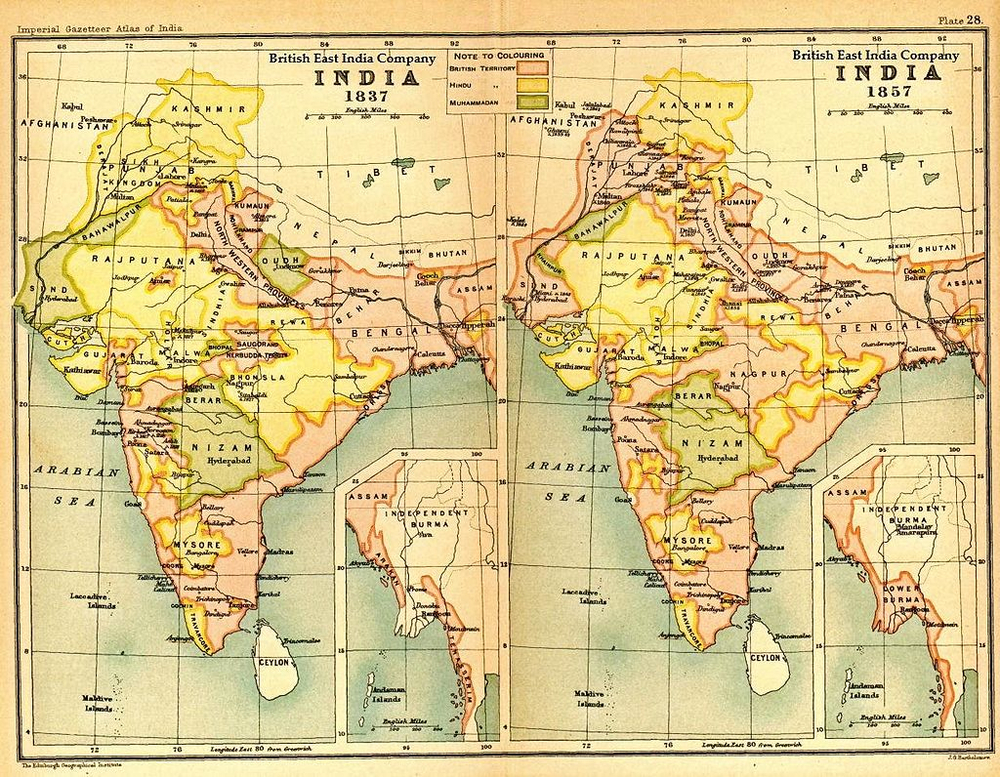
In the mid-19th century, the British East India Company faced a significant challenge in India as discontent and unrest among the Indian population grew. The Indian Uprising, also known as the Sepoy Mutiny, arose due to various factors, including cultural and religious tensions, economic exploitation, and political grievances. The uprising sparked a widespread rebellion against British rule in India.
In response to the escalating unrest, the British government intervened and decided to take direct control of India. The British Crown assumed authority over the Indian territories ruled by the East India Company, marking the end of Company rule in India. This transition to direct British rule aimed to quell further uprisings, consolidate power, and ensure more effective governance of the Indian subcontinent.
The direct rule of India by the British crown brought about significant changes in the administration, economy, and society of the subcontinent. The British implemented new policies, infrastructure projects, and legal systems to consolidate their control and exploit the resources of India for the benefit of the British Empire. The period of British colonial rule in India would have far-reaching consequences for the country's development, shaping its future trajectory in various ways.
The failed Indian Uprising and the subsequent direct rule by the British Crown represented a pivotal moment in Indian history, marking the beginning of a new chapter of colonial dominance and exploitation. The event highlighted the complex dynamics of power, resistance, and colonialism that characterized the relationship between India and Britain during the 19th century.
#IndianUprising #BritishColonialism #DirectRule #BritishEmpire #SepoyMutiny
View detailsThe Indian Rebellion of 1857 began in Meerut, India, sparked by the introduction of new rifle cartridges rumored to be greased with animal fat, offending both Hindu and Muslim soldiers. Tensions had been rising due to various political, social, and economic grievances among the Indian sepoys, who were also aggrieved by the British disregard for their cultural and religious beliefs.
On the day of the event, Indian sepoys in Meerut revolted against their British officers, making a stand against the oppressive British rule. The rebellion quickly spread to Delhi and other parts of India, with civilians also joining the uprising against British colonialism. The rebels managed to capture several key cities and forts, proclaiming the reinstatement of Mughal Emperor Bahadur Shah II as the leader of the uprising.
The British responded ruthlessly, with both sides engaging in brutal acts of violence. The conflict lasted for months, resulting in heavy casualties on both sides and widespread destruction. The British eventually managed to suppress the rebellion through superior military strength and reinforcement from troops arriving from Britain.
The Indian Rebellion of 1857 had a profound impact on India's history. It marked a significant turning point in the fight against British colonial rule, leading to the end of the East India Company's rule in India and the transfer of governing authority to the British Crown. The British colonial administration implemented harsh measures to prevent any future uprisings, further consolidating their control over India.
The rebellion also had lasting implications for India's struggle for independence, inspiring future generations of freedom fighters and nationalists. It highlighted the deep-seated grievances of the Indian people against colonial oppression and exploitation, fueling the push for self-rule and autonomy. The legacy of the rebellion continues to resonate in India's collective memory, serving as a reminder of the resilience and determination of those who fought against foreign domination. #IndianRebellion #BritishColonialism #StruggleForIndependence
View details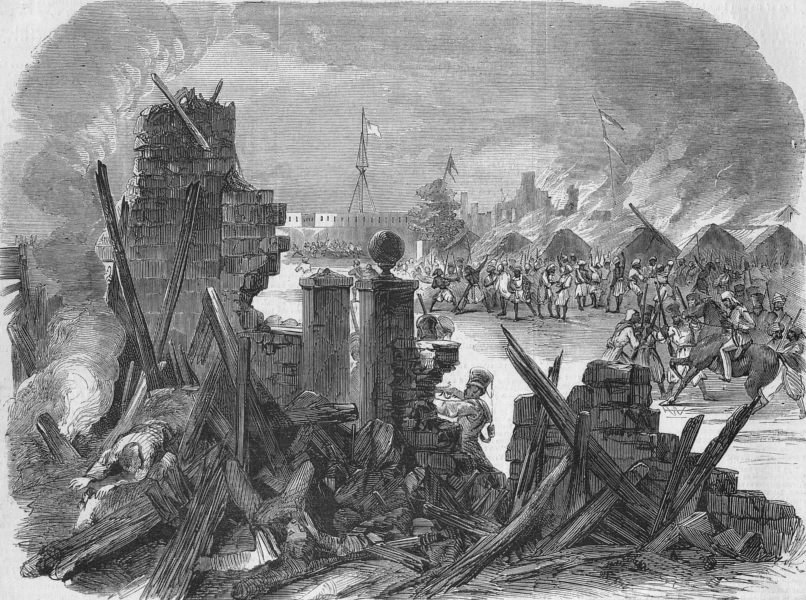
1856
On July 25, 1856, the Hindu Widows' Remarriage Act was passed in British India, marking a significant milestone in the social reform movement aimed at improving the lives of Hindu widows. This act was a result of relentless efforts by social reformers and marked a progressive shift in traditional Hindu society, which had long imposed stringent restrictions on widows.
Background
In mid-19th century India, the condition of Hindu widows was pitiable. Widows were often subjected to severe social ostracism and economic hardships. They were expected to live a life of asceticism, abstaining from remarriage, which led to lifelong suffering, especially for those who became widows at a young age. The societal norms were rigid, and remarriage of widows was considered a taboo.
Social Reform Movement
The social reform movement in India during this period was gaining momentum, driven by progressive thinkers and reformers who were influenced by both traditional Indian philosophies and Western ideas of equality and justice. Among these reformers was Ishwar Chandra Vidyasagar, a prominent educator, social reformer, and a key advocate for widow remarriage.
Ishwar Chandra Vidyasagar
Ishwar Chandra Vidyasagar, born in 1820 in Bengal, was deeply moved by the plight of widows. He believed that allowing widows to remarry was essential for their social and economic rehabilitation. Vidyasagar's extensive campaign involved:
Petitions and Advocacy: Vidyasagar petitioned the British government, arguing for the necessity of legalizing widow remarriage. He gathered signatures and mobilized public opinion through essays and public speeches.
Personal Conviction: Vidyasagar practiced what he preached, arranging the remarriage of several widows, thereby setting a precedent and challenging societal norms directly.
Legislative Journey
The movement for widow remarriage received support from various quarters, including enlightened British officials who were sympathetic to the cause of social reform in India. Lord Dalhousie, the Governor-General of India, played a crucial role in pushing the legislation forward.
The bill, known as the Hindu Widows' Remarriage Act, was introduced in the Legislative Council and, after considerable debate, was passed on July 25, 1856. The act was officially titled "Act XV of 1856."
Key Provisions of the Act
The Hindu Widows' Remarriage Act, 1856, had several important provisions:
Legalization of Remarriage: The act legalized the remarriage of Hindu widows, granting them the right to enter into a new marriage without any social or legal repercussions.
Property Rights: It ensured that a widow who remarried would forfeit any property inherited from her deceased husband, aiming to prevent conflicts over property and inheritance issues.
Protection and Support: The act aimed to provide protection and support to widows, allowing them to rebuild their lives and escape the harsh conditions imposed by widowhood.
Impact and Legacy
The passage of the Hindu Widows' Remarriage Act, 1856, was a landmark event in Indian history. While the immediate impact was limited due to deep-rooted societal resistance, it laid the foundation for future reforms and gradually changed public perception about widow remarriage.
Social Change
Gradual Acceptance: Over time, the legal backing provided by the act encouraged more widows to remarry, slowly breaking down the societal barriers and taboos associated with widow remarriage.
Women’s Empowerment: The act was an early step towards women's empowerment in India, promoting their rights and social status.
Continued Advocacy
The act inspired further social reforms aimed at improving the condition of women in Indian society. Reformers continued to push for education, abolition of child marriage, and other measures to uplift women's status.
#MomentsOfLife #MoofLife_Moment #MoofLife #HinduWidowsRemarriageAct #SocialReform #IndianHistory #WomensRights #IshwarChandraVidyasagar #BritishIndia #HistoricalEvents
View details1854
The establishment of the Post Service in India revolutionized communication within the vast subcontinent. Before its inception, communication was slow and unreliable, primarily relying on messengers or private couriers. The introduction of the Post Service standardized the postal system, allowing for more efficient and widespread delivery of mail.
The impact of the Post Service was felt across all levels of society. It enabled individuals to stay connected with loved ones, conduct business more effectively, and fostered a sense of national unity. The service facilitated the exchange of ideas, information, and goods, contributing to the socio-economic development of the region.
The establishment of the Post Service also had significant implications for the British colonial administration. It facilitated better governance by enabling officials to correspond more efficiently with various regions of India. Additionally, the postal network played a crucial role in the consolidation of British control over the territory.
Over time, the Post Service expanded its reach, connecting even the most remote parts of India. It became an essential lifeline for communities, supporting not only personal correspondence but also commerce, administration, and education. The Post Service laid the foundation for the modern postal system in India, which continues to play a vital role in the country's communication infrastructure.
#India #PostalService #CommunicationRevolution
View details1853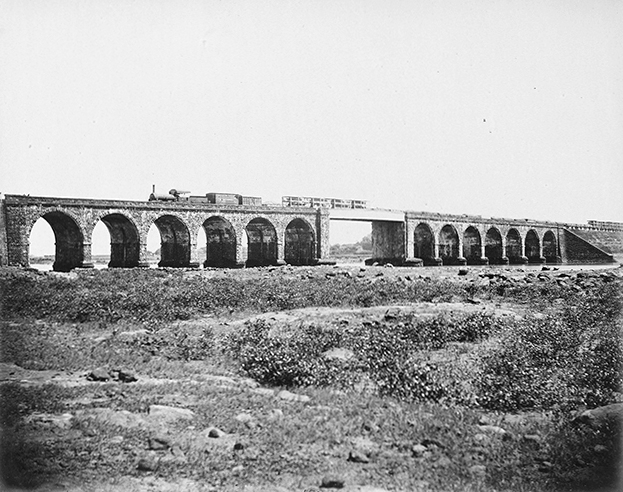
In mid-19th century India, a groundbreaking development emerged with the establishment of the first railway line between Bombay and Thane. This railway line, spanning a distance of 21 miles, marked the inception of the Indian railway network, which would later become one of the largest in the world.
The idea of introducing a railway system in India was proposed to enhance transportation and facilitate the movement of goods and people across the vast subcontinent. The successful inauguration of the Bombay-Thane railway line not only revolutionized the concept of travel but also proved to be a crucial step towards modernizing India's infrastructure.
The construction of the railway line posed several challenges, including overcoming geographical obstacles and ensuring operational efficiency. However, with meticulous planning and engineering expertise, the project was completed, paving the way for future railway expansion across the country.
The impact of the first railway line was profound. It catalyzed economic growth by enabling faster and more efficient transportation of raw materials and finished goods. The railway also played a significant role in connecting different regions of India, fostering cultural exchange and facilitating travel for the masses.
As the railway network expanded, it brought about social transformation by facilitating easier access to distant places and promoting tourism. Additionally, the railway played a crucial role in unifying the diverse regions of India under one transportation system.
The establishment of the first railway line between Bombay and Thane marked a pivotal moment in India's history, symbolizing progress, innovation, and connectivity. This event laid the foundation for a vast railway network that continues to serve as a lifeline for the nation's transportation and economy. #India #RailwayNetwork #TransportationDevelopment
View details1845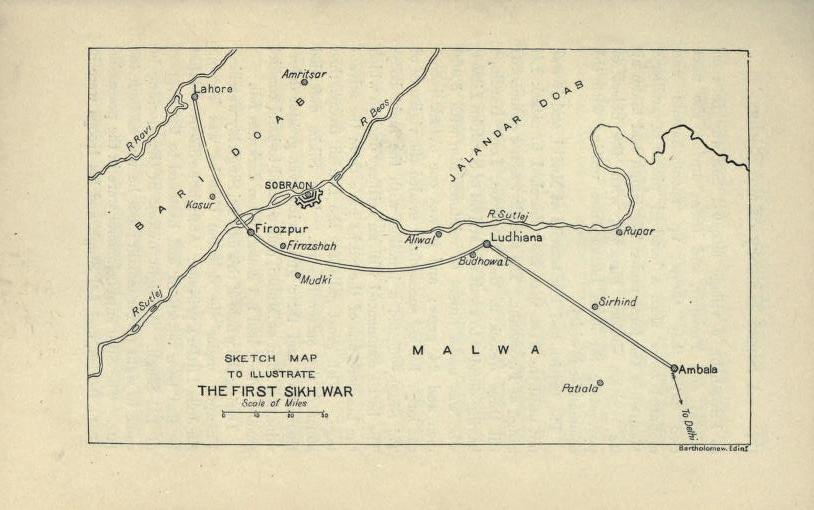
The First Anglo-Sikh Wars arose due to tensions between the Sikh Empire in the Punjab region of India and the British East India Company. The conflict was fueled by territorial disputes and the British aim to expand their influence in the region. The Sikh Empire, under the leadership of Maharaja Ranjit Singh, had previously been a formidable power in the area.
The outbreak of the First Anglo-Sikh Wars marked a significant turning point in the power dynamics of the Indian subcontinent. The British East India Company, with its superior military technology and tactics, was able to gain an advantage over the Sikh forces. However, the Sikh army, though valiant, faced challenges due to internal divisions and a lack of clear leadership after the death of Maharaja Ranjit Singh.
The battles of Mudki, Ferozeshah, and Sobraon were key engagements in the First Anglo-Sikh Wars. Despite putting up a fierce resistance, the Sikh forces were ultimately defeated by the British. The Treaty of Lahore, signed after the wars, forced the Sikh Empire to cede valuable territories to the British, including the Jullundur Doab and Kashmir.
The aftermath of the First Anglo-Sikh Wars had far-reaching consequences. The British now had a firmer grip on the Indian subcontinent, paving the way for further annexations and the eventual colonization of India. The Sikh Empire, once a formidable power, was significantly weakened by the loss of territories and resources.
Overall, the First Anglo-Sikh Wars highlighted the shifting power dynamics in India during the 19th century. It showcased the growing dominance of the British East India Company and the decline of indigenous powers like the Sikh Empire in the face of imperial expansion. The legacy of these wars continues to resonate in the history and heritage of modern-day India.
#FirstAngloSikhWars #BritishEastIndiaCompany #SikhEmpire #TreatyofLahore #19thCenturyIndia
View details1838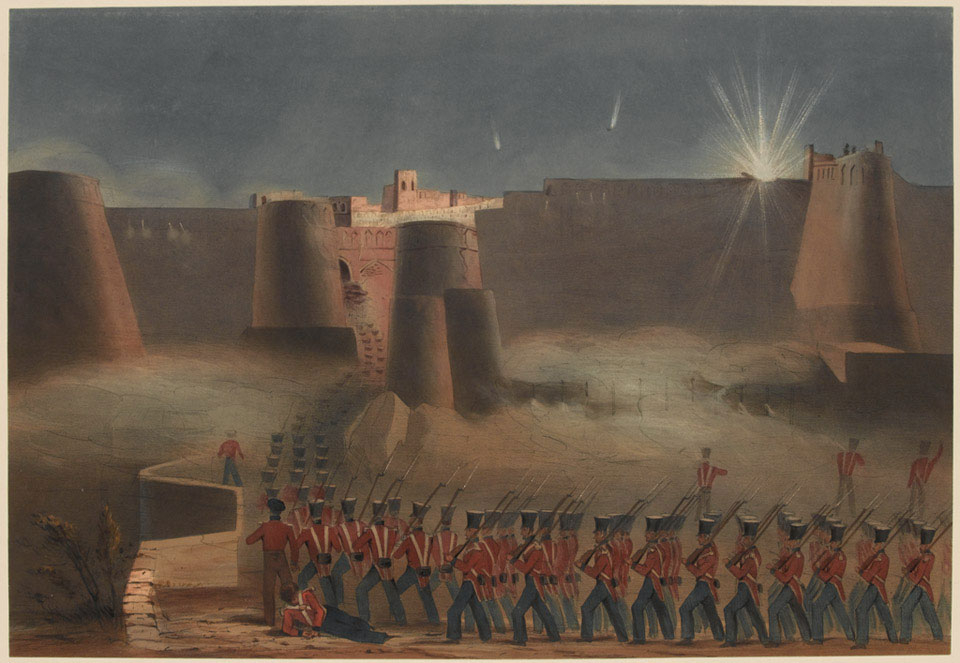
The First Anglo-Afghan War (1839-1842) was a significant conflict between the British East India Company and the Emirate of Afghanistan. This war marked the beginning of what would become known as the "Great Game," the strategic rivalry between the British and Russian Empires for dominance in Central Asia. The war's outcome highlighted the challenges and complexities of imperial ambitions in the rugged and fiercely independent terrain of Afghanistan.
Background
In the early 19th century, British India was a growing colonial power in the region, and the British were increasingly concerned about Russian expansion towards Central Asia. Afghanistan, situated between British India and the Russian Empire, became a focal point of strategic interest. The British feared that a pro-Russian Afghanistan would threaten their Indian possessions.
The Prelude to War
To counter Russian influence, the British decided to replace the Afghan ruler Dost Mohammad Khan with Shah Shujah Durrani, a former ruler who had been dethroned and was living in exile in India. The British believed that Shah Shujah would be a more pliable ally. In 1839, a British expeditionary force, known as the Army of the Indus, invaded Afghanistan to install Shah Shujah on the throne.
Key Figures
Dost Mohammad Khan: The reigning Emir of Afghanistan, known for his strong leadership and efforts to modernize his army.
Shah Shujah Durrani: The British-backed former ruler of Afghanistan, whom the British sought to reinstate.
Major-General William Elphinstone: The British commander whose leadership would be called into question during the campaign.
Major Battles and Events
Invasion and Initial Success
In March 1839, the British forces, composed of around 21,000 soldiers, crossed the Bolan Pass and advanced into Afghanistan. By July, they had captured the fortress of Ghazni, a key victory that allowed them to proceed to Kabul. Shah Shujah was installed as the ruler of Afghanistan in August 1839, seemingly achieving British objectives.
The Occupation of Kabul
The British maintained a garrison in Kabul to support Shah Shujah's regime. However, the occupation was costly and increasingly unpopular. Afghan resentment towards the British presence grew, exacerbated by economic difficulties and political tensions.
Uprising and Disaster
In November 1841, a general uprising against the British garrison in Kabul began. The rebellion was fueled by widespread dissatisfaction with Shah Shujah's rule and British interference. The British garrison, under the command of Major-General William Elphinstone, was ill-prepared for the scale of the insurrection.
In January 1842, facing mounting pressure and deteriorating conditions, Elphinstone agreed to evacuate Kabul under a negotiated agreement that promised safe passage. However, as the British force of about 4,500 soldiers and 12,000 camp followers attempted to retreat through the snowbound passes towards Jalalabad, they were ambushed and harassed by Afghan tribesmen.
The Retreat from Kabul
The retreat turned into a catastrophic disaster. Harsh winter conditions, inadequate supplies, and relentless attacks decimated the retreating column. Almost the entire British force was annihilated, with only one British soldier, Dr. William Brydon, managing to reach Jalalabad alive to tell the tale.
Aftermath and Consequences
The massacre of the British retreating forces from Kabul shocked Britain and prompted a swift military response. The British launched a punitive expedition to avenge their losses, recapturing Kabul in September 1842 and exacting retribution on the Afghans. However, recognizing the futility of their position, the British decided to withdraw from Afghanistan entirely by the end of the year.
The First Anglo-Afghan War highlighted the difficulties of military campaigns in Afghanistan's harsh terrain and the resilience of its people. The war also underscored the limits of imperial power and the complexities of imposing foreign rule on a fiercely independent nation.
Legacy
The First Anglo-Afghan War is remembered as a significant episode in the history of British imperialism and Afghan resistance. It demonstrated the formidable challenges of intervening in Afghanistan and served as a cautionary tale for future military engagements in the region. The conflict also set the stage for ongoing geopolitical rivalries in Central Asia, known as the "Great Game," which continued to shape the region's history.
#MomentsOfLife #MoofLife_Moment #MoofLife #FirstAngloAfghanWar #BritishIndia #AfghanHistory #GreatGame #ColonialHistory #MilitaryHistory #HistoricalEvents
View details1835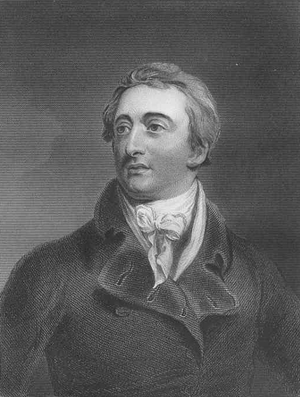
In 1835, Lord Bentinck introduced the English Education Act in India, aiming to promote Western education and abolish the practice of sati. Sati was a ritual where widows self-immolated on their husbands' funeral pyres. The Act sought to modernize India's education system by emphasizing English language instruction, catering to a growing need for English-speaking Indians in administrative roles under British rule.
The English Education Act was instrumental in the proliferation of Western education in India. It laid the foundation for a new era of learning that incorporated British literature, science, and governance principles into the local curriculum. This shift towards Western education opened up new opportunities for Indians to embrace modernity and engage with global ideas and advancements.
Simultaneously, the Act played a crucial role in eradicating the practice of sati. By aligning education with progressive values, Lord Bentinck aimed to challenge traditional beliefs and practices that were deemed inhumane and detrimental to societal progress. The Act's emphasis on rationality and critical thinking also contributed to a shift in social norms, leading to increased awareness and condemnation of sati across Indian society.
The introduction of the English Education Act by Lord Bentinck reshaped the educational landscape of India and marked a pivotal moment in the country's journey towards modernization and social reform. It propelled India into a new era of learning, bridging the gap between Eastern traditions and Western knowledge.
#EnglishEducationAct #SatiAbolition #WesternEducation #LordBentinck #Modernization #SocialReform #IndiaHistoricalEvents.
View details1813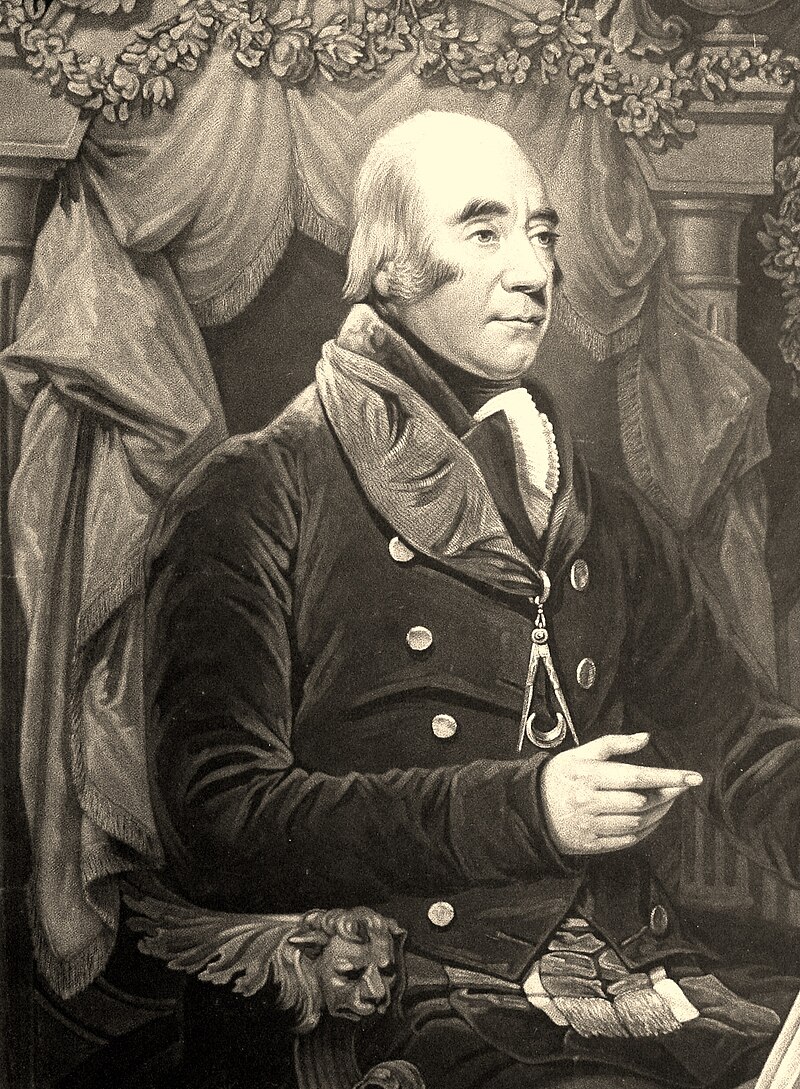
In the early 19th century, the British East India Company held significant power in India. The company's aim was to expand its influence over Indian princely states to strengthen its control over the subcontinent. The appointment of Lord Hastings as the Governor-General marked a crucial moment in this pursuit.
Hastings, an experienced administrator and military leader, took charge of overseeing British interests in India. He envisioned a policy that would enable the British to exert control over the princely states without direct annexation. This led to the implementation of the subsidiary alliance, a strategic move that allowed the British to maintain a facade of protection over the princely states while gradually extending their influence.
Under the subsidiary alliance system, the princely states were required to disband their armies and accept British military protection. In return, the British would have control over the state's foreign relations and strategic decisions. This policy effectively reduced the autonomy of the princely states and solidified British dominance in India.
Lord Hastings' implementation of the subsidiary alliance policy had a profound impact on the political landscape of India. It accelerated the process of British expansion and control, paving the way for the consolidation of British rule over the subcontinent. The policy also sparked resistance and discontent among some Indian rulers who resented losing their independence.
Overall, Lord Hastings' appointment as Governor-General and his enforcement of the subsidiary alliance policy were instrumental in reshaping the power dynamics in India during the 19th century. His actions laid the foundation for British colonial rule in India and set the stage for further British domination over the princely states.
#BritishEastIndiaCompany #SubsidiaryAlliance #GovernorGeneralLordHastings #BritishColonialRule #IndianPrincelyStates
View details1809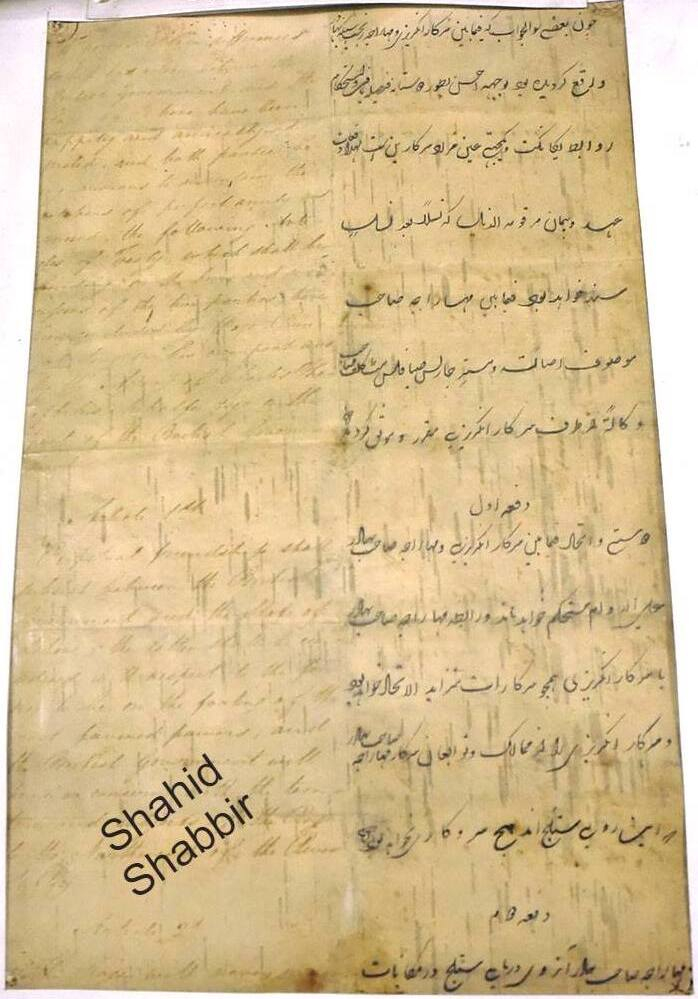
In the early 19th century, the region of Punjab in India was of strategic importance, caught between the expanding British East India Company and the powerful Sikh Empire under Maharaja Ranjit Singh. This tussle for control over Punjab ultimately led to the signing of the Treaty of Amritsar, which established the Sutlej River as the boundary between Ranjit Singh's territories and British India.
Prior to the treaty, there were border skirmishes and tensions between the two powers, culminating in both sides realizing the need for a formal agreement to avoid further conflict. Through the treaty, Ranjit Singh conceded control of territories to the British, maintaining peace along the Sutlej River. In return, the British recognized his sovereignty over the remaining Sikh Empire.
The signing of the Treaty of Amritsar had significant implications for both parties. For Maharaja Ranjit Singh, it marked a pragmatic decision to secure the borders of his empire and maintain stability within his realm. Meanwhile, the British East India Company gained a strategic advantage by solidifying their control over key territories in Punjab without engaging in a full-scale war.
The treaty not only delineated territorial boundaries but also paved the way for future interactions between the Sikh Empire and the British. It set a precedent for diplomatic negotiations and peaceful resolutions in a period of increasing colonial expansion and power struggles in the Indian subcontinent.
Overall, the Treaty of Amritsar was a pivotal moment in the history of Punjab, shaping the dynamics between the Sikh Empire and the British East India Company for years to come. It reflected the intricate balance of power and diplomacy in the region during a time of significant historical change.
#TreatyofAmritsar #SutlejRiverBoundary #RanjitSingh #EastIndiaCompany #PunjabHistory
View details1803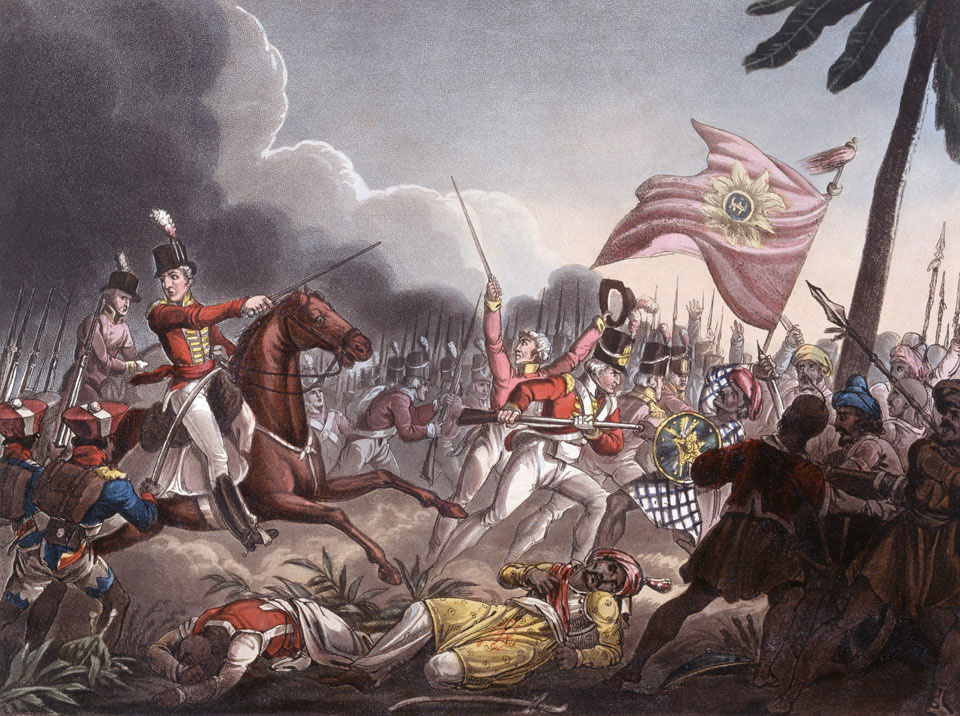
During the Second Anglo-Maratha War, the Battle of Delhi unfolded, leading to the British forces' successful capture of the city. The conflict emerged as a result of the Maratha Empire's decline and the British East India Company's ambitions to expand its influence. The British troops, under General Gerard Lake, faced off against the Maratha army near Delhi.
The battle was fierce, with both sides engaging in intense fighting. Despite the Marathas' initial resistance, the superior tactics and firepower of the British forces ultimately triumphed. The capture of Delhi was a strategic victory for the British, enabling them to establish control over the Mughal capital and weaken the Maratha Empire's grip on northern India.
The aftermath of the Battle of Delhi had far-reaching consequences. The Marathas suffered a significant blow to their power, paving the way for further British expansion in India. The capture of Delhi solidified the British East India Company's dominance in the region and marked a significant turning point in the subcontinent's history.
In the wake of the battle, Delhi underwent a transformation under British rule. The Mughal Emperor Shah Alam II, who had initially allied with the Marathas, was reinstated as a symbolic figurehead under British protection. The city became a key administrative center for the British administration in India.
The Battle of Delhi during the Second Anglo-Maratha War reshaped the political landscape of India, setting the stage for British colonial rule in the years to come. It exemplified the shifting power dynamics in the subcontinent and the British East India Company's growing influence. The capture of Delhi underscored the strategic importance of the city and its symbolic significance in shaping India's colonial history.
#BattleOfDelhi #BritishCapture #AngloMarathaWar #ColonialIndia
View details1800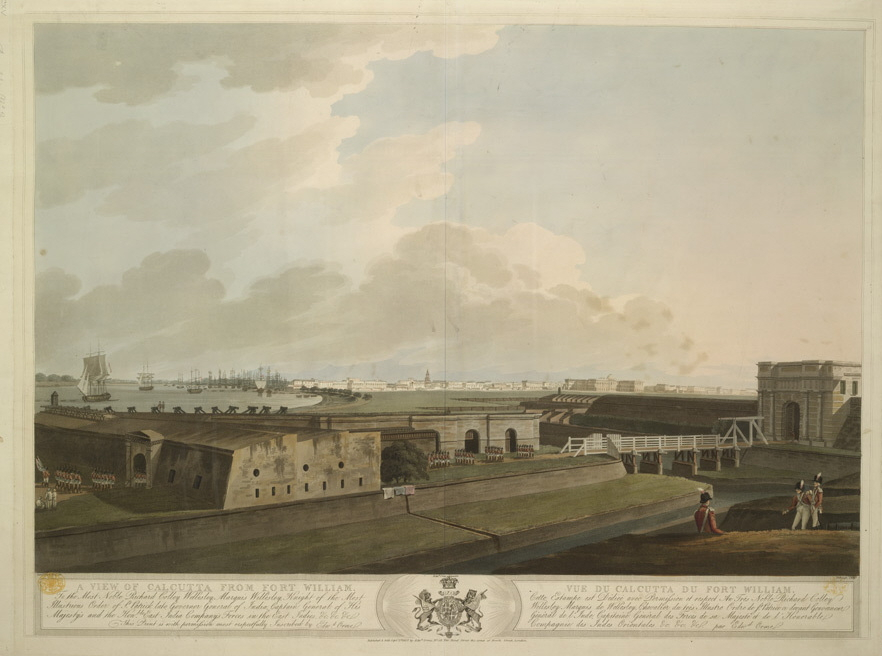
In 1800, the Fort William College was established in Calcutta, India, with the aim of improving the quality of administrators in the British colonial government. The background of this initiative can be traced back to the British East India Company's growing influence over Indian territories and the need for well-trained civil servants to effectively govern the region.
The College was founded to address the deficiencies in the education and training of British officials, who were often ill-equipped to understand the diverse cultures, languages, and administrative practices prevalent in India. The institution offered courses in Persian, Hindi, Bengali, and other local languages, alongside subjects like law, politics, and history, to provide administrators with a comprehensive understanding of the country they were tasked to govern.
The impact of the Fort William College was significant, as it played a crucial role in shaping the colonial administration in India. Graduates of the College were better equipped to interact with local communities, understand their needs, and implement policies that were more sensitive to the cultural and social fabric of the Indian subcontinent. This helped in fostering better governance and more effective communication between the British authorities and the indigenous population.
Overall, the establishment of the Fort William College marked a shift towards a more nuanced and informed approach to colonial governance in India. By prioritizing language learning and cultural understanding, the College laid the foundation for a more inclusive and efficient administration that recognized and respected the complexities of Indian society.
#FortWilliamCollege #Calcutta #AdministrativeReform #ColonialEducation #CulturalUnderstanding #BritishIndia
View details1784
Sir William Jones founded the Asiatic Society in Calcutta to advance the study of oriental languages, history, and culture. Jones, a British scholar, aimed to bridge the gap between the East and the West by promoting understanding and appreciation of Asian civilizations. He recognized the richness of ancient texts and languages in India and sought to preserve and disseminate this knowledge.
The establishment of the Asiatic Society had a profound impact on academic pursuits in India and worldwide. It became a hub for scholars from various disciplines who were passionate about delving into the history and culture of Asia. The Society provided a platform for intellectual exchange and collaborative research, fostering a deeper understanding of the region's diverse heritage.
Through its publications and research projects, the Asiatic Society contributed significantly to the fields of linguistics, archaeology, philosophy, and literature. Its library housed a vast collection of rare manuscripts and books, attracting scholars and researchers from around the globe. The Society's efforts not only enriched scholarly pursuits but also helped preserve and document invaluable cultural heritage.
The establishment of the Asiatic Society underscored the importance of multicultural dialogue and appreciation for diverse societies. It laid the foundation for future academic institutions and initiatives dedicated to the study of Asian civilizations. By honoring and promoting indigenous languages and traditions, the Society played a vital role in challenging Western hegemony and fostering mutual respect among different cultures.
In conclusion, the founding of the Asiatic Society by Sir William Jones marked a pivotal moment in the history of oriental studies. It promoted cross-cultural understanding, preserved ancient knowledge, and inspired generations of scholars to explore the rich tapestry of Asian heritage.
#AsiaticSociety #OrientalStudies #CulturalHeritage #SirWilliamJones #AcademicPursuits #MulticulturalDialogue #India
View details