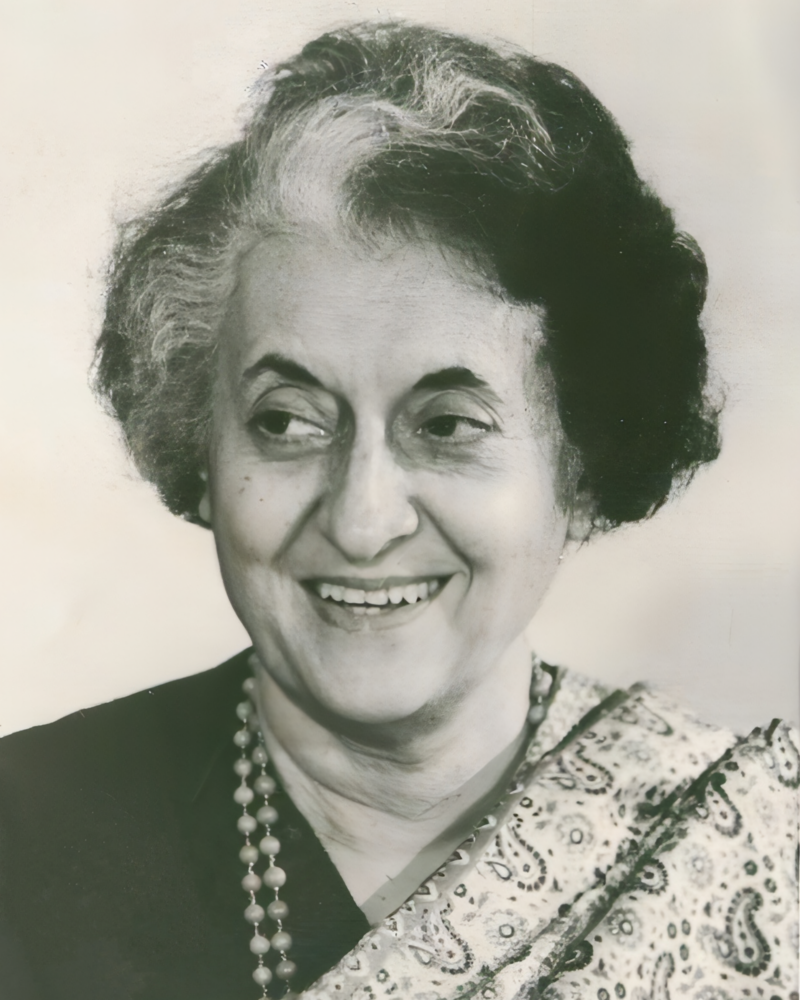
Assassination by bodyguards: Indira Gandhi's killing reshapes Indian politics.
Political
3 min read
Updated By: History Editorial Network (HEN)
Published:
The assassination of Prime Minister Indira Gandhi by her bodyguards sent shockwaves across India. The event took place following Operation Blue Star, a military operation ordered by Gandhi to remove Sikh militants from the Golden Temple in Amritsar. This decision had sparked outrage within the Sikh community.
On that fateful day, two of Gandhi's Sikh bodyguards, Satwant Singh and Beant Singh, opened fire on her at her residence. The Prime Minister was rushed to the hospital but succumbed to her injuries. The news of her assassination led to a wave of anti-Sikh riots across the country, resulting in the deaths of thousands of innocent Sikhs.
The assassination of Indira Gandhi had a profound impact on India's political landscape. It led to a rise in communal violence and strained relationships between the Sikh community and the rest of the country. The event also had repercussions on the ruling Congress party, with some factions facing backlash for their handling of the situation.
In the aftermath of the assassination, Indira Gandhi's son, Rajiv Gandhi, took over as Prime Minister. He attempted to ease tensions and promote unity among the diverse communities in India. The event, however, left a scar on the nation's history, serving as a reminder of the dangers of religious and political extremism.
#Assassination #IndiraGandhi #Sikh #Riots #PoliticalTurbulence
Explore the Life Moments of
 AI Twin