
India

The Land of Diversity and Vibrant Culture.
Related Lives

Academy Awards
The Oscars

Burundi
The Land of a Thousand Hills
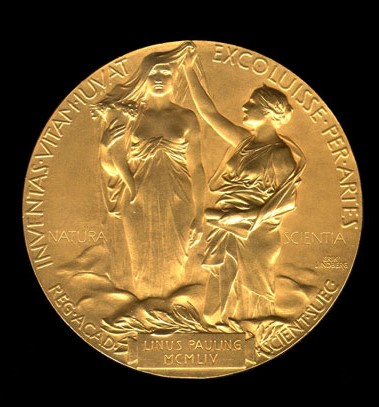
Nobel Prize in Literature
Inspiring through literature

Rugby World Cup
International Rournament in Rugby

The Prime Ministers of Italy
The President of the Council of Ministers

Slovakia
Heart of Europe

France
The Land of Romance

Cuba
The Jewel of the Caribbean

0753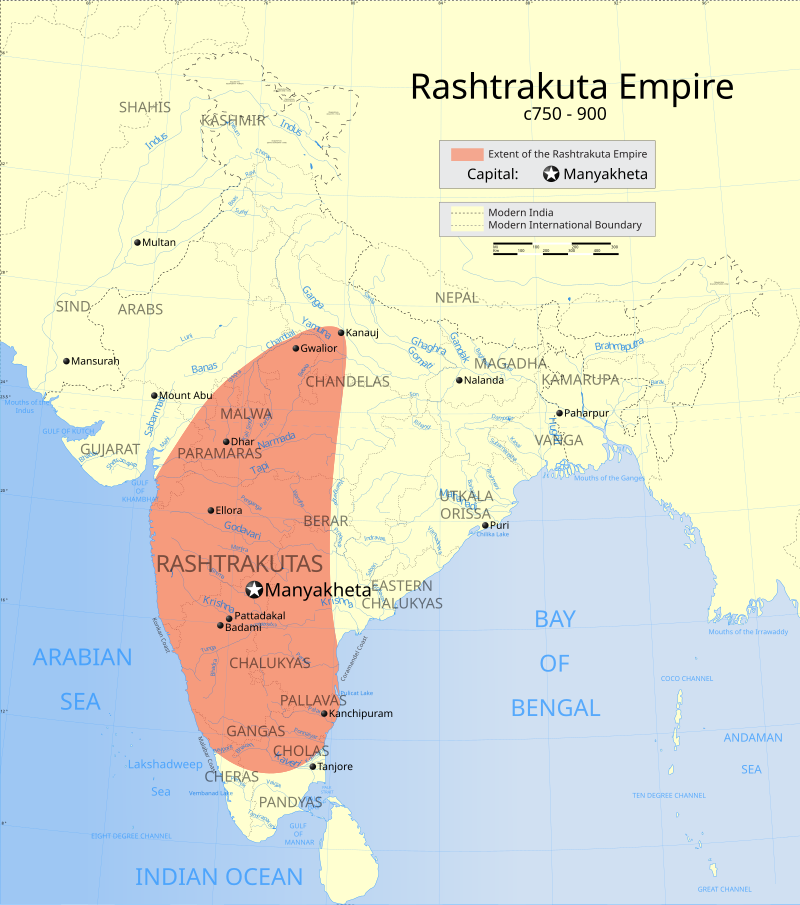
In 753, the Rashtrakuta Kingdom of Manyakhet was established by Dantidurga after defeating the Chalukyas of Badami. The Chalukyas were a powerful dynasty ruling over a vast territory in southern India. Dantidurga, a skilled military leader, launched a successful campaign against the Chalukyas, leading to their defeat and the establishment of the Rashtrakuta Kingdom.
The rise of the Rashtrakuta Kingdom under Dantidurga marked a significant shift in power dynamics in the region. The defeat of the Chalukyas of Badami by Dantidurga not only allowed him to assert his authority but also laid the foundation for the expansion of the Rashtrakuta Empire. The kingdom would go on to become a major power in the Deccan region, with its capital at Manyakhet (present-day Malkhed in Karnataka).
The establishment of the Rashtrakuta Kingdom under Dantidurga had far-reaching consequences for the political landscape of southern India. It ushered in a new era of power and influence for the Rashtrakutas, who would go on to dominate the Deccan region for centuries to come. The dynasty reached its zenith under rulers like Krishna I and Indra III, expanding its territory and achieving great cultural and architectural heights.
The defeat of the Chalukyas of Badami by Dantidurga and the subsequent establishment of the Rashtrakuta Kingdom of Manyakhet were pivotal moments in the history of southern India. It not only reshaped the political map of the region but also laid the groundwork for the rise of a new dynasty that would leave a lasting impact on the history and culture of India.
#RashtrakutaKingdom #Dantidurga #ChalukyasofBadami #Manyakhet #DeccanRegion #SouthernIndia #PoliticalShifts
View details0739
In the year 739, the Chalukyas of Navasarika, led by their ruler Avanijanashraya Pulakeshin, successfully repelled an invasion attempt by the Arab Umayyad Caliphate in a significant military confrontation. The Chalukyas were a notable dynasty in South India, known for their power and territorial control. The Arab Umayyad Caliphate, seeking to expand its influence, targeted the prosperous kingdom of Navasarika.
The invasion by the Arab Umayyad Caliphate was met with fierce resistance from the Chalukyas, who were well-prepared and strategically positioned to defend their kingdom. Avanijanashraya Pulakeshin, known for his military prowess and leadership, played a crucial role in rallying his forces and repelling the invaders. The Chalukyas' knowledge of the terrain and their experience in warfare proved to be decisive in thwarting the Arab forces' advances.
The successful defense of Navasarika against the Arab Umayyad Caliphate invasion had a lasting impact on the region. It not only ensured the preservation of the Chalukya kingdom's sovereignty and independence but also served as a testament to their military strength and resilience. The defeat of the powerful Caliphate by a regional power like the Chalukyas showcased the significance of local dynasties in shaping the political landscape of India during that period.
The event marked a significant moment in the history of the Chalukyas of Navasarika, highlighting their ability to withstand external threats and protect their kingdom from foreign aggression. It also underscored the regional power dynamics of South India and the strategic importance of Navasarika in the wider geopolitical context of the time. #Chalukyas #ArabUmayyadCaliphate #MilitaryVictory #SouthIndianHistory
View details0738
In 738, a significant event unfolded in India as a crucial battle transpired between a Confederacy of Indian kings led by Nagabhata I of the Gurjara-Pratihara dynasty and Bappa Rawal, ruler of Mewar, against the Arab Umayyad Caliphate. The Arab forces, seeking to expand their influence into the Indian subcontinent, faced fierce resistance from the Confederacy in the Battle of Rajasthan.
Nagabhata I, a prominent ruler of the Gurjara-Pratihara dynasty, and Bappa Rawal, known for his valor and military prowess in Mewar, joined forces to defend their territories against the Arab invaders. The Indian kings utilized their strategic acumen and knowledge of the local terrain to outmaneuver the Umayyad forces, leading to a decisive victory in Rajasthan.
This triumph had a lasting impact on the region, as it thwarted the Arab Caliphate's attempts to establish dominance in India and preserve the sovereignty of the Indian kingdoms. The successful defense of Rajasthan by the Confederacy of Indian kings bolstered morale among the local populace and solidified the reputation of Nagabhata I and Bappa Rawal as formidable leaders who safeguarded their lands from external threats.
The Battle of Rajasthan exemplified the resilience and military might of the Indian kingdoms in repelling foreign invasions, showcasing the strength of indigenous rulers in preserving their independence and cultural heritage. The collaboration between Nagabhata I and Bappa Rawal symbolized unity and solidarity among Indian rulers in the face of external aggression, highlighting the importance of alliances in defending the integrity of the subcontinent.
#IndianResistance #GurjaraPratiharaDynasty #MewarRuler #ArabInvasion #BattleOfRajasthan
View details0736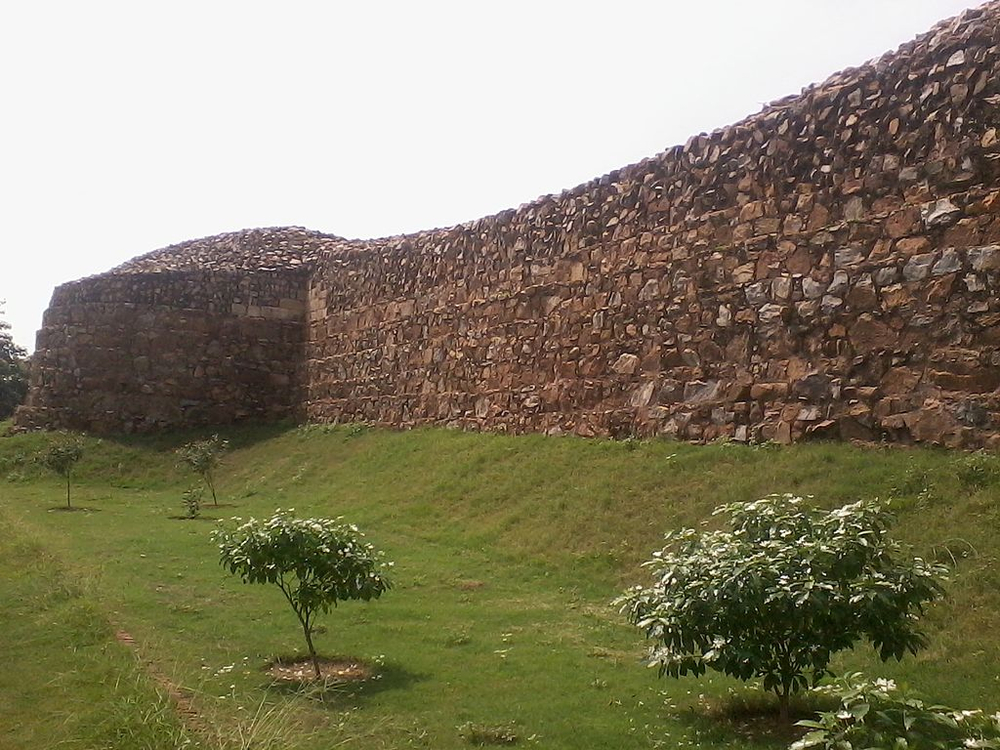
In AD 736, Delhi witnessed a significant moment in its history when it was re-established by Bilan Deo Tomar, also known as Anangpal Tomar. This event marked the revival and establishment of Delhi as a significant political and cultural center in northern India, laying the groundwork for its future prominence.
The Context
The early medieval period in India was a time of significant political and territorial reorganization. The decline of the Gupta Empire had given rise to several regional powers, and the northern Indian landscape was dotted with various small kingdoms and principalities. The Tomar dynasty, of Rajput origin, emerged as a key player in this dynamic period.
Anangpal Tomar and the Tomar Dynasty
Anangpal Tomar, also known as Bilan Deo Tomar, was a ruler of the Tomar dynasty, which traced its lineage back to the Rajputs. The Tomars were originally based in the present-day Gwalior region and gradually expanded their influence northwards. Anangpal Tomar's re-establishment of Delhi is often considered a strategic move to secure control over the fertile and strategically vital region of the Yamuna River.
Re-establishment of Delhi
Anangpal Tomar's efforts to rebuild and fortify Delhi were pivotal. Delhi had been a site of historical significance, but it had declined in prominence. By re-establishing Delhi, Anangpal Tomar aimed to create a stronghold that could serve both as a political center and a defensive bastion. This move was not only strategic for controlling trade routes but also for asserting Tomar dominance in the region.
Contributions and Legacy
Fortifications and Urban Development
Anangpal Tomar is credited with constructing the Lal Kot, a fort that served as the nucleus of his new capital. The Lal Kot, with its robust walls and strategic location, provided a formidable defense against potential invaders. This fortification later played a crucial role in the region's defense and was expanded by subsequent rulers, becoming a foundational structure in Delhi's complex urban history.
Cultural Impact
The re-establishment of Delhi under the Tomar dynasty also had significant cultural implications. It became a center for the flourishing of arts and culture. The Tomars were patrons of Hindu temples and architecture, contributing to the cultural and religious landscape of the region.
Strategic Importance
The strategic importance of Delhi, re-established by Anangpal Tomar, cannot be overstated. Its location on the banks of the Yamuna River made it a critical juncture for trade and military campaigns. The city's revival under the Tomars set the stage for its future as a prominent political center, which would later attract the attention of successive dynasties and empires, including the Chauhans, the Delhi Sultanate, and the Mughal Empire.
Historical Significance
The re-establishment of Delhi by Anangpal Tomar in AD 736 is a landmark event in Indian history. It marked the beginning of Delhi's transformation into a major urban and political center, a role it continues to play to this day. Anangpal's vision and strategic foresight laid the groundwork for Delhi's enduring legacy as a seat of power and culture in India.
#MomentsOfLife #MoofLife_Moment #MoofLife #DelhiHistory #AnangpalTomar #TomarDynasty #IndianHistory #MedievalIndia #HistoricalEvents #DelhiReestablishment
View details0728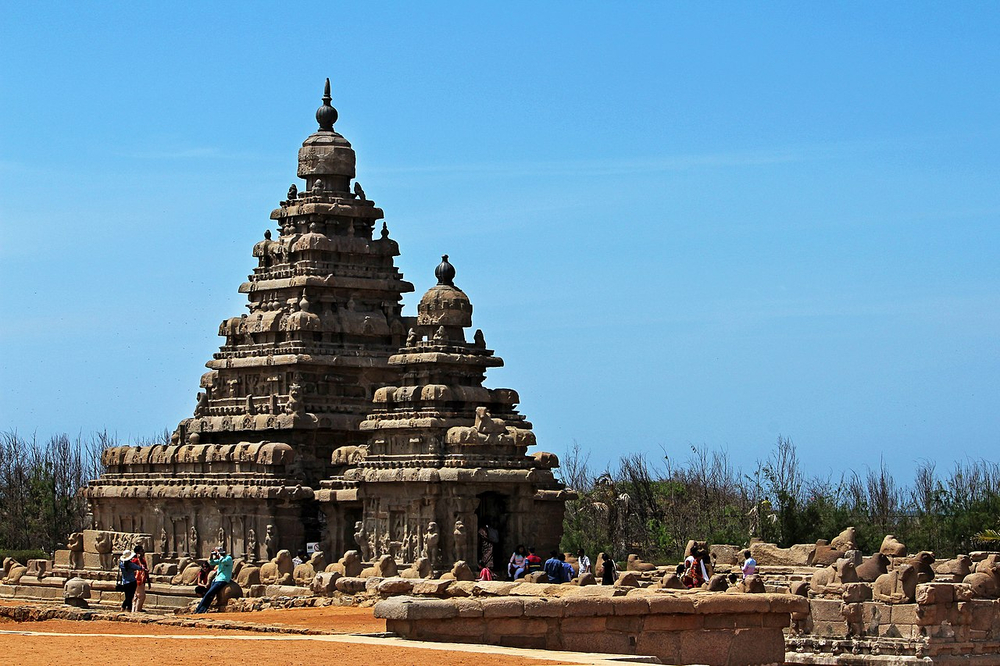
Narasimhavarman II of the Pallava dynasty, a prominent ruler in southern India, oversaw the construction of the Shore Temple in Mamallapuram. The Pallavas were known for their architectural achievements, and this temple stands as a testament to their craftsmanship and devotion.
The Shore Temple, dedicated to Lord Shiva, is situated on the Coromandel Coast overlooking the Bay of Bengal. It is a structural complex made of finely carved granite blocks that depict scenes from Hindu mythology, showcasing the skill and artistry of the Pallava artisans.
This architectural marvel served not only as a place of worship but also as a beacon of Pallava power and influence in the region. It attracted pilgrims and traders from far and wide, contributing to the prosperity and cultural exchange in Mamallapuram.
The construction of the Shore Temple marked a significant cultural and religious milestone, blending Dravidian architecture with intricate carvings and sculptures that have stood the test of time. It also symbolized the Pallavas' commitment to promoting Hinduism and their legacy as patrons of the arts.
Today, the Shore Temple is a UNESCO World Heritage Site and a popular tourist destination, drawing visitors from around the globe to marvel at its beauty and historical significance. It continues to inspire artists, architects, and historians, serving as a link to India's rich cultural heritage and architectural ingenuity.
#NarasimhavarmanII #PallavaDynasty #ShoreTemple #Mamallapuram #IndianArchitecture #CulturalHeritage
View details0711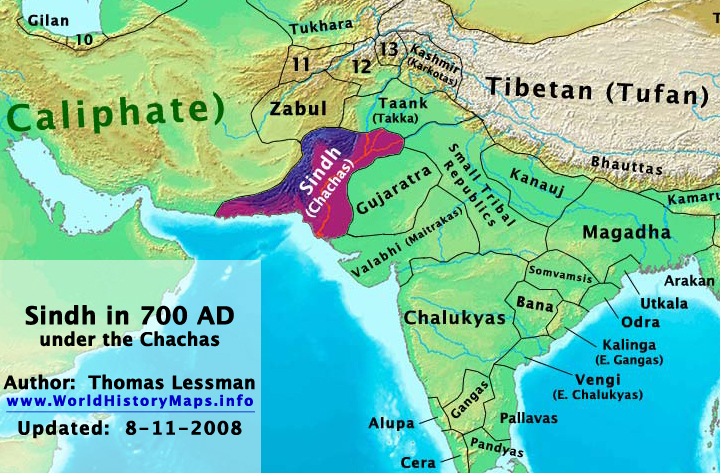
In the early 8th century, Muhammad bin Qasim led the Umayyad Caliphate's campaign into the Sindh region, challenging Raja Dahir's rule. This conquest marked a pivotal moment in the expansion of the Muslim influence in the Indian subcontinent.
Raja Dahir, the king of Sindh, faced the advancing forces of Muhammad bin Qasim, who aimed to establish control over the region. Despite fierce resistance, Raja Dahir was defeated, leading to the fall of his kingdom and the incorporation of Sindh into the Umayyad Caliphate.
Muhammad bin Qasim's victory had far-reaching consequences. It paved the way for the spread of Islam in the Indian subcontinent, as the region gradually came under Muslim rule. The conquest of Sindh established a lasting Muslim presence in the area, influencing its culture, society, and political landscape for centuries to come.
The defeat of Raja Dahir by Muhammad bin Qasim signaled a shift in power dynamics in the region, as the Umayyad Caliphate consolidated its control over new territories. The event also highlighted the military prowess and strategic acumen of the Arab commander, solidifying his reputation as a skilled leader.
Overall, the conquest of Sindh by Muhammad bin Qasim was a significant chapter in Indian history, shaping the religious and political landscape of the region. It marked the beginning of a new era of Muslim rule in the subcontinent, leaving a lasting impact that resonates to this day.
#MuhammadBinQasim #RajaDahir #MuslimConquest #SindhRegion #IndianHistory #UmayyadCaliphate
View details0637
In the year 637, the Badami Chalukya dynasty in South India reached the pinnacle of its power under the rule of King Pulakeshin II. During this time, Pulakeshin II led a successful military campaign pushing north up to the Narmada River, challenging the authority of Harshavardhana of Kanauj, a powerful ruler in the north.
The clash between Pulakeshin II and Harshavardhana was a significant event as it resulted in a decisive victory for the Badami Chalukya ruler. Pulakeshin II's military prowess and strategic acumen were on full display as he managed to defeat the invading forces of Harshavardhana, securing his dominance in the region.
The impact of this event reverberated throughout the Indian subcontinent, solidifying Pulakeshin II's reputation as a formidable ruler. His successful campaign up to the Narmada River showcased the extent of the Badami Chalukya kingdom's reach and influence during this period.
The defeat of Harshavardhana of Kanauj at the hands of Pulakeshin II marked a turning point in the political landscape of ancient India, with the Badami Chalukyas asserting their power and expanding their territory into the northern regions.
This event exemplifies the dynamic political environment of ancient India, characterized by shifting power dynamics and territorial expansions. It showcases the military might and strategic vision of King Pulakeshin II, underscoring the significance of the Badami Chalukya dynasty during this period.
#BadamiChalukya #PulakeshinII #Harshavardhana #AncientIndia #MilitaryCampaign #PoliticalPower #NarmadaRiver #DynasticRivalry
View details0528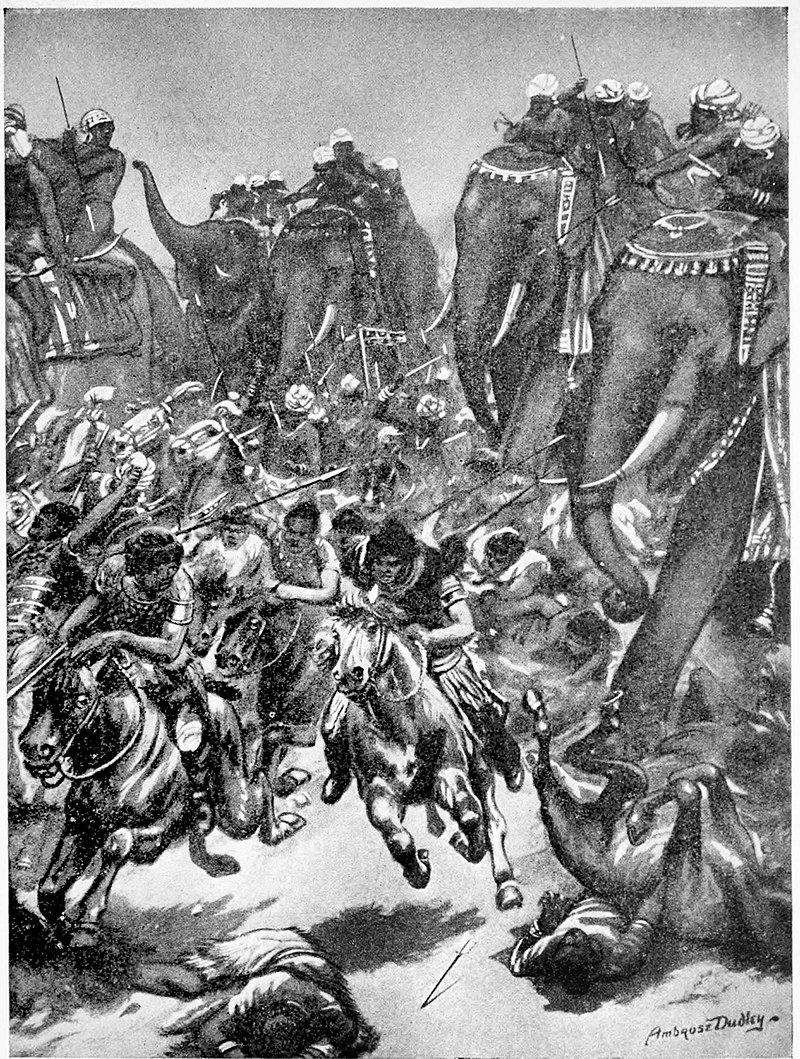
In the early 6th century, Yashodharman, a valiant ruler from Malwa, clashed with the Hunas and Guptas in the Battle of Sondani in central India. Yashodharman emerged victorious, seizing vast territories from the Hunas and Guptas, leading to the establishment of the short-lived Aulikara Empire.
The battle was a turning point in the political landscape of India during that time. Yashodharman's conquests significantly weakened the Hunas and Guptas, solidifying his power in the region. The establishment of the Aulikara Empire marked a brief period of dominance in central India under Yashodharman's rule.
Yashodharman's success in expanding his empire was aided by his strategic military tactics and the support of his loyal followers. His conquests brought stability to the region and increased his influence over a vast expanse of territories.
Despite the short duration of the Aulikara Empire, Yashodharman's achievements in the Battle of Sondani left a lasting impact on the political history of India. His victories reshaped power dynamics in central India and established him as a formidable ruler in the region.
The Battle of Sondani and the subsequent rise of the Aulikara Empire serve as a testament to Yashodharman's military prowess and leadership abilities. The event underscores the significance of territorial conquests and their role in shaping empires in ancient India.
#Yashodharman #BattleOfSondani #AulikaraEmpire #Hunas #Guptas #CentralIndia #PoliticalHistory
View details0455
In 455, the Hun invasion posed a severe threat to the Gupta Empire in India. Skandagupta, a powerful ruler of the Gupta dynasty, rose to the occasion to defend his kingdom. The Huns, led by their formidable leader, Toramana, were known for their fierce warriors and brutal tactics. Skandagupta understood the gravity of the situation and mobilized his military forces to counter the invasion.
With strategic foresight, Skandagupta's troops engaged the Huns in multiple skirmishes across the northwestern frontier of India. Despite being outnumbered, Gupta forces displayed exceptional valor and military acumen. The Guptas utilized their knowledge of the terrain to outmaneuver the Huns, inflicting significant casualties on their forces.
Skandagupta's decisive leadership and the bravery of his soldiers played a pivotal role in turning the tide against the Huns. The Gupta forces not only repelled the invasion but also pursued the retreating Huns, preventing any future threats to the empire. The defeat of the Hun invasion by Skandagupta safeguarded the territorial integrity and stability of the Gupta Empire.
This historic event underscored the military prowess of Skandagupta and solidified the Gupta dynasty's reputation as a powerful empire in India. The successful defense against the Huns boosted the morale of the Gupta army and instilled a sense of pride and security among the empire's subjects.
Skandagupta's triumph over the Hun invasion remains a significant chapter in Indian history, highlighting the resilience and strength of ancient Indian civilizations in the face of external aggressors. The legacy of Skandagupta's victory reverberates through the annals of Indian history as a testament to the valor and determination of its rulers and warriors.
#Skandagupta #GuptaEmpire #HunInvasion #MilitaryProwess #AncientIndia
View details0413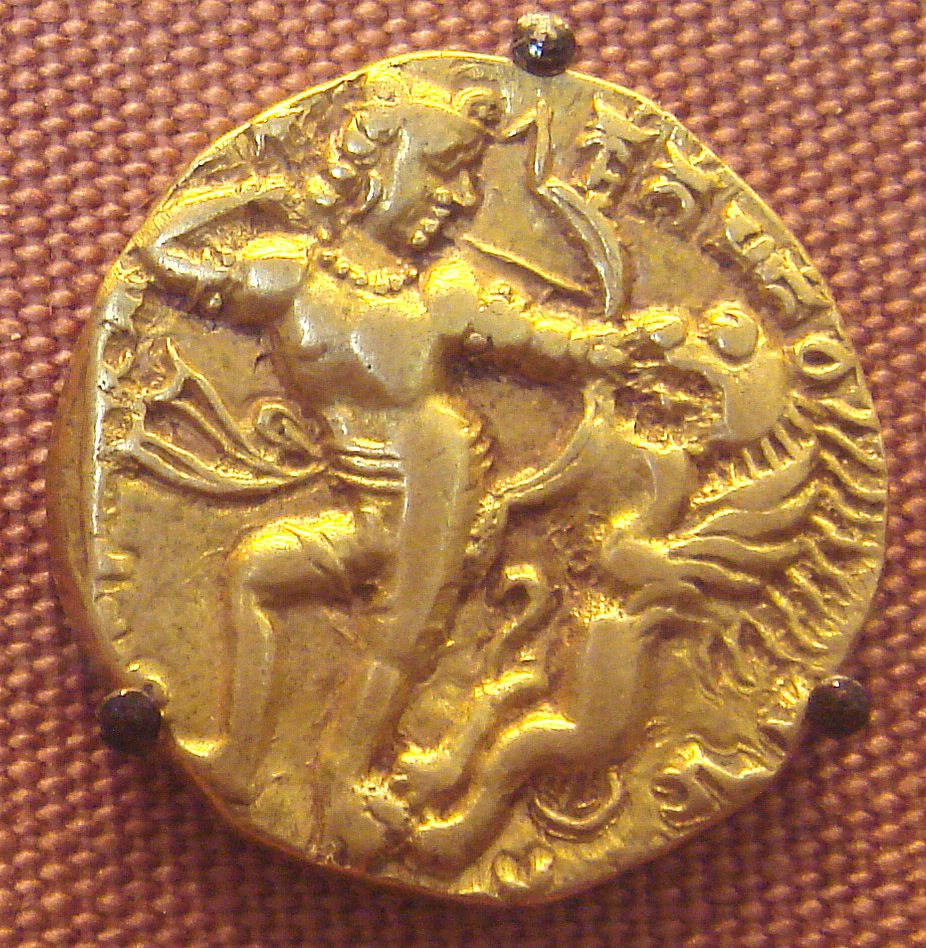
In AD 413, Kumaragupta I, the ruler of the Gupta Empire in India, adopted the title of Mahendraditya, signaling a significant period in ancient Indian history. The Gupta Empire, often referred to as the "Golden Age" of India, was characterized by extensive achievements in arts, science, political administration, and culture. Kumaragupta I's reign marked both a continuation and a consolidation of these advancements.
The Gupta Empire and Kumaragupta I
The Gupta Empire was founded by Sri Gupta in the early 4th century, but it was under Chandragupta I and his successors that the empire expanded significantly. Kumaragupta I, the son of Chandragupta II, ascended the throne around AD 413. His adoption of the title "Mahendraditya" is significant for understanding the political and cultural milieu of the time. The title, combining "Mahendra" (a name of the god Indra, symbolizing supreme power) and "Aditya" (meaning son of Aditi, representing solar divinity), emphasized his divine right to rule and his supreme authority.
Reign and Achievements
Kumaragupta I's reign is noted for maintaining the stability and prosperity established by his predecessors. The Gupta administration was highly efficient, with a well-structured bureaucracy and a balanced approach to governance. Under Kumaragupta I, the empire witnessed a continued flourishing of trade, both internal and international, contributing to economic prosperity.
Cultural Flourishing
One of the hallmarks of the Gupta period was its cultural and intellectual renaissance. Kumaragupta I's reign saw remarkable achievements in literature, science, and the arts. The period is known for the creation of classical Sanskrit literature, including works by the renowned poet and dramatist Kalidasa. Scientific advancements, particularly in mathematics and astronomy, were significant, with scholars like Aryabhata making pioneering contributions.
Religious and Architectural Contributions
Kumaragupta I was a patron of various religions, including Hinduism, Buddhism, and Jainism. This period saw the construction of numerous temples and stupas, which are exemplary of Gupta architecture. The Dashavatara Temple in Deogarh, for instance, is an excellent example of Gupta temple architecture, featuring intricate carvings and elaborate sculptures.
Challenges and Legacy
Despite the general prosperity, Kumaragupta I's reign was not without challenges. Toward the end of his rule, the Gupta Empire faced threats from the Pushyamitras and the Huns. Kumaragupta's ability to fend off these invasions showcased his military prowess and strategic acumen, although these threats would later contribute to the empire's decline after his reign.
Kumaragupta I's adoption of the title Mahendraditya symbolizes the Gupta dynasty's peak in terms of cultural, political, and economic achievements. His rule reinforced the ideals of the Gupta Empire and set a high standard for his successors.
#MomentsOfLife #MoofLife_Moment #MoofLife #KumaraguptaI #GuptaEmpire #AncientIndia #GoldenAge #Mahendraditya #CulturalRenaissance #HistoricalEvents
View details0345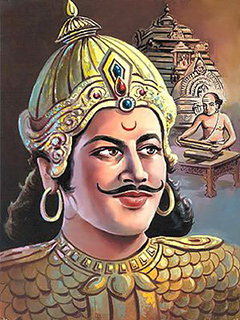
In 345, the Kadamba Kingdom was established by Mayurasharma with Banavasi serving as its capital, marking a pivotal moment in Indian history. They were the first kingdom to adopt Kannada for administrative purposes, setting a precedent that would impact the region for generations to come.
The Kadambas were influential in the Deccan region, strategically located in present-day Karnataka. With Banavasi as their hub, they flourished culturally, economically, and politically. Their use of Kannada as an administrative language facilitated communication with their subjects and streamlined governance within their expanding territory.
The adoption of Kannada by the Kadambas was a significant shift, as it allowed for greater inclusivity and accessibility in the administration of the kingdom. This move also fostered the growth of the Kannada language, paving the way for its development as a literary and cultural medium in the centuries that followed.
The Kadamba Kingdom's embrace of Kannada represented more than just a linguistic choice; it symbolized a commitment to the cultural identity of the region and a desire to connect with the populace on a deeper level. This approach endeared them to their subjects and helped solidify their rule over the land.
Overall, the establishment of the Kadamba Kingdom by Mayurasharma, with Banavasi as its capital, and their pioneering use of Kannada in administration, was a transformative development in Indian history. It laid the foundation for the promotion and preservation of the Kannada language and culture, leaving a lasting legacy that continues to resonate in the hearts of the people of Karnataka.
#KadambaKingdom #Mayurasharma #Kannada #Banavasi #DeccanRegion #CulturalIdentity
View details333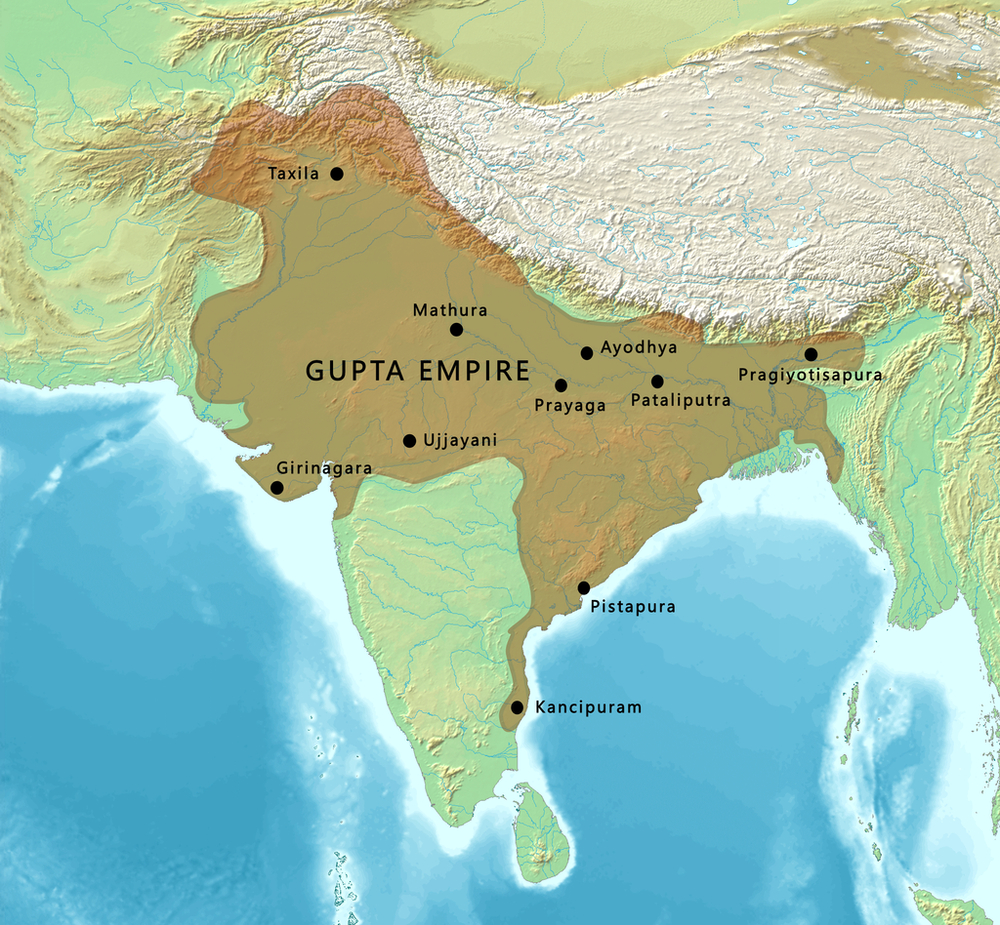
The accession of Samudragupta to the Gupta throne marked a pivotal moment in ancient Indian history. Samudragupta, son of Chandragupta I, ascended to power after his father's death, inheriting the Gupta Empire. Known for his military conquests and diplomatic prowess, Samudragupta expanded the empire's territory significantly.
Under Samudragupta's rule, the Gupta Empire flourished culturally and economically. He was a patron of the arts, with notable contributions to literature, music, and dance. His reign saw a period of prosperity and stability, fostering a golden age in Indian history.
One of Samudragupta's most renowned achievements was his extensive military campaigns. Through strategic warfare and alliances, he extended the Gupta Empire's influence over a vast region, encompassing present-day India, Pakistan, Nepal, and Bangladesh. His conquests solidified Gupta dominance and established a period of Gupta hegemony in South Asia.
Samudragupta's accession had a lasting impact on Indian society and politics. His visionary leadership laid the foundation for the Gupta Empire's peak of power and influence in the ancient world. His administrative reforms and policy initiatives contributed to the empire's enduring legacy as a pinnacle of Indian civilization.
The reign of Samudragupta ushered in a period of unprecedented prosperity and cultural achievement. His patronage of the arts and promotion of Sanskrit literature enriched Indian cultural heritage. The Gupta Empire became renowned for its advancements in science, mathematics, and philosophy, making significant contributions to human knowledge.
In conclusion, the accession of Samudragupta to the Gupta throne was a transformative moment in Indian history. His leadership, military prowess, and cultural patronage shaped the course of the Gupta Empire, leaving a lasting legacy that resonates to this day. #Samudragupta #GuptaEmpire #AncientIndia
View details0320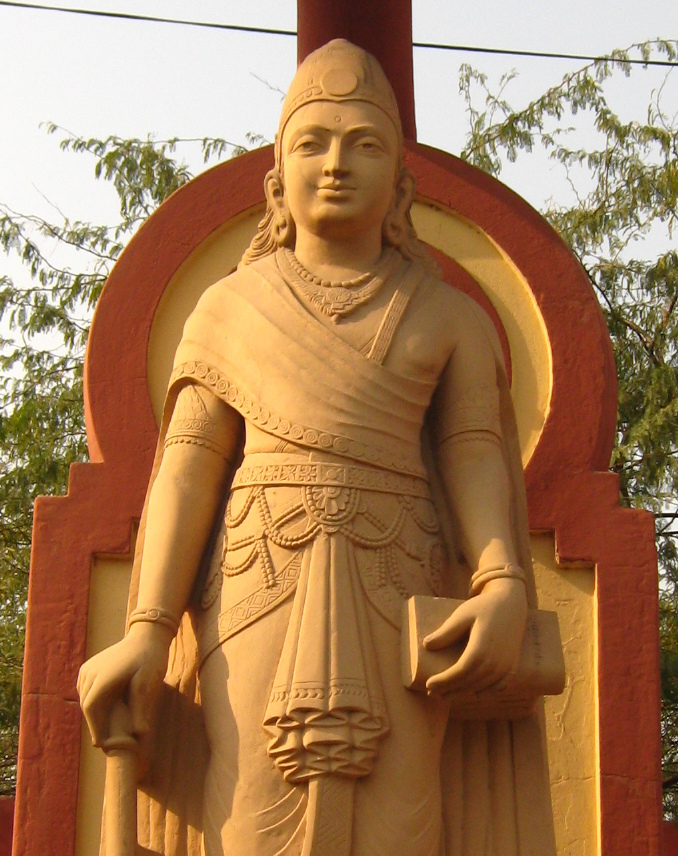
Chandragupta I ascended the Gupta throne following a period of instability in India. His accession marked the beginning of the Gupta Empire, which would go on to become one of the most powerful and influential dynasties in Indian history.
Before Chandragupta I's reign, the Gupta Empire was relatively small and insignificant. However, his strong leadership and military prowess allowed him to expand the empire's territory and consolidate his power. Chandragupta I's reign also saw a flourishing of art, science, and culture, with the Gupta Empire becoming known as a golden age of Indian civilization.
Under Chandragupta I's rule, the Gupta Empire established itself as a dominant force in Northern India, with Chandragupta I being hailed as a great conqueror and unifier. His accession to the throne marked the beginning of a period of stability and prosperity for the region, with the Gupta Empire becoming a center of trade, learning, and innovation.
Overall, Chandragupta I's accession to the Gupta throne was a transformative moment in Indian history, laying the foundation for the empire's golden age and cementing its place as one of the most significant dynasties in Indian history.
#ChandraguptaI #GuptaThrone #GoldenAge #IndianCivilization
View details0275
In 275, the Pallava dynasty was established in India, marking a significant shift in the region's political landscape. The Pallavas were known for their patronage of art, architecture, and literature, leaving a lasting impact on South Indian culture.
The Pallava dynasty originated in the Tondaimandalam region in present-day Tamil Nadu. They rose to power by successfully asserting their control over trade routes and strategic locations along the east coast of India. Under the leadership of Simhavarman I, the Pallavas expanded their influence and established themselves as a dominant force in the region.
One of the most remarkable aspects of the Pallava dynasty was their contributions to the field of architecture. They built magnificent rock-cut temples and monolithic rathas, showcasing their architectural prowess and artistic sensibilities. The famous shore temple in Mamallapuram stands as a testament to their architectural legacy.
In addition to their architectural achievements, the Pallavas were also known for their support of literature and learning. Sanskrit and Tamil literature flourished under their patronage, with poets and scholars finding encouragement at their court. This period saw a rich cultural renaissance in South India, with the Pallavas playing a pivotal role in its development.
The establishment of the Pallava dynasty had a lasting impact on the history and culture of South India. Their contributions to art, architecture, and literature continue to be celebrated and studied to this day, shedding light on a golden era in the region's history.
#PallavaDynasty #SouthIndianHistory #CulturalRenaissance
View details0250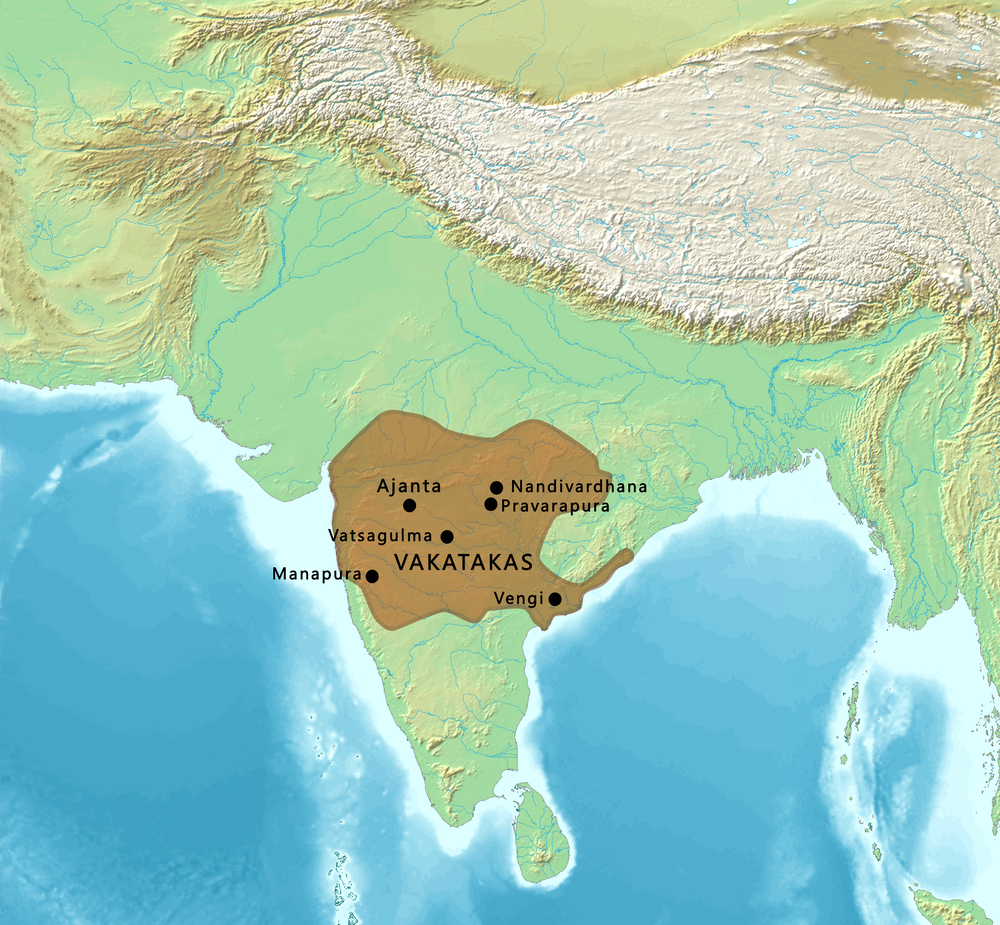
In 250, Vindyashakti established the Vakataka Dynasty in the Deccan region of India. He became the first ruler of this dynasty, which lasted until 275. Vindyashakti's reign marked the beginning of a new era in the Deccan, as the Vakataka Dynasty would go on to play a significant role in shaping the political landscape of the region.
The Vakataka Dynasty's rise to power brought stability and prosperity to the Deccan, as Vindyashakti and his successors implemented effective governance and supported cultural and artistic endeavors. The dynasty's rule also facilitated trade and commerce, leading to economic growth and development in the region.
Under Vindyashakti's leadership, the Vakataka Dynasty established strong administrative systems, expanded its territory through strategic military campaigns, and fostered diplomatic relations with neighboring kingdoms. The dynasty's influence extended beyond the Deccan, as they maintained alliances with other powerful dynasties in India.
Vindyashakti's legacy as the founder of the Vakataka Dynasty laid the foundation for future generations of rulers to build upon. His leadership set the stage for a period of prosperity and cultural flourishing in the Deccan, leaving a lasting impact on the region's history.
The formation of the Vakataka Dynasty by Vindyashakti in the Deccan reshaped the political landscape of India, ushering in a new era of governance, prosperity, and cultural advancement. #VakatakaDynasty #Deccan #Vindyashakti #IndianHistory
View details0240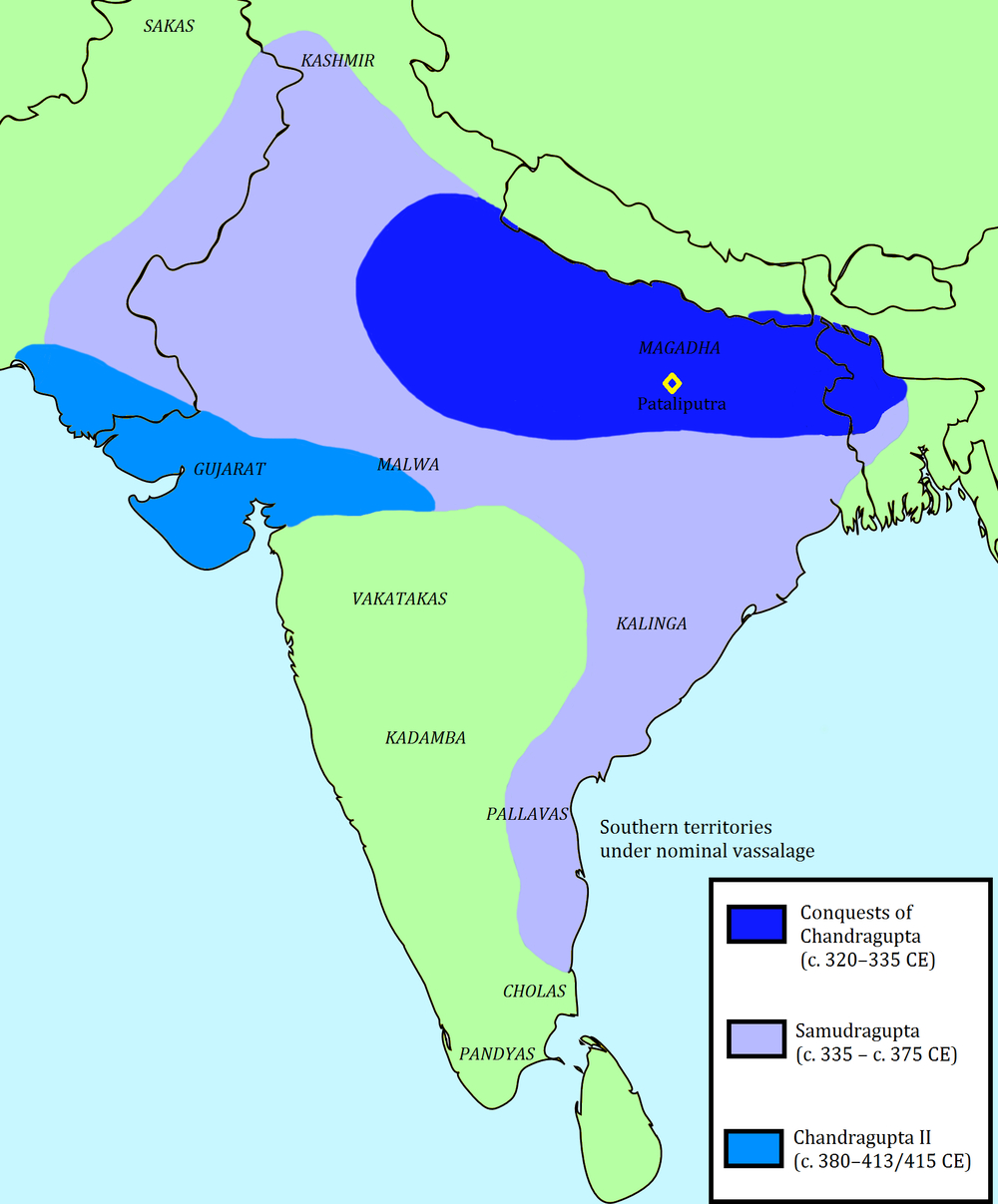
In 240, Sri Gupta, a king from the Gupta dynasty, established the Gupta Empire in India. Coming from humble beginnings, the Gupta family rose to power in the Magadha region. Sri Gupta's strategic marriage alliances and military prowess enabled him to expand his kingdom's influence, laying the foundation for the vast empire that would soon flourish under his descendants.
The establishment of the Gupta Empire marked a significant shift in Indian history. Under Sri Gupta's rule, the empire experienced a period of stability and prosperity. The Guptas implemented efficient administrative systems, promoted trade and commerce, and fostered a climate of cultural and intellectual advancement. This period is often referred to as the Golden Age of India, characterized by remarkable achievements in art, literature, science, and mathematics.
Sri Gupta's legacy as the founder of the Gupta Empire set the stage for centuries of Gupta rule in India. His successors, such as Chandragupta I and Samudragupta, continued to expand and consolidate the empire, reaching its peak during the reign of Chandragupta II. The Gupta Empire's influence extended across much of northern and central India, solidifying its status as one of the most powerful and prosperous empires in Indian history.
The Gupta Empire's impact on India was profound and enduring. Its contributions to art and architecture, particularly the iconic Gupta style, influenced generations of artists and craftsmen. The empire's support for learning and scholarship led to advancements in various fields, including mathematics and astronomy. The Gupta period also witnessed religious tolerance and patronage of diverse faiths, contributing to India's rich cultural tapestry.
The establishment of the Gupta Empire by Sri Gupta marked a pivotal moment in Indian history, ushering in a period of prosperity, innovation, and cultural achievement. #GuptaEmpire #GoldenAgeofIndia #CulturalAdvancement
View details0113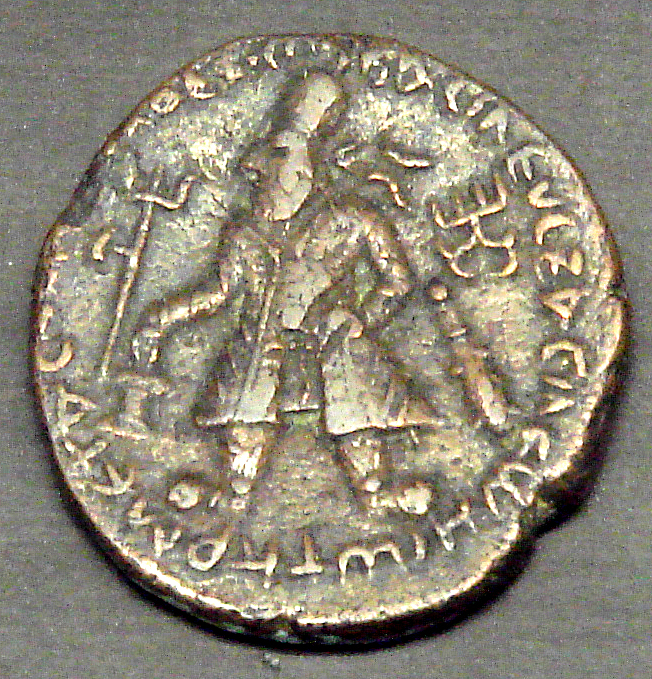
Vima Kadphises assumed leadership of the Kushan Empire, marking a pivotal shift in their monetary system. As the empire's ruler, he played a crucial role in introducing gold coinage alongside the existing silver and copper currency. This modification diversified the empire's economic foundation and solidified its position as a dominant trading power in the region.
The Kushan Empire, under Vima Kadphises' rule, experienced enhanced trade relations and economic prosperity due to the introduction of gold coins. This move not only facilitated smoother transactions but also increased the empire's influence in commercial activities across borders. The widespread acceptance of the new currency further boosted the Kushan Empire's stature in international trade, attracting merchants and traders from distant lands.
Vima Kadphises' implementation of gold coinage revolutionized the economic landscape of the Kushan Empire. The availability of a broader range of currencies facilitated increased trade, leading to economic growth and prosperity for the empire. The solidification of the empire's economic prowess under Vima Kadphises' reign laid a foundation for continued success and expansion in the region.
This event underscores the Kushan Empire's sophistication and adaptability in response to economic demands of the time. Vima Kadphises' strategic decision to introduce gold coinage reflected a keen understanding of economic principles and a vision for the empire's long-term financial stability. His legacy as the ruler who diversified the Kushan coinage system endures as a testament to his leadership and the empire's economic prowess.
#VimaKadphises #KushanEmpire #GoldCoinage #EconomicProsperity #TradeRelations #MonetarySystem #India
View details0079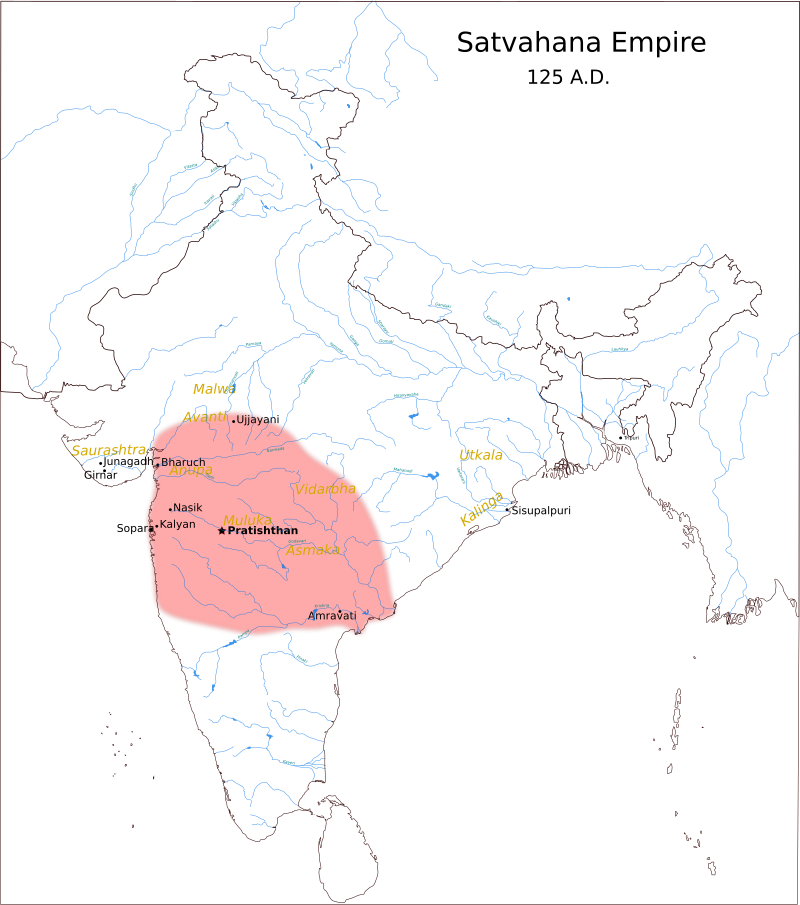
In ancient India, Gautamiputra Satkarni's triumph over the Scythian ruler Maues marked a pivotal moment in history. By defeating Maues, Gautamiputra Satkarni emerged as the Satavahana emperor and ushered in the Shalivahana era calendar. This victory not only solidified Satkarni's reign but also established a new calendar system that would be widely adopted in the region.
The rise of Gautamiputra Satkarni to power came amidst political turmoil and external threats. His decisive victory over Maues not only secured his position as the Satavahana emperor but also marked the beginning of a new era in Indian history. The establishment of the Shalivahana era calendar underlines the significance of this event and its lasting impact on the region's cultural and administrative practices.
The defeat of Maues by Gautamiputra Satkarni marked a turning point in the power dynamics of the time. It showcased Satkarni's military prowess and strategic acumen, leading to his consolidation of power and the establishment of a new calendar system that would endure for centuries to come. The event resonated beyond the battlefield, shaping the trajectory of Indian history and influencing the cultural and political landscape of the region.
Gautamiputra Satkarni's victory over the Scythian king Maues and the subsequent initiation of the Shalivahana era calendar highlight the enduring legacy of this significant event. It serves as a reminder of the resilience and ingenuity of ancient Indian civilizations in the face of external threats and internal challenges. By commemorating this event, we honor the rich tapestry of India's history and the enduring impact of its ancient rulers.
#GautamiputraSatkarni #SatavahanaEmpire #ShalivahanaEra #Maues #AncientIndia #HistoricalEvent #CulturalLegacy
View details0068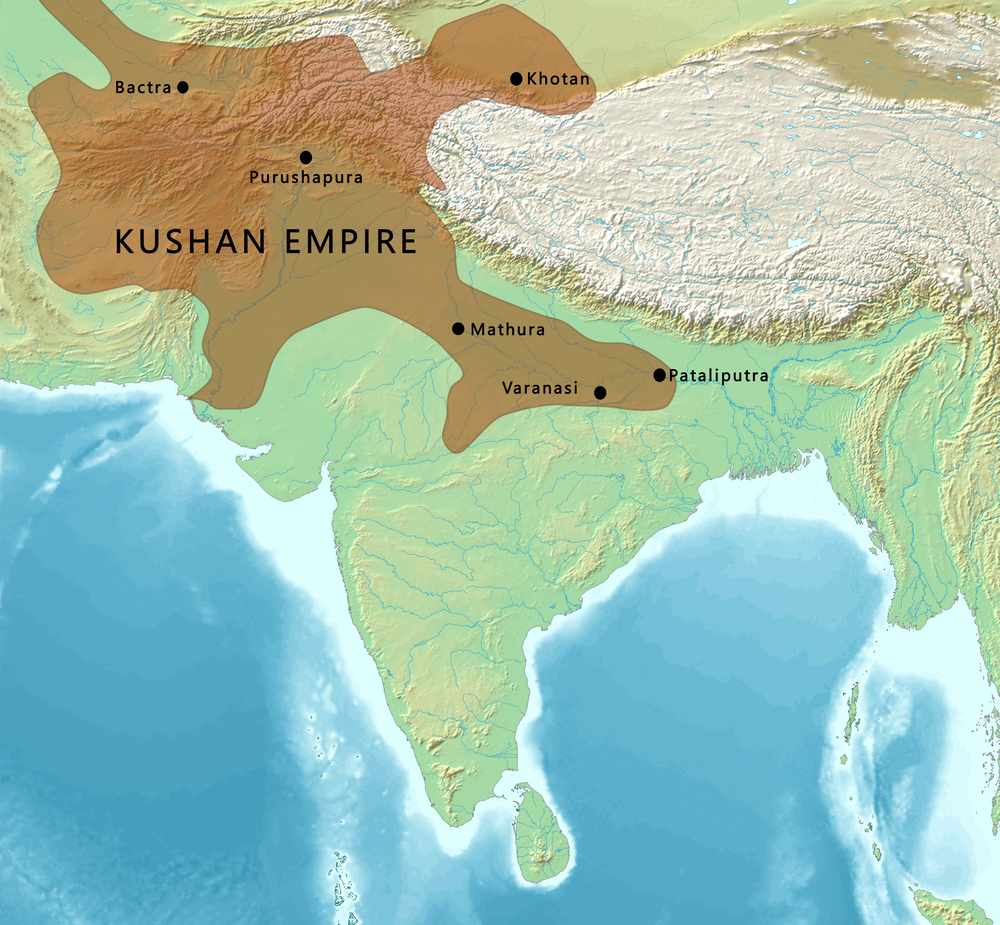
The establishment of the Kushan Empire by Kujula Kadphises marked a significant turning point in the history of ancient India. Kujula Kadphises, a powerful leader of Central Asia, unified various tribes under his rule to create a vast empire that extended from the borders of China to the Indus River. This empire played a crucial role in facilitating trade along the famous Silk Road, connecting the East and West.
Under Kujula Kadphises' leadership, the Kushan Empire experienced a period of great prosperity and cultural flourishing. The Kushans were known for their tolerance towards different religions, which allowed Buddhism to spread widely throughout their empire. This period also saw the blending of Greek, Persian, Indian, and Chinese influences, leading to a unique artistic and architectural style that characterized Kushan culture.
The Kushan Empire's impact on India can still be seen today in the Gandhara art style, which combined Hellenistic and Indian elements to create a distinctive artistic tradition. This fusion of cultural influences helped to shape the artistic landscape of the region for centuries to come.
The legacy of the Kushan Empire endured long after its eventual decline, as its influence continued to be felt in the political and cultural landscape of South Asia. The Kushans left a lasting impact on Indian history, paving the way for future dynasties and shaping the cultural identity of the region.
#KushanEmpire #KujulaKadphises #AncientIndia #CulturalFlourishing
View details