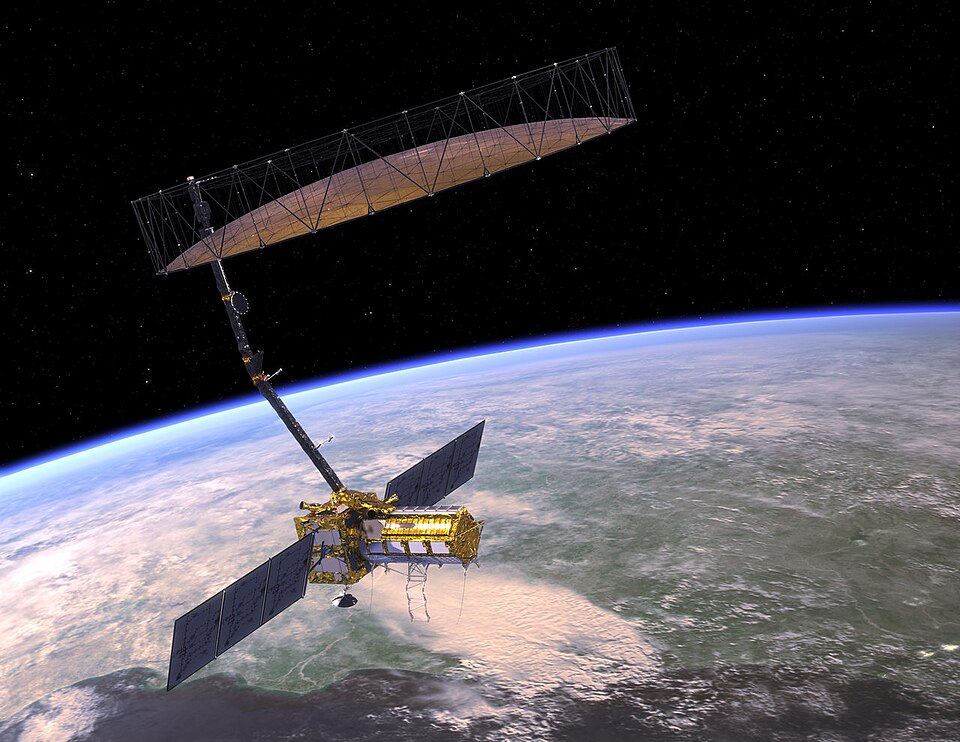
NISAR Satellite Launched in Joint ISRO-NASA Mission
4 min read
Updated By: History Editorial Network (HEN)
Published:
The NISAR satellite has been successfully launched as part of a joint mission between the Indian Space Research Organisation (ISRO) and the United States’ National Aeronautics and Space Administration (NASA), marking a major milestone in international space cooperation. NISAR, which stands for NASA-ISRO Synthetic Aperture Radar, is designed to observe Earth with high precision using advanced radar technology. The satellite is capable of monitoring land and ice surfaces day and night, regardless of weather conditions, making it especially valuable for continuous Earth observation. Its development reflects years of technical collaboration, combining NASA’s L-band radar system with ISRO’s S-band radar and launch capabilities.
The mission holds significant scientific and practical importance. Data from NISAR will support research on climate change, earthquakes, volcanic activity, landslides, sea-level rise, and ecosystem changes. Governments and scientists can also use the information for disaster preparedness, agriculture planning, and infrastructure monitoring. Beyond its scientific value, the launch highlights the strength of international partnerships in addressing global challenges that cross national boundaries. By sharing expertise, technology, and data, the ISRO-NASA collaboration sets an example of peaceful and productive use of space. Overall, the NISAR mission represents a major advancement in Earth observation and demonstrates how global cooperation can enhance understanding and protection of the planet.
Primary Reference
NISAR (satellite)

Explore the Life Moments of
 AI Twin