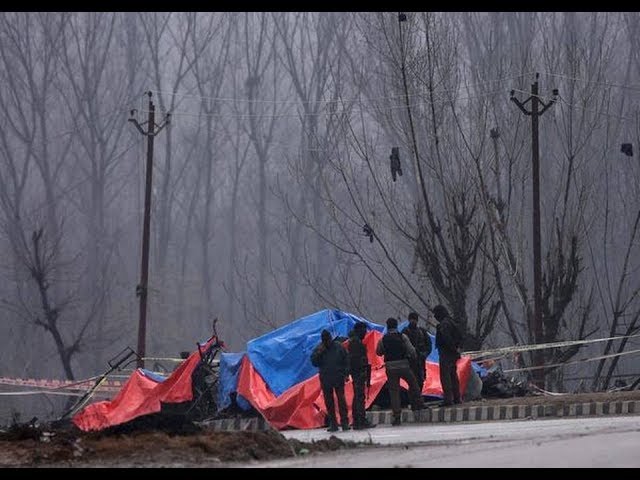
Airstrikes on Terrorist Camp after Pulwama Attack
Geopolitics
Security Crisis
4 min read
Updated By: History Editorial Network (HEN)
Published:
India conducted airstrikes on a terrorist camp in Balakot, Pakistan, retaliating to a terrorist attack in Pulwama, Jammu and Kashmir. The Pulwama attack, where a suicide bomber targeted a convoy of Indian paramilitary personnel, resulted in the loss of over 40 lives. Blamed on a Pakistan-based extremist group, it sparked outrage in India.
In response, Indian fighter jets crossed the Line of Control and targeted the terrorist camp in Balakot. The operation was described as a pre-emptive strike to prevent further attacks being planned against India. The Indian government stated that the action was necessary for self-defense, invoking the country's right to protect its sovereignty.
The airstrikes in Balakot significantly escalated tensions between India and Pakistan. Both countries possess nuclear capabilities, raising concerns about the potential for a larger conflict. Pakistan condemned the airstrike as a violation of its sovereignty and vowed to retaliate. The situation remained volatile, with fears of a potential military escalation.
The international community called for restraint and de-escalation, urging both countries to resolve their differences through dialogue. Efforts were made to prevent further hostilities and ease the heightened tensions in the region. Diplomatic channels were utilized to address the crisis and prevent further escalation of the conflict.
The airstrikes in Balakot underscored the persistent security challenges faced by India and Pakistan, rooted in historical animosities and territorial disputes. The event highlighted the complex dynamics of South Asian geopolitics and the delicate balance of power in the region.
#India #Pakistan #Balakot #Pulwama #Terrorism #SecurityCrisis #Geopolitics #ConflictResolution #PeaceDiplomacy

Explore the Life Moments of
 AI Twin