Life cover image

European Union

verified-icon
United in Diversity
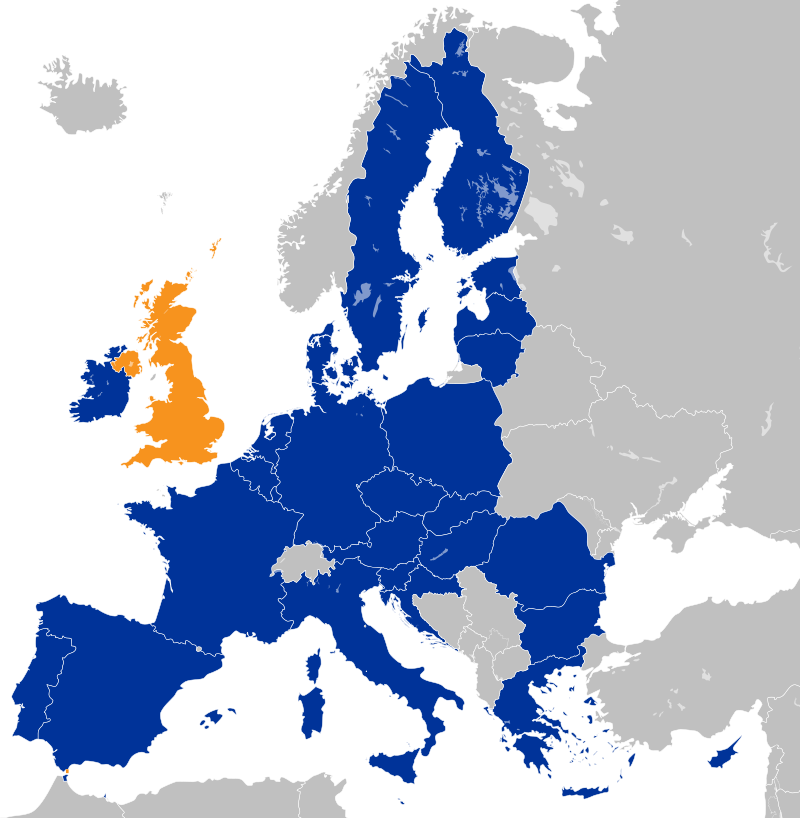
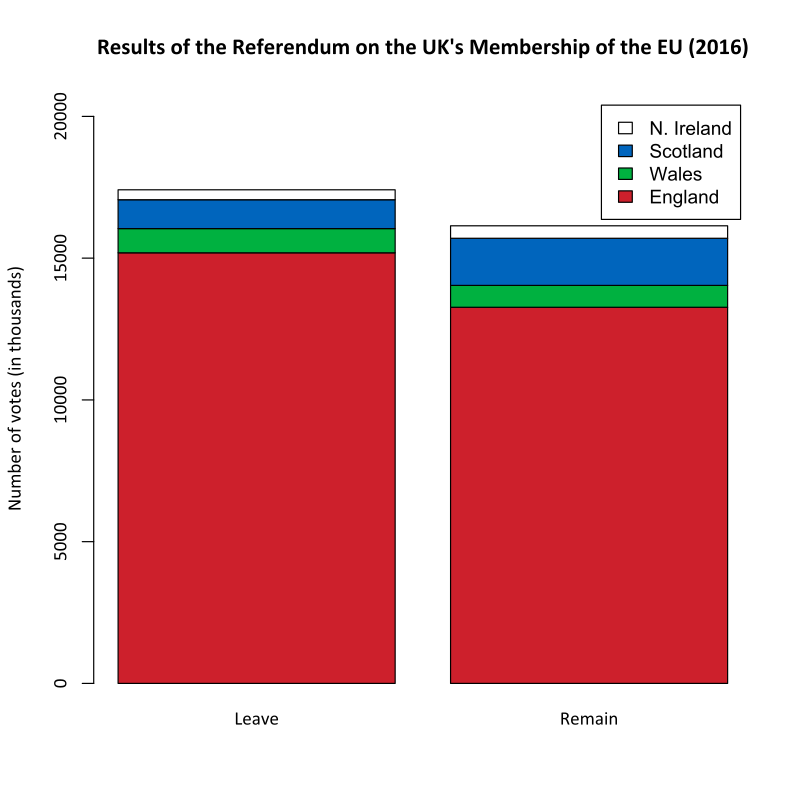
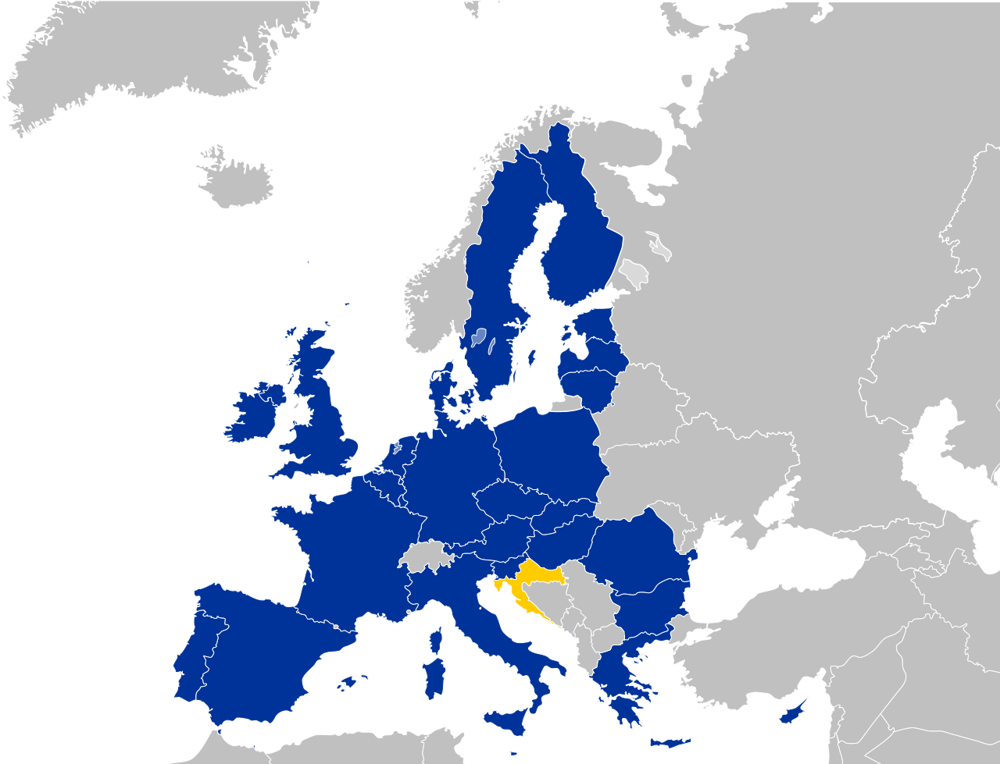
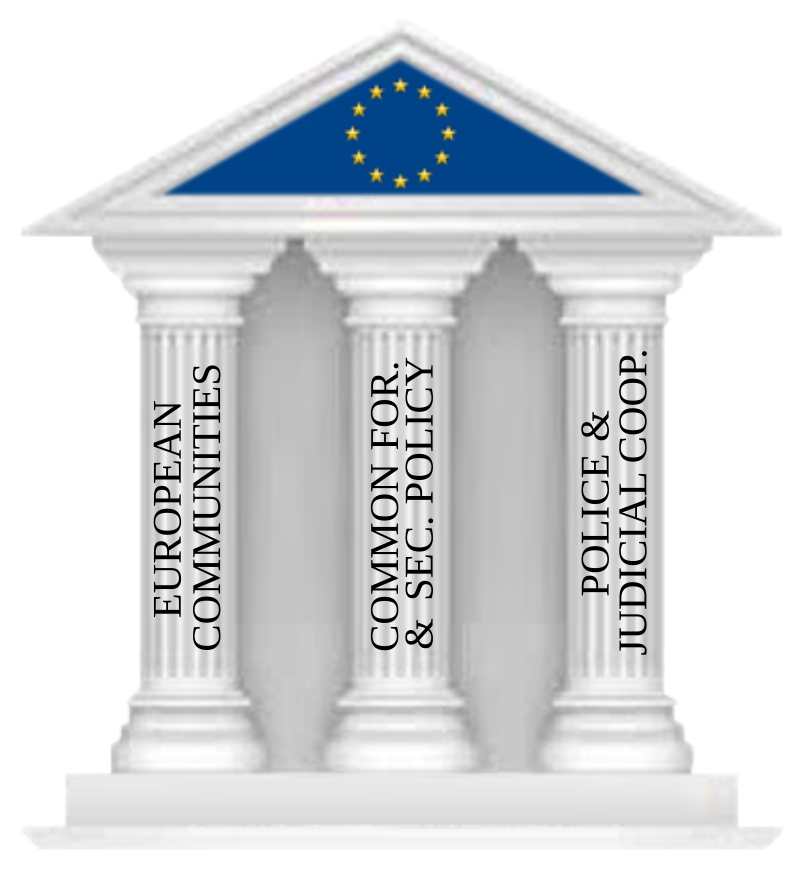
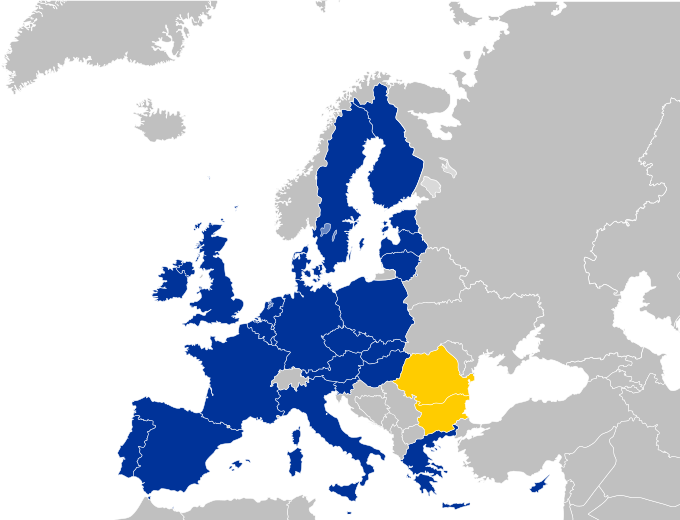
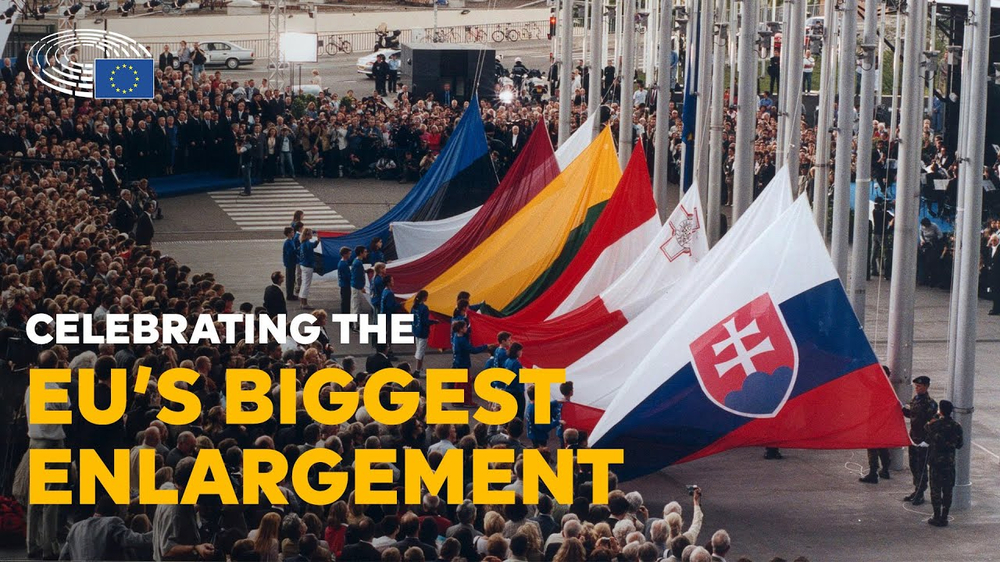
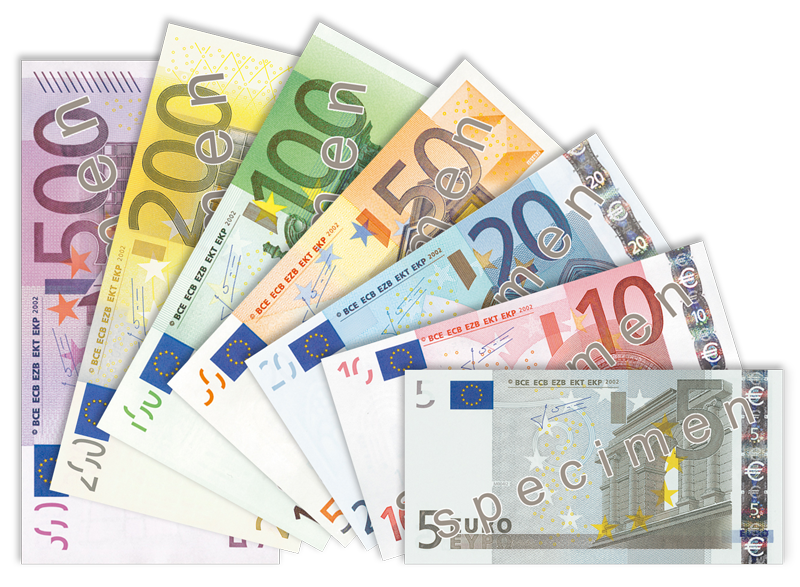
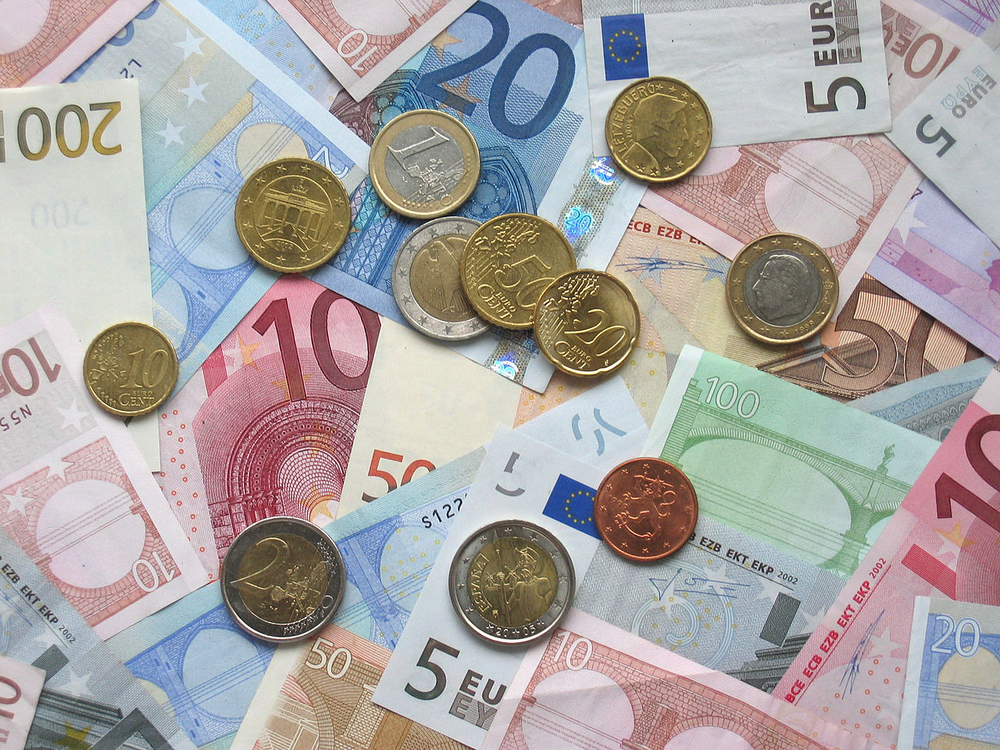
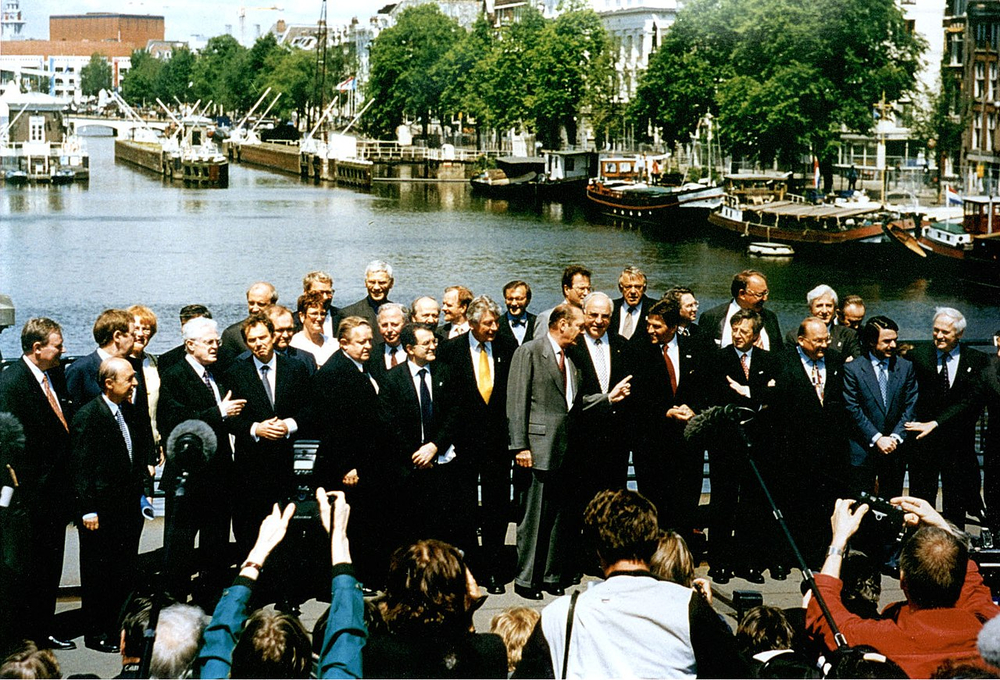
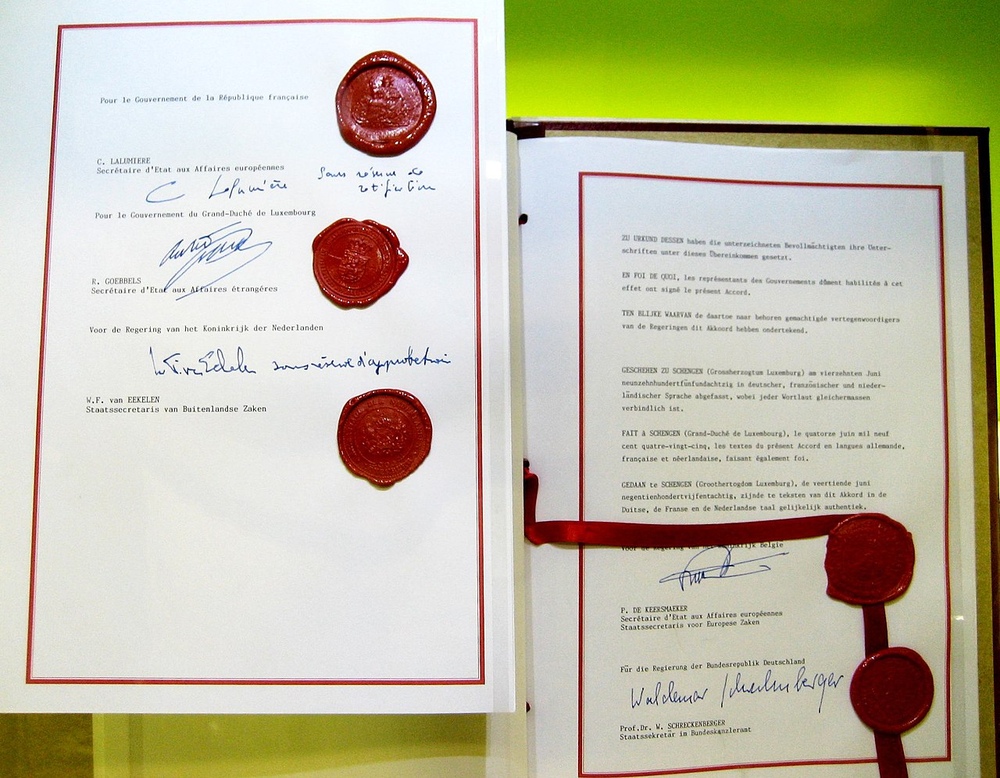
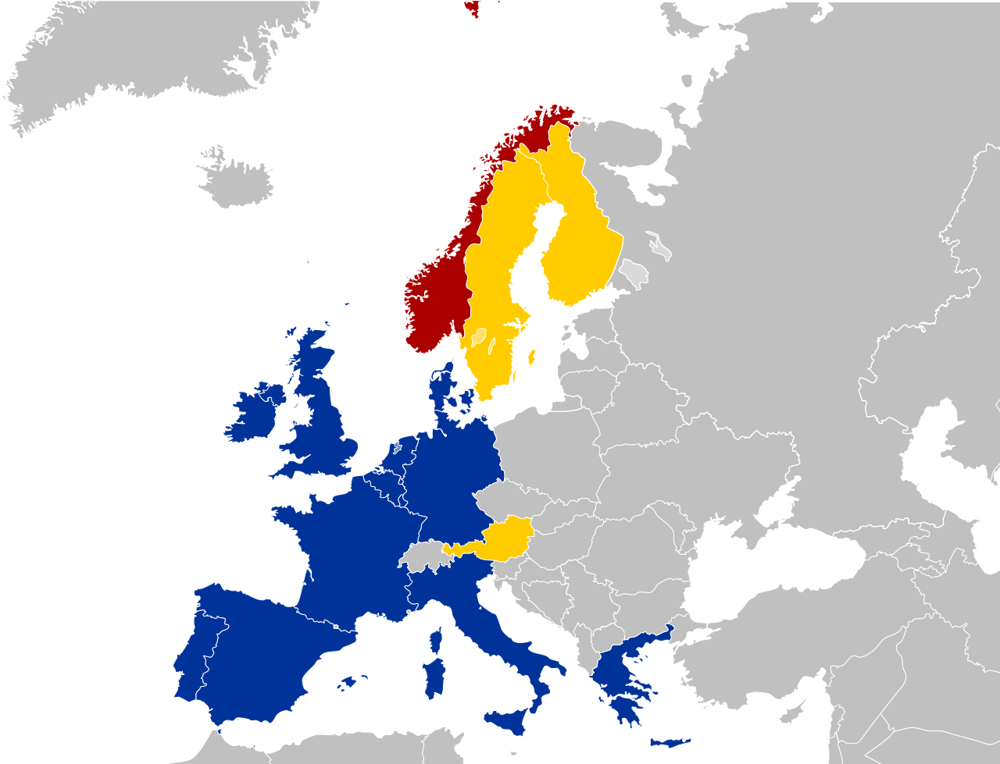
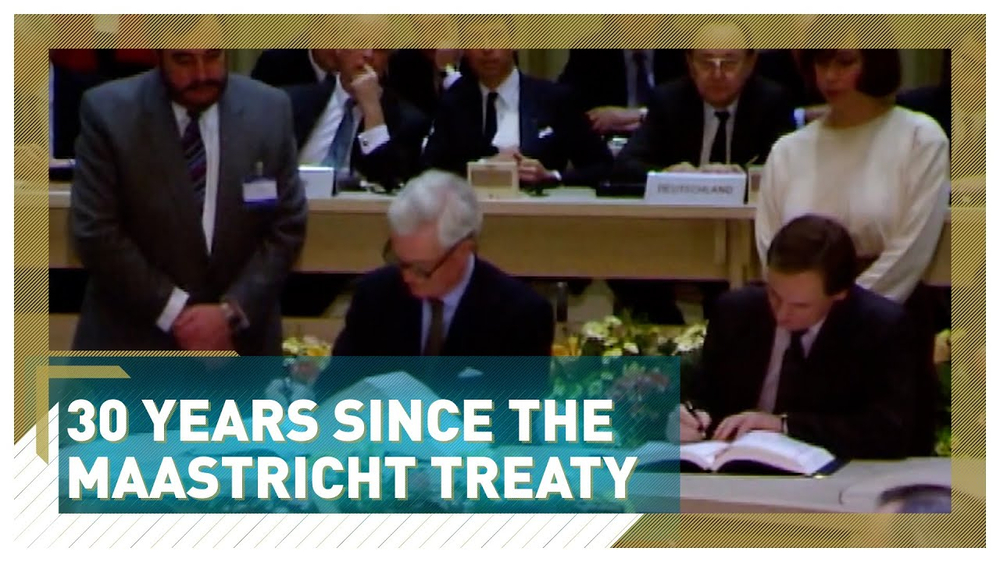
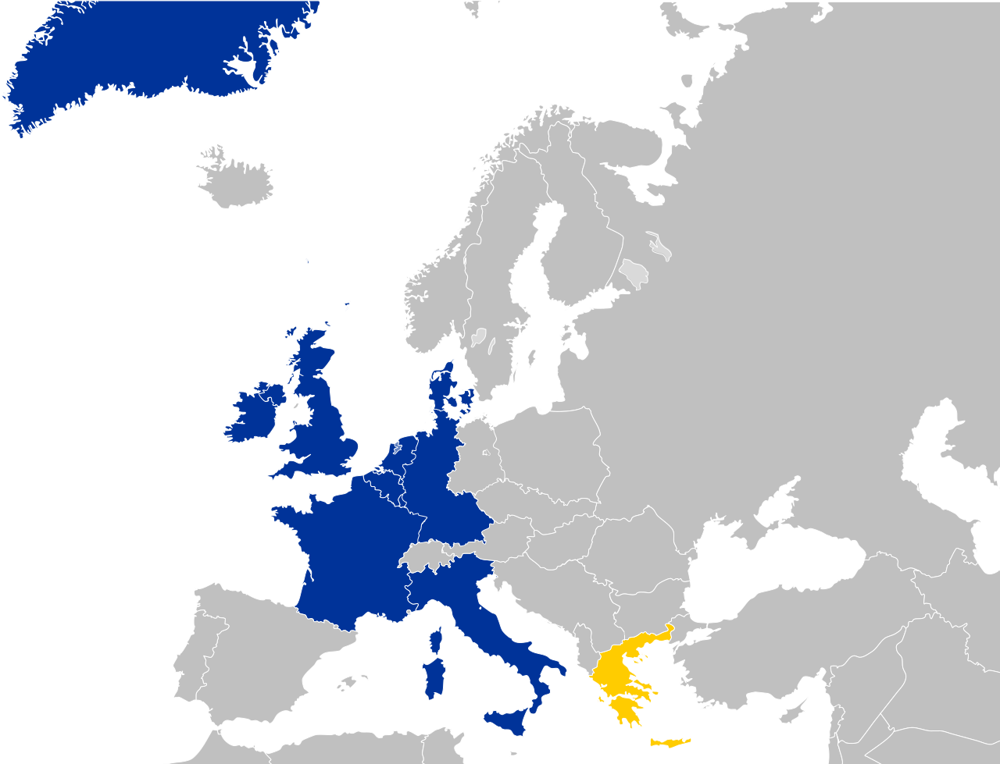
Explore the European Union’s history from post-war cooperation to 27-nation union, its institutions, single market, euro, and major milestones. The European Union (EU) is a unique political and economic partnership that brings together 27 European countries to cooperate on laws, trade, standards, security, and shared opportunities - while each member remains a sovereign state. It is best known for building Europe’s single market (often described through the “four freedoms”: movement of goods, people, services, and capital) and for creating common rules that shape daily life across the continent - from consumer protections and competition policy to cross-border travel, study, and business. The EU is a union of member states, built through treaties that define what countries do together and how decisions are made. In practice, the EU is not a single country, and it does not have one “capital city.” Instead, the main institutions work across multiple European cities - most visibly Brussels (major hub for the Commission and Council work) and Strasbourg (the Parliament’s official seat for plenary sessions), with several key bodies also based in Luxembourg. The EU’s story begins in the aftermath of World War II, when European leaders pursued integration to reduce conflict and rebuild economies. A first major step was the European Coal and Steel Community (ECSC) - an early effort to place strategic industries under shared rules. The EU’s own history pages highlight the ECSC (1951) as an early milestone in securing lasting peace, and place the Treaty of Rome (1957) at the heart of “ever-closer cooperation,” establishing the European Economic Community (EEC) and a new era of integration. From European Communities to the European Union (1993): Over the following decades, the European project expanded in scope and membership. The legal turning point came when the Treaty on European Union (Maastricht Treaty) entered into force on 01-Nov-1993, commonly treated as the moment the European Union was formally established in its modern form. Modernization: the Lisbon Treaty (2009): As the EU grew larger and took on new responsibilities, reforms were introduced to make the system more workable and democratic. The Treaty of Lisbon - signed 13-Dec-2007 and in force from 01-Dec-2009 - is a key milestone in shaping today’s EU governance and institutional arrangements. How the EU works: institutions and decision-making: The EU operates through a set of institutions that represent citizens, member states, and the shared European interest. At the “headline” level. • European Parliament: represents EU citizens; directly elected; shares law-making and budget powers. • European Council: heads of state/government set the EU’s overall direction and priorities (it does not pass laws). • Council of the European Union: national ministers adopt laws and coordinate policies (alongside Parliament). • European Commission: proposes legislation, enforces EU law, and manages policies/budget execution. • Court of Justice of the EU: ensures EU law is interpreted and applied consistently. Other institutions include bodies like the European Central Bank and Court of Auditors, etc. The Single Market - “Four freedoms” at the center: One of the EU’s defining achievements is the single market, designed around the free movement of i. Goods, ii. People, iii. Services, and iv. Capital. This framework enables businesses to trade across borders more easily, supports cross-border employment and study, and underpins many common standards across the EU. The euro and the EU: The EU and the eurozone are related but not identical. The euro was introduced first as “book money” in 1999, with coins and banknotes entering circulation in 2002 - a major step in monetary integration. However, not all EU countries use the euro, and some non-EU territories may use it under specific arrangements. Enlargement: from 6 countries to 27: The EU has expanded through seven major enlargements, growing from its original founding members to 27 member states today. Key enlargement dates widely referenced by EU institutions include following. • 01-Jan-1973: Denmark, Ireland, United Kingdom • 01-Jan-1981: Greece • 01-Jan-1986: Spain, Portugal • 01-Jan-1995: Austria, Finland, Sweden • 01-May-2004: Major enlargement - 10 countries: Cyprus, Czechia (Czech Republic), Estonia, Hungary, Latvia, Lithuania, Malta, Poland, Slovakia, and Slovenia. • 01-Jan-2007: Bulgaria, Romania • 01-Jul-2013: Croatia The United Kingdom withdrew from the EU on 31-Jan-2020, marking a major modern-era political milestone in the Union’s history.
#EuropeanUnion #EU #Europe
Life Classification : Government
Life Id : EL2335914263299
Verified Name : eu
Life Type : Entity Life
Life Editor(s) : History Editorial Network (HEN)
Life Privacy : Public
Subscription : Elite
Created On: 2024-07-29 | Updated On: 2026-01-28
Media Credit: Profile Image: European Union
Related Lives

Argentina

Land of the Tango

Japan

The Land of the Rising Sun

Bangladesh

Resilience in Harmony

Poland

The Land of a Thousand Lakes