Period of Authoritarian Rule in India
Political
Human Rights Violations
4 min read
Updated By: History Editorial Network (HEN)
Published:
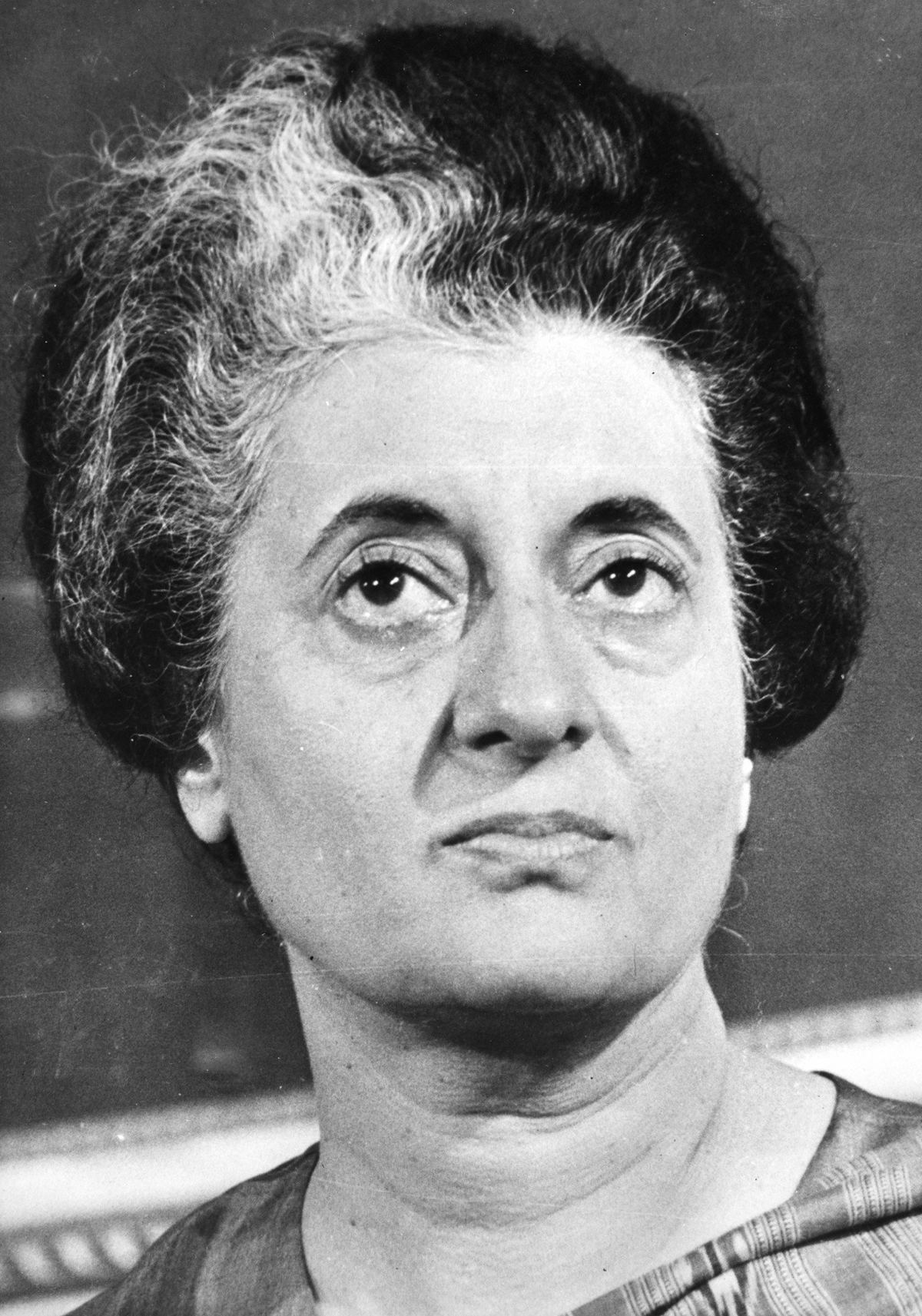
During this period in India, Prime Minister Indira Gandhi declared a state of emergency, citing internal disturbances as the reason for the decision. The declaration came after a series of events, including a high court ruling against her election and the opposition's calls for her resignation. The Emergency led to the suspension of civil liberties, with the government imposing censorship and arresting opposition leaders, activists, and journalists.
The period saw an increase in authoritarian rule, with the Prime Minister's government taking strong measures to maintain control. Political opponents faced suppression, and dissent was swiftly quashed. The press was heavily censored, and constitutional rights were suspended, leading to widespread criticism both domestically and internationally.
While the government argued that the Emergency was necessary to maintain law and order, many viewed it as a gross abuse of power. The period was marked by widespread human rights violations, including arbitrary arrests, forced sterilizations, and reports of torture in detention centers.
The Emergency had a lasting impact on India's political landscape, leading to a shift in public perception towards authoritarianism. The period also highlighted the fragility of democracy and the importance of upholding constitutional rights. Following widespread protests and pressure, the Emergency was eventually lifted, and new elections were held, resulting in the Prime Minister's ouster from power.
#India #StateOfEmergency #Authoritarianism #CivilLiberties #PoliticalSuppression #HumanRightsViolations
Explore the Life Moments of
 AI Twin