
Vietnam

Land of the ascending dragon.
Related Lives

Russia–United States relations
History of Diplomatic Relationship

Indonesia
The Emerald of the Equator

Ukraine
The Heart of Eastern Europe

Austria
The Land of Music and Mountains

Denmark
The Land of Hygge

Namibia
Landscapes of Resilience

Chile
Land of poets and penguins.

Tunisia
Golden beaches, Sunny weather, and Affordable luxuries.

1945
During World War II, Japan took control of Vietnam from the French colonial rulers. The Japanese occupation led to widespread suffering and resistance among the Vietnamese people. However, seizing the opportunity created by Japan's weakening position towards the end of the war, Vietnam proclaimed its independence on the basis of self-determination.
This assertion of independence by Vietnam was a significant turning point for the country after years of colonization. The move towards self-governance sparked hope and nationalist sentiment among the Vietnamese population. Despite the complexity of the geopolitical situation at the time, with the war not yet over and uncertainties looming, the declaration of independence marked a bold step towards sovereignty.
The impact of Japan granting Vietnam independence was profound. It paved the way for the eventual establishment of the Democratic Republic of Vietnam, laying the foundation for the long and challenging road ahead towards full independence. The event also catalyzed political movements and resistance efforts that would shape Vietnam's future.
Japan's decision to grant independence to Vietnam resonated far beyond its borders, reverberating across Southeast Asia and inspiring anti-colonial movements in the region. The event highlighted the shifting power dynamics in the aftermath of World War II and foreshadowed the end of colonial rule in various parts of the world.
The proclamation of independence by Vietnam in the wake of Japan's grant was a momentous step towards asserting its right to self-determination after years of foreign domination. It set the stage for Vietnam's eventual reunification and the struggles that would follow, defining the country's path towards sovereignty and shaping its identity in the post-colonial era. #VietnamIndependence #JapaneseOccupation #WorldWarII #SelfDetermination
View details1940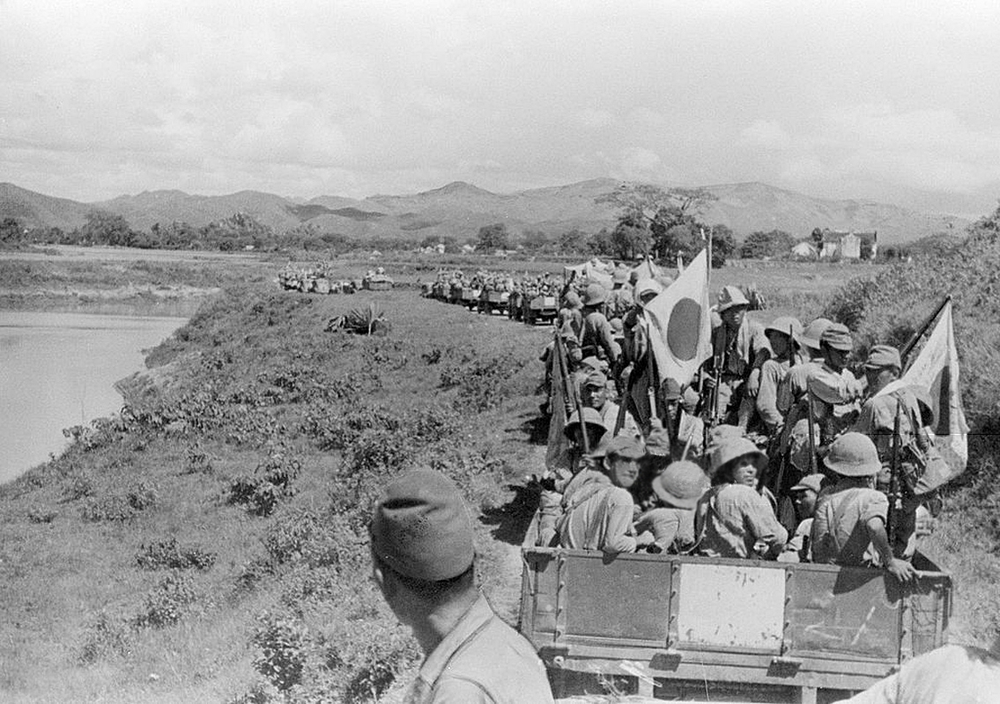
During World War II, Japan invaded Vietnam to gain control over the country and its resources. This occupation was part of Japan's larger strategy to expand its influence in Southeast Asia. The Japanese forces quickly overpowered the French colonial rulers and established a puppet government to administer Vietnam.
Under Japanese rule, the Vietnamese people faced harsh conditions and widespread oppression. The Japanese authorities exploited the country's resources and forced many Vietnamese civilians to work for their war efforts. Local resistance movements emerged in response to the brutal Japanese occupation, but they faced significant challenges in challenging the well-equipped and organized Japanese military.
The occupation had a lasting impact on Vietnam, laying the groundwork for the country's eventual struggle for independence. The experience of living under foreign rule fueled nationalist sentiments among the Vietnamese people, inspiring them to fight for their freedom from both Japanese and French colonial control. This period also highlighted the need for unity and solidarity among the Vietnamese population, as different political groups and factions came together to resist the Japanese occupation.
Overall, the Japanese occupation of Vietnam during World War II was a tumultuous time in the country's history, marked by oppression, resistance, and the seeds of independence. The experience of this period shaped the Vietnamese people's aspirations for self-determination and sovereignty, laying the foundation for future struggles for liberation and independence.
#JapaneseOccupation #VietnamHistory #WorldWarII #NationalistResistance
View details1930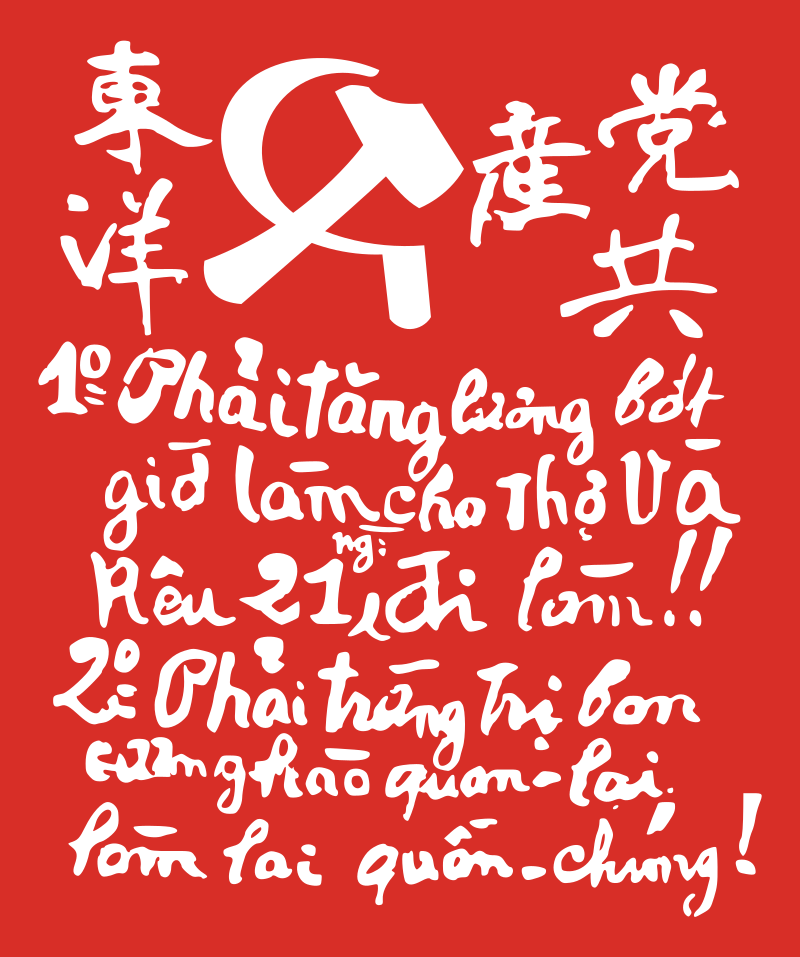
Nguyễn Ái Quốc, later known as Hồ Chí Minh, played a pivotal role in the establishment of the Indochinese Communist Party (ICP) in Hong Kong. Born in Vietnam, Hồ Chí Minh had been involved in revolutionary activities for several years before this significant development. Seeking to unify revolutionaries in Vietnam, Laos, and Cambodia, he convened a conference in Hong Kong with like-minded individuals. This move marked a significant step in the communist movement in Southeast Asia.
The establishment of the ICP under Hồ Chí Minh's leadership had a profound impact on the political landscape of the region. It provided a platform for anti-colonial and anti-imperialist activities, advocating for the rights and liberation of the oppressed Indochinese people. The party aimed to overthrow colonial powers and establish a socialist state based on Marxist principles. Hồ Chí Minh's vision and dedication inspired numerous individuals to join the communist cause, fueling the growth of the party and its influence in the region.
The ICP's formation marked a turning point in the fight against colonialism in Indochina. It laid the foundation for future revolutionary movements that ultimately led to the successful struggle for independence in Vietnam. The party's efforts contributed to shaping the course of Vietnamese history and the eventual establishment of the Democratic Republic of Vietnam. Hồ Chí Minh's role as a founding member and leader of the ICP solidified his legacy as a key figure in the fight for Vietnam's independence.
The establishment of the ICP in Hong Kong by Hồ Chí Minh was a momentous occasion that paved the way for significant political developments in Southeast Asia. It demonstrated the power of unity and collective action in the face of oppression, setting the stage for the eventual liberation of Vietnam and its people. #ICP #HồChíMinh #VietnamIndependence #CommunistMovement
View details1884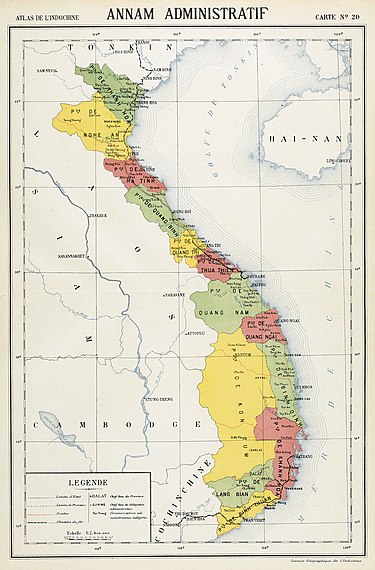
In April 14, 1884, the Treaty of Huế was signed, leading to the establishment of a French protectorate over Annam, known as Central Vietnam. This treaty marked a significant turning point in Vietnam's history, as it solidified French colonial control over the region.
Background:
The French had been expanding their influence in Southeast Asia for decades, aiming to establish a colonial empire. Annam, situated strategically between French Indochina and China, was a coveted territory due to its resources and geopolitical importance. In the 1850s, the French began exerting pressure on the Vietnamese government to accept their protection, ultimately culminating in the Treaty of Huế in 1884.
Impact:
The signing of the Treaty of Huế had far-reaching consequences for Vietnam. It marked the beginning of French colonial rule in Central Vietnam, leading to the imposition of French economic, political, and cultural dominance over the region. The Vietnamese monarchy was weakened, and Vietnamese sovereignty was significantly compromised. The treaty also paved the way for further French expansion in Vietnam, ultimately resulting in the colonization of the entire country.
Relevant facts:
- The Treaty of Huế was signed between the French representative Paul Bert and the Vietnamese government, represented by Emperor Đồng Khánh.
- The treaty granted France control over Annam's foreign affairs and allowed for the establishment of French military bases in the region.
- Resistance against French colonial rule in Vietnam intensified following the signing of the treaty, eventually leading to the First and Second Indochina Wars.
#TreatyofHuế #FrenchProtectorate #Colonialism #VietnamHistory
View details1883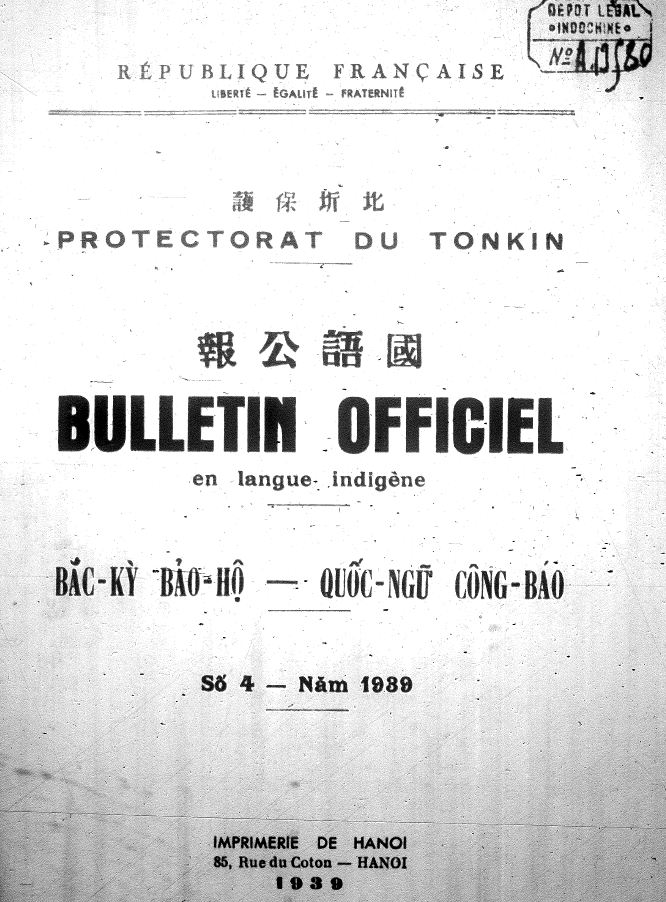
During the late 19th century, France began to expand its colonial empire in Southeast Asia. Seeking to establish influence and control in the region, the French turned their attention to Tonkin, in what is now northern Vietnam. Tonkin was a wealthy and strategic area known for its resources and advantageous port cities.
France's interest in Tonkin was met with resistance from the ruling Vietnamese Nguyen Dynasty. Tensions escalated, leading to the iconic Battle of Hanoi in which the French claimed a decisive victory. Following this battle, the Nguyen Dynasty was forced to cede control of Tonkin to the French, effectively establishing a French protectorate over the region.
The establishment of the French protectorate over Tonkin had a profound impact on the region. French colonial rule brought significant changes to the socioeconomic and political landscape of northern Vietnam. The French imposed their cultural, administrative, and legal systems on the local population, leading to widespread cultural assimilation and disruption of traditional Vietnamese society.
The incorporation of Tonkin into the French colonial empire also laid the groundwork for further French expansion in Indochina, eventually leading to the formation of French Indochina. This had far-reaching consequences for the entire region, shaping the course of Vietnamese history for decades to come.
Despite initial resistance from the Vietnamese people, the French protectorate over Tonkin remained in place for several decades until Vietnam's independence movement gained momentum in the mid-20th century. The legacy of French colonial rule in Tonkin continues to influence modern-day Vietnam, with lingering cultural, economic, and political ramifications.
#FrenchColonialism #VietnameseHistory #ColonialImpact
View details1882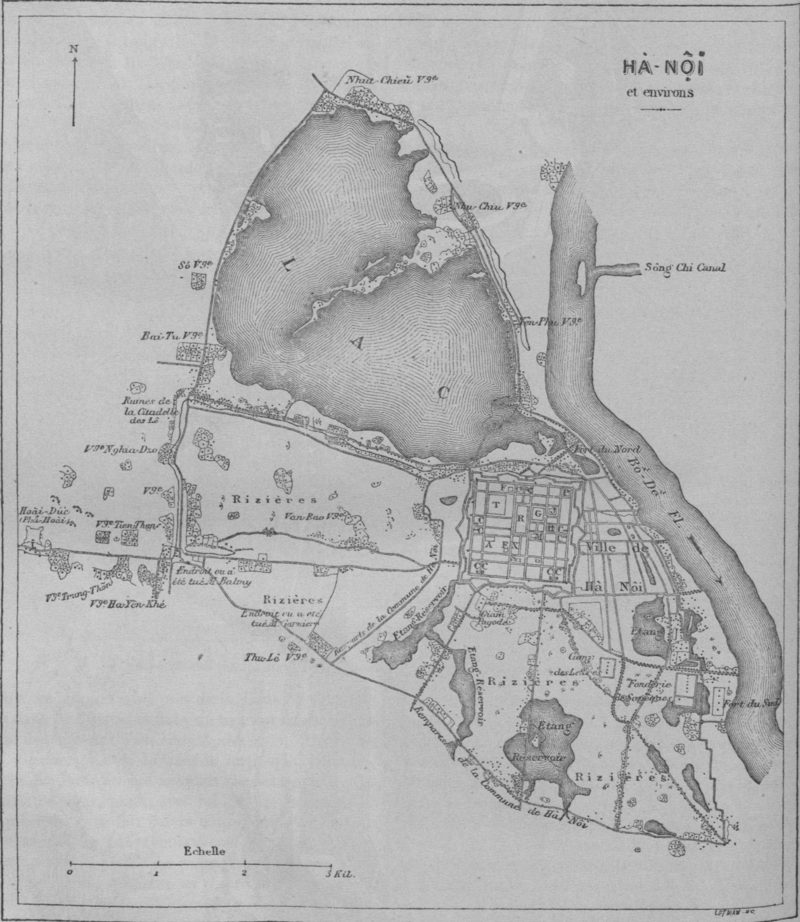
In Hanoi, a deadly conflict erupted between French, Vietnamese, and Chinese forces, resulting in hundreds of casualties. The battle stemmed from ongoing tensions over control of Vietnam. The French sought to expand their colonial influence in Southeast Asia, while Vietnamese and Chinese forces resisted foreign occupation.
The French military superiority quickly overwhelmed the Vietnamese and Chinese fighters. The battle marked a significant turning point in the colonial history of Vietnam, paving the way for increased French dominance in the region. The aftermath of the conflict saw widespread destruction and loss of life, as well as a shift in power dynamics in Hanoi and beyond.
The event highlighted the complex geopolitical struggles and power dynamics at play in 19th-century Southeast Asia. It also underscored the devastating human cost of imperial ambitions and military conflicts. The legacy of the French/Vietnamese/Chinese battle at Hanoi continued to shape the trajectory of Vietnam's history and its relationship with colonial powers.
#Hanoi #Colonialism #MilitaryConflict #PowerStruggles #Imperialism #SoutheastAsia #History #Legacy #Geopolitics #VietnamWar
View details1874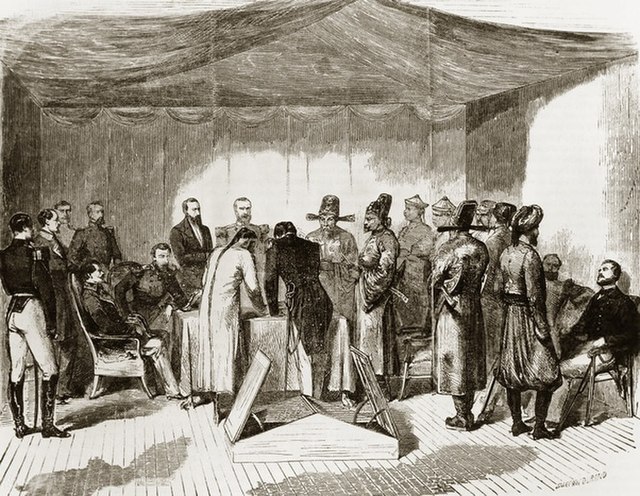
The signing of the Treaty of Saigon solidified French dominance over Cochinchina. With this treaty, France expanded its control over Southern Vietnam, exerting authority over its administration, economy, and resources. The agreement was a culmination of French military victories and diplomatic efforts to establish a strong foothold in the region.
Prior to the treaty, France had been gradually encroaching on Vietnamese territories, engaging in conflicts to assert superiority. The signing of the treaty marked a turning point in the colonial aspirations of France in Southeast Asia. It paved the way for further colonization of Vietnam, leading eventually to the establishment of French Indochina.
The impact of the Treaty of Saigon was profound and far-reaching. It marked the beginning of a period of intense colonization and exploitation of Vietnam by the French. The local population faced oppression and marginalization as the colonial power sought to extract resources and impose their cultural and political influence. The treaty also led to significant changes in the social and economic fabric of Cochinchina, disrupting traditional ways of life and creating new power dynamics.
Overall, the signing of the Treaty of Saigon was a crucial moment in the history of Vietnam, shaping its future trajectory under colonial rule. It laid the foundation for a complex and tumultuous relationship between Vietnam and France, marked by resistance, conflict, and eventual independence struggles.
#TreatyOfSaigon #FrenchColonization #Cochinchina #VietnamHistory #ColonialImpact
View details1863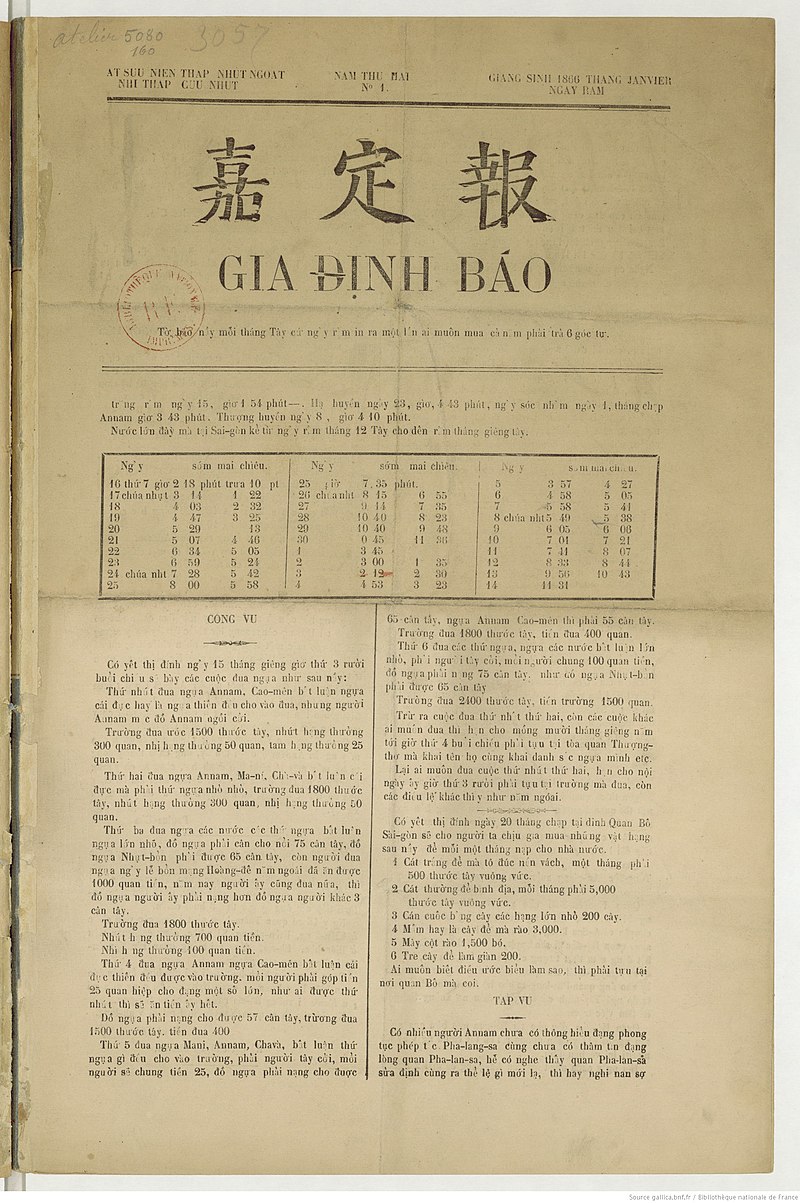
In 1865, the first state-controlled newspaper in Vietnam, Gia Dinh Bao, was established during a period of political upheaval and social transformation. The newspaper played a crucial role in disseminating information to the public and promoting the government's policies and agendas.
Prior to the establishment of Gia Dinh Bao, communication in Vietnam was limited, and information dissemination was controlled by those in power. The introduction of the newspaper marked a significant shift towards a more open and transparent society, where news and information became more accessible to the general population.
The newspaper covered a wide range of topics, including government announcements, cultural events, and social issues. It played a key role in shaping public opinion and fostering a sense of national identity among the Vietnamese people.
Gia Dinh Bao also helped to modernize the country by introducing new ideas and technologies from the Western world. It provided a platform for intellectual debates and discussions, paving the way for social and political reforms in Vietnam.
The establishment of the first state-controlled newspaper, Gia Dinh Bao, was a milestone in Vietnam's history, marking the beginning of a new era of communication and information dissemination. It laid the foundation for the development of a vibrant media landscape in the country, shaping the way news and information were shared and consumed by the Vietnamese people.
#Vietnam #GiaDinhBao #StateControlledNewspaper #InformationDissemination #SocialTransformation
View details1858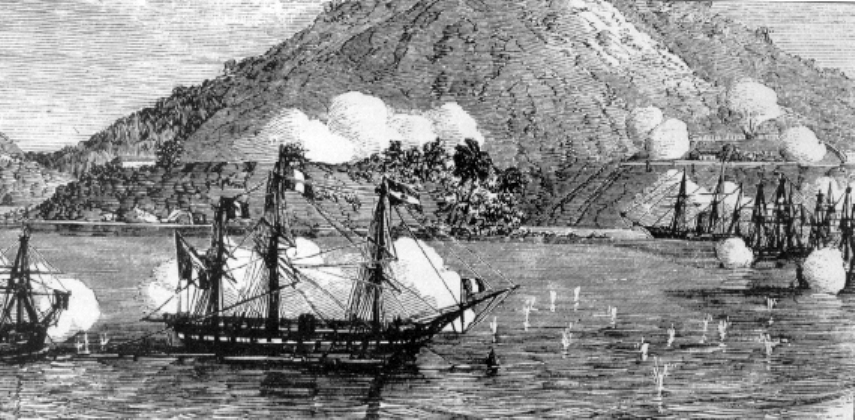
In the mid-19th century, the French invasion of Da Nang was a pivotal milestone that signified the commencement of French colonization in Vietnam. The roots of this event can be traced back to French ambitions to expand their influence in Southeast Asia, driven by economic interests and strategic advantages. Seeking to establish control over Indochina, the French navy launched a military campaign that targeted key coastal cities, with Da Nang being a prime objective due to its strategic location.
The invasion of Da Nang by the French forces marked the start of a prolonged period of colonial rule in Vietnam that would last for nearly a century. The capture of Da Nang not only provided the French with a strategic naval base but also served as a stepping stone for further expansion into Vietnamese territory. This event set the stage for subsequent conflicts and power struggles that would shape the course of Vietnamese history.
The impact of the French invasion of Da Nang was profound and far-reaching. It not only altered the political landscape of Vietnam but also had significant social, economic, and cultural repercussions. The imposition of French colonial rule led to widespread resistance and uprisings among the Vietnamese population, setting the stage for decades of struggle for independence.
The French colonization of Vietnam left a lasting legacy that is still evident in the country's history, politics, and society. The scars of colonialism continue to shape Vietnam's identity and inform its relationships with other nations. The invasion of Da Nang marked a turning point in Vietnamese history, ushering in an era of foreign domination that would ultimately culminate in a protracted struggle for independence and self-determination.
#FrenchColonization #VietnamHistory #DaNangInvasion
View details1803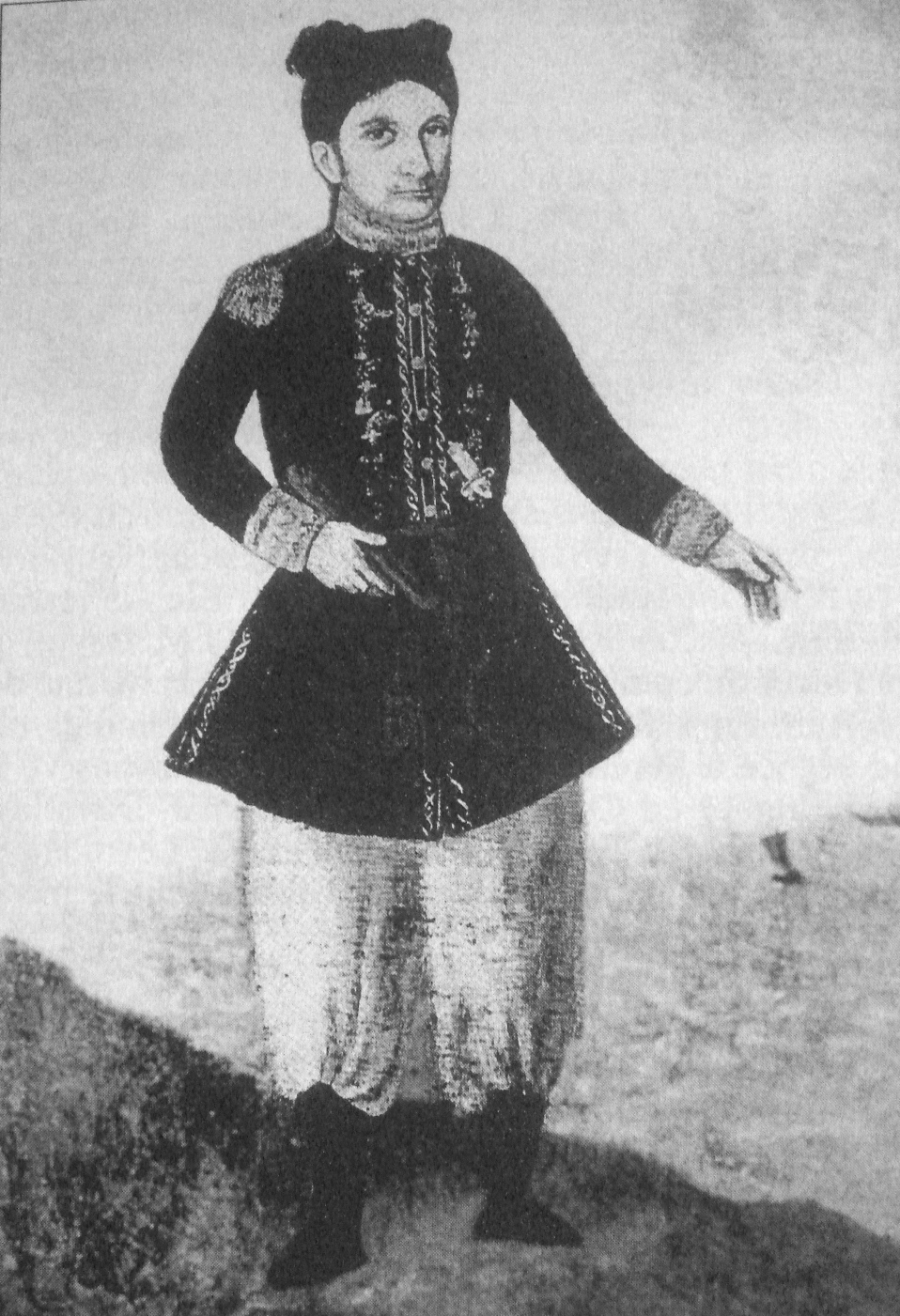
Emperor Gia Long of Vietnam ordered the collection and melting of all bronze wares from the previous Tây Sơn Dynasty to create nine powerful cannons for the Royal Citadel in Huế. This decision was made to symbolize the consolidation of power and the establishment of the Nguyễn Dynasty. The bronze wares, including valuable artifacts and historical pieces, were repurposed into cannons as a strategic move to fortify the citadel and assert the new ruler's authority.
The impact of this directive was twofold. Firstly, it demonstrated Emperor Gia Long's commitment to strengthening the defenses of the Royal Citadel, a crucial stronghold in central Vietnam. By repurposing the bronze wares into cannons, the emperor not only enhanced the military capabilities of the fortress but also instilled a sense of fear and respect among potential adversaries. Secondly, the act symbolized the end of the Tây Sơn Dynasty and the beginning of a new era under the Nguyễn Dynasty. The melting down of the existing bronze artifacts represented a symbolic break from the past and a clear message of regime change.
This event marked a significant moment in Vietnamese history, reflecting the transition of power and the consolidation of authority under Emperor Gia Long's rule. The creation of nine cannons from the melted bronze wares underscored the emperor's determination to fortify his seat of power and establish his dynasty's dominance. The Royal Citadel in Huế, strengthened by these cannons, became a formidable symbol of the Nguyễn Dynasty's might and influence.
#EmperorGiaLong #BronzeWares #HuếRoyalCitadel #NguyễnDynasty #VietnameseHistory
View details1802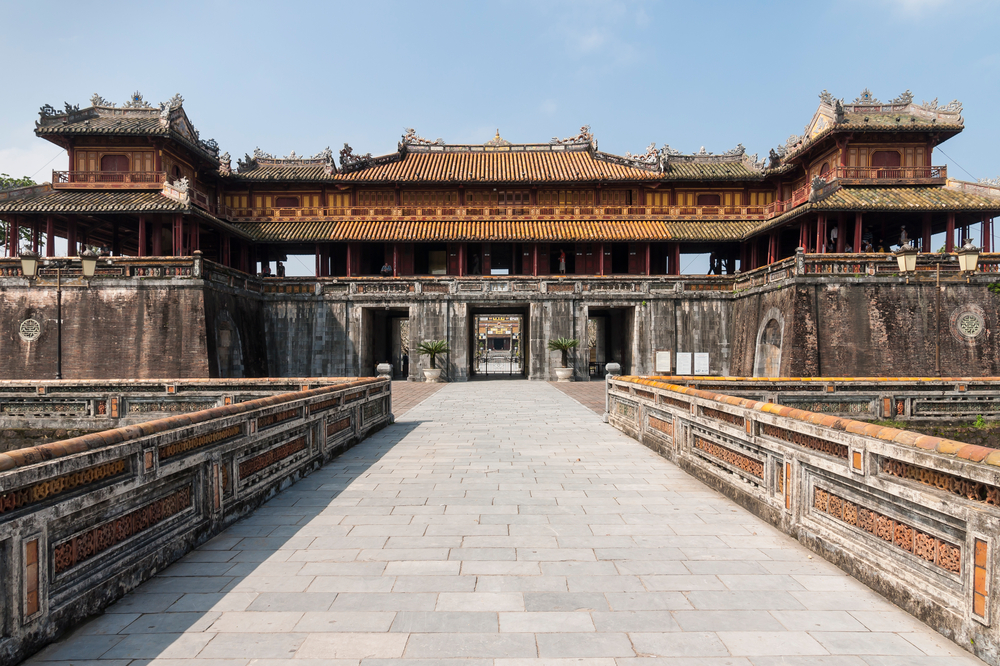
After years of unrest and civil war, the Nguyen dynasty succeeded in unifying Vietnam under their rule. To solidify their control, Emperor Gia Long decided to establish a new capital city in Huế, a strategic location that symbolized the harmonious blending of North and South.
The establishment of Huế as the capital marked a new era for Vietnam. The city's location along the Perfume River, surrounded by mountains and lush landscapes, not only provided a natural defense but also embodied the Confucian principles of balance and harmony. The construction of the Imperial City, with its walls and gates, majestic palaces, and gardens, reflected the Nguyen dynasty's legitimacy and power.
Huế became the political, cultural, and religious center of Vietnam. The Imperial City housed the emperor's court, government offices, and ceremonial spaces, while the surrounding countryside bustled with activity, trade, and artisans. The city's architecture, art, literature, and rituals showcased the fusion of Vietnamese traditions with Chinese influence.
The establishment of Huế brought about significant changes in Vietnamese society. The emperor implemented administrative reforms, promoted education, and patronized the arts. The royal court attracted scholars, poets, and artists, leading to the flourishing of Confucian scholarship, poetry, and painting. The city became a symbol of national identity and unity, drawing people from all corners of Vietnam.
#HuếCapital #NguyenDynasty #VietnameseHistory #CulturalHeritage
View detailsDuring the reign of Emperor Gia Long, the construction of the Imperial City of Hue began in Vietnam. The Emperor aimed to establish a new capital, shifting from Hanoi to Hue, in hopes of consolidating his power and forging a unified Vietnamese state. The layout and design of the city were influenced by Confucian and Buddhist philosophies, reflecting the harmony between heaven and earth.
The Imperial City of Hue served as the political, cultural, and religious center of Vietnam for centuries. Surrounded by protective walls and a moat, the city housed the royal palace, government offices, temples, and residences for officials. The architectural style blended traditional Vietnamese elements with Chinese influences, showcasing intricate details and vibrant colors.
The construction of the Imperial City of Hue marked a significant turning point in Vietnamese history, symbolizing a new chapter of centralized rule and cultural renaissance. The city became a symbol of imperial power and authority, showcasing the wealth and sophistication of the Nguyen Dynasty. Its strategic location along the Perfume River contributed to its economic prosperity and cultural significance.
Throughout its history, the Imperial City of Hue witnessed political upheavals, foreign invasions, and periods of decline. Despite facing challenges, the city remained a bastion of Vietnamese identity and heritage. In 1993, it was recognized as a UNESCO World Heritage Site, drawing visitors from around the world to marvel at its ancient architecture and rich history.
The construction of the Imperial City of Hue continues to resonate with themes of power, culture, and resilience. It stands as a testament to Vietnam's storied past and enduring legacy, offering a glimpse into the grandeur of its imperial era. #ImperialCityofHue #VietnameseHistory #CulturalHeritage
View details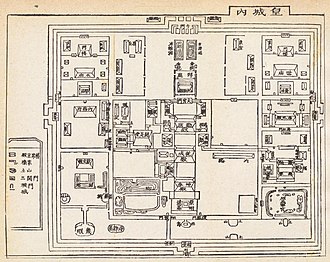
Nguyen Anh, a prominent Vietnamese general also known as Gia Long, established the Nguyen Dynasty by ascending the throne in 1802. This marked the end of decades of civil unrest and foreign invasions in Vietnam. Gia Long's rise to power brought stability and reunification to the country after years of division and conflict.
Under Gia Long's rule, Vietnam experienced a period of consolidation and modernization. He implemented administrative reforms, strengthening central authority and promoting economic development. Gia Long also focused on rebuilding the war-torn nation, investing in infrastructure, agriculture, and education. His reign ushered in a new era of peace and prosperity for Vietnam.
The founding of the Nguyen Dynasty had a lasting impact on Vietnamese history. It established a stable and centralized government that endured for nearly 150 years. The dynasty saw significant cultural and artistic achievements, as well as diplomatic relations with Western powers. Gia Long's legacy as a visionary leader and nation builder remains celebrated in Vietnam's history.
The ascension of Gia Long as Emperor marked a turning point for Vietnam, shaping its future trajectory and identity. His reign symbolized a period of renewal and resurgence, laying the foundation for a stronger and more unified nation. The Nguyen Dynasty's establishment under Gia Long's leadership remains a pivotal moment in Vietnamese history, highlighting the resilience and determination of the Vietnamese people.
#VietnameseHistory #NguyenDynasty #GiaLong #Unity #Renewal
View details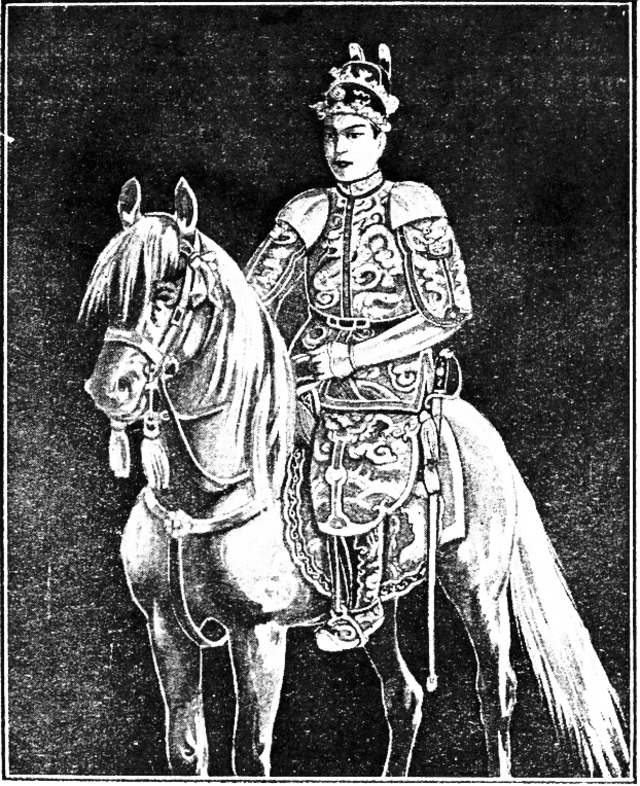
1789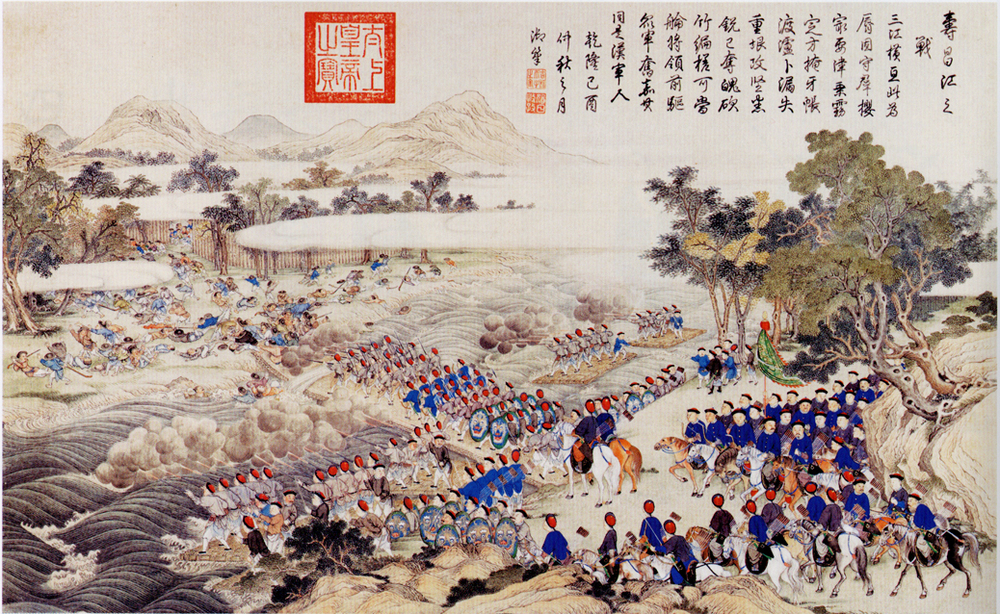
Nguyen Hue, also known as Emperor Quang Trung, rose to power during a time of turmoil in Vietnam. The Qing dynasty's rule had left the country weakened and oppressed. In defense of Vietnamese independence, Emperor Quang Trung led his forces against the Qing army in the Battle of Dong Da. Despite being outnumbered, Emperor Quang Trung's strategic brilliance and the fierce determination of his troops led to a decisive victory over the Qing forces.
The Battle of Dong Da was a turning point in Vietnamese history. The defeat of the Qing army not only secured a brief period of independence for Vietnam but also inspired a sense of national pride and unity among the Vietnamese people. Emperor Quang Trung's successful campaign against the Qing forces demonstrated the strength and resilience of the Vietnamese nation in the face of external threats.
Following the victory at Dong Da, Emperor Quang Trung implemented reforms to strengthen Vietnam's military and economy. His leadership brought stability and prosperity to the country, paving the way for a period of peace and prosperity. The battle at Dong Da remains a symbol of Vietnamese resistance against foreign domination and a testament to the courage and determination of the Vietnamese people.
The legacy of Emperor Quang Trung and the Battle of Dong Da continues to resonate in Vietnam today. The event is commemorated annually, serving as a reminder of the country's struggles for independence and the importance of unity in the face of adversity. The victory at Dong Da remains a source of national pride and a symbol of Vietnam's enduring spirit and resilience. #VietnameseHistory #EmperorQuangTrung #VietnameseIndependence
View details1784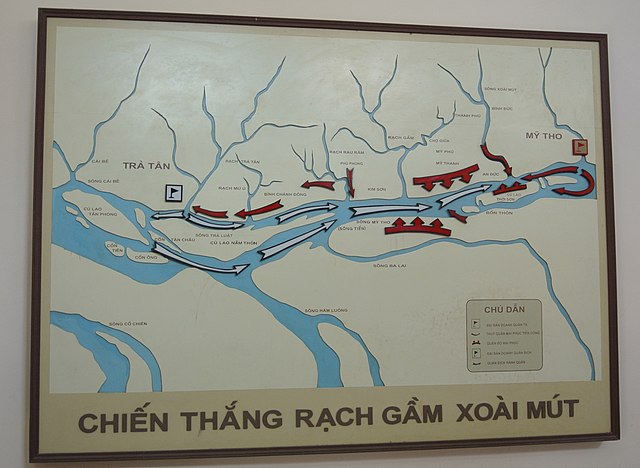
Nguyen Tri Phuong, a Vietnamese military strategist and leader, played a pivotal role in the Battle of Rạch Gầm-Xoài Mút. The conflict emerged during a period of territorial disputes between Vietnam and the Siamese Kingdom. Nguyen Tri Phuong orchestrated a tactical plan that capitalized on the Vietnamese forces' knowledge of the terrain and their guerrilla warfare tactics.
The Vietnamese army, under Nguyen Tri Phuong's command, utilized the element of surprise and ambushed the Siamese invaders, inflicting heavy casualties and forcing them into retreat. The defeat of the Siamese forces at Rạch Gầm-Xoài Mút solidified Vietnamese control over the region and demonstrated the effectiveness of Nguyen Tri Phuong's strategic brilliance.
The victory at the Battle of Rạch Gầm-Xoài Mút bolstered Vietnamese morale and affirmed their ability to defend their borders against foreign aggression. Nguyen Tri Phuong's leadership further solidified his reputation as a skilled military commander and patriot. The battle underscored the importance of tactical acumen and knowledge of the battlefield in achieving decisive victories.
Nguyen Tri Phuong's triumph at Rạch Gầm-Xoài Mút remains a significant chapter in Vietnamese history, highlighting the country's resilience and determination to safeguard its sovereignty. The battle serves as a reminder of the valor and dedication of Vietnamese forces in defending their homeland against external threats. Nguyen Tri Phuong's legacy as a military strategist and national hero endures to this day, inspiring future generations to uphold the spirit of bravery and unity in the face of adversity.
#NguyenTriPhuong #VietnameseHistory #BattleOfRạchGầm-XoàiMút #MilitaryStrategy #NationalHero
View details1778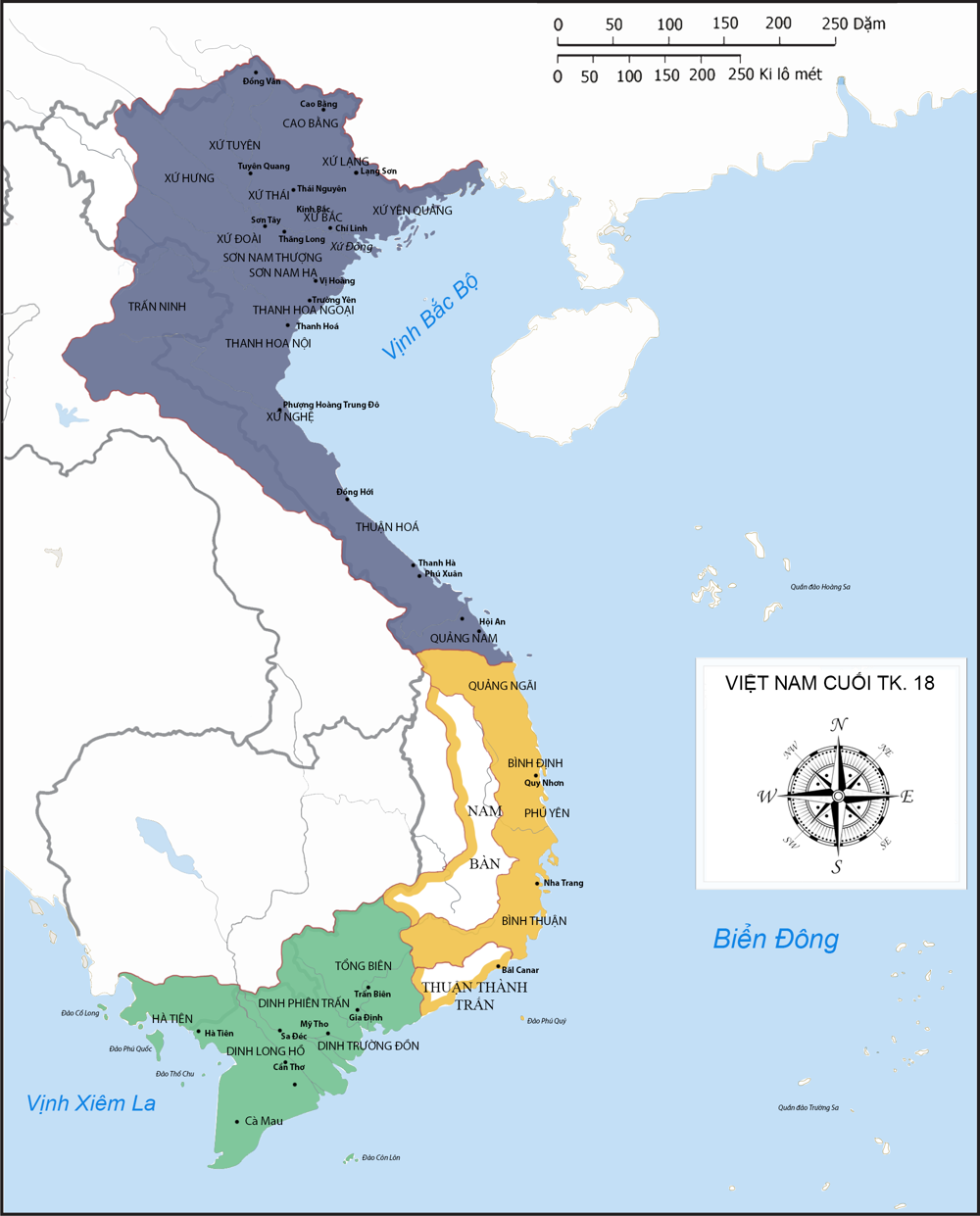
The Tay Son Dynasty emerged following the Tay Son rebellion, a significant uprising in Vietnam. Three brothers - Nguyen Nhac, Nguyen Hue, and Nguyen Lu - led this revolt against the Le Dynasty, aiming to end corruption and restore stability. The Tay Son movement gained support from peasants and disaffected members of society due to its promise of social and economic reforms.
During the rebellion, the brothers faced fierce resistance but eventually managed to overthrow the Le Dynasty and establish the Tay Son Dynasty. Nguyen Hue, also known as Emperor Quang Trung, became the ruler and implemented various reforms to improve governance, such as reducing taxes and promoting agriculture. The new dynasty prioritized meritocracy and sought to empower the lower classes.
The founding of the Tay Son Dynasty marked a turning point in Vietnamese history, ushering in a period of stability and prosperity. The dynasty's military victories, including the defeat of the Qing Dynasty's forces, solidified its power and expanded its influence. Emperor Quang Trung's reign is remembered for his efforts to unify the country and modernize the administration.
The Tay Son Dynasty's impact extended beyond its military achievements. It promoted cultural revival, encouraging education and the arts. The dynasty's policies aimed to uplift the disadvantaged segments of society and create a more equitable system.
In conclusion, the founding of the Tay Son Dynasty following the Tay Son rebellion reshaped Vietnam's political landscape and set the stage for a period of progressive reforms and national unity. The dynasty's emphasis on good governance and social welfare left a lasting legacy in Vietnamese history.
#TaySonDynasty #VietnameseHistory #RebellionAndReform #EmperorQuangTrung
View details1771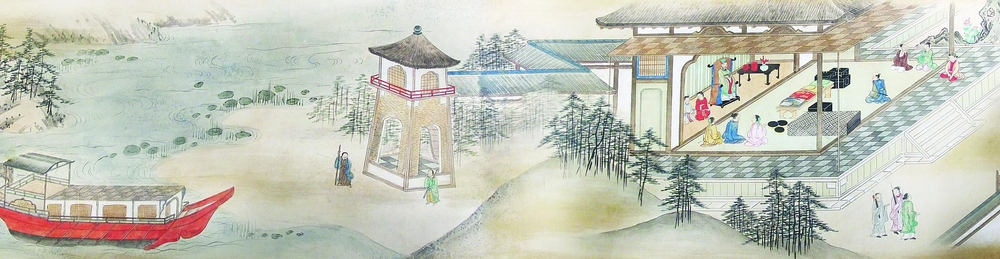
In the 18th century, southern Vietnam was under the rule of the Nguyen Lords, who faced challenges from peasant uprisings and internal corruption. The Tay Son rebellion, led by the three brothers Nguyen Nhac, Nguyen Lu, and Nguyen Hue, arose as a response to the oppressive policies of the Nguyen Lords. The rebellion gained momentum as discontent among the population grew due to heavy taxation and forced labor.
The Tay Son rebels were able to garner widespread support from peasants, intellectuals, and disgruntled members of the military. Their movement quickly expanded, capturing key cities and gaining control over significant territory in southern Vietnam. The rebels' military prowess and their message of social justice and equality resonated with the people, weakening the Nguyen Lords' hold on power.
The uprising of the Tay Son rebellion eventually led to the collapse of the Nguyen Lords' rule in southern Vietnam. Their forces overran the Nguyen stronghold of Hue, forcing the rulers to flee and dismantling the Nguyen regime. The Tay Son brothers established a new dynasty, with Nguyen Hue becoming emperor and initiating reforms to address the grievances of the population.
The rise of the Tay Son rebellion marked a turning point in Vietnamese history, signaling the end of the Nguyen Lords' domination in the region and the emergence of a new political order. The rebellion's success highlighted the power of popular uprisings and the ability of disenfranchised groups to challenge authoritarian rule.
#TaySonRebellion #NguyenLords #VietnameseHistory #PeasantUprising #PoliticalTransformation
View details1697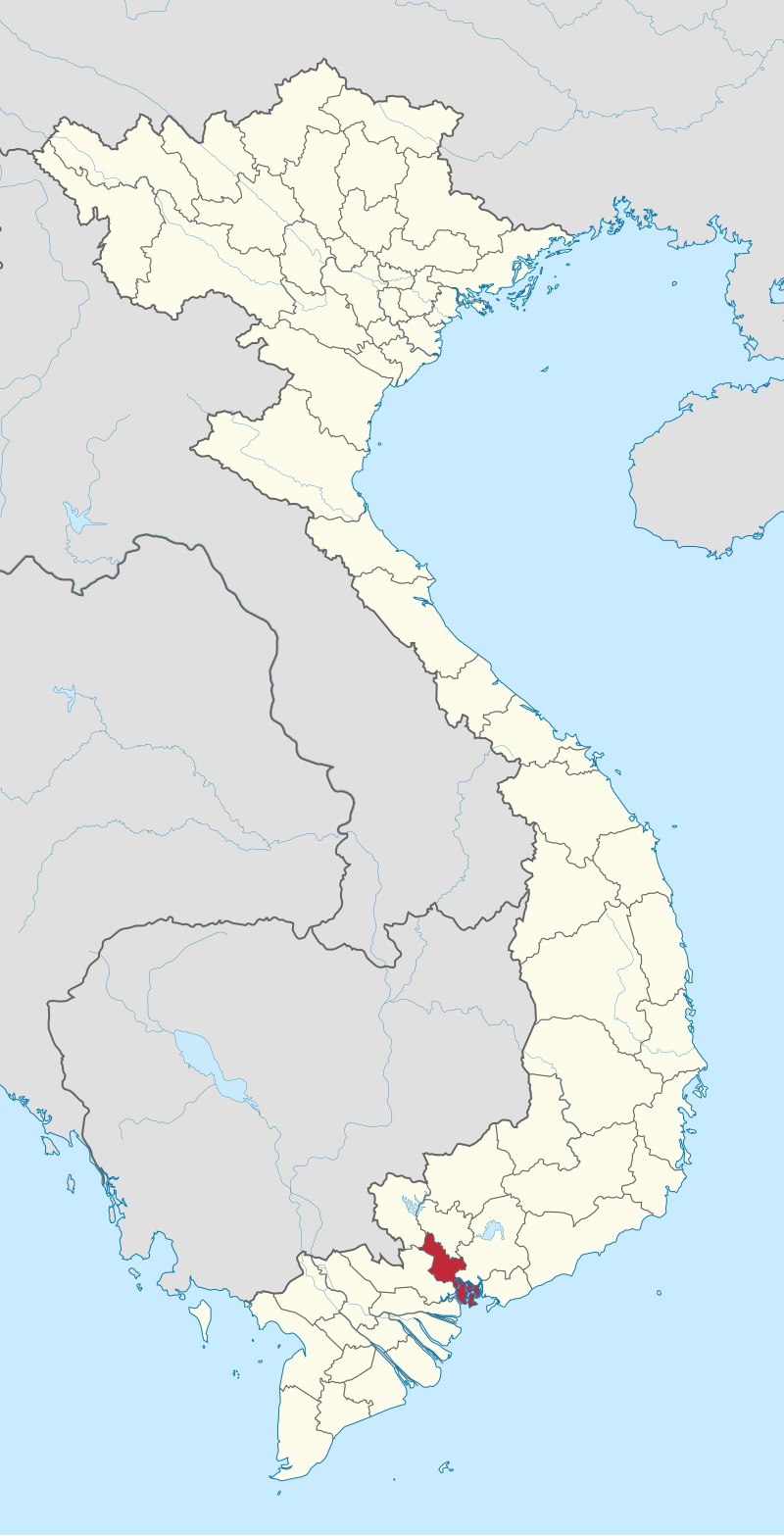
In 1698, the Nguyen lord Nguyen Phuc Nguyen established the city of Saigon as a strategic stronghold in the southern region of Vietnam. Recognizing its favorable location for trade and military purposes, Nguyen Phuc Nguyen aimed to solidify control over the area and strengthen the Nguyen lord's influence in the region.
The founding of Saigon played a crucial role in the expansion of the Nguyen lord's territory and power in the south. The city quickly grew into a bustling trading hub, attracting merchants from neighboring regions and establishing itself as a key center for commerce. Its strategic location along the Saigon River further enhanced its importance as a maritime gateway and military stronghold.
The establishment of Saigon not only bolstered the Nguyen lord's control over the southern territories but also contributed to the economic development and cultural exchange in the region. The city's growth attracted settlers from different parts of Vietnam, leading to a diverse population and a vibrant exchange of ideas, traditions, and goods.
The founding of Saigon by Nguyen lord Nguyen Phuc Nguyen marked a significant turning point in the history of the southern region of Vietnam, shaping its economic, political, and cultural landscape for centuries to come. The legacy of this strategic stronghold continues to resonate in the modern-day city of Ho Chi Minh City, formerly known as Saigon, reflecting its rich history and enduring significance in the history of Vietnam.
#NguyenPhucNguyen #SaigonCity #VietnamHistory #StrategicStronghold #NguyenLord #SouthernVietnam
View details1612
Following years of conflict and power struggles in Vietnam, the rise of Lord Nguyen Phuc Nguyen marked a significant shift in the country's political landscape. The Nguyen lords had been steadily expanding their influence in the south, posing a direct challenge to the dominant Trinh lords in the north.
The Nguyen family had been consolidating their power over the centuries, establishing themselves as a formidable force in the southern region. With strategic marriages and successful military campaigns, they managed to strengthen their position and gain support from local elites.
The ascension of Nguyen Phuc Nguyen as a major power signaled a turning point in Vietnamese history. His ambition and military prowess allowed him to challenge the authority of the Trinh lords, who had long held sway over the northern territories. The Nguyen lords' rise to power not only reshaped the political dynamics within Vietnam but also set the stage for future conflicts and alliances.
The rivalry between the Nguyen and Trinh lords would ultimately lead to a protracted period of civil war, known as the Trinh-Nguyen War, that lasted for decades. The competition for control over the country would have far-reaching consequences, impacting the lives of countless Vietnamese people and shaping the course of Vietnamese history.
The rise of Lord Nguyen Phuc Nguyen as a major power in the south, challenging the dominance of the Trinh lords in the north, marked a critical juncture in Vietnam's history, setting the stage for a prolonged struggle for power and control.
#VietnamHistory #NguyenLords #TrinhLords #PoliticalPower #CivilWar
View details1526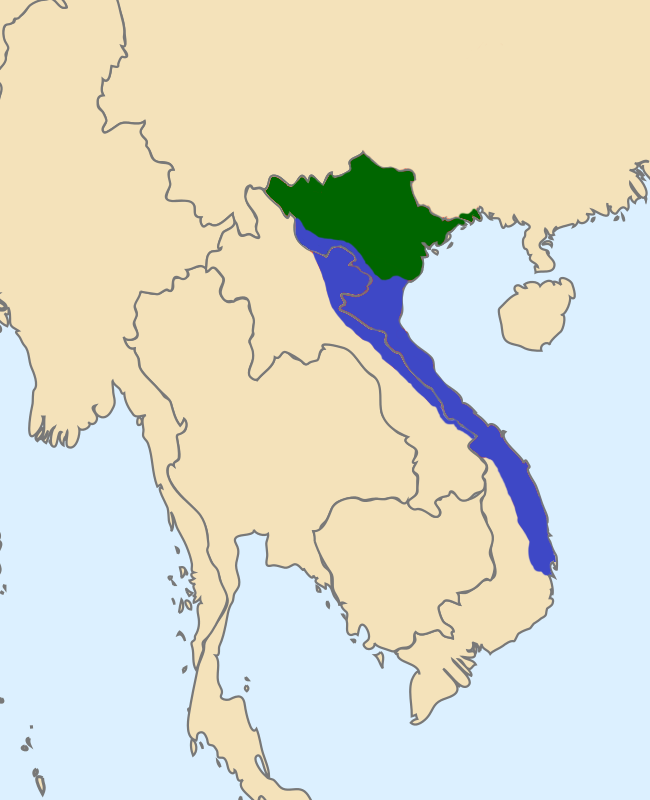
After the Ming army was defeated, the Mac dynasty emerged in Vietnam. The Ming army's defeat allowed the Mac family to rise to power, establishing themselves as rulers of the country. The Mac dynasty was the first native Vietnamese ruling dynasty in nearly a century, marking a significant shift in Vietnamese history.
Under the Mac dynasty, Vietnam experienced a period of stability and prosperity. The new rulers brought about reforms in governance, promoting Confucian ideals and emphasizing the importance of education. They also strengthened Vietnam's defenses, securing the country against external threats.
The establishment of the Mac dynasty altered the political landscape of Vietnam, diminishing the influence of the Chinese Ming dynasty. The Mac rulers sought to assert Vietnamese independence and promote a sense of national identity among the people.
The Mac dynasty's rule was not without challenges. Internal power struggles and external conflicts with neighboring kingdoms posed threats to their authority. Despite these challenges, the Mac dynasty managed to maintain control over Vietnam for several decades.
The rise of the Mac dynasty marked a turning point in Vietnamese history, symbolizing a shift towards indigenous rule and a strengthening of Vietnamese identity. Their legacy left a lasting impact on the country, shaping its political and cultural development for years to come.
#MacDynasty #VietnameseHistory #Independence #NationalIdentity
View details1524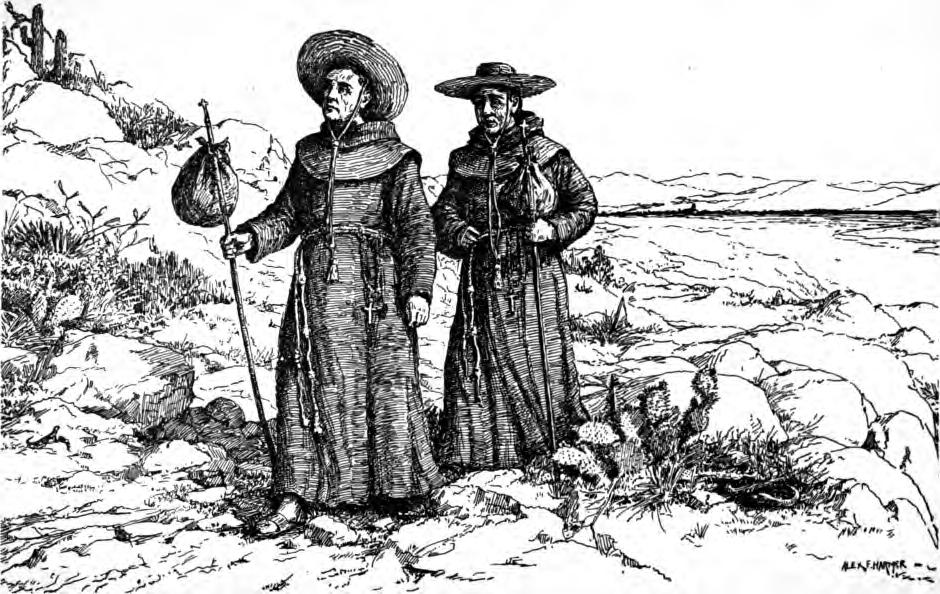
In the early 16th century, Catholic missionaries from Portugal arrived in Vietnam, seeking to spread the teachings of Christianity among the local population. The missionaries faced initial challenges due to cultural differences and a lack of understanding of the Vietnamese language. Despite these obstacles, they were determined to establish a presence in the region.
Over time, the Catholic missionaries began to gain traction by adapting their approach to align with Vietnamese customs and traditions. They set up churches and schools to educate the local people about their faith, winning converts and building a community of followers. The missionaries also provided humanitarian aid, which helped to improve their reputation and acceptance among the Vietnamese populace.
The arrival of the first Catholic missionaries in Vietnam marked the beginning of a new chapter in the country's religious landscape. Christianity gradually took root, influencing the beliefs and practices of the Vietnamese people. The missionaries played a significant role in shaping the spiritual and social fabric of Vietnam, leaving a lasting impact that can still be seen today.
Through their efforts, the Catholic missionaries introduced a new faith to Vietnam, contributing to the diversification of religious practices in the region. Their influence helped to bridge cultural divides and fostered a sense of unity among people of different backgrounds. The legacy of the first Catholic missionaries in Vietnam continues to resonate, highlighting the enduring power of faith and the importance of cross-cultural exchange.
#CatholicMissions #ReligiousDiversity #CulturalExchange #VietnameseHistory
View details1470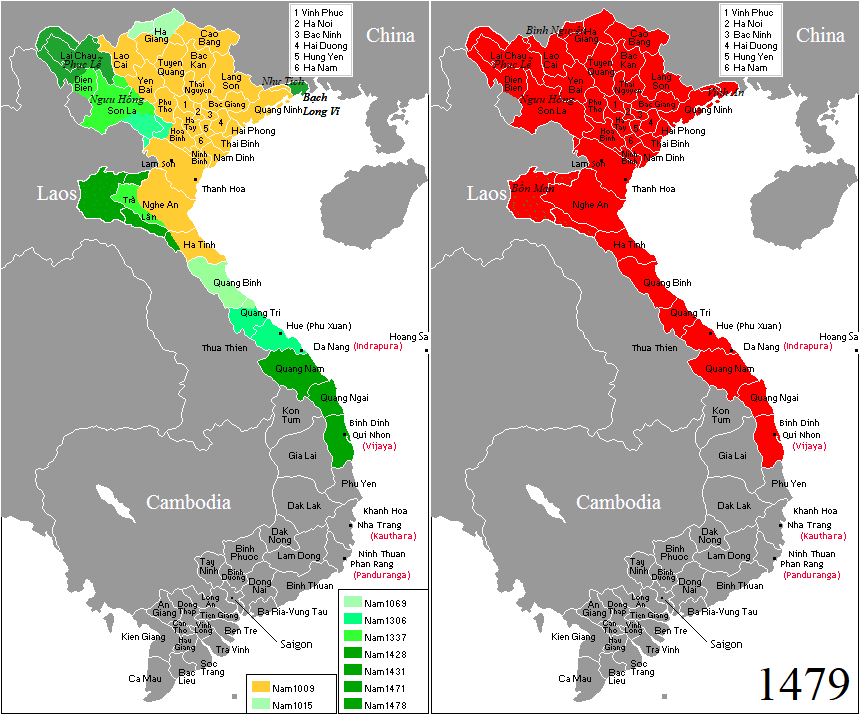
In the year 1471, Vietnamese forces launched a decisive attack on the Champa kingdom, sacking their capital of Vijaya. This event marked the culmination of a long-standing conflict between the two powers over territory and resources in the region.
The Champa kingdom, located in present-day central Vietnam, had been a notable power in Southeast Asia for centuries. However, internal strife and external pressures from neighboring states, particularly Vietnam, had weakened the kingdom over time. The Vietnamese, under the leadership of Le Thanh Tong, saw an opportunity to expand their influence and launched a military campaign against the Champa capital.
The siege of Vijaya was fierce and resulted in the city being overrun and looted by the Vietnamese forces. The Champa kingdom, already weakened by internal divisions and external threats, could not withstand the onslaught and ultimately fell to the Vietnamese invaders.
The impact of the Vietnamese conquest of Vijaya was profound. It marked the end of the Champa kingdom's independence and sovereignty, as it was effectively integrated into the expanding Vietnamese state. The defeat of Champa also reshaped the political and cultural landscape of the region, with Vietnamese influence becoming dominant in central Vietnam.
The events of 1471 were a turning point in the history of the Champa kingdom, leading to its eventual decline and absorption into the Vietnamese state. The sacking of Vijaya by Vietnamese forces symbolized the end of an era for the Champa people and their distinctive culture.
#Vietnam #Champa #Vijaya #Conquest #HistoricalShift #CulturalImpact
View details1428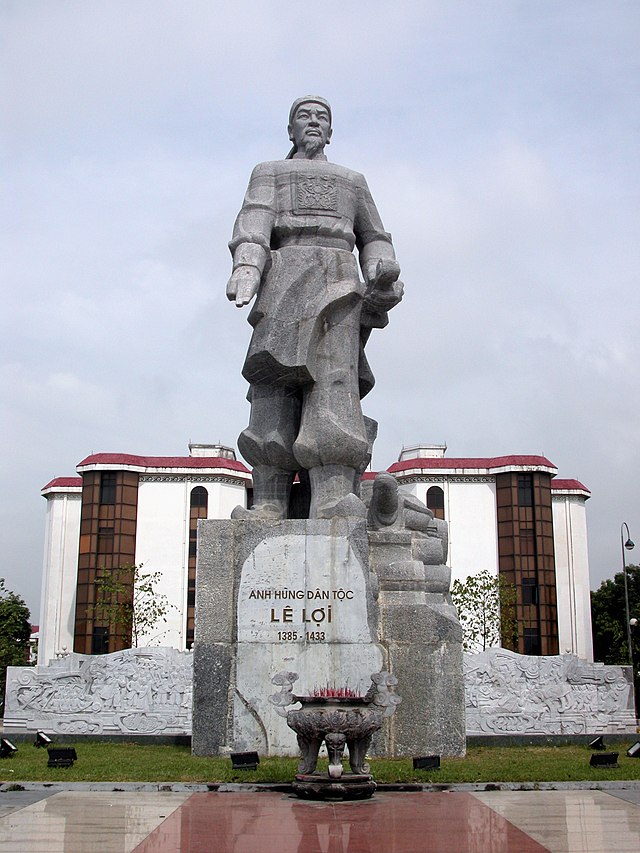
After leading a successful revolt against Chinese rule, Lê Lợi, a Vietnamese general, was proclaimed as the first emperor of the Later Lê Dynasty. This event marked the restoration of Vietnamese independence after decades of foreign domination. Lê Lợi's rise to power was fueled by his military prowess and widespread support from the Vietnamese people who longed for self-governance.
As the new emperor, Lê Lợi implemented various reforms to strengthen the administration and economy of the fledgling dynasty. He established a centralized system of governance and promoted Confucianism as the official state ideology. Lê Lợi also focused on rebuilding the country's infrastructure, encouraging agriculture, and fostering cultural development. Under his leadership, the Later Lê Dynasty experienced a period of stability and prosperity.
One of the most enduring legacies of Lê Lợi's reign was his cultivation of a strong sense of national identity among the Vietnamese people. Through his policies and actions, he instilled a sense of pride and unity that helped solidify Vietnam's position as an independent nation. Lê Lợi's contributions to Vietnamese history are widely recognized, and he is remembered as a hero who fought for the freedom and dignity of his people.
The proclamation of Lê Lợi as the first emperor of the Later Lê Dynasty signaled a new chapter in Vietnamese history, one characterized by resilience, independence, and cultural resurgence. His reign laid the foundation for Vietnam's future development and played a crucial role in shaping the country's identity. Today, Lê Lợi remains a revered figure in Vietnamese history, symbolizing the enduring spirit of the Vietnamese people.
#VietnameseIndependence #LêLợi #LaterLêDynasty #VietnameseHistory
View details1416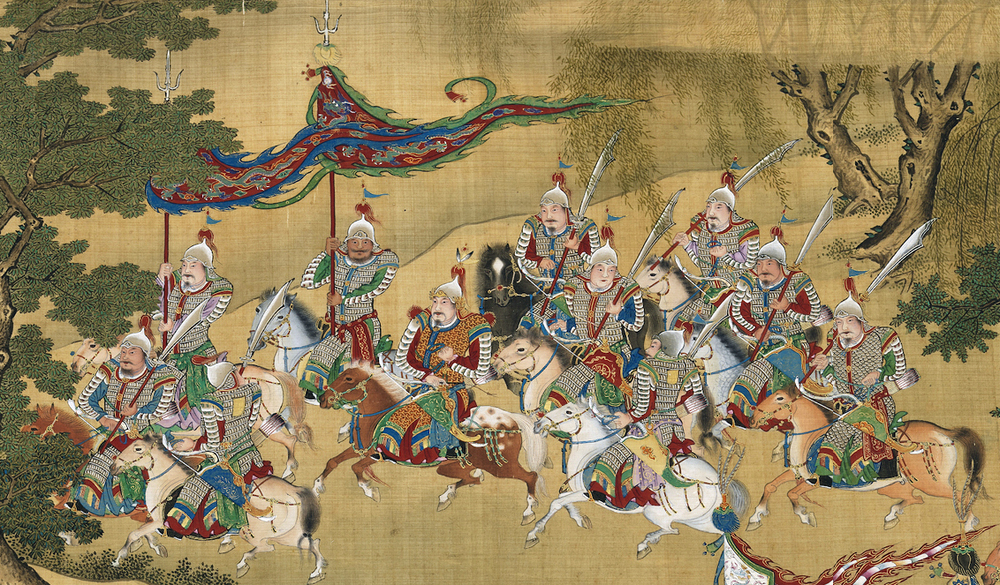
Lê Lợi, a Vietnamese nobleman, rose against the ruling Chinese Ming dynasty, sparking a rebellion to reclaim Vietnam's independence. He unified various local resistance movements, leveraging support from disaffected Chinese troops and peasants. Lê Lợi strategically waged guerilla warfare, utilizing the terrain to his advantage. Slowly, he weakened Ming control, gaining popular support among the Vietnamese populace.
The 10-year insurgency culminated in the decisive battle of Tot Dong in 1427, where Lê Lợi's forces emerged victorious. This triumph led to the expulsion of the Chinese forces, marking the end of over two decades of foreign rule. Lê Lợi capitalized on this success, establishing the Later Lê dynasty and assuming the throne as Emperor. He instituted reforms to restore Vietnamese sovereignty and foster national unity.
The uprising against Chinese-Ming rule led by Lê Lợi had a lasting impact on Vietnamese history. It symbolized the resilience and determination of the Vietnamese people to resist foreign domination. The victory at Tot Dong became a symbol of national pride and inspired future generations in their struggles for independence. Lê Lợi's legacy as a hero who championed Vietnamese autonomy remains ingrained in the country's historical narrative.
Lê Lợi's uprising against Chinese-Ming rule exemplifies the unwavering spirit of the Vietnamese people against oppression, the strategic brilliance of a leader rallying disparate factions for a common cause, and the triumph of national sovereignty over foreign domination. The event underlines the significance of unity, resilience, and perseverance in the face of adversity.
#VietnameseIndependence #LêLợi #LaterLêDynasty #NationalUnity
View details1406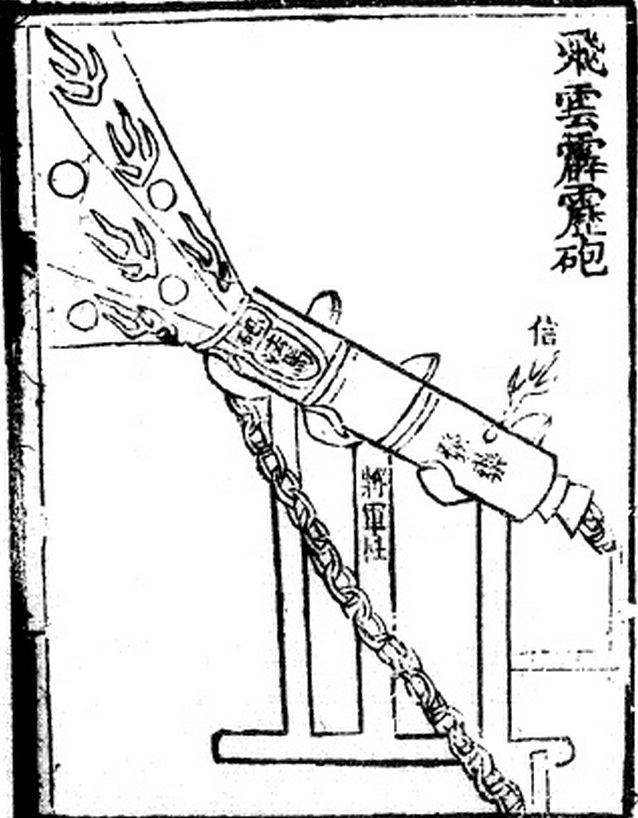
The Chinese-Ming invasion of Vietnam in May 1406 marked a pivotal moment in the history of the region. The invasion was led by the Ming dynasty in an effort to expand their influence and control over neighboring territories. The Ming forces, under the command of General Feng Sheng, launched a fierce military campaign against the Vietnamese kingdom of Dai Viet, aiming to subjugate the nation and assert Chinese dominance.
The invasion resulted in a fierce resistance from the Vietnamese forces, with battles raging across the countryside. Despite the valiant efforts of the Vietnamese defenders, the superior military tactics and weaponry of the Ming forces eventually led to the fall of the Vietnamese capital Thang Long. The Vietnamese ruler, King Tran Thuan Tong, was captured and taken back to China, where he was forced to abdicate the throne in favor of a puppet ruler appointed by the Ming dynasty.
The aftermath of the invasion saw widespread devastation in Vietnam, as the Ming forces imposed harsh rule over the population. The Vietnamese people faced heavy taxation, forced labor, and restrictions on their cultural practices as the Ming authorities sought to assert their control over the region. The invasion also led to a significant shift in the political dynamics of Southeast Asia, as the Ming dynasty strengthened its influence in the region while weakening the independence of the Vietnamese kingdom.
Despite the hardships endured during the invasion, the Vietnamese people continued to resist Ming rule, sparking a series of rebellions and uprisings in the years that followed. These conflicts ultimately led to the eventual expulsion of the Ming forces from Vietnam and the restoration of Vietnamese sovereignty. The legacy of the Chinese-Ming invasion of Vietnam remains a poignant reminder of the struggles faced by the Vietnamese people in the face of foreign aggression and their enduring spirit of resistance.
#ChineseMingInvasion #VietnamHistory #MilitaryConflict #Resilience
View details1400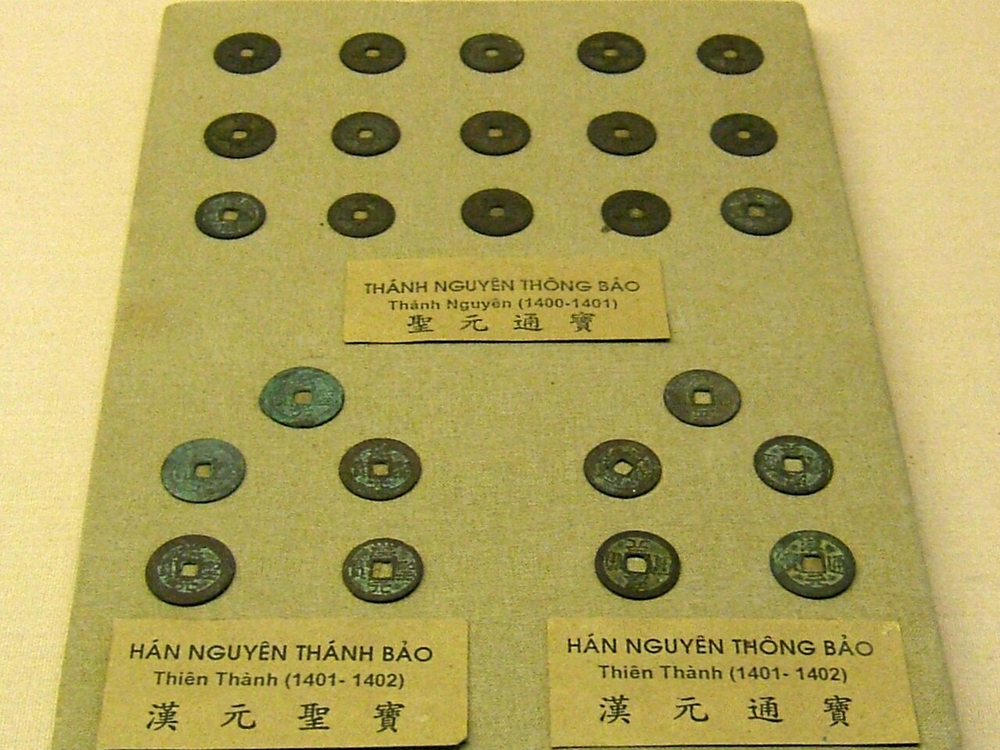
Following the overthrow of the Trần dynasty in Vietnam in 1400, a new era began with the establishment of the Hồ dynasty. The Trần dynasty had faced internal rebellions and external threats, leading to its eventual downfall. The rise of the Hồ dynasty marked a significant shift in Vietnamese history.
The founder of the Hồ dynasty, Hồ Quý Ly, was a former high-ranking official in the Trần court. He seized the opportunity to take power and establish a new ruling dynasty. Hồ Quý Ly aimed to reform the government and strengthen central authority. He implemented administrative changes, promoted education, and focused on military restructuring to consolidate his rule.
The Hồ dynasty faced various challenges during its reign, including military conflicts and internal dissent. Despite these challenges, the dynasty managed to maintain control over Vietnam for a period of time. The rulers of the Hồ dynasty continued to emphasize Confucian principles and sought to govern with integrity and justice.
The establishment of the Hồ dynasty had a lasting impact on Vietnamese history. It marked a transition from the preceding Trần dynasty and set the stage for further dynastic changes in the region. The Hồ dynasty's rule reflected a period of political instability and shifting power dynamics in Vietnam.
In conclusion, the establishment of the Hồ dynasty after the overthrow of the Trần dynasty in 1400 marked a pivotal moment in Vietnamese history. The rise of a new ruling dynasty brought about significant changes in governance and administration. The legacy of the Hồ dynasty continues to be studied and remembered in Vietnamese historical narratives. #VietnameseHistory #HồDynasty #TransitionofPower
View details1399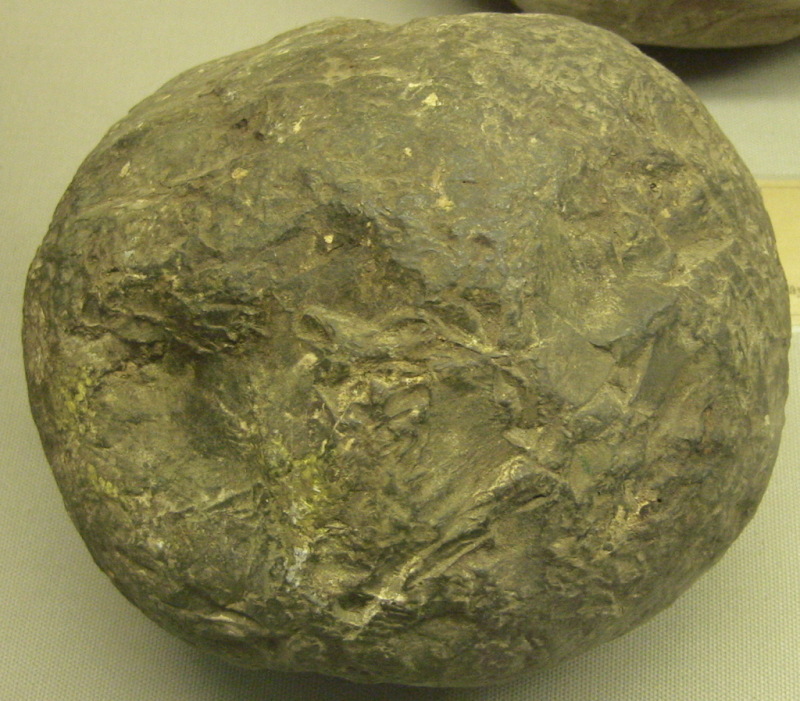
In 1400, the Ho Dynasty established its capital at Tây Đô, marking a significant shift in Vietnamese history. Prior to this, the region had been divided among various feudal lords, leading to political instability and conflict. With the establishment of the Ho Dynasty capital, the region experienced a period of centralized power and cultural flourishing.
Tây Đô, strategically located in the Thanh Hóa Province, provided a strong military stronghold and political center for the Ho Dynasty. The new capital facilitated economic growth, trade, and cultural exchange with neighboring regions. Under the reign of the Ho Dynasty, Tây Đô became a hub for architectural innovation, with impressive citadels and temples constructed.
The establishment of the Ho Dynasty capital at Tây Đô had a lasting impact on Vietnamese history. It symbolized a new era of unity and strength, bringing about stability and prosperity to the region. The centralization of power allowed for more efficient governance and the implementation of advanced administrative systems. The cultural advancements during this period laid the foundation for Vietnamese art, literature, and architecture.
Despite its relatively short reign, the Ho Dynasty's capital at Tây Đô left a lasting legacy in Vietnamese history. The capital city remained an important cultural and political center even after the fall of the dynasty, influencing subsequent rulers in the region. The remnants of Tây Đô serve as a reminder of Vietnam's rich history and cultural heritage.
#HoDynasty #TayDoCapital #VietnameseHistory #CulturalFlourishing
View details1257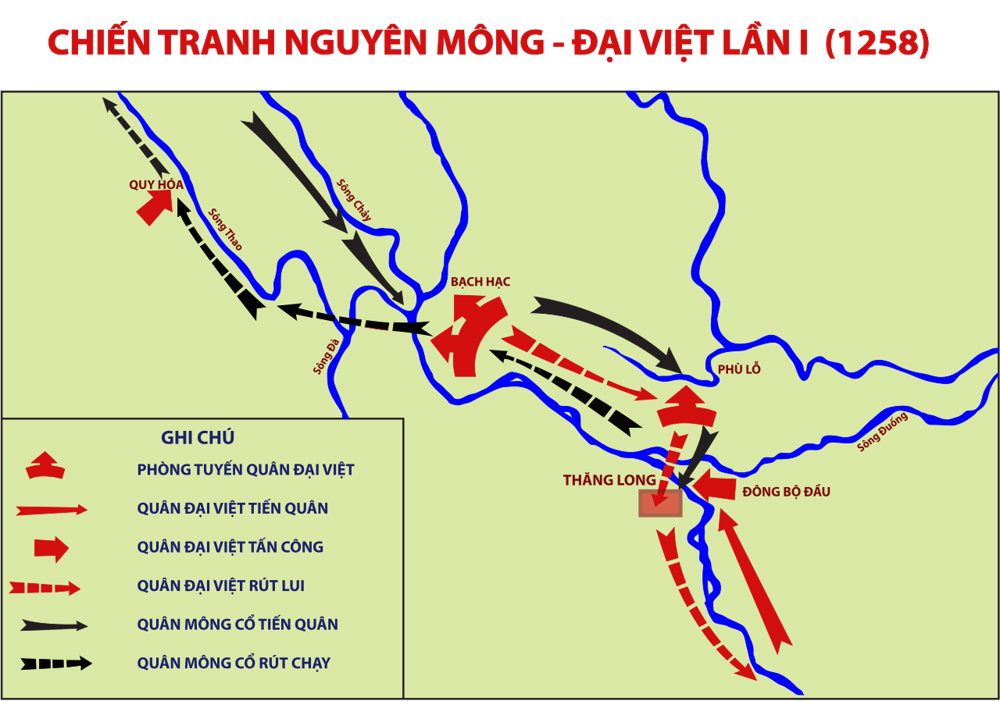
The Mongol invasions marked a pivotal chapter in Vietnamese history. As the powerful Mongol Empire expanded its reach, it set its sights on conquering neighboring lands, including Vietnam. The Vietnamese, led by King Trần Thái Tông, braced themselves for the impending conflict.
The Mongol invasions brought devastation to Vietnam, with large-scale destruction and loss of life. Despite their initial victories, the Mongols faced fierce resistance from the Vietnamese forces. The Vietnamese utilized guerilla tactics and their knowledge of the terrain to mount a formidable defense.
The invasions had a lasting impact on Vietnam. They highlighted the resilience and determination of the Vietnamese people in defending their homeland. The conflict also exposed the military might of the Mongol Empire and its ambitions of conquest.
In the end, the Mongol invasions of Vietnam left a profound mark on the country's history, shaping its future interactions with foreign powers. The Vietnamese emerged from the invasions with a strengthened sense of national identity and a deep-seated commitment to preserving their independence.
#MongolEmpire #VietnameseHistory #NationalIdentity
View details1224
The founding of the Trần Dynasty marked a pivotal moment in Vietnamese history when General Trần Thủ Độ established a new ruling dynasty, overthrowing the Lý Dynasty. This event occurred after years of political instability and external threats, with the Trần Dynasty aiming to strengthen central authority and consolidate power.
Under the leadership of Trần Thủ Độ, the new dynasty implemented various reforms to centralize control, improve governance, and enhance military capabilities. This consolidation of power enabled the Trần Dynasty to effectively resist Mongol invasions and maintain territorial integrity, ensuring stability and prosperity for the kingdom.
The establishment of the Trần Dynasty had a profound impact on Vietnamese society, ushering in a period of cultural flourishing and economic development. The dynasty patronized Confucianism and Buddhism, promoting education and fostering intellectual advancements. This era also saw the construction of grand temples, pagodas, and infrastructure projects that contributed to the prosperity of the kingdom.
The Trần Dynasty's military successes, bureaucratic reforms, and cultural achievements solidified its legacy as a golden age in Vietnamese history. The dynasty's rule spanned over a century, leaving a lasting imprint on the country's governance, culture, and identity.
Overall, the founding of the Trần Dynasty was a transformative event that shaped the course of Vietnamese history and laid the foundation for a period of stability, prosperity, and cultural enlightenment. #VietnameseHistory #TrầnDynasty #PoliticalTransformation
View detailsIn 1225, Trần Thủ Độ took control of Đại Việt, now known as Vietnam, effectively becoming its ruler. Trần Thủ Độ was a prominent figure in the Trần dynasty, known for his political acumen and strategic prowess. His rise to power marked a significant shift in the political landscape of the region.
Prior to Trần Thủ Độ's ascension, Đại Việt was facing internal turmoil and external threats from neighboring kingdoms. By consolidating power and establishing himself as the de facto ruler, he was able to stabilize the country and strengthen its defenses against potential invaders.
Under Trần Thủ Độ's leadership, Đại Việt experienced a period of relative stability and prosperity. He implemented reforms to improve governance, foster economic growth, and enhance the military capabilities of the kingdom. His policies aimed to centralize authority and ensure the loyalty of local officials, enabling greater control over the administration of the realm.
Trần Thủ Độ's reign was characterized by his firm hand in maintaining order and quelling dissent. Despite facing internal opposition from rival factions within the court, he managed to assert his authority and consolidate power. His strategic maneuvering and diplomatic skills helped him navigate the complex political landscape of Đại Việt.
The legacy of Trần Thủ Độ as the de facto ruler of Đại Việt is evident in the enduring influence of the Trần dynasty in Vietnamese history. His leadership laid the foundation for a period of stability and growth, shaping the trajectory of the kingdom for years to come. Trần Thủ Độ's contributions to the consolidation of power and the expansion of Đại Việt's influence continue to be recognized as pivotal moments in Vietnamese history.
#TrầnThủĐộ #ĐạiViệt #VietnameseHistory #PoliticalLeadership
View details