The Rise of the Hồ Dynasty
Vietnam
Political
4 min read
Updated By: History Editorial Network (HEN)
Published:
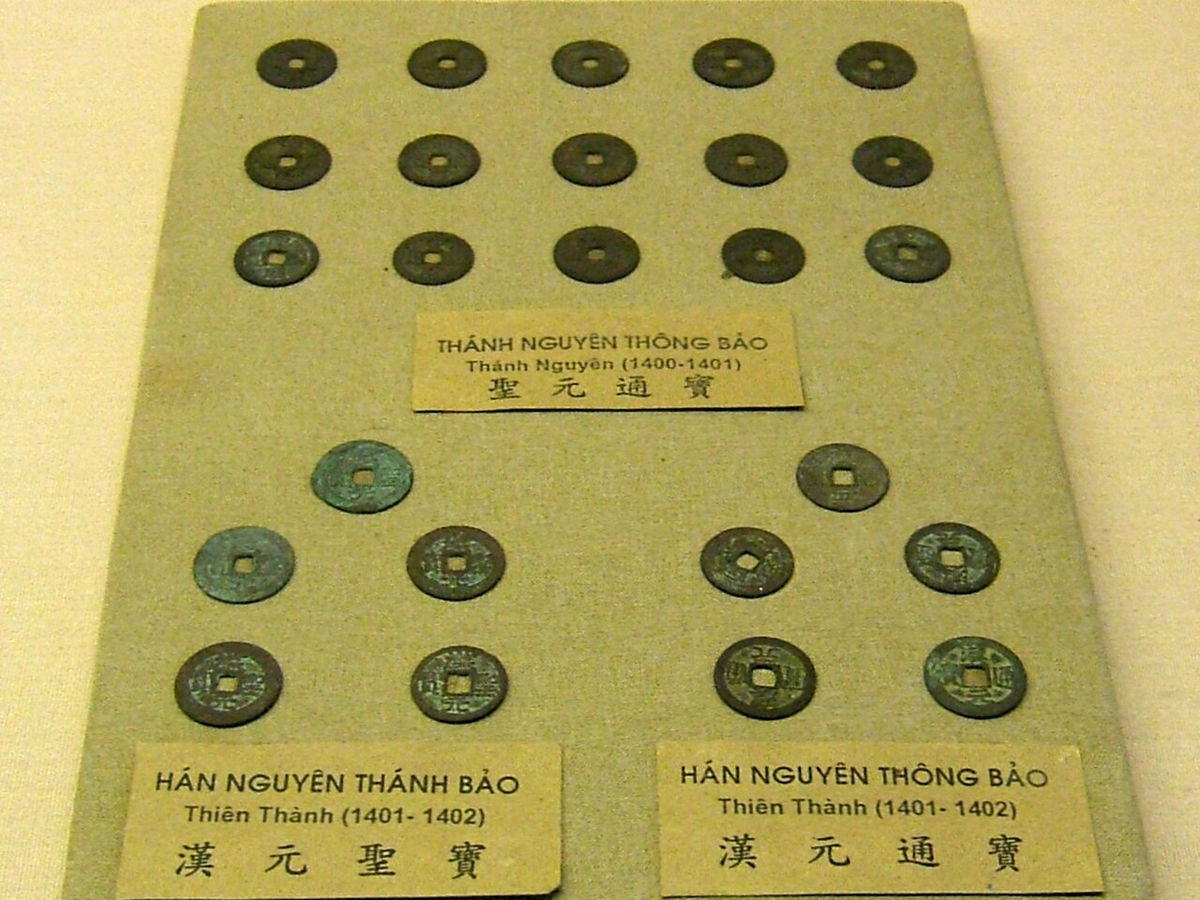
Following the overthrow of the Trần dynasty in Vietnam in 1400, a new era began with the establishment of the Hồ dynasty. The Trần dynasty had faced internal rebellions and external threats, leading to its eventual downfall. The rise of the Hồ dynasty marked a significant shift in Vietnamese history.
The founder of the Hồ dynasty, Hồ Quý Ly, was a former high-ranking official in the Trần court. He seized the opportunity to take power and establish a new ruling dynasty. Hồ Quý Ly aimed to reform the government and strengthen central authority. He implemented administrative changes, promoted education, and focused on military restructuring to consolidate his rule.
The Hồ dynasty faced various challenges during its reign, including military conflicts and internal dissent. Despite these challenges, the dynasty managed to maintain control over Vietnam for a period of time. The rulers of the Hồ dynasty continued to emphasize Confucian principles and sought to govern with integrity and justice.
The establishment of the Hồ dynasty had a lasting impact on Vietnamese history. It marked a transition from the preceding Trần dynasty and set the stage for further dynastic changes in the region. The Hồ dynasty's rule reflected a period of political instability and shifting power dynamics in Vietnam.
In conclusion, the establishment of the Hồ dynasty after the overthrow of the Trần dynasty in 1400 marked a pivotal moment in Vietnamese history. The rise of a new ruling dynasty brought about significant changes in governance and administration. The legacy of the Hồ dynasty continues to be studied and remembered in Vietnamese historical narratives. #VietnameseHistory #HồDynasty #TransitionofPower

Explore the Life Moments of
 AI Twin