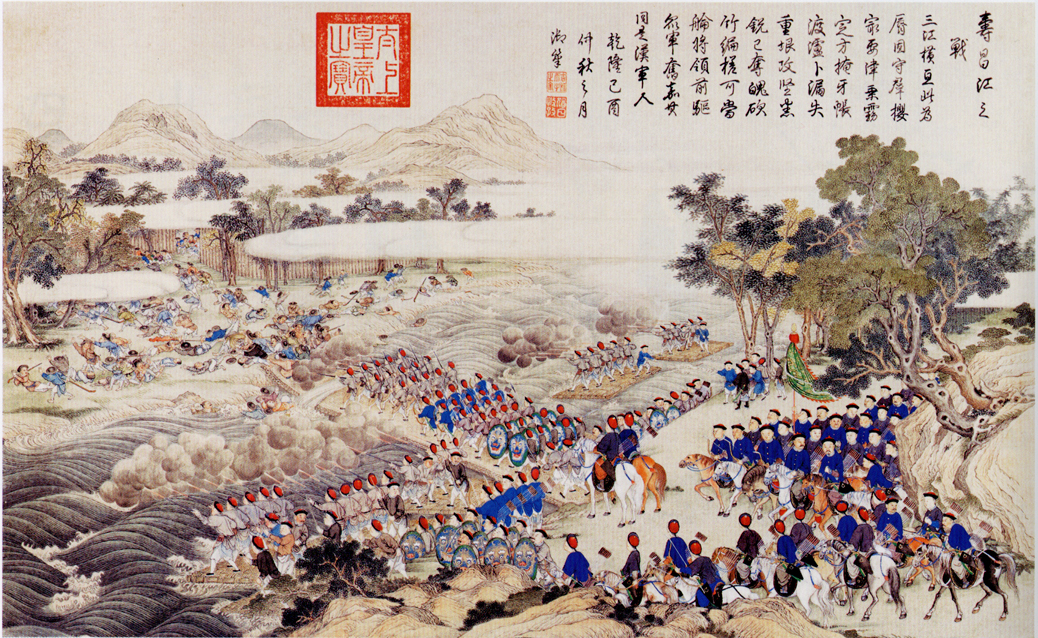
Nguyen Hue's Victory at Battle of Dong Da Redefining Vietnamese Independence
Vietnam
National Pride
4 min read
Updated By: History Editorial Network (HEN)
Published:
Nguyen Hue, also known as Emperor Quang Trung, rose to power during a time of turmoil in Vietnam. The Qing dynasty's rule had left the country weakened and oppressed. In defense of Vietnamese independence, Emperor Quang Trung led his forces against the Qing army in the Battle of Dong Da. Despite being outnumbered, Emperor Quang Trung's strategic brilliance and the fierce determination of his troops led to a decisive victory over the Qing forces.
The Battle of Dong Da was a turning point in Vietnamese history. The defeat of the Qing army not only secured a brief period of independence for Vietnam but also inspired a sense of national pride and unity among the Vietnamese people. Emperor Quang Trung's successful campaign against the Qing forces demonstrated the strength and resilience of the Vietnamese nation in the face of external threats.
Following the victory at Dong Da, Emperor Quang Trung implemented reforms to strengthen Vietnam's military and economy. His leadership brought stability and prosperity to the country, paving the way for a period of peace and prosperity. The battle at Dong Da remains a symbol of Vietnamese resistance against foreign domination and a testament to the courage and determination of the Vietnamese people.
The legacy of Emperor Quang Trung and the Battle of Dong Da continues to resonate in Vietnam today. The event is commemorated annually, serving as a reminder of the country's struggles for independence and the importance of unity in the face of adversity. The victory at Dong Da remains a source of national pride and a symbol of Vietnam's enduring spirit and resilience. #VietnameseHistory #EmperorQuangTrung #VietnameseIndependence

Explore the Life Moments of
 AI Twin