The Fall of Champa's Capital Vijaya
Vietnam
Shift
CulturalImpact
4 min read
Updated By: History Editorial Network (HEN)
Published:
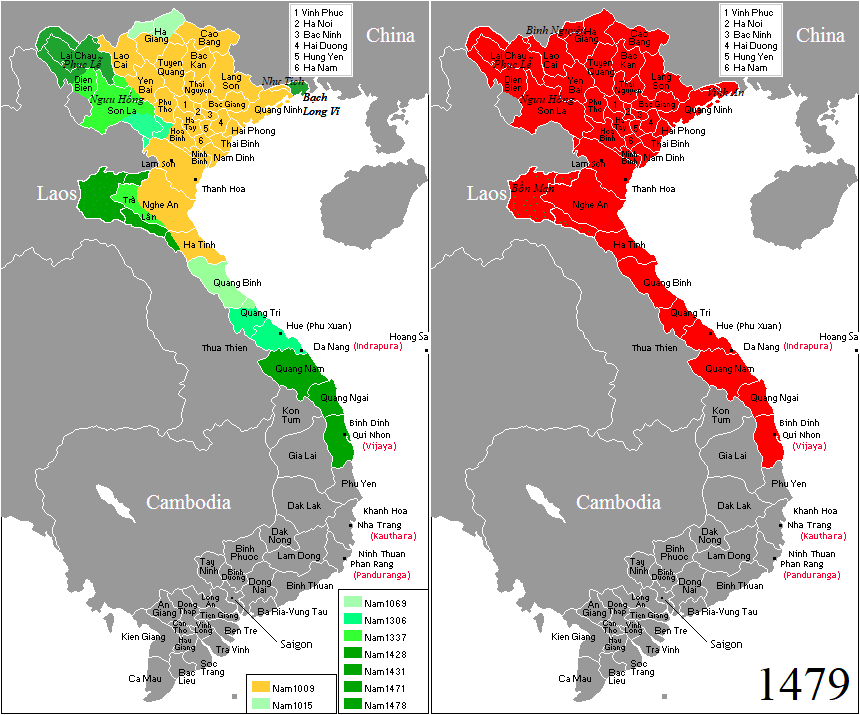
In the year 1471, Vietnamese forces launched a decisive attack on the Champa kingdom, sacking their capital of Vijaya. This event marked the culmination of a long-standing conflict between the two powers over territory and resources in the region.
The Champa kingdom, located in present-day central Vietnam, had been a notable power in Southeast Asia for centuries. However, internal strife and external pressures from neighboring states, particularly Vietnam, had weakened the kingdom over time. The Vietnamese, under the leadership of Le Thanh Tong, saw an opportunity to expand their influence and launched a military campaign against the Champa capital.
The siege of Vijaya was fierce and resulted in the city being overrun and looted by the Vietnamese forces. The Champa kingdom, already weakened by internal divisions and external threats, could not withstand the onslaught and ultimately fell to the Vietnamese invaders.
The impact of the Vietnamese conquest of Vijaya was profound. It marked the end of the Champa kingdom's independence and sovereignty, as it was effectively integrated into the expanding Vietnamese state. The defeat of Champa also reshaped the political and cultural landscape of the region, with Vietnamese influence becoming dominant in central Vietnam.
The events of 1471 were a turning point in the history of the Champa kingdom, leading to its eventual decline and absorption into the Vietnamese state. The sacking of Vijaya by Vietnamese forces symbolized the end of an era for the Champa people and their distinctive culture.
#Vietnam #Champa #Vijaya #Conquest #HistoricalShift #CulturalImpact

Explore the Life Moments of
 AI Twin