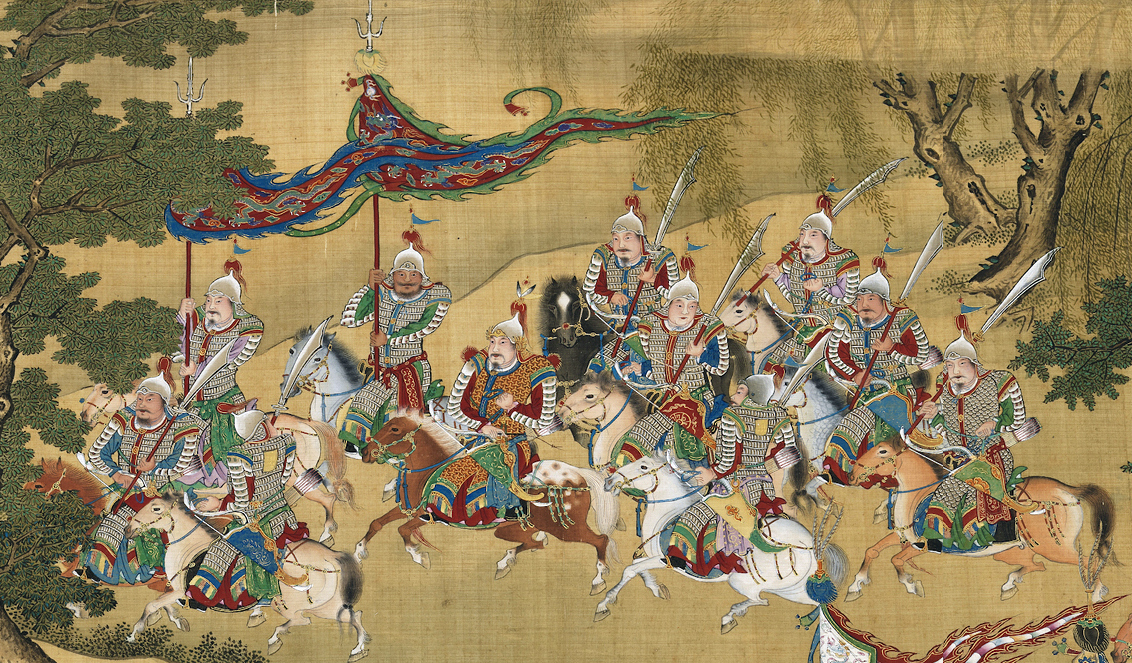
Lê Lợi's Rebellion against Ming Rule
Vietnam
Political
4 min read
Updated By: History Editorial Network (HEN)
Published:
Lê Lợi, a Vietnamese nobleman, rose against the ruling Chinese Ming dynasty, sparking a rebellion to reclaim Vietnam's independence. He unified various local resistance movements, leveraging support from disaffected Chinese troops and peasants. Lê Lợi strategically waged guerilla warfare, utilizing the terrain to his advantage. Slowly, he weakened Ming control, gaining popular support among the Vietnamese populace.
The 10-year insurgency culminated in the decisive battle of Tot Dong in 1427, where Lê Lợi's forces emerged victorious. This triumph led to the expulsion of the Chinese forces, marking the end of over two decades of foreign rule. Lê Lợi capitalized on this success, establishing the Later Lê dynasty and assuming the throne as Emperor. He instituted reforms to restore Vietnamese sovereignty and foster national unity.
The uprising against Chinese-Ming rule led by Lê Lợi had a lasting impact on Vietnamese history. It symbolized the resilience and determination of the Vietnamese people to resist foreign domination. The victory at Tot Dong became a symbol of national pride and inspired future generations in their struggles for independence. Lê Lợi's legacy as a hero who championed Vietnamese autonomy remains ingrained in the country's historical narrative.
Lê Lợi's uprising against Chinese-Ming rule exemplifies the unwavering spirit of the Vietnamese people against oppression, the strategic brilliance of a leader rallying disparate factions for a common cause, and the triumph of national sovereignty over foreign domination. The event underlines the significance of unity, resilience, and perseverance in the face of adversity.
#VietnameseIndependence #LêLợi #LaterLêDynasty #NationalUnity

Explore the Life Moments of
 AI Twin