Rise of the Tay Son Dynasty
Vietnam
Political
4 min read
Updated By: History Editorial Network (HEN)
Published:
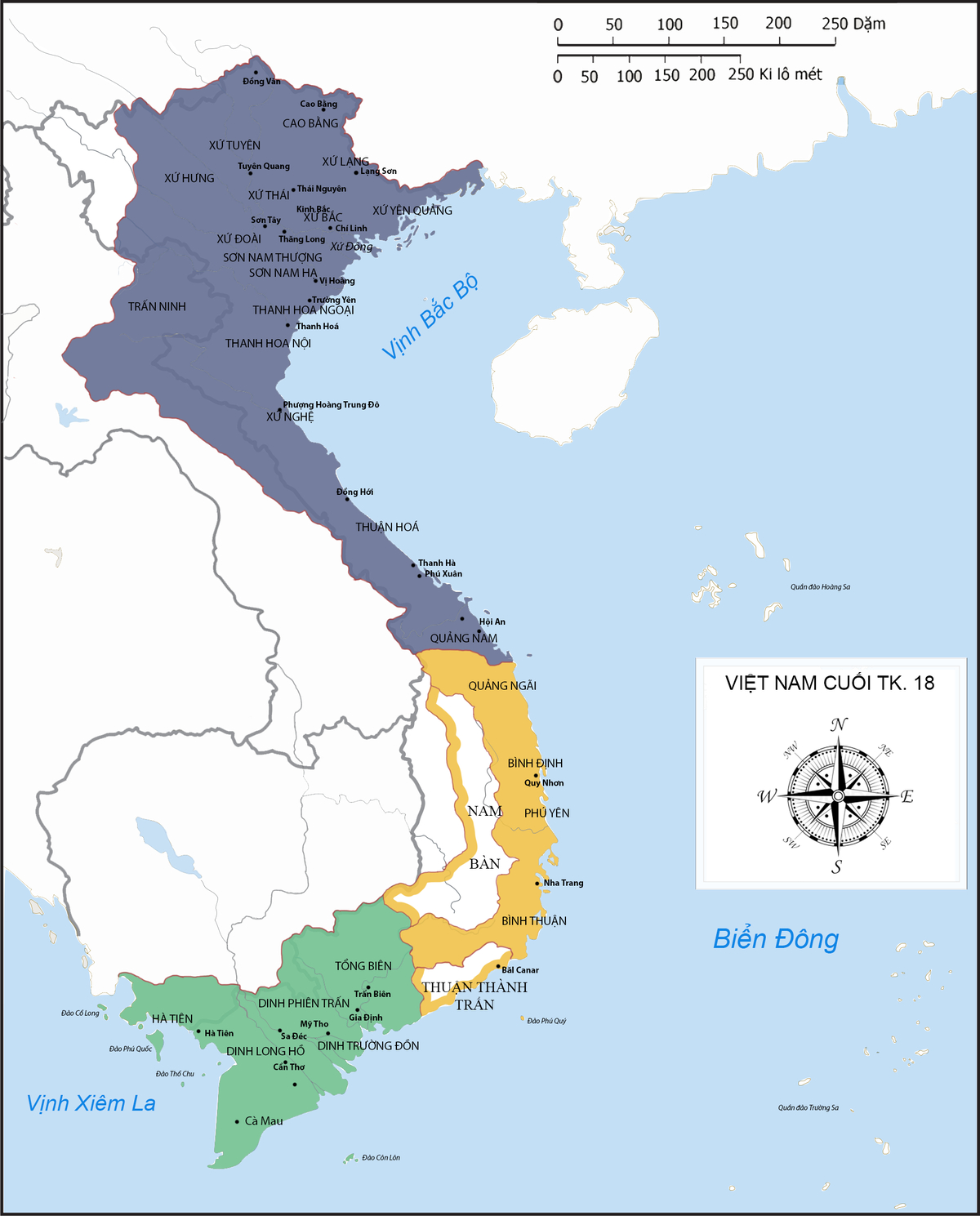
The Tay Son Dynasty emerged following the Tay Son rebellion, a significant uprising in Vietnam. Three brothers - Nguyen Nhac, Nguyen Hue, and Nguyen Lu - led this revolt against the Le Dynasty, aiming to end corruption and restore stability. The Tay Son movement gained support from peasants and disaffected members of society due to its promise of social and economic reforms.
During the rebellion, the brothers faced fierce resistance but eventually managed to overthrow the Le Dynasty and establish the Tay Son Dynasty. Nguyen Hue, also known as Emperor Quang Trung, became the ruler and implemented various reforms to improve governance, such as reducing taxes and promoting agriculture. The new dynasty prioritized meritocracy and sought to empower the lower classes.
The founding of the Tay Son Dynasty marked a turning point in Vietnamese history, ushering in a period of stability and prosperity. The dynasty's military victories, including the defeat of the Qing Dynasty's forces, solidified its power and expanded its influence. Emperor Quang Trung's reign is remembered for his efforts to unify the country and modernize the administration.
The Tay Son Dynasty's impact extended beyond its military achievements. It promoted cultural revival, encouraging education and the arts. The dynasty's policies aimed to uplift the disadvantaged segments of society and create a more equitable system.
In conclusion, the founding of the Tay Son Dynasty following the Tay Son rebellion reshaped Vietnam's political landscape and set the stage for a period of progressive reforms and national unity. The dynasty's emphasis on good governance and social welfare left a lasting legacy in Vietnamese history.
#TaySonDynasty #VietnameseHistory #RebellionAndReform #EmperorQuangTrung

Explore the Life Moments of
 AI Twin