
Vietnam

Land of the ascending dragon.
Related Lives

Russia–United States relations
History of Diplomatic Relationship

Indonesia
The Emerald of the Equator

Ukraine
The Heart of Eastern Europe

Austria
The Land of Music and Mountains

Honduras
Heart of Central America

Hungary
Tales of the Danube

Ethiopia
Federal Democratic Republic of Ethiopia

Armenia
Gateway to Ancient Traditions and Scenic Beauty

1965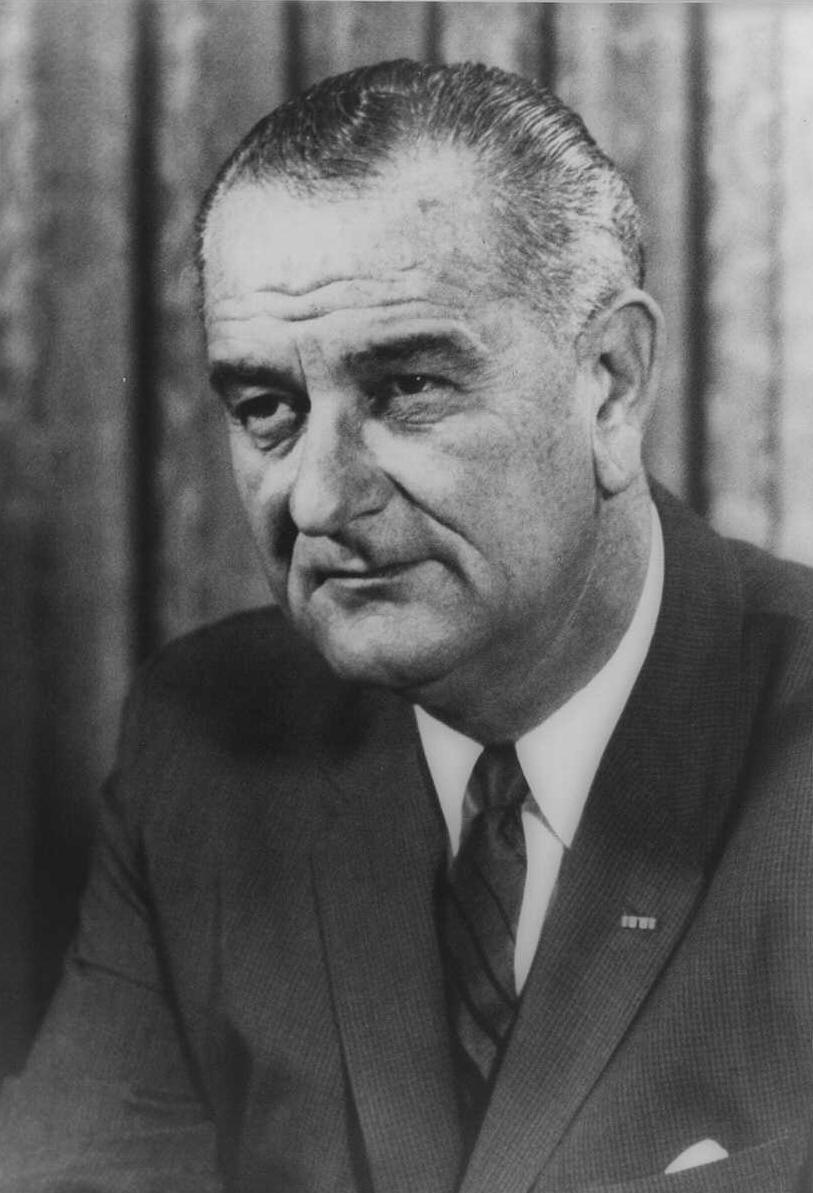
President Lyndon B. Johnson authorized the deployment of the first US ground combat forces in Vietnam. Up until this point, American involvement in the conflict had primarily been in the form of advisors and support personnel. The decision to send combat troops marked a significant escalation in the United States' role in the Vietnam War.
The deployment of ground combat forces was seen as necessary to support the South Vietnamese government in their fight against the communist Viet Cong and North Vietnamese forces. The President believed that a stronger military presence was needed to turn the tide of the war in favor of the South Vietnamese.
The impact of this decision was profound. The arrival of US ground troops signaled a new phase in the conflict, one that would see a dramatic increase in American casualties and a deepening of the country's involvement in Vietnam. The decision to escalate the war ultimately led to a long and costly conflict that would deeply divide the American public and have lasting consequences for both countries.
The authorization of US ground combat forces in Vietnam was a turning point in the Vietnam War, marking the beginning of a more direct and active American military presence in the conflict. It set the stage for years of intense fighting and would come to symbolize the broader debate over the US role in the war.
#VietnamWar #USMilitary #Escalation
View detailsThe Battle of Dong Xoai was a significant engagement between the Viet Cong and South Vietnamese forces during the Vietnam War. Dong Xoai, a key district town in the Phuoc Long Province, was under attack by the Viet Cong, who launched a coordinated assault on the strategic hamlet on June 10. The siege lasted for several days, with fierce combat ensuing between the two sides.
The Viet Cong, a communist guerrilla force, managed to overwhelm the South Vietnamese defenders with superior tactics and knowledge of the local terrain. Despite the combined efforts of South Vietnamese and American troops to repel the attack, the Viet Cong emerged victorious, seizing control of Dong Xoai on June 13.
The Battle of Dong Xoai was a pivotal moment in the Vietnam War, demonstrating the resilience and effectiveness of the Viet Cong in their fight against the South Vietnamese government and its allies. The loss of Dong Xoai was a significant blow to the South Vietnamese forces and dealt a psychological blow to their morale.
The battle highlighted the challenges faced by the South Vietnamese and their American allies in combating the Viet Cong insurgency. It also underscored the need for increased military and strategic support from the United States to prevent further gains by the communist forces.
The Battle of Dong Xoai was a sobering reminder of the intensity and brutality of the Vietnam War, as well as the resolve of the Viet Cong in their quest for reunification and independence. It served as a turning point in the conflict, shaping the course of future battles and military strategies in the region.
#VietnamWar #BattleofDongXoai #VietCong #SouthVietnameseForces #GuerrillaWarfare
View details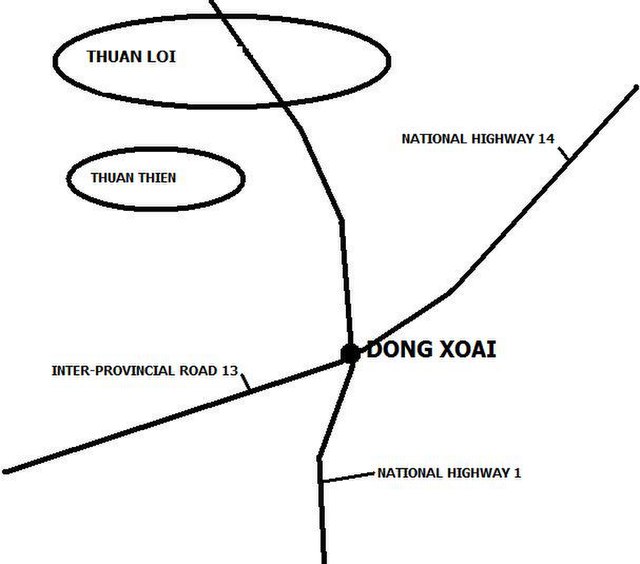
Amidst political tensions, South Vietnam experienced a transition in leadership as General Nguyen Cao Ky succeeded Phan Huy Quat as premier. The shift marked a significant change in governance within the country.
General Ky had previously held the position of Prime Minister following a military coup in 1965, where he had ousted Quat. Known for his strong stance against communism, Ky's leadership brought a renewed focus on anti-communist efforts in South Vietnam. His tenure saw increased military engagement and a crackdown on perceived threats to the government.
The appointment of General Ky had both domestic and international implications. Within South Vietnam, his leadership style and military background were met with mixed reactions. While some viewed him as a strong leader capable of addressing internal and external threats, others expressed concerns about his authoritarian tendencies.
On the international stage, General Ky's ascendancy to the position of premier was closely watched by global powers involved in the Vietnam conflict. The United States, in particular, saw Ky as a key ally in their fight against the spread of communism in Southeast Asia. His leadership was seen as a crucial element in maintaining stability in the region.
Overall, the appointment of General Nguyen Cao Ky as premier of South Vietnam marked a significant turning point in the country's political landscape. His leadership style, focused on anti-communist policies and military intervention, had a lasting impact on the nation's trajectory during a crucial period of the Vietnam War.
#Vietnam #LeadershipTransition #AntiCommunism #MilitaryIntervention
View details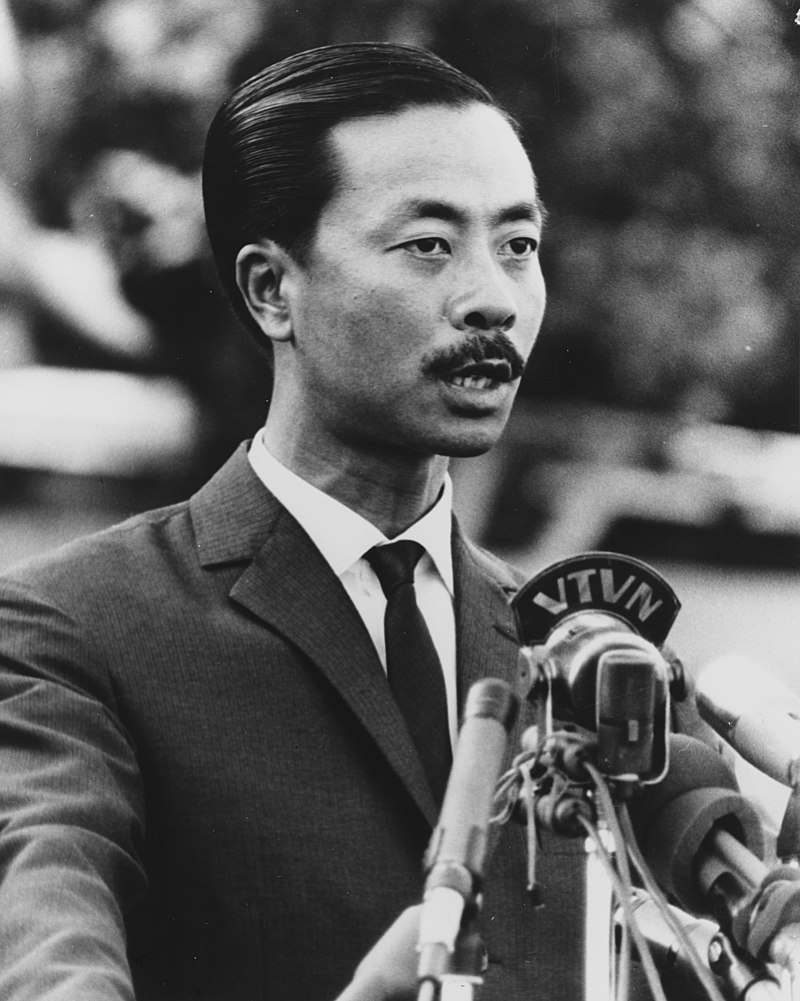
In June 1965, amid escalating tensions in Vietnam, US troops received orders to shift their strategy from defensive to offensive operations. This marked a significant departure from their previous role in the conflict, where they primarily supported South Vietnamese forces in repelling attacks from the Viet Cong insurgents. The decision to engage in offensive combat reflected a more proactive approach by the US military in combating the spread of communism in Southeast Asia.
As a result of this directive, US troops began conducting aggressive combat missions, launching airstrikes, search and destroy operations, and large-scale ground offensives against Viet Cong strongholds. This shift in strategy led to a significant increase in American military presence and engagement in Vietnam, with the number of troops deployed reaching unprecedented levels.
The new offensive tactics employed by US forces had a profound impact on the course of the war. While intended to weaken the Viet Cong's grip on the region and bolster the South Vietnamese government, the escalation of hostilities resulted in a higher number of casualties on both sides and fueled anti-war sentiments back in the United States. The shift to offensive operations also intensified the devastation wrought upon Vietnamese civilians, contributing to the widespread destruction and displacement experienced throughout the conflict.
Overall, the decision to order US troops to fight offensively in Vietnam marked a turning point in the conflict, with far-reaching consequences for all parties involved. It fundamentally altered the nature of the US military's involvement in the war and set the stage for a prolonged and contentious period of conflict in Southeast Asia.
#VietnamWar #USMilitary #OffensiveStrategies
View details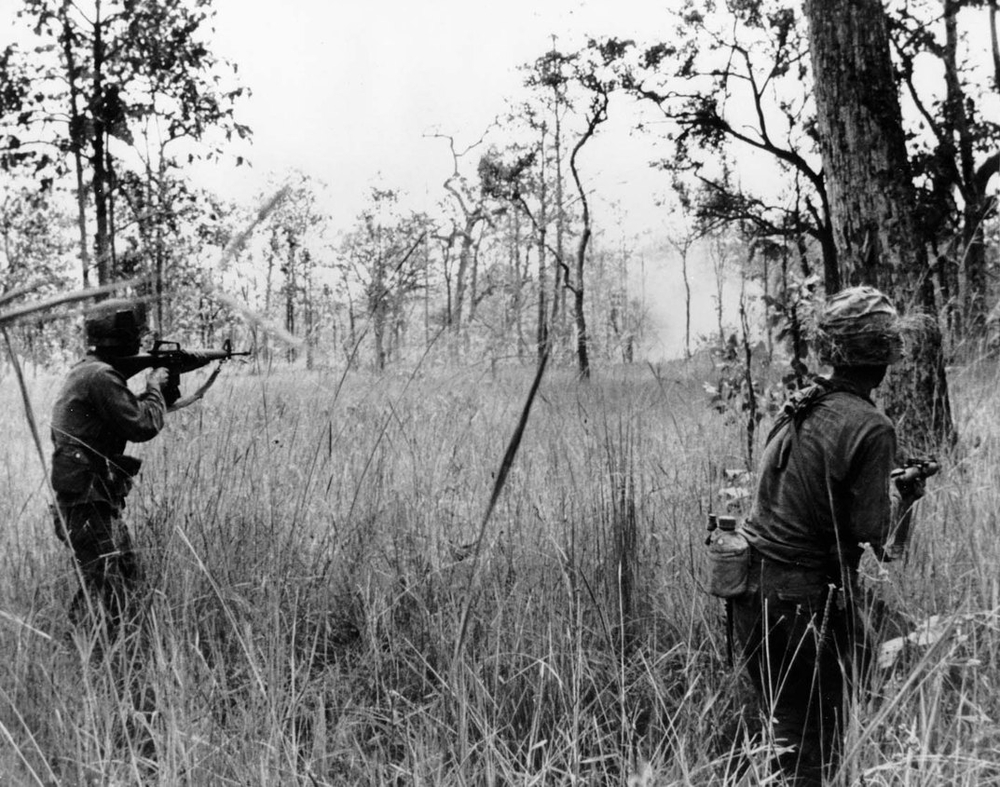
During an event in history, the People's Republic of China extended military aid to North Vietnam. Tensions had been escalating in the region due to the ongoing Vietnam War, with North Vietnam facing significant challenges against the military might of South Vietnam and its allies.
The decision by China to offer military assistance to North Vietnam was a strategic move to support its communist ally against the anti-communist forces led by the United States. This move further intensified the conflict in the region, as it brought another powerful player into the mix. China's support included weapons, equipment, and training for the North Vietnamese forces, ultimately bolstering their capabilities in the fight against the South Vietnamese and American forces.
The impact of this military aid was significant, as it not only provided North Vietnam with much-needed resources to continue its resistance against the South, but it also signaled China's direct involvement in the conflict. This move further complicated the dynamics of the Vietnam War and heightened tensions between the communist bloc and the Western powers.
The military aid offered by China to North Vietnam in the midst of the Vietnam War had long-lasting implications for the region. It deepened the involvement of external powers in the conflict and prolonged the fighting, ultimately resulting in a protracted and devastating war that would have far-reaching consequences for the people of Vietnam and the geopolitical landscape of Southeast Asia.
#China #MilitaryAid #VietnamWar #Communism #Geopolitics
View detailsIn March 8, 1965, the first US combat forces landed on the beaches of Da Nang in Vietnam. This marked a significant escalation of American involvement in the Vietnam War, which had been ongoing since the early 1960s. Prior to this event, the US had mainly provided military advisors and assistance to the South Vietnamese government in their fight against the communist-backed Viet Cong insurgents.
The arrival of US combat forces signified a shift towards active combat operations, as American troops were now directly engaging in the conflict. This increase in military presence was a response to the deteriorating situation in Vietnam and the growing fear of communist expansion in Southeast Asia. The goal was to bolster the South Vietnamese forces and prevent the spread of communism in the region.
The impact of the arrival of US combat forces in Da Nang was far-reaching. It marked the beginning of a long and costly war for the United States, with thousands of American troops eventually being deployed to Vietnam. The conflict would drag on for years, resulting in high casualties on all sides and causing significant social and political unrest back in the US. The war also had a lasting impact on the people of Vietnam, leading to widespread destruction and suffering.
Overall, the arrival of US combat forces in Da Nang on March 8, 1965, was a pivotal moment in the Vietnam War. It represented a major escalation of American involvement in the conflict and had wide-ranging consequences for both the US and Vietnam. The legacy of this event continues to be felt to this day, as the Vietnam War remains a defining chapter in both countries' histories.
#VietnamWar #USMilitary #CombatForces #DaNang #Escalation
View details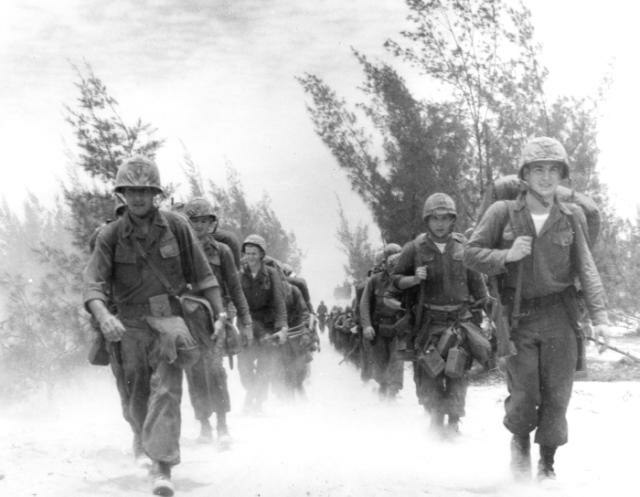
President Johnson made a strategic decision to deploy 3,500 US marines to safeguard the American airbase near Da Nang, South Vietnam. This marked the first introduction of US combat troops in the region, escalating the US involvement in the Vietnam War.
The decision to send troops was prompted by the increasing threat posed by the Viet Cong and North Vietnamese forces. The protection of the key airbase was deemed crucial to maintaining American presence and operations in the area. This move signified a shift from providing advisory and support roles to actively engaging in combat activities.
The arrival of US combat troops was met with mixed reactions. While some viewed it as a necessary step to counter the growing communist influence in the region, others raised concerns about the escalation of the conflict and the potential for prolonged military engagement.
The deployment of troops to South Vietnam had far-reaching consequences. It signaled the beginning of a prolonged and divisive military intervention that would deeply impact both American and Vietnamese societies. The Vietnam War would go on to become one of the most controversial conflicts in US history, shaping foreign policy decisions for years to come.
The deployment of the first US combat troops to South Vietnam was a turning point in the Vietnam War, marking the beginning of a new phase characterized by direct military involvement. The decision to send troops to protect the airbase near Da Nang had significant implications for the course of the conflict and the parties involved. #VietnamWar #USMilitaryInvolvement #Escalation
View details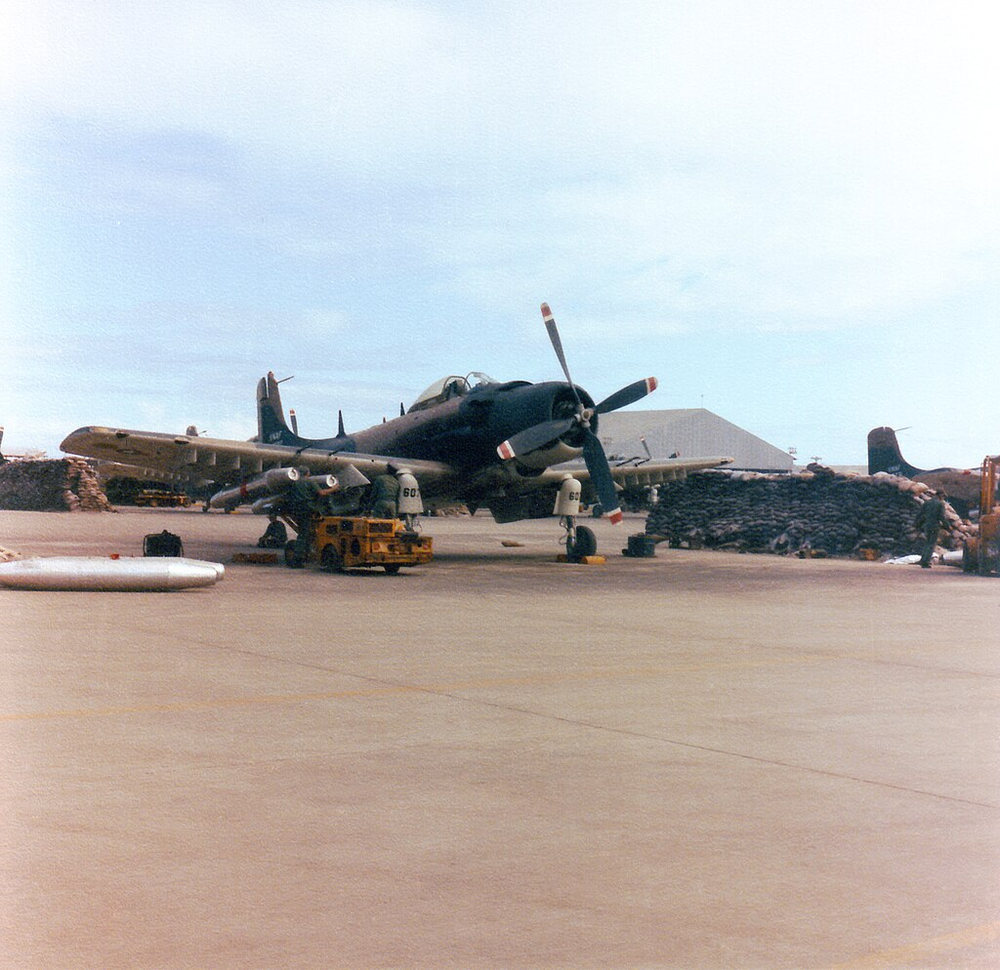
The US commenced regular bombing and strafing missions over North Vietnam, escalating their military involvement in the region. This decision came as a response to the increasing presence and activities of the Viet Cong, a communist insurgency group from North Vietnam, in South Vietnam. The US saw these actions as a threat to the stability of South Vietnam and decided to intervene with airstrikes.
The bombing campaigns targeted strategic locations such as military bases, supply routes, and communication networks in North Vietnam. These missions aimed to weaken the capabilities of the Viet Cong and disrupt their operations within South Vietnam. The US military employed a combination of conventional bombs and machine gun fire from aircraft during these raids.
The impact of the regular bombing and strafing missions was significant. It marked a turning point in the Vietnam War as the US further committed to military action in the region. The escalation of airstrikes led to widespread destruction in North Vietnam, causing civilian casualties and displacements. It also intensified anti-war sentiments both domestically in the US and internationally.
The regular bombing and strafing of North Vietnam sparked debates and protests against US involvement in the conflict. Critics questioned the effectiveness of the military strategy and raised concerns about the humanitarian consequences of the airstrikes. This event fueled the anti-war movement and influenced public opinion towards seeking a peaceful resolution to the Vietnam War.
Overall, the US commencement of regular bombing and strafing missions over North Vietnam had a lasting impact on the course of the conflict. It exacerbated tensions between the US and North Vietnam, while also shaping the narrative of the Vietnam War as a divisive and controversial chapter in modern history.
#VietnamWar #USMilitary #Airstrikes #AntiWarMovement
View details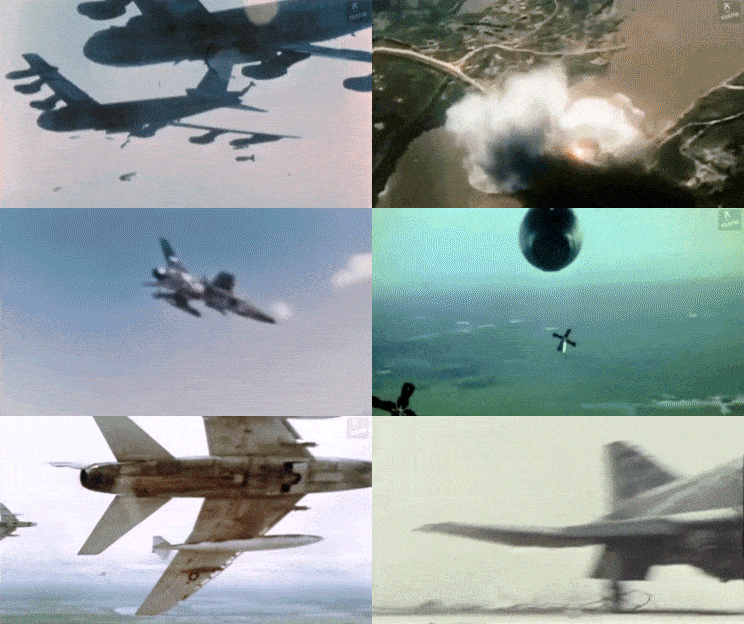
1964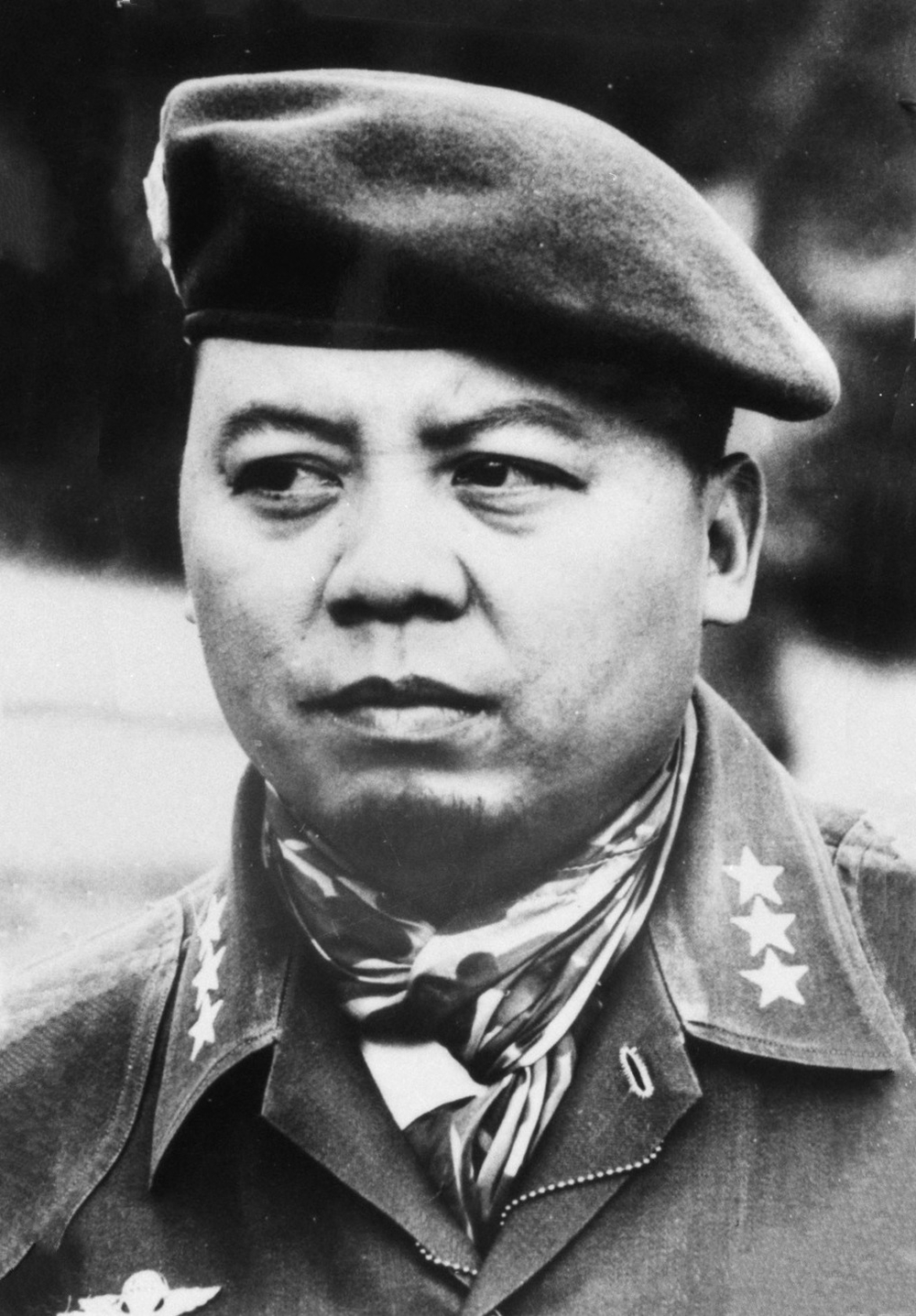
In South Vietnam, General Nguyen Khanh led a military coup that overthrew the ruling junta, aiming to consolidate power in a time of political instability. The coup was a result of internal power struggles within the South Vietnamese government, with Khanh emerging as the dominant figure.
As a key military leader, Khanh capitalized on the dissatisfaction among the military and civilian population regarding the ineffective governance and corruption prevailing in the country. The coup aimed to bring about a more stable and effective administration that could effectively combat the Viet Cong insurgency and strengthen the South Vietnamese position in the ongoing Vietnam War.
Following the coup, Khanh assumed control of the government and initiated a series of reforms to stabilize the political and military situation in the country. However, his leadership was marred by internal conflicts and the inability to address fundamental issues such as corruption and inefficiency within the government.
The military coup under General Nguyen Khanh had significant implications for the Vietnam War and the political landscape in South Vietnam. While it briefly brought about some stability and a sense of direction, the subsequent power struggles and the failure to implement lasting reforms ultimately weakened the South Vietnamese government's ability to effectively counter the growing threat posed by the Viet Cong and the North Vietnamese forces.
In conclusion, the military coup led by General Nguyen Khanh in South Vietnam underscored the challenges of governance and leadership faced by the country during the Vietnam War. The coup highlighted the complexities of internal politics and the struggle to establish a cohesive and effective government in the midst of a protracted conflict. #VietnamWar #NguyenKhanh #MilitaryCoup
View detailsIn response to alleged attacks on US Navy ships in the Gulf of Tonkin, the US began bombing North Vietnam. This event intensified the US involvement in the Vietnam War. The Gulf of Tonkin incident, involving the USS Maddox and Turner Joy destroyers, led President Lyndon B. Johnson to authorize retaliatory airstrikes.
The bombing campaign aimed to cripple North Vietnam's infrastructure and military capabilities. Over time, it expanded to include ground troops and a prolonged conflict that lasted for years. The US military's operations in North Vietnam led to significant civilian casualties and widespread destruction.
The Gulf of Tonkin Resolution, passed by Congress in the aftermath of the incident, granted broad war powers to the President. This resolution paved the way for increased US military involvement in Vietnam and shaped the course of the conflict.
The bombing of North Vietnam marked a turning point in the Vietnam War, escalating the conflict and deepening the US commitment to the region. The decision to expand military operations had far-reaching consequences, both domestically and internationally.
The event highlighted the growing divide within American society over the war in Vietnam. It sparked protests and anti-war movements, challenging the government's rationale for continued military action. The bombing of North Vietnam underscored the complexities and controversies surrounding US foreign policy during the Vietnam War era.
#VietnamWar #GulfOfTonkin #USMilitaryInvolvement #AntiWarMovement
View details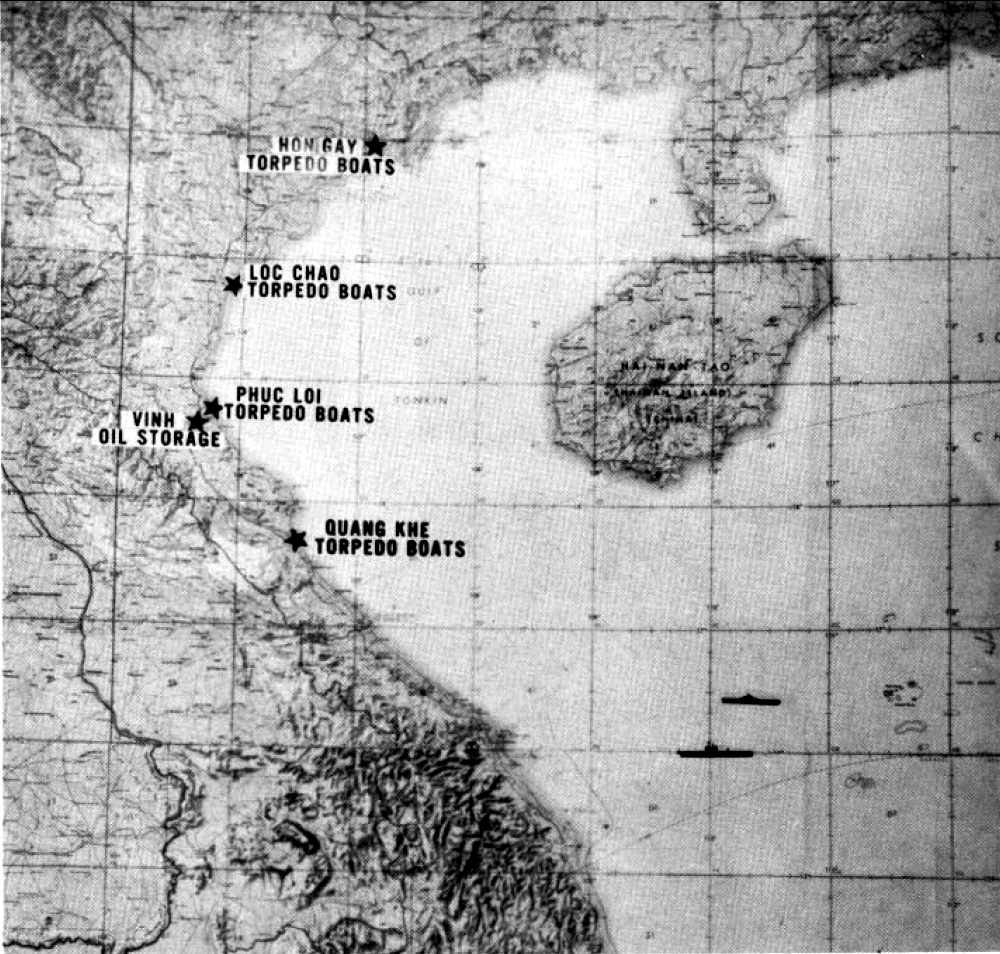
The Vietnam War began with the Gulf of Tonkin incident when the USS Maddox reported being fired upon by North Vietnamese patrol boats in the Gulf of Tonkin. This event escalated tensions between the United States and North Vietnam, leading to increased American involvement in the conflict. The Gulf of Tonkin Resolution was passed shortly after, giving President Lyndon B. Johnson the authority to escalate military action in Vietnam without a formal declaration of war.
The impact of the Gulf of Tonkin incident was significant, as it marked the beginning of large-scale American military intervention in Vietnam. The United States began bombing North Vietnam and sending troops to support the South Vietnamese government in their fight against the Viet Cong and North Vietnamese forces. The conflict would last for years, resulting in the loss of tens of thousands of American and Vietnamese lives.
Despite controversy and skepticism surrounding the events of the Gulf of Tonkin incident, it served as a turning point in the Vietnam War. The incident underscored the complexities and challenges of the conflict, with many questioning the validity of the reports and the subsequent military response. The Gulf of Tonkin Resolution would later face criticism for expanding presidential powers and leading to an open-ended military commitment in Vietnam.
#VietnamWar #GulfofTonkin #AmericanIntervention #VietnamConflict
View details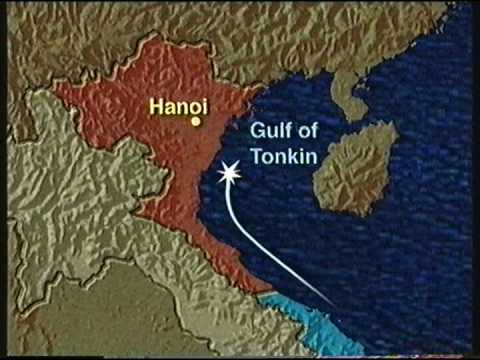
General Maxwell Taylor was appointed as the US ambassador in South Vietnam to enhance the American military advisory role in the country during the Vietnam War. Taylor, a respected military figure, brought his expertise and experience to his new diplomatic position, aiming to strengthen the US-South Vietnam alliance against the communist threat.
His appointment signaled the increasing American involvement in the conflict, as Taylor was known for his hawkish views on containing the spread of communism. With his military background, he prioritized the military aspect of the war, advocating for escalated military actions against the Viet Cong insurgents. This approach influenced US strategy in Vietnam, shifting towards a more aggressive and interventionist stance.
As the US ambassador, Taylor played a crucial role in shaping US policy in Vietnam, working closely with South Vietnamese leaders and military officials to coordinate efforts against the Viet Cong. His presence on the ground provided a direct line of communication between Washington and Saigon, streamlining decision-making processes and ensuring a unified approach to the war effort.
The appointment of General Maxwell Taylor as the US ambassador in South Vietnam had a significant impact on the course of the Vietnam War, contributing to the escalation of US military involvement in the conflict. His tenure marked a turning point in the war, reflecting the growing American commitment to supporting South Vietnam and combating communist influence in the region.
#VietnamWar #USinvolvement #MaxwellTaylor #SouthVietnam
View details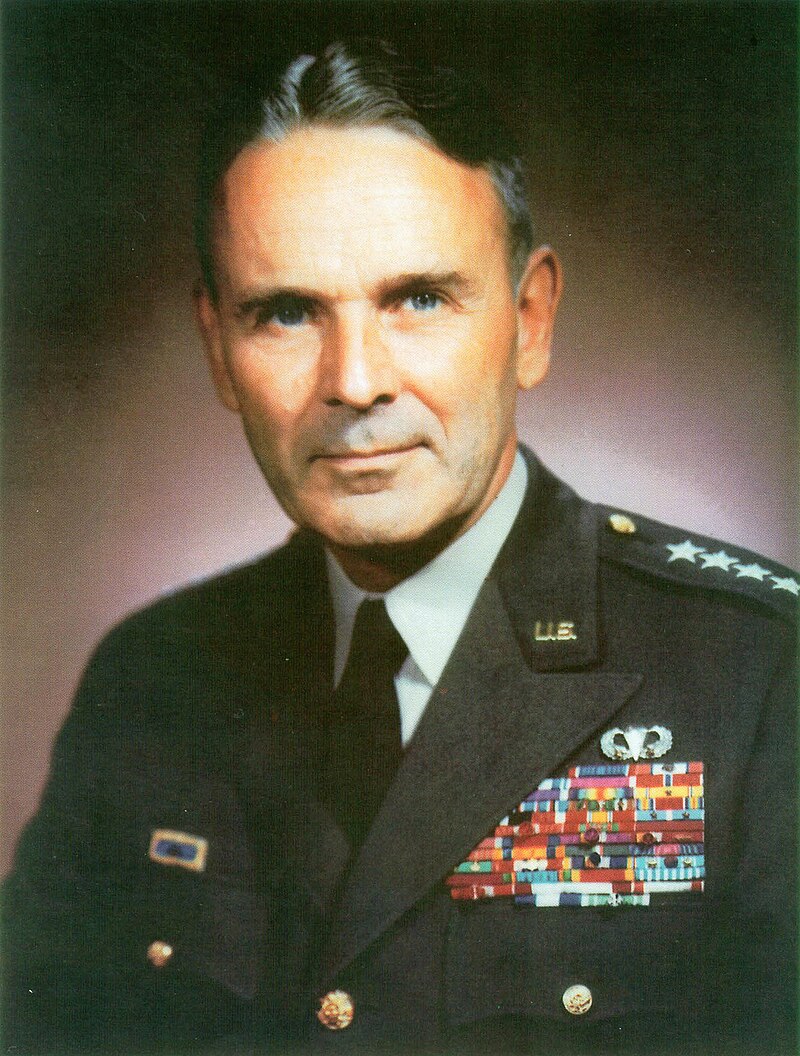
1963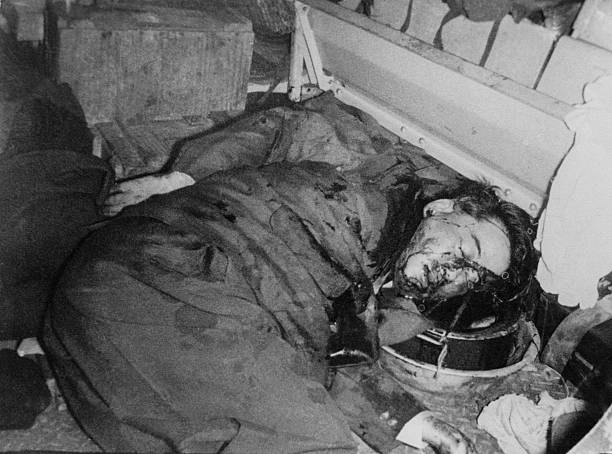
Ngô Đình Diệm, the President of South Vietnam, faced growing discontent due to his authoritarian rule and failure to address social, political, and economic issues. His favoritism towards the Catholic minority in a predominantly Buddhist country further fueled unrest. The Buddhist community, in particular, protested against Diệm's discriminatory policies, resulting in widespread demonstrations and international criticism.
Amidst this turmoil, a group of South Vietnamese Army officers orchestrated a coup to overthrow Diệm's government. The coup culminated in Diệm's capture and subsequent assassination, marking the end of his presidency. The military junta that took control pledged to institute reforms and restore stability in the country.
The assassination of Diệm sent shockwaves through South Vietnam, exacerbating the existing political turmoil and leading to continued instability. The removal of Diệm did little to quell the growing opposition to the government, as various factions vied for power in the ensuing power vacuum. The assassination also had broader implications, sparking further military interventions and political upheaval in the region.
Ultimately, the overthrow and assassination of Ngô Đình Diệm irrevocably altered the political landscape of South Vietnam, setting the stage for increased conflict and instability in the years to come. The event underscored the deep-seated tensions within Vietnamese society and the challenges of governance in a country torn by internal strife and external influences.
#NgôĐìnhDiệm #SouthVietnam #Coup #Assassination #PoliticalUnrest #MilitaryIntervention #Instability #HistoricalEvent #VietnamWar
View detailsMartial law was declared in South Vietnam after government forces raided Buddhist pagodas, leading to intensified tensions in the region. The ruling regime's crackdown on Buddhists sparked widespread protests and political unrest. The Buddhist community, feeling oppressed and marginalized, sought to challenge the authoritarian leadership, advocating for religious freedom and civil rights.
The government's heavy-handed response to the peaceful demonstrations further fueled public discontent and drew international attention to the escalating crisis. The imposition of martial law signaled a turning point in the struggle for democracy and social justice in South Vietnam. The authorities' repressive measures only served to galvanize the opposition, with activists and intellectuals joining forces to demand political reforms and an end to the oppressive regime.
In the aftermath of the raids on Buddhist pagodas and the declaration of martial law, the country plunged into a state of turmoil and uncertainty. The crackdown on dissent triggered a wave of resistance, with protests spreading across the nation. The events of that period laid bare the deep-seated grievances and divisions within Vietnamese society, exposing the fragility of the political system and the need for meaningful change.
The declaration of martial law in South Vietnam following the raids on Buddhist pagodas underscores the complex dynamics of power, religion, and dissent in the country's turbulent history. The episode serves as a reminder of the enduring legacy of resistance and resilience in the face of oppression and injustice.
#Vietnam #Buddhism #PoliticalUnrest #MartialLaw #Repression #Protests
View details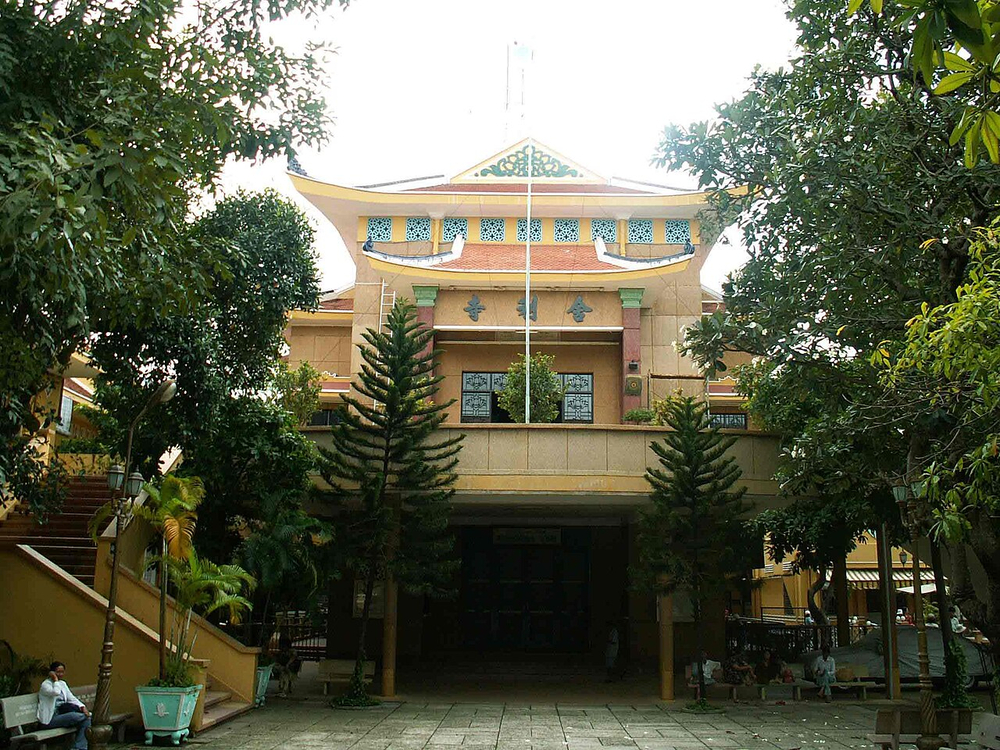
1962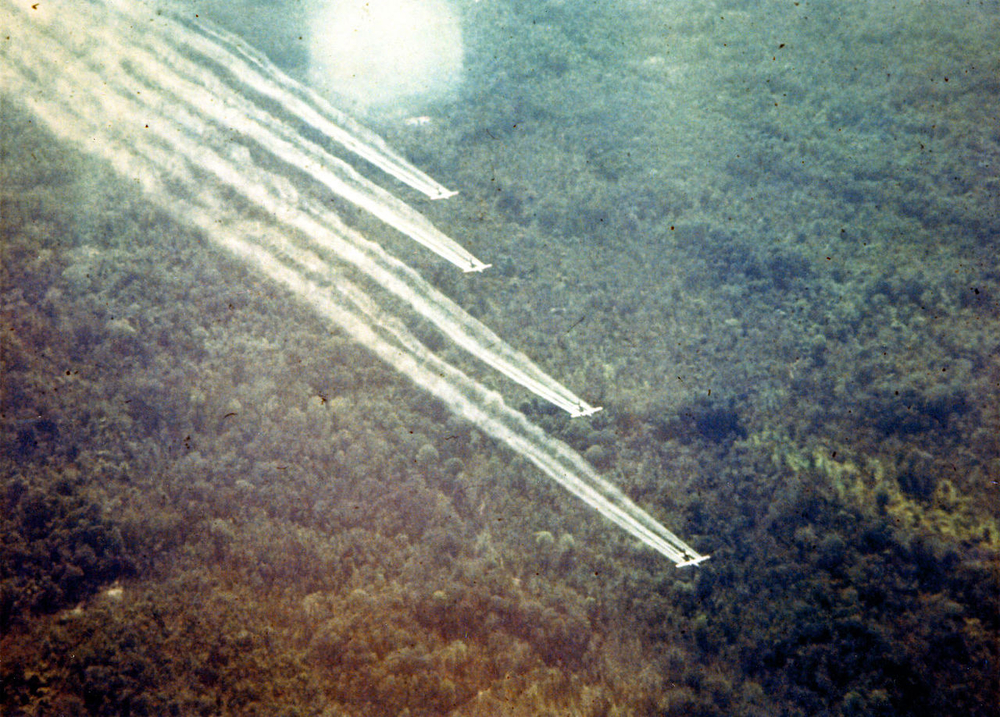
Operation Ranch Hand was initiated by the US Air Force, involving the spraying of South Vietnamese forests with herbicides like Agent Orange. The operation aimed to strip dense vegetation, destroying crops and denying cover to the Viet Cong insurgents. The use of defoliants was seen as a way to expose guerrilla fighters and disrupt their activities in the jungle.
The impact of Operation Ranch Hand was profound, with millions of acres of land in South Vietnam being sprayed over the years. The herbicides not only destroyed vegetation but also had devastating effects on the health of soldiers, civilians, and the environment. Agent Orange, in particular, contained dioxin which led to long-term health problems among those exposed, including cancer, birth defects, and other serious illnesses.
Despite the initial objective of aiding in the war effort, the ecological and human cost of Operation Ranch Hand was severe. The long-lasting effects of the herbicides used during the operation continue to be felt in Vietnam and among those who were exposed. The operation has since been widely condemned for its indiscriminate use of toxic chemicals and the lasting damage it caused.
Operation Ranch Hand reflects a dark chapter in the history of the Vietnam War, highlighting the devastating consequences of chemical warfare on both the environment and human health. It serves as a reminder of the need to consider the full impact of military operations on all aspects of society and the environment. #OperationRanchHand #AgentOrange #VietnamWar #ChemicalWarfare
View details1961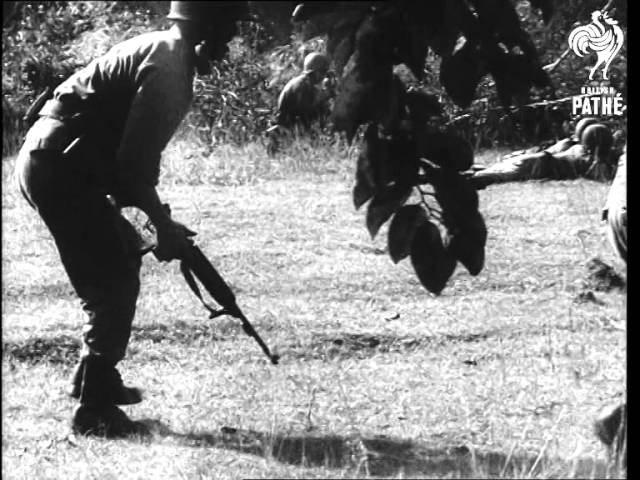
The emergency crisis in South Vietnam was proclaimed following a communist attack. The incident occurred during a period of escalating tensions in the region. The attack was a significant blow to the South Vietnamese government, prompting the declaration of a state of emergency to address the growing threat posed by the communist forces.
The communist attack marked a turning point in the conflict, drawing international attention to the escalating situation in Vietnam. The proclamation of the emergency crisis reflected the severity of the threat and the need for immediate action to counter the communist advances. The attack served as a stark reminder of the ongoing struggle for control in the region and the high stakes involved for both sides.
The impact of the emergency crisis was felt not only in South Vietnam but also in the broader context of the Cold War. The conflict between the communist forces and the South Vietnamese government was a key battleground in the larger struggle between East and West. The emergency proclamation underscored the strategic importance of Vietnam in the geopolitical calculations of the time.
In the aftermath of the attack and the declaration of the emergency crisis, the South Vietnamese government mobilized its forces to counter the communist threat. The incident galvanized public support for the government's efforts to defend the country against external aggression. The emergency measures implemented in response to the crisis underscored the government's determination to maintain control and stability in the face of escalating hostilities.
Overall, the emergency crisis proclaimed in South Vietnam due to the communist attack was a significant event that highlighted the escalating tensions in the region and the broader implications of the conflict for the Cold War rivalry. The event underscored the high stakes involved in the struggle for control in Vietnam and the challenges faced by the South Vietnamese government in countering the communist threat. #Vietnam #ColdWar #CommunistThreat
View details1960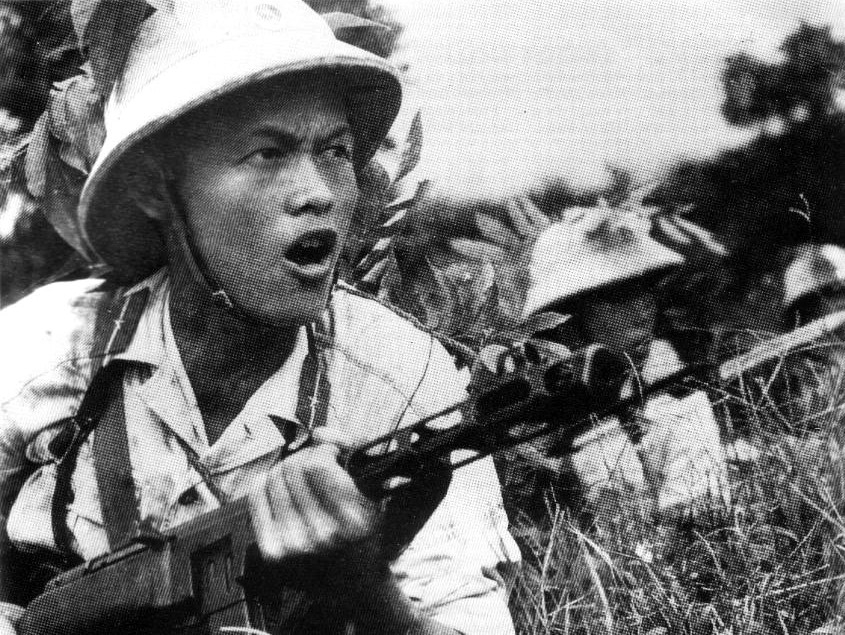
Amid political turmoil in South Vietnam, the National Liberation Front (NLF), commonly known as the Viet Cong, was established. Comprised of Vietnamese communist forces and supporters of Ho Chi Minh, the NLF aimed to overthrow the South Vietnamese government and reunify the country under communist rule. The organization operated clandestinely, utilizing guerrilla tactics to combat the South Vietnamese military and their American allies.
The formation of the Viet Cong had a significant impact on the Vietnam War, escalating the conflict and prolonging the struggle for control of Vietnam. The NLF's presence posed a serious challenge to the stability of South Vietnam and hindered the efforts of the US-backed government to combat communist insurgency. The Viet Cong's tactics, which included ambushes, booby traps, and underground tunnels, proved difficult for conventional military forces to counter.
As the Viet Cong gained strength and support from the local population, their influence expanded throughout rural areas in South Vietnam. The NLF's propaganda efforts and promises of land reform resonated with many impoverished peasants, further fueling their resistance against the government in Saigon. This grassroots support enabled the Viet Cong to establish a widespread network of fighters and sympathizers, making them a formidable adversary in the conflict.
The formation of the Viet Cong marked a turning point in the Vietnam War, setting the stage for years of brutal fighting and bloodshed. The NLF's insurgency tactics challenged the conventional warfare strategies of the US and South Vietnamese forces, leading to a protracted and divisive conflict that would ultimately shape the course of Vietnamese history.
#VietnamWar #NationalLiberationFront #VietCong #GuerrillaWarfare
View details1957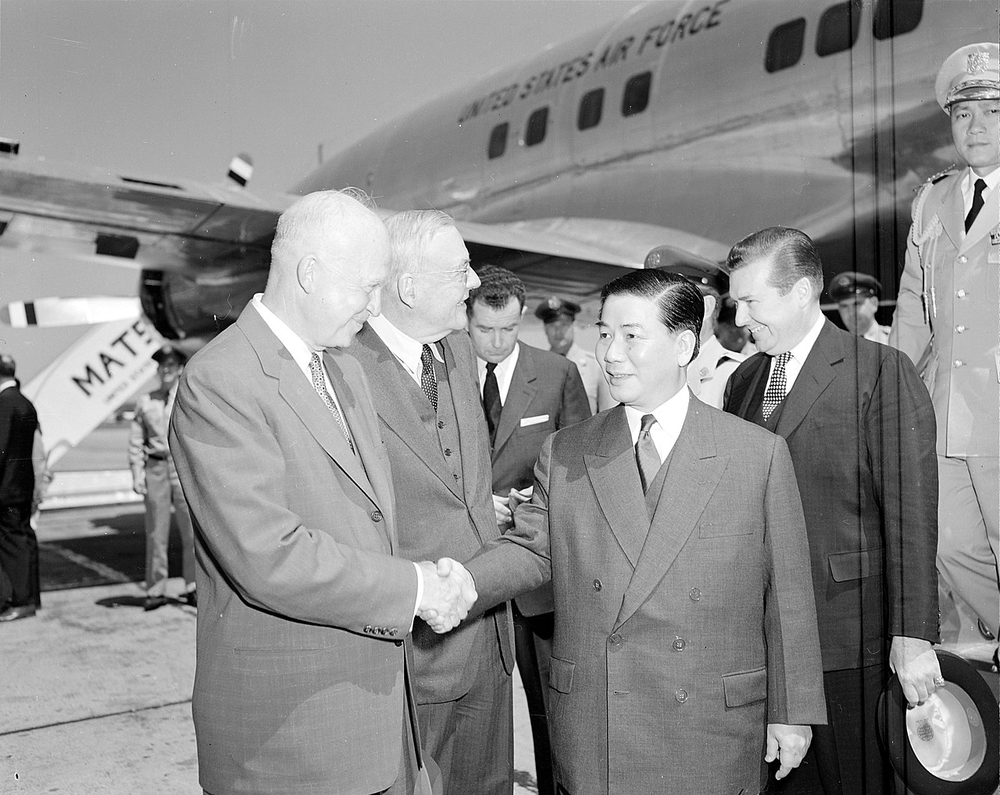
Vietnamese President Ngô Đình Diệm's state visit to the United States marked a significant point in US-Vietnam relations. Diệm, known for his anti-communist stance, sought American support amidst the escalating tensions of the Cold War. The visit aimed to secure military aid and diplomatic backing for his government.
Diệm's arrival in the US was met with both praise and criticism. While some saw him as a strong anti-communist leader, others viewed him as authoritarian and repressive. His visit included meetings with President Eisenhower and other top US officials, where discussions revolved around military assistance, economic aid, and political stability in Vietnam.
The outcome of Diệm's visit was a bolstering of US support for South Vietnam. The US pledged increased military and economic aid, further solidifying their alliance against the spread of communism in Southeast Asia. Diệm's visit helped elevate Vietnam's position as a strategic partner for the US in the region, setting the stage for deeper involvement in the years to come.
Overall, South Vietnamese President Ngô Đình Diệm's state visit to the United States was a pivotal moment in the history of US-Vietnam relations. It highlighted the complexities of Cold War politics, the challenges of anti-communist efforts, and the strategic partnerships forged in the midst of geopolitical tensions.
#VietnamWar #ColdWar #USForeignRelations
View details1956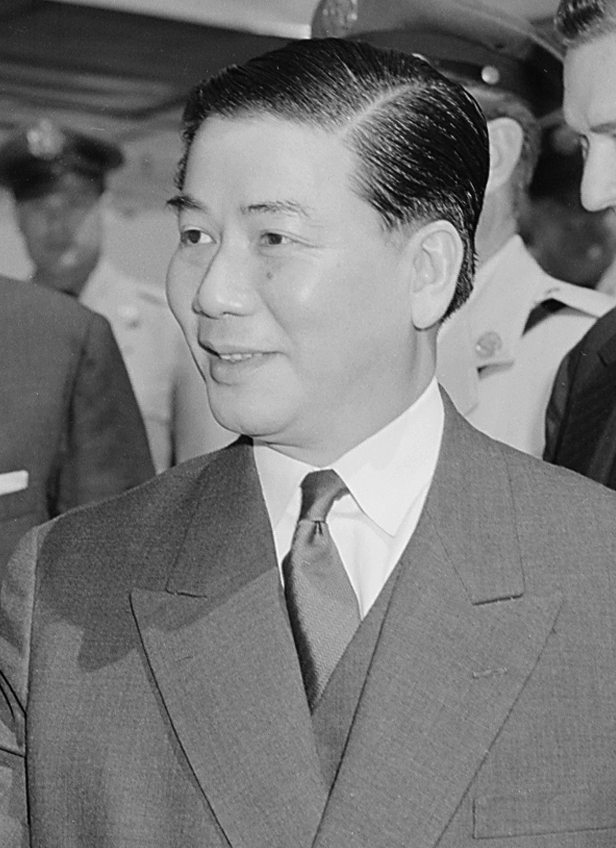
In 10/26/1956, Vietnam promulgated its constitution, marking a significant milestone in the country's history. The constitution was established to provide a framework for governance and to outline the rights and responsibilities of its citizens. It aimed to create a unified and stable government after years of conflict and division. The promulgation of the constitution was a crucial step towards establishing a democratic system that would serve the interests of the Vietnamese people.
The new constitution laid the foundation for the political, economic, and social systems of Vietnam. It emphasized the principles of socialism, nationalism, and independence. The document outlined the structure and functions of the government, including the roles of the legislative, executive, and judicial branches. It also enshrined the rights and freedoms of the Vietnamese people, such as freedom of speech, assembly, and religion.
The promulgation of the constitution had a profound impact on Vietnam's political landscape. It provided a sense of stability and direction for the country, as it transitioned from a period of conflict to one of rebuilding and development. The constitution helped to legitimize the government and establish a system of governance based on the rule of law.
Overall, the promulgation of Vietnam's constitution in 10/26/1956 was a significant event that shaped the country's political trajectory. It laid the groundwork for a more inclusive and democratic society, while also providing a framework for economic and social development. The constitution continues to be a crucial document in Vietnam's history, guiding the country's governance and upholding the rights of its citizens. #Vietnam #Constitution #Democracy
View detailsRichard B. Fitzgibbon, Jr., a member of the United States Air Force, was tragically killed by another airman in Vietnam, marking the first American casualty in the conflict. The incident occurred during a time of escalating tensions and military involvement in Vietnam. Fitzgibbon's death served as a somber reminder of the dangers faced by American personnel deployed to the region.
The loss of Fitzgibbon reverberated throughout the United States military and the nation as a whole, highlighting the realities of war and the sacrifices made by those in uniform. His death brought home the human cost of the conflict in Vietnam and foreshadowed the many more casualties that would follow in the years to come.
Fitzgibbon's untimely death underscored the complexities and challenges of the Vietnam War, which would ultimately become one of the most divisive conflicts in American history. As the first American killed in the conflict, his name would be etched into the annals of military history as a poignant reminder of the toll of war.
The event generated widespread media coverage and public attention, drawing focus to the escalating situation in Vietnam and setting the stage for the years of conflict that would follow. Fitzgibbon's sacrifice would be remembered by his family, friends, and comrades, as well as by a grateful nation.
#VietnamWar #AmericanCasualty #MilitaryHistory
View details1955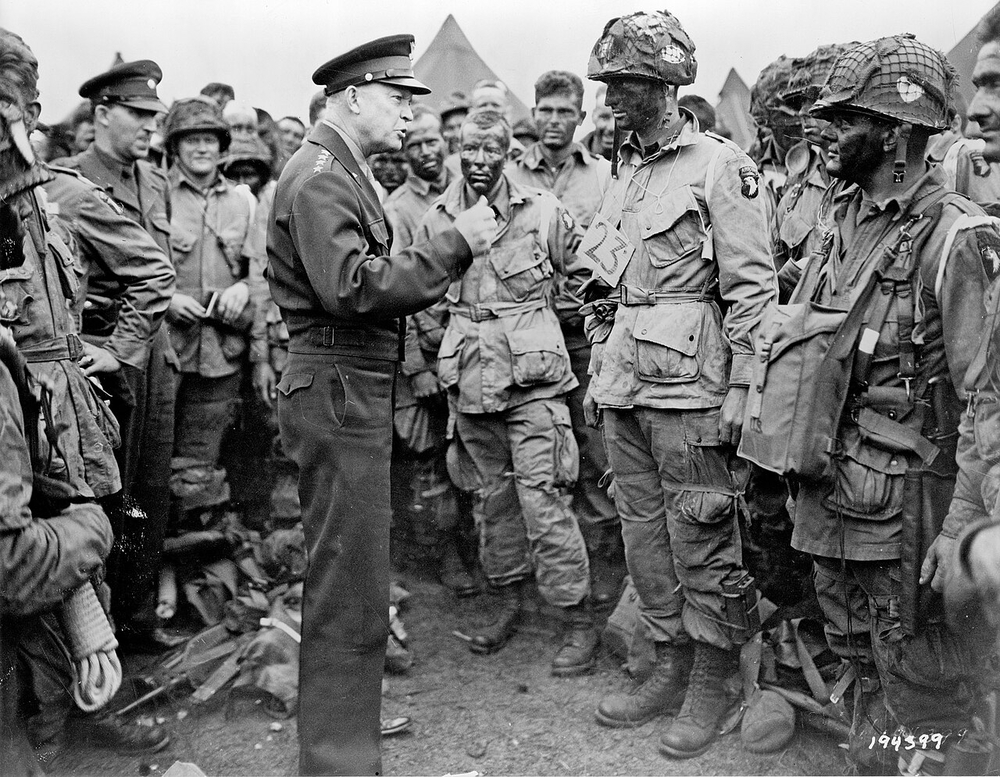
In 1955, President Eisenhower authorized the deployment of the first US military advisors to South Vietnam, marking a significant turning point in the United States' involvement in the region. The decision stemmed from concerns about the growing influence of communist forces in Vietnam, particularly the Viet Cong. The advisors were tasked with training and assisting the South Vietnamese military in their fight against the communist insurgency.
The deployment of US advisors to South Vietnam had far-reaching consequences for both countries. It marked the beginning of a deepening US military involvement in Vietnam that would eventually escalate into a full-fledged conflict. The advisors played a crucial role in shaping the direction of the conflict, providing strategic guidance and support to the South Vietnamese forces.
Despite their initial limited role, the presence of US advisors in South Vietnam signaled a commitment to containing the spread of communism in the region. The advisors worked closely with the South Vietnamese military, sharing their expertise and resources to combat the growing insurgency. However, as the conflict intensified, the US would gradually increase its military presence in Vietnam, eventually leading to the full-scale deployment of troops and a long and divisive war.
The decision to send US advisors to South Vietnam set the stage for over a decade of conflict that would have a lasting impact on both countries. It marked the beginning of a complex and protracted military engagement that would shape the political and social landscape of Vietnam and the United States for years to come.
#USMilitaryAdvisors #VietnamConflict #CommunismContainment
View details1954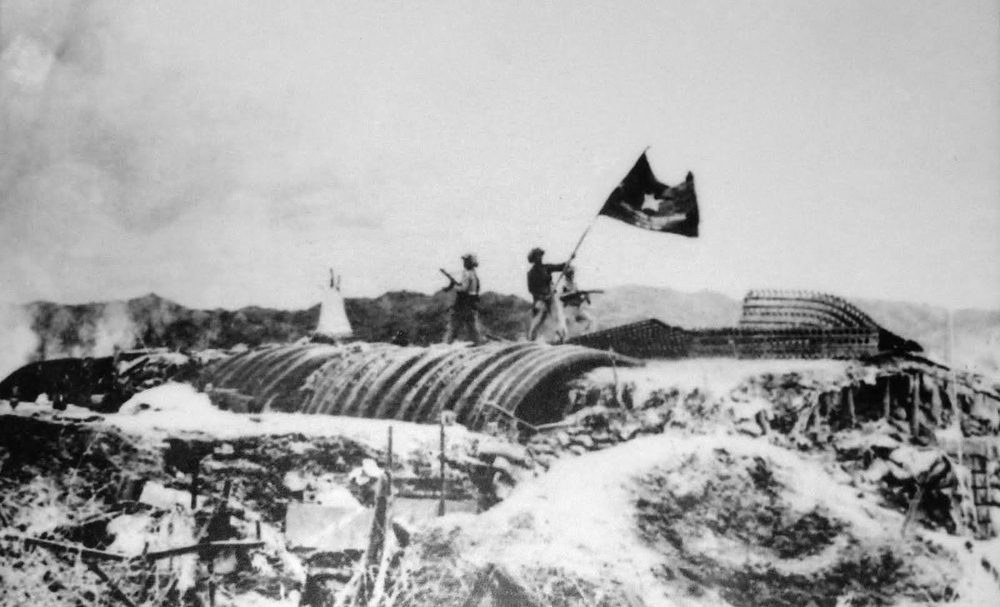
After years of conflict in Vietnam, the departure of French troops marked the end of their colonial presence in the country. The French had been involved in Vietnam since the 19th century, exerting control over the region. The First Indochina War, fueled by Vietnamese nationalist movements, resulted in the defeat of French forces at the Battle of Dien Bien Phu in 1954.
Following the Geneva Accords, which partitioned Vietnam along the 17th parallel, the French began to withdraw their troops. The final departure of French forces signaled a turning point in Vietnam's history, paving the way for further internal struggles and the eventual involvement of the United States in the Vietnam War.
The absence of French troops brought about both challenges and opportunities for the Vietnamese people. While it granted them a sense of independence and self-governance, it also left a power vacuum that would be filled by competing factions within Vietnam. The departure of the French set the stage for the escalation of the Vietnam War, a conflict that would have far-reaching consequences for the region.
The event marked a significant moment in the decolonization of Vietnam and the broader Indochinese region. It symbolized the end of French colonial rule and the beginning of a new chapter in Vietnam's history, one defined by internal strife and external intervention.
#FrenchTroops #VietnamIndependence #Decolonization #VietnamWar #HistoricalTurningPoint
View detailsIn the mid-20th century, the Geneva Accords brought an end to the First Indochina War, a conflict that had raged on for years in Vietnam. The signing of this agreement marked a significant moment in the history of the region, as it aimed to establish peace between the warring parties.
The background of the Geneva Accords can be traced back to the French colonial rule over Indochina and the subsequent struggle for independence by the Vietnamese people, led by the Viet Minh forces under Ho Chi Minh. The conflict intensified over the years, drawing in international actors like the United States and the Soviet Union.
As the war dragged on, negotiations took place in Geneva, Switzerland, involving France, the Viet Minh, and other concerned parties. The resulting Geneva Accords outlined a ceasefire agreement and the division of Vietnam along the 17th parallel, with the North governed by the communists and the South under a more pro-Western government.
The impact of the Geneva Accords was profound, as it temporarily halted the bloodshed in Vietnam. However, the division of the country sowed the seeds for the Vietnam War that would follow, as the North and South became embroiled in a new struggle for control.
The signing of the Geneva Accords reflected a complex geopolitical landscape and the challenges of decolonization in the post-World War II era. It set the stage for further conflict in Vietnam, ultimately leading to the involvement of the United States and a prolonged and devastating war.
#GenevaAccords #VietnamWar #Decolonization #Geopolitics.
View details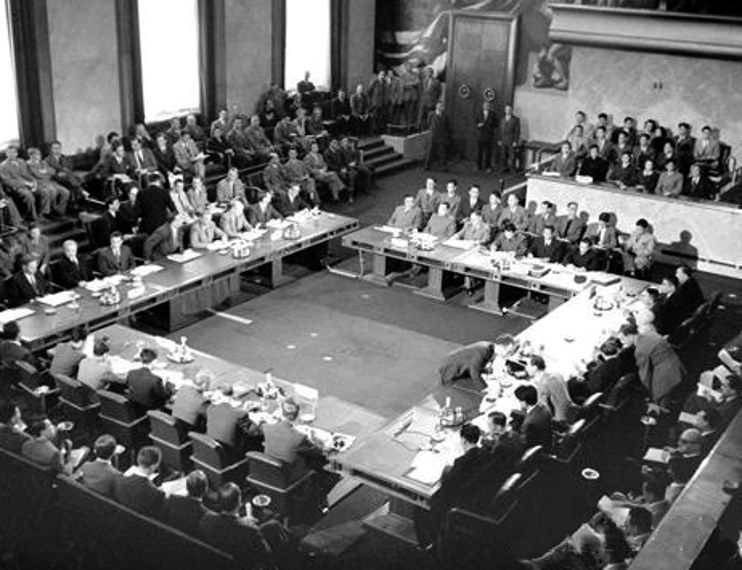
1950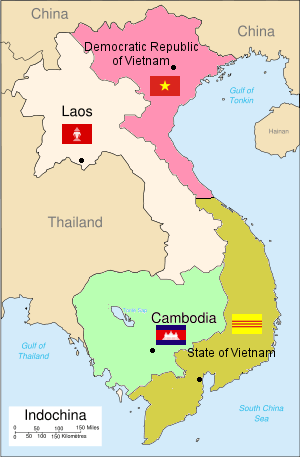
During this event, Vietnam, Laos, and Cambodia officially gained independence within the French Union after years of being under French colonial rule. The background to this development was the growing wave of independence movements in Southeast Asia, fueled by nationalist sentiments and the aftermath of World War II. The Vietnamese had been resisting French colonial rule for decades, culminating in the First Indochina War that eventually led to the Geneva Accords in 1954, which divided Vietnam into North and South.
The impact of this event was significant as it marked a turning point in the history of these nations. While they were granted a form of independence within the French Union, they still faced challenges in asserting their sovereignty and rebuilding their nations after years of colonization. Vietnam would go on to endure further conflicts, first with the Vietnam War against the United States and later in reunification efforts. Laos and Cambodia also faced political instability and conflicts in the following decades.
Despite the challenges that lay ahead, the independence of Vietnam, Laos, and Cambodia within the French Union was a crucial step towards self-determination and autonomy for these nations. It set the stage for their continued struggles for independence and sovereignty, shaping the political landscape of Southeast Asia in the years to come.
#VietnamIndependence #FrenchColonialism #SoutheastAsiaHistory #SelfDetermination #Nationalism
View detailsIn August 13, 1950, US President Harry Truman provided military aid to the Vietnamese regime of Bảo Đại. This decision stemmed from the growing Cold War tensions and the fear of communist expansion in Southeast Asia. Truman aimed to contain the spread of communism by supporting Bảo Đại's government in their fight against the Viet Minh, a communist-led resistance movement.
The military aid sent by Truman included weapons, equipment, and financial support to bolster the anti-communist forces in Vietnam. This support marked the beginning of direct US involvement in the region, setting the stage for further intervention in the years to come. The assistance provided by the US significantly strengthened Bảo Đại's position and prolonged his rule in Vietnam.
However, this move also laid the groundwork for the later US involvement in the Vietnam War, which would have far-reaching consequences. The decision to support Bảo Đại's regime would ultimately draw the US deeper into the conflict in Vietnam, leading to years of bloodshed and turmoil in the region.
The military aid provided by Truman to the Vietnamese regime of Bảo Đại in 1950 signaled the United States' commitment to containing communism in Southeast Asia. This decision had a profound impact on the course of Vietnamese history and set the stage for future US involvement in the region. The repercussions of this event would be felt for decades to come.
#VietnamWar #ColdWar #USinvolvement #Communism #BaoDaiRegime
View details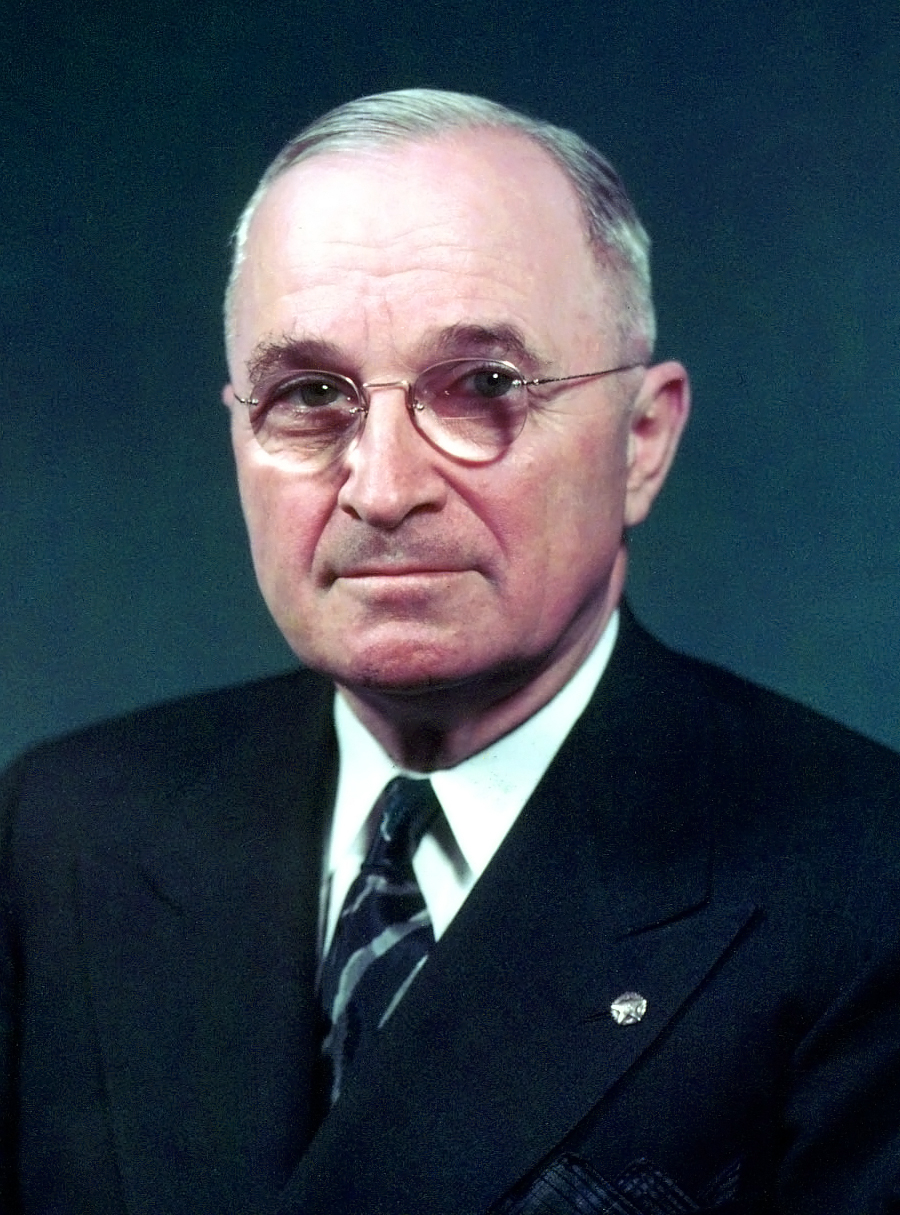
In response to increasing Viet Minh activities in Vietnam, the French launched a major offensive. The aim was to regain control over the territory and weaken the communist-led independence movement. The French forces, equipped with armored vehicles and air support, attacked Viet Minh strongholds in the Red River Delta.
The offensive marked a significant escalation in the conflict between the colonial powers and the Vietnamese nationalists. It resulted in fierce battles and heavy casualties on both sides. The Viet Minh, utilizing guerrilla tactics, managed to inflict significant losses on the better-equipped French forces.
Despite initial gains by the French, the offensive ultimately failed to achieve its objectives. The Viet Minh forces, under the leadership of Ho Chi Minh, demonstrated resilience and adaptability in the face of the enemy's superior firepower. The prolonged conflict highlighted the challenges faced by colonial powers in suppressing nationalist movements in the post-World War II era.
The French-Vietnamese offensive against the Viet Minh underscored the determination of the Vietnamese people to fight for their independence. The event also highlighted the complexities of modern warfare, where conventional military might does not guarantee victory against a determined and resourceful insurgency.
#FrenchVietnameseConflict #VietMinh #IndependenceStruggle #ColonialResistance
View details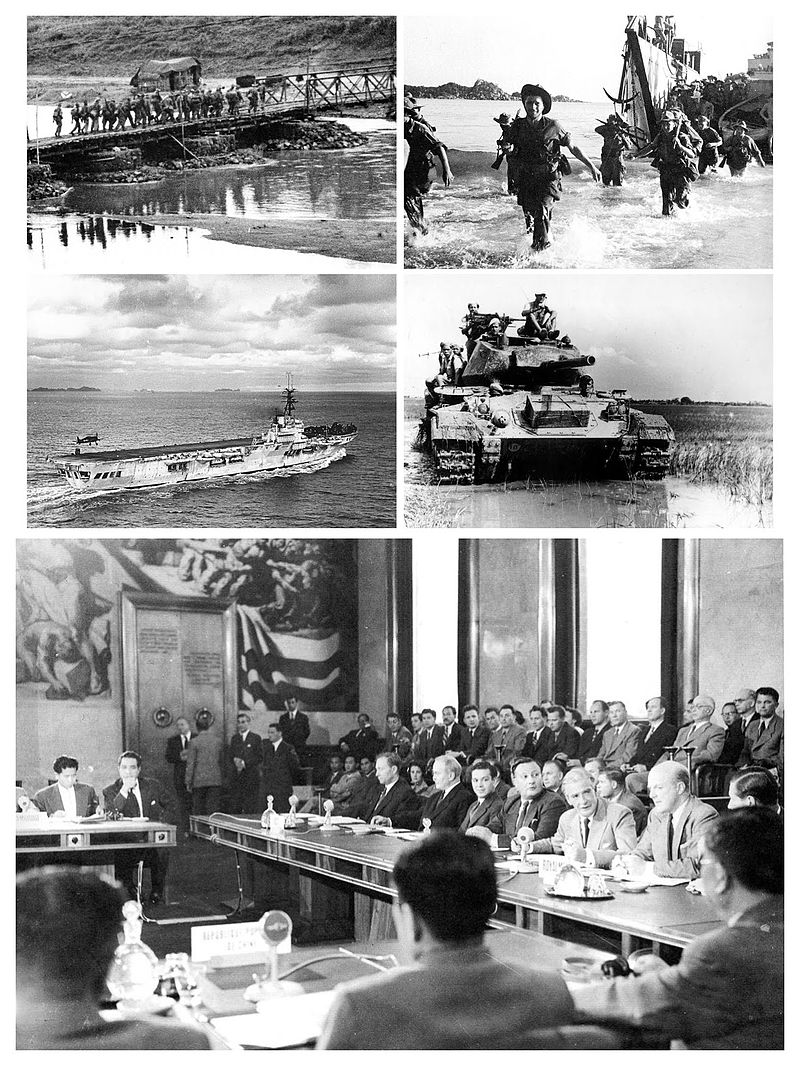
1946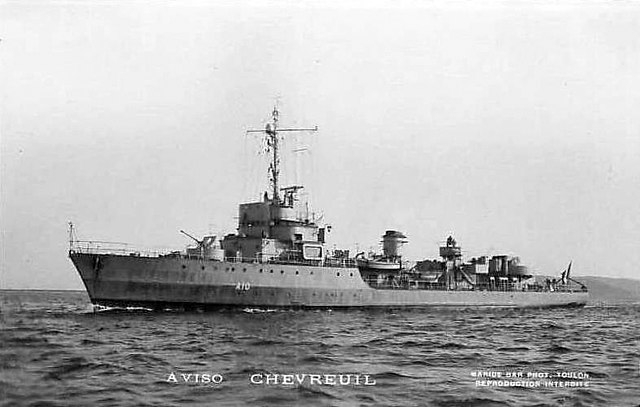
In history, the French Navy fired in Haiphong, Vietnam, resulting in the deaths of 6,000 individuals. The incident occurred during a period when tensions between the French colonial forces and Vietnamese nationalists were escalating.
Upon receiving orders to occupy the harbor city of Haiphong, the French Navy personnel approached the mission with aggression, leading to a catastrophic outcome. The indiscriminate firing on the densely populated area caused widespread devastation and loss of lives among the civilians. The tragic event stirred anger and resentment among the Vietnamese population, fueling the flames of resistance against the French colonial rule.
The aftermath of the French Navy's actions in Haiphong reverberated both locally and internationally. Within Vietnam, the incident galvanized the nationalist movement, strengthening the resolve of the Vietnamese people to fight for their independence and sovereignty. The tragic loss of civilian lives also drew attention to the plight of the Vietnamese under colonial rule, garnering sympathy and support for their cause from various quarters around the world.
The French Navy fire in Haiphong stands as a somber reminder of the human cost of colonial aggression and the resilience of those who strive for freedom and self-determination. The event serves as a poignant chapter in the history of Vietnam's struggle for independence and highlights the sacrifices made by its people in the pursuit of liberty.
#FrenchNavy #Haiphong #Vietnam #ColonialAggression #IndependenceStruggle
View detailsIn 1946, France officially recognized Vietnam's statehood within the newly-formed Indo-Chinese federation. This momentous decision came in the midst of post-World War II developments in Southeast Asia, following the end of Japanese occupation in Vietnam.
The recognition of Vietnam's statehood marked a significant shift in France's colonial policies in the region. It acknowledged the aspirations of the Vietnamese people for self-governance and independence, amidst growing calls for decolonization worldwide. This recognition was part of France's efforts to maintain its influence in the region, while also attempting to appease Vietnamese nationalist sentiments.
The Indo-Chinese federation, consisting of Vietnam, Laos, and Cambodia, was envisioned as a way to preserve French control in Indochina while granting some degree of autonomy to the constituent states. However, tensions between the colonial administration and Vietnamese nationalists persisted, leading to further conflicts in the years to come.
The recognition of Vietnam's statehood within the Indo-Chinese federation had far-reaching consequences. It set the stage for negotiations and power struggles between the Vietnamese government and the French colonial authorities, eventually culminating in the First Indochina War. This conflict would shape the course of Vietnamese history, ultimately leading to the country's independence and the division of North and South Vietnam.
This event underscores the complex dynamics of colonialism, nationalism, and geopolitics in Vietnam during the mid-20th century. It serves as a crucial milestone in Vietnam's path to independence and sovereignty, highlighting the enduring legacy of struggle and resilience in the country's history.
#Vietnam #Statehood #IndoChineseFederation #Colonialism #Independence #Nationalism
View detailsAfter years of French colonization and World War II, Vietnam held its inaugural general election. This marked a crucial turning point in the country's political history. The election aimed to establish a democratic government and pave the way for independence from foreign rule.
The election was organized by the Viet Minh, a communist-led organization fighting for Vietnamese independence. It was the first time Vietnamese citizens could participate in a democratic process to choose their leaders. Despite some logistical challenges, the election saw a high voter turnout, demonstrating the strong desire for self-governance among the Vietnamese people.
The results of the election were a landslide victory for the Viet Minh, led by Ho Chi Minh. This outcome reflected the widespread support for their nationalist and anti-colonial agenda. The establishment of a legitimate government through democratic means bolstered the Viet Minh's claim to represent the will of the Vietnamese people.
Internationally, the election drew attention to Vietnam's struggle for independence and self-determination. It challenged the legitimacy of French colonial rule and laid the groundwork for future negotiations between Vietnamese nationalists and the colonial powers. The election also highlighted the broader trend of decolonization in the post-World War II era.
Overall, Vietnam's first general election was a significant milestone in the country's quest for independence and sovereignty. It showcased the Vietnamese people's determination to chart their own political destiny and set the stage for the turbulent years of conflict and negotiations that would follow.
#Vietnam #Independence #Democracy #Decolonization
View details
1945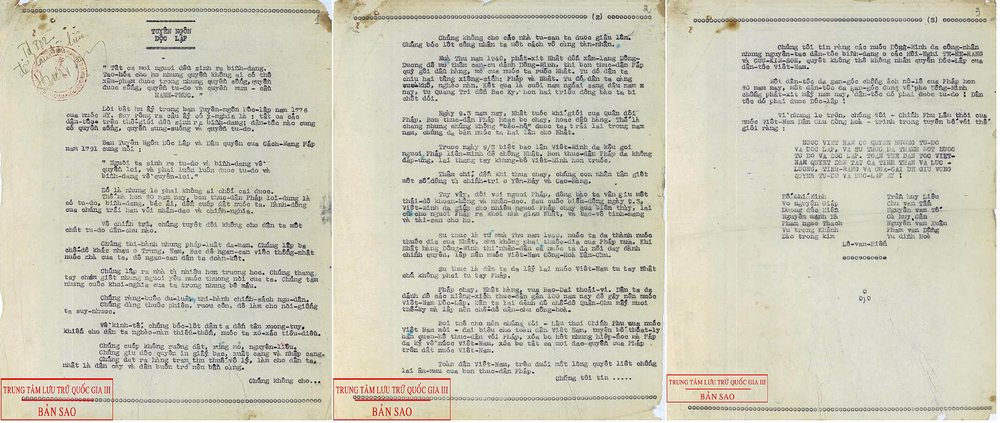
On this day, Ho Chi Minh declared Vietnam independent from France in a historic proclamation. This event marked a crucial moment in Vietnam's fight for sovereignty after years of colonization by the French. Ho Chi Minh's speech emphasized the nation's right to independence and self-determination, echoing sentiments of liberation and unity among the Vietnamese people.
The declaration was a culmination of years of resistance against foreign rule, as Vietnam sought to break free from colonial shackles and assert its identity as a sovereign nation. Ho Chi Minh's words galvanized the populace, igniting a sense of national pride and solidarity in the face of oppressive foreign domination.
The impact of this declaration reverberated far beyond the borders of Vietnam, inspiring anti-colonial movements around the world and signaling a turning point in the struggle against imperialism. It laid the foundation for Vietnam's protracted war for independence, shaping the course of the nation's history and setting the stage for future conflicts.
Ho Chi Minh's declaration of independence remains a seminal moment in Vietnam's history, symbolizing the resilience and determination of its people in the face of adversity. It serves as a reminder of the ongoing quest for freedom and self-determination that defines the nation's journey towards progress and prosperity.
#HoChiMinh #VietnamIndependence #NationalDay #Decolonization #Sovereignty #HistoricalDeclaration
View details