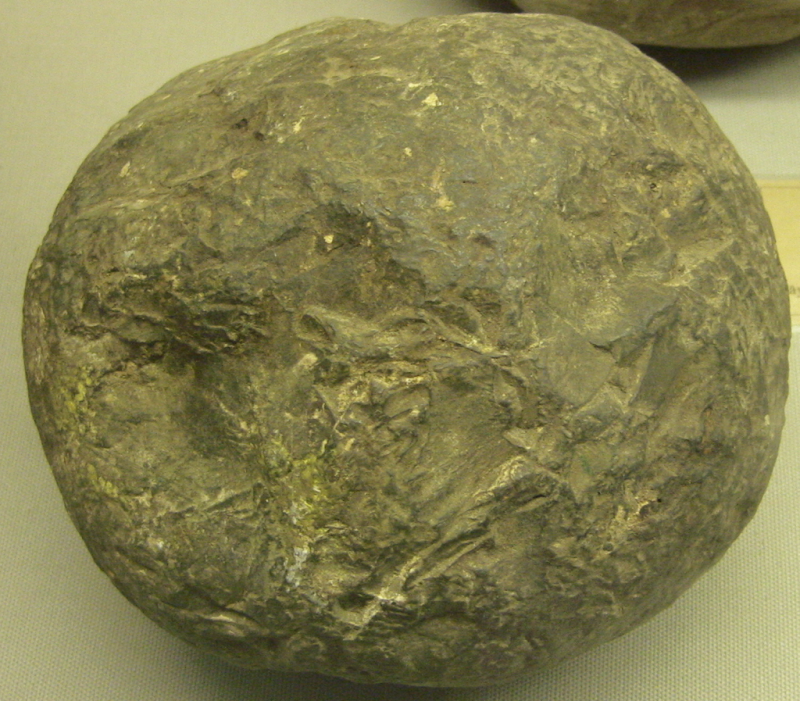
The Ho Dynasty capital at Tây Đô.
Vietnam
Political
Cultural
4 min read
Updated By: History Editorial Network (HEN)
Published:
In 1400, the Ho Dynasty established its capital at Tây Đô, marking a significant shift in Vietnamese history. Prior to this, the region had been divided among various feudal lords, leading to political instability and conflict. With the establishment of the Ho Dynasty capital, the region experienced a period of centralized power and cultural flourishing.
Tây Đô, strategically located in the Thanh Hóa Province, provided a strong military stronghold and political center for the Ho Dynasty. The new capital facilitated economic growth, trade, and cultural exchange with neighboring regions. Under the reign of the Ho Dynasty, Tây Đô became a hub for architectural innovation, with impressive citadels and temples constructed.
The establishment of the Ho Dynasty capital at Tây Đô had a lasting impact on Vietnamese history. It symbolized a new era of unity and strength, bringing about stability and prosperity to the region. The centralization of power allowed for more efficient governance and the implementation of advanced administrative systems. The cultural advancements during this period laid the foundation for Vietnamese art, literature, and architecture.
Despite its relatively short reign, the Ho Dynasty's capital at Tây Đô left a lasting legacy in Vietnamese history. The capital city remained an important cultural and political center even after the fall of the dynasty, influencing subsequent rulers in the region. The remnants of Tây Đô serve as a reminder of Vietnam's rich history and cultural heritage.
#HoDynasty #TayDoCapital #VietnameseHistory #CulturalFlourishing

Explore the Life Moments of
 AI Twin