Japanese Occupation of Vietnam During World War II: History and Impact
Vietnam

Global Conflict
Political
4 min read
Updated By: History Editorial Network (HEN)
Published:
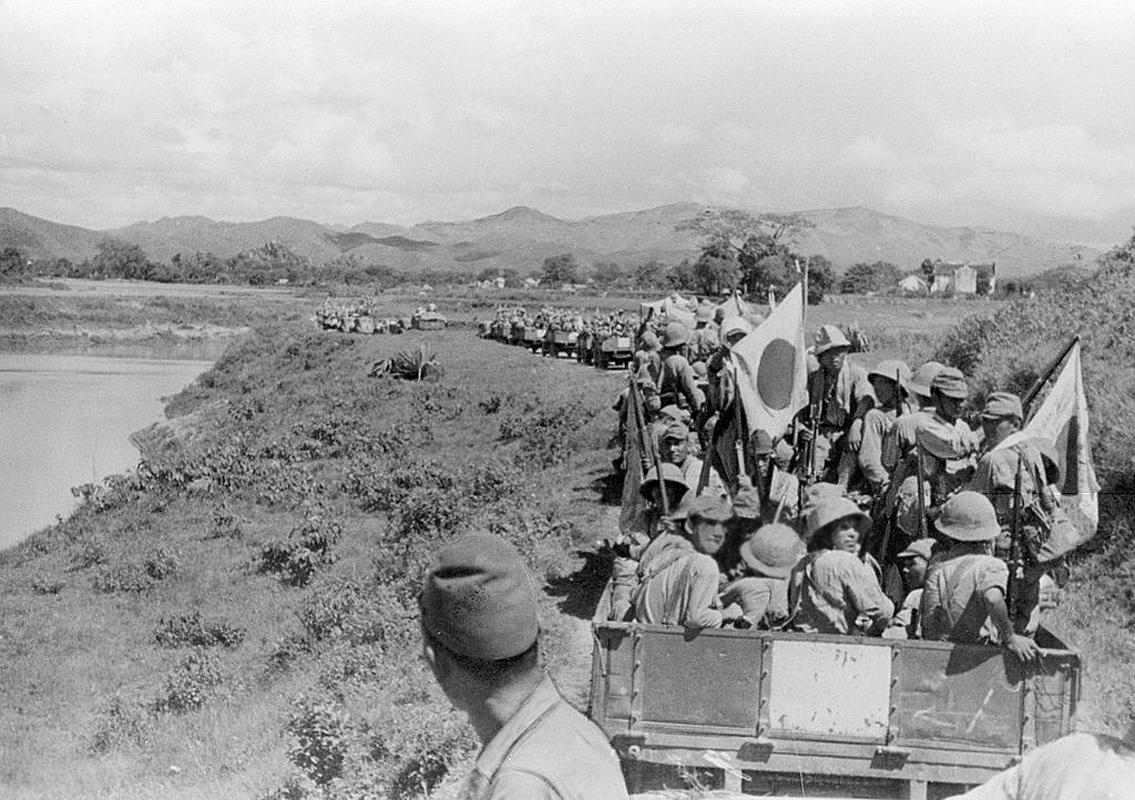
During World War II, Japan invaded Vietnam to gain control over the country and its resources. This occupation was part of Japan's larger strategy to expand its influence in Southeast Asia. The Japanese forces quickly overpowered the French colonial rulers and established a puppet government to administer Vietnam.
Under Japanese rule, the Vietnamese people faced harsh conditions and widespread oppression. The Japanese authorities exploited the country's resources and forced many Vietnamese civilians to work for their war efforts. Local resistance movements emerged in response to the brutal Japanese occupation, but they faced significant challenges in challenging the well-equipped and organized Japanese military.
The occupation had a lasting impact on Vietnam, laying the groundwork for the country's eventual struggle for independence. The experience of living under foreign rule fueled nationalist sentiments among the Vietnamese people, inspiring them to fight for their freedom from both Japanese and French colonial control. This period also highlighted the need for unity and solidarity among the Vietnamese population, as different political groups and factions came together to resist the Japanese occupation.
Overall, the Japanese occupation of Vietnam during World War II was a tumultuous time in the country's history, marked by oppression, resistance, and the seeds of independence. The experience of this period shaped the Vietnamese people's aspirations for self-determination and sovereignty, laying the foundation for future struggles for liberation and independence.
#JapaneseOccupation #VietnamHistory #WorldWarII #NationalistResistance

Explore the Life Moments of
 AI Twin