
Vietnam

Land of the ascending dragon.
Related Lives

Russia–United States relations
History of Diplomatic Relationship

Indonesia
The Emerald of the Equator

Ukraine
The Heart of Eastern Europe

Austria
The Land of Music and Mountains

Burundi
The Land of a Thousand Hills

President of the Republic of Panama
Head of the State

Ghana
Culture-Warmth-Rhythm

Ethiopia
Federal Democratic Republic of Ethiopia

1069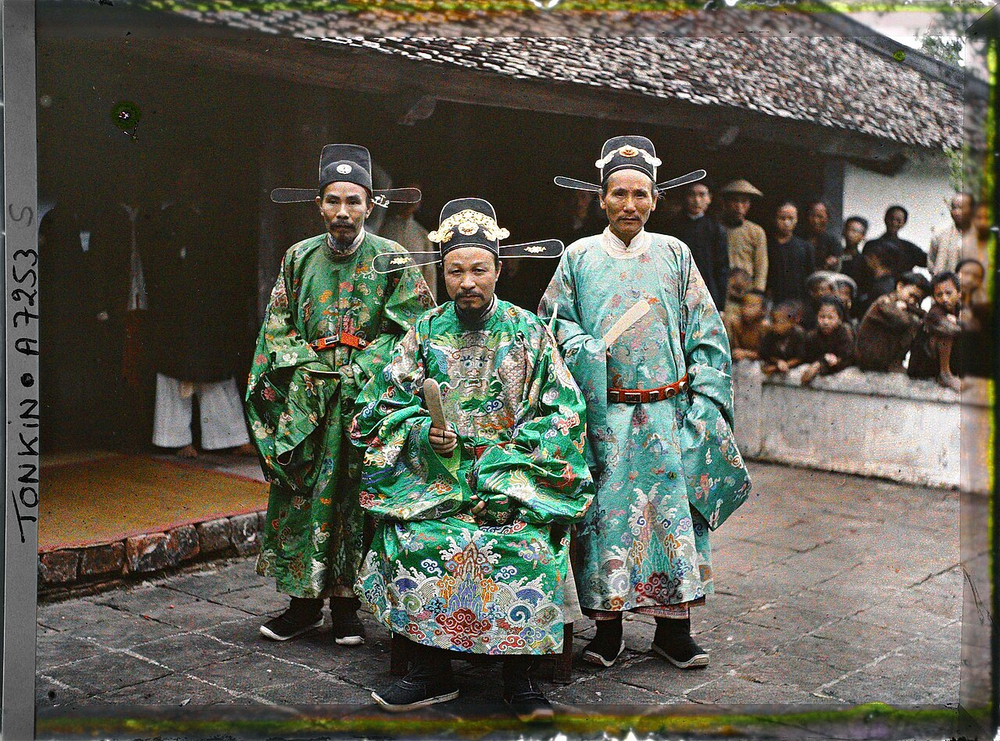
In 1070, Ly Thai Tong, the emperor of the Ly Dynasty in Vietnam, established the Văn Miếu, also known as the Temple of Literature. This prestigious institution was built to honor Confucius, scholars, and literary achievements. The Văn Miếu was the first national university in Vietnam, playing a crucial role in shaping the country's intellectual and cultural life.
The establishment of the Văn Miếu marked a significant milestone in Vietnamese history, showcasing the importance of education and scholarly pursuits in society. It became a center for learning, where scholars studied Confucian classics and took part in academic competitions. This academic hub fostered a culture of reverence for knowledge and academic excellence, influencing generations of scholars and students.
The Văn Miếu's architecture, with its traditional Vietnamese design and layout, reflects the reverence for learning and intellect. The five courtyards, imposing gates, and well-preserved stelae inscribed with the names of scholars added to the grandeur of the institution. The Văn Miếu served as a symbol of Vietnam's commitment to education and intellectual growth.
Throughout its existence, the Văn Miếu has undergone several expansions and renovations, maintaining its significance as a cultural and educational landmark. Today, it stands as a reminder of Vietnam's rich scholarly heritage and continues to inspire students and intellectuals.
The establishment of the Văn Miếu by Ly Thai Tong left a lasting legacy on Vietnamese society, emphasizing the value of education and knowledge. It remains a revered institution, symbolizing the country's intellectual achievements and cultural identity. #VănMiếu #TempleOfLiterature #LyThaiTong #VietnameseHistory #ScholarlyHeritage
View details1008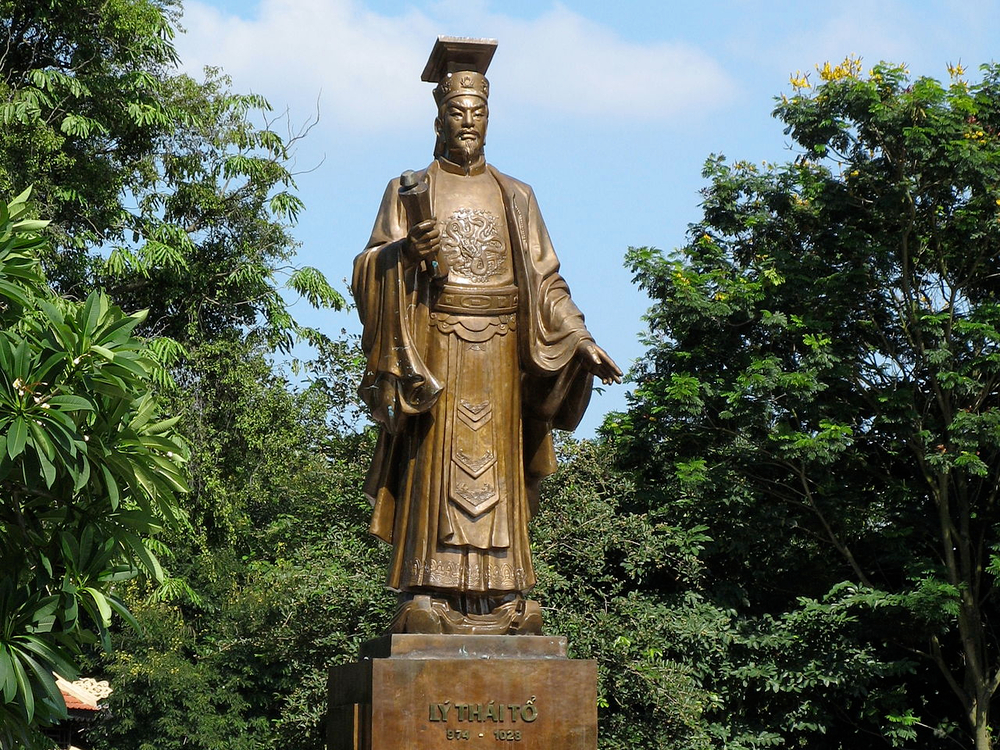
In 1010, Ly Thai To made a pivotal decision to relocate the capital of Vietnam to Thang Long, which is present-day Hanoi. This marked the establishment of the Ly Dynasty, bringing significant changes to the political landscape of the region.
Before this strategic move, Vietnam had been facing political turmoil and instability. Ly Thai To's decision to establish the capital in Thang Long was strategic as it offered a more central location that provided easier access to various regions. This shift not only improved the political stability of the region but also had economic benefits, as the new location facilitated better trade routes and communication networks.
The Ly Dynasty brought about an era of cultural and economic prosperity in Vietnam. Under this new rule, Hanoi blossomed into a thriving city, with impressive infrastructure developments and a rich cultural heritage. The Ly Dynasty also saw advancements in literature, art, and education, laying the foundation for a flourishing society.
The establishment of the Ly Dynasty and the relocation of the capital to Thang Long had lasting impacts on Vietnam's history. It set the stage for a period of stability and prosperity that allowed for the growth and development of the Vietnamese civilization. The legacy of the Ly Dynasty continued to influence Vietnam for centuries to come, shaping the country's culture, governance, and identity.
#LyThaiTo #ThangLong #LyDynasty #Hanoi #VietnamHistory
View details0968
In 968, Dinh Bo Linh was crowned as the first emperor of the Dinh Dynasty, marking a significant event in Vietnamese history. This coronation symbolized the reunification of Vietnam after centuries of division and warfare among feudal lords. Dinh Bo Linh, also known as Dinh Tien Hoang, emerged as a powerful leader who successfully defeated other warlords and established a centralized government.
Under Dinh Bo Linh's rule, Vietnam experienced a period of stability and prosperity. He implemented administrative reforms, reformed the tax system, and promoted agriculture and education. The establishment of the Dinh Dynasty brought about a sense of unity and cohesion among the Vietnamese people, laying the foundation for a strong centralized state.
The coronation of Dinh Bo Linh had a lasting impact on Vietnamese history. It set the stage for future dynasties to rule a unified Vietnam, shaping the country's political and cultural landscape for centuries to come. Dinh Bo Linh's reign is remembered as a time of peace and development in Vietnamese history, with his contributions leaving a lasting legacy on the nation.
Overall, the coronation of Dinh Bo Linh as the first emperor of the Dinh Dynasty was a pivotal moment that marked the reunification of Vietnam and the beginning of a new era in Vietnamese history. It paved the way for a period of stability and prosperity, setting the stage for the country's future development and growth. #Vietnam #DinhDynasty #Reunification #DinhBoLinh
View details938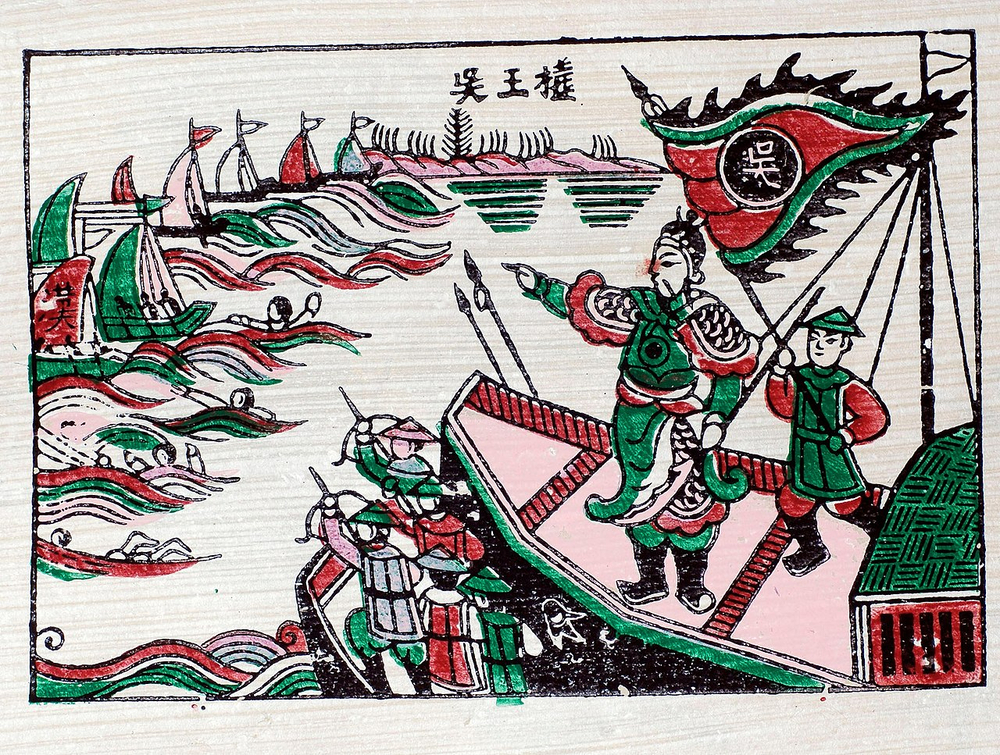
In the 10th century, Vietnam experienced a significant turning point when General Le Hoan led Vietnamese forces to victory against the Song Dynasty, ending a millennium of Chinese dominance. The Battle of Bạch Đằng marked a critical moment in Vietnamese history, showcasing their resilience and determination to break free from foreign rule.
For centuries, Vietnamese territories had been under Chinese control, enduring cultural assimilation and political subjugation. However, under Le Hoan's leadership, Vietnamese troops strategically outmaneuvered and decisively defeated the powerful Song army, reclaiming independence and sovereignty for their nation. This triumph not only secured Vietnam's autonomy but also bolstered national pride and unity among its people.
The defeat of the Song Dynasty signaled a new era for Vietnam, as they emerged as a formidable force in Southeast Asia. The victory at Bạch Đằng instilled a sense of liberation and empowerment, inspiring future generations to uphold their heritage and safeguard their autonomy against external threats. The event marked a crucial milestone in Vietnamese history, symbolizing the resilience and courage of its people in the face of adversity.
Le Hoan's triumph over the Song Dynasty remains a poignant reminder of Vietnam's enduring spirit and determination to preserve its identity and independence. The legacy of this historic event continues to shape Vietnam's national consciousness, serving as a testament to the resolve and courage of its forefathers. The Battle of Bạch Đằng stands as a testament to the enduring legacy of Vietnamese resistance and resilience against foreign domination. #VietnameseIndependence #LeHoan #BachDangVictory
View details0905
In the early 10th century, following the collapse of the Tang Dynasty in China, chaos engulfed the region. Taking advantage of the moment, Khuc Thua Du, a powerful military leader, seized control of the northern Vietnamese territories of Annan and Tong Binh, establishing the independent Nhat Nam territory.
Under Khuc Thua Du's leadership, Nhat Nam thrived as a independent entity, gaining recognition from neighboring dynasties. Trade flourished, the economy stabilized, and the people enjoyed a newfound sense of security and prosperity under his rule. Khuc Thua Du's strategic decisions and ability to maintain stability in the region solidified Nhat Nam's position as a formidable power in northern Vietnam.
The establishment of Nhat Nam by Khuc Thua Du marked a significant shift in the political landscape of the region. It demonstrated the resilience and ambition of the Vietnamese people to assert their independence and shape their own destiny amidst the turbulent times following the fall of the Tang Dynasty. Khuc Thua Du's legacy as the founder of Nhat Nam left a lasting impact on the history of Vietnam, paving the way for future generations to continue the fight for autonomy and sovereignty.
Khuc Thua Du's establishment of the independent Nhat Nam territory in northern Vietnam was a pivotal moment in Vietnamese history, showcasing the determination of the people to chart their own course and define their identity. It serves as a reminder of the enduring spirit of independence and self-determination that has characterized Vietnam throughout its history. #KhucThuaDu #NhatNam #VietnameseIndependence
View details0898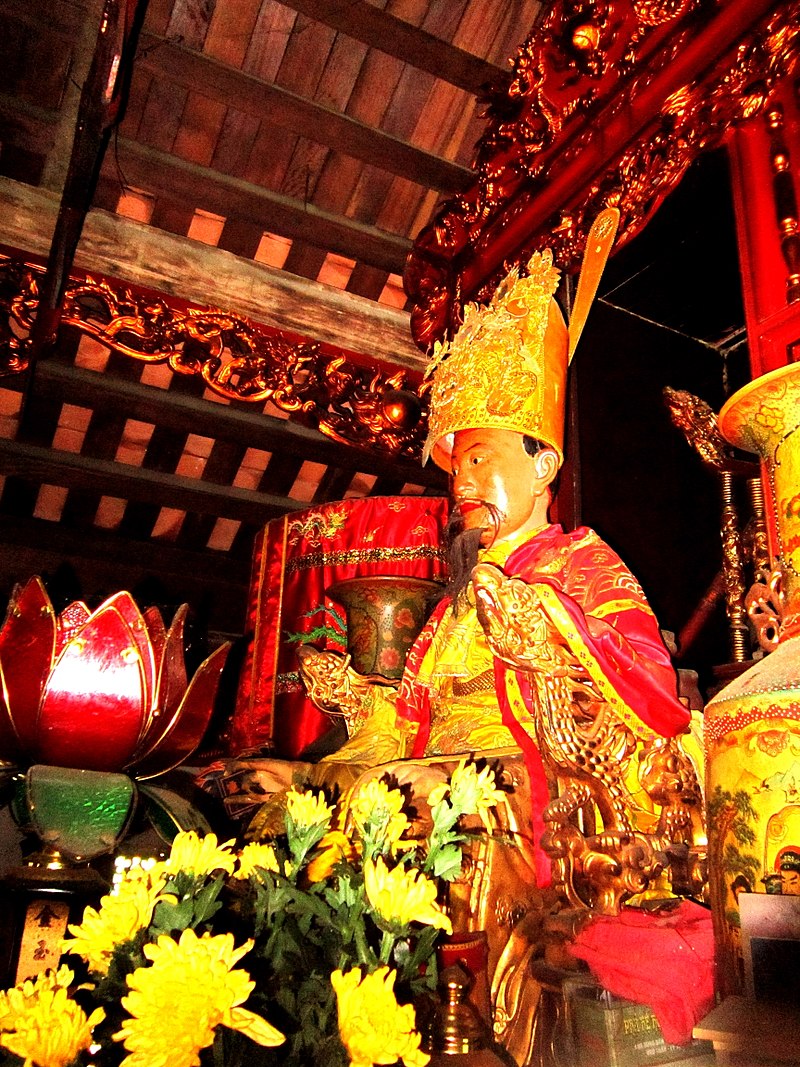
Ngo Quyen, a notable Vietnamese military leader, was born on this day. He played a crucial role in the liberation of Vietnam from the Chinese Southern Han dynasty's control. His leadership and strategic prowess led to a significant victory at the battle of Bach Dang River, where he successfully defeated the Chinese forces and regained independence for Vietnam.
Ngo Quyen's triumph at the Bach Dang River marked a turning point in Vietnamese history. It demonstrated the resilience and determination of the Vietnamese people to defend their land and sovereignty. The victory not only ended Chinese dominance but also paved the way for a period of Vietnamese autonomy and self-governance.
The legacy of Ngo Quyen's victory continues to inspire Vietnamese people, showcasing the importance of unity, bravery, and patriotism in the face of adversity. His leadership exemplifies the power of perseverance and strategic thinking in achieving monumental goals.
Today, Ngo Quyen is revered as a national hero in Vietnam, remembered for his instrumental role in securing Vietnamese independence. His legacy serves as a reminder of the enduring spirit and courage of the Vietnamese people throughout history.
#NgoQuyen #VietnameseIndependence #BachDangRiver #VietnameseHistory #NationalHero
View details