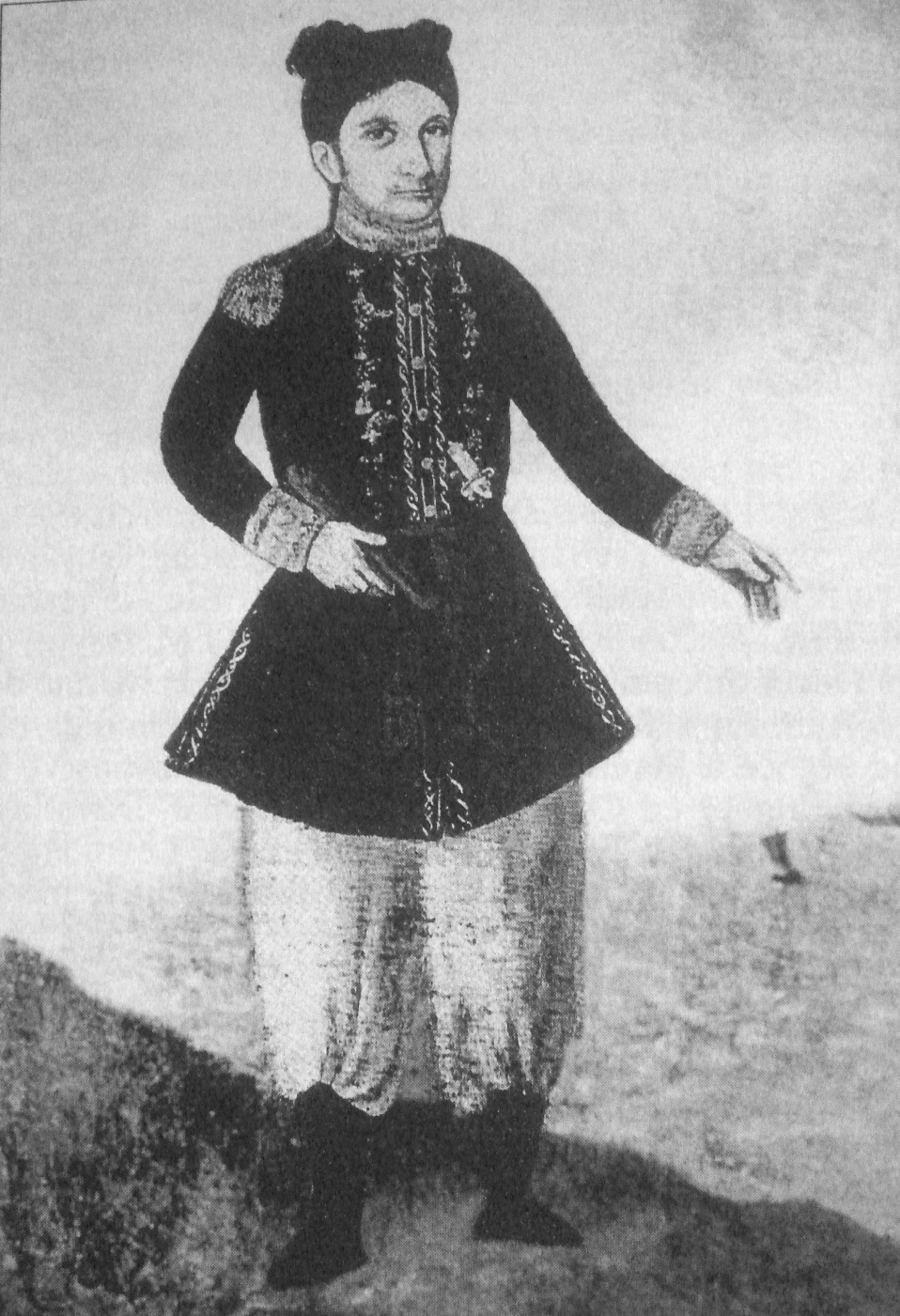
Emperor Gia Long's Order for Nine Cannons from Tây Sơn Bronze Wares
Vietnam
Power Symbolism
4 min read
Updated By: History Editorial Network (HEN)
Published:
Emperor Gia Long of Vietnam ordered the collection and melting of all bronze wares from the previous Tây Sơn Dynasty to create nine powerful cannons for the Royal Citadel in Huế. This decision was made to symbolize the consolidation of power and the establishment of the Nguyễn Dynasty. The bronze wares, including valuable artifacts and historical pieces, were repurposed into cannons as a strategic move to fortify the citadel and assert the new ruler's authority.
The impact of this directive was twofold. Firstly, it demonstrated Emperor Gia Long's commitment to strengthening the defenses of the Royal Citadel, a crucial stronghold in central Vietnam. By repurposing the bronze wares into cannons, the emperor not only enhanced the military capabilities of the fortress but also instilled a sense of fear and respect among potential adversaries. Secondly, the act symbolized the end of the Tây Sơn Dynasty and the beginning of a new era under the Nguyễn Dynasty. The melting down of the existing bronze artifacts represented a symbolic break from the past and a clear message of regime change.
This event marked a significant moment in Vietnamese history, reflecting the transition of power and the consolidation of authority under Emperor Gia Long's rule. The creation of nine cannons from the melted bronze wares underscored the emperor's determination to fortify his seat of power and establish his dynasty's dominance. The Royal Citadel in Huế, strengthened by these cannons, became a formidable symbol of the Nguyễn Dynasty's might and influence.
#EmperorGiaLong #BronzeWares #HuếRoyalCitadel #NguyễnDynasty #VietnameseHistory

Explore the Life Moments of
 AI Twin