
Vietnam

Land of the ascending dragon.
About
#Travel
#Vietnam
#Culture
#Hanoi
Life Classifications
Country, Hanoi
Life ID
EL4466305738798
Verified Name
vietnam
Life Type
Entity Life
Life Editor(s)
History Editorial Network (HEN)
Life Privacy
Public
Subscription
Elite
Created On
2024-08-12
Updated On
2025-12-19
Connect
Related Lives
Russia–United States relations
History of Diplomatic Relationship

Indonesia
The Emerald of the Equator

Ukraine
The Heart of Eastern Europe

Austria
The Land of Music and Mountains

Saudi Arabia
A Land of Heritage and Innovation

Chile
Land of poets and penguins.

Switzerland
The Land of Precision and Timekeeping

Olympics
The Grandest Stage of All

2026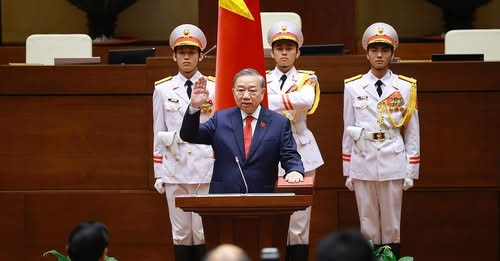
On 07/04/2026, Vietnam’s 16th National Assembly unanimously elected Tô Lâm as the State President for the 2026–2031 term, marking a key leadership transition at the start of the country’s new legislative cycle. The vote took place in Hanoi following the general election held on 15/03/2026, with all 495 attending deputies supporting Lâm’s appointment.
Tô Lâm, who already serves as General Secretary of the Communist Party of Vietnam (CPV), succeeds Lương Cường as President. By holding both the top party and state positions simultaneously, Lâm consolidates leadership authority across Vietnam’s political system. This dual role places him in charge of both party direction and state governance, aligning the country’s leadership structure more closely with models where authority is concentrated at the top level.
As part of his five-year presidential term from 2026 to 2031, Lâm will also chair the National Defense and Security Council and serve as Secretary of the Central Military Commission. These roles extend his oversight into national defense and security policy, reinforcing his position across key state and party institutions. The transition reflects continuity within Vietnam’s leadership while also redefining how executive authority is structured.
The National Assembly session also confirmed other senior leadership appointments. Lê Minh Hưng was sworn in as the new Prime Minister, taking over executive government responsibilities, while Trần Thanh Mẫn was re-elected as Chairman of the National Assembly. These appointments completed the formation of Vietnam’s top leadership framework for the new term, following the March 2026 elections.
View detailsVietnam conducted nationwide legislative elections on 15/03/2026, with more than 76 million registered voters casting ballots to elect deputies to the 16th National Assembly and representatives to local People’s Councils. Official results released by the National Election Council on 21/03/2026 reported voter turnout of 99.7%. A total of 864 candidates competed for 500 seats in the National Assembly, and all seats were filled. The candidate list included approximately 93% members of the Communist Party of Vietnam, while around 7.5% ran as independents. Voting also took place simultaneously for local governing bodies across provinces, districts, and communes.
Among the confirmed outcomes, Communist Party General Secretary To Lam was re elected as a National Assembly deputy. At the local level, voters selected 2,552 representatives for provincial People’s Councils and 72,437 representatives for commune level councils. The elections determined the composition of the National Assembly for the 2026 to 2031 legislative term. The vote followed preparations tied to internal political restructuring after the 14th National Party Congress, with authorities moving the election date earlier than originally planned.
The newly elected 16th National Assembly is scheduled to convene its first working session beginning on 06/04/2026. During the inaugural session, deputies are expected to review leadership appointments, confirm key state positions, and set legislative priorities for the new term. The assembly will also begin deliberations on economic planning, budget approvals, and policy frameworks for the 2026 to 2031 period.
View details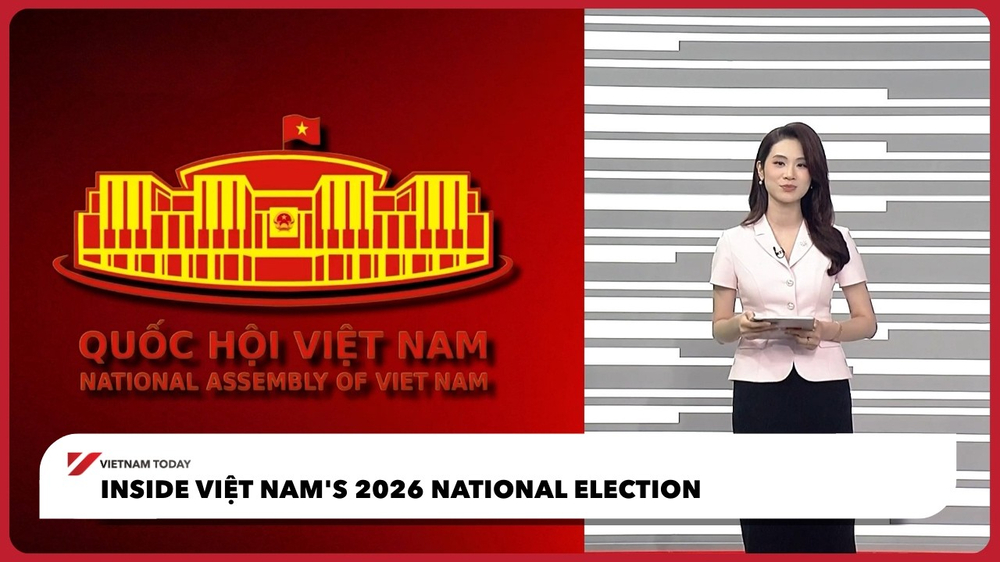
2025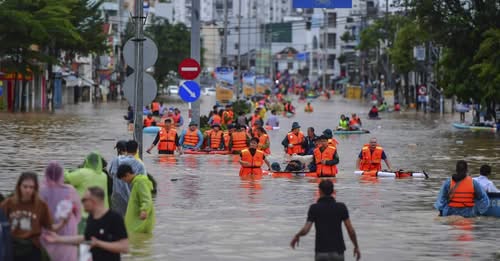
Severe flooding and landslides in central and southern Vietnam have killed at least 90 people after days of relentless heavy rain, authorities said, as communities across multiple provinces were inundated and isolated by rising waters. Torrential rainfall since mid-November overwhelmed rivers and drainage systems in provinces including Đắk Lắk, Khánh Hòa, Quảng Ngãi, Gia Lai, and Lâm Đồng, triggering deadly landslides in mountainous areas and sweeping floodwaters through towns and agricultural plains. Many victims were buried by mudslides or caught in fast-moving floodwaters, while dozens more remain missing, according to official reports.
Whole neighbourhoods were submerged as rivers breached embankments and rain totals exceeded normal seasonal levels, leaving hundreds of homes damaged or destroyed and disrupting transport and power networks. Tens of thousands of residents were forced to evacuate or take refuge on rooftops as rescue teams worked with helicopters and boats to reach isolated communities. Flooding has also devastated farmland and livestock, destroying crops and contributing to significant economic losses. The Vietnamese government mobilised military, police, and disaster response units to deliver emergency aid, including food, clean water, and medical supplies, and announced financial support for affected provinces to assist in rebuilding and recovery. Officials warned that continued rainfall could exacerbate conditions and urged residents to remain cautious as relief and restoration efforts continue across the hardest-hit areas.
View detailsThe United States and Vietnam reached a trade agreement in 2025 following months of intensive negotiations aimed at stabilising bilateral commerce and managing tariff tensions after the U.S. announced broad reciprocal tariffs earlier in the year. Under the Framework Agreement on Reciprocal, Fair and Balanced Trade, both sides committed to a tariff structure that balances market access and trade fairness. The United States agreed to maintain a 20 % reciprocal tariff on most Vietnamese exports, significantly lower than earlier proposed rates, while Vietnam committed to removing tariffs on virtually all U.S. imports, opening its domestic market to American industrial and agricultural goods.
The agreement also includes provisions to address non-tariff barriers, streamline regulatory approvals for U.S. products, and align some technical standards, improving conditions for exports and investment. Vietnam’s willingness to reduce its own import levies and adopt regulatory changes was part of broader diplomatic efforts to maintain strong economic ties with the United States, which is one of Vietnam’s largest export markets. Although the 20 % tariff still represents a cost for Vietnamese exporters, it was widely seen as a compromise that avoided higher levies and preserved crucial market access. Both governments signalled that follow-up discussions would continue to finalise technical details and monitor implementation, reinforcing a shared interest in long-term trade cooperation and economic stability in the Asia-Pacific region.
View details2022
The world's longest glass-bottomed bridge, the Bach Long (White Dragon), measuring 632m long, opened in Moc Chau Island mountain park and resort, Vietnam. This architectural marvel provides visitors with a unique experience as they traverse the transparent walkway suspended over stunning natural landscapes.
Located in the picturesque Moc Chau Island mountain park and resort, the Bach Long Bridge offers panoramic views of lush greenery, rolling hills, and crystal-clear waters below. The bridge serves as a major attraction for tourists seeking adventure and breathtaking sights in Vietnam.
The opening of the Bach Long Bridge has had a significant impact on tourism in the region, drawing in visitors from far and wide to experience the thrill of walking on a glass-bottomed bridge high above the ground. Tourists can now engage with nature in a new and exciting way, creating unforgettable memories during their visit to Moc Chau Island.
The Bach Long Bridge is a testament to human ingenuity and engineering prowess, showcasing Vietnam's commitment to innovation and tourism development. As one of the longest and most impressive glass-bottomed bridges in the world, it has garnered international attention and elevated Vietnam's reputation as a must-visit destination for adventurous travelers.
Overall, the opening of the Bach Long Bridge marks a significant milestone in Vietnam's tourism industry, attracting visitors with its unique blend of natural beauty and modern architecture. As tourists flock to Moc Chau Island to experience this marvel firsthand, the bridge is set to become a symbol of Vietnam's progress and allure in the global tourism landscape.
#BachLongBridge #MocChauIsland #VietnamTourism #GlassBottomedBridge #Innovation #AdventureTravel.
View details2019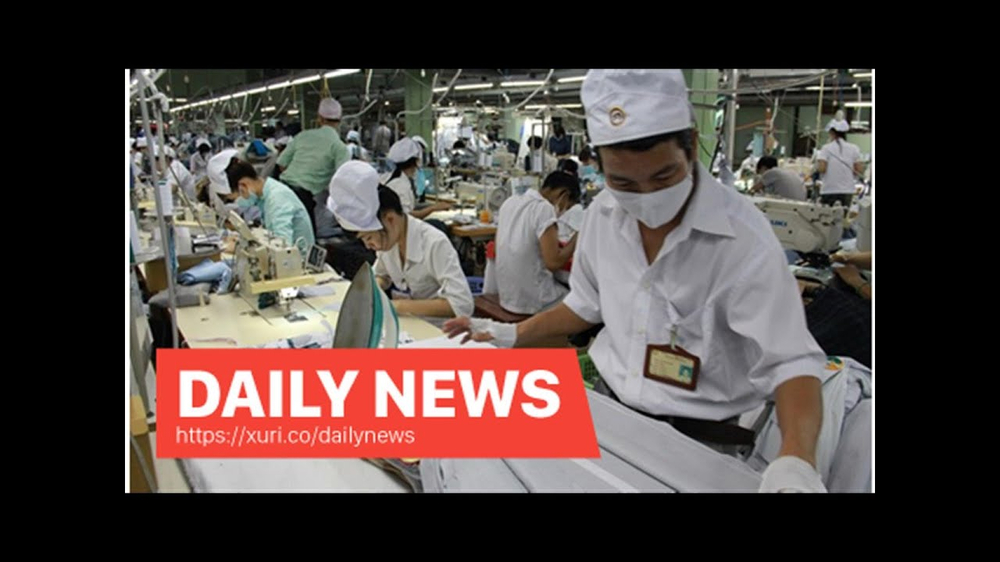
Vietnam ratified the Comprehensive and Progressive Agreement for Trans-Pacific Partnership. The agreement, also known as CPTPP, is a trade deal between 11 countries around the Pacific Rim including Japan, Canada, and Australia. Vietnam's ratification of the agreement was seen as a significant step towards further integrating the country into the global economy.
The CPTPP aims to lower tariffs and trade barriers among member countries, promoting economic growth and cooperation in the region. Vietnam stands to benefit from increased access to markets of key trading partners, as well as the opportunity to attract more foreign investment. The agreement is expected to boost Vietnam's exports, particularly in sectors like textiles, agriculture, and electronics.
Ratifying the CPTPP demonstrates Vietnam's commitment to international trade and economic liberalization. It showcases the country's openness to working with partners across the Pacific region to drive economic development and prosperity. Vietnam's participation in the agreement also solidifies its position as a key player in the global supply chain.
With the ratification of the CPTPP, Vietnam joins other countries in reaping the benefits of increased trade and investment opportunities. The agreement has the potential to boost Vietnam's economy and create jobs for its citizens. By aligning with international trade standards, Vietnam can enhance its competitiveness and strengthen its position in the global market.
#Vietnam #CPTPP #TradeAgreement #GlobalEconomy #EconomicDevelopment
View detailsIn 2008, Vietnam attained a non-permanent seat on the United Nations Security Council, marking a significant milestone in the country's diplomatic history. Vietnam's election to the Security Council reflected its growing stature on the global stage and its commitment to international peace and security.
As a member, Vietnam actively participated in addressing pressing global issues, such as conflicts, humanitarian crises, and security threats. It contributed its perspectives and insights to the Security Council's deliberations, emphasizing the importance of diplomacy, dialogue, and peaceful resolutions to conflicts.
Vietnam's membership on the Security Council also provided the country with a platform to promote its foreign policy priorities, including strengthening regional cooperation, upholding the principles of sovereignty and territorial integrity, and advocating for the interests of developing nations.
The opportunity to serve on the Security Council enabled Vietnam to enhance its reputation as a responsible and proactive member of the international community. It demonstrated Vietnam's willingness to engage in multilateral diplomacy, uphold international law, and contribute to maintaining global peace and security.
Vietnam's term on the Security Council underscored the country's steady progress in its diplomatic endeavors, showcasing its ability to engage constructively with other nations on complex and sensitive issues. By assuming its responsibilities with dedication and integrity, Vietnam left a positive impact on the Security Council and demonstrated its capacity to contribute meaningfully to global governance.
Overall, Vietnam's tenure as a non-permanent member of the United Nations Security Council was a testament to its growing influence and relevance in international affairs, solidifying its position as a respected and proactive player in the realm of global diplomacy. It was a significant opportunity for Vietnam to make a tangible impact on the world stage and promote its core values and interests. #Vietnam #UNSC #GlobalDiplomacy
View details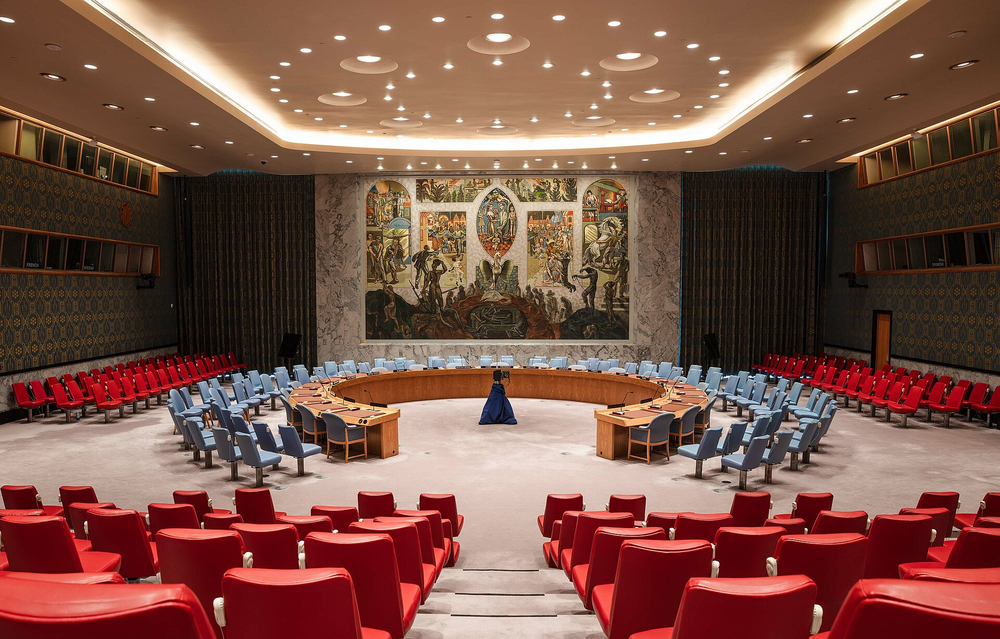
2017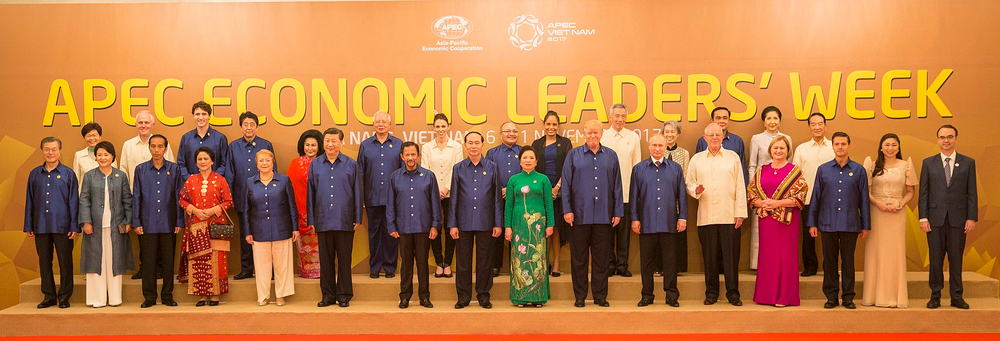
Vietnam recently hosted the Asia-Pacific Economic Cooperation (APEC) summit for the second time. The summit aimed to promote economic cooperation and connectivity among the 21 member economies, including the United States, China, and Russia. Vietnam's first hosting of the APEC summit was in 2006, marking the country's growing role in regional and international affairs.
The event in 2017 saw leaders and officials from the APEC economies coming together to discuss various economic issues, such as trade, investment, and sustainable development. Key topics included the future of regional trade agreements, digital economy, and climate change. The summit provided a platform for dialogue and collaboration to address common challenges and explore opportunities for growth and development in the Asia-Pacific region.
Vietnam's hosting of the APEC summit showcased the country's commitment to economic integration and multilateral cooperation. It also highlighted Vietnam's efforts to play a more active role in shaping the economic agenda in the region. The summit resulted in the adoption of the Da Nang Declaration, outlining the shared vision and goals of the APEC economies.
Overall, the APEC summit in Vietnam fostered closer ties and understanding among member economies, paving the way for enhanced regional economic cooperation and partnerships. It served as a significant platform for dialogue and collaboration, promoting inclusive and sustainable development in the Asia-Pacific region.
#Vietnam #APECsummit #economiccooperation #DaNangDeclaration #regionalintegration
View details2009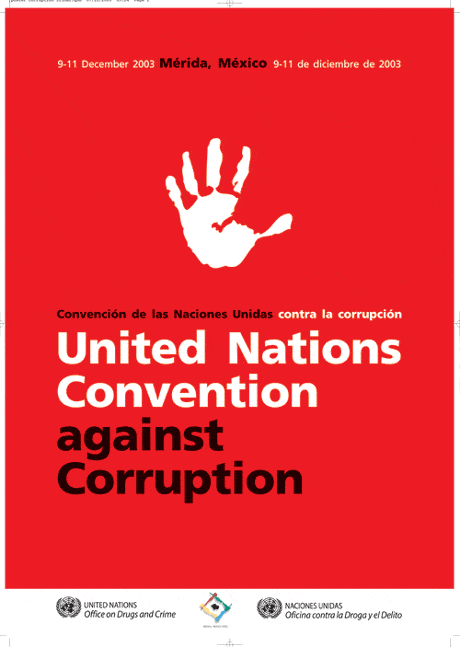
The Vietnamese National Assembly's ratification of the United Nations Convention against Corruption (UNCAC) marked a pivotal step towards combating corruption within the country. This decision was a significant milestone in Vietnam's efforts to strengthen its anti-corruption measures and align itself with international standards.
Prior to the ratification, Vietnam had been making progress in addressing corruption through domestic laws and regulations. However, the UNCAC provided a comprehensive framework and guidelines for preventing corruption, promoting transparency, and prosecuting offenders. By becoming a party to the UNCAC, Vietnam demonstrated its commitment to upholding ethical governance and combating corrupt practices at all levels.
The ratification of the UNCAC had a profound impact on Vietnam's legal and institutional systems. It led to the establishment of anti-corruption agencies, the implementation of preventative measures, and the enhancement of international cooperation in investigating and prosecuting corruption cases. Additionally, the UNCAC's provisions on asset recovery and public sector integrity further bolstered Vietnam's anti-corruption efforts.
With the ratification of the UNCAC, Vietnam joined a global community of nations committed to the fight against corruption. The country's adherence to the UNCAC not only enhanced its credibility on the international stage but also signaled its determination to create a more transparent and accountable government for its citizens.
Overall, the Vietnamese National Assembly's ratification of the UNCAC was a crucial step towards bolstering anti-corruption efforts in the country. Through this decision, Vietnam reaffirmed its commitment to combating corruption, promoting good governance, and upholding the rule of law.
#Vietnam #UNCAC #anti-corruption #governance #transparency
View details2007
Vietnam's accession to the World Trade Organization marked a significant milestone for the country's economy. This process involved years of negotiations and reforms to align with global trade standards. By officially becoming a WTO member, Vietnam gained access to a larger market, increased foreign investment opportunities, and the potential for economic growth.
Joining the WTO signaled Vietnam's commitment to international trade rules and regulations. The country undertook various institutional and legal changes to comply with the requirements set by the organization. This move aimed to improve transparency, streamline trade procedures, and enhance competitiveness in the global market.
The impact of Vietnam's WTO membership was felt across various sectors of the economy. Industries such as manufacturing, agriculture, and services experienced a boost as trade barriers were lowered and access to international markets expanded. Foreign companies also showed greater interest in investing in Vietnam, drawn by the prospect of a more open and predictable business environment.
Additionally, consumers in Vietnam benefited from increased choices and lower prices due to greater competition and efficiency in the market. The country's overall economic growth received a significant push from the opportunities arising from WTO membership.
Vietnam's entry into the WTO was a testament to its commitment to economic integration and development. The country worked diligently to meet the standards required for membership and subsequently reaped the benefits in terms of trade expansion and economic progress. Moving forward, Vietnam aimed to capitalize on its WTO membership to further enhance its position in the global economy.
#Vietnam #WTO #EconomicGrowth #TradeIntegration.
View details2002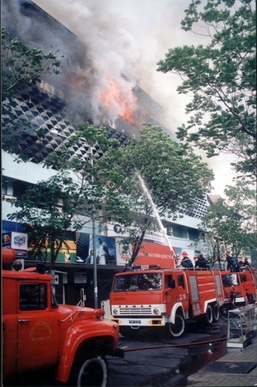
a devastating inferno engulfed the luxurious International Trade Center (ITC) in Ho Chi Minh City, Vietnam, marking one of the darkest days in the country's modern history. The fire broke out in the bustling department store, where approximately 1,500 people were shopping, completely unaware of the tragedy that was about to unfold. As the flames quickly spread through the building, chaos and panic ensued, trapping many inside. The lack of adequate safety measures and fire exits further exacerbated the situation, leaving hundreds of people unable to escape. The inferno claimed the lives of over 60 individuals, with more than 100 still missing, making it the deadliest disaster in Vietnam during peacetime.
The ITC inferno not only left a deep scar on the city but also highlighted critical issues in urban safety and emergency preparedness in Vietnam. The aftermath of this tragedy saw a wave of grief and sorrow sweeping across the nation, as families mourned the loss of their loved ones. It also prompted urgent reforms in fire safety regulations, leading to stricter enforcement and the implementation of new standards to prevent such a catastrophe from happening again. Despite these changes, the memory of the ITC disaster remains a painful reminder of the lives lost and the lessons learned from one of the most tragic events in Vietnam's peacetime history.
#MomentsOfLife #MoofLife_Moment #MoofLife #VietnamHistory #HoChiMinhCity #UrbanSafety #ITCInferno
View details2000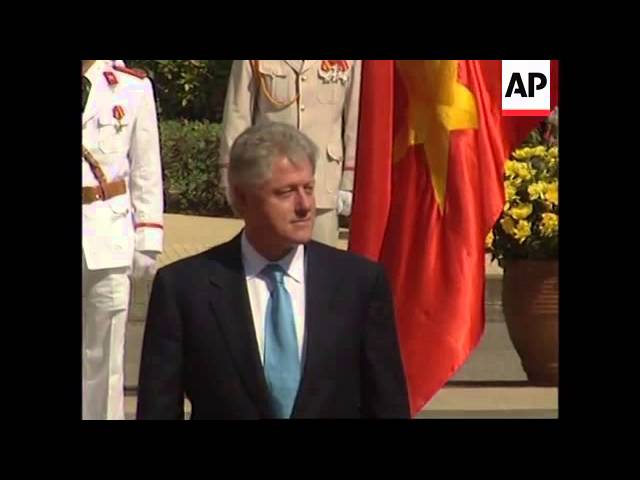
history was made as Bill Clinton became the first sitting U.S. President to visit Vietnam since the end of the Vietnam War. This landmark visit marked a significant step in the normalization of relations between the two former adversaries, symbolizing a new era of diplomacy and cooperation. Clinton’s visit was not only a powerful gesture of reconciliation but also an opportunity to address the lingering wounds of a conflict that had deeply scarred both nations. During his visit, President Clinton met with Vietnamese leaders, visited historical sites, and engaged with citizens, emphasizing the importance of moving beyond the past and building a future based on mutual respect and shared interests.
Clinton's visit to Vietnam in 2000 played a crucial role in opening a new chapter in U.S.-Vietnam relations, paving the way for enhanced economic ties, cultural exchanges, and a deeper partnership on global issues. It was a moment of profound significance, reflecting the resilience of both nations in overcoming their shared history of conflict. The visit also resonated with many veterans and families affected by the war, as it represented a step towards healing and closure. Clinton’s journey to Vietnam underscored the possibility of transformation from adversaries to allies, highlighting the potential for peace and collaboration in the international community.
#MomentsOfLife #MoofLife_Moment #MoofLife #VietnamWar #USVietnamRelations #BillClinton #Diplomacy #Reconciliation
View details1997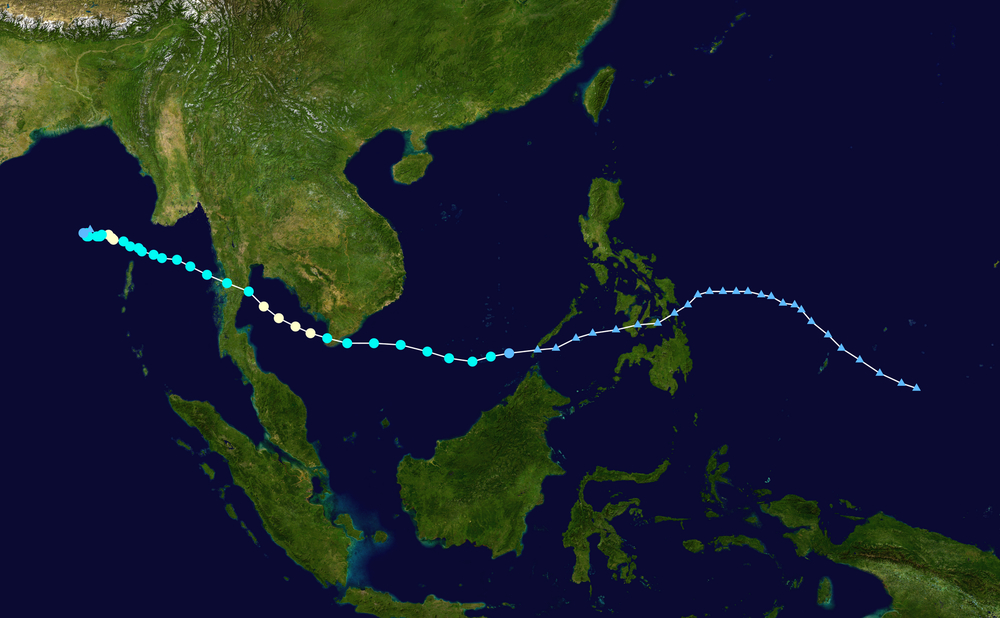
In 1997, Typhoon Linda struck southern Vietnam with devastating force, leaving a trail of destruction and tragedy in its wake. This powerful storm, one of the deadliest in the country's recent history, unleashed torrential rains and fierce winds across the Mekong Delta and coastal regions. The typhoon caused widespread flooding, destroyed homes, and sank hundreds of fishing boats, trapping many at sea. By the time the storm had passed, at least 208 people had lost their lives, with many more still missing. The typhoon left tens of thousands of people displaced, as entire communities were obliterated, and the survivors faced the daunting task of rebuilding their lives from the ruins.
Typhoon Linda's impact extended beyond the immediate devastation, highlighting the vulnerability of Vietnam's coastal communities to natural disasters. The tragedy prompted significant changes in disaster preparedness and response strategies across the country. Efforts to improve early warning systems, strengthen infrastructure, and enhance community resilience were accelerated in the aftermath. Despite these measures, the memory of Typhoon Linda remains etched in the collective consciousness of the nation, serving as a grim reminder of nature's power and the importance of preparedness in the face of such catastrophic events.
#MomentsOfLife #MoofLife_Moment #MoofLife #TyphoonLinda #VietnamDisasters #NaturalDisasters #MekongDelta #DisasterPreparedness
View detailsA Vietnam Airlines Tupolev TU-134 tragically crashed on approach to Phnom Penh International Airport, marking one of the most somber moments in the history of the airline. The incident occurred as the aircraft was preparing to land, but something went disastrously wrong during the final approach. The plane, which was carrying passengers from Ho Chi Minh City to the Cambodian capital, failed to reach the runway and crashed into a rice field near the airport. The impact resulted in significant loss of life, leaving only a few survivors amid the wreckage. This tragic event not only shocked Vietnam and Cambodia but also raised serious concerns about aviation safety in the region.
The crash of the Tupolev TU-134 highlighted the importance of stringent safety protocols and the need for continuous improvements in aviation standards, particularly in Southeast Asia. In the aftermath, both Vietnam Airlines and aviation authorities conducted thorough investigations to determine the cause of the accident, leading to increased scrutiny and reforms in pilot training, aircraft maintenance, and air traffic control procedures. The tragedy also underscored the risks inherent in air travel and the need for ongoing vigilance to ensure the safety of passengers. The memory of this disaster continues to serve as a sobering reminder of the importance of safety in the aviation industry.
#MomentsOfLife #MoofLife_Moment #MoofLife #VietnamAirlines #AviationSafety #TupolevCrash #PhnomPenh #AirDisaster
View details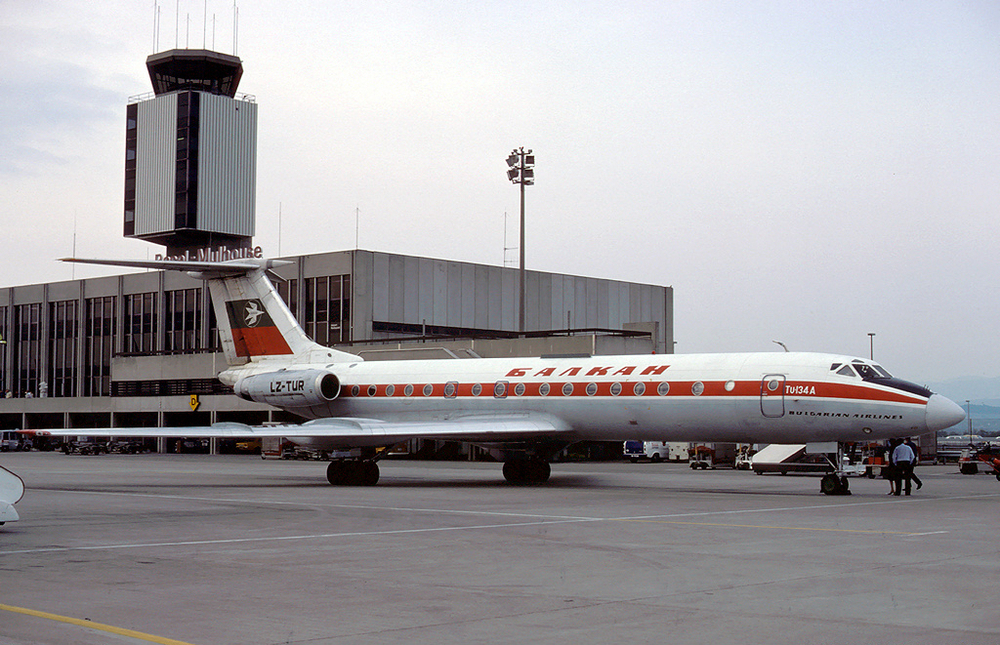
1994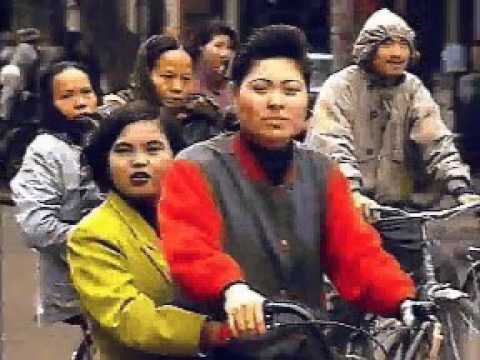
In 1994, President Bill Clinton took a historic step by lifting the U.S. trade embargo against Vietnam, a move that marked a significant turning point in the relationship between the two nations. The embargo, which had been in place since the end of the Vietnam War in 1975, had effectively isolated Vietnam from the global economy and hindered its development efforts. By lifting the embargo, President Clinton opened the door to normalized diplomatic and economic relations, signaling the beginning of a new chapter in U.S.-Vietnam ties. This decision was seen as a bold move towards reconciliation, as it allowed American businesses to engage with Vietnam, paving the way for increased trade, investment, and cooperation between the two countries.
The lifting of the trade embargo in 1994 had profound implications for Vietnam's economic growth and integration into the global market. It enabled Vietnam to attract foreign investment, access new markets, and participate in international trade, which were crucial for its post-war recovery and modernization efforts. For the United States, this move reflected a growing recognition of the strategic and economic importance of Vietnam in the broader Asia-Pacific region. The decision also resonated deeply with veterans and families on both sides, as it represented a significant step towards healing the wounds of war and building a future based on mutual respect and shared interests.
#MomentsOfLife #MoofLife_Moment #MoofLife #USVietnamRelations #TradeEmbargo #BillClinton #EconomicReform #DiplomaticRelations
View details1989
In 1989, tensions reached a boiling point in Hong Kong as riots erupted in response to the government's decision to forcibly repatriate Vietnamese refugees. These refugees, often referred to as "boat people," had fled Vietnam in the aftermath of the Vietnam War, seeking asylum from the harsh conditions and political persecution they faced in their homeland. For years, they had been housed in overcrowded refugee camps across Hong Kong, with hopes of being resettled in other countries. However, as international support waned and the number of refugees continued to grow, the Hong Kong government, under pressure to manage the situation, decided to implement a policy of forced repatriation.
The announcement of this policy ignited widespread unrest among the refugee population, leading to violent clashes between the refugees and the authorities. The refugees, who feared persecution and even death if returned to Vietnam, resisted the forced deportations with desperate determination. The ensuing riots saw chaotic scenes in the camps, with refugees setting fires, barricading themselves in, and confronting police forces. The violence and the humanitarian crisis it highlighted drew international attention, sparking debates about the ethics of forced repatriation and the responsibilities of the global community towards refugees. The 1989 riots remain a stark reminder of the complexities and challenges of addressing refugee crises, especially in regions struggling with limited resources and international support.
#MomentsOfLife #MoofLife_Moment #MoofLife #VietnameseRefugees #HongKong #ForcedRepatriation #RefugeeRights #HumanitarianCrisis
View details1986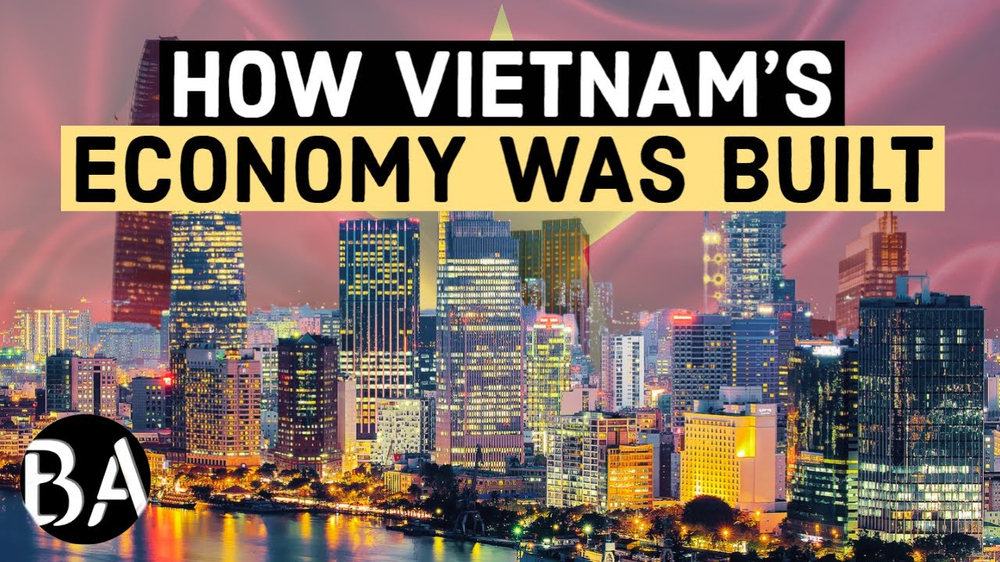
The Doi Moi economic reforms marked a pivotal moment in Vietnam's history. Initiated in response to the country's struggling economy and inefficient centralized planning, these reforms aimed to transition Vietnam towards a socialist-oriented market economy.
The background leading up to the Doi Moi reforms was characterized by economic stagnation and scarcity resulting from years of war and misguided policies. The Vietnamese government recognized the need for change and began implementing measures to liberalize the economy, encourage private enterprise, and attract foreign investment.
The impact of the Doi Moi reforms was substantial, leading to significant growth in Vietnam's GDP, expansion of trade and investment, and poverty reduction. These reforms transformed Vietnam into one of the fastest-growing economies in the region, attracting foreign companies eager to capitalize on the country's potential.
Key facts about the Doi Moi reforms include the introduction of market-oriented policies, decentralization of economic decision-making, and the establishment of special economic zones to promote foreign investment. These changes spurred rapid industrialization and urbanization, propelling Vietnam towards becoming a dynamic emerging market.
The Doi Moi economic reforms revolutionized Vietnam's economy, creating new opportunities for growth and development. Despite challenges and inequalities that arose as a result of these reforms, Vietnam's transformation into a market-oriented economy has been largely successful, positioning the country as a key player in the global economy.
#Vietnam #DoiMoi #EconomicReforms #MarketOriented #Growth
View details1979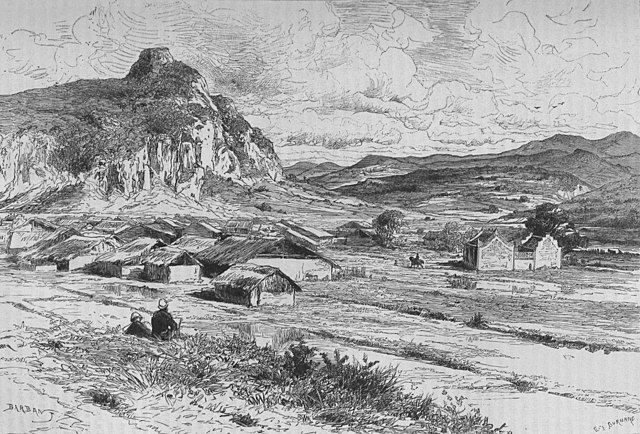
The Battle of Đồng Đăng, a major confrontation between Vietnamese and Chinese forces, took place in the northern region of Vietnam. Tensions had been escalating between the two countries due to territorial disputes and the Vietnamese invasion of Cambodia. The conflict culminated in a large-scale military engagement in the Đồng Đăng area.
The Battle of Đồng Đăng had significant impacts on both sides. The Vietnamese forces, despite being outnumbered, managed to repel the Chinese invasion and inflict heavy casualties. The Chinese, on the other hand, suffered a strategic setback and failed to achieve their objectives in the region. The battle highlighted the tenacity and resilience of the Vietnamese military and boosted morale within the country.
In the aftermath of the battle, both Vietnam and China faced international scrutiny and condemnation for their roles in the conflict. The United Nations called for a peaceful resolution to the dispute and urged both parties to exercise restraint. The Battle of Đồng Đăng underscored the volatile nature of regional geopolitics and the potential for escalation between neighboring countries.
The legacy of the Battle of Đồng Đăng continues to shape relations between Vietnam and China to this day. It serves as a reminder of the complex historical animosities and territorial conflicts that persist in the region. The battle remains a significant chapter in the military history of Vietnam and a symbol of the country's defiance against foreign aggression.
#BattleofĐồngĐăng #VietnamChinaConflict #MilitaryHistory
View details1977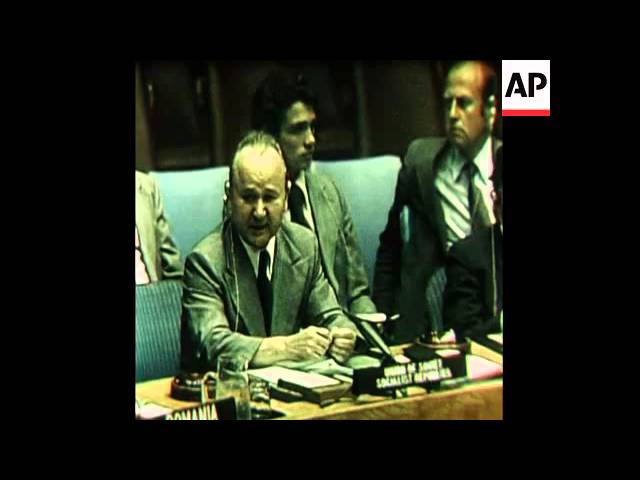
In 1977, Vietnam made history by officially becoming a member of the United Nations. This significant milestone came after years of diplomatic efforts following the end of the Vietnam War in 1975.
Vietnam's accession to the UN marked a crucial step towards international reintegration and recognition of its sovereignty. The country's admission to the organization affirmed its commitment to upholding the principles of the UN Charter and participating in global initiatives for peace, security, and development.
Joining the United Nations provided Vietnam with a platform to engage in multilateral cooperation, promote dialogue and diplomacy, and contribute to addressing key global challenges. It also opened up opportunities for the country to collaborate with other nations, share experiences, and learn from best practices in various fields, including sustainable development, human rights, and peacekeeping.
As a member of the UN, Vietnam has actively participated in the work of the General Assembly, Security Council, and other UN bodies. The country has consistently advocated for the peaceful resolution of conflicts, poverty eradication, climate action, and the promotion of human rights and gender equality on the global stage.
Vietnam's membership in the United Nations has not only enhanced its international standing but also demonstrated its commitment to being a responsible and proactive member of the global community. By engaging with the UN and its agencies, Vietnam has been able to contribute to shaping the international agenda, advancing common goals, and fostering cooperation among nations.
#VietnamUN #GlobalDiplomacy #MultilateralCooperation #SovereigntyRecognition
View details1976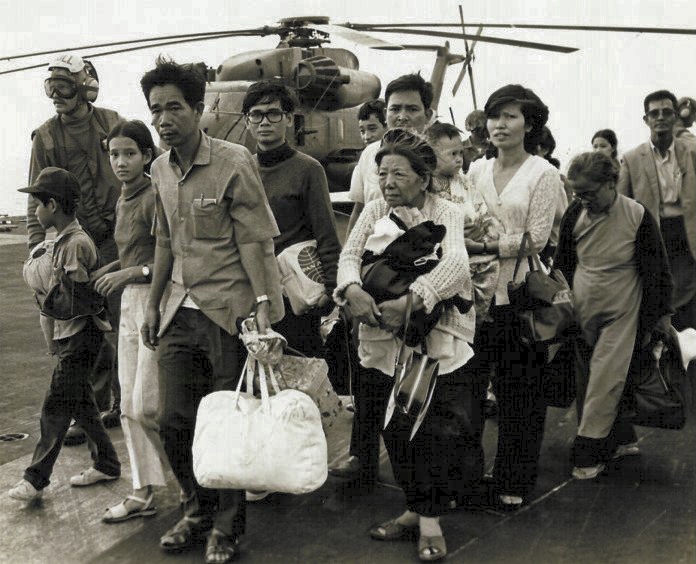
Following years of conflict and division after the Vietnam War, North and South Vietnam officially reunified to form the Socialist Republic of Vietnam on 7/2/1976. The reunification marked the end of a lengthy and tumultuous period in Vietnamese history.
The background of the reunification can be traced back to the Geneva Accords of 1954, which temporarily divided Vietnam at the 17th parallel into communist North Vietnam and anti-communist South Vietnam. This division ultimately led to the Vietnam War, a conflict that ravaged the country and its people for nearly two decades.
The reunification brought about significant changes to the political, social, and economic landscape of Vietnam. The new government faced the immense challenge of rebuilding the war-torn nation and reconciling the differences between the formerly separate regions. Despite these challenges, the reunification marked a new chapter in Vietnamese history, symbolizing a fresh start and a unified vision for the country's future.
Economically, the reunification allowed for the implementation of socialist policies across the country, leading to the establishment of a centrally planned economy. Socially, efforts were made to integrate the populations of the North and South, promoting national unity and solidarity. Politically, the reunification consolidated power under the Communist Party of Vietnam, establishing a single governing authority for the entire nation.
The reunification of North and South Vietnam was a momentous event that reshaped the course of Vietnamese history. It served as a turning point in the country's journey towards unity, stability, and development, setting the stage for Vietnam to emerge as a resilient and vibrant nation on the global stage.
#VietnamReunification #SocialistRepublic #UnityEmerges
View details1975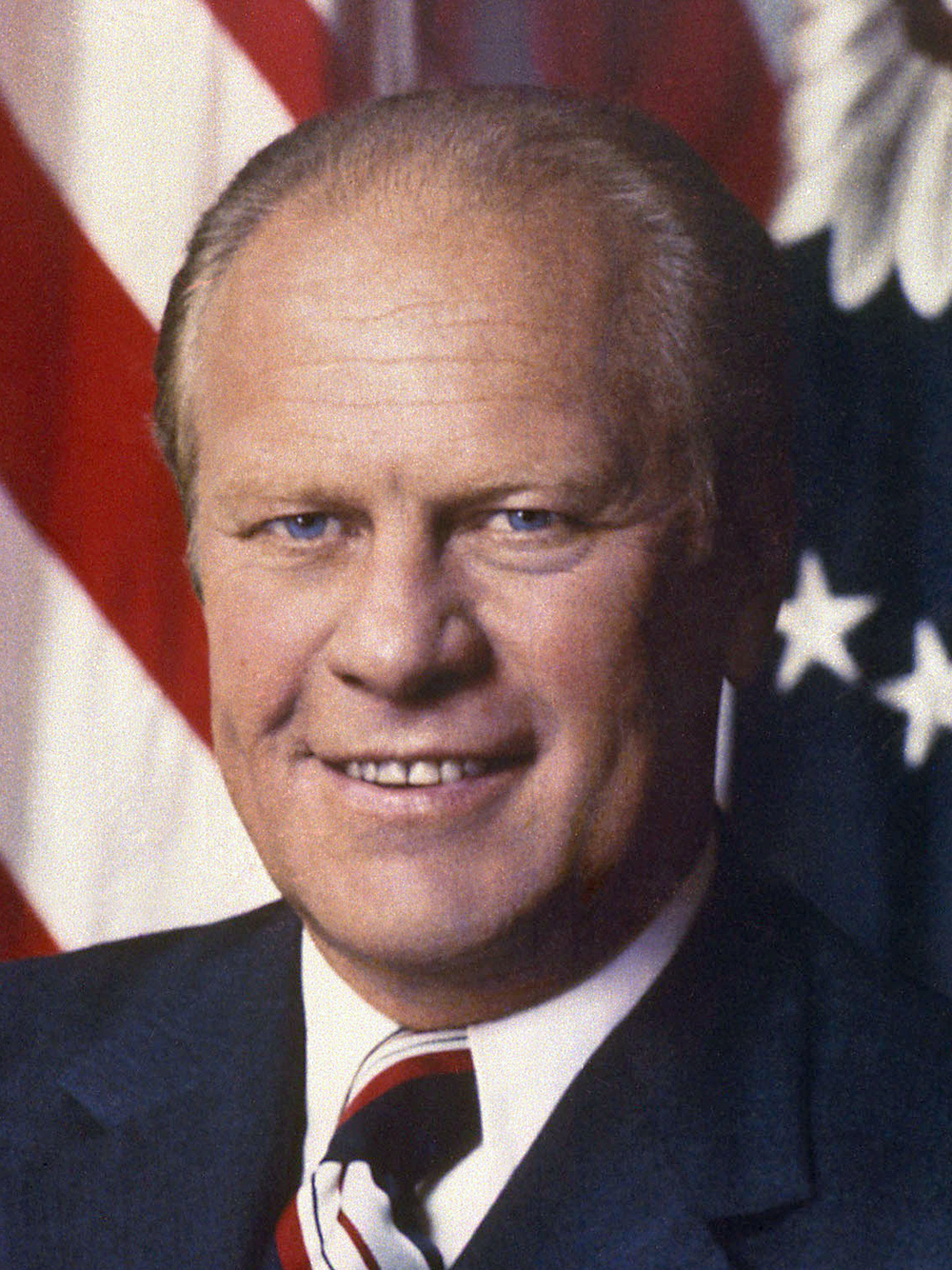
On May 7, 1975, U.S. President Gerald Ford declared an official end to the "Vietnam Era," marking a significant moment in American history and bringing closure to a conflict that had deeply divided the nation. This announcement came just days after the fall of Saigon on April 30, 1975, which effectively ended the Vietnam War with the victory of North Vietnamese forces and the unification of Vietnam under communist control.
Context and Background
The Vietnam War, which spanned from November 1, 1955, to April 30, 1975, was a protracted conflict that pitted the communist forces of North Vietnam and their allies in the Viet Cong against South Vietnam and its principal ally, the United States. The war was part of the broader context of the Cold War, wherein the U.S. aimed to prevent the spread of communism through its policy of containment.
The U.S. involvement in Vietnam escalated significantly in the 1960s, leading to widespread anti-war sentiment, social unrest, and political turmoil within the United States. The war saw significant casualties, with millions of Vietnamese and over 58,000 American soldiers losing their lives. The conflict also left a lasting impact on American society, politics, and foreign policy.
The Fall of Saigon
On April 30, 1975, the capital of South Vietnam, Saigon, fell to North Vietnamese forces. This event marked the collapse of the South Vietnamese government and the end of the war. The iconic images of helicopters evacuating Americans and Vietnamese from the U.S. embassy rooftop in Saigon became symbols of the chaotic end to America's involvement in Vietnam.
President Ford's Declaration
In his address on May 7, 1975, President Gerald Ford stated, "The Vietnam era is ended. The war is over." This declaration was part of a broader effort to heal the nation and move forward from the divisive and traumatic experiences of the Vietnam War.
Ford's statement came during a time when the United States was grappling with the aftermath of the war, including the challenges faced by returning veterans, the social and political divisions it had caused, and the need to rebuild both domestic and international confidence in American leadership.
Implications and Aftermath
Veterans and Healing: President Ford's declaration was an acknowledgment of the sacrifices made by American soldiers and a step towards addressing the needs of Vietnam War veterans. Many veterans faced physical, emotional, and psychological challenges, including post-traumatic stress disorder (PTSD), and struggled with reintegration into civilian life.
Political and Social Impact: The end of the Vietnam War marked a significant shift in American politics and society. The war had eroded trust in government institutions, leading to increased skepticism and a more questioning attitude towards U.S. foreign policy decisions. It also contributed to the rise of various social movements and changes in public attitudes towards war and military intervention.
Foreign Policy Reevaluation: The Vietnam War prompted a reevaluation of U.S. foreign policy. The concept of the "Vietnam Syndrome" emerged, describing the reluctance of the United States to engage in military interventions abroad due to the fear of becoming entangled in another protracted and unpopular conflict. This influenced U.S. foreign policy for years to come, emphasizing a more cautious and strategic approach to international engagements.
Vietnam and Southeast Asia: For Vietnam, the end of the war meant reunification under communist rule and the beginning of a long period of reconstruction and reconciliation. The war had left the country devastated, with significant human, economic, and infrastructural losses. Over time, Vietnam began to rebuild and eventually opened up to economic reforms and international integration.
#MomentsOfLife #MoofLife_Moment #MoofLife #VietnamWar #EndOfVietnamWar #GeraldFord #VietnamEra #ColdWarHistory #AmericanHistory #USForeignPolicy
View detailsThe swearing-in of South Vietnam General Duong Van Minh as president marked a critical moment in the country's turbulent history. Following the fall of Saigon to North Vietnamese forces, Minh assumed the presidency, inheriting a nation in chaos. Despite his efforts to form a new government and negotiate with the communists, South Vietnam's fate was already sealed.
Minh's brief presidency lasted only a few days, ultimately serving as a symbolic figurehead during the final days of South Vietnam. His efforts to establish a unified front proved futile in the face of the advancing North Vietnamese troops. As Saigon fell on April 30, 1975, Minh found himself powerless to prevent the inevitable defeat.
The swearing-in of General Duong Van Minh as president underscored the collapse of South Vietnam and the end of decades of conflict. It symbolized the final chapter of a divided nation's struggle for unity, paving the way for the reunification of Vietnam under communist rule.
The event encapsulated the complex political and military dynamics that shaped Vietnam's history, highlighting the challenges of governance in the midst of war and foreign intervention. #VietnamWar #SouthVietnam #FallOfSaigon #DuongVanMinh
View details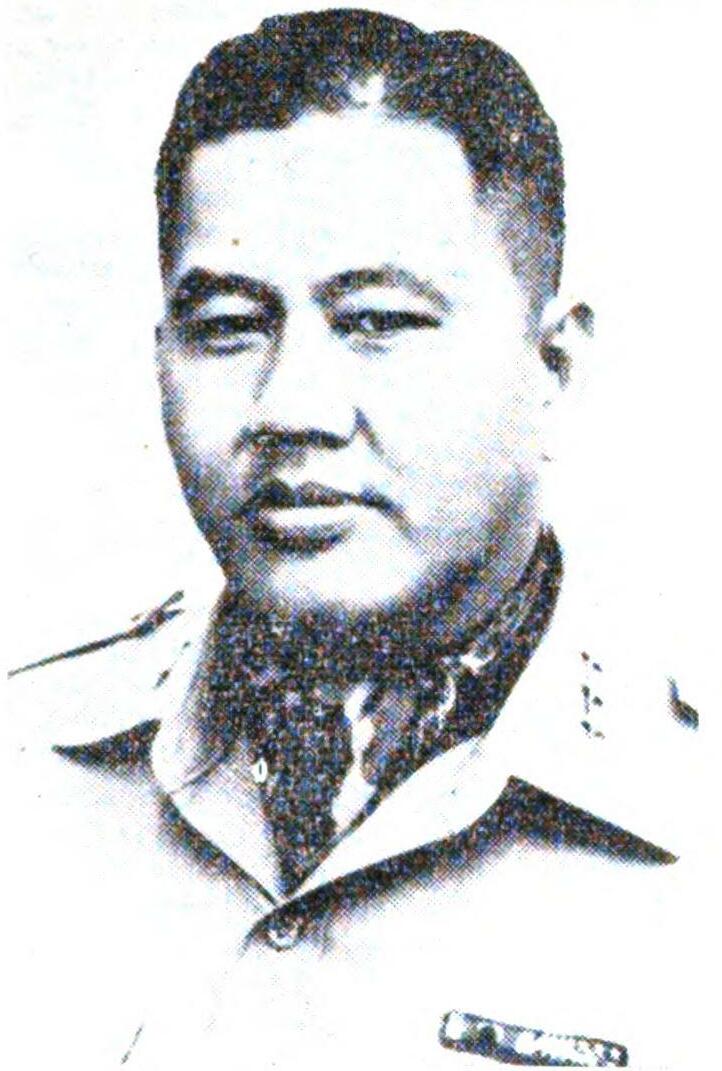
An event in Vietnamese history claimed the lives of 138 individuals when a USAF plane, tasked with evacuating Vietnamese orphans, crashed during an emergency landing at Tân Sơn Nhứt Air Base in South Vietnam.
The operation was part of a larger effort to relocate children from war-torn Vietnam to safety. As the plane approached the air base for the emergency landing, a tragic turn of events led to the fatal crash that resulted in the loss of 138 lives on board. The victims included the orphans, flight crew, and military personnel.
The incident had a significant impact on the evacuation efforts and brought attention to the challenges and risks involved in such missions during times of conflict. The loss of lives, especially young children who were seeking refuge from the turmoil of war, served as a heartbreaking reminder of the human cost of war and conflict.
In the aftermath of the crash, investigations were conducted to determine the cause of the tragedy, and efforts were made to honor the memory of those who lost their lives in the line of duty. The event sparked discussions about the safety measures and protocols in place for emergency evacuations and highlighted the need for thorough planning and preparation in similar operations.
The legacy of the event lives on in the hearts and minds of those affected by the loss of loved ones, as well as in the broader context of Vietnam's history and the impact of war on vulnerable populations. The incident serves as a poignant reminder of the sacrifices made in the pursuit of peace and safety.
#VietnamWar #HumanitarianMission #AviationTragedy
View details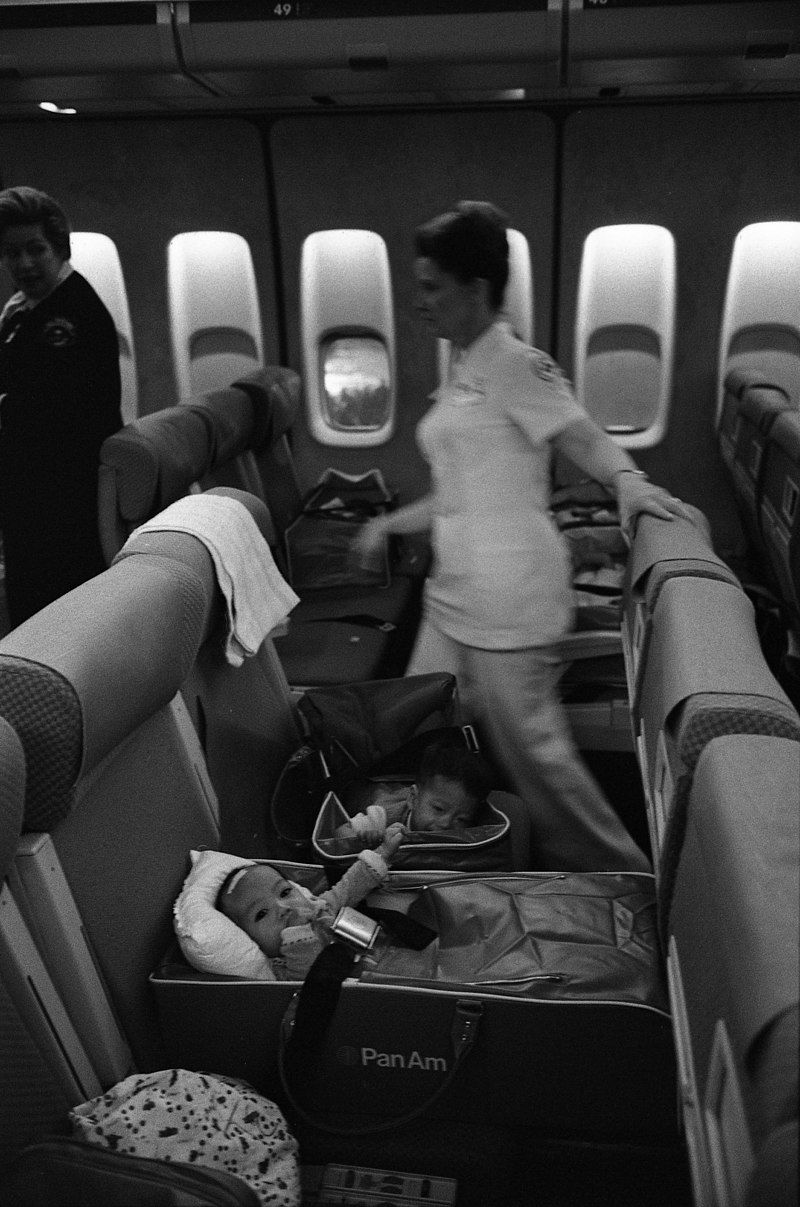
1974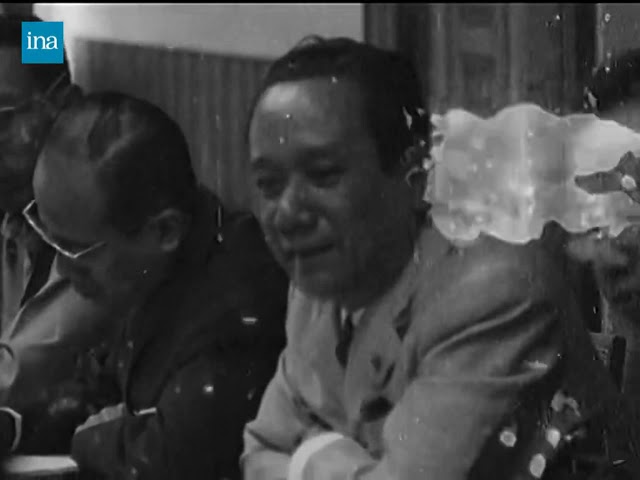
The Battle of Svay Rieng marked a pivotal moment in the conflict between the Vietnamese army and the Cambodian army. The background of the battle lies in the Cambodian government's growing tensions with Vietnam due to political differences and border disputes. In an attempt to assert their authority, the Cambodian army launched an offensive in Svay Rieng province, near the border with Vietnam.
The Vietnamese army swiftly responded by mobilizing their forces to defend against the Cambodian invasion. With strategic planning and superior firepower, the Vietnamese forces were able to outmaneuver and overpower the Cambodian army. The battle culminated in a decisive victory for the Vietnamese, causing heavy casualties among the Cambodian troops and forcing them to retreat.
The impact of the Battle of Svay Rieng was significant in shaping the dynamics of the Vietnam-Cambodia conflict. It demonstrated the military prowess of the Vietnamese army and solidified their position as a formidable force in the region. The defeat suffered by the Cambodian army served as a harsh reminder of the consequences of antagonizing Vietnam.
Overall, the Battle of Svay Rieng highlighted the complex geopolitical tensions and power struggles that characterized Southeast Asia during that period. It showcased Vietnam's determination to defend its interests and protect its borders against external threats.
#Vietnam #Cambodia #BattleofSvayRieng #MilitaryConflict #Geopolitics
View detailsIn become the first Vietnam War veteran elected to the United States Congress, John Murtha of Pennsylvania made history. Murtha served in the Marines, earning two Purple Hearts and a Bronze Star for his bravery in the Vietnam War. His military background and advocacy for veterans' rights were key components of his campaign.
Upon his election, Murtha focused his efforts on military and defense issues, becoming a prominent voice in Congress on these matters. He was known for his strong stance on national security and for being a vocal critic of the Vietnam War, despite having served there himself. His experience and expertise in military affairs made him a respected figure within the legislature.
Murtha's election was significant as it marked a shift in the political landscape, with more veterans of the Vietnam War entering politics and bringing their unique perspectives to the table. His tenure in Congress opened the door for other veterans to follow in his footsteps and make their voices heard in shaping policy decisions.
The election of John Murtha as the first Vietnam War veteran in Congress was a milestone moment in American political history. His dedication to serving his country, both in the military and in government, left a lasting impact on the nation's approach to defense and veterans' issues. #JohnMurtha #VietnamWar #VeteransInPolitics
View details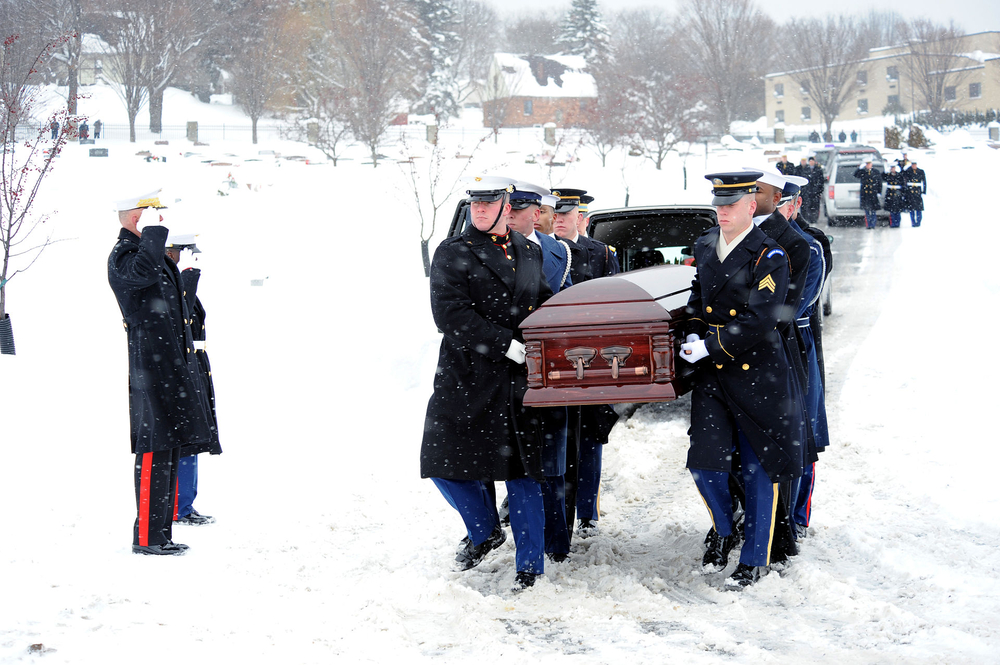
1973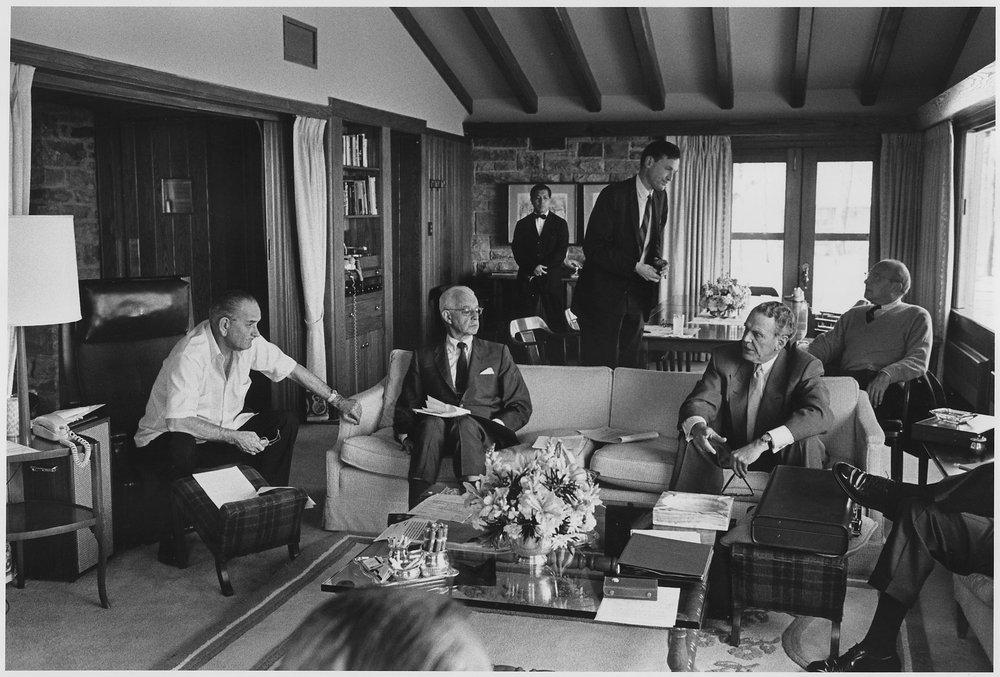
Ellsworth Bunker, the US ambassador to South Vietnam, resigned from his position amidst the ongoing conflict in Vietnam. Bunker's resignation came during a turbulent period as the United States was withdrawing its troops from Vietnam following the signing of the Paris Peace Accords to end the war.
Bunker, a seasoned diplomat with extensive experience in foreign affairs, had been appointed as ambassador to South Vietnam in 1967 during a critical phase of the Vietnam War. His tenure was marked by intense political and military developments as the US sought to support the South Vietnamese government against the communist forces of North Vietnam.
The decision by Bunker to resign was seen as a significant development in the US involvement in Vietnam. His departure indicated a shift in the American foreign policy approach towards the conflict and reflected the changing dynamics in the region. Bunker's resignation also symbolized the waning influence of the US in Vietnam as the country struggled to find its own path towards stability and peace.
Following Bunker's resignation, the US continued to gradually disengage from Vietnam, eventually leading to the fall of Saigon in 1975 and the reunification of North and South Vietnam under communist rule. The resignation of Bunker served as a prelude to the eventual end of US military involvement in Vietnam and the start of a new chapter in the country's history.
#VietnamWar #USForeignPolicy #DiplomaticResignation
View detailsFollowing the Gulf of Tonkin Resolution, US troops were deployed in Vietnam. The conflict escalated, leading to significant casualties and opposition to the war back home. After years of involvement, the US decided to withdraw its troops from Vietnam. On the day of departure, the last remaining troops left the country, marking the end of a lengthy and controversial military campaign.
The withdrawal of US troops from Vietnam had a profound impact on both countries. For the US, it brought an end to a divisive war that had lasted for years, claiming the lives of many soldiers and stirring up strong anti-war sentiment among the American public. In Vietnam, the departure of US troops signaled the beginning of a new chapter, as the country sought to rebuild and move forward from the devastation of war.
The aftermath of the US troops leaving Vietnam was complex and multilayered. The war's legacy continued to impact both countries for years to come, with Vietnam facing the challenge of post-war reconstruction and the US grappling with the consequences of its involvement in the conflict. The withdrawal of US troops from Vietnam marked a turning point in the history of both nations, shaping their futures in ways that are still felt today.
#VietnamWar #USMilitary #HistoricalEvent #ForeignPolicy
View details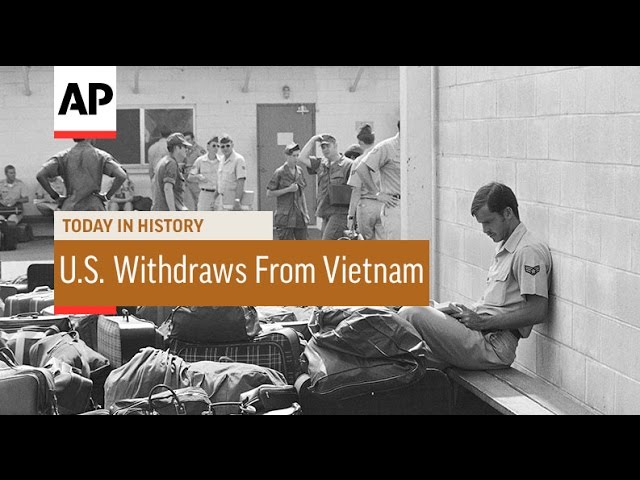
The Paris Peace Accords marked the end of the Vietnam War, a conflict that had lasted for years and caused immense suffering to the people of Vietnam. The agreement was signed by the United States, South Vietnam, North Vietnam, and the Viet Cong, aiming to achieve peace and political stability in the region.
Leading up to the Peace Accords, the war had taken a heavy toll on both sides, resulting in significant loss of life and widespread destruction. The negotiations in Paris were mediated by various international parties and culminated in a ceasefire agreement. The Accords also outlined the withdrawal of American troops from Vietnam and established a process for the exchange of prisoners of war.
The impact of the Paris Peace Accords was significant, as it brought an end to direct U.S. military involvement in Vietnam and paved the way for the eventual reunification of North and South Vietnam. However, the agreement was fragile, and the peace it brought was short-lived. In 1975, North Vietnam launched a military offensive that led to the fall of Saigon and the reunification of the country under communist rule.
Despite its limitations, the Paris Peace Accords represented a crucial moment in the history of the Vietnam War. The agreement signified a desire for peace and a recognition of the need to end the conflict that had caused so much suffering. It remains a symbol of the challenges of warfare and the complexities of achieving lasting peace in a war-torn region.
#VietnamWar #ParisPeaceAccords #PeaceProcess
View details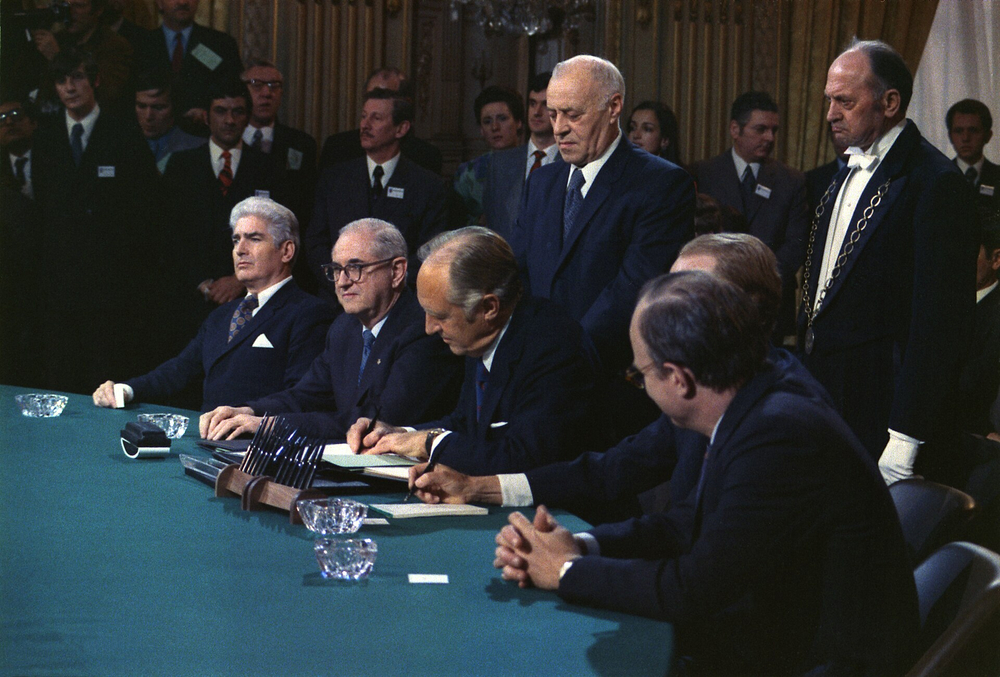
1972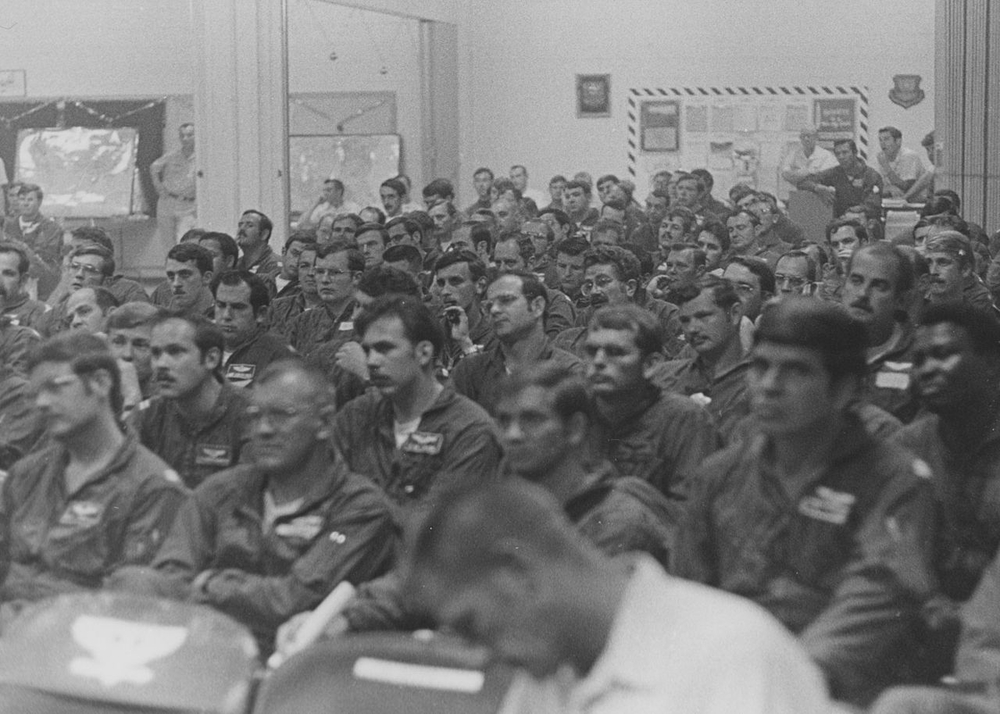
Operation Linebacker II commenced as US forces escalated their bombing campaign over North Vietnam after peace negotiations broke down. The operation aimed to pressure the North Vietnamese into accepting the terms proposed at the Paris Peace Accords.
The intensive bombing lasted for twelve days and involved B-52 bombers unleashing a devastating aerial assault on military and industrial targets in Hanoi and Haiphong. The US dropped over 20,000 tons of bombs during this period, causing widespread destruction and casualties among the North Vietnamese population.
The impact of Operation Linebacker II was significant. The relentless bombing raids led to a massive outcry both domestically and internationally, further polarizing opinion on the war. The operation also raised questions about the morality and effectiveness of such heavy-handed tactics in achieving military objectives.
Despite the heavy bombing, the North Vietnamese leadership did not concede to the US demands immediately. However, the damage inflicted during Linebacker II weakened their resolve and paved the way for subsequent negotiations that eventually led to the signing of the Paris Peace Accords in January 1973.
Operation Linebacker II exposed the grim reality of the Vietnam War and the toll it took on both sides. The event highlighted the brutality of modern warfare and the human cost of political conflicts. It also underscored the complexities of achieving peace through military means.
#OperationLinebackerII #VietnamWar #PeaceNegotiations #AerialAssault #ParisPeaceAccords
View details1968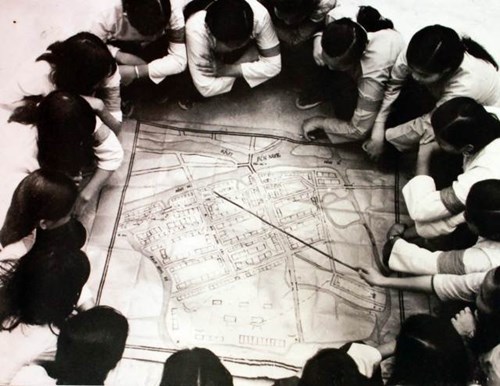
The Tet Offensive marked a turning point in the Vietnam War. The North Vietnamese and Viet Cong launched a surprise attack against South Vietnam and the United States. Despite being a military failure for the communist forces, it had a significant impact on public opinion in the United States. The offensive shattered the belief that the end of the war was near and fueled anti-war sentiment. The attack on major cities, including the capital Saigon, led to fierce battles and heavy casualties on both sides.
The Tet Offensive began during the Vietnam War, catching the US and South Vietnamese forces off guard. It was a coordinated series of attacks during a ceasefire for the Vietnamese New Year, Tet. The communists hoped to spark a general uprising among the South Vietnamese population, but this did not materialize. The US and South Vietnamese forces, despite being initially surprised, managed to regroup and repel the attacks after weeks of intense fighting.
The Tet Offensive had both military and psychological impacts. While the US military succeeded in pushing back the communist forces, the widespread media coverage of the attacks shocked the American public. The perception of the war shifted, fueling protests and calls for withdrawal. The offensive also exposed the stark disconnect between the optimistic reports from the US government and the harsh realities on the ground.
In conclusion, the Tet Offensive during the Vietnam War was a strategic failure for the communist forces but a turning point in the conflict. It highlighted the resilience of the US and South Vietnamese forces but also deepened the divide among the American public regarding the war effort. The event's lasting impact on public opinion and the conduct of the war cannot be understated.
#TetOffensive #VietnamWar #TurningPoint
View details