Daylight Saving Time Introduced in Multiple Australian States
Australia
Social
4 min read
Updated By: History Editorial Network (HEN)
Published:
Updated:
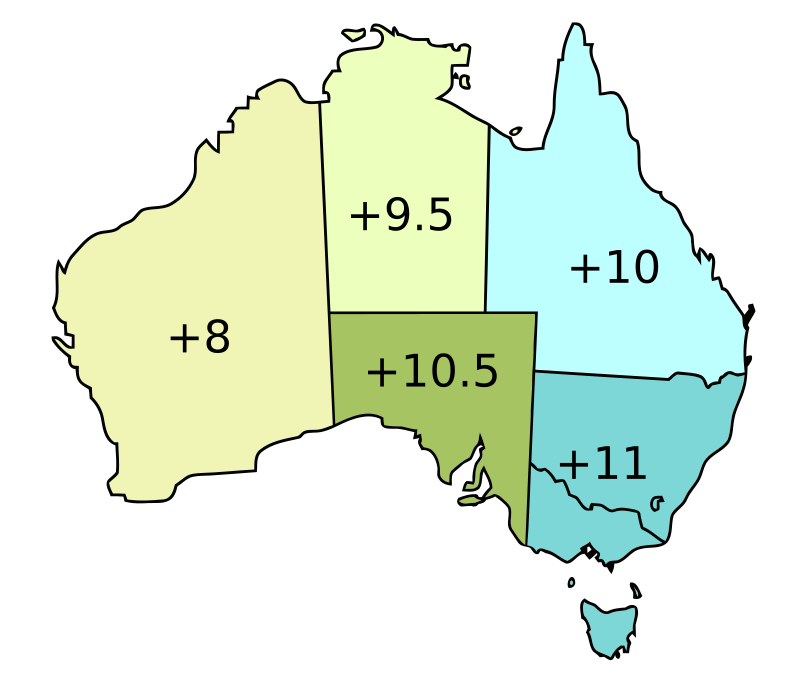
In 1971, Daylight Saving Time was officially introduced to New South Wales, Victoria, Queensland, South Australia, and the Australian Capital Territory. This decision aimed to maximize daylight hours during the longer days of summer, leading to energy conservation and increased productivity.
The implementation of Daylight Saving Time in these states and territories meant that clocks were set forward by one hour during the summer months. This shift allowed residents to make the most of the extended daylight hours in the evenings for various activities like outdoor sports, social gatherings, and leisure. Additionally, the adoption of Daylight Saving Time aimed to align these regions with international standards and foster consistency across Australia.
The introduction of Daylight Saving Time brought about both positive and negative impacts. While it provided opportunities for extended recreational activities and reduced energy consumption through decreased demand for artificial lighting, some individuals experienced disruptions to their daily routines, particularly in the adjustment period following the time change. Over time, the practice became ingrained in the lifestyle of residents in the aforementioned states and territories, with many people appreciating the benefits it offered during the summer season.
In light of the introduction of Daylight Saving Time in 1971, it marked a significant shift in timekeeping practices and sparked ongoing debates about its relevance and effectiveness in modern-day Australia. Ultimately, the event highlighted the importance of adapting to changing environmental conditions and optimizing daylight hours for the betterment of society.
#DaylightSavingTime #Australia #EnergyConservation #SummerActivities
Primary Reference
Daylight saving time in Australia

Explore the Life Moments of
 AI Twin