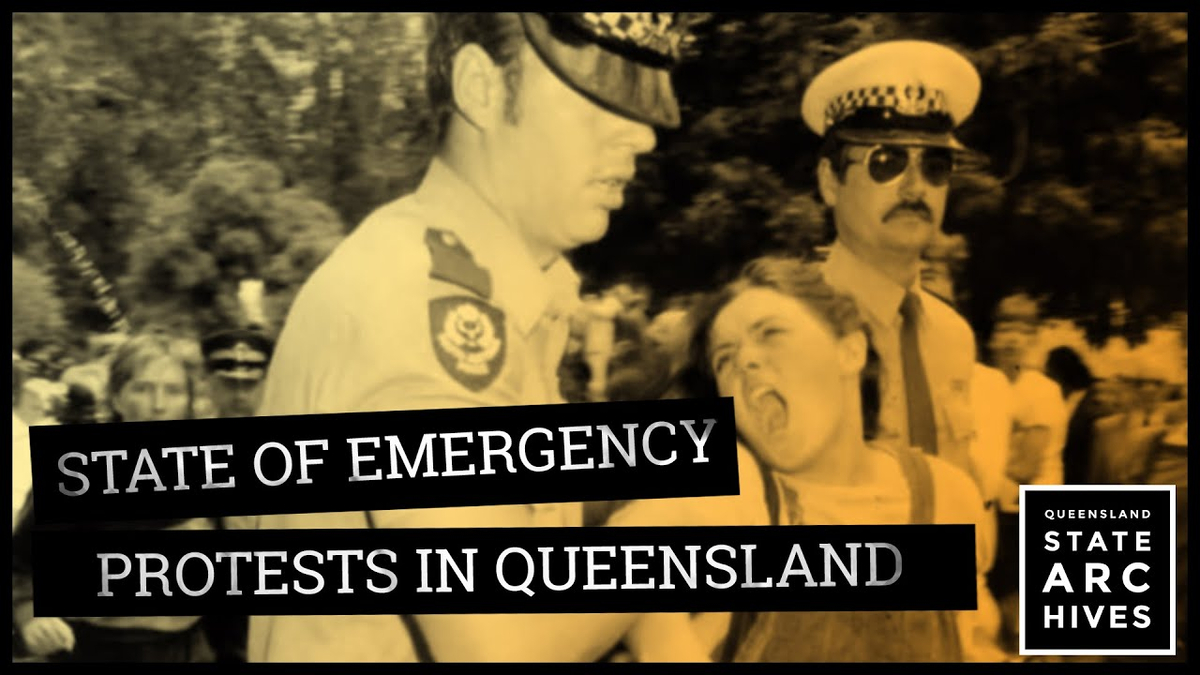
Springbok Tour Protests Spark QLD State of Emergency
Australia
Political
Social Justice
4 min read
Updated By: History Editorial Network (HEN)
Published:
Updated:
The 1971 Springbok tour sparked protests all throughout Australia. The Springboks were South Africa's national rugby team, and their tour was met with widespread opposition due to South Africa's apartheid policies. The tour divided the nation, with many viewing it as supporting a regime rooted in racial segregation.
Demonstrations began as the Springboks arrived in Australia, with protesters condemning the team's presence and the government's decision to allow the tour. In Queensland, Premier Joh Bjelke-Petersen responded to escalating protests by declaring a state of emergency. This move granted authorities increased powers to control the demonstrations, leading to arrests and clashes between protesters and law enforcement.
The state of emergency in Queensland heightened tensions and drew national attention to the protests against the Springbok tour. The demonstrations reflected a growing anti-apartheid sentiment in Australia and added pressure on the government to take a stance against apartheid.
In response to the protests and widespread public outcry, the Australian government faced criticism for allowing the Springbok tour to proceed. The events surrounding the 1971 Springbok tour highlighted the deep-rooted opposition to apartheid and raised awareness about the connections between sports, politics, and human rights.
The protests during the Springbok tour and the declaration of a state of emergency in Queensland underscored the power of public dissent in advocating for social change and condemning injustices. The events of that time continue to serve as a reminder of the importance of standing up against systems of oppression and injustice.
#SpringbokTour #ApartheidProtests #StateOfEmergency #HumanRights #SocialJustice

Explore the Life Moments of
 AI Twin