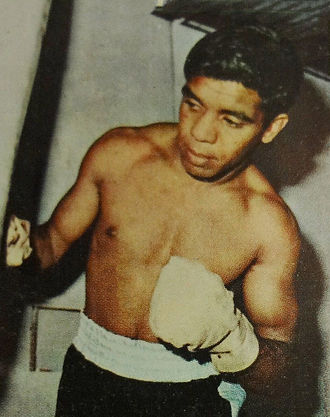
Aboriginal boxing champion Lionel Rose defeats Masahiko "Fighting" Harada in Japan to become the world bantamweight champion.
Australia
8 min read
Updated By: History Editorial Network (HEN)
Published:
Updated:
In 1968, Lionel Rose, an Aboriginal Australian boxer, made history by defeating Masahiko "Fighting" Harada in Tokyo, Japan, to become the world bantamweight champion. This victory was a monumental achievement, not only for Rose but also for Australian sports and the Aboriginal community, marking a significant moment in the country's history.
Background: Lionel Rose's Rise
Lionel Rose was born on June 21, 1948, in Jacksons Track, Victoria. Growing up in a poor Aboriginal family, Rose faced numerous challenges and discrimination but found solace and a sense of purpose in boxing. Under the guidance of his father, Roy Rose, and later trainer Jack Rennie, Rose honed his skills and quickly rose through the ranks of Australian boxing.
The Championship Fight
On February 27, 1968, at the Nippon Budokan Hall in Tokyo, Lionel Rose faced Masahiko "Fighting" Harada, the reigning world bantamweight champion and a formidable opponent known for his aggressive style and stamina. Harada was a two-time world champion and highly favored to win the match. The bout attracted significant attention, as it was a rare occasion for an Aboriginal Australian to compete on such an international stage.
Despite the odds, Rose showcased exceptional skill, speed, and strategy throughout the 15-round match. He utilized his defensive prowess and counterpunching ability to outmaneuver Harada, landing precise and effective blows while avoiding much of Harada's onslaught. The judges' decision was unanimous in favor of Rose, making him the first Indigenous Australian to win a world boxing title.
Impact of the Victory
Lionel Rose's victory had profound implications for Australian sports and society:
National Pride: Rose's win was celebrated across Australia, with the public hailing him as a national hero. His success brought immense pride to Australians and highlighted the potential of Indigenous athletes.
Inspiration for Indigenous Australians: Rose became a symbol of hope and inspiration for the Aboriginal community. His triumph demonstrated that Indigenous Australians could overcome systemic barriers and achieve greatness on the world stage.
Breaking Barriers: Rose's victory challenged the prevailing racial prejudices and stereotypes of the time. It was a significant step towards greater recognition and respect for Aboriginal people in Australian society.
Legacy in Boxing: Rose's achievement paved the way for future generations of Australian boxers. He set a high standard for skill, determination, and sportsmanship, influencing many young athletes to pursue boxing.
Post-Championship Career and Legacy
Following his victory, Lionel Rose enjoyed a successful boxing career, defending his title several times before losing it in 1969 to Rubén Olivares. He retired from professional boxing in 1976 with an impressive record.
Beyond his sporting achievements, Rose became a cultural icon. He was awarded the Australian of the Year in 1968, the first Aboriginal Australian to receive this honor. Rose's contributions to sport and society were further recognized with his induction into the Sport Australia Hall of Fame and the World Boxing Hall of Fame.
Rose also pursued a music career, releasing several country and pop songs that resonated with his fans. Despite facing personal challenges later in life, including health issues and struggles with addiction, Rose remained a beloved and respected figure until his death in 2011.
#MomentsOfLife #MoofLife_Moment #MoofLife #LionelRose #WorldChampion #BoxingHistory #IndigenousAustralian #AustralianSports #CulturalImpact

Explore the Life Moments of
 AI Twin