
Venezuela

The Country of a Thousand Landscapes
About
#Crisis
#Venezuela
#LatinAmerica
#TravelVenezuela
Life Classifications
Country, Caracas
Life ID
EL0120002536269
Verified Name
venezuela
Life Type
Entity Life
Life Editor(s)
History Editorial Network (HEN)
Life Privacy
Public
Subscription
Elite
Created On
2024-08-07
Updated On
2026-01-04
Connect
Related Lives
Qatar
The Jewel of the Middle East.
China
Land of Silk
Nepal
The Land of Himalayas

Mayan Civilization
Masters of Time and Stone

Bhutan
Land of the Thunder Dragon

Saudi Arabia
A Land of Heritage and Innovation
Japan
The Land of the Rising Sun
Dominican Republic
A Caribbean Paradise

2026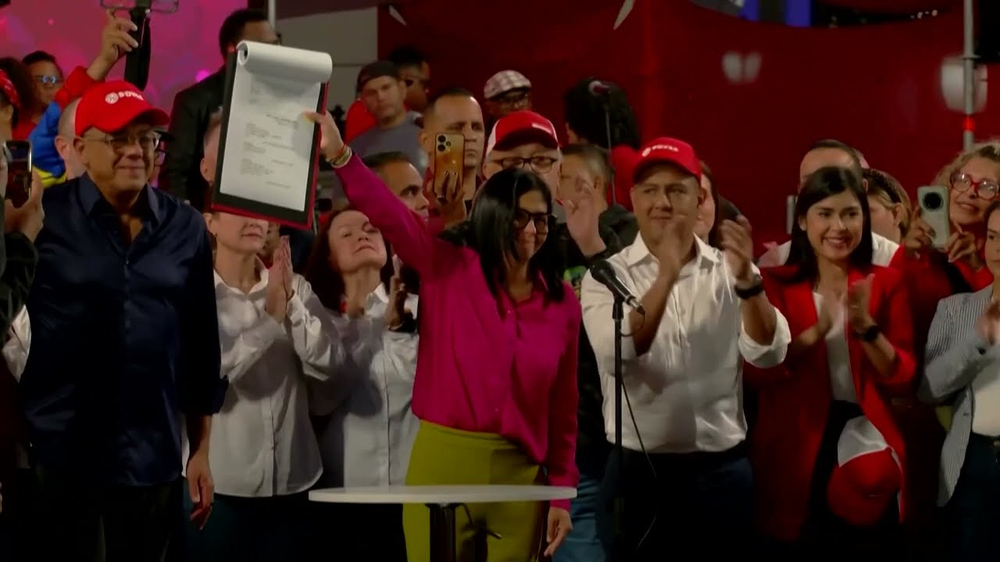
On 29-Jan-2026, Venezuela enacted a sweeping hydrocarbons law reform that breaks decades of state monopoly and gives private operators far greater autonomy to produce, export, and sell oil-part of a fast-tracked push to attract investment and lift output.
Venezuela’s legislature passed a fast-tracked reform of the country’s main oil law-described as a move to grant autonomy to private producers, enable new contract models, and make it easier to bring in foreign and domestic investment after years of strict state control.
Acting/Interim President Delcy Rodríguez signed the overhaul into law, according to reporting on the signing and the legislative action.
The biggest legal changes:
1) Monopoly broken; new ways to operate without mandatory PDVSA joint ventures
The reform breaks long-standing monopoly features and introduces contract pathways that allow companies to explore/produce/process/export crude without having to form joint ventures with Petróleos de Venezuela under certain models (often described as “production participation” style contracts).
2) Autonomy over oil sales and cash proceeds
A core shift is that private producers gain autonomy to commercialize output and receive cash proceeds, even in cases where they are minority partners in ventures-reducing PDVSA’s control over day-to-day operations and marketing under the revised framework.
3) Production-sharing model formalized
The reform formalizes a production-sharing approach that had been used previously but criticized for opacity-bringing the concept explicitly into the legal framework.
4) Fiscal terms: royalties and taxes become more flexible (with new “hydrocarbon tax” added)
Reporting highlighted multiple fiscal adjustments:
• A 30% royalty is maintained in the reformed structure, while the state gains flexibility to adjust competitiveness.
• The reform “sweetened” terms by removing some extra taxes, enabling income-tax reductions for energy projects, and introducing a new “hydrocarbon tax” to be regulated separately-creating both incentives and new uncertainty around total government take.
• Earlier drafts and reporting referenced the possibility of lowering royalty/tax burdens for special, high-investment projects.
5) Independent arbitration for disputes
The new framework allows contractual disputes to be resolved through independent arbitration, a long-standing demand from foreign companies wary of litigating in local courts.
6) Asset transfers and outsourcing become possible
Late-stage additions to the reform made it possible for authorities to approve asset transfers and outsourcing of oilfield operations, expanding options for restructuring and for bringing in operators/capital.
7) Governance shift: Oil ministry power expands; legislature oversight reduced
The reform shifts approval authority away from the legislature toward the executive/oil ministry-giving the ministry broad power to approve contracts and changes to terms, while proposals aimed at boosting transparency and limiting ministry powers were reported as rejected.
Timeline to document (tight, factual)
• Mid-Jan 2026: Delcy Rodríguez submits the reform proposal to lawmakers.
• 22-Jan-2026: Reform receives an initial legislative approval (“first debate” stage).
• 26-Jan-2026: Business/industry proposals discussed around PDVSA HQ (reported as part of the reform process).
• 29-Jan-2026: Final vote approves the reform; signing is reported the same day.
Why this mattered?
Venezuela’s oil output has been reported as having fallen sharply-from about 3 million b/d (Jan 2008) to roughly 963,000 b/d (Dec 2025)-and the reform was positioned as a bid to reverse decline by improving legal and commercial conditions for investment and operations.
Closely linked “companion moment” (same week): U.S. sanctions easing for oil trade:
• On 29-Jan-2026, the U.S. Treasury Office of Foreign Assets Control issued a broad general license that allows U.S. companies to buy/sell/transport/store/refine Venezuelan crude (while not lifting sanctions on production), and it excludes certain non-U.S. counterparties and non-commercial payment mechanisms.
• The sanctions move was reported as closely following the oil-law approval and tied to an initial 50 million barrel sales arrangement marketed by Vitol and Trafigura.
View detailsOn January 5, 2026, Delcy Rodríguez was formally sworn in as the acting President of Venezuela following the capture of President Nicolás Maduro by United States forces during a military operation earlier that week. Rodríguez, who had been serving as Vice President, was designated to assume the role by Venezuela’s Supreme Tribunal of Justice after Maduro’s detention, and the formal swearing-in occurred in a ceremony held by the National Assembly on the scheduled date.
This transition marked a significant moment in Venezuela’s political landscape amid extraordinary circumstances of foreign military intervention and the high-profile removal of the sitting president. Rodríguez’s assumption of the acting presidency was framed by authorities as necessary to ensure continuity of governance, maintain administrative operations, and respond to both domestic and international reactions. Her position carries full executive authority under constitutional provisions invoked by the court to manage the government in Maduro’s absence.
Since taking office, the acting president has navigated internal power dynamics and external pressures, including engaging in diplomacy, policy initiatives, and legal reforms. The broader context of her leadership continues to shape discussions on Venezuela’s future governance structure, international relations, and national stability.
View details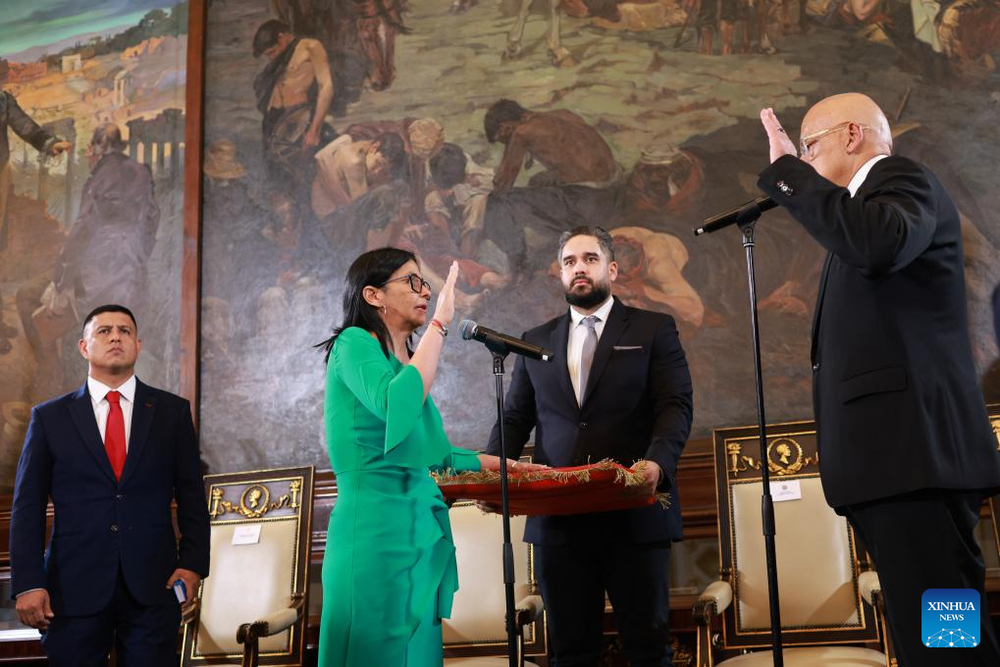
Venezuelan President Nicolás Maduro was captured and flown out of Venezuela in a dramatic U.S. military operation in early January 2026, an unprecedented intervention in the country’s political crisis. The operation, code-named Operation Absolute Resolve, began in the pre-dawn hours of 3 January 2026 when U.S. forces struck military targets and key installations around Caracas to suppress air defences and enable a rapid extraction of Maduro and his wife, Cilia Flores. According to U.S. officials, helicopters entered the capital, took the couple into custody at their compound, and transported them out of Venezuelan territory before flying them to the United States, where Maduro faces federal criminal charges including narcoterrorism and drug-related conspiracies.
The operation was described by U.S. President Donald Trump as the culmination of months of planning and pressure, with Trump asserting that Maduro and his wife “gave up and were taken into custody.” Military officials reported the mission involved coordinated air and ground elements and was executed with no U.S. fatalities. After being flown out of Venezuela, Maduro and Flores appeared in a New York federal court, where they were indicted and pleaded not guilty to the charges.
The capture sparked sharp condemnation from Venezuelan authorities and foreign governments such as Russia, which demanded their release and protested what they called a violation of Venezuelan sovereignty. The incident triggered unrest in parts of Venezuela, raised security concerns for foreign nationals, and intensified debates over international law, regional stability, and U.S. interventionism.
View details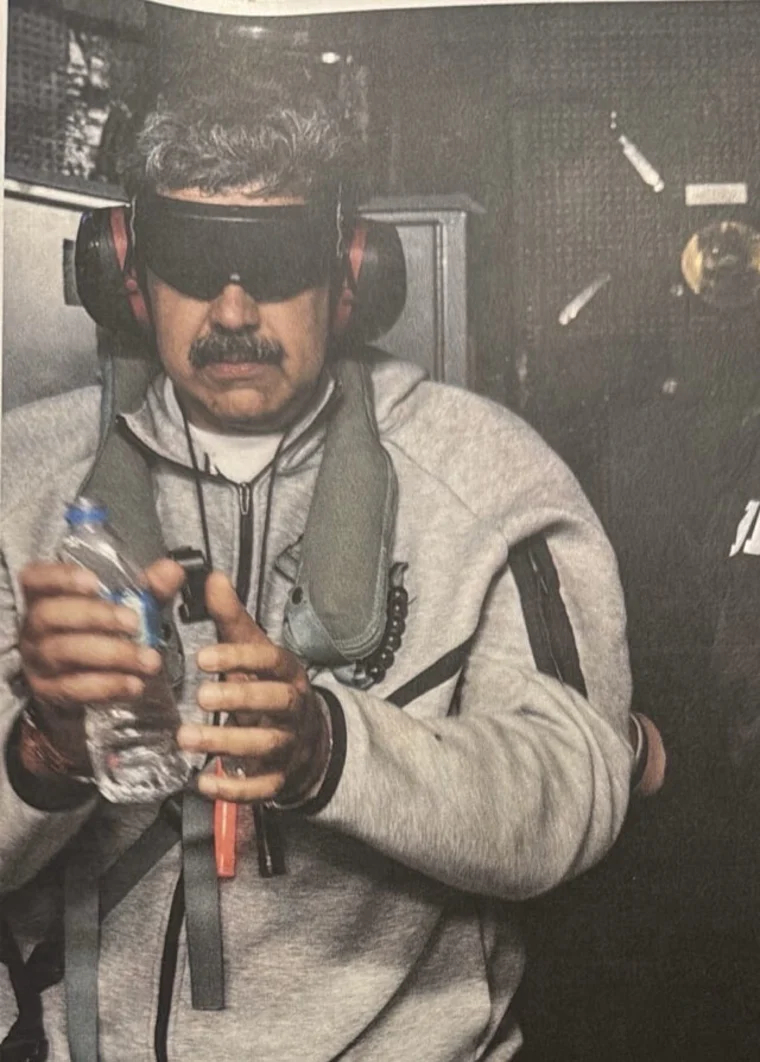
2025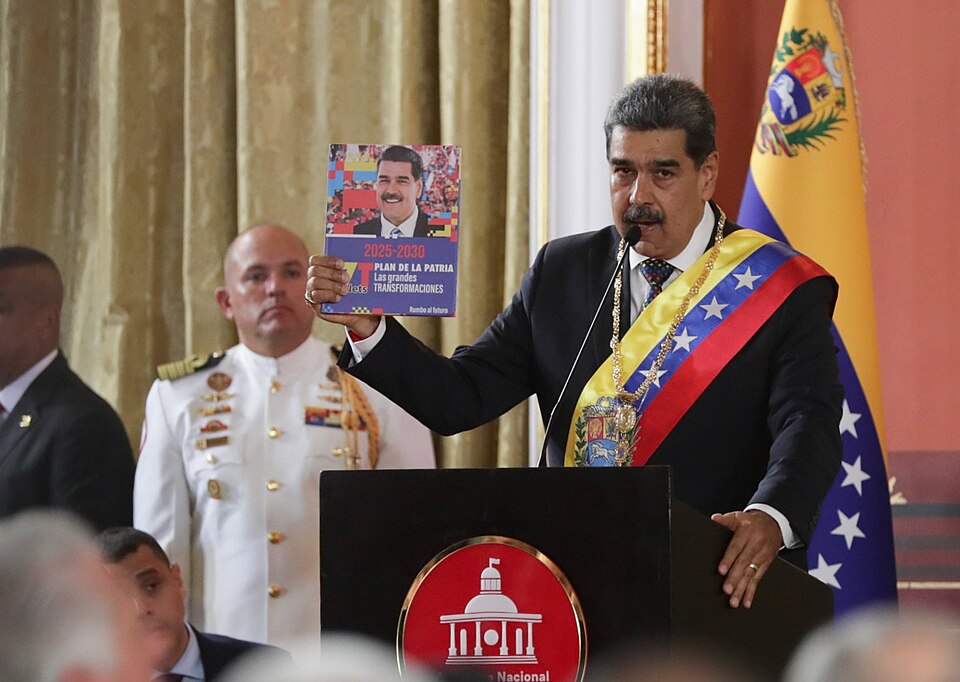
Venezuelan President Nicolás Maduro was sworn in for a third six-year presidential term in a ceremony held at the Federal Legislative Palace in Caracas, despite widespread domestic and international controversy over the legitimacy of the election that led to it. The July 2024 presidential contest, which the government-controlled National Electoral Council (CNE) declared Maduro the winner, was heavily criticised for its lack of transparency, refusal to publish detailed voting data, and reported suppression of opposition activity. Opposition leaders and several foreign governments, including the United States, Canada, and many countries in the Americas and Europe, rejected the result and recognised opposition candidate Edmundo González Urrutia as the rightful winner, arguing the official count did not reflect the will of Venezuelan voters.
During the ceremony, Maduro pledged a term of “peace, prosperity, equality and new democracy,” and insisted he would fulfil his constitutional mandate. However, the inauguration occurred amid protests, arrests of opposition figures, and closures of Venezuela’s borders for security reasons, heightening political tensions. Only a handful of allied countries sent representatives, while many democratic governments boycotted the event and maintained sanctions and diplomatic pressure. Maduro’s swearing-in deepened Venezuela’s political crisis and reinforced perceptions of authoritarian drift under his leadership.
View details2023
Venezuela held a consultative national referendum on 3 December 2023, asking Venezuelan voters about five questions tied to its long-standing claim over the Essequibo region, a large, resource-rich territory that makes up about two-thirds of neighbouring Guyana’s land and has been the subject of a century-long border dispute. The ballot asked whether voters supported rejecting the 1899 Paris Arbitral Award that awarded the territory to British Guiana and whether they backed steps toward incorporating the area as a Venezuelan state called Guayana Esequiba and granting citizenship to residents under Venezuelan law. Venezuelan authorities declared that an overwhelming majority voted in favor of the government’s proposals.
The referendum was non-binding, meaning it did not by itself change any borders, but Caracas portrayed it as a demonstration of domestic support for its claim. Guyana, supported by the Caribbean Community (CARICOM) and other international partners, strongly condemned the referendum and reiterated that the dispute should be resolved through the International Court of Justice (ICJ), which is reviewing the border controversy and has ordered Venezuela to refrain from actions that would alter the status quo while proceedings continue. Guyanese officials also highlighted very high abstention rates in the vote and challenged the legitimacy of the referendum results.
View details2019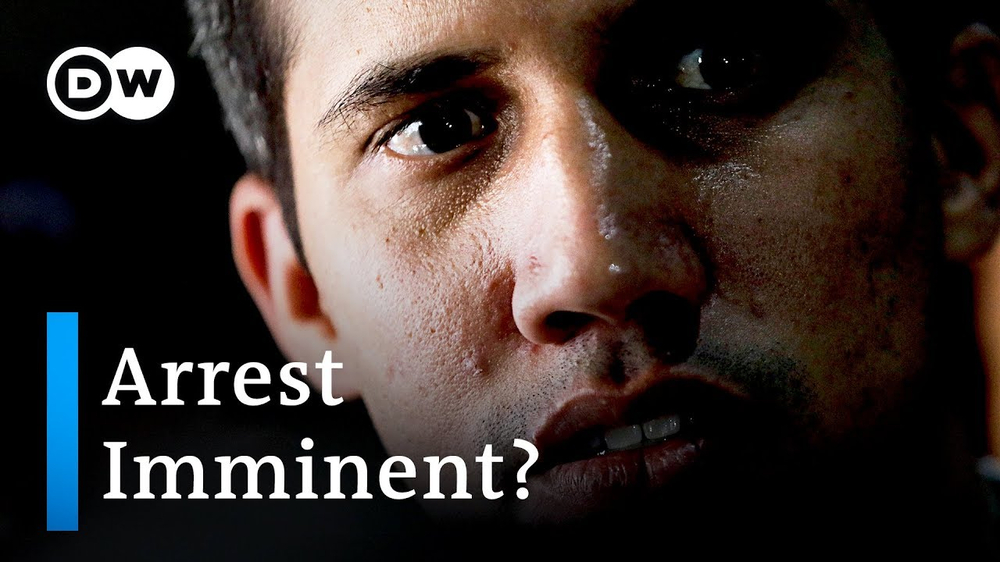
Venezuela's Congress, led by supporters of President Maduro, revoked the immunity of opposition lawmakers accused of treason. The move came amidst the ongoing political turmoil in the country, with Maduro's government tightening its grip on power. The lawmakers stripped of immunity were targeted for their alleged involvement in supporting a failed uprising led by opposition leader Juan Guaido.
This decision marked a significant escalation in the government's crackdown on dissent, as it allowed for the prosecution and potential imprisonment of the opposition figures. It was seen as a blow to democracy and the rule of law in Venezuela, further polarizing an already deeply divided society.
The accusations of treason against the lawmakers reflected the government's efforts to quash any challenges to Maduro's authority. By silencing the opposition, the regime aimed to consolidate its power and suppress dissenting voices.
The move drew condemnation from the international community, with many countries denouncing it as a violation of human rights and democratic principles. The United States, European Union, and several Latin American nations expressed their support for the opposition lawmakers and called for a peaceful resolution to the crisis in Venezuela.
The revocation of immunity highlighted the precarious situation facing political opponents in Venezuela, where dissent is increasingly being met with repression and persecution. It underscored the challenges facing those who seek to bring about democratic change in the country.
The events in Venezuela served as a stark reminder of the ongoing political crisis in the country and the struggle for power between the government and the opposition. The fallout from the decision to strip lawmakers of their immunity was likely to have far-reaching implications for the future of democracy in Venezuela. #Venezuela #Congress #Opposition #Immunity #Treason
View detailsIn a bid to oust Nicolas Maduro from presidency, opposition forces led by Juan Guaidó initiated a military uprising. The plan was to persuade senior government officials and the military to turn against Maduro and support a transitional government. However, the uprising failed to gain enough traction, as key military figures remained loyal to Maduro.
Despite the buildup of tension in the days leading up to the event, the attempt to overthrow Maduro did not spark a widespread uprising or a large-scale defection within the military. The lack of substantial military support was a major setback for the opposition forces, leading to the failure of the attempted coup.
The failed attempt to remove Maduro had significant consequences for both sides of the political divide. For Maduro's government, it was seen as a demonstration of military loyalty and a validation of his power. On the other hand, the opposition forces faced internal divisions and a setback in their efforts to bring about political change in Venezuela.
The event highlighted the deep political polarization in the country and the challenges faced by opposition forces in their struggle against the Maduro government. It also raised concerns about the potential for further violence and instability in Venezuela.
In the aftermath of the failed uprising, Juan Guaidó called for continued protests and international support to pressure Maduro to step down. The situation remained tense, with both sides digging in their heels as Venezuela's political crisis continued to unfold.
#Venezuela #NicolasMaduro #JuanGuaidó #PoliticalUnrest #FailedCoup
View details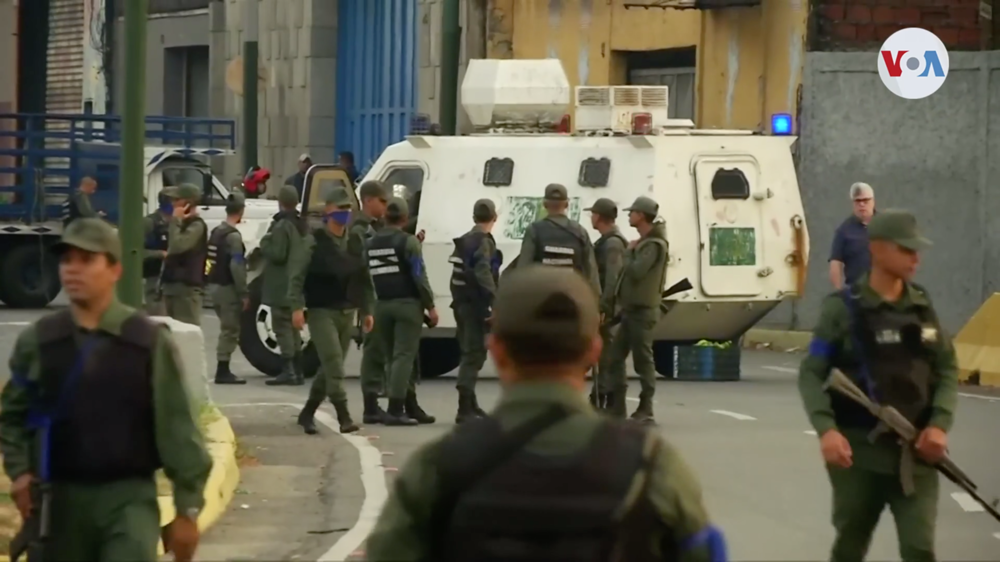
Juan Guaido declared himself interim president of Venezuela, challenging the legitimacy of Nicolas Maduro's presidency. Guaido, the leader of the opposition-controlled National Assembly, invoked articles of the constitution to assume the interim presidency, citing Maduro's controversial re-election. Several countries, including the United States, recognized Guaido as the legitimate leader of Venezuela, while others, such as Russia and China, continued to support Maduro.
Maduro, who had been in power since 2013, refused to step down and denounced Guaido's declaration as a US-backed coup attempt. The power struggle between the two leaders escalated, leading to widespread protests in Venezuela. The country's political crisis deepened, with clashes between supporters of Guaido and Maduro's government. The United States imposed sanctions on Venezuela's state-owned oil company, further intensifying the economic turmoil in the country.
The international community remained divided, with some calling for dialogue and others supporting Guaido's call for new elections. The European Union set a deadline for Maduro to call for new elections, threatening to recognize Guaido if he failed to do so. Despite mounting pressure, Maduro retained the backing of the military, a crucial factor in the country's politics.
The power struggle between Juan Guaido and Nicolas Maduro highlighted the deep political divisions in Venezuela and raised questions about the country's democratic institutions. The crisis also had a significant impact on the Venezuelan economy, which was already experiencing hyperinflation and shortages of food and medicine. The outcome of the power struggle remained uncertain, with both leaders vying for control amid mounting domestic and international pressure.
#Venezuela #JuanGuaido #NicolasMaduro #PoliticalCrisis #InternationalSupport #EconomicTurmoil
View details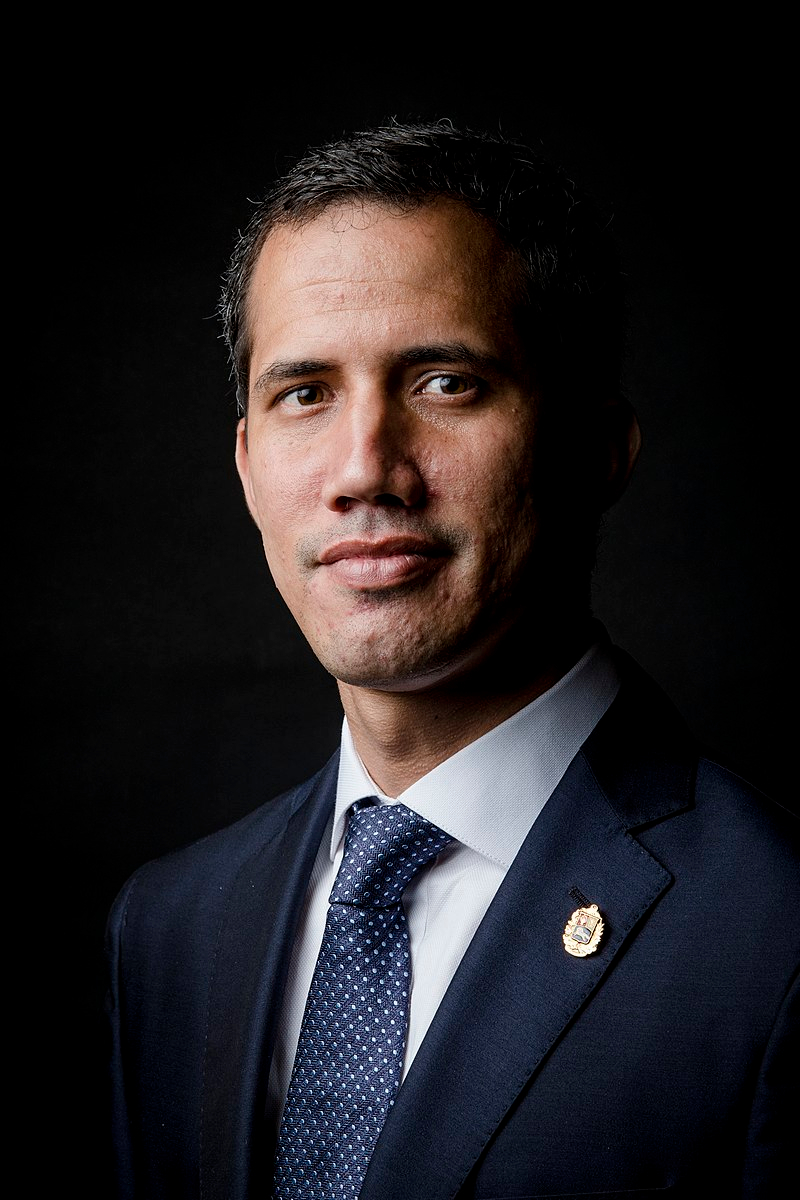
2018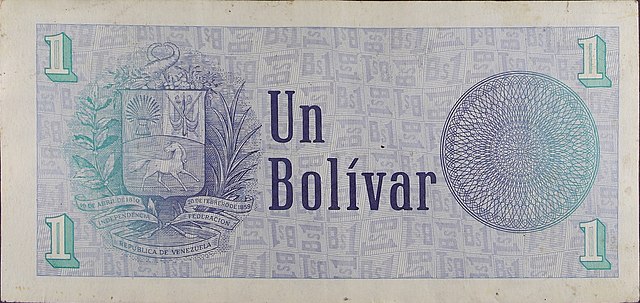
Venezuela issues new currency, the "Bolívar Soberano," in an attempt to stop runaway hyperinflation.
On August 20, 2018, Venezuela introduced a new currency, the "Bolívar Soberano" (Sovereign Bolivar), in a dramatic move to curb hyperinflation that had crippled the country's economy. This decision was part of a broader economic recovery plan initiated by President Nicolás Maduro's government in response to one of the worst economic crises in modern history.
Background
Venezuela, once one of the wealthiest countries in Latin America due to its vast oil reserves, faced an unprecedented economic meltdown starting in the mid-2010s. The collapse was triggered by a combination of plummeting oil prices, mismanagement, corruption, and economic policies that exacerbated the crisis. Hyperinflation skyrocketed, leading to severe shortages of basic goods, medicine, and food, plunging millions of Venezuelans into poverty.
The Need for a New Currency
By 2018, inflation rates in Venezuela had reached astronomical levels, with the International Monetary Fund (IMF) projecting an annual inflation rate of 1,000,000%. The Bolívar Fuerte, the currency introduced in 2008, had become practically worthless. To stabilize the economy and restore public confidence, the Venezuelan government decided to introduce a new currency, the Bolívar Soberano.
Introduction of the Bolívar Soberano
The Bolívar Soberano replaced the Bolívar Fuerte at a rate of 1 Bolívar Soberano to 100,000 Bolívar Fuerte. This redenomination effectively removed five zeros from the currency, simplifying transactions and accounting processes. The government also introduced new banknotes and coins as part of this currency overhaul.
Key Features and Measures
Peg to the Petro: One of the significant aspects of the new currency was its linkage to the Petro, a state-backed cryptocurrency launched earlier in 2018. The government claimed that anchoring the Bolívar Soberano to the Petro, which was purportedly backed by oil reserves, would help stabilize the currency.
Price and Wage Controls: Alongside the new currency, the government implemented a series of price and wage controls aimed at controlling inflation. This included setting maximum prices for essential goods and services and increasing the minimum wage significantly.
Monetary Policy Adjustments: The Central Bank of Venezuela was tasked with adjusting monetary policies to support the new currency, including measures to control the money supply and curb inflation.
Initial Impact and Challenges
The introduction of the Bolívar Soberano was met with a mix of hope and skepticism. On one hand, it aimed to address the immediate problem of hyperinflation and bring some semblance of stability to the economy. On the other hand, many economists and analysts were doubtful about its long-term effectiveness, given the underlying issues of the economy remained unaddressed.
In the short term, the new currency did provide some relief in terms of transaction simplicity and temporary price stability. However, structural problems such as political instability, lack of economic diversification, and continued reliance on oil revenues posed significant challenges to sustained recovery.
Long-term Outcomes
Despite the introduction of the Bolívar Soberano, Venezuela's economic woes continued. Inflation rates remained high, albeit lower than the peak levels prior to the currency redenomination. The government continued to struggle with balancing fiscal policies, controlling corruption, and managing the socio-economic impacts of the crisis.
By 2021, further redenominations and additional economic measures were necessary as hyperinflation persisted, and the Bolívar Soberano itself faced depreciation. The broader economic situation remained dire, with millions of Venezuelans fleeing the country in search of better opportunities abroad.
#MomentsOfLife #MoofLife_Moment #MoofLife #Venezuela #BolívarSoberano #Hyperinflation #EconomicCrisis #CurrencyRedenomination #NicolásMaduro #VenezuelanEconomy
View detailsWith a deepening economic and political crisis in Venezuela, an estimated 2.3 million people have left the country since 2015, according to the United Nations. The mass exodus is driven by hyperinflation, food and medicine shortages, and political instability. This substantial migration has placed immense pressure on neighboring countries in Latin America, particularly Colombia and Brazil, as they struggle to accommodate and provide for the influx of Venezuelan refugees.
The impact of this migration crisis is vast, as those leaving Venezuela often face dire circumstances with limited access to basic necessities. Families are torn apart, individuals are forced to start over in unfamiliar lands, and many are left vulnerable to exploitation and abuse. The strained resources of host countries have also led to social tensions and challenges in delivering adequate assistance to those in need.
The UN has called for international solidarity and support to address the humanitarian needs of Venezuelan refugees and migrants. Efforts are being made to provide essential services, such as healthcare, education, and employment opportunities, to help integrate these individuals into their new communities. Additionally, initiatives are underway to strengthen regional cooperation and coordination in responding to this complex crisis.
As the situation in Venezuela continues to unfold, the plight of those who have left their homes in search of a better future remains a pressing concern. The global community must come together to address the root causes of the crisis and work towards sustainable solutions that respect the dignity and rights of all individuals affected by this humanitarian emergency.
#VenezuelaCrisis #RefugeeCrisis #HumanitarianAid #UNResponse
View details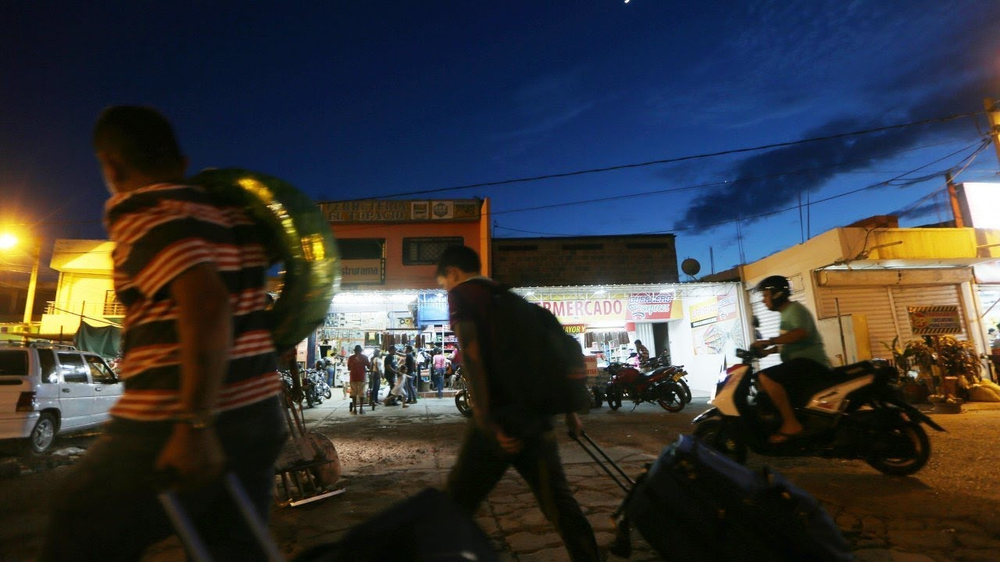
President Nicolás Maduro of Venezuela was speaking at a military event when drones armed with explosives targeted him. The attack failed as security forces intercepted and detonated the drones before they reached Maduro. This incident was broadcast live on television, shocking viewers worldwide.
The assassination attempt took place amidst growing political and economic turmoil in Venezuela. Maduro has faced criticism and opposition for his leadership, with many accusing him of power abuse and corruption. The attempted attack further heightened tensions in the country, fueling speculation about potential repercussions and leading to increased security measures.
The incident had a significant impact on both national and international levels. Internally, it sparked fear and uncertainty among Venezuelans, raising concerns about the country's stability and the safety of its political leaders. Externally, it sparked debates and condemnation from world leaders, with some expressing solidarity with Maduro while others questioning the legitimacy of his government.
Despite the attempt on his life, Maduro remained defiant, portraying the incident as a premeditated act of terrorism orchestrated by his political opponents. His government launched a widespread crackdown on dissent, arresting suspects and tightening security measures in response to the incident. The aftermath of the assassination attempt underscored the volatile and polarized nature of Venezuelan politics, with tensions between the government and opposition continuing to escalate.
As the news of the failed assassination spread, hashtags such as #Venezuela, #Maduro, and #AssassinationAttempt trended on social media platforms, drawing attention to the incident and its implications for the country's future. The event served as a stark reminder of the challenges facing Venezuela and the complex dynamics at play in its political landscape.
View details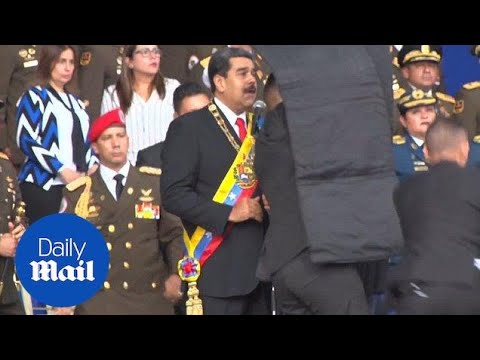
Venezuela launched the petro, the first virtual currency by a country to address its economic challenges. The South American nation has been grappling with hyperinflation, economic instability, and a devalued currency. The petro was introduced as a way to circumvent economic sanctions imposed on Venezuela and to attract foreign investment.
This virtual currency is backed by the country's oil reserves, aiming to create a more stable financial system. The government of Venezuela saw the petro as a solution to combat the devaluation of the traditional currency and provide an alternative for international transactions.
The launch of the petro had a significant impact on the global financial landscape, sparking debates about the future of virtual currencies issued by governments. Some experts expressed skepticism about the petro's success, questioning its legitimacy and compliance with international financial regulations.
Despite the controversy surrounding the petro, Venezuela continued to promote its use as a tool for economic recovery. The government encouraged citizens to adopt the virtual currency for transactions within the country and facilitated its exchange for goods and services.
The introduction of the petro marked a bold move by Venezuela to address its financial crisis through innovation in the digital economy. The success of the petro could set a precedent for other countries facing similar economic challenges to explore virtual currencies as a means of stabilization.
#Venezuela #Petro #VirtualCurrency #EconomicCrisis #DigitalEconomy #Innovation
View details
The operation in El Junquito aimed to capture a terrorist group led by Óscar Pérez, who was accused of orchestrating a coup against the Venezuelan government. The group had been evading authorities for some time, using social media to rally support for their cause.
After receiving intelligence on the group's whereabouts, security forces launched the operation in El Junquito, a mountainous area near Caracas. The operation quickly escalated into a violent confrontation, with both sides exchanging gunfire. In the ensuing chaos, four members of the terrorist group, including Pérez, were killed.
The deaths of Pérez and his associates marked the end of a prolonged manhunt that had captured the attention of the Venezuelan public. While some viewed Pérez as a hero fighting against a repressive regime, others saw him as a dangerous criminal destabilizing the country.
The operation in El Junquito had far-reaching implications for Venezuela, sparking debates about the use of force by the government against dissenting groups. It also raised questions about the state of democracy and human rights in the country, with critics accusing the government of excessive use of force.
Overall, the event highlighted the deep divisions within Venezuelan society and the challenges facing the country as it grapples with political and economic turmoil. #Venezuela #ElJunquito #ÓscarPérez #TerroristGroup #GovernmentOperation
View details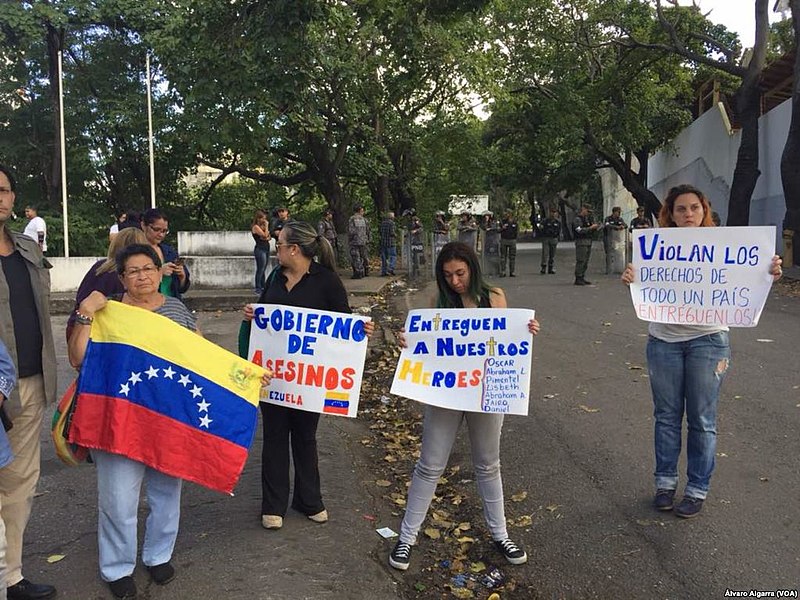
2017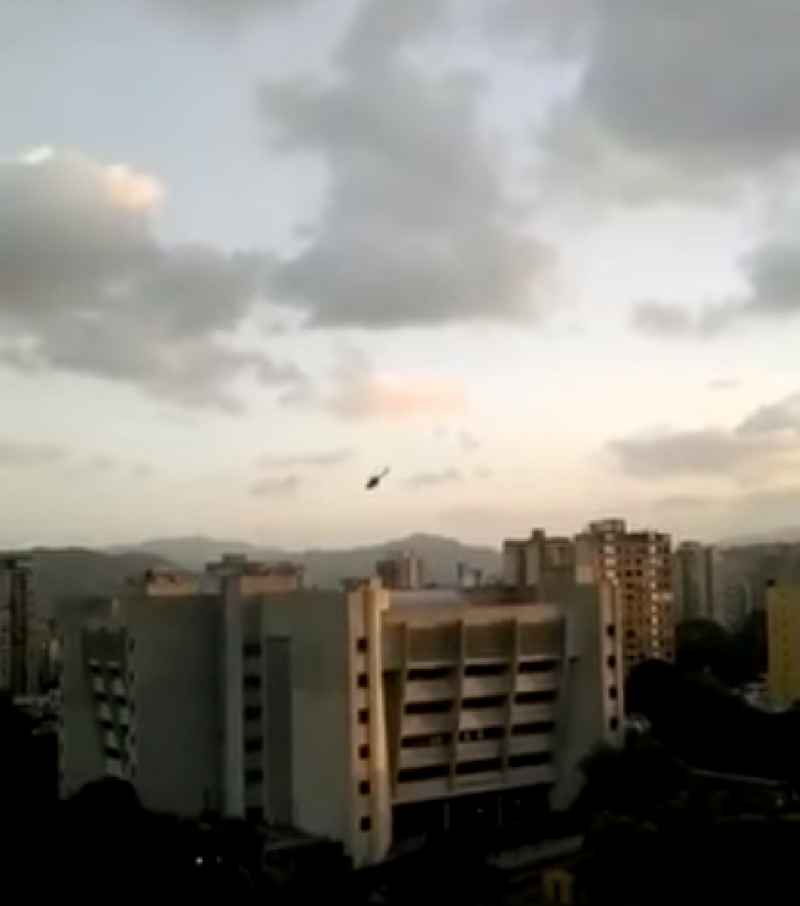
A shocking incident occurred in Caracas, Venezuela, when a helicopter piloted by a rogue police officer attacked the Supreme Court building. The pilot, Oscar Perez, flew over the city firing gunshots and launching grenades at the government building. The attack was followed by a video released by Perez, denouncing the government's alleged corruption and repression.
The incident highlighted the growing unrest and political turmoil in Venezuela. The country was already facing severe economic crisis, widespread protests, and escalating tensions between the government and opposition forces. The attack on the Supreme Court further escalated the situation, raising concerns about the stability and security of the nation.
The Venezuelan government condemned the attack as an act of terrorism and launched a manhunt for Perez. The incident also sparked debates and speculations about the motives behind the attack, with some viewing it as a desperate act of rebellion against the government's oppressive regime.
The attack on the Supreme Court sent shockwaves through the international community, with many countries expressing concerns about the escalating violence and instability in Venezuela. The incident also renewed calls for peaceful dialogue and a political solution to the crisis facing the nation.
In the aftermath of the attack, security measures were heightened around government buildings in Caracas, and the hunt for Oscar Perez continued. The event served as a stark reminder of the deepening political crisis and social unrest gripping Venezuela.
#Venezuela #SupremeCourtAttack #PoliticalUnrest #RoguePilot
View details2015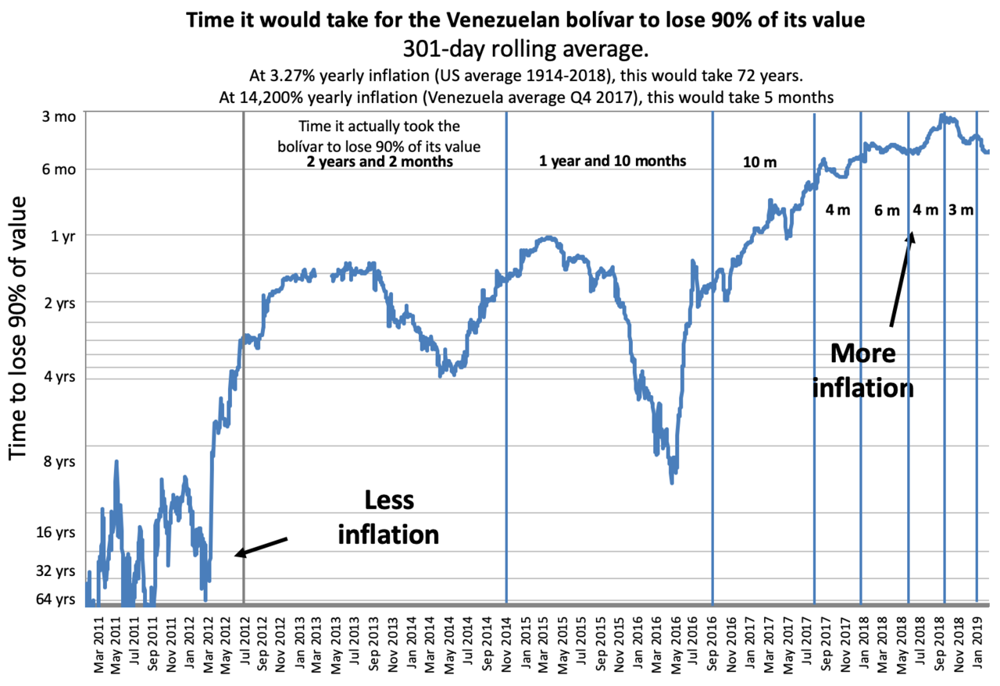
The economic crisis in Venezuela deepened significantly, causing hyperinflation to spiral out of control. This crisis was fueled by a combination of factors, including plummeting oil prices, mismanagement of funds, corruption, and economic sanctions imposed by foreign countries. As a result, the Venezuelan bolivar became practically worthless, with prices of basic goods skyrocketing on a daily basis.
The impact of hyperinflation was devastating on the Venezuelan population. People struggled to afford essential items such as food, medicine, and other basic necessities. Many faced extreme poverty, and the healthcare system collapsed, leading to shortages of vital medical supplies and a rise in preventable diseases. The crisis also sparked widespread protests and social unrest as people demanded solutions from the government.
The hyperinflation in Venezuela reached unprecedented levels, with the inflation rate soaring to astronomical figures. Prices doubled or even tripled within a matter of days, eroding people's purchasing power and savings. The government attempted to address the crisis by implementing measures such as currency devaluations and price controls, but these efforts had limited success in stabilizing the economy.
Overall, the economic crisis in Venezuela and the resulting hyperinflation had a profound and long-lasting impact on the country and its people. It led to widespread poverty, food and medicine shortages, social unrest, and a mass exodus of Venezuelans fleeing the country in search of better opportunities abroad. The repercussions of this crisis are still being felt today, as Venezuela continues to grapple with a crippled economy and a struggling population.
#VenezuelaCrisis #Hyperinflation #EconomicCollapse
View details2014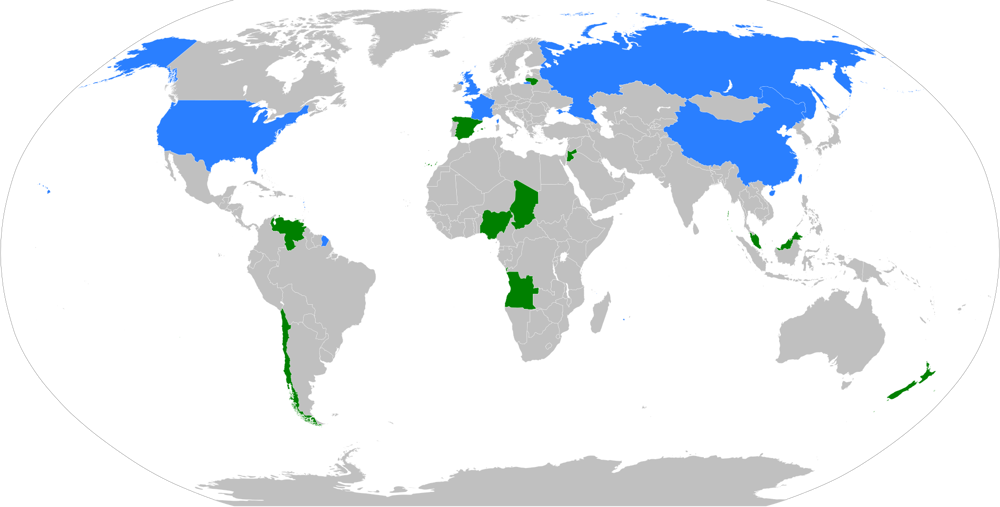
Venezuela was elected to the United Nations Security Council in a move that sparked both controversy and celebration. The country's history of political turbulence and economic challenges raised concerns among some, while others viewed it as a triumph for regional representation.
With Venezuela's election, the Security Council gained a new member that promised to bring a unique perspective to international affairs. The country's President at the time, Nicolas Maduro, seized the opportunity to address global issues and advocate for the interests of Latin American nations. This marked a significant shift in the dynamics of the Security Council, introducing a voice that had been historically underrepresented.
The impact of Venezuela's election was felt on multiple levels. It provided the country with a platform to engage with major world powers and contribute to decision-making on critical issues such as peacekeeping missions, conflict resolution, and international sanctions. At the same time, it raised questions about Venezuela's ability to effectively participate in global diplomacy given its domestic challenges.
Despite facing criticism and skepticism, Venezuela's tenure on the Security Council served as a test of its diplomatic capabilities and commitment to upholding international peace and security. The experience highlighted the complexities of balancing national interests with global responsibilities and navigating the intricate web of alliances and rivalries within the United Nations system.
As Venezuela completed its term on the Security Council, the legacy of its membership continued to resonate within the international community. The country's presence had left a mark on diplomatic discussions and decision-making processes, shaping perceptions and priorities in the realm of global governance.#Venezuela #UNSC #Diplomacy #GlobalAffairs.
View detailsWidespread anti-government protests broke out across Venezuela, with citizens taking to the streets to voice their grievances against the current administration. The protests were fueled by a combination of economic woes, political corruption, and social unrest that had been brewing for some time.
The impact of the protests was felt nationwide, as demonstrators clashed with security forces in various cities. Reports of violence and looting emerged, reflecting the growing frustration and anger among the population. The government responded by deploying security forces to quell the unrest, leading to further confrontations and escalating tensions.
The protests highlighted the deep divisions within Venezuelan society and the challenges facing the country. Many protesters called for political change and economic reforms, accusing the government of mismanagement and authoritarianism. The situation remained volatile, with no clear resolution in sight.
As the protests continued, international concern grew over the deteriorating situation in Venezuela. Calls for dialogue and peaceful resolution were issued by various countries and organizations, urging all parties to seek a peaceful and democratic solution to the crisis.
#VenezuelaProtests #AntiGovernment #EconomicCrisis #PoliticalUnrest
View details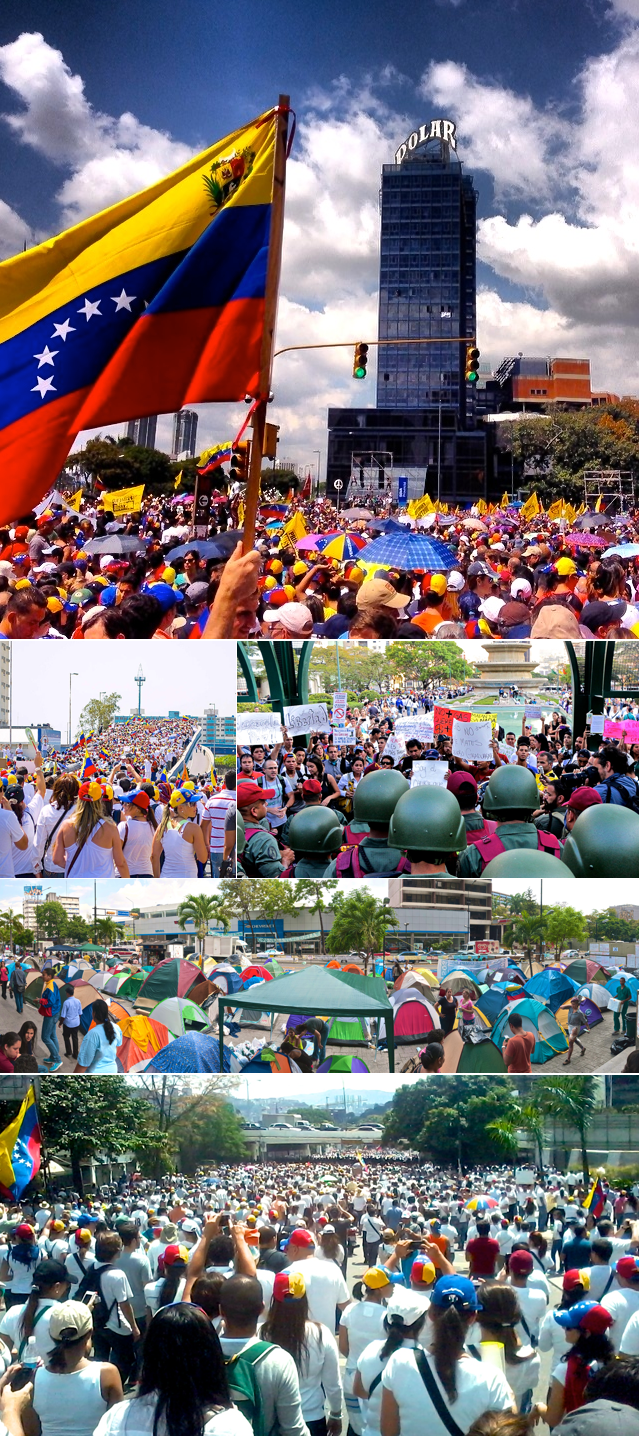
2013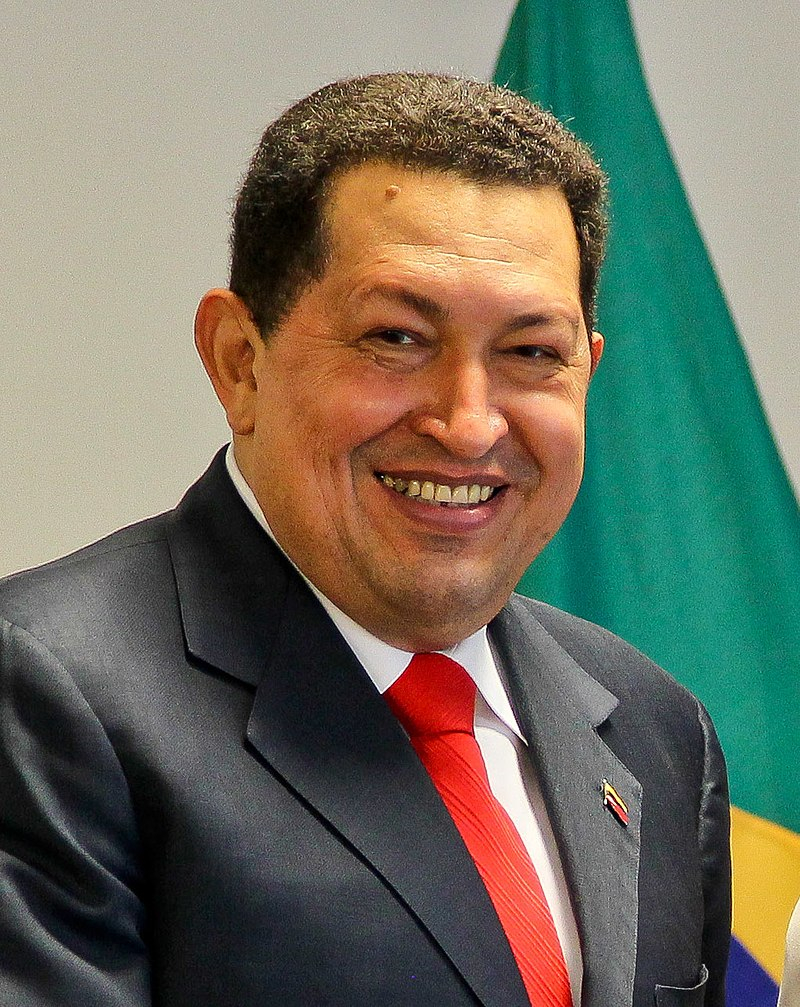
Hugo Chavez, the charismatic leader of Venezuela, passed away after battling cancer, leaving a void in the country's political landscape. Vice President Nicolas Maduro assumed the presidency as per the constitution, amidst a mix of mourning and uncertainty. Chavez had been a polarizing figure, championing socialist policies and anti-imperialist rhetoric while also facing criticism for his autocratic governing style.
Maduro, a former bus driver and union leader, stepped into his new role with the task of carrying forward Chavez's legacy. The transition of power was met with both support from Chavez's loyal followers and skepticism from opposition groups who questioned Maduro's ability to lead the country.
As the new president, Maduro faced numerous challenges, including a struggling economy plagued by inflation and shortages of basic goods. His leadership was put to the test as he sought to maintain the stability and unity of a nation deeply divided along political lines.
The death of Chavez and the subsequent rise of Maduro marked a turning point in Venezuelan history, with ripple effects felt both domestically and internationally. The legacy of Chavez, for some a revolutionary hero and for others a controversial strongman, continued to shape the political landscape in Venezuela for years to come.
#HugoChavez #NicolasMaduro #VenezuelanPolitics #Legacy #TransitionOfPower
View details2006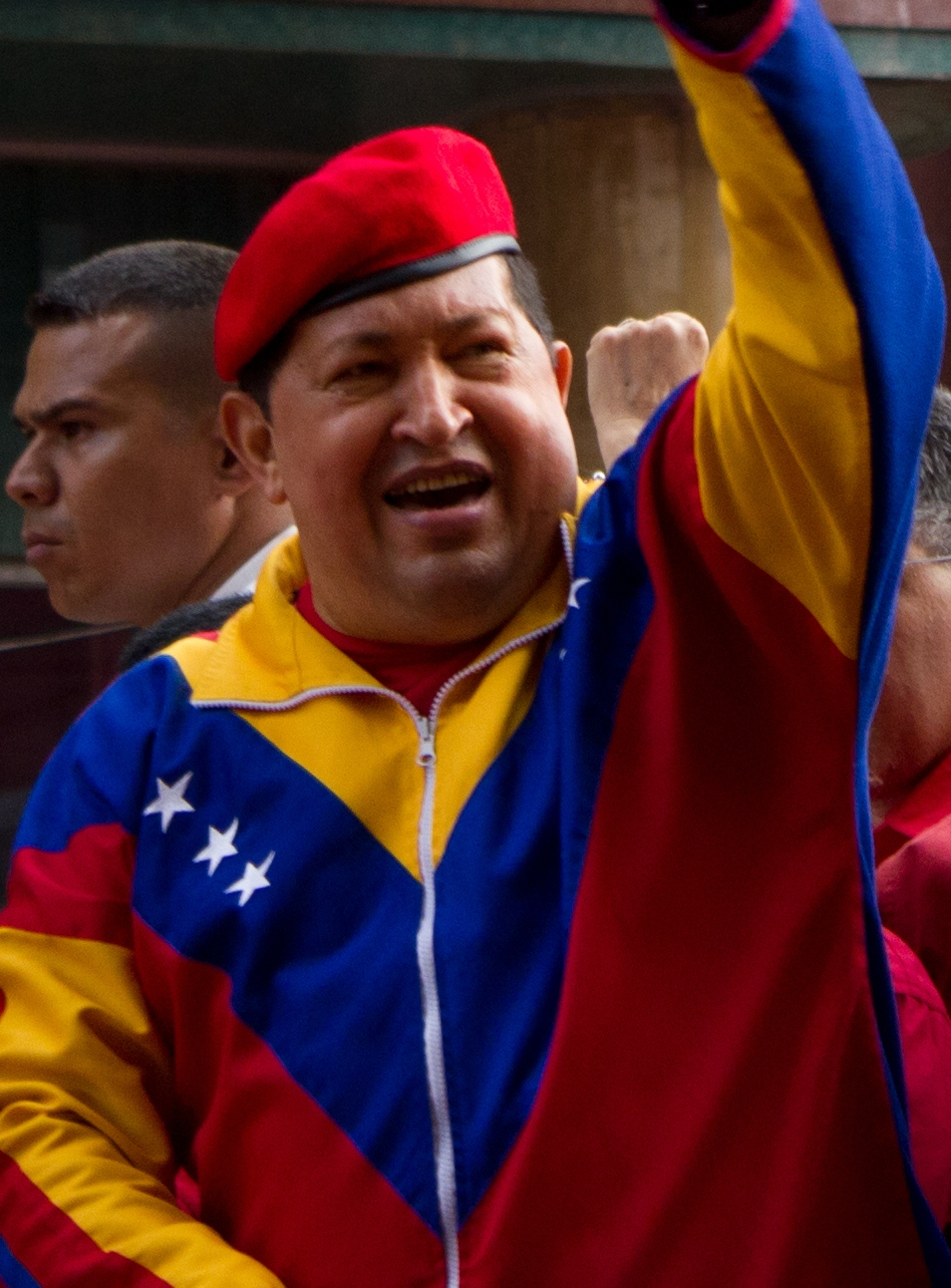
After serving as the President of Venezuela for two terms, Hugo Chavez secured a third term in office after winning the re-election. Chavez, known for his socialist policies and anti-imperialist stance, maintained a strong support base among the Venezuelan population, particularly from the lower-income sectors.
The election was seen as a crucial moment for the country, as it represented a continued commitment to Chavez's Bolivarian Revolution and his government's social programs aimed at reducing poverty and inequality. Chavez's victory was met with celebrations by his supporters, who saw him as a champion of the people and a defender of national sovereignty against foreign interests.
However, his re-election also sparked controversy and divided opinions both within Venezuela and on the international stage. Critics raised concerns about his authoritarian tendencies, restrictions on freedom of speech, and the economic challenges facing the country. Nevertheless, Chavez's victory solidified his grip on power and set the stage for further implementations of his policies.
Overall, the re-election of Hugo Chavez for a third term marked a significant moment in Venezuelan politics, illustrating the enduring influence of his populist ideology and the deep polarization within the country. It also raised questions about the future direction of Venezuela and the implications of his continued leadership for domestic and international affairs.
#HugoChavez #Venezuela #Reelection #BolivarianRevolution #Socialism
View details2004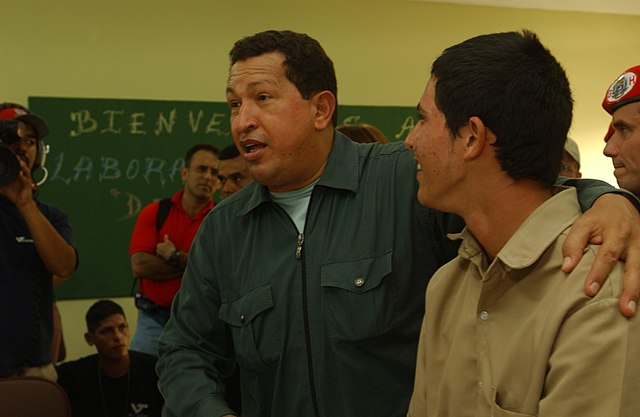
In August 2004, Hugo Chavez, the President of Venezuela, faced a recall referendum initiated by the opposition. The referendum aimed to remove him from office, citing concerns about his leadership style and policies.
Chavez, a polarizing figure known for his socialist ideology and anti-American stance, had been in power since 1999. His presidency brought significant changes to Venezuela, including the implementation of social programs aimed at reducing poverty and increasing access to education and healthcare. However, his critics accused him of authoritarianism and mismanagement of the economy.
Despite facing widespread criticism and mounting opposition, Chavez emerged victorious in the recall referendum. With a voter turnout of over 70%, he secured a majority of votes in his favor, allowing him to remain in office and continue his presidency for the remaining years of his term.
The outcome of the recall referendum had a profound impact on Venezuela's political landscape. Chavez's victory solidified his support base among the country's lower-income population, who benefited from his social programs. However, it also deepened the divide between his supporters and opponents, leading to increased political polarization in the country.
The referendum highlighted the strength of Venezuela's democratic institutions, as the recall process was carried out in a relatively transparent and peaceful manner. Despite the contentious nature of the campaign, the results were accepted by both sides, reaffirming the country's commitment to democratic principles.
Overall, Chavez's survival of the recall referendum marked a turning point in Venezuela's political history, shaping the future trajectory of the country and laying the groundwork for further challenges and developments in the years to come.
#HugoChavez #RecallReferendum #VenezuelaPolitics
View details2002
A national strike was initiated by various sectors in Venezuela, aiming to challenge the government led by Hugo Chavez. The strike was fueled by discontent over Chavez's policies, including his management of the economy and perceived authoritarian tendencies.
Business leaders, labor unions, and civil society organizations united in the strike, paralyzing key sectors such as oil production, transportation, and commerce. This had a significant impact on the country's economy, causing disruptions and shortages in essential goods and services. The strike received widespread support from the population, reflecting the deep divisions within Venezuelan society regarding Chavez's governance.
As the strike progressed, tensions escalated, leading to instances of violence and clashes between protesters and government forces. The government responded by imposing measures to maintain control, including media censorship and arrests of opposition figures. International observers closely monitored the situation, expressing concerns about the deteriorating political climate in the country.
The national strike against Hugo Chavez's government underscored the growing discontent and polarization in Venezuelan society. It signified a critical moment in the country's political landscape, highlighting the challenges faced in reconciling diverging perspectives and interests. The strike also had repercussions on the international stage, shaping perceptions of Venezuela and its leadership.
#Venezuela #NationalStrike #HugoChavez #PoliticalUnrest
View detailsAmidst political tensions, an attempted coup d'état unfolded in Venezuela against President Hugo Chávez. The unrest stemmed from a growing divide between Chávez's socialist policies and the opposition's dissatisfaction with his leadership. The crisis reached a tipping point when violence erupted during a massive protest in Caracas, leading to Chávez's detention by military officials.
The coup was short-lived as Chávez supporters rallied and demanded his return. Within a few days, loyalist military forces backed by popular demonstrations restored Chávez to power. The event exposed the deep polarization within Venezuelan society, with both sides fervently defending their positions. The failed coup highlighted the fragility of democracy in the country and sparked debates internationally about the role of foreign involvement in domestic affairs.
The impact of the attempted coup had lasting effects on Venezuela's political landscape. It emboldened Chávez to consolidate power and implement more radical policies, further polarizing the nation. The event also fueled mistrust between the government and the opposition, setting the stage for future conflicts and deepening the country's economic and social crises.
In the aftermath of the coup, Venezuela faced increased scrutiny from the international community, with concerns raised about the country's stability and democratic institutions. The failed attempt to overthrow a democratically elected leader served as a cautionary tale about the dangers of authoritarianism and the importance of upholding democratic principles.
#VenezuelaCoup #Chavez #PoliticalUnrest #DemocracyUnderThreat
View details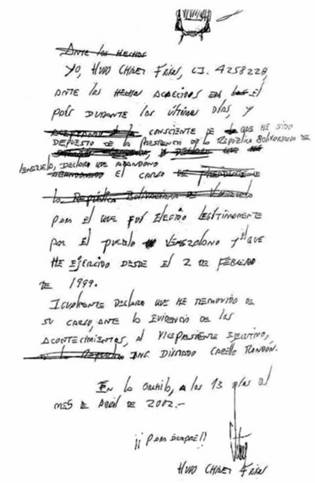
1999
Venezuela's entry into the Antarctic Treaty System marked a significant step in the country's commitment to supporting peaceful scientific research and environmental protection in the region. The decision to join the treaty was in line with Venezuela's dedication to international cooperation on matters of global significance.
By becoming a party to the Antarctic Treaty System, Venezuela affirmed its respect for the demilitarized and denuclearized status of the Antarctic continent. This move also demonstrated Venezuela's willingness to abide by the environmental protection protocols outlined in the treaty, ensuring that any activities in the region would be conducted in a sustainable manner.
Joining the Antarctic Treaty System presented Venezuela with opportunities to actively participate in scientific research initiatives in Antarctica. By collaborating with other treaty parties, Venezuela could contribute valuable knowledge and expertise to understanding the unique environment of the Antarctic continent and the implications of climate change on its fragile ecosystems.
Furthermore, Venezuela's entry into the treaty system enhanced the country's diplomatic standing on the international stage. By aligning itself with the principles of peaceful cooperation and environmental stewardship, Venezuela showcased its commitment to upholding shared values that transcend national borders.
Overall, Venezuela's decision to enter the Antarctic Treaty System underscored the country's dedication to promoting global cooperation, scientific advancement, and environmental conservation. This move positioned Venezuela as a responsible member of the international community, ready to engage in meaningful dialogue and collaborative efforts to protect one of the world's last remaining wilderness areas.
#Venezuela #AntarcticTreatySystem #EnvironmentalProtection #ScientificResearch #InternationalCooperation #Diplomacy
View details Hugo Chavez secured his re-election as President of Venezuela, following his initial election in . Chavez, a former military officer, first gained popularity for his promises to tackle poverty and corruption in Venezuela. He implemented various social welfare programs and policies aimed at empowering the working class and marginalized communities.
During his presidency, Chavez focused on nationalizing key industries, particularly in the oil sector, which significantly boosted Venezuela's economy. His confrontational approach with the United States and other Western nations garnered both support and criticism on the international stage.
Chavez's re-election victory in showed his enduring popularity among many Venezuelans, especially the poor and rural populations who benefited from his social programs. However, his presidency also faced challenges, including accusations of authoritarianism and economic mismanagement.
The impact of Chavez's re-election as President of Venezuela was felt both domestically and internationally. Domestically, it signaled a continuation of his socialist policies and agenda. Internationally, it solidified his position as a prominent figure in Latin American politics and a vocal critic of capitalist ideologies.
Overall, Hugo Chavez's re-election in marked a significant moment in Venezuelan history, reflecting the ongoing political and social dynamics within the country. His legacy continues to influence Venezuelan politics and society to this day.
#HugoChavez #Venezuela #Reelection #Socialism #Politics
View details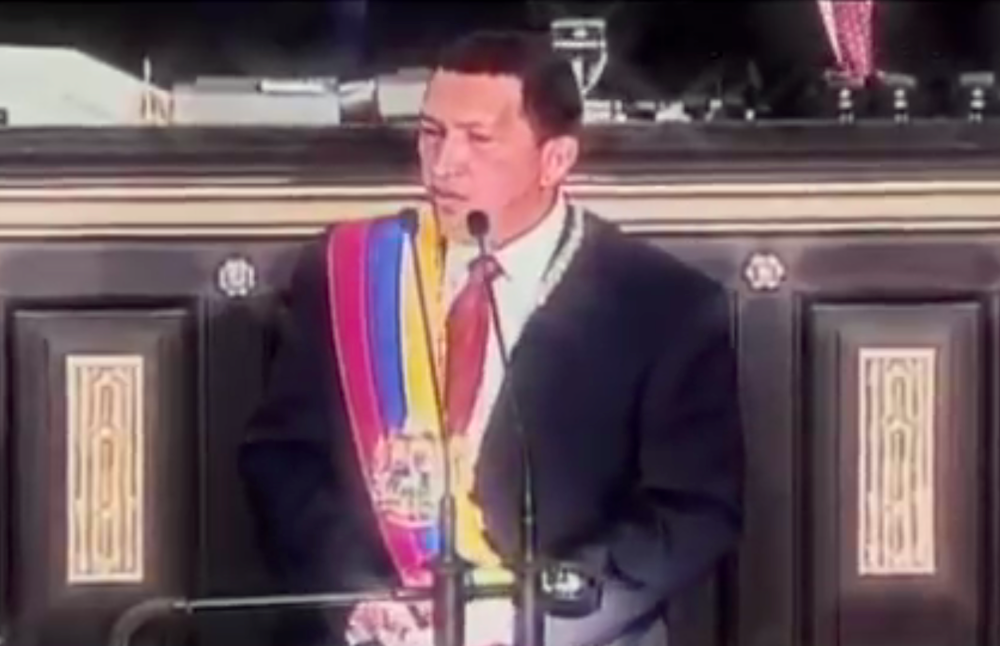
1996
In 6/20/1996, the Venezuelan Congress granted approvals for foreign oil companies to engage in oil exploration and production within Venezuela for the first time since the nationalization of the oil industry in 1975.
The decision marked a significant shift in Venezuela's oil policies, opening up opportunities for foreign investment in the country's oil sector. Prior to this, the oil industry in Venezuela had been solely controlled by the state-owned company, PDVSA.
Allowing foreign companies to operate in the oil industry was seen as a strategic move to boost production levels, attract new technology and expertise, and stimulate economic growth in the country. The Congress' approval of these deals was intended to revitalize Venezuela's oil sector and strengthen its position in the global market.
The decision, however, was not without controversy. Critics raised concerns about the potential risks of ceding control of Venezuela's valuable oil resources to foreign entities. There were also fears of environmental impacts and the exploitation of the country's natural resources for the benefit of foreign corporations.
Overall, the approval of deals allowing foreign oil companies to explore and produce oil in Venezuela represented a significant policy shift in the country's oil industry. It was a move aimed at attracting foreign investment, stimulating economic growth, and increasing oil production levels.
#Venezuela #OilIndustry #ForeignInvestment #EconomicGrowth #PDVSA
View details1993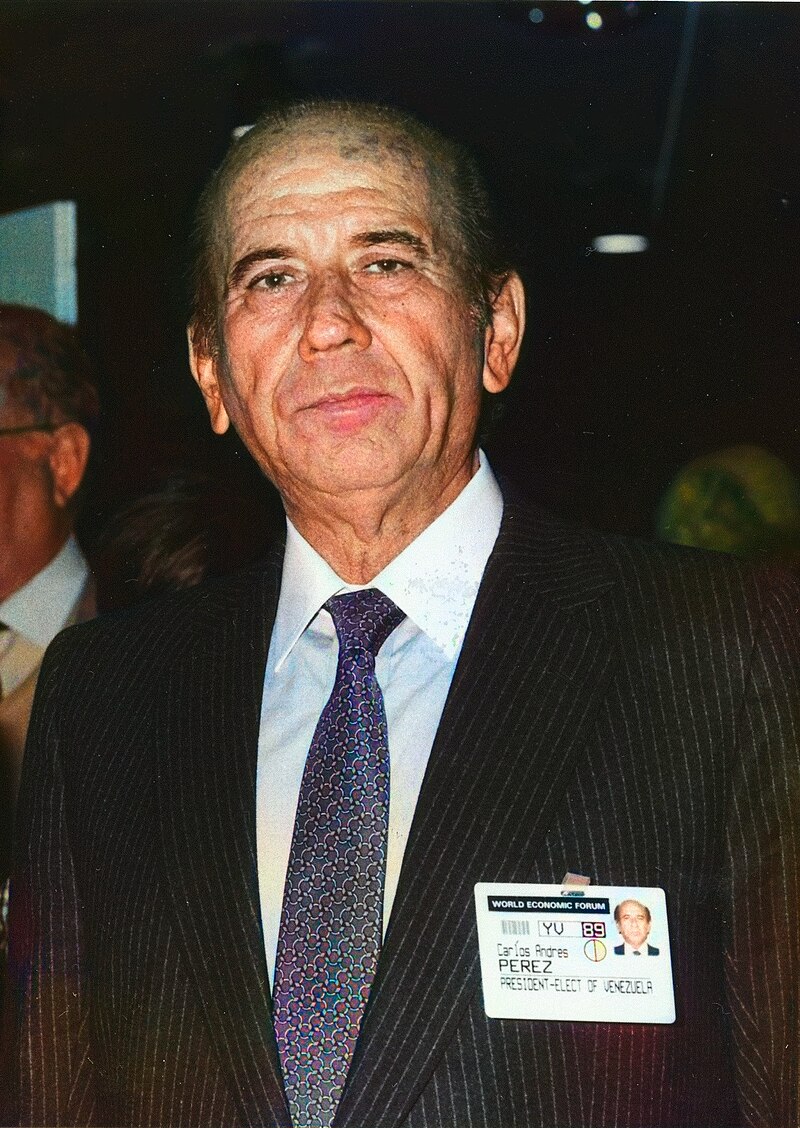
Carlos Pérez, the President of Venezuela at the time, fled the country following a period of political turmoil. His presidency had been marred by economic instability, social unrest, and allegations of corruption. The situation had escalated when Pérez's government implemented neoliberal reforms, leading to widespread protests and strikes.
Amidst this chaos, Pérez faced impeachment proceedings on charges of embezzlement. Fearing arrest, he sought refuge in the United States. His flight marked the end of his presidency and a tumultuous chapter in Venezuela's history.
Pérez's departure left a power vacuum in Venezuela, with political factions vying for control. His flight highlighted the challenges faced by the country in navigating political and economic crises.
The impact of Pérez's flight reverberated beyond Venezuela's borders, raising concerns among international observers about the stability of the region. The event served as a stark reminder of the fragility of democracy and the repercussions of political mismanagement.
In the aftermath of Pérez's departure, Venezuela grappled with uncertainty and instability. The country faced a long road to recovery, as it endeavored to address the issues that had precipitated the crisis.
#Venezuela #CarlosPerez #PoliticalTurmoil #Impeachment #EconomicInstability #PowerVacuum #Corruption #InternationalConcerns #Democracy #Stability #Recovery
View detailsAmidst a backdrop of economic turmoil and social unrest, President Carlos Andrés Pérez of Venezuela was dismissed from office. The country was reeling from severe inflation, rising unemployment, and public discontent over government corruption. His removal came after being accused of misappropriating public funds, leading to widespread protests and calls for his resignation.
Pérez, a prominent figure in Venezuelan politics, had previously served as president during a period of relative stability. However, his return to power was marred by economic mismanagement and allegations of embezzlement. The decision to fire him was made by the Venezuelan Congress, reflecting the public's demand for accountability and a new direction in leadership.
The ousting of Pérez had a significant impact on Venezuela's political landscape, ushering in a period of uncertainty and transition. It marked a turning point in the country's history, highlighting the need for transparency and reform in governance. The event also underscored the power of grassroots movements in holding leaders accountable for their actions.
In the aftermath of Pérez's dismissal, Venezuelans grappled with the aftermath of his administration and looked towards the future with a sense of hope and determination. The event served as a reminder of the importance of upholding democratic values and ensuring that those in power act in the best interests of the people.
#Venezuela #CarlosAndrésPérez #Dismissal #PoliticalTurmoil #GovernmentCorruption #DemocraticValues
View details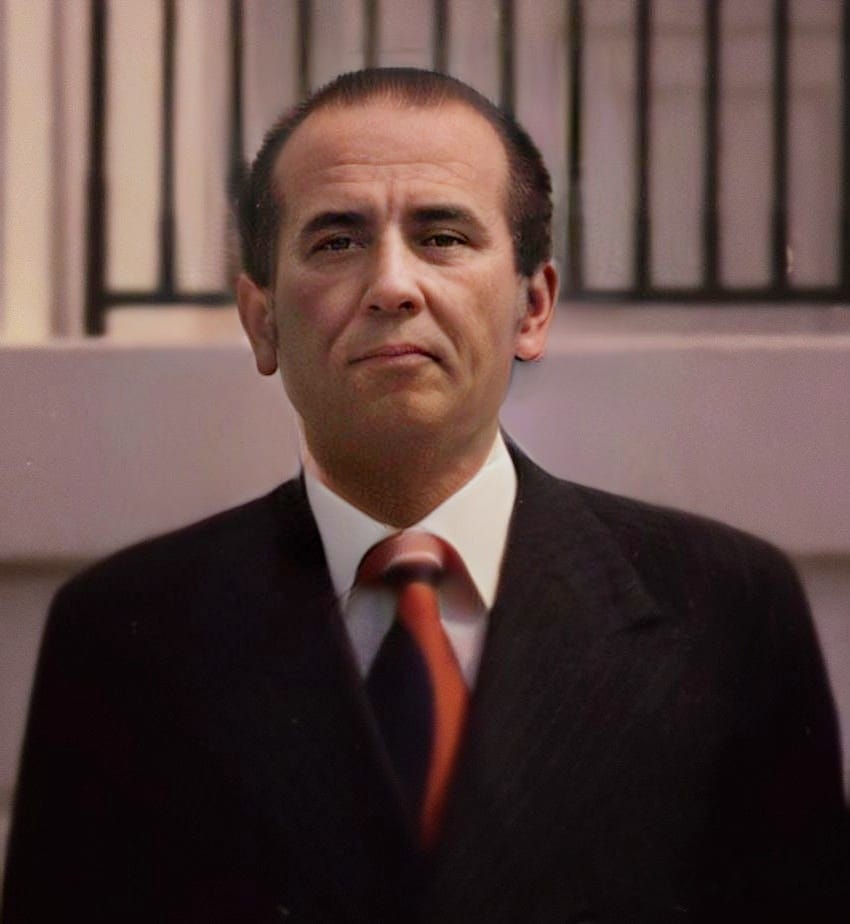
1976
Petróleos de Venezuela S.A. {PDVSA} was established as the state-owned oil and natural gas company as part of a nationalization effort to control the country's natural resources. This move came after years of foreign companies dominating the oil industry in Venezuela, leading to discontent among the local population.
The creation of PDVSA had a significant impact on the country's economy, allowing the government to have more control over its oil reserves, which are among the largest in the world. The company played a crucial role in the development of the oil and gas sector in Venezuela, becoming a key player in the global energy market. PDVSA also served as a source of revenue for the government, contributing significantly to the country's GDP.
One of the key factors that led to the establishment of PDVSA was the desire to have a more equitable distribution of wealth generated by the oil industry. By nationalizing the oil sector, the government aimed to ensure that the benefits of oil production would be shared among the Venezuelan population.
PDVSA's creation marked a turning point in Venezuela's history, shaping the country's economy and political landscape for decades to come. The company became emblematic of Venezuela's national identity and sovereignty, representing the country's determination to control its own resources.
With the establishment of PDVSA, Venezuela solidified its position as a major player in the global oil market, exerting influence on international energy policies. The company's operations have had far-reaching consequences, both domestically and internationally, making it a key player in the oil and gas industry.
#Venezuela #PDVSA #OilIndustry #Nationalization #GlobalInfluence
View details1975
President Carlos Andrés Pérez initiated the nationalization of Venezuela's oil industry, a pivotal move that aimed to regain control over the country's most lucrative asset. During this period, foreign companies had dominated the oil sector, leaving Venezuela with minimal benefits from its own natural resources. Pérez's decision to nationalize the industry involved the government taking ownership of key oil fields and facilities, with the goal of increasing state revenue and redistributing wealth more equitably among the population.
The impact of this decision was profound, as it allowed Venezuela to have greater autonomy and decision-making power over its oil resources. By nationalizing the industry, Pérez aimed to ensure that profits from oil production would directly benefit the Venezuelan people through funding social programs and infrastructure development. This move also symbolized a shift towards asserting national sovereignty and breaking free from the economic influence of foreign entities.
The nationalization of the oil industry by President Carlos Andrés Pérez led to the creation of Petróleos de Venezuela, S.A. (PDVSA), Venezuela's state-owned oil and natural gas company, which played a central role in managing and overseeing the country's oil production. This move paved the way for Venezuela to become one of the world's leading oil producers and exporters, solidifying its position in the global energy market.
In conclusion, the nationalization of the oil industry by President Carlos Andrés Pérez was a transformational moment in Venezuela's history, marking a significant shift towards economic independence and sovereignty. By reclaiming control over its oil resources, Venezuela was able to harness its wealth for the benefit of its own citizens and assert itself as a key player in the global oil industry. #Venezuela #OilIndustry #Nationalization #PDVSA #Sovereignty
View details1961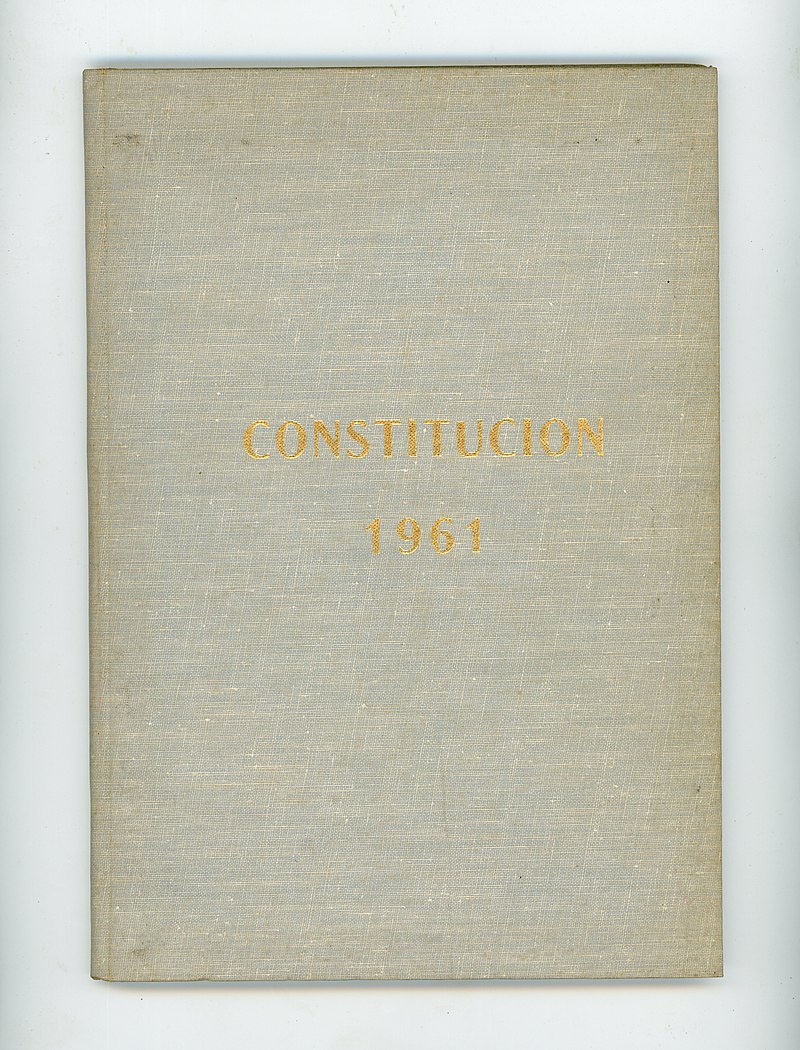
Following a period of political turmoil, Venezuela embarked on a transformative step by adopting a new constitution. The country's previous constitution had been in place for over 100 years and was seen as outdated and ineffective in addressing the modern challenges faced by the nation.
The adoption of the new constitution aimed to strengthen democratic institutions, protect human rights, and promote social welfare. It was a response to the growing calls for reform and a desire to modernize Venezuela's legal framework. The new constitution was designed to decentralize power, enhance the separation of powers, and ensure greater citizen participation in government.
One of the most significant changes brought about by the new constitution was the establishment of a bicameral legislature, which replaced the previous unicameral system. This change aimed to improve the efficiency and accountability of the legislative branch.
Additionally, the new constitution enshrined protections for freedom of speech, assembly, and association, as well as guarantees for social and economic rights. It also introduced measures to combat corruption and promote sustainable development.
The adoption of the new constitution had a profound impact on Venezuela's political landscape, setting the stage for a new era of governance and public engagement. It laid the foundation for a more inclusive and responsive government, and provided a framework for addressing the country's most pressing challenges.
Overall, the adoption of the new constitution in Venezuela represented a significant milestone in the country's history, marking a decisive shift towards a more modern, democratic, and progressive society. It reflected the aspirations of the Venezuelan people for a better future and a more just and equitable society.
#Venezuela #Constitution #Democracy #Reform
View details