Escalating Economic Crisis: Hyperinflation in Focus
Venezuela
Economic Downturn
Political
4 min read
Updated By: History Editorial Network (HEN)
Published:
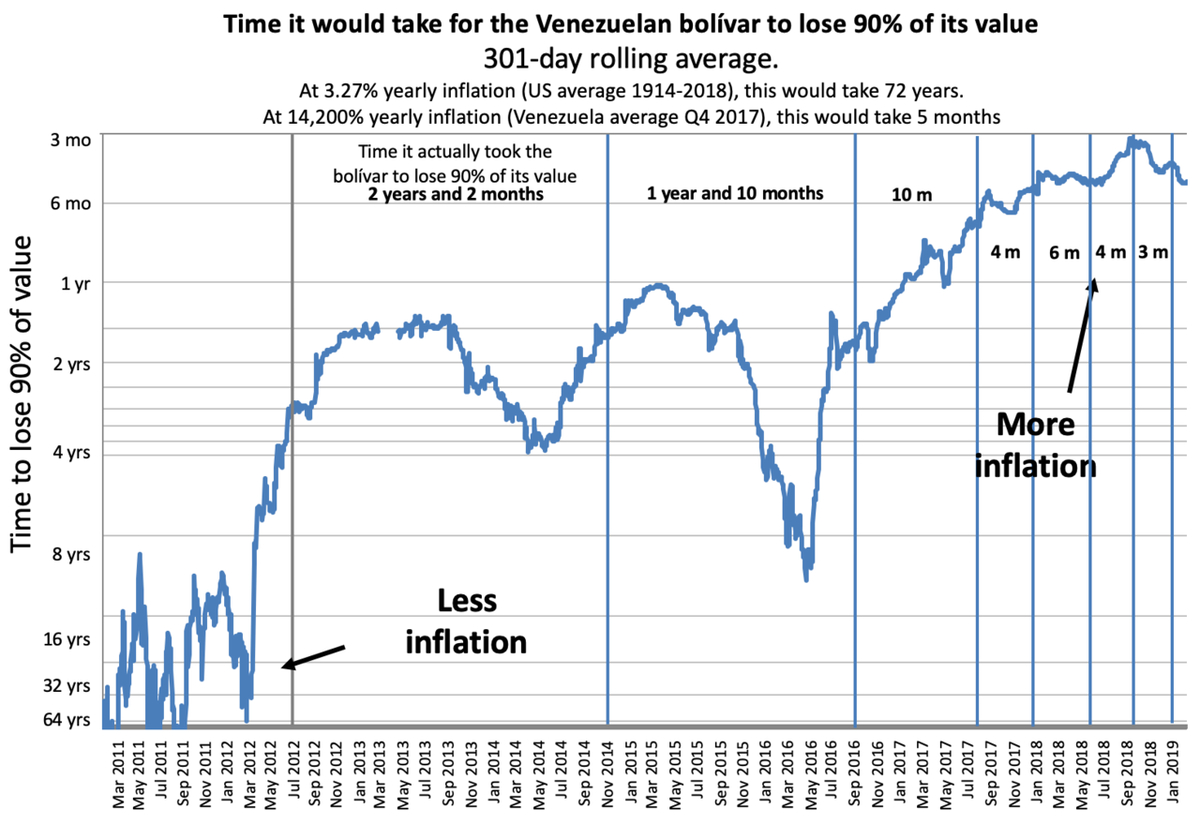
The economic crisis in Venezuela deepened significantly, causing hyperinflation to spiral out of control. This crisis was fueled by a combination of factors, including plummeting oil prices, mismanagement of funds, corruption, and economic sanctions imposed by foreign countries. As a result, the Venezuelan bolivar became practically worthless, with prices of basic goods skyrocketing on a daily basis.
The impact of hyperinflation was devastating on the Venezuelan population. People struggled to afford essential items such as food, medicine, and other basic necessities. Many faced extreme poverty, and the healthcare system collapsed, leading to shortages of vital medical supplies and a rise in preventable diseases. The crisis also sparked widespread protests and social unrest as people demanded solutions from the government.
The hyperinflation in Venezuela reached unprecedented levels, with the inflation rate soaring to astronomical figures. Prices doubled or even tripled within a matter of days, eroding people's purchasing power and savings. The government attempted to address the crisis by implementing measures such as currency devaluations and price controls, but these efforts had limited success in stabilizing the economy.
Overall, the economic crisis in Venezuela and the resulting hyperinflation had a profound and long-lasting impact on the country and its people. It led to widespread poverty, food and medicine shortages, social unrest, and a mass exodus of Venezuelans fleeing the country in search of better opportunities abroad. The repercussions of this crisis are still being felt today, as Venezuela continues to grapple with a crippled economy and a struggling population.
#VenezuelaCrisis #Hyperinflation #EconomicCollapse
Explore the Life Moments of
 AI Twin