Transition of power after Hugo Chavez's death
Venezuela
Political
Legacy
3 min read
Updated By: History Editorial Network (HEN)
Published:
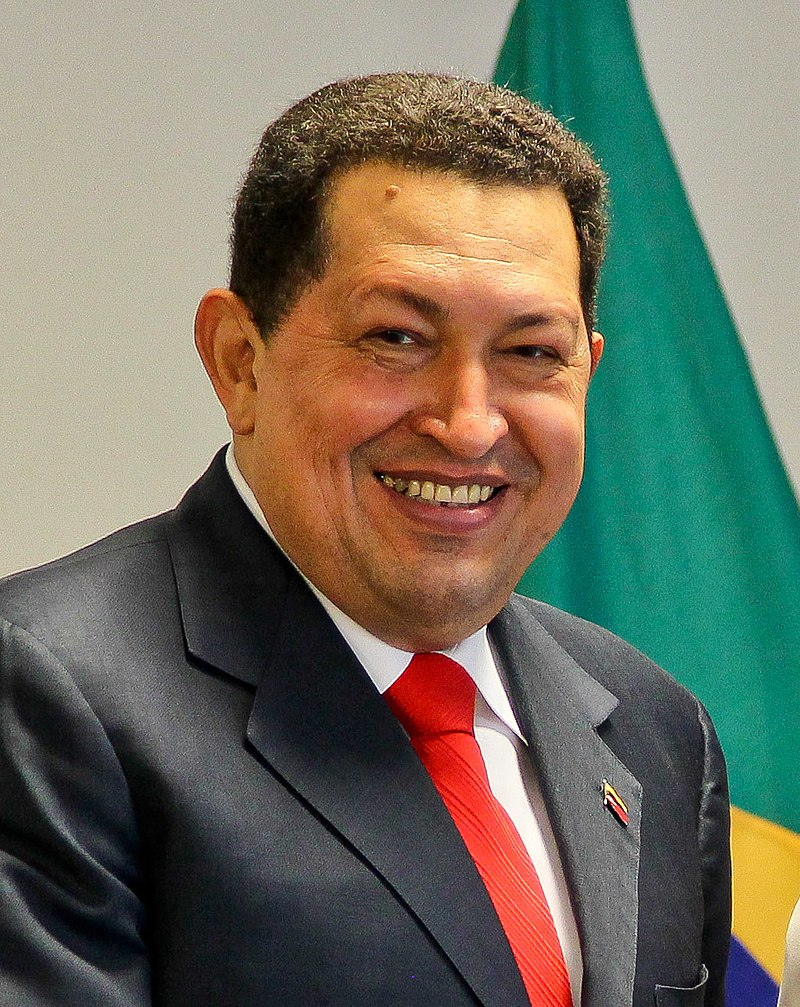
Hugo Chavez, the charismatic leader of Venezuela, passed away after battling cancer, leaving a void in the country's political landscape. Vice President Nicolas Maduro assumed the presidency as per the constitution, amidst a mix of mourning and uncertainty. Chavez had been a polarizing figure, championing socialist policies and anti-imperialist rhetoric while also facing criticism for his autocratic governing style.
Maduro, a former bus driver and union leader, stepped into his new role with the task of carrying forward Chavez's legacy. The transition of power was met with both support from Chavez's loyal followers and skepticism from opposition groups who questioned Maduro's ability to lead the country.
As the new president, Maduro faced numerous challenges, including a struggling economy plagued by inflation and shortages of basic goods. His leadership was put to the test as he sought to maintain the stability and unity of a nation deeply divided along political lines.
The death of Chavez and the subsequent rise of Maduro marked a turning point in Venezuelan history, with ripple effects felt both domestically and internationally. The legacy of Chavez, for some a revolutionary hero and for others a controversial strongman, continued to shape the political landscape in Venezuela for years to come.
#HugoChavez #NicolasMaduro #VenezuelanPolitics #Legacy #TransitionOfPower
Explore the Life Moments of
 AI Twin