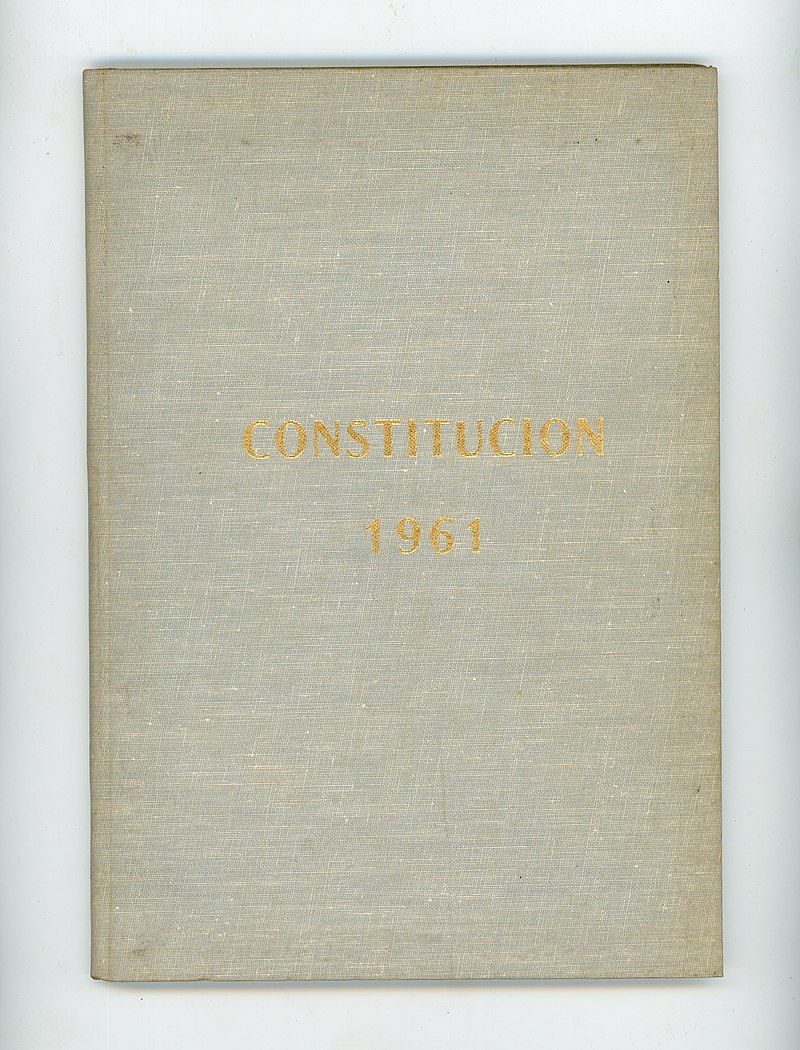
Adoption of a new constitution in Venezuela.
Venezuela

Political
Democracy
4 min read
Updated By: History Editorial Network (HEN)
Published:
Following a period of political turmoil, Venezuela embarked on a transformative step by adopting a new constitution. The country's previous constitution had been in place for over 100 years and was seen as outdated and ineffective in addressing the modern challenges faced by the nation.
The adoption of the new constitution aimed to strengthen democratic institutions, protect human rights, and promote social welfare. It was a response to the growing calls for reform and a desire to modernize Venezuela's legal framework. The new constitution was designed to decentralize power, enhance the separation of powers, and ensure greater citizen participation in government.
One of the most significant changes brought about by the new constitution was the establishment of a bicameral legislature, which replaced the previous unicameral system. This change aimed to improve the efficiency and accountability of the legislative branch.
Additionally, the new constitution enshrined protections for freedom of speech, assembly, and association, as well as guarantees for social and economic rights. It also introduced measures to combat corruption and promote sustainable development.
The adoption of the new constitution had a profound impact on Venezuela's political landscape, setting the stage for a new era of governance and public engagement. It laid the foundation for a more inclusive and responsive government, and provided a framework for addressing the country's most pressing challenges.
Overall, the adoption of the new constitution in Venezuela represented a significant milestone in the country's history, marking a decisive shift towards a more modern, democratic, and progressive society. It reflected the aspirations of the Venezuelan people for a better future and a more just and equitable society.
#Venezuela #Constitution #Democracy #Reform

Explore the Life Moments of
 AI Twin