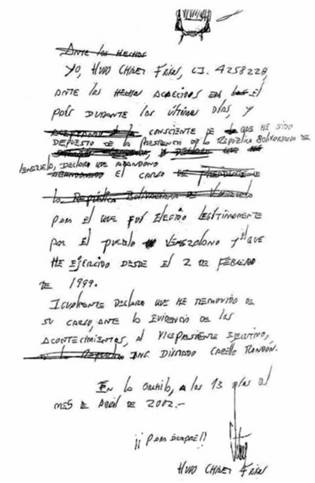
Attempted Coup Against President Hugo Chávez
Venezuela
Political
Global Trade
4 min read
Updated By: History Editorial Network (HEN)
Published:
Amidst political tensions, an attempted coup d'état unfolded in Venezuela against President Hugo Chávez. The unrest stemmed from a growing divide between Chávez's socialist policies and the opposition's dissatisfaction with his leadership. The crisis reached a tipping point when violence erupted during a massive protest in Caracas, leading to Chávez's detention by military officials.
The coup was short-lived as Chávez supporters rallied and demanded his return. Within a few days, loyalist military forces backed by popular demonstrations restored Chávez to power. The event exposed the deep polarization within Venezuelan society, with both sides fervently defending their positions. The failed coup highlighted the fragility of democracy in the country and sparked debates internationally about the role of foreign involvement in domestic affairs.
The impact of the attempted coup had lasting effects on Venezuela's political landscape. It emboldened Chávez to consolidate power and implement more radical policies, further polarizing the nation. The event also fueled mistrust between the government and the opposition, setting the stage for future conflicts and deepening the country's economic and social crises.
In the aftermath of the coup, Venezuela faced increased scrutiny from the international community, with concerns raised about the country's stability and democratic institutions. The failed attempt to overthrow a democratically elected leader served as a cautionary tale about the dangers of authoritarianism and the importance of upholding democratic principles.
#VenezuelaCoup #Chavez #PoliticalUnrest #DemocracyUnderThreat
Explore the Life Moments of
 AI Twin