
Venezuela

The Country of a Thousand Landscapes






1811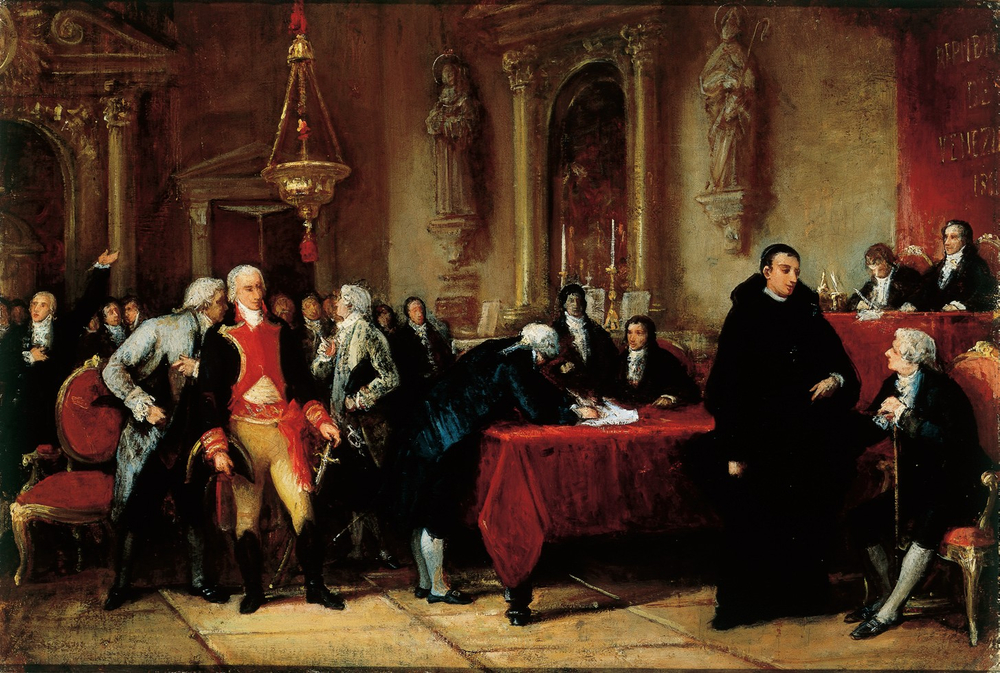
Venezuela's declaration of independence from Spain in 1811 marked a significant turning point in the country's history. The decision to break away from Spanish colonial rule was fueled by a combination of internal dissent and external influences such as the spread of Enlightenment ideas and the success of independence movements in other Latin American countries.
The National Congress of Venezuela, convened in Caracas, formally proclaimed the country's independence, setting off a chain of events that would shape Venezuela's future. However, this declaration was met with resistance from Spanish loyalists, leading to a long and bloody struggle for independence that would last over a decade.
The impact of Venezuela's independence from Spain was far-reaching. It not only paved the way for the liberation of other Spanish colonies in Latin America but also laid the foundation for the country's identity as a sovereign nation. The struggle for independence also galvanized the Venezuelan population and fostered a sense of unity and national pride that would endure long after the end of the war.
The declaration of independence from Spain in 1811 was a crucial moment in Venezuela's history, marking the beginning of a new era of self-determination and sovereignty. It was a testament to the courage and resilience of the Venezuelan people, who were willing to fight and sacrifice for their freedom.
#VenezuelaIndependence #SpanishColonialism #LatinAmericanIndependence #NationalCongressCaracas
View details1777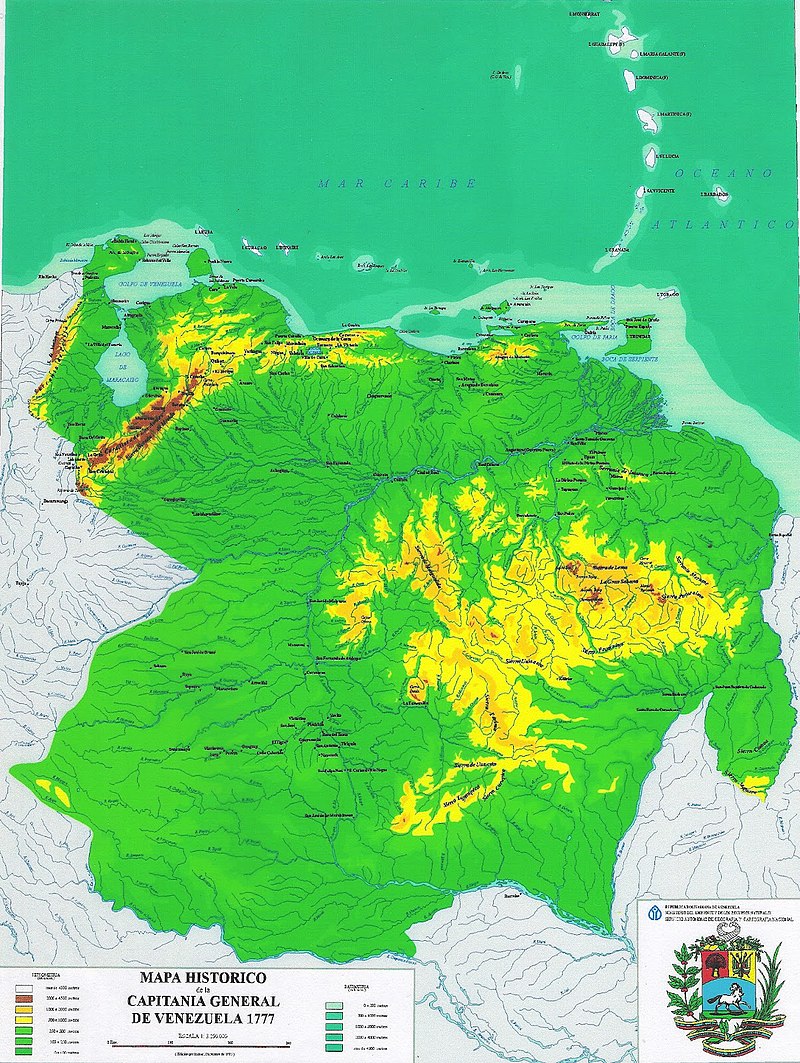
On 8-Sep-1777, Charles III issued a Royal Cédula in San Ildefonso creating the Captaincy General of Venezuela, shifting key provinces away from Viceroyalty of New Granada and making Caracas the closer administrative and military center. In 1777, Venezuela officially became part of the Captaincy General of Venezuela within the Spanish Empire. This administrative reorganization aimed to centralize control and enhance governance in the vast territories of Venezuela. The region had previously been under the jurisdiction of the Viceroyalty of New Granada, but the Spanish authorities decided to create a separate entity to streamline governance and improve efficiency.
In September 1777, the Spanish Crown formally reorganized how it governed its northern South American provinces by establishing the Captaincy General of Venezuela. The decree was framed as a practical fix to long delays and administrative friction caused by the great distance between these provinces and Santa Fe (Bogotá)-the capital of New Granada-where decisions and directives often arrived too late to be effective.
The Royal Cédula ordered the separation of Cumaná (Nueva Andalucía), Guayana, and Maracaibo, plus the islands of Trinidad and Margarita, from New Granada’s viceroyal administration and attached them “in governmental and military matters” to the Captaincy General of Venezuela. It also explicitly linked this political–military shift to the newer fiscal administration centered in Caracas, so the region’s governance, defense, and treasury oversight would operate more closely together.
The decree also changed judicial oversight to reduce fragmentation: it removed Maracaibo and Guayana from the jurisdiction of the Audiencia of Santa Fe and attached them to the Audiencia of Santo Domingo, aligning these territories under the same nearby captain general and intendancy so they could be “better governed” (as the decree states). Provincial governors were instructed to obey the captain general in Caracas for matters of royal service, government, and defense.
Historically, this reform is usually treated as part of the wider Bourbon-era administrative reforms-a push to streamline imperial control, strengthen defense, and make colonial administration more effective. By bringing scattered provinces under a single political and military command based in Caracas, the 1777 reorganization helped unify the territorial-administrative framework that later shaped the emergence of modern Venezuela.
The establishment of the Captaincy General of Venezuela had a significant impact on the region's political and economic landscape. It led to the implementation of new laws and regulations, as well as the appointment of local officials to oversee administration. The Spanish Empire sought to exploit Venezuela's abundant natural resources and agricultural potential more effectively, leading to increased trade and economic development in the region.
One of the key consequences of Venezuela becoming part of the Captaincy General was the consolidation of Spanish control over the territory. The Spanish authorities exerted more direct influence over local affairs, leading to tighter social and political control. This centralized governance structure also facilitated the spread of Spanish culture and institutions in Venezuela, shaping the region's identity for centuries to come.
Overall, the integration of Venezuela into the Captaincy General of Venezuela in 1777 marked a crucial turning point in the region's history. It represented a shift towards more centralized and efficient administration under Spanish colonial rule, with far-reaching consequences for Venezuela's development and identity.
Key Events of 1776 (Pre-1777):
• Creation of the Intendancy of Caracas: Established on December 8, 1776, by Minister of the Indies José de Gálvez, this new office (the Intendencia de Ejército y Real Hacienda) centralised fiscal and military supply management for several provinces.
• Provincial Inclusion: The 1776 Intendancy brought together the provinces of Venezuela (Caracas), Cumaná, Guayana, Maracaibo, Trinidad, and Margarita under a single financial authority based in Caracas.
• Shift in Jurisdiction: Prior to this, fiscal and judicial oversight was split; Maracaibo, Guayana, and Trinidad were supervised by the Audiencia (high court) in Bogotá, while the other provinces reported to Santo Domingo.
• Pre-1776 Status: Most of these territories were under the jurisdiction of the Viceroyalty of New Granada (re-established in 1739).
Key People (New Central Authorities)
• Luis de Unzaga: Appointed as the first Captain General of the unified territory. Previously the governor of Spanish Louisiana, he was brought in to establish the new political and military structure.
• José de Ábalos: Appointed as the first Intendant of the Army and Royal Treasury. He became the most powerful fiscal official, overseeing the finances and economic development of all integrated provinces.
View details1738
In 1739, Venezuelan territories were integrated into the Viceroyalty of New Granada. This decision stemmed from the administrative reorganization by the Spanish Crown in South America. The Viceroyalty of New Granada, established in the early 18th century, encompassed regions of present-day Colombia, Ecuador, Panama, and parts of Venezuela.
The inclusion of Venezuelan territories in the Viceroyalty of New Granada had significant implications. It led to a centralization of power and governance, as the Viceroyalty served as a higher administrative unit overseeing various provinces. This move aimed to streamline colonial administration and enhance control over the vast territories under Spanish rule.
With this integration, Venezuela became more closely linked to the political and economic dynamics of the Viceroyalty of New Granada. Trade routes, communication networks, and governance structures were reorganized to align with the new administrative framework. This shift contributed to shaping the socio-economic landscape of Venezuela and fostering connections with neighboring regions within the Viceroyalty.
The consolidation of Venezuelan territories under the Viceroyalty of New Granada also had cultural implications. It facilitated the exchange of customs, traditions, and languages among diverse populations within the viceroyalty. This cultural interchange enriched the social fabric of the region and influenced art, architecture, and religious practices.
Overall, the integration of Venezuelan territories into the Viceroyalty of New Granada represented a pivotal moment in the colonial history of South America. It redefined administrative boundaries, strengthened centralized governance, and fostered cultural exchanges across the expanding Spanish territories in the region.
#ColonialAdministration #SouthAmericaHistory #CulturalExchange
View details1721
The Real y Pontificia Universidad de Caracas was founded as the first university in Venezuela with the aim of promoting education and intellectual growth in the region. Established during a period of Spanish colonial rule, the university served as a center for academic excellence and played a crucial role in shaping the intellectual landscape of the country.
The creation of the university provided access to higher education for the local population, offering a curriculum that encompassed a wide range of subjects including theology, law, medicine, and the arts. This expansion of learning opportunities had a profound impact on the cultural and societal development of Venezuela, fostering a new generation of professionals and scholars who would contribute to the advancement of knowledge in various fields.
The establishment of the Real y Pontificia Universidad de Caracas also helped to elevate the status of the city as a hub of intellectual and academic activity, attracting students and scholars from across the region. This influx of talent and ideas enriched the academic environment of the university, leading to the exchange of knowledge and the development of new perspectives on a wide range of topics.
Overall, the founding of the Real y Pontificia Universidad de Caracas marked a pivotal moment in the history of Venezuela, as it laid the foundation for the growth of education and scholarship in the region. The university's legacy continues to be felt to this day, with the institution remaining a symbol of academic excellence and intellectual pursuit in Venezuela.
#UniversityOfCaracas #VenezuelanEducation #IntellectualDevelopment
View details1713
In the early 18th century, a Catalan colonial reconnaissance expedition under the leadership of Juan Dionisio de Lobera embarked on a journey to explore the Venezuelan coast. The expedition was part of a broader effort by European powers to expand their colonial territories and establish control over new lands.
The arrival of the Catalan expedition marked the beginning of increased European interest in Venezuela and set the stage for future colonization efforts in the region. Juan Dionisio de Lobera and his team conducted surveys, mapped the coastline, and made contact with indigenous communities, laying the groundwork for future expeditions and the eventual establishment of Spanish colonial rule in Venezuela.
The expedition had a lasting impact on the history and development of Venezuela, as it paved the way for further European exploration, exploitation, and colonization of the region. The information gathered during the reconnaissance mission provided valuable insights into the geography, resources, and indigenous populations of Venezuela, shaping the course of future colonial endeavors in the area.
Overall, the Catalan colonial reconnaissance expedition led by Juan Dionisio de Lobera was a crucial event in the history of Venezuela, marking the beginning of increased European presence and influence in the region. The expedition played a significant role in shaping the colonial history of Venezuela and laying the groundwork for the establishment of Spanish colonial rule in the area.
#VenezuelanHistory #ColonialExpansion #EuropeanExploration
View details1649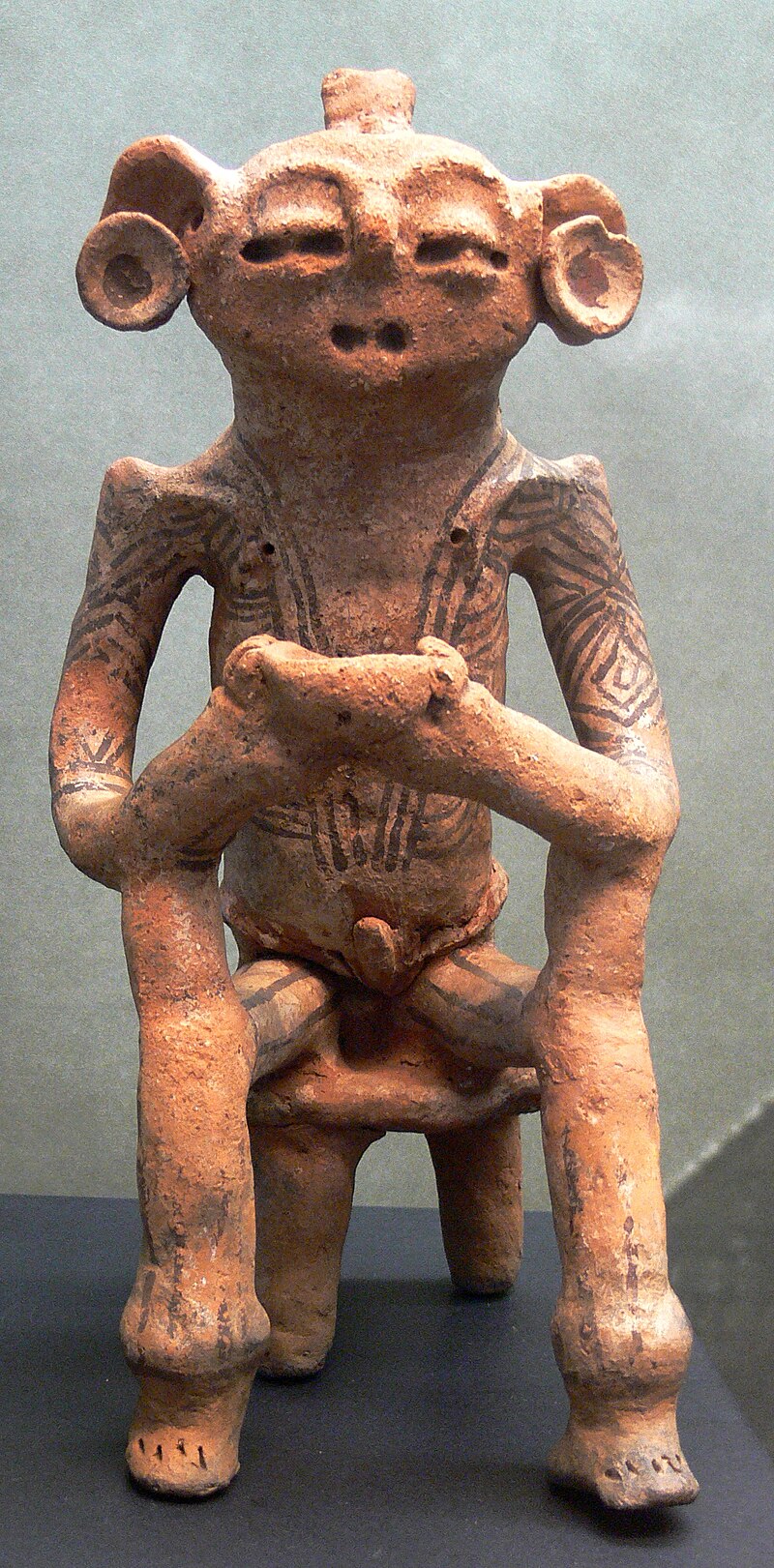
The establishment of the Timoto-Cuica culture in the Andes region of Venezuela marked a pivotal moment in the history of the indigenous peoples of South America. The Timoto-Cuica were one of the most advanced pre-Columbian cultures in the region, known for their sophisticated agricultural techniques, complex religious beliefs, and skilled craftsmanship.
Living in the Andean highlands, the Timoto-Cuica people built terraced fields for farming maize, beans, and squash. They also developed intricate irrigation systems to support their crops, demonstrating their advanced knowledge of engineering and agriculture. Additionally, the Timoto-Cuica were skilled in pottery and textile production, creating beautiful ceramics and fabrics that were traded throughout the region.
The cultural impact of the Timoto-Cuica extended beyond their technological achievements. They had a rich spiritual life, worshipping a pantheon of deities and practicing elaborate rituals. Their religious beliefs were intertwined with their agricultural practices, reflecting a deep connection to the natural world.
Despite their cultural achievements, the Timoto-Cuica culture faced challenges from European colonization. Spanish conquistadors arrived in the region in search of gold and resources, leading to conflicts with the indigenous populations. The arrival of European diseases also had a devastating impact on the Timoto-Cuica people, reducing their population significantly.
Today, the legacy of the Timoto-Cuica culture lives on in the traditions and customs of the indigenous communities in the Andean region of Venezuela. Their agricultural techniques, artistic achievements, and spiritual beliefs continue to influence the cultural landscape of the area, reminding us of the rich heritage of the indigenous peoples of South America.
#TimotoCuica #AndesRegion #VenezuelanHistory
View details1567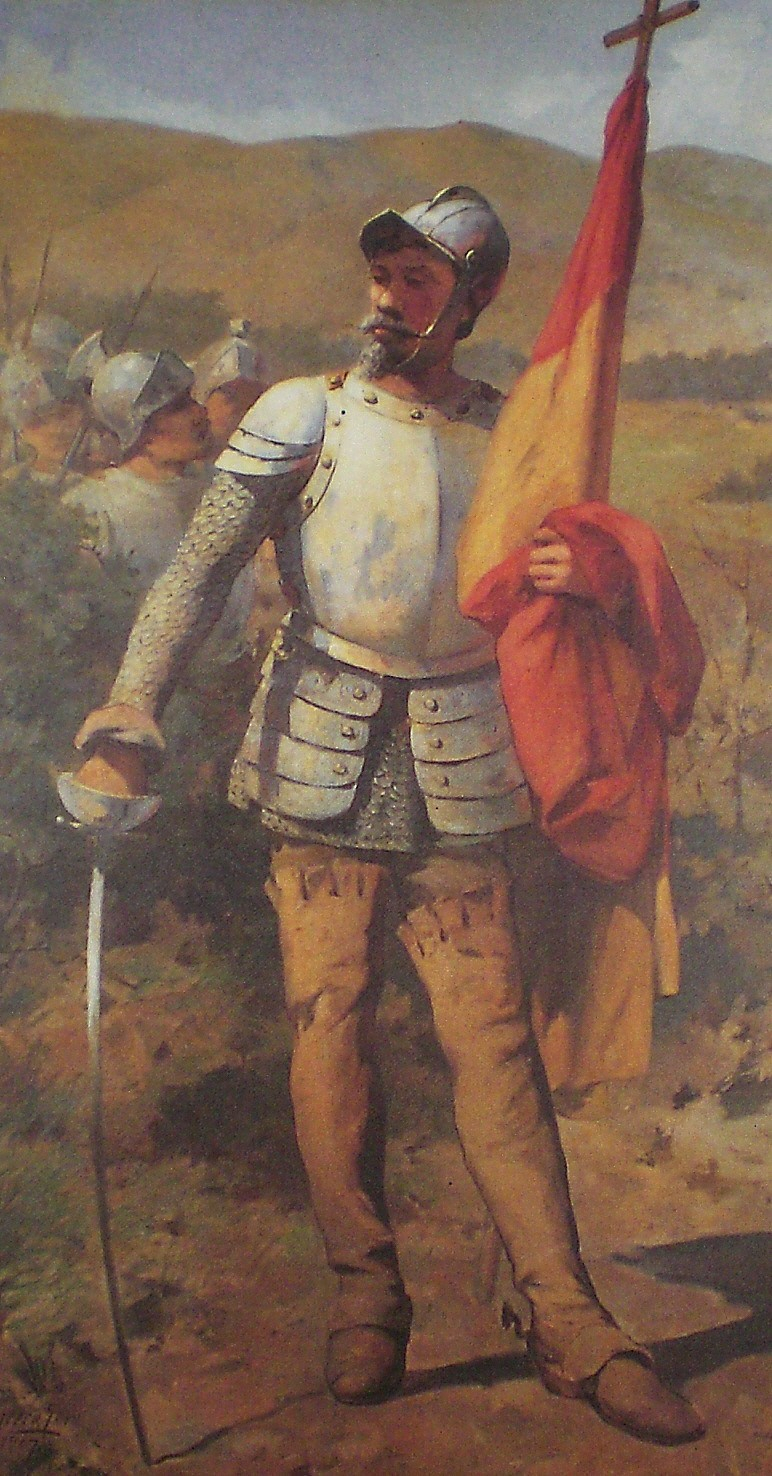
Diego de Losada, a Spanish conquistador, played a crucial role in the establishment of Caracas. The city was founded as a strategic settlement for the Spanish Empire, serving as a base for further expansion and control in the region. The location was chosen for its favorable climate, fertile land, and proximity to valuable resources. The indigenous population, primarily the Caracas tribe, were subjected to Spanish colonization and assimilation efforts.
The impact of establishing Caracas was significant, leading to the colonization and exploitation of the region's natural riches, including gold and agricultural products. The city grew rapidly, attracting settlers from Spain and other European countries. Caracas became an important administrative, economic, and cultural center within the Spanish colonial empire. The Spanish influence is still evident in the city's architecture, language, and traditions.
Diego de Losada's leadership and vision were instrumental in shaping the early development of Caracas. His military experience and political acumen helped secure the city's position and defend it against external threats. Despite facing challenges such as resistance from indigenous populations and rival European powers, Losada's determination and strategic planning ensured the city's growth and stability.
Caracas has since evolved into the vibrant and diverse capital of Venezuela, reflecting its complex history and heritage. The city's rich cultural heritage, including music, art, and cuisine, is a testament to its enduring legacy as a melting pot of different influences and identities. The spirit of resilience and perseverance that characterized its founding continues to inspire its inhabitants and visitors alike.
#DiegoDeLosada #CaracasFoundation #SpanishColonization #VenezuelanHistory
View detailsIn the 16th century, Captain Alonso Pacheco, a Spanish conquistador, played a crucial role in establishing the city of Maracaibo in present-day Venezuela. Pacheco led an expedition along Lake Maracaibo, where he saw the potential for a strategic settlement. Recognizing the geographic advantages of the location, Pacheco decided to found a city there.
The foundation of Maracaibo marked a significant milestone in Spanish colonization efforts in South America. The city served as a crucial outpost for further expeditions into the interior of the continent. Its proximity to the lake and access to trade routes made Maracaibo a thriving commercial hub, attracting merchants and settlers from various regions.
Under Pacheco's leadership, the city began to grow rapidly, attracting a diverse population of Europeans, indigenous people, and African slaves. The development of Maracaibo led to the establishment of trade networks that connected the city to other Spanish colonies in the region. The city's economy flourished, driven by trade in goods such as cacao, coffee, and sugar.
The foundation of Maracaibo by Captain Alonso Pacheco had a lasting impact on the cultural and economic landscape of the region. The city became an important center of Spanish colonial power in South America and played a key role in the spread of European influence in the area. Today, Maracaibo remains a vibrant city with a rich history that attracts visitors from around the world.
#Maracaibo #AlonsoPacheco #SpanishColonization #TradeHub #VenezuelanHistory #CulturalHeritage
View details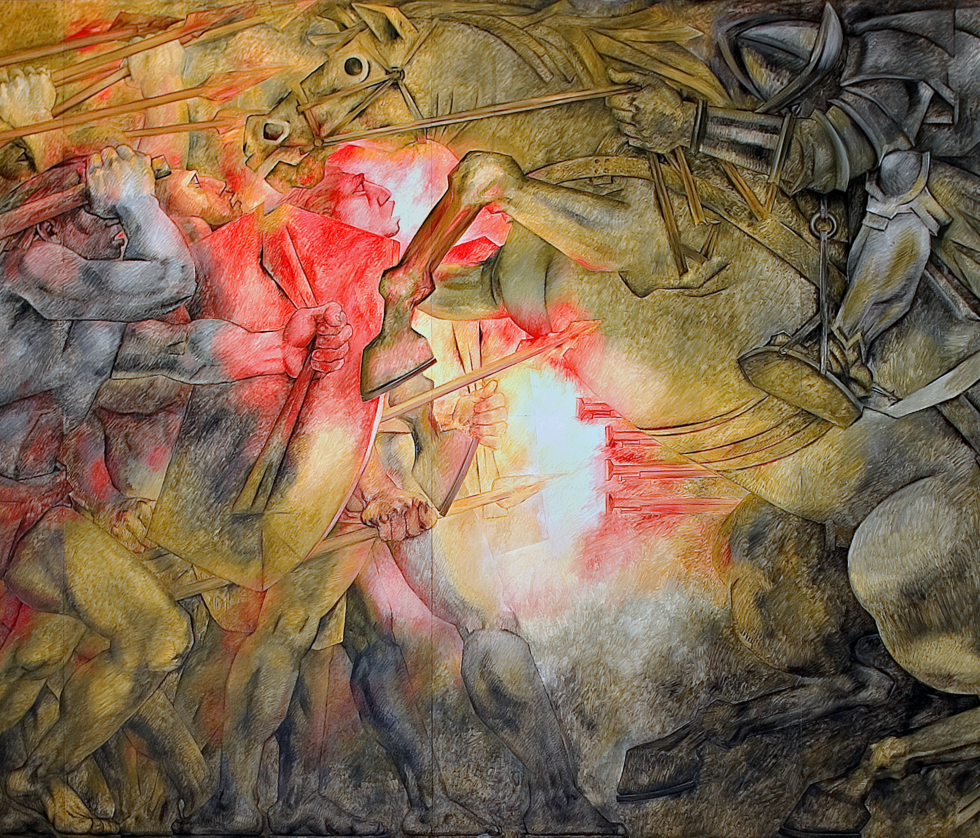
1566
The Battle of Maracapana took place between Spanish forces and indigenous peoples in Venezuela. The conflict stemmed from the Spanish quest for control over the region, driven by their desire for resources and expansion of their empire. The indigenous peoples, including the native Caribs and other tribes, fiercely resisted the Spanish incursions, defending their land and way of life.
The battle at Maracapana was a pivotal moment in the struggle for dominance. The Spanish forces, led by their military commanders, employed superior weaponry and tactics, but the indigenous warriors displayed great courage and tactics of their own. The battle was fierce and bloody, with both sides suffering significant casualties.
In the aftermath of the battle, the Spanish emerged victorious, further solidifying their control over the region. The indigenous peoples faced continued oppression and exploitation, as the Spanish sought to assert their authority and extract resources from the land.
The Battle of Maracapana stands as a testament to the clash of cultures and the enduring resistance of indigenous peoples against colonial forces. It serves as a reminder of the complex and often brutal history of colonization in the Americas, where different peoples and civilizations intersected and clashed with far-reaching consequences.
#BattleOfMaracapana #SpanishColonization #IndigenousResistance #VenezuelanHistory
View details1563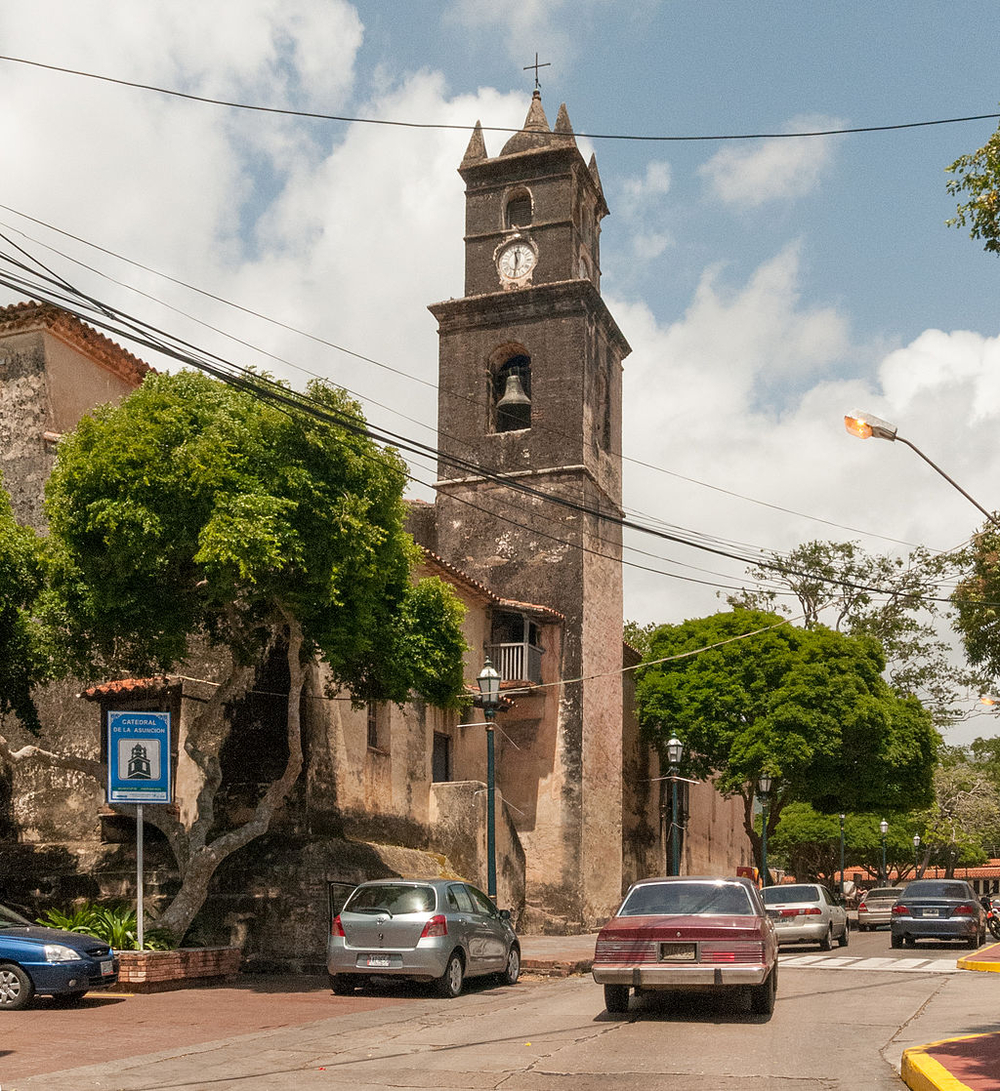
In 1565, the town of La Asunción was founded on Margarita Island, off the coast of Venezuela. This historic event was a significant milestone in the Spanish colonization of the region, as it served as a strategic outpost for the Spanish Empire in the Caribbean.
The foundation of La Asunción was part of the broader effort by the Spanish to establish control over the valuable resources and trade routes in the Caribbean. The town quickly grew in importance due to its strategic location and its function as a hub for trade and administration in the region. La Asunción became a key center for military operations, as well as for the dissemination of Spanish culture and influence in the New World.
The impact of the founding of La Asunción was profound, as it helped solidify Spanish control over Margarita Island and the surrounding areas. The town played a crucial role in the economic and political development of the region, serving as a base for expeditions and conquests in the Caribbean and South America.
Over the centuries, La Asunción continued to be an important center of economic activity, with agriculture, fishing, and trade driving its growth. The town also became known for its colonial architecture, including the iconic Santa Rosa Castle, which still stands as a testament to its storied past.
Today, the town of La Asunción remains a vibrant cultural and historical center, attracting visitors from around the world to its picturesque streets and historic sites. The foundation of La Asunción on Margarita Island stands as a testament to the enduring legacy of Spanish colonialism in the Caribbean and its lasting impact on the region's history and culture.
#SpanishColonization #CaribbeanHistory #ColonialLegacy #VenezuelanHistory
View details1552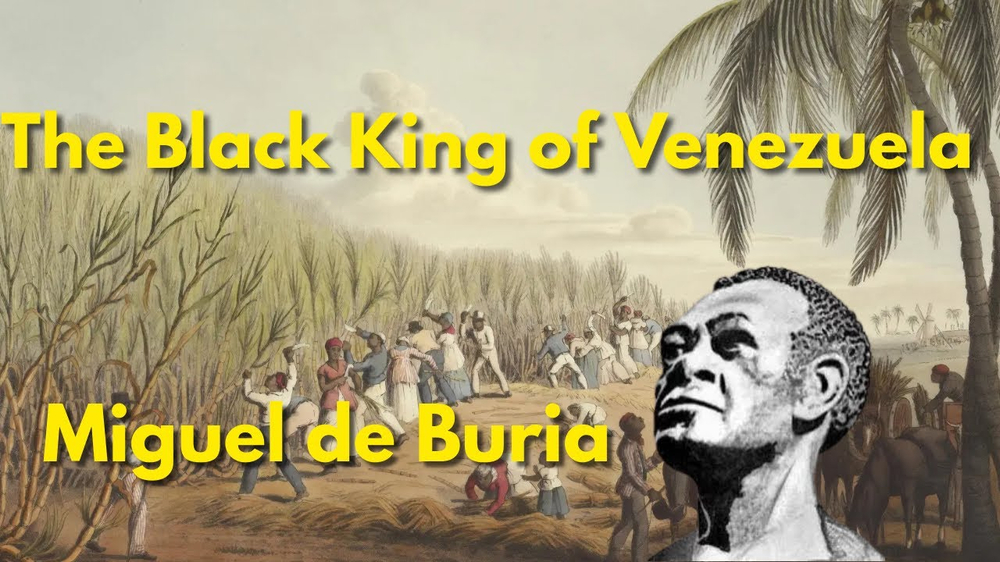
In 1552, the first slave rebellion erupted in Venezuela, marking a pivotal moment in the country's history. The rebellion was fueled by the harsh treatment and oppressive conditions that enslaved Africans were subjected to by the Spanish colonizers. Led by a courageous group of enslaved individuals, the rebellion sought to challenge the status quo and fight for their freedom.
The enslaved rebels displayed remarkable bravery and resilience in the face of adversity. They strategically organized themselves and launched a coordinated effort to resist their oppressors. The rebellion was a bold statement against the oppressive system of slavery that had dehumanized them for far too long.
The repercussions of the rebellion were profound. It sparked fear and uncertainty among the colonizers, highlighting the inherent flaws and injustices of the institution of slavery. The rebellion also served as a catalyst for future uprisings and resistance movements throughout Venezuela and the wider region.
Despite facing immense challenges and risks, the enslaved rebels demonstrated unwavering determination and courage in their fight for freedom. Their actions reverberated throughout Venezuelan society, challenging the oppressive structures that sought to keep them subjugated.
The first slave rebellion in Venezuela stands as a testament to the resilience and bravery of the enslaved individuals who refused to accept their dehumanization. It serves as a reminder of the power of collective action in the face of injustice and oppression. The rebellion remains a significant milestone in Venezuela's history, highlighting the ongoing struggle for freedom and equality.#VenezuelanHistory #SlaveRebellion #FreedomFighters
View details1549
Establishment of the city of Barquisimeto by Juan de Villegas was a pivotal event in the history of Venezuela. The city was founded in the region inhabited by indigenous tribes, primarily the Quibor tribe. Juan de Villegas, a Spanish conquistador, established the city with the approval of the Spanish Crown to solidify Spanish presence in the area.
The establishment of Barquisimeto marked the beginning of significant urban development in the region. The city quickly became an important commercial and agricultural center due to its strategic location and fertile lands. The Spanish settlers introduced new agricultural techniques and crops, transforming the area into a prosperous region known for its farming activities.
Barquisimeto's growth was also fueled by its role as a key transportation hub, connecting different regions of Venezuela. The city's location along important trade routes contributed to its economic importance and attracted settlers from various backgrounds.
The establishment of Barquisimeto by Juan de Villegas laid the foundation for the cultural and architectural identity of the city. The fusion of Spanish and indigenous influences is evident in the city's architecture, traditions, and culture. This blend of cultures has shaped the unique identity of Barquisimeto and continues to be celebrated by its inhabitants.
Today, Barquisimeto stands as a vibrant city that honors its historical roots while embracing modernity. The city's growth and development over the centuries reflect the resilience and creativity of its inhabitants. The legacy of Juan de Villegas and the early settlers lives on in the streets, buildings, and traditions of Barquisimeto, reminding residents and visitors of the city's rich heritage.
#Barquisimeto #VenezuelanHistory #CulturalFusion #UrbanDevelopment
View details1542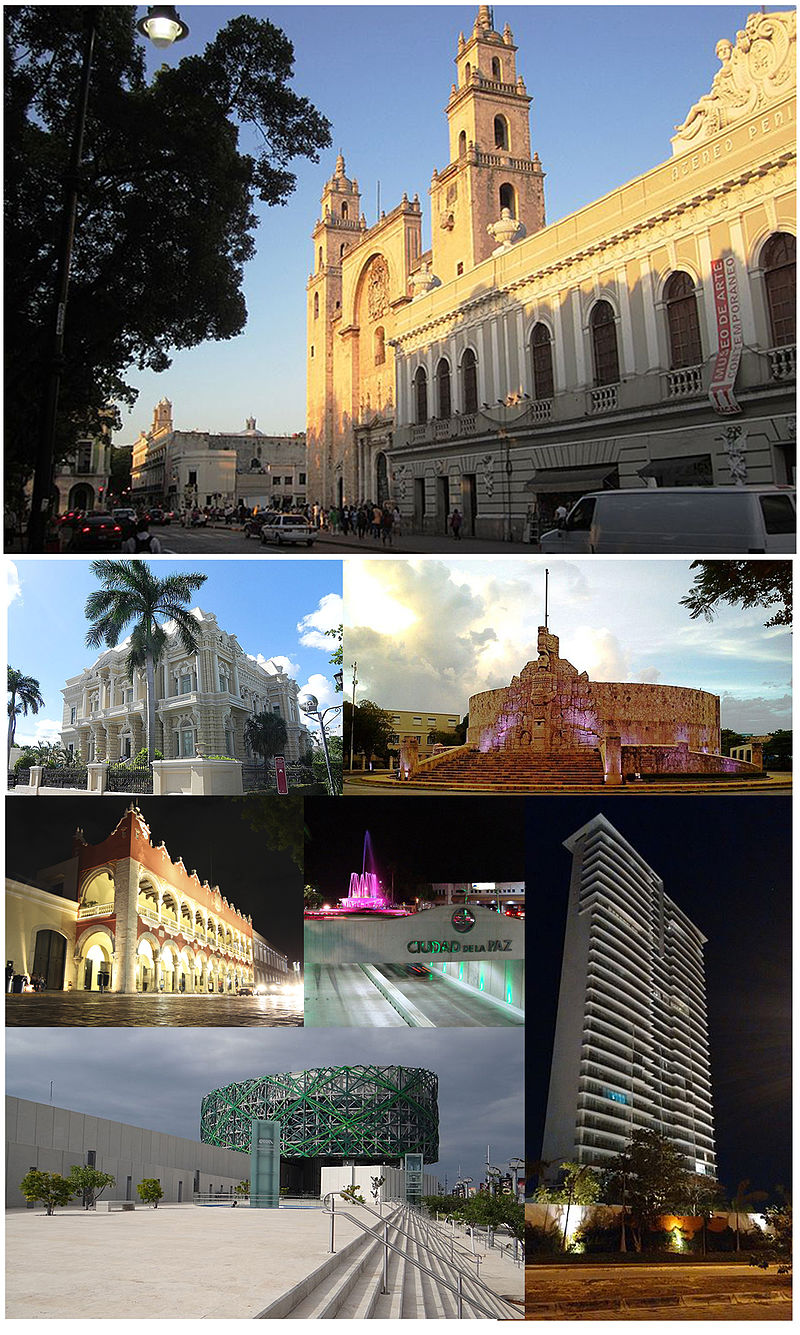
In 1542, the expedition led by Captain Juan Rodríguez Suárez reached the land of the Yucatan Peninsula, where they established the city of Mérida. Named after the Spanish city of the same name, Mérida became the capital of the Yucatan region and played a significant role in the Spanish conquest of the area. The city was strategically located near important Mayan settlements and quickly became a center of Spanish influence in the region.
The establishment of Mérida brought about significant changes to the area, as the Spanish introduced new laws, customs, and language to the indigenous populations. The city served as a base for further expeditions into the surrounding areas, leading to the expansion of Spanish control over the Yucatan Peninsula. Additionally, Mérida became a hub for trade and commerce, attracting settlers from Spain and other parts of the region.
Over time, Mérida grew into a prosperous city, with impressive colonial architecture and a rich cultural heritage that blended Spanish and indigenous influences. The city's economy thrived, thanks to its strategic location and the resources available in the surrounding area. Mérida also became known for its vibrant arts and music scene, attracting artists and musicians from all over.
Today, Mérida stands as a testament to the enduring legacy of Spanish colonization in the region. The city's historical importance is evident in its well-preserved architecture, museums, and cultural festivals that celebrate its heritage. #Mérida #SpanishColonization #YucatanPeninsula #ColonialHistory
View details1526
In 1526, the Real Audiencia of Santo Domingo was established, encompassing territories of present-day Venezuela. This administrative body was the first in the Americas, serving as a high court of justice and government.
The Real Audiencia of Santo Domingo had jurisdiction over judicial, political, and economic matters in its territories. It played a crucial role in the governance of the region, making decisions on issues such as land distribution, indigenous rights, and trade regulations.
The establishment of the Real Audiencia of Santo Domingo brought a more centralized form of government to the Spanish colonies in the Americas, increasing royal control over these distant territories. It also helped to streamline the legal system and ensure the enforcement of Spanish laws in the region.
The creation of the Real Audiencia of Santo Domingo had a lasting impact on the development of Venezuela and the wider Caribbean region. It helped to shape the political and legal institutions of the colonies, laying the groundwork for future governance structures.
Overall, the establishment of the Real Audiencia of Santo Domingo in 1526 marked a significant moment in the history of Venezuela and the Americas, consolidating Spanish control and establishing a framework for colonial governance.
#RealAudiencia #SantoDomingo #Venezuela #SpanishColonies #Governance #History
View details1502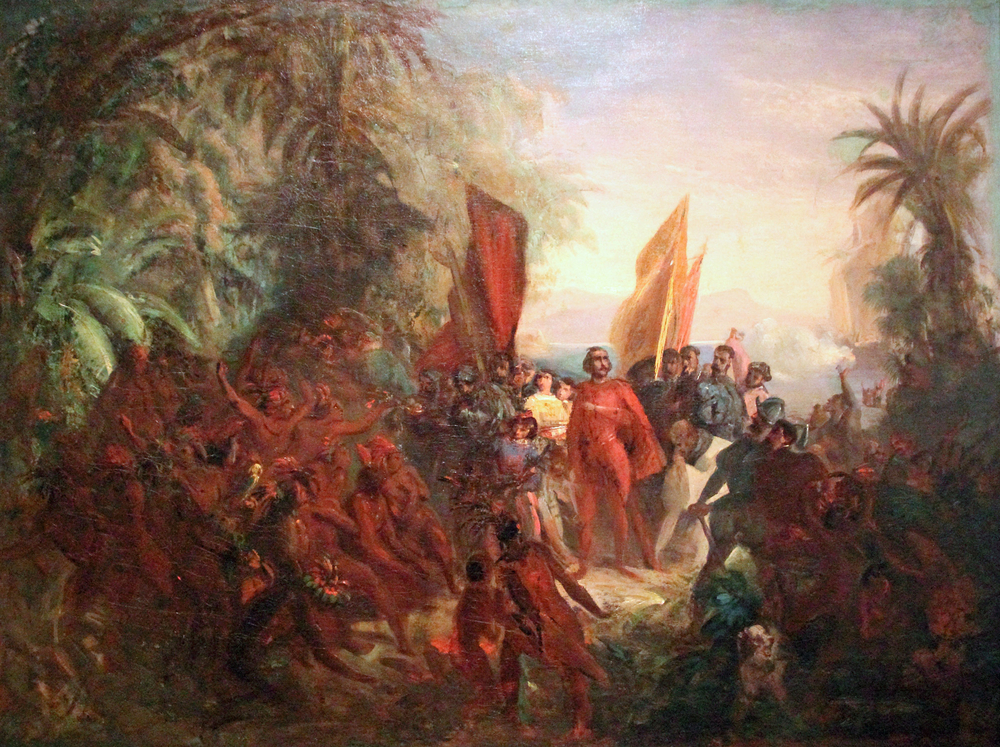
In the early 16th century, Spanish colonization of Venezuela commenced with the arrival of Spanish explorers led by Alonso de Ojeda. The expedition set foot on the northern coast, marking the beginning of European presence in the region.
The Spanish colonization of Venezuela had a profound impact on the indigenous populations, leading to conflicts over territory, resources, and ultimately the subjugation of native tribes. The Spanish sought to exploit the land for its riches, particularly gold, leading to the establishment of mining operations and plantations.
Under Spanish rule, Venezuela became a key outpost of the Spanish Empire in South America, attracting settlers and traders eager to capitalize on the abundant resources of the land. The Spanish implemented encomienda systems, forcing indigenous people into labor and converting them to Christianity.
The arrival of the Spanish also brought diseases that devastated the native populations, leading to a significant decline in their numbers. The impact of colonization was far-reaching, shaping the culture, economy, and society of Venezuela for centuries to come.
The Spanish colonization of Venezuela laid the foundation for the country's modern identity, blending indigenous, African, and European influences. Despite the hardships endured by indigenous peoples, their resilience and cultural heritage have endured, contributing to Venezuela's rich multicultural tapestry.
Today, remnants of the Spanish colonial era can be seen in Venezuela's architecture, language, and traditions, serving as a reminder of the country's complex history and the enduring legacy of colonization.
#SpanishColonization #VenezuelanHistory #CulturalHeritage.
View details1498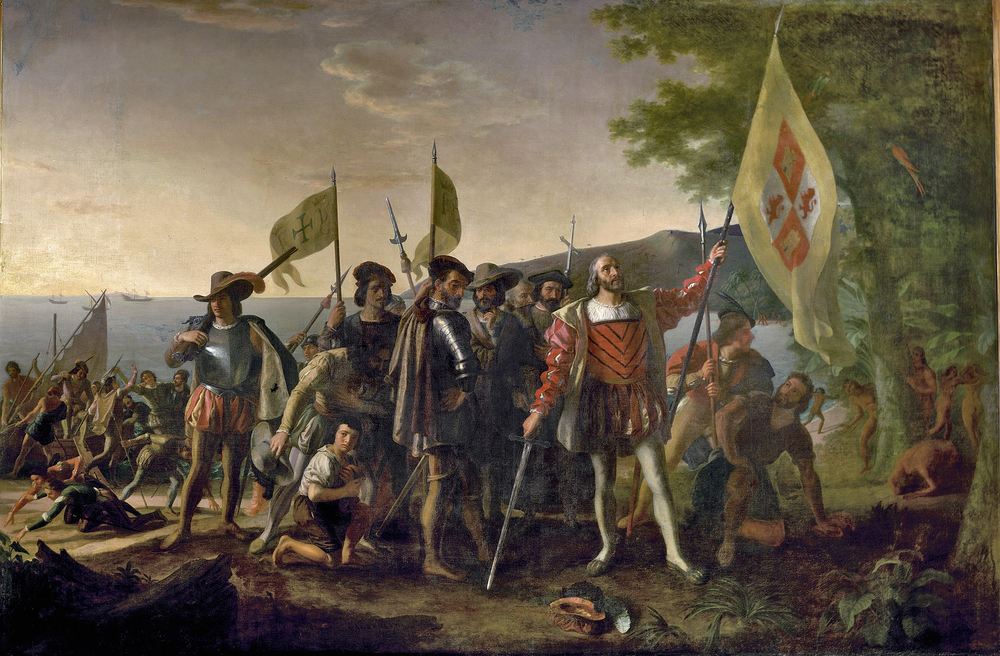
In a momentous expedition, Christopher Columbus reached the shores of South America at the mouth of the Orinoco River, marking his first landing in this region. The Italian explorer, sailing under the flag of the Spanish Crown, had set out to find a westward route to Asia but found himself on the shores of the continent unknown to Europe at the time. Columbus and his crew stepped onto the land of what is now modern-day Venezuela, greeted by the lush vegetation and the flowing waters of the Orinoco River.
This pivotal event not only expanded the understanding of the world's geography but also paved the way for further European exploration and colonization of the Americas. The arrival of Columbus in South America heralded the beginning of significant interactions between the indigenous peoples of the continent and European powers. It initiated a period of exploration, conquest, and colonization that would forever alter the course of history in the region.
The encounter at the Orinoco River was a prelude to the wave of Spanish colonization that would follow in the years and decades to come, bringing about profound changes in the cultures, societies, and landscapes of South America. The impact of Columbus's landing would resonate through the centuries, shaping the identity and trajectory of the nations that would emerge in the wake of European arrival.
The event of Christopher Columbus landing in South America near the Orinoco River stands as a key moment in the history of exploration and colonization, highlighting the interconnectedness of nations and the enduring legacy of discovery and conquest. It symbolizes the collision of worlds and the complex legacies that continue to shape the region to this day.
#ChristopherColumbus #SouthAmerica #OrinocoRiver #Exploration #Colonization #Venezuela
View details