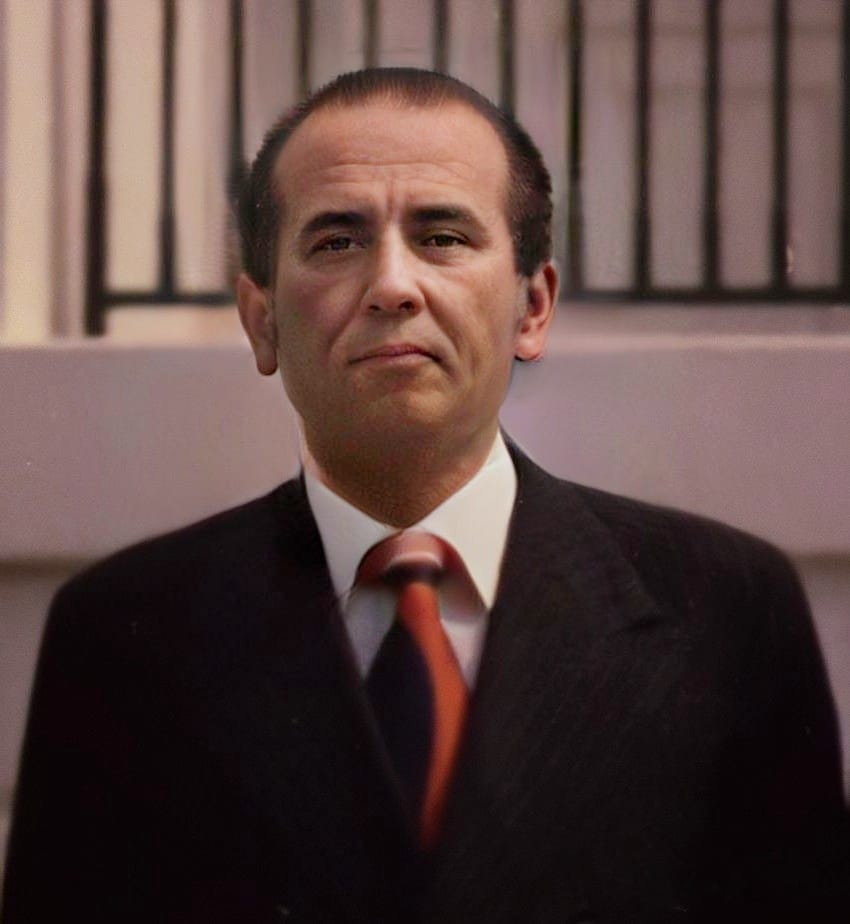
President Carlos Andrés Pérez removed from office amid corruption charges.
Venezuela
Political
Economic Downturn
4 min read
Updated By: History Editorial Network (HEN)
Published:
Amidst a backdrop of economic turmoil and social unrest, President Carlos Andrés Pérez of Venezuela was dismissed from office. The country was reeling from severe inflation, rising unemployment, and public discontent over government corruption. His removal came after being accused of misappropriating public funds, leading to widespread protests and calls for his resignation.
Pérez, a prominent figure in Venezuelan politics, had previously served as president during a period of relative stability. However, his return to power was marred by economic mismanagement and allegations of embezzlement. The decision to fire him was made by the Venezuelan Congress, reflecting the public's demand for accountability and a new direction in leadership.
The ousting of Pérez had a significant impact on Venezuela's political landscape, ushering in a period of uncertainty and transition. It marked a turning point in the country's history, highlighting the need for transparency and reform in governance. The event also underscored the power of grassroots movements in holding leaders accountable for their actions.
In the aftermath of Pérez's dismissal, Venezuelans grappled with the aftermath of his administration and looked towards the future with a sense of hope and determination. The event served as a reminder of the importance of upholding democratic values and ensuring that those in power act in the best interests of the people.
#Venezuela #CarlosAndrésPérez #Dismissal #PoliticalTurmoil #GovernmentCorruption #DemocraticValues
Explore the Life Moments of
 AI Twin