
South Korea

The Land of Morning Calm
About
#SouthKorea
#KoreanCulture
#TravelKorea
Life Classification
Country
Life ID
EL4859404153598
Verified Name
south-korea
Life Type
Entity Life
Life Editor(s)
History Editorial Network (HEN)
Life Privacy
Public
Subscription
Elite
Created On
2024-08-01
Updated On
2026-01-16
Connect
Related Lives

Bosnia and Herzegovina
The Land of Golden Lilies

Haiti
The Resilient Spirit of Haiti

Ottoman Empire
A global superpower for over 600 years


Bangladesh
Resilience in Harmony

Luxembourg
The Gibraltar of the North

Cape Verde
Jewel of the Atlantic

Albania
The Land of Eagles

2026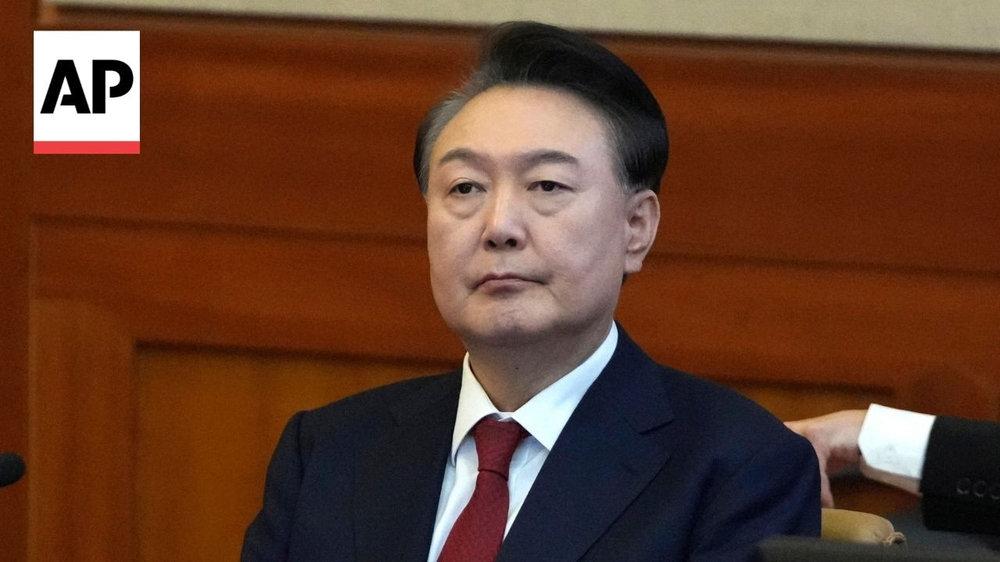
On 19/02/2026, the Seoul Central District Court sentenced former South Korean President Yoon Suk-yeol to life imprisonment after finding him guilty of leading an insurrection linked to a failed attempt to impose military rule on 03/12/2024.
Verdict and Court Findings:
The three-judge panel at the Seoul Central District Court identified Yoon Suk-yeol, 65, as the “insurrectionist leader” behind the December 2024 crisis. According to the ruling, Yoon masterminded an illegal effort to impose military rule that the court determined was aimed at subverting the constitutional order and paralyzing the National Assembly.
Judges found that his deployment of armed special forces to the National Assembly building in Seoul and his orders to detain key political figures amounted to rebellion under South Korean criminal law. Among those reportedly targeted for arrest during the six-hour crisis was current President Lee Jae-myung, who at the time was a leading opposition figure.
Prosecutors had sought the death penalty, citing the gravity of the offense. However, the court imposed life imprisonment. In its sentencing explanation, the court noted mitigating factors including Yoon’s age and the fact that the attempt to impose military rule—described in the ruling as “botched”—lasted approximately six hours and did not result in casualties.
Presiding Judge Ji Gwi-yeon stated in court that Yoon showed no emotion or remorse during proceedings and continued to argue that his actions were within his authority to defend the nation against what he described as “anti-state forces.”
Sentencing of Former Officials - Several former senior officials were convicted and sentenced in connection with the 03/12/2024 events:
- Kim Yong-hyun, former Defense Minister: sentenced to 30 years in prison for planning and coordinating the attempted measure.
- Han Duck-soo, former Prime Minister: sentenced to 23 years for attempting to legitimize the decree.
- Lee Sang-min, former Interior Minister: sentenced to 7 years for his supporting role.
- The court ruled that the coordinated actions of the executive leadership and security forces constituted a concerted attempt to disrupt constitutional governance.
Previous Conviction and Family Impact:
The life sentence marks Yoon’s second major conviction in 2026. In 01/2026, he received a separate five-year prison sentence for obstructing justice and abusing power during the initial investigation into the martial law order. The court ordered the sentences to be served concurrently, meaning the life term effectively supersedes the earlier five-year sentence.
Yoon’s wife, Kim Keon-hee, is currently serving a 20-month prison sentence for bribery. Their concurrent incarcerations make them the first South Korean presidential couple to be convicted and jailed at the same time.
Appeal and Political Implications:
Yoon’s legal team described the proceedings as a “predetermined show trial” and announced plans to appeal the ruling to the Supreme Court of Korea. Under South Korean law, final confirmation of the sentence requires Supreme Court review if appealed.
Historically, several former South Korean presidents who were imprisoned later received presidential pardons. However, President Lee Jae-myung, who was nearly detained during the 2024 crisis, has publicly stated that those involved in the insurrection should face punishment for the remainder of their lives.
The ruling concludes one of the most consequential criminal trials involving a former South Korean head of state, with the appellate process expected to determine the final outcome.
View detailsIn January 2026, a South Korean court sentenced former President Yoon Suk Yeol to five years in prison - the first verdict among multiple criminal cases linked to his controversial December 2024 martial law decree.
The Seoul Central District Court ruled that Yoon committed serious abuses of power connected to the events surrounding the martial law order, including actions related to resisting or obstructing lawful investigative steps and irregularities in how the decree was handled procedurally. The court said the conduct represented a grave breach of constitutional norms and public trust, and the presiding judge cited Yoon’s lack of remorse as a factor supporting a heavy sentence.
Yoon’s legal team said he would appeal, while prosecutors and investigators continued pursuing additional cases stemming from the same crisis. The ruling became a defining legal milestone in South Korea’s most severe political upheaval in decades, underscoring how the 2024 decree escalated from a political shock into a sprawling set of courtroom battles.
• Sentence: 5 years (first verdict among multiple trials)
• Linked event: December 2024 martial law decree
• Next: Appeals process + further trials still pending
Other Charges: Yoon remains under investigation for approximately eight criminal cases, including allegations of ordering drone flights over North Korea to provoke a crisis that would justify his martial law decree.
View details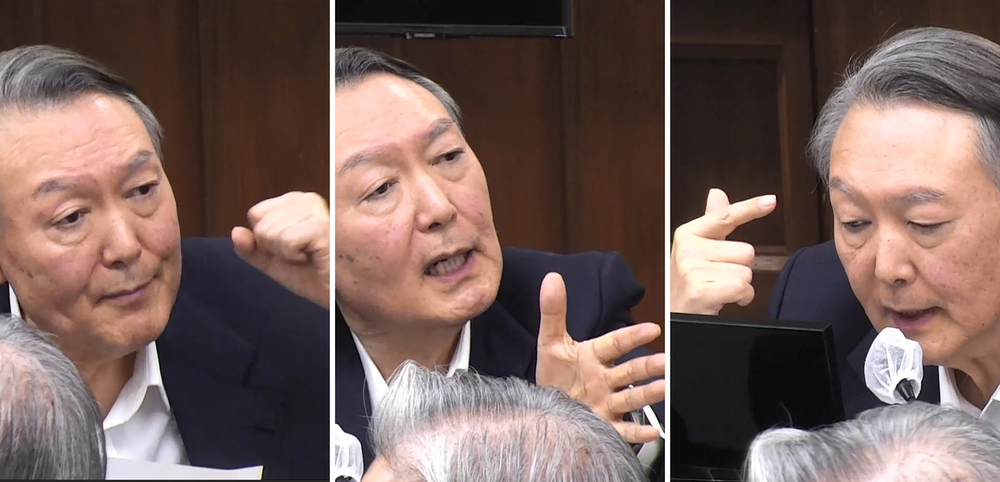
2025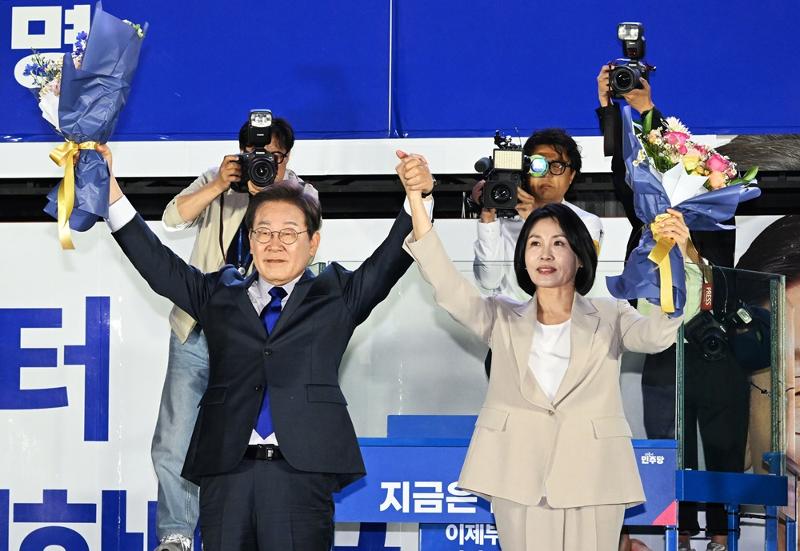
Lee Jae-myung's election as the 21st President of South Korea on June 3, 2025, served as a direct referendum on the December 2024 martial law decree. Because this was a snap election following an impeachment, he assumed office immediately without a transition period.
Election Night & Results (June 3–4, 2025)
• Lee’s Residence (Gyeyang District, Incheon): This was the first location where Lee appeared publicly. He spoke to reporters outside his home at approximately 11:50 p.m. on June 3, shortly after exit polls projected his victory.
• Democratic Party Headquarters (Yeouido, Seoul): Lee traveled here after his home address to meet with party officials as the vote count progressed.
• National Assembly Square (Yeouido, Seoul): Lee delivered his official victory speech early on Wednesday morning to a crowd of roughly 5,000 supporters gathered in the streets and square outside the parliamentary building.
• National Election Commission (Gwacheon, Gyeonggi): The NEC formally certified the election results at its headquarters at 6:21 a.m. on June 4, officially marking the start of Lee’s presidential term.
• Voter Turnout: Reached 79.4%, the highest participation rate in a South Korean presidential election since 1997.
• Final Vote Share: Lee secured 49.42% of the vote (approx. 17.28 million votes), defeating conservative rival Kim Moon-soo (41.15%) and Lee Jun-seok (8.34%).
• Midnight Concession: Just after midnight on Wednesday, June 4, Kim Moon-soo officially conceded defeat and congratulated Lee.
• Victory Speech: At the National Assembly, Lee framed his victory as a "revolution of light," vowing to restore democracy and overcome the "insurrection" of the previous administration.
The "Day One" Timeline (June 4, 2025):
• 6:21 AM – Formal Commencement: Lee officially began his duties as president the moment the National Election Commission (NEC) confirmed the tally.
• Morning – Military Command: He immediately assumed command of the armed forces and received a security briefing.
• National Cemetery Visit: He visited the Seoul National Cemetery to pay respects to the country’s founders and fallen soldiers.
• Inauguration Ceremony: Held at the Rotunda Hall of the National Assembly. In his inaugural address, he pledged to be a "president for everyone" and signaled a shift toward pragmatic diplomacy.
Symbolic Gestures:
• Heart Gesture: Following the ceremony, Lee and First Lady Kim Hye-gyeong greeted cheering supporters outside the National Assembly with a hand-heart gesture.
• Bibimbap Lunch: Lee ate bibimbap (mixed rice) for lunch with political rivals and leaders, a traditional symbol of national harmony and unity.
Immediate Policy Actions:
• Blue House Return: Lee announced plans to return the presidential office to the Blue House (Cheong Wa Dae) following renovations, reversing Yoon Suk Yeol's move to the Yongsan district.
• Emergency Economic Task Force: He immediately established a task force to stabilize the economy following months of political vacuum and uncertainty.
View details2024
Then-South Korean President Yoon Suk Yeol declared emergency martial law, the first such decree in the country since 1980. He justified the move by claiming it was necessary to protect the "constitutional democratic order" from "anti-state forces" in the opposition-controlled parliament.
Immediate Response and Lifting:
• National Assembly Vote: Within six hours of the declaration, 190 lawmakers - who had scaled fences to bypass a military blockade - voted unanimously to demand the lifting of the decree.
• Withdrawal: Faced with the legislative vote and massive public protests, Yoon lifted the martial law order at 4:30 a.m. on December 4, 2024.
Political Consequences:
• Impeachment and Removal: The National Assembly voted to impeach Yoon on December 14, 2024. On April 4, 2025, the Constitutional Court of Korea upheld the impeachment in a unanimous 8–0 decision, formally removing him from office.
Following the suspension and eventual removal of Yoon Suk Yeol, the South Korean presidency was held by the following individuals:
• Han Duck-soo (Acting President): Served from December 14, 2024, until his own duties were suspended by a National Assembly impeachment vote on December 27, 2024.
• Choi Sang-mok (Acting President): The Deputy Prime Minister and Minister of Economy and Finance assumed duties on December 27, 2024, during Han’s suspension.
• Han Duck-soo (Acting President): Reinstated on March 24, 2025, after the Constitutional Court overturned his impeachment. He continued as acting president until his resignation on May 1, 2025.
• Lee Ju-ho (Acting President): The Minister of Education assumed the role on May 2, 2025, after Han Duck-soo and his first successor, Choi Sang-mok, both resigned on May 1.
• Lee Jae Myung (21st President): Elected in a snap election on June 3, 2025, and officially inaugurated on June 4, 2025.
View detailsFor the first time in South Africa’s democratic history, the African National Congress (ANC) did not secure a majority of the vote during the national elections. Since the end of apartheid and the inception of democracy in 1994, the ANC had governed the country with consistent majorities. In the latest election, which saw a particularly high voter turnout, the ANC received 48% of the vote.
This shift in political tides follows years of mounting discontent over corruption scandals, economic stagnation, and persistent inequality. The party’s support dwindled as opposition parties gained ground. The Democratic Alliance (DA) and the Economic Freedom Fighters (EFF) capitalized on public dissatisfaction, securing 25% and 15% of the vote respectively. Several smaller parties also saw increases in their share.
The outcome necessitated coalition talks as the ANC, unable to form a government on its own, sought alliances to maintain a governing majority. This marked a significant moment of political realignment in South Africa, highlighting the voters' growing frustration with the status quo and the desire for substantive change.
The election results had immediate economic implications. The South African Rand experienced volatility in the wake of the news, reflecting investor uncertainty. Analysts predicted that the country’s policy direction might see significant shifts depending on coalition negotiations and the resultant policy compromises.
The international community closely monitored the situation, with analysts from global institutions highlighting the importance of a stable and transparent government for fostering economic growth and investment. The evolving political landscape underscored the dynamic nature of South Africa’s democracy and the increasing importance of accountability and good governance.
Local and international reactions included a mix of optimism and concern. Some saw the results as a positive step towards a more robust and responsive political system, while others worried about the potential for instability and policy uncertainty.
Social media buzzed with discussions on the implications of the vote, with trending topics focusing on political accountability, economic expectations, and the future of South African governance. The hashtag #MoofLife captured the essence of the moment, emphasizing movement (Moof) and the dynamic quality of life in the country.
#PoliticalShift #SouthAfrica #VotingResults #ANCMajority #Elections2024 #NewEra #MoofLife
View detailsThe Democratic Party of Korea secured a victory in the South Korean legislative elections, winning 176 seats in the National Assembly. This achievement marks a significant shift in the political landscape, as the party garnered a majority of seats, allowing them more control over legislative processes.
The lead-up to the election saw intense campaigning from various political factions, with major public issues focused on economic policies, social welfare reforms, and the ongoing COVID-19 pandemic recovery efforts. The Democratic Party capitalized on public sentiment by addressing healthcare improvements and economic equity, which resonated with a substantial segment of the populace.
In previous assemblies, the balance of power often saw coalitions and collaborations between parties. With the Democratic Party's new majority, legislation on key areas such as housing, education, and digital innovation is expected to advance more swiftly. Analysts predict potential policy shifts focusing on expanded government support programs and green initiatives.
Voter turnout for this election was notably high, reflecting the population’s engagement in shaping the country’s future direction. The substantial support for the Democratic Party was also interpreted as a mandate for ongoing administrative and economic reforms.
#MoofLife #SouthKorea #DemocraticPartyWin #LegislativeElections #PoliticalShift
View details2022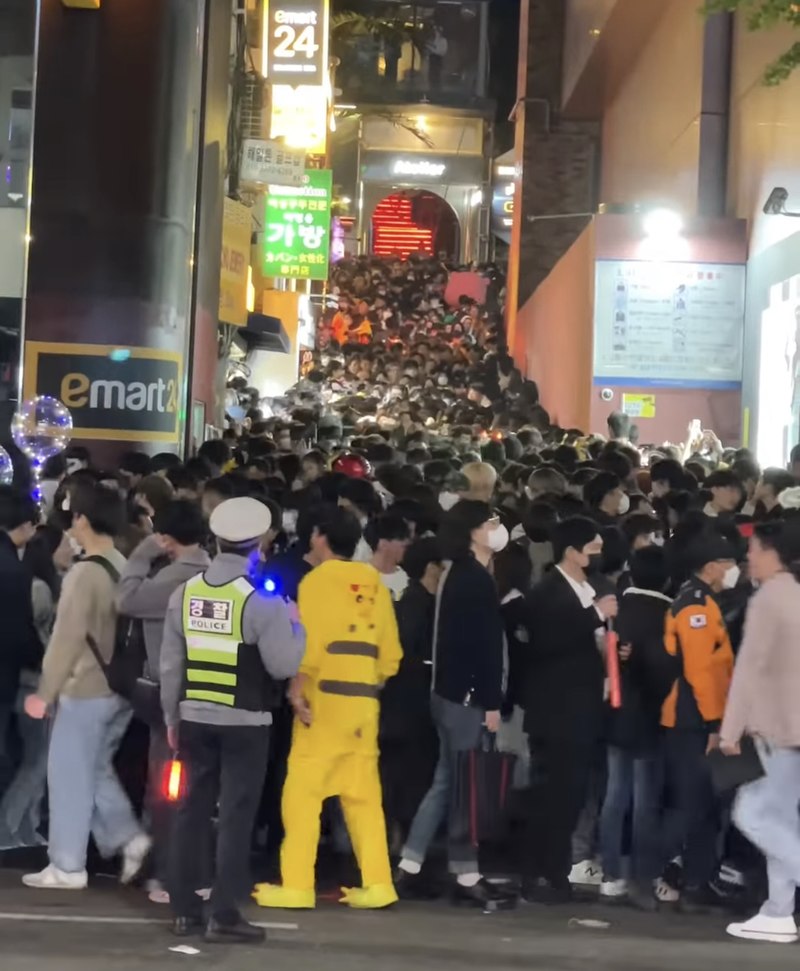
On the evening of October 29, 2022, a tragic incident occurred in the Itaewon district of Seoul, South Korea. This event, now known as the Seoul Halloween crowd crush, became one of the deadliest crowd crushes in modern history. The Itaewon neighborhood, known for its vibrant nightlife and narrow, winding streets, was filled with an estimated 100,000 people celebrating Halloween. This was the first large-scale celebration since the easing of COVID-19 restrictions, leading to an unprecedented turnout.
As the night progressed, the streets became increasingly congested. Around 10:20 PM, a deadly surge occurred in a narrow alleyway near the Hamilton Hotel, a popular gathering spot. The alley, only about 3.2 meters wide, became a bottleneck as people continued to pour into it from both ends. The crowd density reached critical levels, leading to a massive crush.
Witnesses described the situation as chaotic and terrifying. Many people fell, and the pressure of the crowd caused a domino effect, with people being pushed and trampled. Emergency services were called, but due to the sheer number of people and the narrow streets, access to the victims was severely hampered. First responders and bystanders tried to perform CPR and provide aid, but the overwhelming number of casualties made it difficult to manage.
The aftermath of the crowd crush was devastating. A total of 158 people lost their lives, and over 190 were injured. Most of the victims were young adults in their 20s and 30s, including many foreign nationals. The tragedy shocked the nation and the world, prompting widespread mourning and a national outpouring of grief.
In the days following the incident, questions arose about the adequacy of crowd control measures and emergency response protocols. Critics pointed to the lack of police presence and crowd management in the area, despite the anticipated large turnout. The South Korean government faced intense scrutiny and calls for accountability.
President Yoon Suk-yeol declared a period of national mourning and vowed to investigate the causes of the disaster thoroughly. He emphasized the need for comprehensive measures to prevent such tragedies in the future, including better crowd management and emergency response planning.
Public memorials were set up across Seoul, and people from all walks of life paid their respects to the victims. The Itaewon district, usually known for its lively atmosphere, became a place of solemn remembrance. The tragedy also sparked a global conversation about crowd safety and the responsibilities of authorities in managing large public gatherings.
In response to the disaster, several initiatives were proposed to improve crowd control and safety at large events. These included stricter regulations for event organizers, increased police presence at major gatherings, and better training for emergency responders. The Seoul Halloween crowd crush remains a poignant reminder of the importance of vigilance and preparedness in ensuring public safety.
The legacy of the Seoul Halloween crowd crush is one of profound sorrow but also a catalyst for change. It highlighted the need for systemic improvements in managing crowds and responding to emergencies, with the hope that such a tragedy would never be repeated.
#MomentsOfLife #MoofLife_Moment #MoofLife #SeoulHalloween #ItaewonTragedy #CrowdSafety #NationalMourning #PublicSafety #EmergencyResponse
View details2020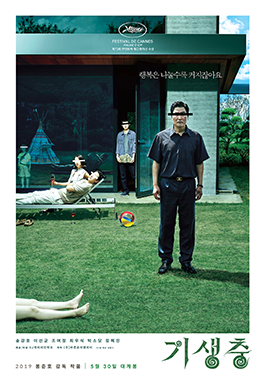
On February 9, 2020, South Korean cinema made a historic mark on the global stage when "Parasite," directed by Bong Joon-ho, became the first Korean film to win an Academy Award and the first non-English language film to receive the prestigious Best Picture award. This milestone not only highlighted the global appeal of Korean cinema but also signaled a broader acceptance and appreciation of international films in Hollywood.
"Parasite" is a darkly comedic thriller that delves into themes of class struggle and societal inequality. The film follows the impoverished Kim family, who cunningly infiltrate the wealthy Park family by securing various household positions under false pretenses. The story unfolds with sharp social commentary, unexpected twists, and a blend of humor and horror, capturing audiences and critics alike.
The journey to the Oscars began with "Parasite's" premiere at the Cannes Film Festival in May 2019, where it won the prestigious Palme d'Or, the festival's highest honor. This accolade set the stage for its international success, as the film garnered widespread acclaim and numerous awards leading up to the Oscars.
At the 92nd Academy Awards, "Parasite" made history with its four major wins: Best Picture, Best Director for Bong Joon-ho, Best Original Screenplay, and Best International Feature Film. These achievements were groundbreaking in several ways. The Best Picture win marked the first time a non-English language film had ever received the honor in the Academy's 92-year history. Additionally, Bong Joon-ho became the second director to win four Oscars in a single night, following Walt Disney in 1954.
The impact of "Parasite's" Oscar triumph extended beyond the realm of film awards. It signaled a shift in the industry's recognition of diverse storytelling and the importance of international voices in cinema. The film's success also highlighted the increasing globalization of the entertainment industry, where quality and compelling narratives transcend language barriers and cultural differences.
Bong Joon-ho, already an acclaimed filmmaker with works like "Memories of Murder," "The Host," and "Snowpiercer," received widespread praise for his masterful direction and insightful storytelling in "Parasite." In his acceptance speech for Best Director, Bong expressed his admiration for fellow nominees, including Martin Scorsese, Quentin Tarantino, Sam Mendes, and Todd Phillips, acknowledging the influence they had on his own career.
"Parasite's" historic win also sparked increased interest in South Korean cinema and culture worldwide. The film's success opened doors for other Korean films and filmmakers, encouraging audiences to explore the rich and diverse offerings of Korean storytelling. It also boosted the visibility of streaming services and platforms that provided access to international films, contributing to a more inclusive and varied cinematic landscape.
In South Korea, "Parasite's" Oscar victory was celebrated as a national achievement, bringing immense pride to the country. The film's cast and crew were hailed as heroes, and the win was seen as a testament to the talent and creativity within the Korean film industry.
Overall, "Parasite's" triumph at the Academy Awards in 2020 stands as a landmark moment in film history. It not only broke down barriers for non-English language films but also underscored the universal power of storytelling. The film's legacy continues to inspire filmmakers and audiences around the world, reinforcing the idea that great cinema knows no borders.
#MomentsOfLife #MoofLife_Moment #MoofLife #Parasite #BongJoonHo #Oscars #AcademyAwards #BestPicture #KoreanCinema #GlobalFilm
View details2018
Amidst ongoing tensions, North and South Korea made a historic decision to march together under the same flag at the upcoming Winter Olympics. This move signified a rare moment of unity and cooperation between the two nations that have been divided for decades.
The decision was welcomed by the international community as a symbol of peace and a step towards de-escalating tensions on the Korean Peninsula. It also raised hopes for potential further diplomatic talks and improved relations between the two countries.
The unity at the Olympics marked a significant breakthrough in the relationship between North and South Korea, fostering a sense of optimism and anticipation for the future. The joint march not only showcased a spirit of sportsmanship but also served as a powerful message of reconciliation and solidarity.
The athletes from both nations marching together not only demonstrated sportsmanship but also served as a remarkable message of peace and camaraderie. It was a moment that transcended politics and celebrated the shared identity of Koreans.
The agreement to march under one flag at the Winter Olympics was a powerful reminder of the potential for diplomacy and dialogue to overcome longstanding conflicts. It created a sense of hope that peaceful resolutions could be achieved through mutual respect and cooperation.
Overall, the decision for North and South Korea to march together at the Winter Olympics was a symbol of unity, peace, and the shared aspirations of a divided nation. It stood as a reminder of the possibility of reconciliation and cooperation, even in the most challenging of circumstances. #KoreanUnity #PeacefulCooperation #OlympicDiplomacy
View detailsThe Inter-Korean Summit between Moon Jae-in and Kim Jong-un marked a significant milestone in the relations between South Korea and North Korea. This meeting took place at the border village of Panmunjom, where the two leaders engaged in talks to discuss denuclearization, peace efforts, and the improvement of inter-Korean relations. This summit was the first of its kind in over a decade.
The event was a result of months of diplomatic efforts and peace gestures between the two Koreas. It was a direct response to the growing tensions in the region and aimed to pave the way for a peaceful resolution to the longstanding conflicts on the Korean peninsula. The summit led to the signing of the Panmunjom Declaration, in which both leaders agreed to work towards the denuclearization of the Korean peninsula and to formally end the Korean War.
The Inter-Korean Summit had a profound impact on the international community, with many countries viewing it as a positive step towards peace and stability in the region. The summit was praised by world leaders and was seen as a significant breakthrough in the efforts to bring about lasting peace in Korea. The event was also followed by a series of diplomatic engagements between North Korea and other countries, including the United States.
The summit between Moon Jae-in and Kim Jong-un highlighted the potential for dialogue and cooperation between the two Koreas. It represented a rare opportunity for the leaders to engage in open and constructive discussions, setting the stage for future negotiations and diplomatic efforts. The event was a historic moment that brought hope for a peaceful and prosperous future for both North and South Korea.
#InterKoreanSummit #Denuclearization #PanmunjomDeclaration #PeaceEfforts
View details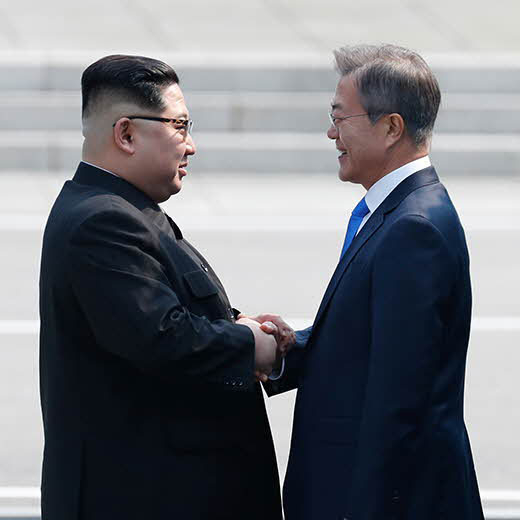
2017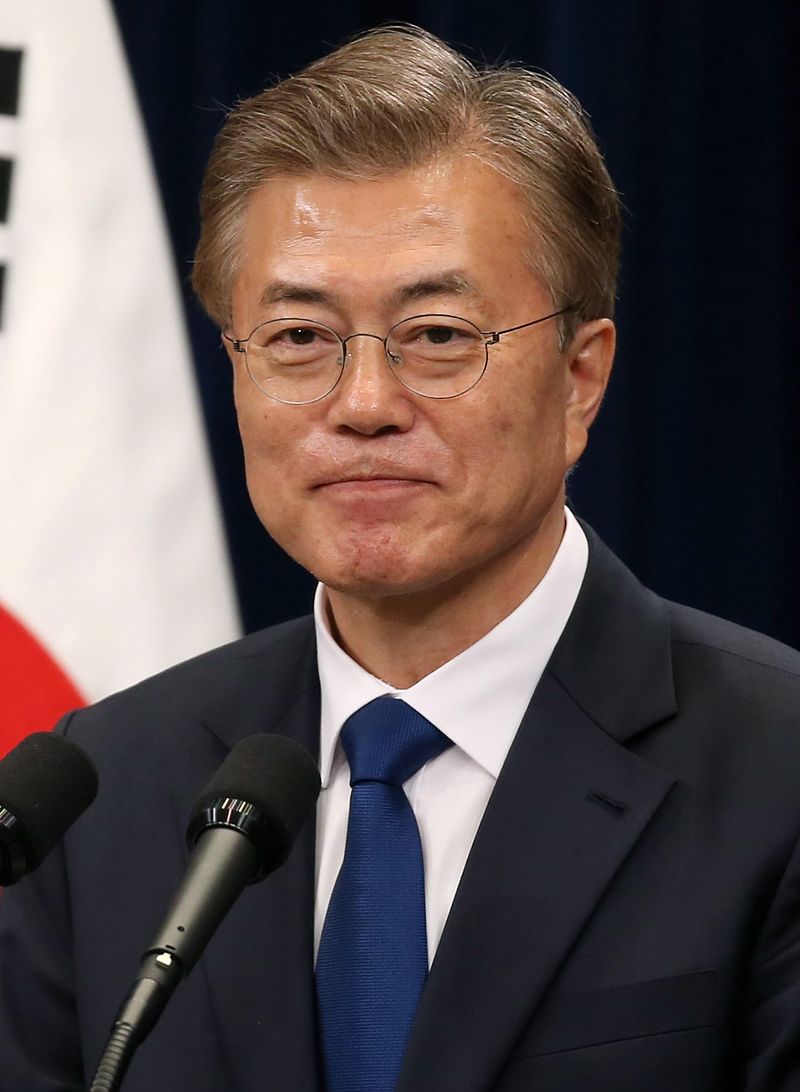
In South Korea, Moon Jae-in assumed office as the President, following a snap election prompted by the impeachment of the previous leader. Moon, a former human rights lawyer and the candidate of the Democratic Party, won by a significant margin, emphasizing a platform focused on diplomacy with North Korea, job creation, and social welfare.
Moon's inauguration marked a shift in South Korean politics towards a more liberal and inclusive agenda. He pledged to address corruption and promote transparency within the government, as well as to enhance relations with neighboring countries, particularly North Korea and the United States. His administration aimed to strengthen the economy through investments in innovative technologies and sustainable growth.
The event garnered international attention, with various world leaders extending their congratulations to Moon on his new role. The ceremony itself was a solemn affair, highlighting the peaceful transition of power and the democratic values upheld by the South Korean nation.
As President, Moon faced numerous challenges, including ongoing tensions with North Korea, economic reforms, and social inequalities. He sought to engage in dialogue with the North to reduce hostilities and promote stability in the region. Domestically, his policies aimed to bridge the wealth gap and provide opportunities for all citizens to thrive.
In the subsequent months and years, Moon's leadership would shape the trajectory of South Korea, influencing its foreign relations, economic development, and social welfare system. His presidency was characterized by a commitment to progressive ideals and a vision of a more united and prosperous nation.
#SouthKorea #MoonJaein #Inauguration #Diplomacy #EconomicDevelopment #Democracy
View detailsIn 2017, South Korea faced a historic moment when President Park Geun-hye was impeached by the National Assembly following massive public protests over a corruption scandal involving her close associate. The impeachment marked the first time a sitting president had been removed from office in the country's history.
The background of the impeachment stemmed from allegations that President Park had allowed her confidante, Choi Soon-sil, to meddle in state affairs and extort money from businesses. This revelation sparked widespread outrage and led to millions of citizens taking to the streets to demand accountability and justice.
The impact of the impeachment was significant, as it highlighted the power of the people and their intolerance for corruption within the government. The political landscape of South Korea was fundamentally altered, with a new era of transparency and scrutiny beginning to take shape.
Following the impeachment, the Constitutional Court upheld the decision, officially removing President Park from office and triggering a snap election to select her successor. In May, Moon Jae-in was elected as the new president, promising a fresh start for the country.
The impeachment of President Park Geun-hye marked a turning point in South Korea's history, demonstrating the strength of democracy and the will of the people to hold their leaders accountable. It served as a reminder of the importance of transparency and integrity in governance, setting a precedent for future leaders to follow.
#SouthKorea #PresidentImpeachment #CorruptionScandal #Democracy #Accountability
View details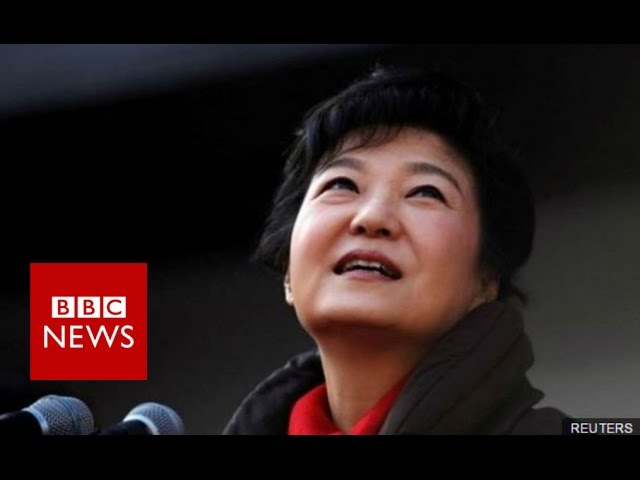
2013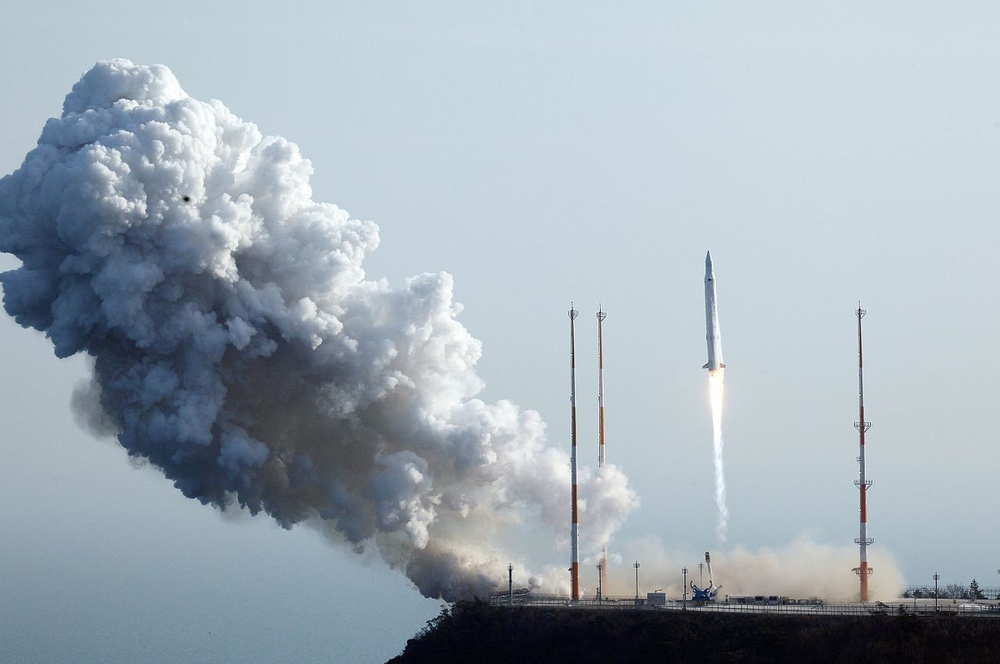
South Korea achieved a significant milestone by successfully launching a satellite into orbit for the first time using a rocket launched from its own soil. The project aimed to demonstrate South Korea's capabilities in space technology and reduce dependency on other countries for satellite launches. The satellite, named KSLV-1, was launched from the Naro Space Center, located in the southern part of the country.
The development of South Korea's space program began in the late 1980s, with the country launching its first domestic satellite in 1992. The successful orbital launch marked a major advancement in South Korea's space industry and positioned the country as a key player in the global space sector.
The satellite launch had several implications for South Korea, including enhanced national prestige, technological advancement, and increased capabilities for communication, weather forecasting, and national security. It also opened up opportunities for South Korea to enter the lucrative commercial space launch market.
The successful satellite launch was the result of collaboration between the Korea Aerospace Research Institute (KARI) and Russia's Khrunichev State Research and Production Space Center. The KSLV-1 rocket, also known as Naro-1, incorporated Russian technology and expertise, showcasing the benefits of international cooperation in the space industry.
The achievement was celebrated by the South Korean government and the scientific community, highlighting the country's progress in space exploration. The successful launch demonstrated South Korea's ability to develop and launch satellites independently, paving the way for future missions and collaborations in the space sector.
#SouthKorea #SatelliteLaunch #SpaceTechnology #NaroSpaceCenter #KSLV1 #InternationalCooperation #TechnologicalAdvancement
View details2009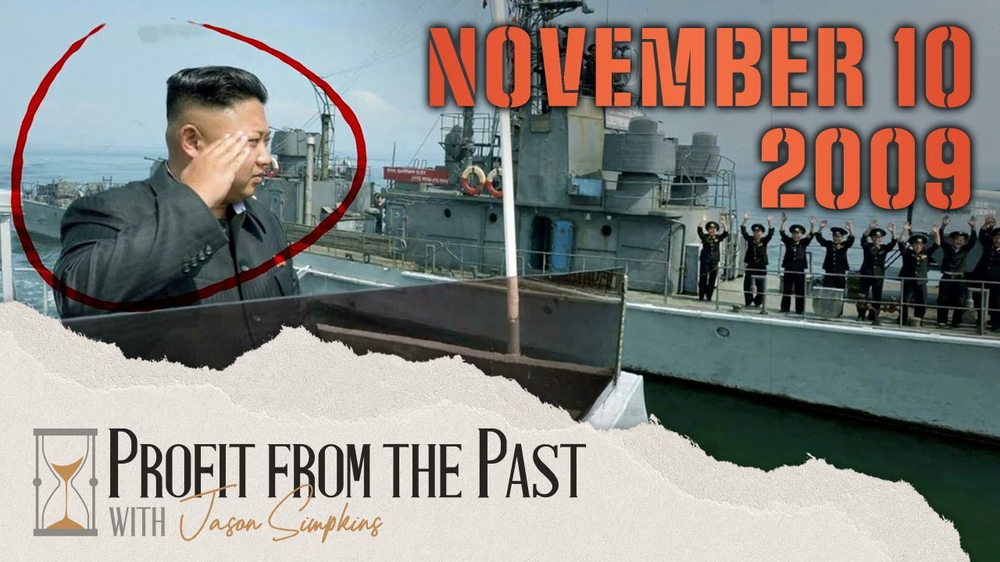
Tensions rose when South and North Korean warships engaged in gunfire across a disputed sea border. This altercation was a continuation of longstanding territorial disputes between the two countries. The North Korean vessel crossed the Northern Limit Line, prompting the South Korean navy to respond with warning shots. The North Korean navy then fired back, leading to a brief exchange of fire.
This event highlighted the fragile relationship between the two Koreas, both technically still at war since the Korean War ended in an armistice. The disputed maritime boundary has been a source of conflict, with both sides often engaging in provocations to assert their claims. The exchange of fire raised concerns about a potential escalation and the impact it could have on regional stability.
The incident in January saw another round of shots fired across the border, underscoring the unresolved tensions between the two countries. Despite efforts to maintain peace and dialogue, the sporadic clashes serve as a reminder of the ongoing animosity and mistrust.
This event emphasized the need for continued diplomatic efforts to prevent further escalations and find lasting solutions to the longstanding conflicts. Both countries have a shared interest in maintaining stability in the region and avoiding military confrontations. The incidents served as a wake-up call for the international community to remain vigilant and involved in efforts to promote peace on the Korean Peninsula.
#SouthKorea #NorthKorea #BorderDispute #NavalConflict #RegionalStability
View details2008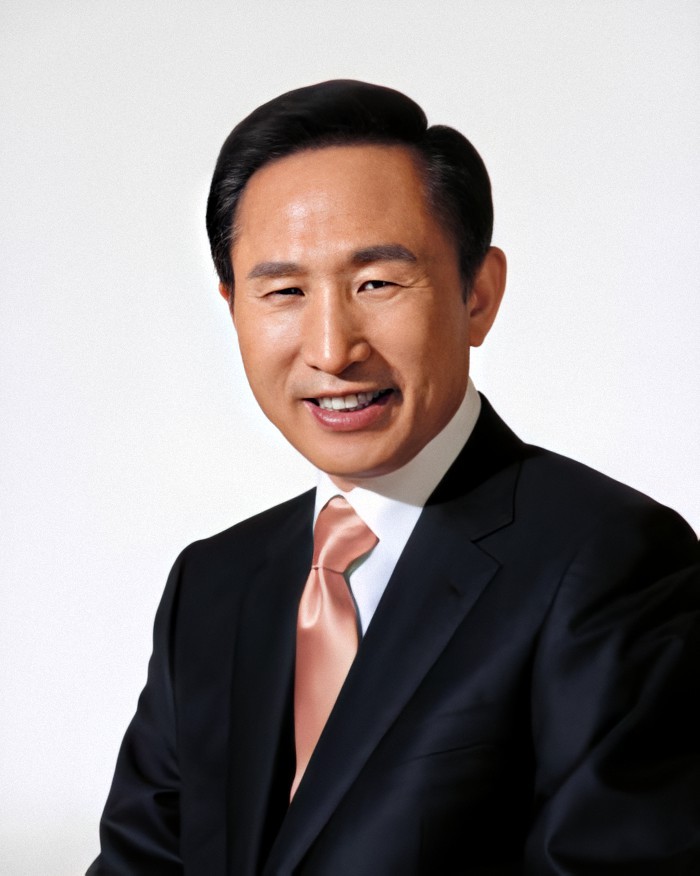
Lee Myung-bak's rise to the presidency marked a significant shift in South Korean politics. Prior to his election, he had a successful career in business serving as the CEO of Hyundai Engineering and Construction. He then transitioned into politics, serving as the Mayor of Seoul, where he gained popularity for his urban renewal projects and administrative reforms.
During his presidency, Lee focused on revitalizing the economy, implementing pro-business policies, and strengthening relations with the United States. His administration faced challenges, including criticism over allegations of corruption and human rights abuses. Despite this, his tenure saw an increase in foreign investment and economic growth, solidifying South Korea's position as a major player in the global economy.
Lee's presidency also had a significant impact on inter-Korean relations. His administration took a more hardline approach towards North Korea, leading to increased tensions on the Korean Peninsula. This shift in policy had lasting implications for the region, setting the stage for future diplomatic efforts and negotiations between the two Koreas.
In conclusion, Lee Myung-bak's presidency was a defining moment in South Korean history. His background in business and his tenure as Mayor of Seoul influenced his policies and approach to governance. His focus on economic development and foreign relations left a lasting impact on the country, shaping its trajectory in the years to come.
#LeeMyungbak #SouthKorea #Presidency #EconomicDevelopment #InterKoreanRelations
View detailsThe Namdaemun Gate, an iconic cultural symbol in South Korea, was engulfed in flames and destroyed. The gate, also known as Sungnyemun, was designated as the country's first national treasure, holding immense historical and cultural significance. It was built in the 14th century during the Joseon Dynasty and served as a prominent landmark in central Seoul.
The fire that ravaged Namdaemun Gate was a devastating blow to the nation, as it represented more than just a physical structure—it embodied the country's rich heritage and history. Investigations revealed that the fire was intentionally set by a disgruntled individual, adding a layer of tragedy to the already heart-wrenching loss.
The impact of the Namdaemun Gate's destruction was profound, evoking sorrow and outrage among South Koreans. Many expressed their grief over the loss of such a revered national treasure, while others called for stricter measures to protect the country's historical sites from future incidents.
Efforts to rebuild Namdaemun Gate commenced shortly after the fire, with the government pledging to restore the historic structure to its former glory. The reconstruction process aimed to honor the gate's legacy and preserve its cultural significance for future generations to appreciate and cherish.
The destruction of the Namdaemun Gate underscored the vulnerability of cultural heritage sites and the importance of safeguarding them from harm. It served as a poignant reminder of the irreplaceable value of historical landmarks and the need for enhanced security measures to prevent similar tragedies in the future.
#NamdaemunGate #SouthKorea #CulturalHeritage #HistoricalLoss #Reconstruction #Preservation
View details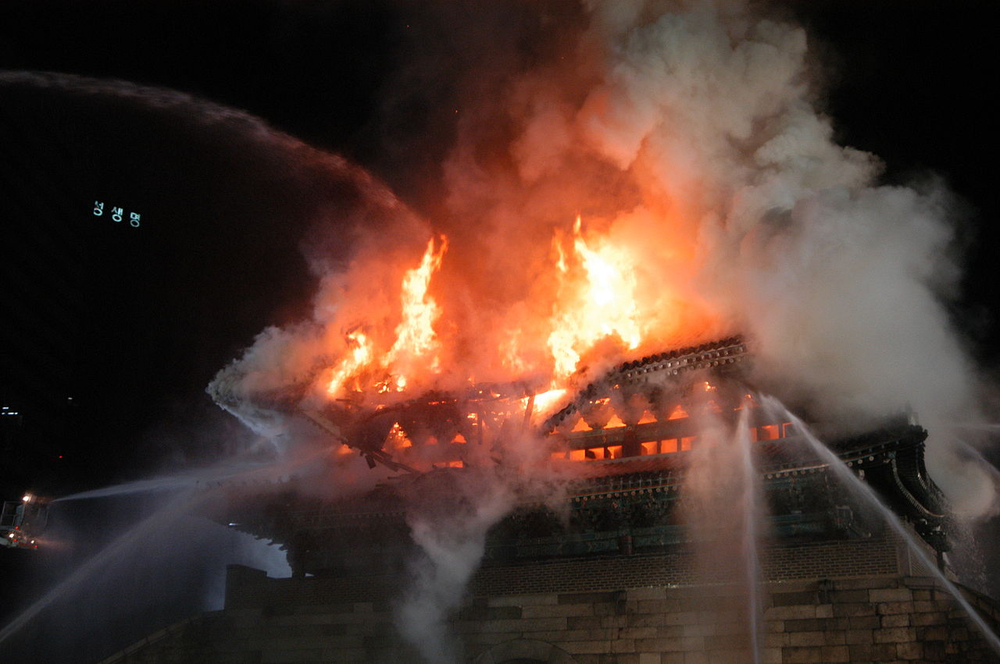
2007
The Korea-U.S. Free Trade Agreement (KORUS FTA) was a pivotal event in the economic history of South Korea. The agreement aimed at reducing barriers to trade and investment between the two nations. Negotiations began in 2006 and concluded successfully in 2007, marking a new chapter in the trade relations between South Korea and the United States.
The KORUS FTA had a significant impact on both countries' economies. For South Korea, it meant increased market access for its exports, particularly automobiles, electronics, and textiles. The agreement also opened up opportunities for South Korean companies to invest in the U.S. market. On the other hand, the United States gained better access to South Korea's lucrative market, particularly in sectors like agriculture and services.
The signing of the KORUS FTA was a culmination of months of hard work and negotiations between the two countries. It was celebrated as a milestone in the bilateral relations, solidifying the strategic partnership between South Korea and the United States. The agreement was seen as a symbol of their commitment to promoting free and fair trade in the global economy.
The KORUS FTA sparked debates and discussions about the potential benefits and challenges it could bring to both countries. Critics raised concerns about the impact on certain industries, while supporters lauded the agreement as a step towards economic growth and prosperity for both nations.
Overall, the signing of the Korea-U.S. Free Trade Agreement was a significant moment in the economic history of South Korea, setting the stage for closer economic ties with the United States and paving the way for future trade agreements.
#KORUSFTA #SouthKorea #TradeAgreement #EconomicPartnership
View detailsAfter 56 years, passenger trains crossed the North-South border for the first time. This event marked a significant milestone in the history of inter-Korean relations, signaling a potential thaw in the longstanding division between the two Koreas.
The reconnection of the Gyeongui Line, a railway that once linked Seoul and Sinuiju in North Korea, was part of efforts to promote reconciliation and cooperation between the two countries. The symbolic gesture aimed to foster economic growth and cultural exchange, as well as to facilitate humanitarian activities.
The resumption of passenger train services between North and South Korea not only provided a physical link between the two nations but also served as a symbolic step towards peace and reconciliation. It offered hope for improved relations and increased people-to-people exchanges, bridging the gap that had existed for over five decades.
The event garnered international attention and was seen as a positive development in the efforts to reduce tensions on the Korean Peninsula. It was hailed as a significant milestone in the ongoing peace process and a potential catalyst for further dialogue and cooperation between North and South Korea.
Overall, the crossing of passenger trains over the North-South border after 56 years was a historic moment that highlighted the possibilities for reconciliation and cooperation between the divided Koreas. It represented a glimmer of hope for a peaceful and prosperous future on the Korean Peninsula.
#InterKoreanRelations #RailwayReconnection #PeaceProcess
View details
2002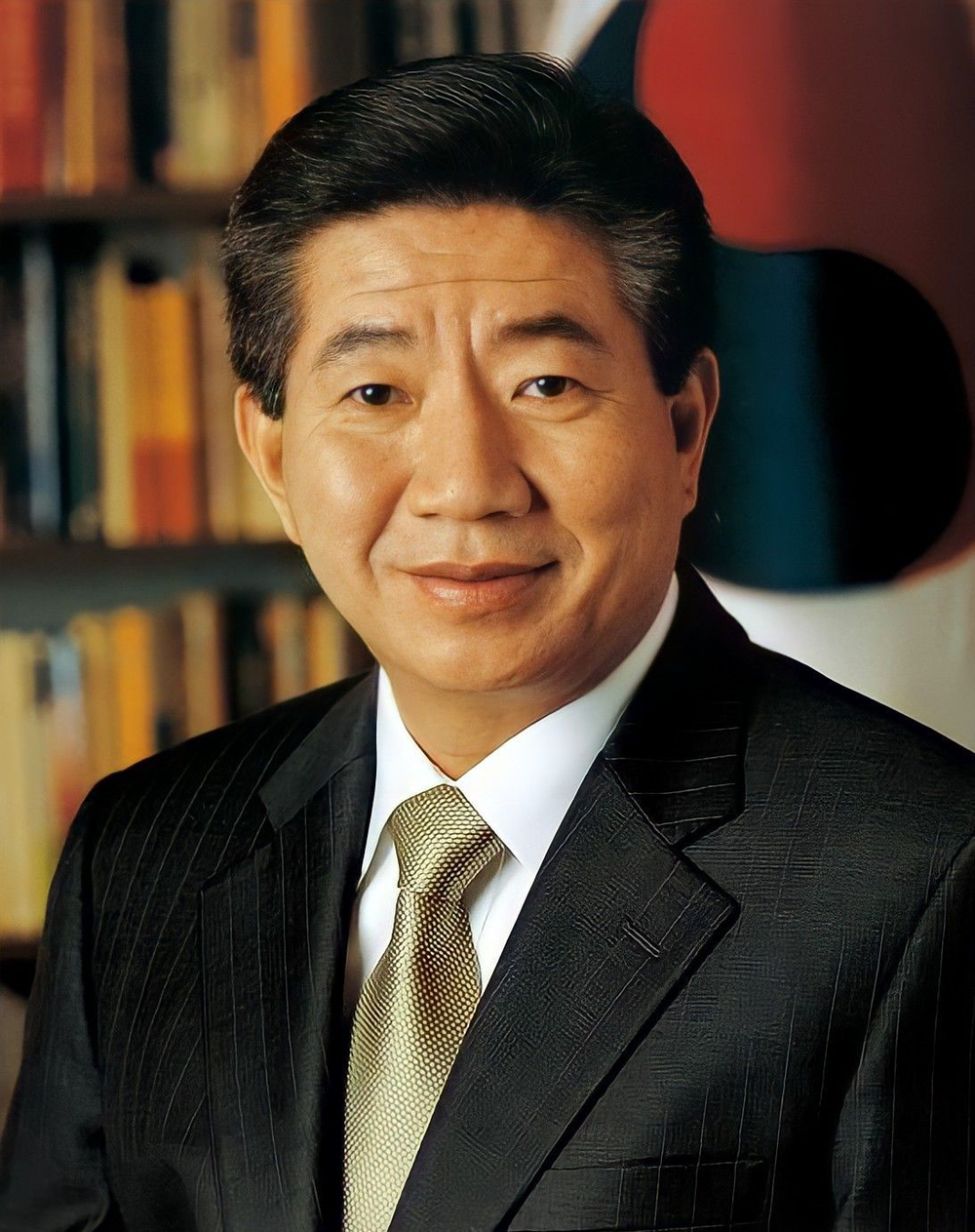
In 12/12/2002, Roh Moo-hyun, a former human rights lawyer and the candidate of the ruling party, won the presidential election in South Korea. His victory was a historic moment as he became the first president with a background as a civil activist.
Roh's presidency marked a shift in South Korean politics towards a more progressive and reformist approach. He focused on promoting engagement with North Korea and sought to reduce the country's dependency on the United States. Roh also prioritized social welfare policies, aiming to reduce economic inequality and improve the living standards of the most vulnerable in society.
During his presidency, Roh faced challenges, including a slowing economy and tensions with the United States over North Korea policy. His administration also grappled with corruption scandals that tarnished his image and popularity.
Despite these challenges, Roh's presidency had a lasting impact on South Korea. He was known for his efforts to promote transparency and accountability in government, as well as his commitment to upholding human rights. Roh's emphasis on social welfare and progressive policies laid the groundwork for future leaders to continue his legacy of reform.
Roh Moo-hyun's election as President of South Korea represented a turning point in the country's political landscape, ushering in a new era of progressive governance and reform. His presidency left a lasting legacy in South Korea's history, influencing the direction of the country's domestic and foreign policies for years to come.
#RohMooHyun #SouthKorea #ProgressivePolitics #Reform #HumanRights #NorthKorea #EconomicEquality #Transparency #Accountability
View detailsTensions between South Korea and North Korea escalated when their naval vessels clashed along their disputed sea border, resulting in the deaths of four South Koreans and 19 wounded. The confrontation also led to an estimated 30 North Korean casualties.
The conflict took place in the Yellow Sea, near Yeonpyeong Island, which has long been a source of contention between the two Koreas. Both countries claim the waters around the island as their own, leading to frequent skirmishes in the region.
The clash between the naval vessels began when a South Korean patrol boat detected a North Korean vessel crossing the disputed border. Despite warnings to retreat, the North Korean vessel continued its incursion, prompting the South Korean navy to open fire in self-defense. The exchange of fire resulted in casualties on both sides before the situation was eventually defused.
The incident sent shockwaves through the region, raising concerns about the potential for further escalation between the two Koreas. Both countries accused each other of provocative actions, further straining their already fragile relationship.
In the aftermath of the clash, diplomatic efforts were made to prevent similar incidents in the future, with both sides reaffirming their commitment to maintaining peace and stability in the region. However, the underlying tensions and territorial disputes between South Korea and North Korea remained unresolved, leaving the possibility of future conflicts.
The battle between South Korean and North Korean naval vessels along their disputed sea border left a lasting impact on both countries, highlighting the fragility of the peace in the region and the need for continued diplomatic efforts to prevent further escalation.
#SouthKorea #NorthKorea #NavalConflict #TerritorialDispute #YellowSea #Diplomacy
View details
In 2002, South Korea and Japan made history by co-hosting the FIFA World Cup, becoming the first countries in Asia to welcome the prestigious football tournament. The decision to select the two countries as hosts was met with enthusiasm and skepticism alike, as both nations had never hosted such a large-scale event before.
The event marked a significant milestone for South Korea, showcasing its ability to organize and successfully execute a global sporting event. The tournament brought together nations from around the world, fostering cultural exchange and promoting tourism in South Korea. The hosting of the World Cup also provided a boost to the country's economy through increased tourism and infrastructure development.
On the field, the South Korean team's performance captured the hearts of football fans worldwide. Their unexpected run to the semi-finals, including victories over Italy and Spain, showcased the strength and determination of the South Korean team. The passionate support of the local fans, known for their vibrant chants and choreographed dances, added to the excitement of the matches.
The legacy of the 2002 World Cup in South Korea lives on through the continued growth of football in the country. The success of the tournament inspired a new generation of footballers and fans, leading to increased participation in the sport at all levels. The infrastructure improvements made for the event also continue to benefit the country's sporting facilities.
The 2002 FIFA World Cup co-hosted by South Korea and Japan was a pivotal moment in South Korean history, demonstrating the country's capabilities on the global stage. The event brought people together through the universal language of football and left a lasting impact on the nation's sporting culture.
#FIFAWorldCup #SouthKorea #Legacy #SportingCulture
View details
2001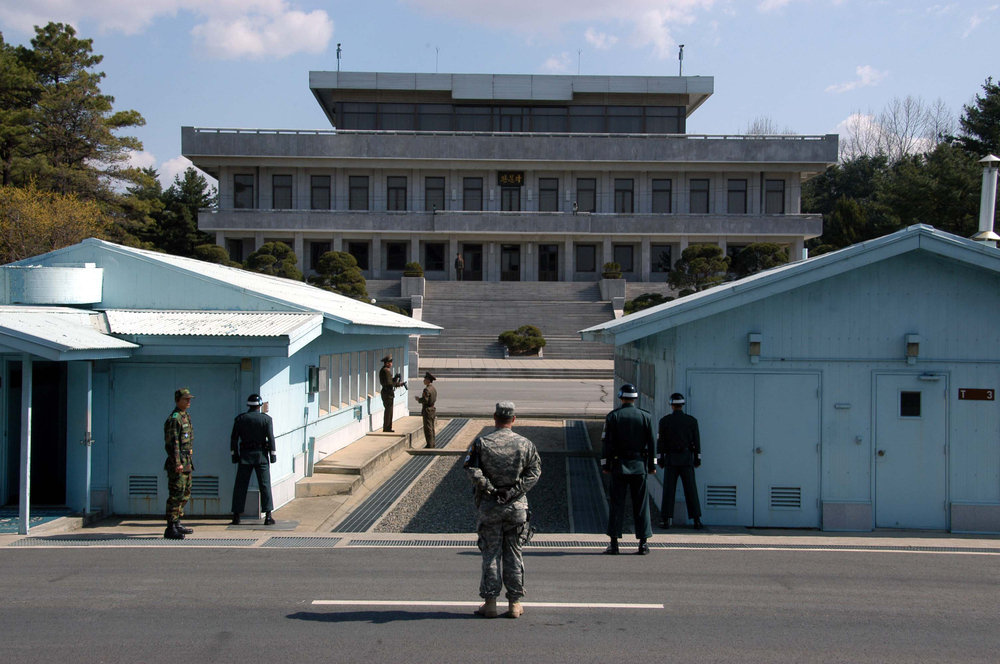
Border liaison offices at the truce village of Panmunjom were reopened, marking a significant step in easing tensions between North and South Korea. As a gesture of goodwill, South Korea granted amnesty to over 3,500 prisoners, aiming to foster reconciliation between the two nations.
The highlight of this event was a highly emotional reunion where one hundred North Koreans met their relatives in the South after years of separation. Tears of joy and sorrow flowed as families were reunited, sharing precious moments together. This reunion served as a poignant reminder of the human cost of the divided Korean peninsula.
The re-opening of the border liaison offices provided a channel for diplomatic communication and paved the way for further dialogue between North and South Korea. This event generated hope for increased cooperation and understanding between the two nations, signaling a potential thaw in relations.
This event highlighted the importance of reunification and reconciliation in the Korean peninsula. It emphasized the power of human connections in transcending political boundaries and fostering peace. The amnesty granted to thousands of prisoners and the emotional reunions of divided families underscored the shared desire for unity and healing on both sides.
#BorderLiaison #Amnesty #FamilyReunion #KoreanPeninsula #Reconciliation #Peace
View detailsIncheon International Airport was opened on reclaimed tidal land near the port of Incheon. This project aimed to address the growing air traffic demands in South Korea and strengthen its position as a regional hub. The airport was strategically located to serve as a gateway to the capital city, Seoul, and connect South Korea to the rest of the world.
The impact of the airport's opening was significant, as it not only provided a modern and efficient infrastructure for air travel but also stimulated economic growth in the region. The airport facilitated increased international trade, tourism, and foreign investment, boosting the country's economy.
Incheon International Airport is one of the busiest airports in the world, serving millions of passengers annually and handling a substantial volume of cargo. Its state-of-the-art facilities, including multiple runways and terminals, advanced security systems, and extensive amenities, have earned it a reputation for efficiency and excellence in the aviation industry.
The airport has also played a crucial role in enhancing South Korea's global connectivity, attracting major airlines and fostering partnerships with countries around the world. Its reputation for exceptional service and operations has earned it numerous accolades and awards, further solidifying its status as a key player in the aviation sector.
Overall, the opening of Incheon International Airport marked a significant milestone in South Korea's infrastructure development and economic progress. It continues to be a vital hub for air travel, connecting the country to the world and driving growth in the region. #IncheonInternationalAirport #SouthKorea #AviationDevelopment
View details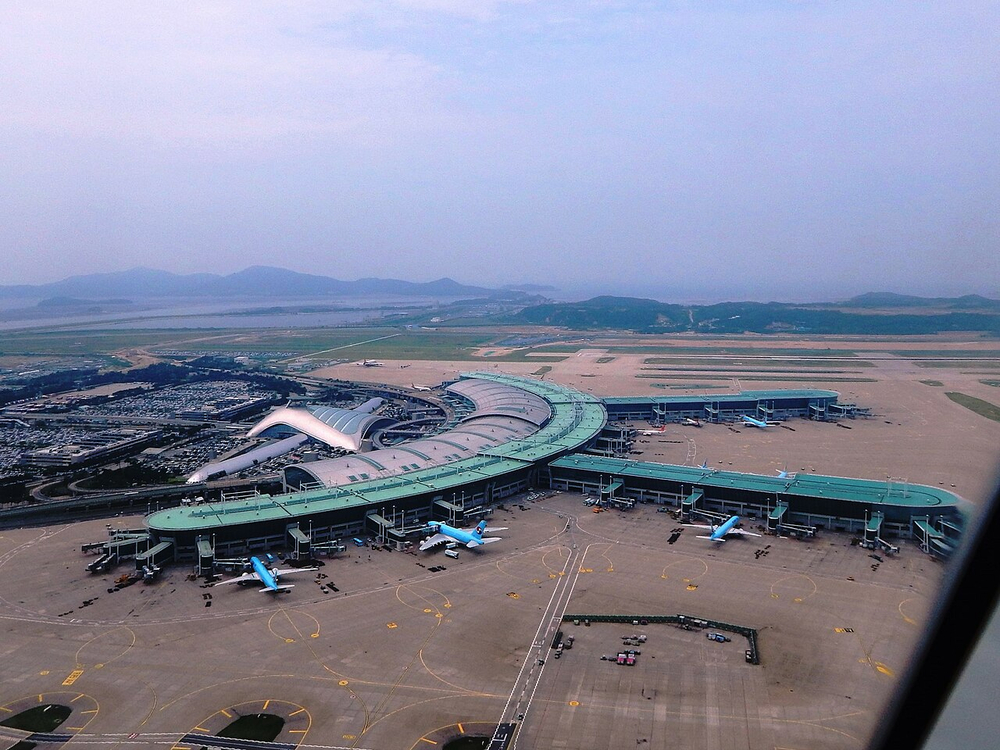
2000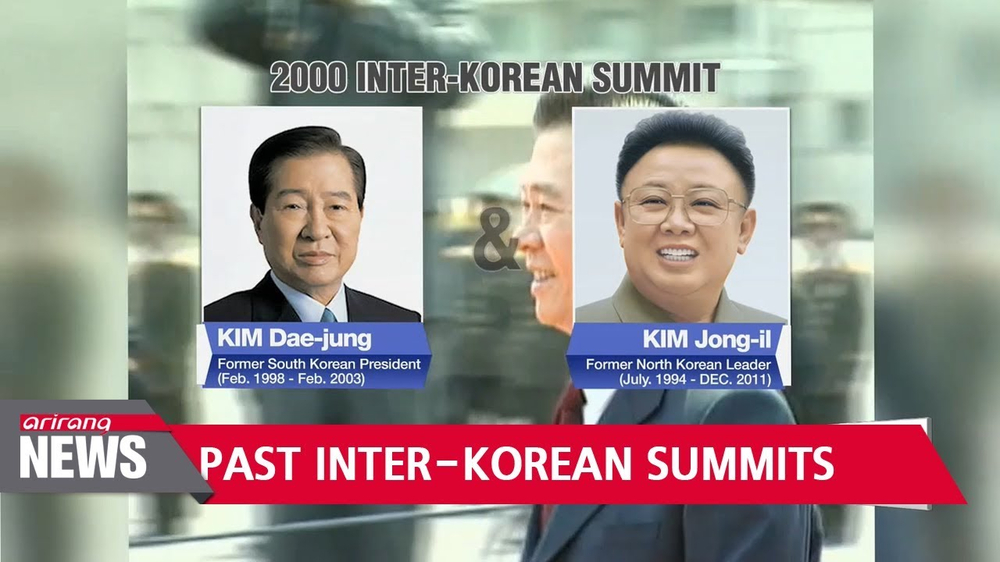
Kim Dae-jung was the first South Korean President to visit North Korea, aiming to promote peace and reconciliation in the Korean peninsula. The visit came after years of tension and conflict between the two neighboring countries, dating back to the Korean War. Kim's Sunshine Policy, which sought engagement with the North through dialogue and cooperation, paved the way for this historic event.
The meeting between Kim Dae-jung and North Korean leader Kim Jong-il in Pyongyang marked a key milestone in inter-Korean relations. Both leaders engaged in discussions on various issues, including economic cooperation, humanitarian aid, and the reunion of separated families. The summit resulted in the signing of the June 15th North-South Joint Declaration, outlining principles for peaceful coexistence and collaboration.
The visit had a significant impact on relations between the two Koreas, fostering a new era of dialogue and cooperation. It provided hope for a peaceful resolution to the longstanding division on the Korean peninsula and set the stage for future diplomatic efforts to achieve lasting peace. The symbolism of a South Korean President visiting North Korea was a powerful message of reconciliation and unity for Koreans on both sides of the border.
The event highlighted the importance of diplomacy and dialogue in resolving conflicts and building trust between nations. It demonstrated the potential for peaceful coexistence and cooperation, despite decades of hostility and division. The visit of Kim Dae-jung to North Korea remains a historic moment in Korean history, showcasing the power of diplomacy in overcoming obstacles and fostering peace.
#KimDaejung #NorthKorea #Peace #Reconciliation #InterKoreanRelations #Diplomacy
View details1997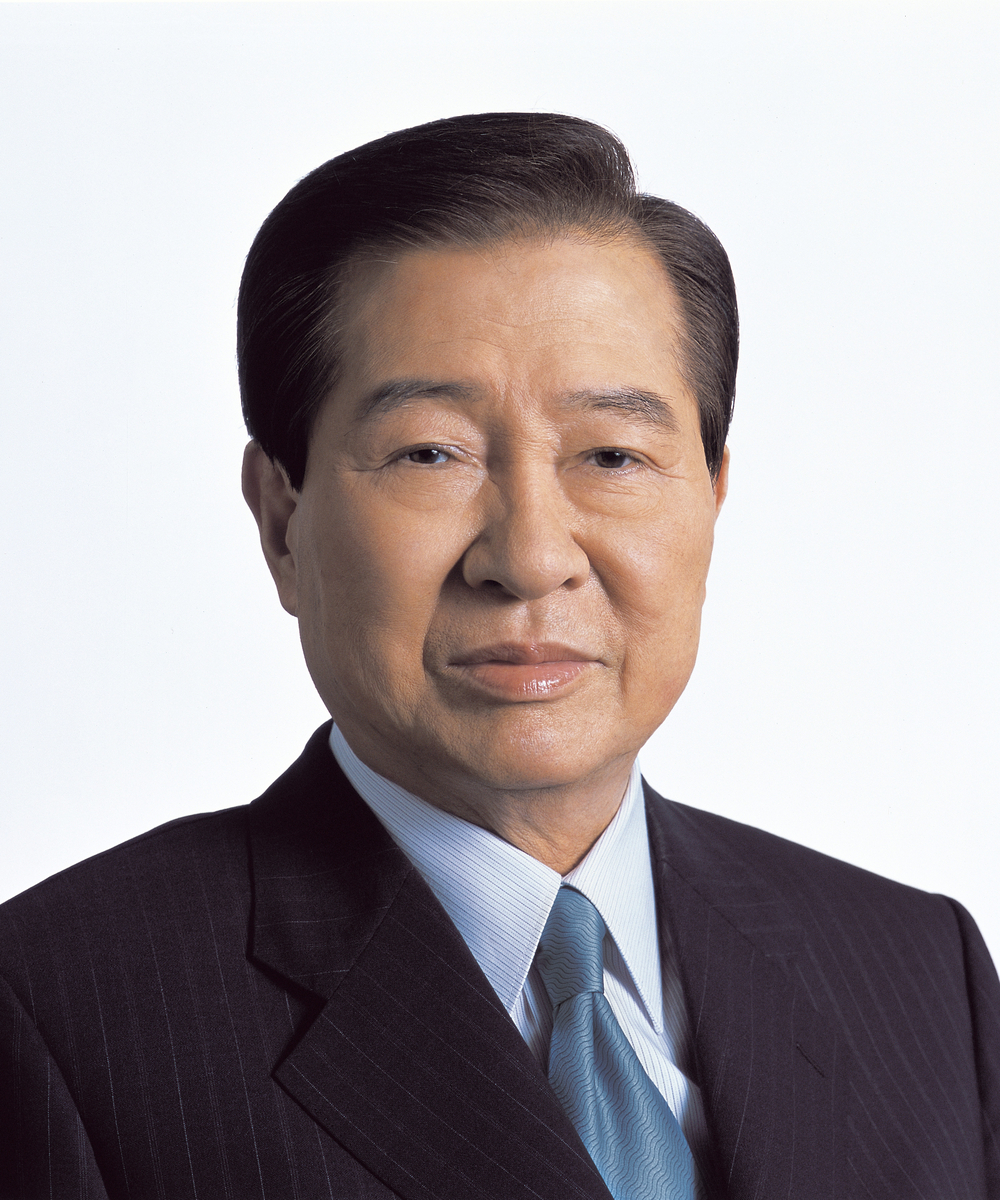
In a milestone for democracy in South Korea, Kim Dae-jung, an opposition candidate, made history by winning the presidential election. This achievement marked a significant shift in the country's political landscape, as Kim became the first non-establishment figure to secure the presidency.
Born in 1925, Kim Dae-jung started his political career in the 1960s and quickly became known for his advocacy of democracy and human rights in South Korea. Throughout his career, he endured periods of imprisonment and exile due to his opposition to the authoritarian regimes that had governed the country for decades. Kim's perseverance and dedication to democratic principles earned him a reputation as a champion of the people.
The election of Kim Dae-jung signaled a turning point in South Korean politics, as it demonstrated a growing desire for change and reform among the population. His victory represented a triumph of democracy over entrenched political interests, inspiring hope for a more inclusive and transparent government.
Upon assuming office, Kim Dae-jung implemented various reforms aimed at promoting reconciliation, economic stability, and human rights. His administration prioritized engagement with North Korea, culminating in the historic inter-Korean summit in 2000, where Kim met with North Korean leader Kim Jong-il in Pyongyang.
Kim Dae-jung's presidency left a lasting impact on South Korea, paving the way for future opposition candidates to compete for the highest office. His legacy as a proponent of democracy and human rights endures, serving as a reminder of the power of perseverance and the ability of individuals to bring about meaningful change.
#KimDaejung #SouthKorea #PresidentialElection #Democracy #HistoricWin #PoliticalReform #InterKoreanRelations
View details1996
South Korea's admission to the Organisation for Economic Cooperation and Development marked a pivotal moment in the country's economic development. The OECD is an international organization that promotes cooperation and economic growth among its member countries. South Korea's acceptance into this prestigious group was a recognition of its remarkable transformation from a war-torn nation to a thriving industrial powerhouse.
With a strong focus on export-led growth, South Korea had experienced rapid industrialization and economic expansion in the decades leading up to its admission to the OECD. The country had emerged as a major player in industries such as electronics, automobiles, and shipbuilding, becoming known for its high-tech products and skilled workforce.
Joining the OECD provided South Korea with access to valuable resources, expertise, and networks that further bolstered its economic development efforts. It also signaled to the international community that South Korea had successfully integrated into the global economy and was committed to upholding OECD values and standards.
The admission to the OECD had a positive impact on South Korea's economy, bolstering investor confidence and attracting foreign investment. It also opened up new opportunities for collaboration with other member countries in areas such as trade, innovation, and sustainable development.
South Korea's journey to OECD membership underscored its resilience, determination, and capacity for growth. It was a testament to the country's ability to overcome challenges, adapt to changing global dynamics, and emerge as a key player on the world stage.
#SouthKorea #OECD #EconomicDevelopment #GlobalRecognition #Industrialization
View details1991
In 1991, North and South Korea were admitted as member states to the United Nations, marking a significant step towards international cooperation and peace. This milestone came after decades of division and conflict on the Korean Peninsula.
Since the end of World War II, Korea had been split into two separate nations following the Korean War in the 1950s. The North Korean regime's isolationist policies and aggressive behavior had long been a source of tension in the region and on the global stage. By joining the United Nations, North Korea signaled its willingness to engage with the international community.
For South Korea, admission to the UN was a recognition of its rapid economic development and democratization process. The country had transformed from a war-torn nation into a thriving democracy with a strong economy. Membership in the UN granted South Korea a platform to contribute to global discussions and collaborate on international issues.
The inclusion of both North and South Korea in the United Nations had a significant impact on diplomatic relations and security in Northeast Asia. It opened up avenues for dialogue and cooperation between the two Koreas and other countries, fostering hope for peaceful resolutions to long-standing conflicts.
The event of North and South Korea joining the United Nations symbolized a new chapter in Korean history, one where the two nations could work together towards a shared future of prosperity and stability. It demonstrated the power of diplomacy and dialogue in resolving conflicts and building bridges between nations.
#UnitedNations #KoreanPeninsula #InternationalCooperation #Peace #Diplomacy
View details1988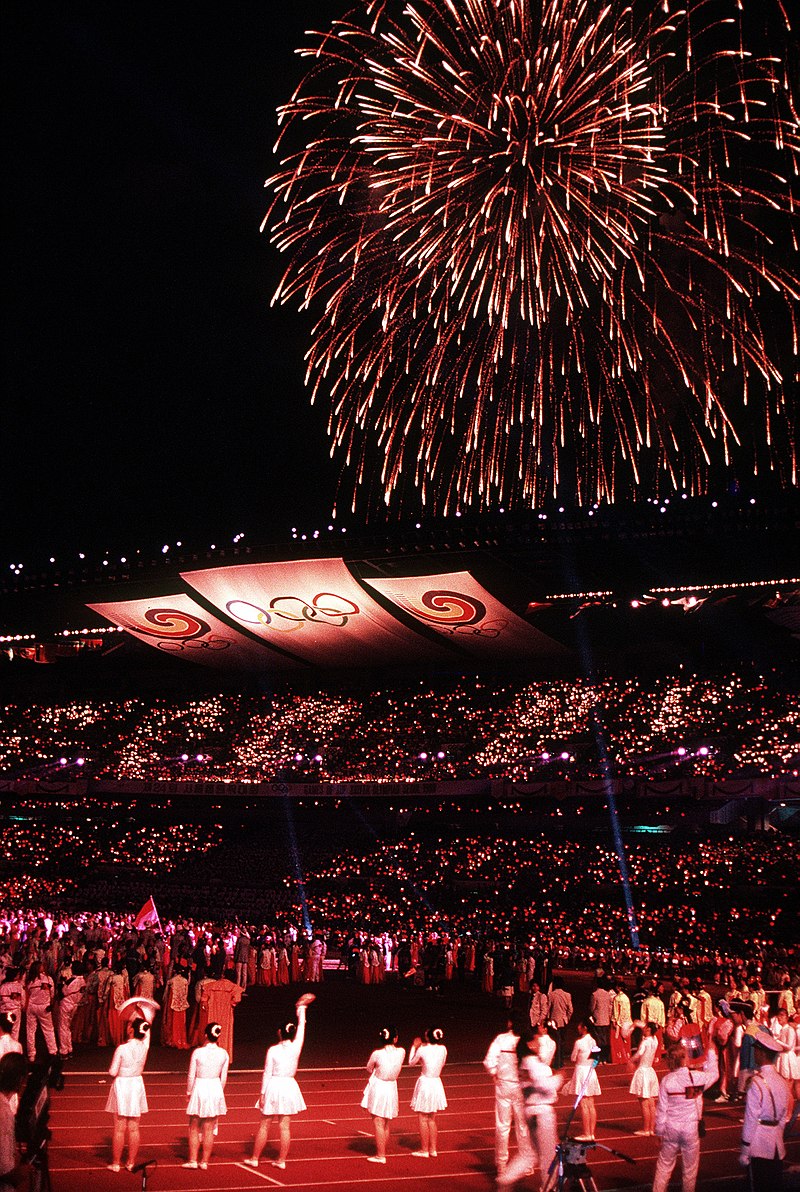
The Seoul Summer Olympics in South Korea brought together athletes from 160 nations to compete across 23 sports. Held for the first time in Korea, it was a significant moment that showcased the country's progress on the global stage. The event aimed not only to promote athletic excellence but also to foster international cooperation and unity.
Preparation for the Olympics involved extensive infrastructure development, with new stadiums, arenas, and facilities constructed to host various events. The opening ceremony, featuring traditional Korean performances and modern technological displays, highlighted the rich cultural heritage of the host nation. The 1988 Games marked the return of North Korea to the Olympics after boycotting the 1984 Games in Los Angeles.
The Seoul Olympics left a lasting impact on South Korea, catapulting the nation onto the world stage as a capable host and demonstrating its economic and technological prowess. The event also provided a platform for cultural exchange and diplomacy, as nations came together to celebrate the spirit of sportsmanship and competition. The success of the Games bolstered South Korea's reputation as a capable organizer of international events and paved the way for future sporting competitions in the country.
Athletically, the Games saw the emergence of new stars and memorable performances, including sprinter Florence Griffith Joyner's record-breaking achievements and boxer Roy Jones Jr.'s controversial loss. The competition was fierce, with athletes pushing themselves to the limit to achieve personal bests and represent their countries with pride.
In conclusion, the Seoul Summer Olympics in South Korea was a landmark event that showcased the nation's capabilities and brought the world together in the spirit of sportsmanship and competition. The legacy of the Games lives on, inspiring future generations and promoting the values of unity and friendship across borders. #SeoulOlympics #SouthKorea #GlobalUnity
View details1980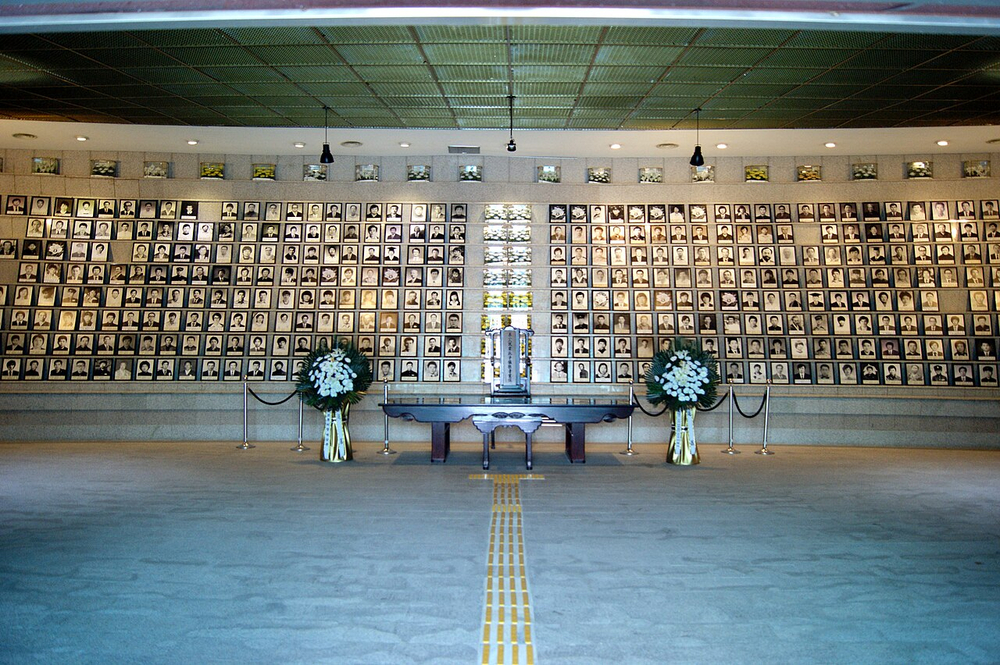
The Gwangju Uprising, also known as the Gwangju Democratization Movement, stands as a pivotal moment in South Korea's modern history, symbolizing the struggle for democracy and human rights against authoritarian rule. This mass protest, which took place in the city of Gwangju from May 18 to May 27, 1980, marked a significant turning point in South Korea's political landscape.
Background
The backdrop to the Gwangju Uprising was a period of political instability and authoritarianism in South Korea. Following the assassination of President Park Chung-hee in 1979, the country was under the interim leadership of Choi Kyu-hah. However, power was quickly seized by General Chun Doo-hwan, who led a military coup on December 12, 1979, and subsequently imposed martial law across the nation. Chun's regime was characterized by severe political repression, including the suspension of the constitution, dissolution of the National Assembly, and suppression of political dissent.
The Uprising Begins
On May 18, 1980, students from Chonnam National University in Gwangju began protesting against the extension of martial law and the closure of their university. The initial demonstration was met with brutal force by the military, who used batons, tear gas, and even live ammunition to disperse the crowds. This harsh response ignited widespread outrage among the citizens of Gwangju, leading to larger and more defiant protests.
Escalation and Civilian Resistance
As the days progressed, the conflict escalated. On May 20, thousands of Gwangju residents, including students, workers, and ordinary citizens, joined the protests. They demanded the end of martial law, the release of arrested students, and the resignation of Chun Doo-hwan. The military's violent crackdown only intensified, resulting in numerous injuries and deaths. Despite the danger, the citizens of Gwangju showed remarkable resilience and solidarity.
The tipping point came on May 21 when the military opened fire on protesters, killing scores of civilians. In response, the protesters armed themselves by raiding police stations and military depots, seizing weapons and vehicles. They organized themselves into a self-governing body to manage the city and defend against further military assaults. For several days, Gwangju was effectively a liberated zone, governed by the citizens.
The Government's Response
The South Korean government, under Chun Doo-hwan, viewed the uprising as a serious threat to its authority. On May 27, the military launched a massive operation to retake the city. Tanks and heavily armed troops stormed Gwangju, leading to a brutal and bloody confrontation. The resistance was ultimately crushed, and the city was brought back under government control.
#MomentsOfLife #MoofLife_Moment #MoofLife #GwangjuUprising #SouthKoreanHistory #Democratization #HumanRights #ChunDooHwan #May18Movement
View details1979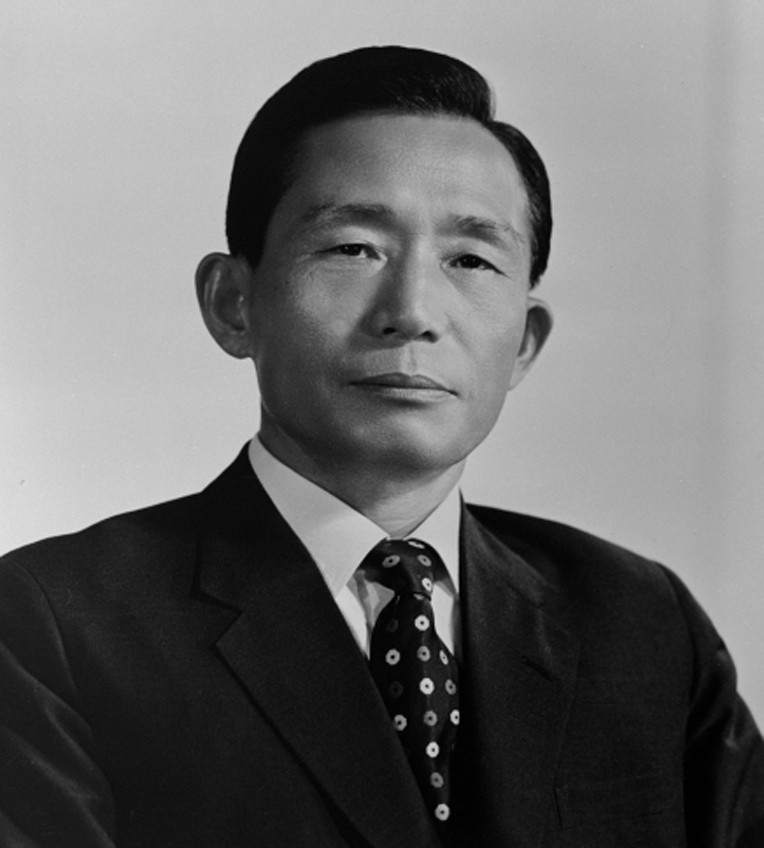
The assassination of Park Chung-hee on October 26, 1979, marked a dramatic turning point in South Korea’s history, ending an 18-year authoritarian rule and setting the stage for a turbulent period of political transition. Park, who had been the President of South Korea since 1961, was a highly controversial figure, credited with transforming South Korea’s economy while criticized for his repressive regime.
Background
Park Chung-hee came to power through a military coup in May 1961, overthrowing the Second Republic of South Korea. His regime was characterized by rapid industrialization and economic growth, often referred to as the "Miracle on the Han River." However, his rule was also marked by authoritarian practices, including the suppression of political opposition, censorship, and the use of the Korean Central Intelligence Agency (KCIA) to maintain control.
By the late 1970s, dissatisfaction with Park's regime had grown significantly. His declaration of emergency martial law in 1972, which led to the Yushin Constitution, effectively granted him dictatorial powers and extended his presidency indefinitely. This move, along with ongoing political repression and economic challenges, fueled widespread public discontent.
The Assassination
The events leading to Park’s assassination unfolded on the night of October 26, 1979, during a dinner party at the Blue House (the South Korean presidential residence) in Seoul. The gathering included several high-ranking officials, among them Kim Jae-gyu, the director of the KCIA, and Cha Ji-chul, Park’s chief bodyguard and a powerful figure within his administration.
Kim Jae-gyu, who had become increasingly disillusioned with Park’s repressive policies and Cha Ji-chul's growing influence, decided to act. During the dinner, an argument reportedly broke out between Kim and Cha. Seizing the moment, Kim drew a pistol and shot Cha, fatally wounding him. He then turned the gun on Park Chung-hee, shooting him in the head and chest, resulting in Park's immediate death. Kim Jae-gyu also killed other security personnel present at the scene to secure his escape.
Immediate Aftermath
Following the assassination, Kim Jae-gyu attempted to justify his actions as a move to save the nation from Park’s increasingly tyrannical rule. He believed that eliminating Park would pave the way for democratic reforms. However, his actions led to immediate chaos and uncertainty. Kim was quickly arrested, tried, and executed in May 1980.
In the short term, Park’s assassination plunged South Korea into political turmoil. Prime Minister Choi Kyu-hah assumed the presidency but struggled to maintain control amidst the power vacuum and growing demands for democracy. The immediate period following Park’s death saw intense political maneuvering among military and political elites.
Long-term Impact
The assassination of Park Chung-hee had profound and lasting impacts on South Korea. The power vacuum created by his death eventually led to the coup d'état on December 12, 1979, led by Major General Chun Doo-hwan, which further complicated the nation's path to democracy. Chun’s subsequent authoritarian rule faced significant opposition, culminating in the Gwangju Uprising of May 1980, where hundreds of pro-democracy demonstrators were killed by government forces.
Despite the repression, the momentum for democratization could not be halted. The public's desire for democracy, inspired partly by the abrupt end to Park’s long rule, gained strength throughout the 1980s. The June Democracy Movement of 1987 eventually forced Chun’s regime to concede to demands for democratic reforms, leading to the establishment of the Sixth Republic and the first democratic presidential elections.
Park Chung-hee's legacy remains complex and contested in South Korea. He is remembered both as a pivotal figure in South Korea's economic development and as a symbol of authoritarianism. His assassination, while initially plunging the nation into chaos, inadvertently set the stage for the eventual democratization of South Korea.
#MomentsOfLife #MoofLife_Moment #MoofLife #ParkChungHee #SouthKoreanHistory #Assassination #Democratization #PoliticalTransition #KCIA #YushinConstitution
View details