Gwangju Uprising
South Korea
Political
Uprising
6 min read
Updated By: History Editorial Network (HEN)
Published:
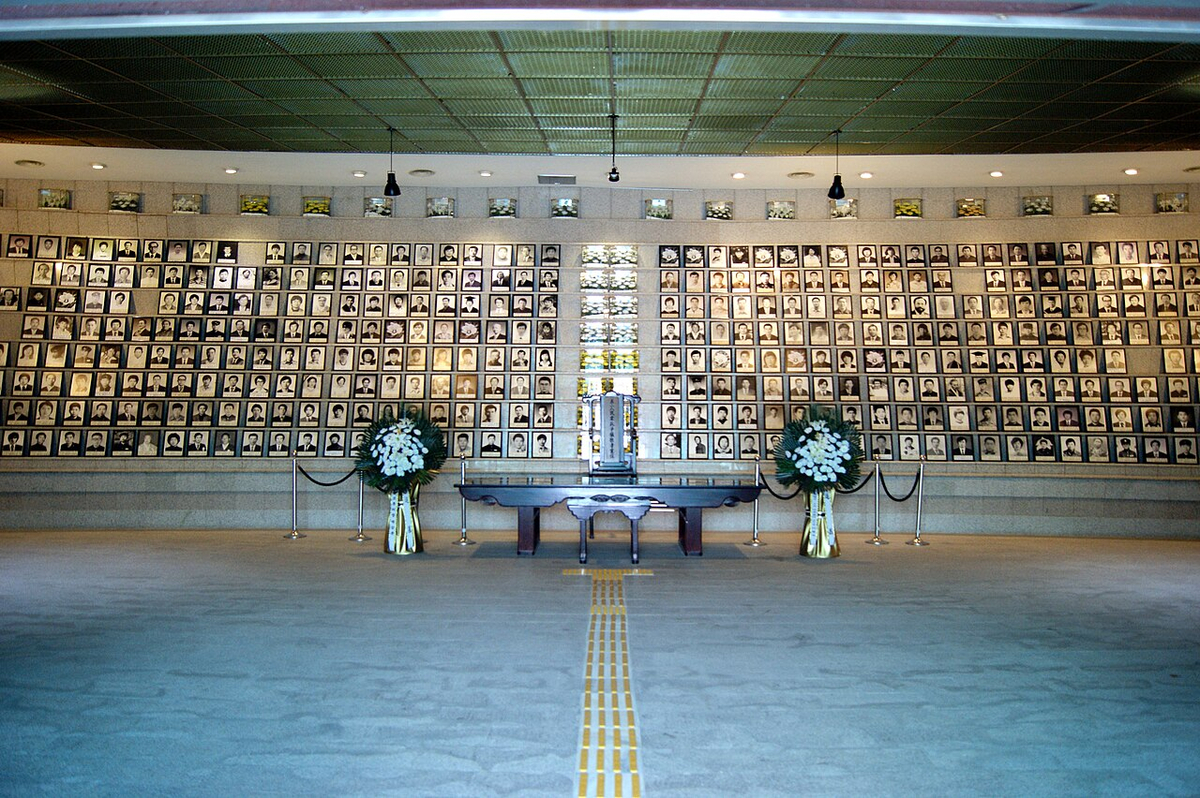
The Gwangju Uprising, also known as the Gwangju Democratization Movement, stands as a pivotal moment in South Korea's modern history, symbolizing the struggle for democracy and human rights against authoritarian rule. This mass protest, which took place in the city of Gwangju from May 18 to May 27, 1980, marked a significant turning point in South Korea's political landscape.
Background
The backdrop to the Gwangju Uprising was a period of political instability and authoritarianism in South Korea. Following the assassination of President Park Chung-hee in 1979, the country was under the interim leadership of Choi Kyu-hah. However, power was quickly seized by General Chun Doo-hwan, who led a military coup on December 12, 1979, and subsequently imposed martial law across the nation. Chun's regime was characterized by severe political repression, including the suspension of the constitution, dissolution of the National Assembly, and suppression of political dissent.
The Uprising Begins
On May 18, 1980, students from Chonnam National University in Gwangju began protesting against the extension of martial law and the closure of their university. The initial demonstration was met with brutal force by the military, who used batons, tear gas, and even live ammunition to disperse the crowds. This harsh response ignited widespread outrage among the citizens of Gwangju, leading to larger and more defiant protests.
Escalation and Civilian Resistance
As the days progressed, the conflict escalated. On May 20, thousands of Gwangju residents, including students, workers, and ordinary citizens, joined the protests. They demanded the end of martial law, the release of arrested students, and the resignation of Chun Doo-hwan. The military's violent crackdown only intensified, resulting in numerous injuries and deaths. Despite the danger, the citizens of Gwangju showed remarkable resilience and solidarity.
The tipping point came on May 21 when the military opened fire on protesters, killing scores of civilians. In response, the protesters armed themselves by raiding police stations and military depots, seizing weapons and vehicles. They organized themselves into a self-governing body to manage the city and defend against further military assaults. For several days, Gwangju was effectively a liberated zone, governed by the citizens.
The Government's Response
The South Korean government, under Chun Doo-hwan, viewed the uprising as a serious threat to its authority. On May 27, the military launched a massive operation to retake the city. Tanks and heavily armed troops stormed Gwangju, leading to a brutal and bloody confrontation. The resistance was ultimately crushed, and the city was brought back under government control.
#MomentsOfLife #MoofLife_Moment #MoofLife #GwangjuUprising #SouthKoreanHistory #Democratization #HumanRights #ChunDooHwan #May18Movement
Explore the Life Moments of
 AI Twin