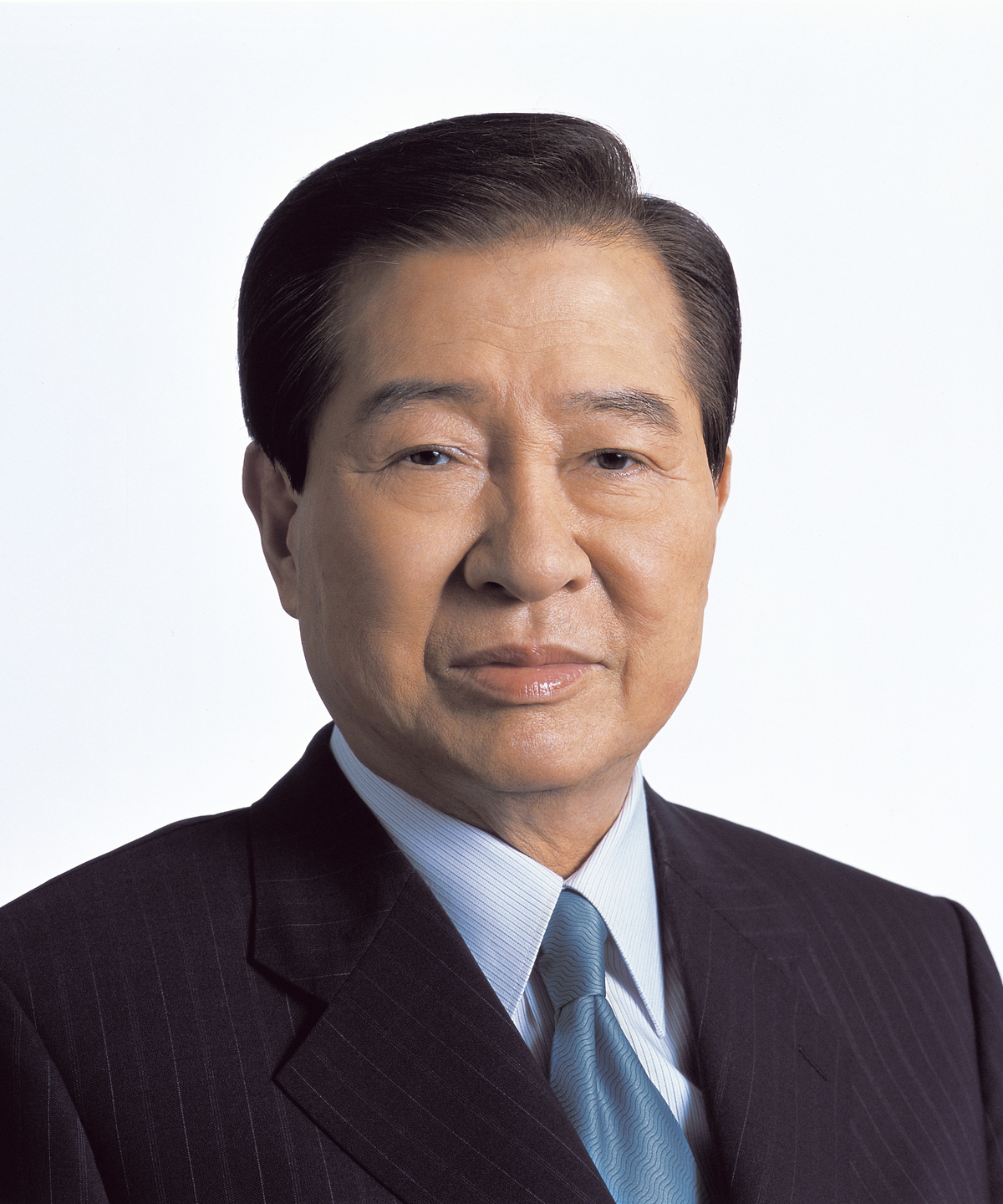
Kim Dae-jung Elected as President of South Korea
South Korea
Political
Democracy
4 min read
Updated By: History Editorial Network (HEN)
Published:
In a milestone for democracy in South Korea, Kim Dae-jung, an opposition candidate, made history by winning the presidential election. This achievement marked a significant shift in the country's political landscape, as Kim became the first non-establishment figure to secure the presidency.
Born in 1925, Kim Dae-jung started his political career in the 1960s and quickly became known for his advocacy of democracy and human rights in South Korea. Throughout his career, he endured periods of imprisonment and exile due to his opposition to the authoritarian regimes that had governed the country for decades. Kim's perseverance and dedication to democratic principles earned him a reputation as a champion of the people.
The election of Kim Dae-jung signaled a turning point in South Korean politics, as it demonstrated a growing desire for change and reform among the population. His victory represented a triumph of democracy over entrenched political interests, inspiring hope for a more inclusive and transparent government.
Upon assuming office, Kim Dae-jung implemented various reforms aimed at promoting reconciliation, economic stability, and human rights. His administration prioritized engagement with North Korea, culminating in the historic inter-Korean summit in 2000, where Kim met with North Korean leader Kim Jong-il in Pyongyang.
Kim Dae-jung's presidency left a lasting impact on South Korea, paving the way for future opposition candidates to compete for the highest office. His legacy as a proponent of democracy and human rights endures, serving as a reminder of the power of perseverance and the ability of individuals to bring about meaningful change.
#KimDaejung #SouthKorea #PresidentialElection #Democracy #HistoricWin #PoliticalReform #InterKoreanRelations

Explore the Life Moments of
 AI Twin