
Cape Verde

Jewel of the Atlantic
About
#CaboVerde
#CapeVerde
#IslandParadise
Life Classifications
Country , Island
Life ID
EL6217315364640
Verified Name
cape-verde
Life Type
Entity Life
Life Privacy
Public
Subscription
Elite
Created On
2024-07-10
Updated On
2025-12-19
Connect
Related Lives
South Korea
The Land of Morning Calm

Armenia
Gateway to Ancient Traditions and Scenic Beauty
President of the Italian Republic
Head of State

Niger
Land of the Sahel
Brunei
Abode of Peace

Netherlands
The Land of Tulips and Windmills

Singapore
The Asian Tiger

Turkey
The Land of Singing Trees

2026
The African Party for the Independence of Cape Verde (PAICV), led by Francisco Carvalho, won the parliamentary election held in Cape Verde on 17/05/2026, defeating the ruling Movement for Democracy (MpD). The result ended the MpD’s period in government and returned the PAICV to national leadership following a closely watched electoral campaign focused on economic conditions, employment, and social development.
After preliminary and official vote counts confirmed the opposition victory, incumbent Prime Minister Ulisses Correia e Silva publicly conceded defeat and announced that he would step down as leader of the MpD. His concession speech acknowledged the voters’ decision and called for political stability during the transition of power. The election represented a major political shift in the island nation, which has long been regarded as one of Africa’s more stable multi-party democracies.
Francisco Carvalho, who led the PAICV campaign, positioned the party around promises to address rising living costs, economic inequality, youth employment, and public services. The campaign period also included debate over tourism dependency, housing challenges, and long-term economic diversification in Cape Verde, whose economy relies heavily on tourism, remittances, and international trade.
The parliamentary election was conducted across Cape Verde’s archipelago with participation from domestic election authorities and international observers. Voting proceeded peacefully, continuing the country’s reputation for orderly democratic elections since the introduction of multi-party politics in the early 1990s. The peaceful transfer of political authority was welcomed by regional and international partners monitoring governance developments in West Africa.
The defeat marked a significant moment for the MpD government, which had remained in power under Ulisses Correia e Silva since 2016. His decision to resign from party leadership following the election reflected political accountability traditions commonly observed in Cape Verdean politics after major electoral losses.
Why This Moment Matters :
The 2026 parliamentary election resulted in a transfer of power between Cape Verde’s two main political parties and reinforced the country’s long-standing democratic institutions. The peaceful concession by Prime Minister Ulisses Correia e Silva and the orderly electoral process further strengthened Cape Verde’s reputation for political stability within the region.
View details2022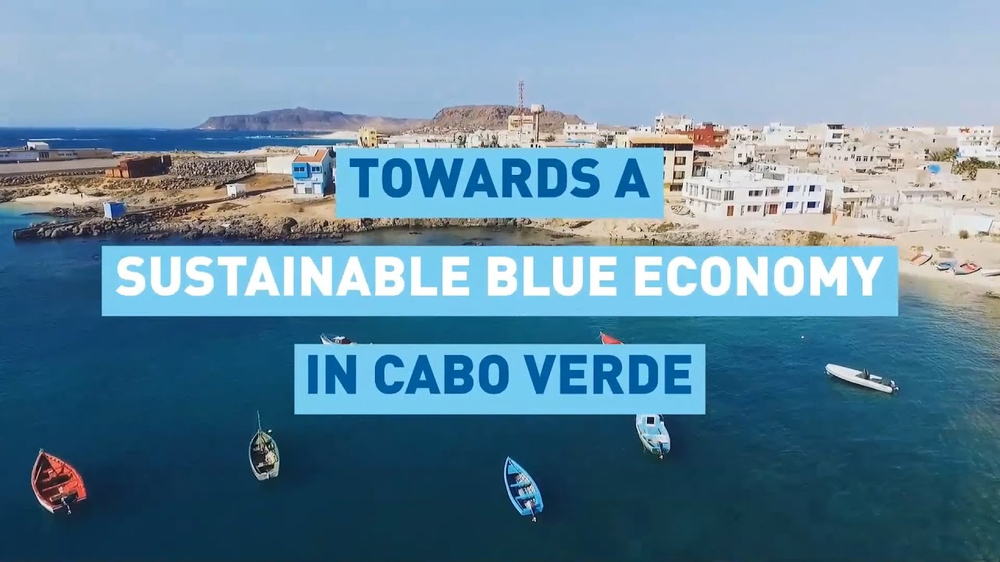
The establishment of the Blue Economy Initiative in Cape Verde aimed to boost sustainable ocean-based development, leveraging the nation's strategic maritime location. Cape Verde, an archipelago off the coast of West Africa, recognized the potential of its marine resources in driving economic growth. The initiative sought to promote responsible utilization of the ocean while preserving its ecological balance.
By fostering partnerships with government entities, international organizations, and private sectors, Cape Verde aimed to unlock opportunities in fisheries, aquaculture, renewable energy, and tourism. The Blue Economy Initiative prioritized job creation, innovation, and capacity building, paving the way for long-term prosperity.
The event marked a significant step towards diversifying Cape Verde's economy, reducing dependency on traditional sectors, and enhancing resilience to external shocks. With a strong focus on sustainability and inclusivity, the initiative aimed to improve livelihoods, protect marine ecosystems, and ensure equitable distribution of benefits among communities.
#CapeVerde #BlueEconomy #SustainableDevelopment #OceanConservation #EconomicDiversification
View details2019
Cape Verde made history by co-hosting the 2019 Africa Beach Games with Sal Island. This event marked the first time that the African Beach Games were held, showcasing the country's commitment to boosting sports and tourism. With beautiful beaches and ideal weather conditions, Cape Verde provided the perfect backdrop for the games, attracting athletes and spectators from across the continent.
The Africa Beach Games featured a variety of sports such as beach soccer, beach volleyball, and beach tennis, allowing athletes to compete in a unique and exciting environment. The event not only promoted sportsmanship and competition but also fostered cultural exchange and unity among African nations.
Cape Verde's successful co-hosting of the Africa Beach Games brought attention to the country's growing sports infrastructure and its ability to organize international events. The games also provided a platform for local businesses to showcase their products and services, boosting the economy and tourism sector.
Overall, the 2019 Africa Beach Games co-hosted by Cape Verde and Sal Island were a testament to the country's potential as a premier destination for sports events in Africa. The success of the games highlighted the importance of sports in promoting unity and development across the continent.
#CapeVerde #AfricaBeachGames #SportsDiplomacy #TourismBoost
View details2009
US Secretary of State Hillary Clinton concluded a seven-nation tour of Africa in Cape Verde. The visit aimed to strengthen diplomatic ties and discuss regional issues. During her stay, Clinton met with government officials to address economic development, security cooperation, and governance challenges. Cape Verde, known for its stability and democracy, was a significant stop on her tour.
Clinton's visit highlighted the importance of Cape Verde as a strategic partner in promoting peace and stability in the region. The discussions focused on enhancing trade relations, promoting good governance, and addressing security concerns in West Africa. Cape Verde's positive track record in democratic governance and economic development positioned it as a key ally for the United States in the region.
The conclusion of Clinton's tour in Cape Verde underscored the mutual commitment to collaboration and partnership between the two nations. It also showcased Cape Verde as a model for other African countries in terms of good governance and sustainable development practices. The visit solidified diplomatic relations and set the stage for future cooperation in various areas of mutual interest.
#CapeVerde #Diplomacy #USRelations #AfricaTour
View details2008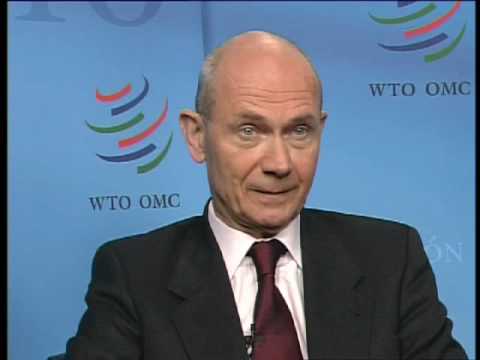
Cape Verde officially became a member of the World Trade Organization (WTO). The accession marked a significant step in the country's integration into the global economy. Prior to joining the WTO, Cape Verde had undertaken various economic reforms to align with international trade standards. Membership in the WTO opened up new opportunities for Cape Verde to benefit from reduced trade barriers, access to global markets, and increased foreign investments.
The accession process involved negotiations with existing WTO members to agree on terms of trade and commit to the organization's principles of free and fair trade. Cape Verde's membership in the WTO signaled its commitment to promoting economic growth and development through international trade.
With this milestone, Cape Verde was better positioned to participate in the multilateral trading system, allowing its businesses to compete globally and potentially boosting the country's economy. The event marked a new chapter in Cape Verde's economic trajectory, emphasizing the significance of trade liberalization and cooperation on both regional and global levels.
The accession of Cape Verde to the WTO underscored the country's drive for economic advancement and integration into the global marketplace, showcasing its potential for sustainable growth and development. #CapeVerde #WTO #GlobalTrade #EconomicDevelopment
View details2006
In a demonstration of military readiness, around 7,000 NATO troops participated in war games on Sao Vicente island. The exercise aimed to enhance interoperability between NATO forces and partner nations. Sao Vicente island, part of Cape Verde, provided a strategic location for the drills due to its geographical features.
The presence of thousands of troops from various nations had a significant impact on the local community and economy. Hotels, restaurants, and other businesses experienced a surge in activity as military personnel utilized their services. Residents had the opportunity to witness military maneuvers and engage with international soldiers, providing a unique cultural exchange.
The war games on Sao Vicente island showcased NATO's commitment to global security and defense cooperation. The exercise allowed troops to practice joint operations in a realistic environment, improving their ability to work together effectively in future missions. Overall, the event highlighted the importance of preparedness and collaboration in addressing security challenges.
#NATO #WarGames #SaoVicente #CapeVerde #MilitaryExercise #GlobalSecurity
View details2001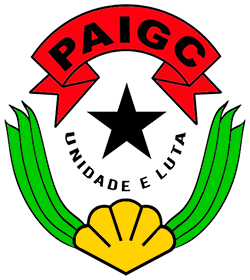
The African Party for the Independence of Cape Verde, PAICV, saw a significant political shift as the government conceded defeat in parliamentary elections, allowing the PAICV to reclaim power. This marked a turning point in the political landscape of Cape Verde. PAICV, the former ruling party, regained control after a period of opposition. The acceptance of defeat by the government signaled a democratic transition as power transferred peacefully. The return of PAICV to power represented a shift in policies and priorities, impacting the nation's governance and future trajectory. The event highlighted the democratic principles and political stability in Cape Verde. PAICV's victory reflected popular support and trust in their leadership. The outcome of the elections marked a new chapter in the country's political history and set the stage for potential reforms and developments under PAICV's administration. The event underscored the nation's commitment to democracy and peaceful transitions of power. #CapeVerde #PAICV #DemocraticTransition #PoliticalShift
View details1999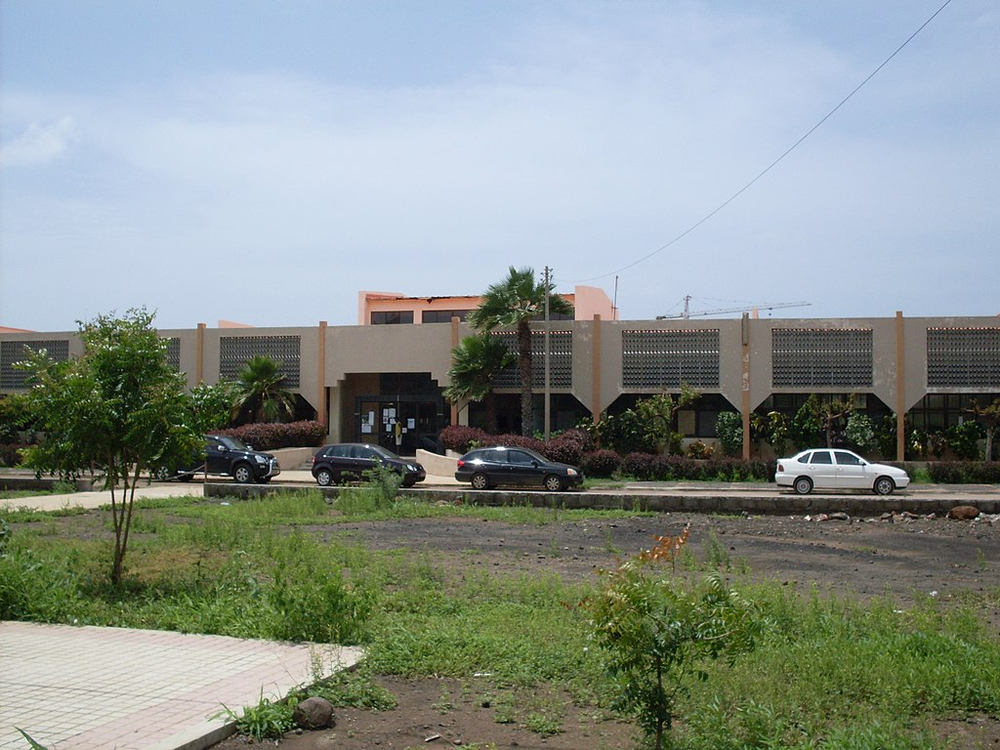
The inauguration of the new National Library of Cape Verde in Praia marked a pivotal moment in the country's cultural and educational landscape. The library, established to promote literacy and preserve the nation's heritage, serves as a hub for learning and research. With its extensive collection of books, manuscripts, and digital resources, the library has become a cornerstone of academic excellence in Cape Verde.
The event brought together government officials, scholars, and community members to celebrate the rich literary traditions of the archipelago. Its impact on the local community is profound, offering a space for intellectual growth and exploration. Students and researchers now have access to a wealth of information, fostering a culture of lifelong learning and discovery.
The inauguration of the new National Library of Cape Verde highlights the country's commitment to education and knowledge sharing. It symbolizes a new chapter in Cape Verdean history, where learning is valued and celebrated. The library stands as a beacon of enlightenment, guiding future generations towards a brighter future.
#CapeVerde #NationalLibrary #Praia #Literacy #Education #CulturalHeritage
View details1997
Cape Verde hosted the first World Festival of the Creole Culture, celebrating the richness and diversity of Creole heritage. The event aimed to unite Creole-speaking countries and communities worldwide, fostering cultural exchange and appreciation.
With vibrant performances, exhibitions, and workshops, the festival showcased traditional music, dance, cuisine, and crafts, highlighting the shared roots and unique expressions of Creole culture. It provided a platform for artists, scholars, and cultural enthusiasts to engage in dialogue and collaboration, promoting mutual understanding and respect.
The World Festival of the Creole Culture had a significant impact on raising global awareness of the Creole identity and heritage, strengthening bonds among Creole-speaking populations, and inspiring pride in their cultural legacy. It encouraged dialogue on issues facing Creole communities and spurred efforts to preserve and promote Creole languages and traditions.
Overall, the event served as a landmark gathering that celebrated the Creole culture's resilience, creativity, and contribution to the world's cultural tapestry. #CapeVerde #CreoleCulture #CulturalHeritage #GlobalUnity
View details1996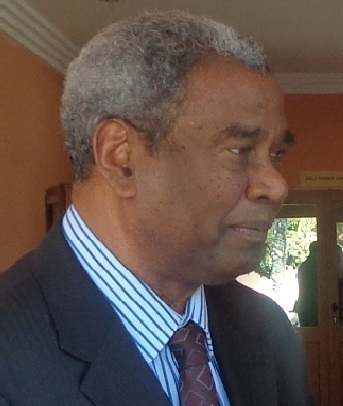
In 1996, Mascarenhas Monteiro was re-elected as the leader of Cabo Verde's Movement for Democracy party. His party secured a majority of seats in the parliamentary elections, solidifying their position within the government. Monteiro's re-election signified a continuation of his leadership and policies, emphasizing stability and continuity in the country's political landscape.
The Movement for Democracy's victory in the parliamentary elections showcased the support they had garnered from the population, reflecting confidence in their agenda and governance. This outcome also indicated a preference for the party's vision and strategies for fostering development, both domestically and internationally.
Monteiro's re-election and his party's success in winning the majority of seats underscored a mandate to pursue their plans and initiatives. The outcome of the elections had implications for the direction of policies, partnerships, and reforms in Cabo Verde, shaping the socio-economic trajectory of the country.
#CaboVerde #MovementforDemocracy #ParliamentaryElections #MascarenhasMonteiro #Leadership
View details1992
In 1992, Cape Verde transitioned to a multi-party democracy, marking a pivotal shift in its political landscape. The nation previously operated under a single-party system, but growing calls for political reform and increased transparency led to the introduction of multiple political parties. This change aimed to promote pluralism, empower citizens through greater representation, and foster democratic governance.
The introduction of multi-party democracy in Cape Verde had a profound impact on the country's political dynamics, encouraging political participation, fostering debate on various issues, and diversifying the political discourse. It allowed for a broader range of voices and perspectives to be heard, enhancing accountability and promoting checks and balances within the government. Citizens gained the opportunity to choose from a variety of political parties, each offering unique visions for the future of the country.
This shift towards multi-party democracy was a significant milestone in Cape Verde's history, setting the stage for a more inclusive and participatory political system. It reflected the nation's commitment to democratic values, respect for human rights, and desire for progress through collaborative governance.
#CapeVerde #MultiPartyDemocracy #PoliticalReform #DemocraticGovernance
View details1981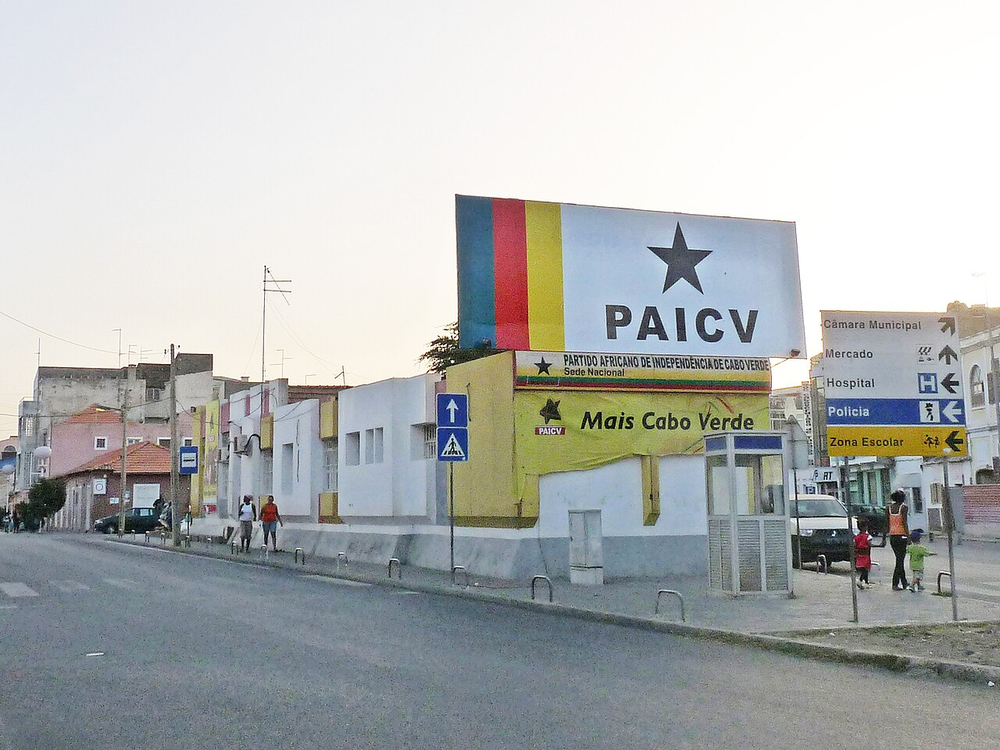
After gaining independence from Portuguese colonial rule, the African Party for the Independence of Cape Verde (PAICV) emerged as the ruling party in the country. The PAICV played a crucial role in the fight for independence, led by notable figures such as Amílcar Cabral. Their victory in the post-colonial era marked a significant political transition for Cape Verde. The PAICV's governance focused on social and economic development, aiming to improve the lives of the Cape Verdean people.
Under PAICV leadership, Cape Verde experienced advancements in education, healthcare, and infrastructure. The government implemented policies to promote local industries and agriculture, striving for self-sufficiency and economic growth. The party also fostered strong international relationships, particularly with other African nations and socialist countries.
The shift to PAICV rule brought stability and progress to Cape Verde, setting the foundation for the country's future development. The party's commitment to unity, equality, and progress resonated with the population, solidifying its position as the leading political force in the nation. The PAICV's tenure in power marked a turning point in Cape Verdean history, shaping the trajectory of the island nation for years to come.
#PAICV #CapeVerde #Independence #PoliticalTransition
View details1980
After the coup in Guinea-Bissau in 1980, Cape Verde abandoned its plans for unity with the neighboring country. The two nations had been discussing the possibility of merging to form a unified country, but the political instability in Guinea-Bissau derailed these talks. The coup in Guinea-Bissau led to uncertainty and insecurity in the region, prompting Cape Verde to focus on its own stability and development instead.
The decision to ditch plans for unity with Guinea-Bissau had a significant impact on both countries. Cape Verde, which had been considering the merge as a way to strengthen its position in the international arena, had to reassess its strategic priorities. Guinea-Bissau, on the other hand, faced internal turmoil and instability following the coup, further complicating its political landscape.
The event highlighted the challenges of political integration in Africa, where regional cooperation is often hindered by internal conflicts and power struggles. It also underscored the importance of stability and good governance in fostering diplomatic relations and economic development within the region.
#CapeVerde #GuineaBissau #PoliticalInstability #RegionalIntegration #AfricanUnity
View details1975
Following the independence of Cabo Verde in 1975, the establishment of the Bank of Cabo Verde marked a pivotal moment in the nation's economic history. The bank was created to regulate and supervise the country's financial system, aiming to stabilize and promote economic growth.
With the introduction of the national currency, the Cape Verdean Escudo, the Bank of Cabo Verde played a crucial role in issuing and managing the new currency, enhancing monetary stability. It also facilitated financial services, such as loans and credit, to support local businesses and stimulate development.
The establishment of the Bank of Cabo Verde had a lasting impact on the country's economy, providing a solid foundation for financial operations and fostering economic resilience. The bank's interventions have contributed to maintaining a stable financial environment, attracting investments, and supporting sustainable growth.
#BankOfCaboVerde #EconomicStability #FinancialDevelopment #CaboVerdeHistory
View detailsCape Verde, an archipelago off the coast of West Africa, ended its colonial ties with Portugal. The nation's journey towards independence was marked by years of struggle against Portuguese rule that began in the late 1400s. The quest for self-governance gained momentum in the 1960s with the rise of nationalist movements in Cape Verde. The African Party for the Independence of Guinea and Cape Verde (PAIGC) played a crucial role in the fight for independence, led by Amílcar Cabral.
On the road to independence, Cape Verde faced economic challenges due to its reliance on agriculture, particularly the production of bananas and coffee. Despite these obstacles, the nation persevered and attained independence, leading to the establishment of a new government and a sense of national identity among its people.
The declaration of independence heralded a new era for Cape Verde, allowing it to shape its own destiny and foster diplomatic relations with other countries. Independence brought about social and political changes, as well as opportunities for economic growth and development.
The event marked a significant milestone in Cape Verde's history, representing the culmination of years of struggle and resilience. Today, Cape Verde continues to honor its journey towards independence, celebrating its rich cultural heritage and progress as a sovereign nation. #CapeVerde #Independence #PAIGC #AmilcarCabral
View details1960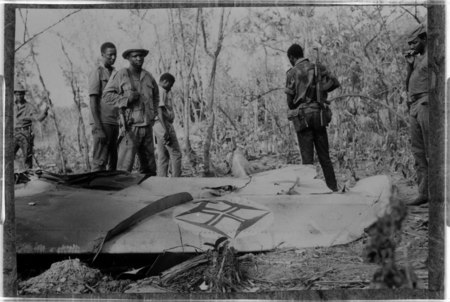
In the 1960s, the PAIGC (African Party for the Independence of Guinea and Cape Verde) initiated a liberation war against Portuguese colonial rule in Guinea-Bissau, drawing support from many Cape Verdeans. The movement's aim was to end the oppressive colonial regime and achieve independence for the people of Guinea-Bissau and Cape Verde. The PAIGC, led by key figures like Amilcar Cabral, utilized tactics such as guerilla warfare to challenge Portuguese dominance.
The involvement of Cape Verdeans in the liberation war was significant, as it highlighted the unity and shared struggle of these closely linked communities in the fight for freedom and self-determination. Many Cape Verdeans joined the guerilla forces, contributing their skills and resources to the cause.
The PAIGC-led liberation war in Guinea-Bissau marked a turning point in the struggle against Portuguese imperialism in the region and inspired movements for independence across Africa. The resilience and determination of the freedom fighters eventually led to the defeat of the Portuguese forces and the independence of Guinea-Bissau and Cape Verde.
#PAIGC #IndependenceStruggle #CapeVerde #GuineaBissau #ColonialResistance
View details1956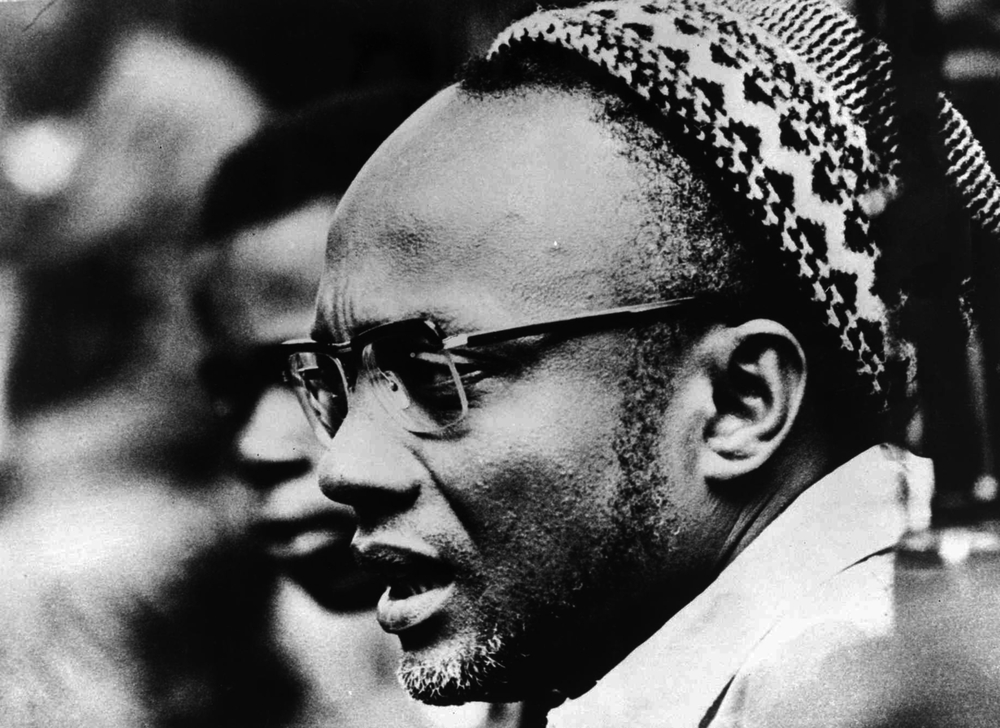
Amílcar Cabral, a visionary leader from Cape Verde, played a pivotal role in establishing the African Party for the Independence of Guinea and Cape Verde. The PAIGC was formed to fight against colonial rule by Portugal in Guinea and Cape Verde, united by the common goal of independence. Cabral understood the power of unity and collaboration, rallying support from both nations to combat oppression.
Through strategic planning and grassroots organizing, Cabral and the PAIGC mobilized the local population, garnering widespread support for the independence movement. They emphasized education and empowerment, believing that a well-informed populace was essential for achieving liberation.
The establishment of the PAIGC marked a turning point in the fight for independence in Guinea and Cape Verde. It laid the foundation for a unified front against colonialism, inspiring other African nations to pursue independence movements of their own. Cabral's leadership and dedication to the cause galvanized the people, instilling hope and determination for a free and sovereign future.
Today, the legacy of Amílcar Cabral and the PAIGC lives on, with Guinea and Cape Verde celebrating their hard-won independence. The event serves as a reminder of the power of unity, perseverance, and collective action in the face of oppression.
#AmílcarCabral #PAIGC #Independence #CapeVerde #Guinea #Colonialism
View details1924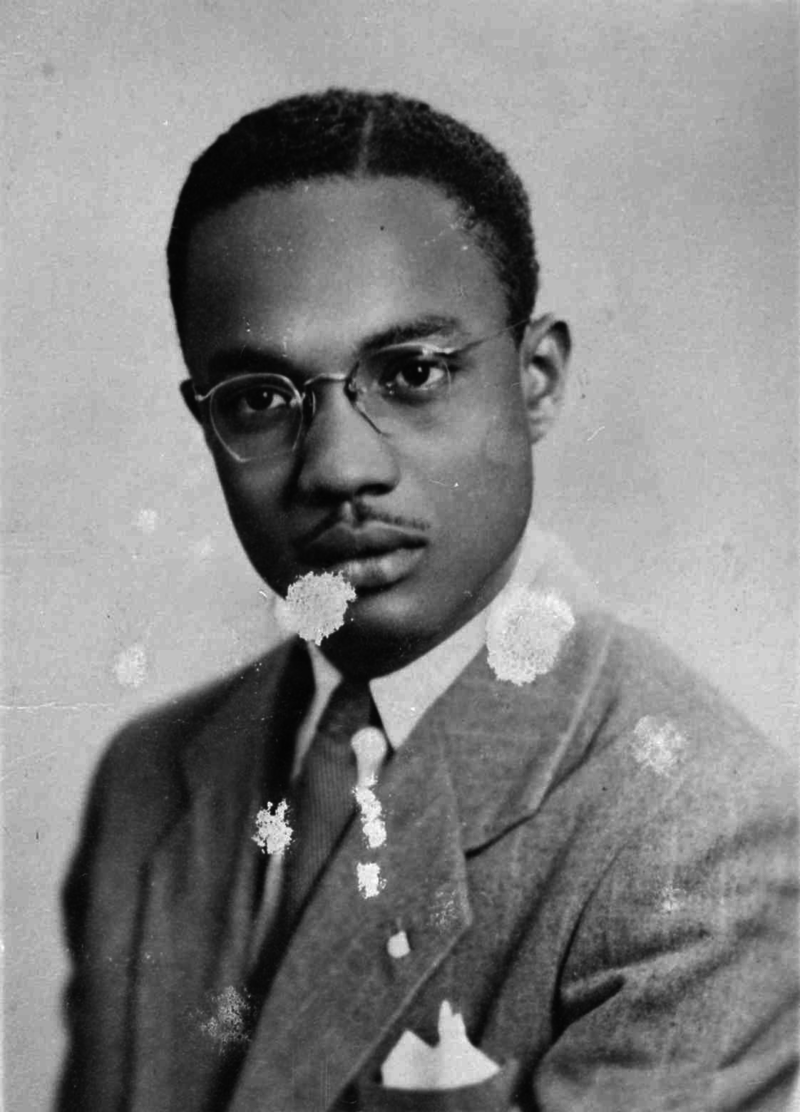
Amílcar Cabral, a pivotal figure in the struggle for independence in Cape Verde, was born on this day. Cabral, a visionary thinker and leader, played a crucial role in the fight against colonialism in Africa. He co-founded the African Party for the Independence of Guinea and Cape Verde (PAIGC), advocating for self-determination and liberation from Portuguese rule.
Cabral's strategic insights on guerrilla warfare and his emphasis on mobilizing the rural population were instrumental in the success of the independence movement. He championed cultural identity, education, and unity among different ethnic groups to achieve a shared goal of independence.
His assassination in 1973 was a severe loss to the independence movements in Cape Verde and Guinea-Bissau. However, his legacy continues to inspire generations of Africans in their pursuit of freedom, self-determination, and social justice. Cabral's contributions to the decolonization of Africa remain revered, reflecting his enduring impact on the continent's history and the ongoing struggles for independence.
#AmílcarCabral #CapeVerde #Independence #Colonialism #Africa #PAIGC #Legacy #Decolonization
View details1878
The abolition of slavery in Cape Verde by the Portuguese government marked a pivotal moment in the history of the archipelago. Prior to this decision, Cape Verde had been a significant hub for the transatlantic slave trade. The harsh conditions of slavery had long persisted on the islands, leading to a deep-rooted system of exploitation and suffering among the enslaved population.
With the abolition of slavery, thousands of individuals in Cape Verde gained their freedom and the opportunity to shape their own destinies. This event not only had a profound impact on the lives of the formerly enslaved individuals but also brought about significant changes in the social fabric of the islands. The decision to abolish slavery reflected a shift in attitudes towards human rights and marked a step towards greater equality and justice in Cape Verde.
In the aftermath of the abolition of slavery, Cape Verde underwent a period of transformation as the freed individuals sought to rebuild their lives and communities. The event laid the groundwork for a more inclusive and equitable society, setting the stage for the rich cultural heritage and diversity that define Cape Verde today.
#AbolitionofSlavery #CapeVerdeHistory #PortugueseImpact
View details1861
In 1861, Cabo Verde faced a devastating famine that resulted in a significant loss of life. The islands, heavily reliant on agriculture, were struck by a severe drought that led to crop failures and widespread food scarcity. The already fragile economy and lack of infrastructure exacerbated the situation, leaving many inhabitants without access to sufficient food.
As food supplies dwindled, malnutrition and famine-related diseases spread rapidly across the archipelago. The most vulnerable, including children and the elderly, suffered the most, experiencing high mortality rates. The local communities, already struggling to cope with the harsh environmental conditions, were ill-equipped to handle the magnitude of the crisis.
The famine of 1861 had long-lasting effects on the population of Cabo Verde, decimating families and communities. It also brought to light the vulnerabilities inherent in the islands' dependence on subsistence agriculture and the need for better disaster preparedness strategies.
#CaboVerde #Famine #LossOfLife #Drought #DisasterPreparedness
View details1808
In 1808, the British Naval Squadron was stationed in Cape Verde to combat the rampant transatlantic slave trade that plagued the region. The squadron's presence was a response to the growing international pressure to end the inhumane practice of trafficking enslaved Africans.
The British Naval Squadron played a crucial role in intercepting slave ships, freeing captured individuals, and apprehending slave traders. By patrolling the waters off Cape Verde, they effectively disrupted the operations of slave traders who sought to transport enslaved people to the Americas.
The stationing of the British Naval Squadron in Cape Verde had a lasting impact on curbing the slave trade in the region. It not only led to the immediate liberation of many enslaved individuals but also contributed to the overall decline of the transatlantic slave trade. The presence of the squadron sent a strong message that the international community was committed to eradicating the brutal and exploitative practice of slavery.
#BritishNavalSquadron #CapeVerde #SlaveTradeAbolition
View details1807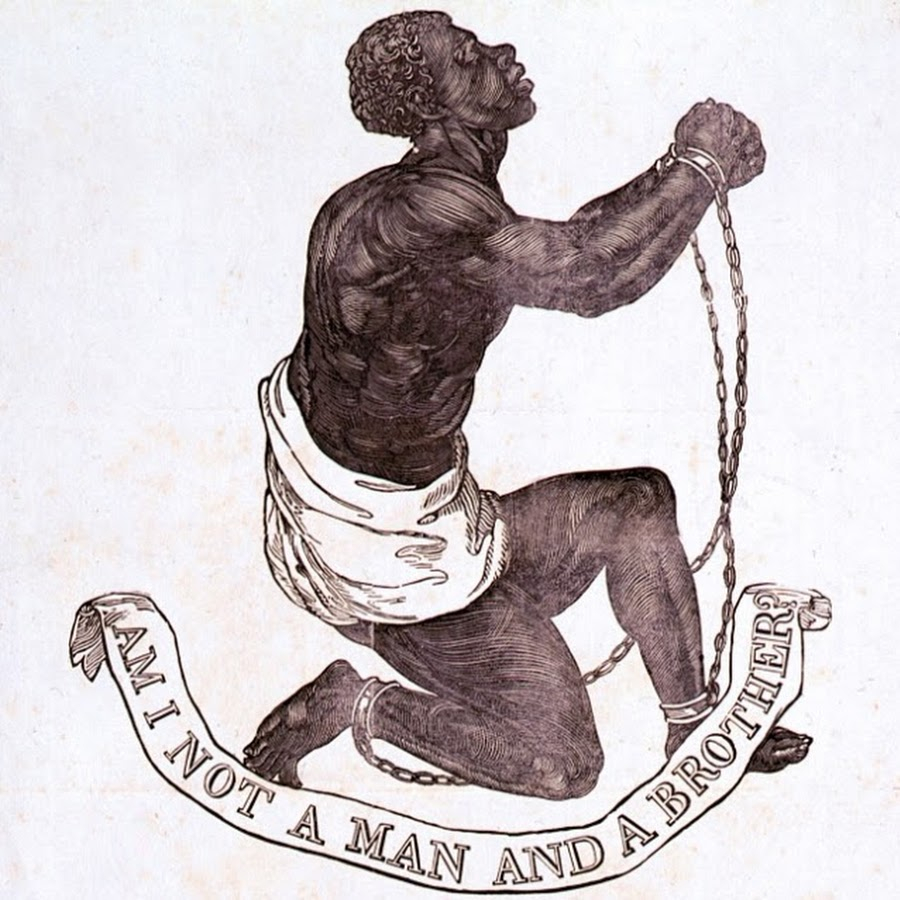
The abolition of the transatlantic slave trade by the British Parliament marked a turning point for Cape Verde. Situated strategically along the slave trade route, Cape Verde had been a hub for the trafficking of enslaved Africans. With the British prohibition of this trade, Cape Verde's economy suffered a significant blow as the trade had been a vital source of income for the islands.
Following the abolition, Cape Verde experienced a shift in its economic structure. The trade of goods such as salt, bananas, and coffee became more prominent, leading to the development of new industries and trade partnerships. The island's role in the slave trade diminished, and efforts were made to combat smuggling operations.
This event not only had economic repercussions but also ignited social and cultural changes. The population of Cape Verde became more diverse as freed and rescued slaves settled on the islands. This influx of new inhabitants enriched the cultural fabric of Cape Verde and contributed to the country's unique identity.
Today, Cape Verde honors its history by commemorating the abolition of the transatlantic slave trade. The event serves as a reminder of the atrocities of slavery and the resilience of those who fought against it. #CapeVerde #AbolitionOfSlavery #BritishParliament #TransatlanticSlaveTrade
View details1781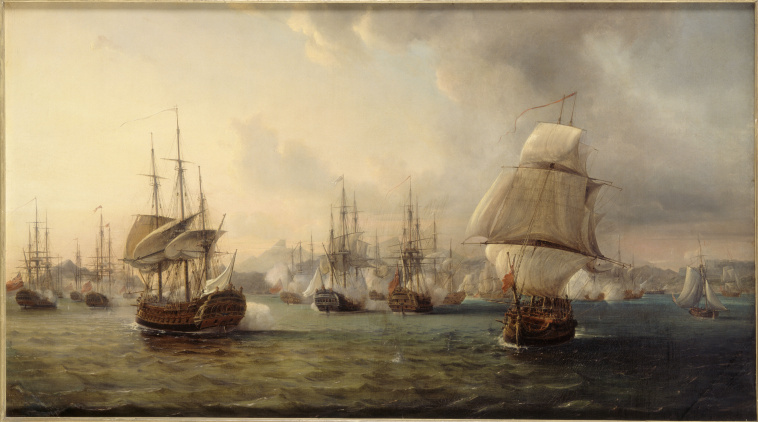
During the Battle of Porto Praya, French and British naval forces clashed off the coast of Cape Verde. The British fleet, under Admiral George Darby, was en route to the West Indies to reinforce their naval presence. The French fleet, commanded by Bailli de Suffren, sought to intercept and engage the British. However, poor coordination and miscommunication among the French ships allowed the British to escape relatively unscathed.
The Battle of Porto Praya is notable for being a missed opportunity for the French to inflict significant damage on the British fleet. Despite outnumbering the British, the French failed to effectively coordinate their attack, allowing the British to evade a decisive engagement. The battle showcased the importance of strategy and communication in naval warfare, as well as the impact of such oversights on the outcome of military engagements.
The aftermath of the battle saw both fleets continuing their respective missions, with the British successfully reaching the West Indies and the French failing to hinder their progress. The Battle of Porto Praya highlighted the challenges of naval warfare and the crucial role of effective command and control in achieving military objectives.
#BattleofPortoPraya #French #British #NavalForces #CapeVerde #MilitaryHistory
View details1712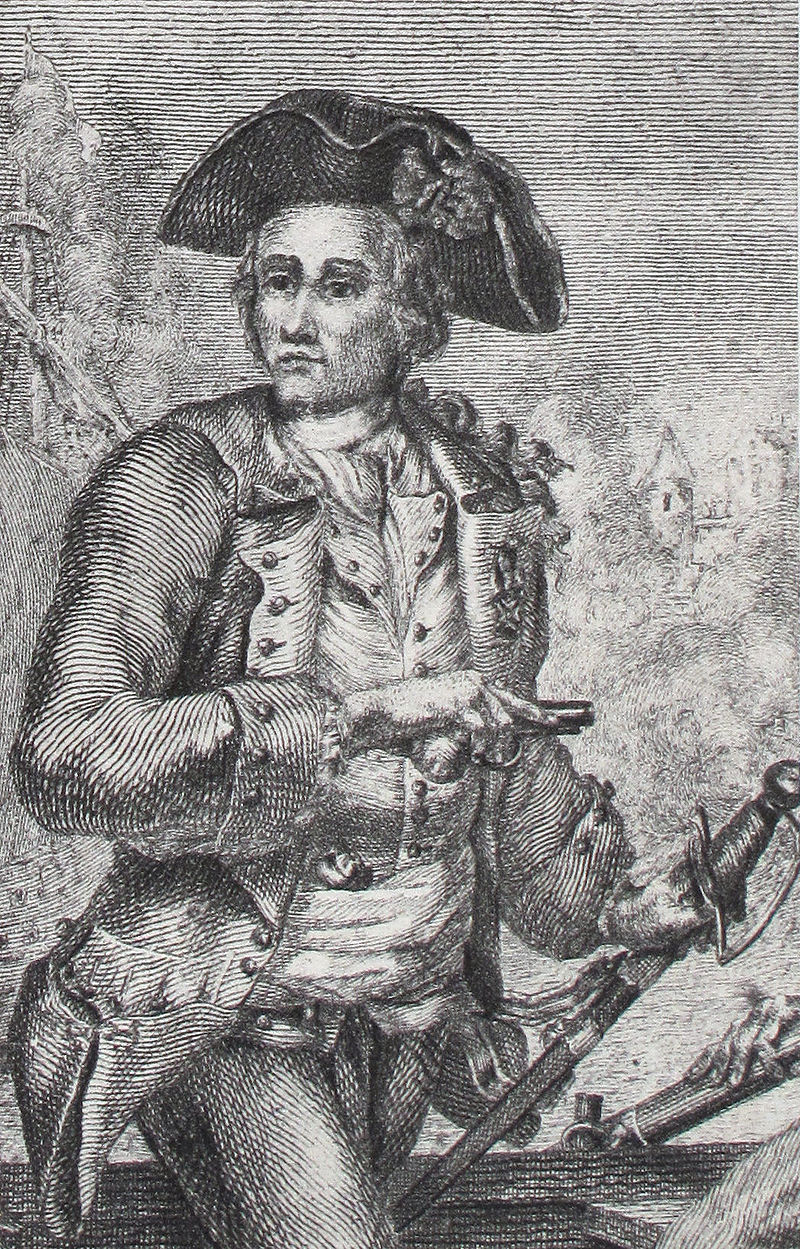
In 1712, French pirates under the command of Jacques Cassard launched a devastating attack on Cidade Velha in Cabo Verde. The town, serving as the first European settlement in the tropics, was a crucial port for trade between Europe, Africa, and the Americas.
The French pirates, notorious for their plundering and looting, pillaged the town, causing widespread destruction and chaos. The attack had a profound impact on the local economy and the inhabitants, creating a sense of fear and vulnerability among the population.
The raid by the French pirates led by Jacques Cassard marked a dark chapter in the history of Cidade Velha, highlighting the constant threat of piracy in the region. The event served as a stark reminder of the challenges faced by coastal communities in the Atlantic during this period.
#CidadeVelha #FrenchPirates #JacquesCassard #CaboVerde #Piracy #HistoricalEvent
View details1685
In 1685, a significant shift was witnessed as familiarity with the Cape Verdean Creole language began to gain traction in the community. This development marked a turning point in communication within the Cape Verdean population, as the Creole language started to establish itself as a prominent means of expression for the inhabitants.
With the growing usage of Cape Verdean Creole, the cultural identity and heritage of the Cape Verdean people became more pronounced and celebrated. This linguistic shift allowed for a deeper connection among the community members and facilitated a stronger sense of belonging and unity. Additionally, the increased recognition and usage of the Creole language helped to preserve the rich heritage and traditions of Cape Verde.
As the familiarity with Cape Verdean Creole took root, it paved the way for a more inclusive and culturally diverse society within the Cape Verdean community. The language became a symbol of pride and solidarity, binding the people together through a shared means of communication. This event marked a significant step towards the cultural empowerment and preservation of the Cape Verdean heritage.
#CapeVerde #CreoleLanguage #CulturalPreservation
View details1680
The eruption of Pico do Fogo volcano in Cabo Verde led to widespread devastation and displacements. The eruption was triggered by tectonic plate movements beneath the volcano, causing lava flows and ash clouds to engulf nearby communities. The thick layers of ash and volcanic debris blanketed houses, farms, and roads, rendering them uninhabitable. Thousands of residents were forced to flee their homes to escape the advancing lava, leaving behind their belongings and livelihoods.
The impact of the eruption was profound, with widespread destruction of infrastructure and agricultural lands. The economy of the affected region suffered greatly as crops were destroyed, and access to clean water and shelter became scarce. Aid organizations and neighboring communities came together to provide relief efforts, offering temporary shelters and food supplies to the displaced population.
In the aftermath of the eruption, recovery and rebuilding efforts were slow and challenging. The landscape was forever changed, with the once fertile land now barren and scarred by lava flows. Communities faced the daunting task of rebuilding their lives from the ground up, amidst ongoing volcanic activity and the constant threat of future eruptions.
#PicoDoFogo #VolcanicEruption #Displacement #CaboVerde #DisasterRecovery
View details1612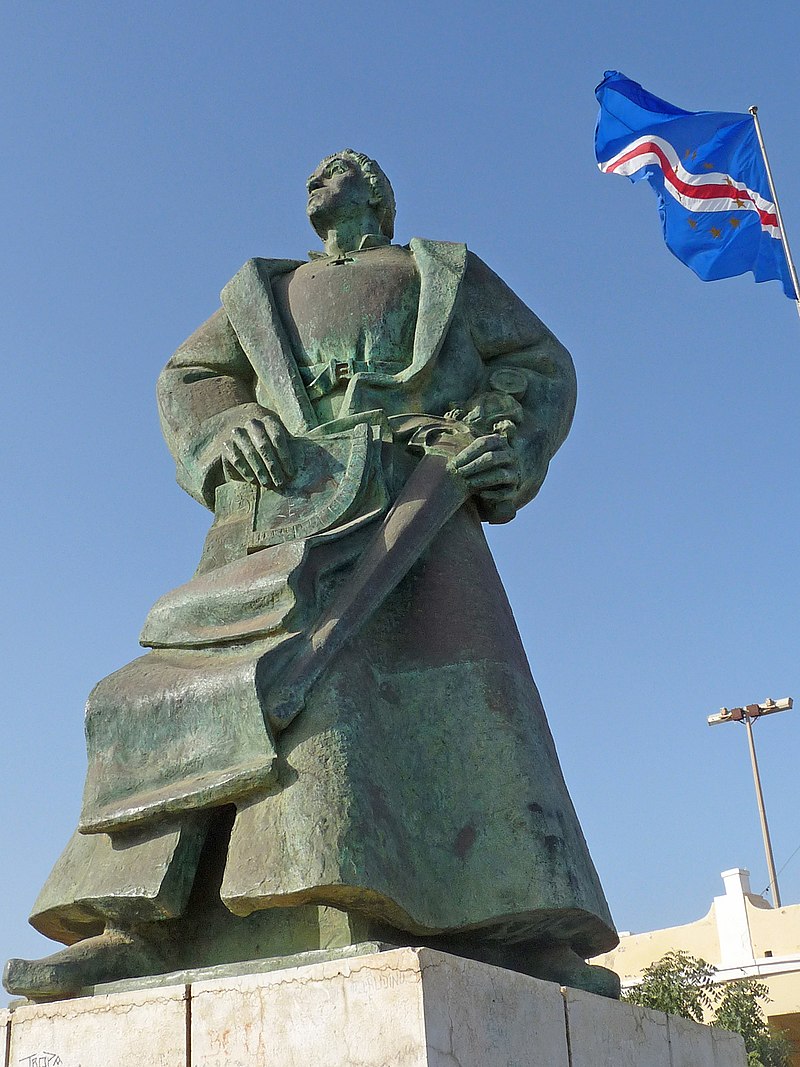
Portuguese explorers established the first permanent settlement in Praia, marking a pivotal moment in Cape Verde's history. This strategic location in the central area of Santiago, the largest island in the archipelago, provided an ideal spot for trade and military purposes. The settlement quickly grew into a bustling hub, attracting merchants, settlers, and missionaries from Europe and Africa.
The establishment of this settlement had a lasting impact on the cultural and socioeconomic development of Cape Verde. It brought new opportunities for trade and exchange, shaping the island's identity and fostering a diverse population. The Portuguese influence is still evident in the language, architecture, and customs of Praia today.
Centuries later, Praia remains the capital city of Cape Verde, a vibrant urban center that stands as a testament to the enduring legacy of the first Portuguese settlers. The establishment of this settlement was a crucial moment in Cape Verde's history, laying the foundation for its identity as a melting pot of cultures and a crossroads of trade.
#Praia #PortugueseSettlement #CapeVerdeHistory
View details1587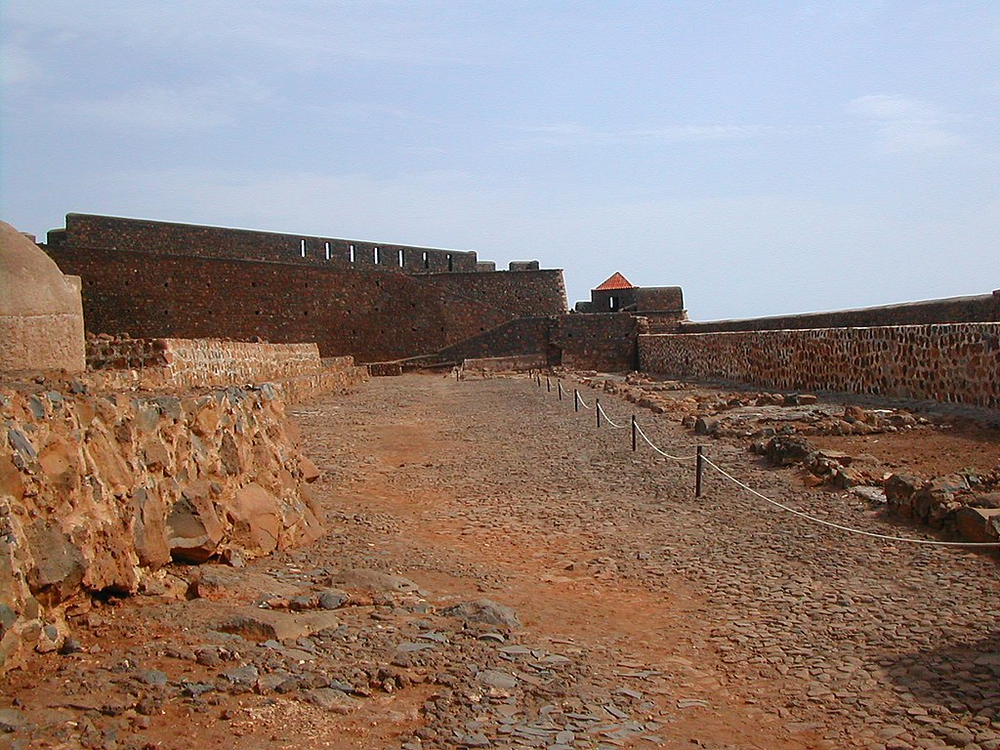
The construction of Fortaleza Real de São Filipe in Cidade Velha, Santiago Island, was a strategic move by the Portuguese to secure their interests in the region during the colonial era. The fort was built to protect the town from pirate attacks and foreign invasions while serving as a trading post for gold and slaves. Its location overlooking the Atlantic Ocean provided a vantage point for monitoring maritime activities.
The construction of Fortaleza Real de São Filipe had a significant impact on the local economy, as it stimulated trade and maritime activities in Cidade Velha. The fort also played a crucial role in the transatlantic slave trade, as captured individuals were held within its walls before being shipped to the Americas.
Over the years, the fort underwent several renovations and expansions to strengthen its defenses and accommodate the growing needs of the Portuguese administration. Despite changing colonial powers and struggles for control of the region, Fortaleza Real de São Filipe remained a symbol of power and authority in Cape Verde.
Today, the fort stands as a UNESCO World Heritage Site, attracting tourists and history enthusiasts from around the world. Its imposing structure and historical significance continue to be reminders of Cape Verde's complex colonial past.
#FortalezaRealdeSãoFilipe #CidadeVelha #SantiagoIsland #CapeVerdeHistory #ColonialArchitecture #UNESCOWorldHeritage
View details1580
In 1580, Cabo Verde was struck by a great famine that led to widespread starvation and death across the islands. The event was triggered by a series of droughts that decimated crops and livestock, leaving communities without enough food to sustain themselves.
The impact of the famine was devastating, with reports of people resorting to eating leaves, roots, and even animal carcasses to survive. This desperate situation resulted in a significant number of deaths, particularly among the most vulnerable populations such as children and the elderly.
As a result of the lack of food and resources, many families were forced to abandon their homes in search of sustenance, leading to a breakdown in communities and social structures. The long-term consequences of the famine were profound, with lasting effects on the population's health and well-being for years to come.
#CaboVerde #FamineCrisis #HistoricalTragedy
View details1500
In 1500, the Cape Verde Islands became a vital strategic base for Portuguese explorations and trade in Africa and the Americas. Located off the coast of West Africa, these islands served as a crucial stopover point for Portuguese ships traveling to and from their colonial holdings.
The strategic location of Cape Verde allowed Portuguese explorers to resupply, refuel, and repair their ships, enabling them to venture further into unfamiliar waters with confidence. This played a significant role in facilitating the Portuguese control over key trade routes and establishing their presence in regions rich in resources and potential markets.
The establishment of Cape Verde as a base for Portuguese explorations and trade had a lasting impact on the region, leading to increased interactions between Europe, Africa, and the Americas. The islands became a melting pot of cultures, languages, and goods, further enriching the global trade networks of the time.
Overall, the Cape Verde Islands' role as a strategic base for Portuguese explorations and trade was a pivotal moment in the history of maritime exploration and colonial expansion, shaping the interconnected world we live in today. #CapeVerde #PortugueseExplorations #GlobalTrade #ColonialExpansion
View details