
South Korea

The Land of Morning Calm
Related Lives

Bosnia and Herzegovina
The Land of Golden Lilies

Haiti
The Resilient Spirit of Haiti

Ottoman Empire
A global superpower for over 600 years


India
The Land of Diversity and Vibrant Culture.

Arkansas
The Natural State

Burundi
The Land of a Thousand Hills

0661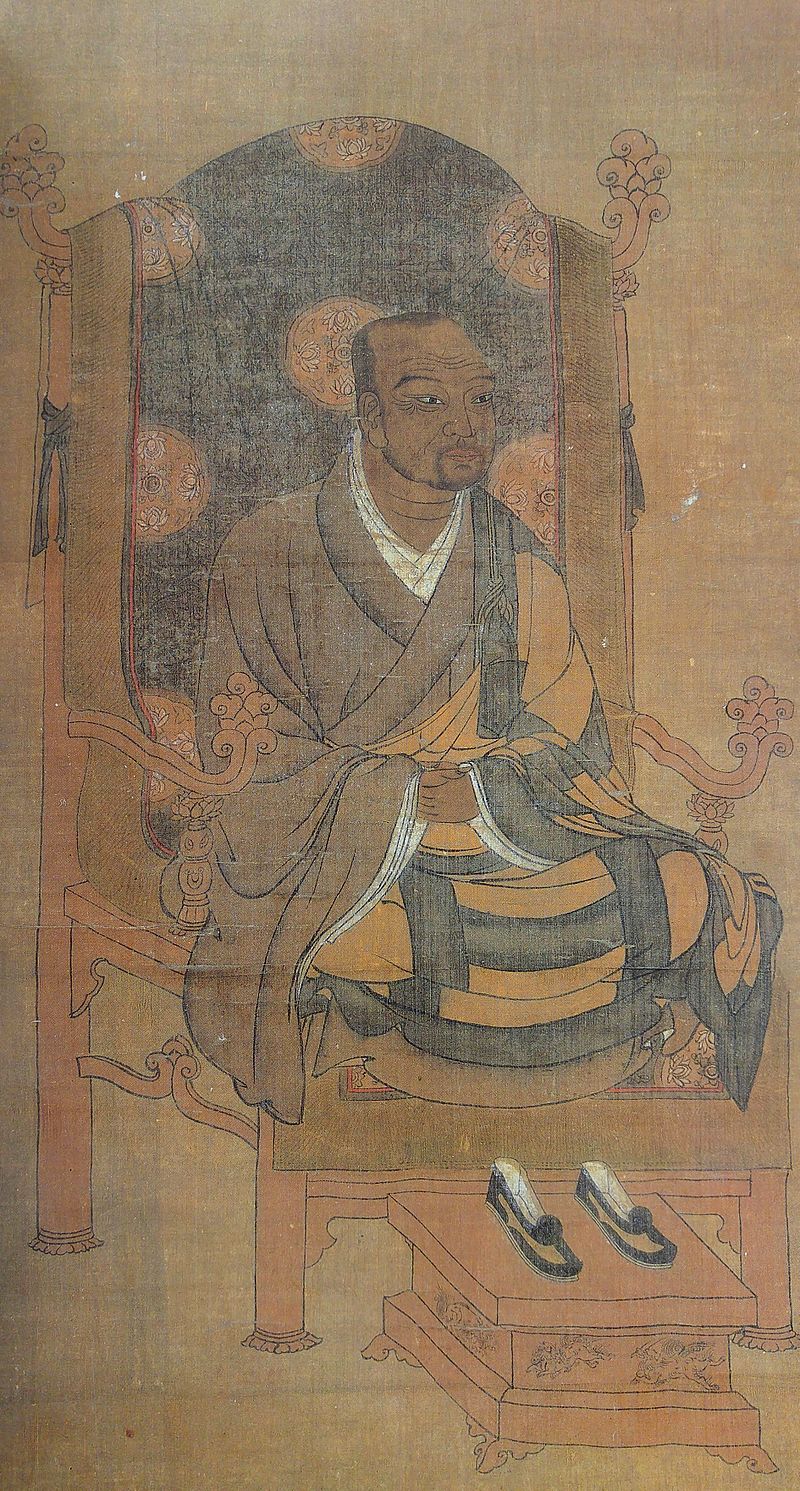
In 661, Buddhist monk Wonhyo had a transformative experience in what is now South Korea. Prior to this event, Wonhyo was a dedicated scholar and practitioner of Buddhism. During his stay at the temple, he faced a water shortage and, desperately thirsty one evening, he ventured out to find water. In the dark, he discovered a gourd and drank from it. Believing it to be water, he felt refreshed and at peace. The next morning, he realized the gourd actually held alcohol, a forbidden substance for monks.
This realization sparked a profound awakening in Wonhyo. He understood that his preconceived notions and rigid interpretations were limiting his understanding of the world and his spiritual progress. This experience led him to reject traditional boundaries and immerse himself in a more holistic approach to Buddhism. Wonhyo's enlightenment at T'airyŏng Temple marked a pivotal moment in his life and had a lasting impact on his teachings and influence on Korean Buddhism.
Following this event, Wonhyo's teachings emphasized the interconnectedness of all things and the importance of experiential wisdom over dogmatic adherence to rules. He advocated for a more inclusive and adaptable approach to Buddhism, encouraging others to embrace personal experiences and insights on their spiritual journey. Wonhyo's unconventional perspective and teachings have continued to inspire generations of Buddhists in Korea and beyond.
#BuddhistMonk #Enlightenment #TairyŏngTemple #KoreanBuddhism
View details0612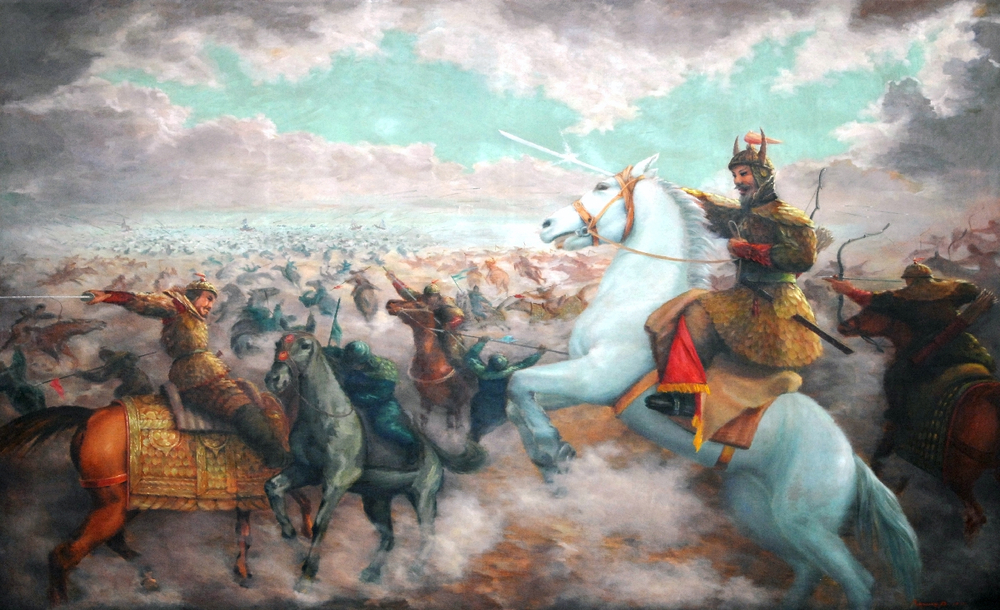
In 612, the Battle of Salsu marked a significant turning point in East Asian history, as Goguryeo successfully repelled an invasion by the powerful Chinese Sui dynasty. The Sui dynasty, seeking to expand its territory, launched a massive campaign against Goguryeo, a kingdom located in present-day South Korea and North Korea. Led by the renowned Goguryeo military strategist, General Eulji Mundeok, the outnumbered Goguryeo forces strategically exploited the narrow waters of the Salsu River to ambush and defeat the more massive Chinese army.
Due to their excellent strategic planning and knowledge of the terrain, the Goguryeo forces were able to outmaneuver and decisively defeat the Sui army. The fierce resistance put up by Goguryeo at the Battle of Salsu not only safeguarded their kingdom's sovereignty but also dealt a severe blow to the military prestige of the Sui dynasty. The defeat had long-lasting repercussions for the Sui dynasty, contributing to its eventual downfall and paving the way for the rise of the Tang dynasty in China.
The Battle of Salsu demonstrated the military prowess and strategic brilliance of Goguryeo, establishing the kingdom as a formidable power in East Asia. It also underscored the importance of geography, tactics, and leadership in determining the outcome of battles. The resilience and determination displayed by Goguryeo in the face of a formidable adversary have since been celebrated in South Korean history and culture as a symbol of national pride and unity.
#Goguryeo #SuiDynasty #BattleofSalsu #EuljiMundeok #EastAsianHistory #SouthKorea #TangDynasty
View details0413
In the year 413, King Jangsu was crowned the ruler of Goguryeo, marking a significant moment in South Korean history. King Jangsu ascended to the throne after the passing of his father, King Micheon. His reign brought about stability and expansion to Goguryeo, establishing it as a dominant power in the region.
During King Jangsu's rule, Goguryeo experienced a period of territorial expansion and military conquests. He successfully defended his kingdom against various invasions from neighboring states and led campaigns to conquer new territories. King Jangsu's leadership and strategic prowess significantly strengthened Goguryeo's influence in East Asia.
The coronation of King Jangsu solidified his authority and legitimacy as the ruler of Goguryeo. It symbolized continuity and ensured a smooth transition of power within the kingdom. Under his rule, Goguryeo flourished economically, culturally, and militarily.
King Jangsu's legacy as a visionary monarch who expanded Goguryeo's borders and solidified its power endured long after his reign. His contributions to the kingdom's growth and prosperity were highly revered, shaping the future trajectory of South Korea.
The coronation of King Jangsu of Goguryeo in 413 marked a pivotal moment in South Korean history, showcasing the rise of a powerful monarch and the expansion of a formidable kingdom. #KingJangsu #Goguryeo #SouthKoreaHistory
View details0042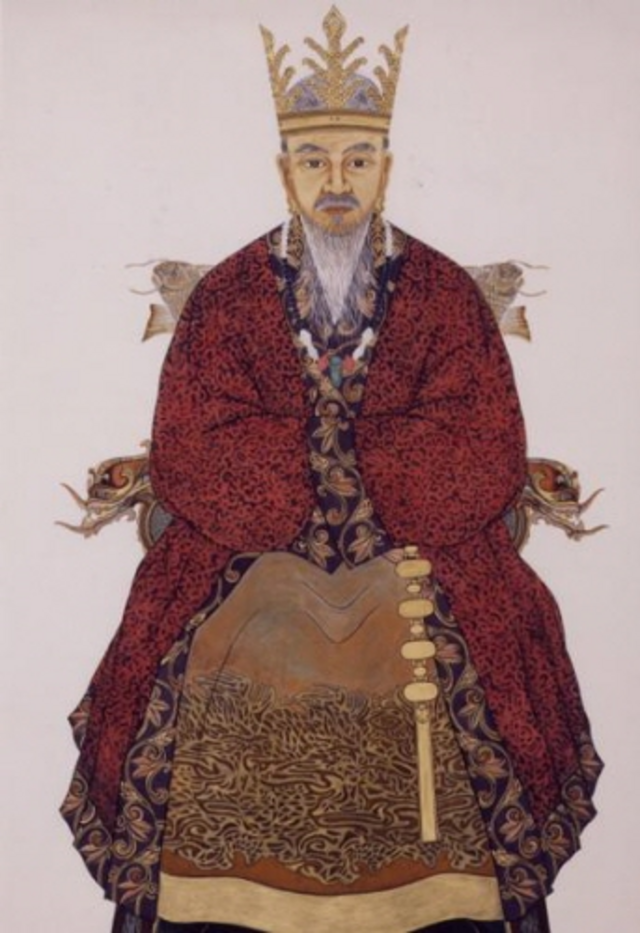
The founding of Gaya by Suro, also known as Kim Suro or King Suro, is a significant event in Korean history, deeply rooted in the ancient legend and the establishment of one of the earliest kingdoms on the Korean Peninsula. According to historical and semi-mythological accounts, Gaya was founded in the first century CE by Suro, who is celebrated as the progenitor of the Gaya confederacy.
The Legend of King Suro
The foundation of Gaya is primarily narrated in the "Samguk Yusa" (Memorabilia of the Three Kingdoms), a 13th-century collection of legends, folktales, and historical accounts. According to the legend, King Suro was one of the six eggs sent from heaven, landing in a golden box on the banks of the Nakdong River. The eggs were discovered by local villagers, and from one of these eggs emerged a fully grown man who declared himself Suro, destined to be the ruler. This miraculous birth story emphasizes the divine right of Suro to establish and govern the new kingdom.
Establishing the Kingdom of Gaya
Upon his emergence, Suro quickly organized the local tribes and established a central authority. He chose Gimhae, a region in modern-day South Korea, as the capital of his kingdom. Gaya's strategic location near the Nakdong River and along the southeastern coast facilitated trade and communication, which were crucial for the kingdom's prosperity.
Suro's leadership skills and divine origin helped him unify the fragmented tribes under a single confederation. The Gaya confederacy, also known as the Garak Kingdom, became known for its advanced ironworking technology. The iron goods produced by Gaya were highly valued and widely traded with neighboring regions, including the Japanese archipelago, which significantly contributed to Gaya's economic strength.
The Union of Gaya and Heo Hwang-ok
An important aspect of Suro's reign is his marriage to Heo Hwang-ok, a princess from the distant land of Ayodhya in India. According to the legend, Heo Hwang-ok traveled across the sea to marry Suro after receiving divine instructions in a dream. Their union symbolizes the cultural and trade exchanges between the Korean Peninsula and distant lands, highlighting Gaya's role as a center of international trade and cultural exchange. This story also reflects the historical connections and migrations across Asia, contributing to the rich tapestry of Korean history.
#MomentsOfLife #MoofLife_Moment #MoofLife #KingSuro #GayaKingdom #HeoHwangok #KoreanHistory #AncientKorea #CulturalExchange #IronAgeKorea
View details