
South Africa

The Rainbow Nation








1951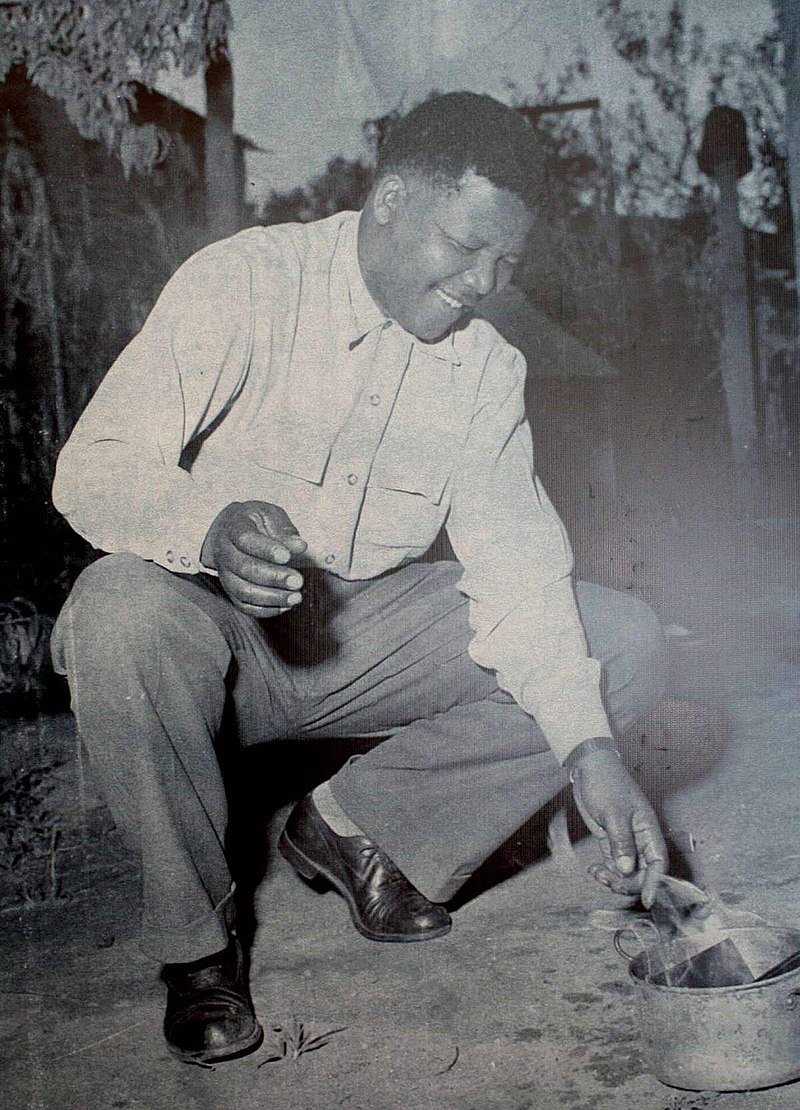
In response to the oppressive apartheid laws that relegated black South Africans to second-class citizens, the African National Congress (ANC) initiated the Defiance Campaign. This nonviolent resistance movement aimed to challenge the unjust legislation through acts of civil disobedience.
Led by prominent figures like Nelson Mandela and Oliver Tambo, the campaign encouraged people of all races to refuse to obey discriminatory laws. Participants engaged in peaceful protests, sit-ins, and other forms of resistance, symbolizing their refusal to accept the apartheid regime's injustices.
The impact of the Defiance Campaign was significant, sparking a wave of activism and solidarity among black South Africans. The campaign garnered international attention, shedding light on the brutality of apartheid and increasing pressure on the government to reconsider its discriminatory policies.
Despite facing arrests, violence, and persecution from the authorities, the participants of the Defiance Campaign remained resolute in their defiance. Their courage and determination inspired future generations of activists and played a crucial role in the eventual downfall of apartheid.
The Defiance Campaign symbolizes the enduring spirit of resistance against oppression and injustice. It serves as a powerful reminder of the power of collective action and the importance of standing up for equality and human rights.
#DefianceCampaign #AfricanNationalCongress #ApartheidResistance #CivilDisobedience #JusticeForAll
View details1950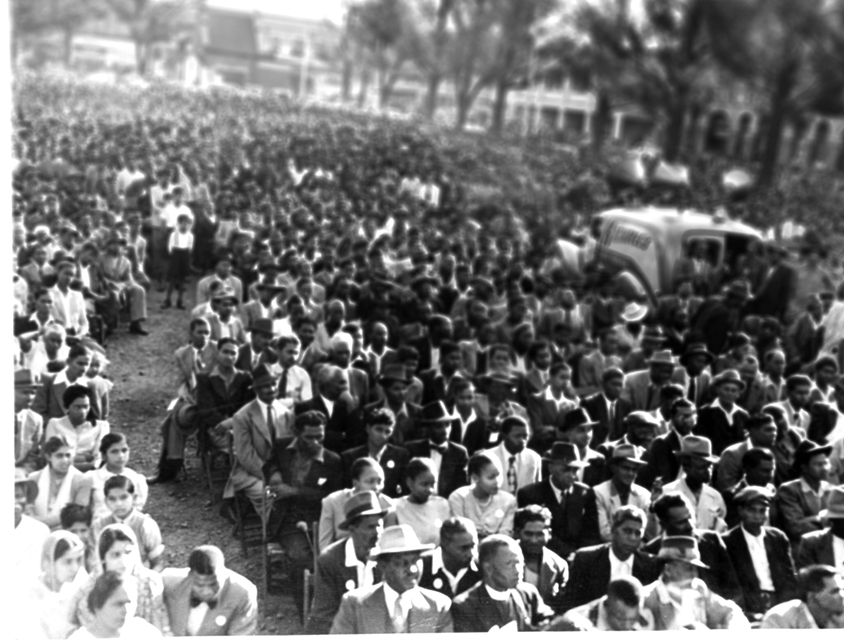
During that period, South Africa experienced a significant development with the passing of the Suppression of Communism Act. This Act provided the government with the authority to outlaw political organizations and parties deemed as communist. The background leading to this event was influenced by the growing fear of communism spreading in the country, particularly during the Cold War era when tensions between the Western bloc and the Eastern bloc were high.
The passing of this Act had a profound impact on the political landscape of South Africa, as it effectively suppressed any form of opposition that was associated with communist ideologies. Political leaders, activists, and organizations that were considered a threat to the government's agenda were targeted and often faced imprisonment or exile. The Act allowed the government to maintain a tight grip on power and control the narrative by silencing dissenting voices.
As a result of this legislation, many anti-apartheid activists, trade unionists, and members of the liberation movements were persecuted and driven underground. The Suppression of Communism Act became a tool used to stifle resistance against the oppressive apartheid regime, further entrenching the systemic discrimination and inequalities that existed in South Africa at the time.
The passing of the Suppression of Communism Act symbolized a dark period in South Africa's history, where basic freedoms of speech, association, and political expression were severely limited. It marked the beginning of a systematic crackdown on any form of opposition, setting the stage for further repressive measures to be implemented in the years to come.
#SuppressionofCommunismAct #ApartheidEra #PoliticalRepression #ColdWarEra
View details1948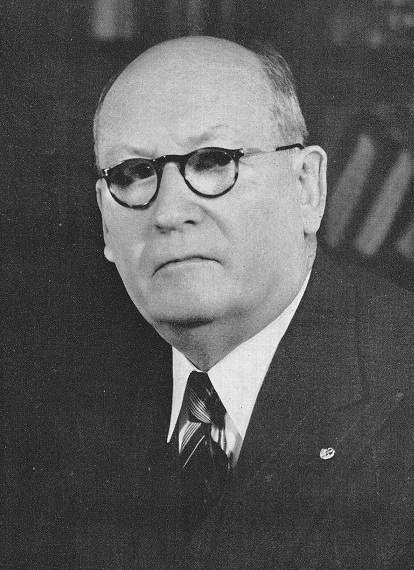
Following the election of a nationalist government under D. F. Malan, South Africa implemented an apartheid policy that institutionalized racial segregation and discrimination. The National Party, led by Malan, campaigned on a platform of promoting Afrikaner interests and enforcing apartheid to maintain white minority rule. The policy aimed to separate races in all aspects of life, restricting non-whites to inferior status and limited rights.
The apartheid system enforced strict laws that classified individuals by race and restricted their movements, education, job opportunities, and basic freedoms based on skin color. Non-whites, especially Black South Africans, were subjected to forced removals from their homes, inferior public services, and limited political representation. The government justified apartheid as necessary for maintaining order and preserving the cultural identity and economic prosperity of the white minority.
The impact of apartheid was profound and far-reaching, affecting all aspects of South African society. Non-white communities faced systematic oppression, economic exploitation, and social marginalization, leading to widespread poverty and inequality. International condemnation of apartheid grew, with many countries imposing sanctions and calling for its abolition. Resistance movements, such as the African National Congress (ANC) and the Pan-Africanist Congress (PAC), emerged to challenge the discriminatory regime through non-violent protests, strikes, and underground activities.
The apartheid policy persisted for decades, shaping the political, social, and economic landscape of South Africa. It created divisions among the population, perpetuated racial stereotypes, and bred resentment and conflict. The legacy of apartheid continues to impact South Africa's journey towards reconciliation, justice, and equality for all its citizens.
#Apartheid #NationalParty #Segregation #Oppression #ResistanceMovement #Equality
View details1939
On September 6, 1939, just days after the outbreak of World War II, South Africa declared war on Nazi Germany, aligning itself with the Allied powers. This decision marked a significant moment in South African history, as it not only signified the country’s entry into the global conflict but also highlighted deep political divisions within the nation regarding its role in the war.
Background: South Africa's Political Landscape
In the years leading up to World War II, South Africa was a country deeply divided along political, racial, and ideological lines. The Union of South Africa, established in 1910 as a British dominion, was governed by a white minority that was split between English-speaking South Africans, who generally supported closer ties with Britain, and Afrikaans-speaking South Africans, many of whom had deep-seated resentments toward Britain stemming from the Anglo-Boer Wars.
By the late 1930s, this divide was reflected in the country's politics. The ruling United Party, led by Prime Minister J.B.M. Hertzog, was a coalition of moderates who sought to maintain a neutral stance, avoiding involvement in another European war. However, within the party, there was a strong faction led by Deputy Prime Minister Jan Smuts, who was a staunch supporter of the British Empire and believed that South Africa should support Britain in the event of war.
The Outbreak of World War II
When Nazi Germany invaded Poland on September 1, 1939, Britain and France declared war on Germany two days later, on September 3. This action immediately placed pressure on South Africa, as a British dominion, to clarify its position.
The invasion of Poland and the ensuing declarations of war by Britain and France sparked a political crisis in South Africa. Prime Minister Hertzog, who was determined to keep South Africa neutral, faced fierce opposition from Smuts and his supporters, who argued that South Africa had a moral and legal obligation to support Britain.
The Parliamentary Decision
The issue came to a head in a special session of the South African Parliament on September 4, 1939. Hertzog argued passionately for neutrality, proposing that South Africa should stay out of the war unless directly threatened. However, Smuts countered that South Africa's loyalty to the British Commonwealth was paramount and that the country should stand with Britain against the Nazi threat.
The parliamentary debate was intense, reflecting the deep divisions within the country. Ultimately, Hertzog’s position was defeated by a narrow margin, and he resigned as Prime Minister. Jan Smuts was then appointed as his successor on September 5, 1939.
Declaration of War
One day after taking office, on September 6, 1939, Smuts announced that South Africa was officially at war with Nazi Germany. This decision marked South Africa’s formal entry into World War II as part of the Allied powers. Smuts, who had served as a general during World War I and was a respected statesman within the British Commonwealth, played a crucial role in rallying South African support for the war effort.
South Africa’s Role in World War II
Under Smuts’ leadership, South Africa made significant contributions to the Allied war effort. South African forces were deployed in several key theaters of the war, including North Africa, where they played a crucial role in the defeat of German and Italian forces. South African troops also participated in campaigns in East Africa and Italy.
In addition to providing military support, South Africa's economy was mobilized to support the war effort, producing vital materials and supplies for the Allies. The war also led to significant social and economic changes within South Africa, including increased industrialization and the beginning of a shift in the country’s racial policies, although apartheid would not be formally instituted until after the war.
Political and Social Impact
The decision to enter the war exacerbated existing political tensions in South Africa. Many Afrikaans-speaking South Africans, particularly those who were sympathetic to Nazi Germany or opposed to British influence, were deeply resentful of Smuts' decision. This resentment fueled the growth of nationalist movements that would later lead to the establishment of apartheid in 1948.
For Smuts, leading South Africa during the war enhanced his international reputation, and he became one of the key figures in the formation of the United Nations after the war. However, domestically, his support for the war and his pro-British stance made him a divisive figure, contributing to his political downfall after the war.
#SouthAfricaHistory #WWII #JanSmuts #AlliedPowers #NaziGermany #WorldWarII #SouthAfricanPolitics #MomentsOfLife #MoofLife_Moment #MoofLife
View details1936
On April 7, 1936, the Native Representation Act was passed in South Africa, establishing separate representation for Black Africans and segregating them from the political system. This legislation aimed to further entrench the segregationist policies of the apartheid regime that aimed to uphold white supremacy and control over the indigenous population.
The Act created separate electoral rolls for voters classified as white and voters classified as native, limiting the political influence and representation of Black South Africans. The establishment of separate representation effectively marginalized the Black population and perpetuated their disenfranchisement within the political sphere. This segregation of political representation further entrenched the systematic discrimination and oppression faced by indigenous people in South Africa.
The passing of the Native Representation Act had a profound impact on the political landscape of South Africa, reinforcing the institutionalized racism and segregation that characterized the apartheid era. By further excluding Black South Africans from meaningful participation in the political process, the Act reinforced the unequal distribution of power and resources that favored the white minority at the expense of the Black majority.
This event marked a significant turning point in the history of South Africa, solidifying the legal framework for the apartheid system that would dominate the country for decades to come. The Native Representation Act entrenched racial segregation and discrimination, laying the foundation for the systematic oppression of Black South Africans within the political system. The consequences of this legislation would reverberate throughout South African society, shaping the experiences and opportunities available to different racial groups.
#Apartheid #Segregation #PoliticalOppression #SouthAfrica
View details1926
In May 1926, the Kruger National Park was officially established as South Africa's inaugural national park. Covering an immense area of nearly 20,000 square kilometers in the northeastern part of the country, the park was named after the former President of the South African Republic, Paul Kruger. Initially proclaimed as the Sabie Game Reserve by the South African government in 1898, the area was later expanded and upgraded to national park status.
The establishment of the Kruger National Park marked a significant milestone in the conservation efforts of South Africa, aiming to protect the diverse wildlife and ecosystems within its boundaries. Home to a vast array of flora and fauna, including the iconic Big Five - elephants, lions, leopards, rhinoceroses, and buffaloes, the park has since become a haven for wildlife enthusiasts and nature lovers from around the globe.
The park's diverse habitats range from dense woodlands and open savannahs to lush riverine forests, providing a sanctuary for a myriad of species, some of which are endangered or endemic to the region. With its strict conservation measures and anti-poaching initiatives, the Kruger National Park has played a crucial role in safeguarding the biodiversity of South Africa and preserving its natural heritage for future generations.
Over the decades, the park has evolved into one of the premier safari destinations in Africa, offering visitors the opportunity to witness wildlife in its natural environment through guided game drives, bush walks, and eco-friendly accommodations. Its economic significance extends to local communities through tourism revenue, creating employment opportunities and supporting conservation projects in the region.
As one of the oldest and largest national parks in Africa, the Kruger National Park continues to inspire awe and wonder, serving as a beacon of conservation success and environmental stewardship. Its establishment stands as a testament to the country's commitment to protecting its natural assets and promoting sustainable tourism practices.
#KrugerNationalPark #SouthAfrica #Conservation #Wildlife #Biodiversity #Safari
View details1925
On the 5th of May, 1925, Afrikaans was recognized as an official language in South Africa. This decision reflected the growing influence of Afrikaans, a language derived from Dutch and spoken predominantly by the Afrikaner population. The roots of Afrikaans can be traced back to the 18th century when Dutch settlers arrived in the Cape Colony. Over time, Afrikaans evolved as a distinct language, incorporating influences from indigenous languages and other European languages.
The official recognition of Afrikaans was a significant development in South Africa's linguistic landscape. It elevated the status of Afrikaans, granting it equal footing with English, which was previously the sole official language. This move was a reflection of the cultural and political shifts taking place in the country at the time, as Afrikaners asserted their identity and sought to promote their language and heritage.
The establishment of Afrikaans as an official language had a far-reaching impact on various aspects of South African society. It played a role in shaping national identity, fostering a sense of pride among Afrikaans speakers, and promoting linguistic diversity in the country. It also had implications for education, media, and government, as Afrikaans began to be used more widely in these domains.
Overall, the recognition of Afrikaans as an official language marked a turning point in South Africa's linguistic history. It symbolized the growing importance of Afrikaans as a language of cultural and political significance, and it paved the way for its continued development and growth in the decades to come.
#SouthAfrica #Afrikaans #OfficialLanguage #CulturalHeritage
View details1924
In Taung, South Africa, a significant discovery was made by miner M. de Bruin in a lime quarry. He uncovered an infant fossil skull, now known as the “Taung child”. The skull was fragile and tiny, indicating a child about three years old. This fossil turned out to be one of the most important discoveries in the field of paleoanthropology.
The “Taung child” fossil belonged to a species later named Australopithecus africanus. This discovery provided crucial evidence supporting the theory of human evolution in Africa. The skull showed a combination of human-like and ape-like features, challenging previously held beliefs about human origins.
Upon closer examination by paleontologist Raymond Dart, it was revealed that the fossil had a small braincase and large brow ridges, resembling characteristics of both apes and humans. This finding revolutionized the understanding of human evolution, suggesting that our ancestors originated in Africa instead of Europe or Asia.
The discovery of the “Taung child” had a lasting impact on the scientific community, leading to further research and discoveries in the field of paleoanthropology. It provided valuable insights into the early stages of human evolution and reshaped the way researchers viewed human ancestors.
Today, the “Taung child” fossil remains a significant piece of evidence in the study of human evolution. It serves as a reminder of the rich history of early humans in Africa and the groundbreaking discoveries that continue to shape our understanding of our origins.
#TaungChild #FossilDiscovery #HumanEvolution #Paleoanthropology
View details1922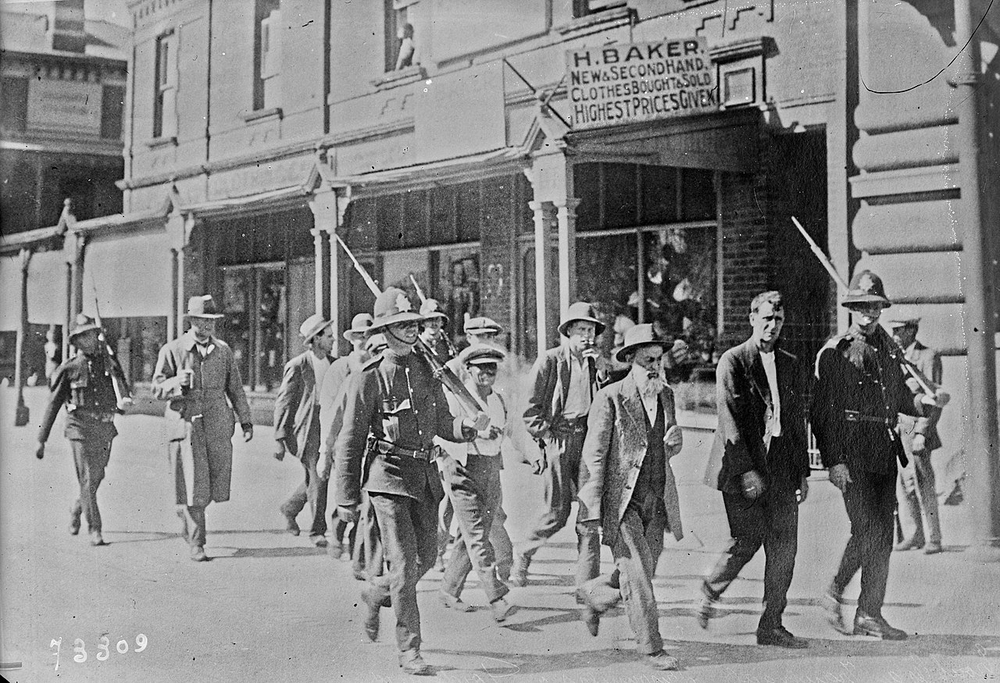
The Rand Rebellion emerged as a response to the troubling working conditions and meager wages faced by white mineworkers in South Africa. The discontent among the labor force had been simmering for some time, fueled by a combination of economic hardships and rising living costs. The mining industry, a crucial sector in the country's economy, was dominated by wealthy mine owners who prioritized profit over the well-being of their workers.
The strike, led mainly by white laborers, represented a significant shift in the labor dynamics of the time, challenging the prevailing notion that only black workers were prone to industrial action. The rebellion sparked fierce clashes between the striking miners and the government forces, resulting in a violent confrontation that claimed the lives of many on both sides.
The repercussions of the Rand Rebellion reverberated throughout the country, exposing the deep-seated inequalities and injustices prevalent in South African society. The event highlighted the need for reforms in the labor sector and raised awareness about the plight of workers in the mining industry. While the rebellion ultimately ended in defeat for the strikers, it laid the groundwork for future labor movements and paved the way for improved rights and conditions for workers in the years to come.
The Rand Rebellion remains a poignant chapter in South Africa's history, symbolizing the struggles faced by workers in their fight for fair treatment and representation in the workplace. It serves as a reminder of the power of collective action and solidarity in addressing systemic injustices and advocating for social change.
#RandRebellion #SouthAfricaLabor #WorkerRights #MiningIndustry #LaborHistory
View details1921
Establishing the South African Reserve Bank aimed to stabilize the country's financial system post World War I. The need for a central monetary authority became apparent due to chaotic banking practices and lack of a stable currency. The institution's creation marked a pivotal moment in South Africa's economic history.
The South African Reserve Bank obtained the sole authority to issue currency and regulate money supply. Its primary goal was to maintain price stability and support sustainable economic growth. By introducing a uniform currency, it facilitated smoother economic transactions and promoted investor confidence. The Reserve Bank's ability to act as a lender of last resort provided stability during financial crises.
The establishment of the bank laid the foundation for a more structured and efficient financial system in South Africa. It helped in establishing the country as a credible player in the global economic landscape. The Reserve Bank played a crucial role in managing inflation and interest rates, steering the economy towards prosperity and stability.
This event had a profound impact on South Africa's economic development, enhancing its ability to weather economic fluctuations and attract foreign investment. The establishment of the South African Reserve Bank set the stage for future financial regulations and policies that shaped the country's economic trajectory for years to come.
#SouthAfricanReserveBank #MonetaryStability #EconomicDevelopment
View details1914
The National Party's establishment in South Africa marked the beginning of formalized apartheid policies. The party aimed to maintain white supremacy and segregation, fearing the influence of other races on their society. Apartheid sought to classify and separate people based on race, giving privileges to whites while oppressing non-white communities. The doctrine enforced strict laws that restricted the movement, employment, and rights of non-white individuals.
The impact of the National Party's rise to power was swift and profound. Apartheid laws dismantled communities and families, creating a system of inequality and injustice that would endure for decades. Non-white South Africans were forced into poverty, deprived of basic rights such as voting, and confined to inferior living conditions. The policy sparked outrage both domestically and internationally, leading to widespread protests and calls for change.
Despite the fierce opposition, the National Party maintained its grip on power for many years, implementing harsh measures to suppress dissent and maintain control. The regime's endurance demonstrated the deep-rooted racism and division within South African society, paving the way for a long and difficult struggle against apartheid.
The founding of the National Party in South Africa was a turning point in the country's history, setting the stage for decades of segregation, discrimination, and resistance. The legacy of apartheid continues to shape South Africa's social, economic, and political landscape, underscoring the ongoing challenges of reconciliation and equality in the post-apartheid era.
#NationalParty #Apartheid #Segregation #SouthAfrica #Inequality #Resistance
View details1913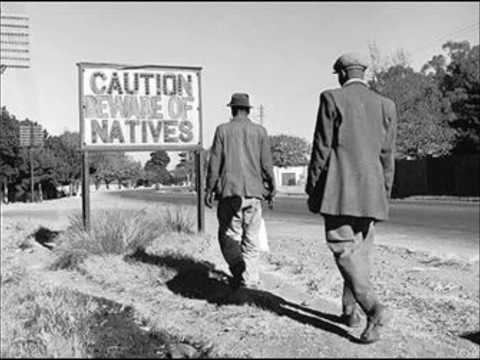
The Native Land Act marked a turning point in the history of South Africa, as it restricted black South Africans from owning or renting land in 93% of the country. This legislation was driven by the government's aim to reserve the most fertile lands for the white population while confining black South Africans to less desirable areas. The Act exacerbated land dispossession and forced many black families off their ancestral lands, leading to increased poverty and social inequity.
The impact of the Native Land Act was profound and long-lasting. It entrenched racial segregation and inequality, creating a system where black South Africans were deprived of economic opportunities and the ability to own property. This dispossession not only had immediate consequences for individuals and families but also had intergenerational effects, shaping the social and economic landscape of South Africa for decades to come.
Despite widespread resistance and protests from black South Africans and civil rights activists, the government's implementation of the Native Land Act further cemented the apartheid system, segregating communities and reinforcing discriminatory policies. The Act served as a cornerstone of the apartheid regime's oppressive laws and practices, perpetuating a system of racial hierarchy and control.
The passing of the Native Land Act in South Africa marked a dark chapter in the country's history, reflecting the deep-seated racism and injustice that characterized the apartheid era. It stands as a stark reminder of the enduring legacy of colonialism and discrimination, highlighting the ongoing struggles for land rights and social justice in South Africa. #NativeLandAct #ApartheidLegacy #LandDispossession #SocialInjustice
View details1912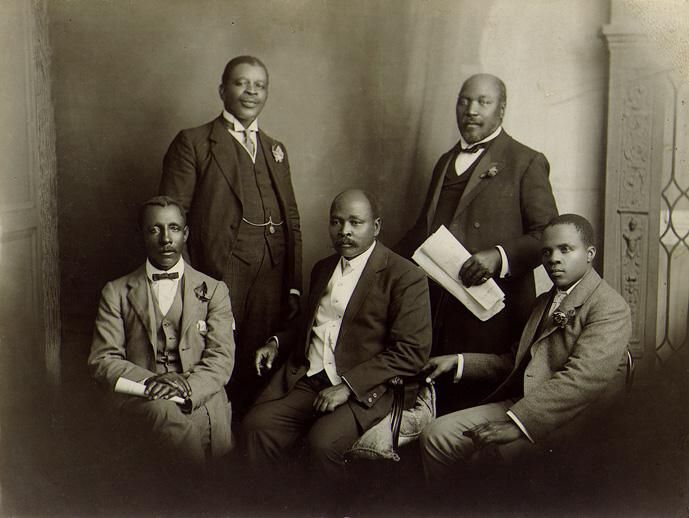
In 1912, the African National Congress (ANC) was established in South Africa to address the lack of political rights and representation for black South Africans. The founding members, including Pixley ka Isaka Seme and John Dube, sought to unify the various black political organizations and advocate for equality under the law.
The formation of the ANC marked a pivotal moment in the struggle against institutionalized racism and oppression. The organization demanded equal rights, land reform, and an end to discriminatory laws such as the Natives Land Act. Through protests, strikes, and legal challenges, the ANC amplified the voices of black South Africans and exposed the injustices of the apartheid system.
Over the years, the ANC evolved into a powerful political force, leading campaigns against segregation and advocating for democratic governance. It played a key role in the fight against apartheid, mobilizing international support and galvanizing the anti-apartheid movement. Icons such as Nelson Mandela, Oliver Tambo, and Walter Sisulu emerged as prominent leaders of the ANC, enduring imprisonment and exile in their quest for freedom.
The ANC's legacy continues to shape South Africa's political landscape, as it transitioned from a liberation movement to the ruling party after the end of apartheid. Despite facing challenges such as corruption and internal divisions, the ANC remains a symbol of resistance and hope for many South Africans, striving to address the legacies of apartheid and build a more inclusive society.
The founding of the ANC underscores the resilience and determination of black South Africans in their fight for justice and equality. It serves as a reminder of the ongoing struggle for social justice and the importance of collective action in advancing human rights.#AfricanNationalCongress #Equality #AntiApartheid #SouthAfrica
View detailsThe South African Native National Congress (SANNC) was established by a group of prominent black South African leaders with the aim of advocating for the rights and welfare of the native population. John Langalibalele Dube, Pixley ka Isaka Seme, and Sol Plaatje were some of the influential figures who played key roles in the formation of the SANNC. The organization sought to address issues such as land ownership, discriminatory laws, and political representation for black South Africans.
As the SANNC grew in influence and membership, it underwent several transformations and eventually evolved into the African National Congress (ANC). The ANC would go on to become a major political force in the fight against apartheid and for the liberation of the country. Throughout its history, the ANC has been at the forefront of the struggle for equality, justice, and democracy in South Africa.
The formation of the SANNC marked a crucial turning point in the history of South Africa, as it laid the groundwork for the future anti-apartheid movement. The organization provided a platform for black South Africans to voice their grievances and demand change, thus challenging the status quo of white minority rule. The SANNC's transformation into the ANC symbolized the growing strength and unity of the black population in their fight against oppression.
Today, the ANC remains a prominent political party in South Africa, continuing to advocate for the rights of all citizens and uphold the values of democracy and equality. The legacy of the SANNC lives on in the ongoing struggle for social justice and inclusive governance in the country.
#SouthAfrica #ANC #FreedomStruggle #Equality #Democracy
View details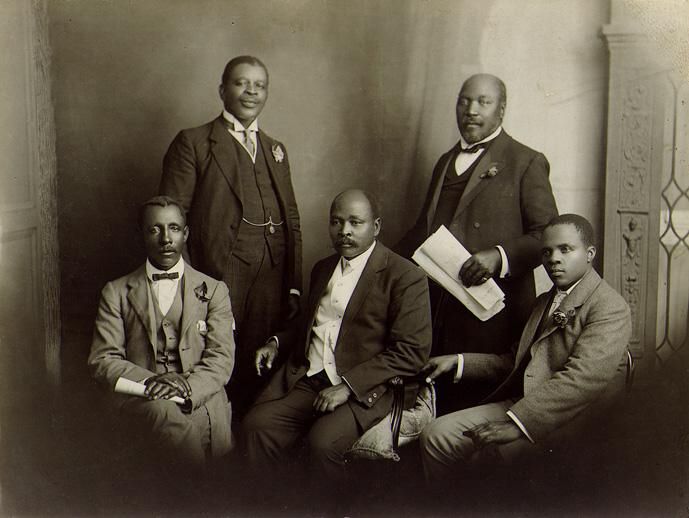
1910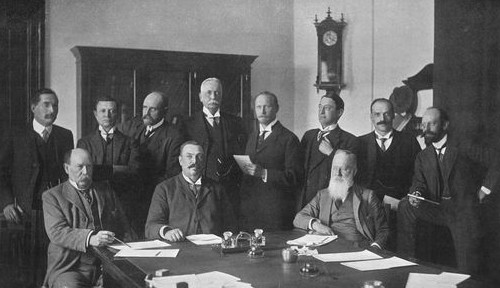
In May 1910, the Union of South Africa was formed, bringing together four British colonies into a self-governing dominion under the British Empire. The colonies included the Cape Colony, Natal Colony, Transvaal Colony, and Orange River Colony. The formation of the Union was a significant milestone in South African history, aiming to promote unity and cooperation among the diverse populations residing in the region.
The establishment of the Union of South Africa had political, economic, and social implications. Politically, it marked a step towards self-governance, granting the local population a degree of autonomy in managing their affairs. Economically, the Union sought to enhance trade and development opportunities by consolidating resources and infrastructure. Socially, the Union's formation provided a platform for addressing issues of racial segregation and inequality that were prevalent during that time.
The Union of South Africa was led by a coalition government, with representatives from various ethnic and cultural backgrounds. This diverse leadership reflected the nation's commitment to inclusivity and representation. The legislative framework of the Union aimed to balance the interests of different population groups and promote a sense of national identity among its citizens.
In the years following its establishment, the Union of South Africa faced challenges related to racial tensions and disparities. The policies of segregation and discrimination that were implemented had long-lasting impacts on the country's social fabric, leading to increased resistance and calls for reform.
Nevertheless, the Union of South Africa represented a pivotal moment in the nation's history, shaping its trajectory towards independence and self-determination. The legacy of the Union continues to influence contemporary debates on governance, identity, and inclusivity in South Africa.
#UnionofSouthAfrica #BritishColonies #Self-Governance #Unity #Inclusivity #SouthAfricanHistory
View detailsLouis Botha, a prominent Boer military leader during the Anglo-Boer War, made history by becoming the first Prime Minister of the Union of South Africa. This appointment marked a pivotal moment in the country's history, signaling the unification of several British colonies and Boer republics.
Botha played a crucial role in the negotiations that led to the formation of the Union, which aimed to bring together the various European settler groups in South Africa under one government. His leadership was seen as a symbol of reconciliation between the British and the Boers after years of conflict.
As Prime Minister, Botha faced the daunting task of uniting a divided nation and addressing the socio-political challenges brought about by decades of colonial rule. He pursued a policy of reconciliation, seeking to bridge the gap between English and Afrikaans-speaking South Africans and promote unity and stability in the newly formed state.
Under Botha's leadership, the Union of South Africa embarked on a path of nation-building and development, laying the foundation for a more inclusive and democratic society. His government implemented reforms aimed at addressing social inequalities and promoting economic growth, setting the stage for the country's future transformation.
Botha's tenure as Prime Minister was a testament to his statesmanship and pragmatism, as he navigated the complexities of post-colonial South Africa with a steady hand. His legacy continues to resonate in the country's political landscape, serving as a reminder of the importance of dialogue and compromise in building a cohesive nation.
#LouisBotha #PrimeMinister #UnionofSouthAfrica #Reconciliation #NationBuilding
View details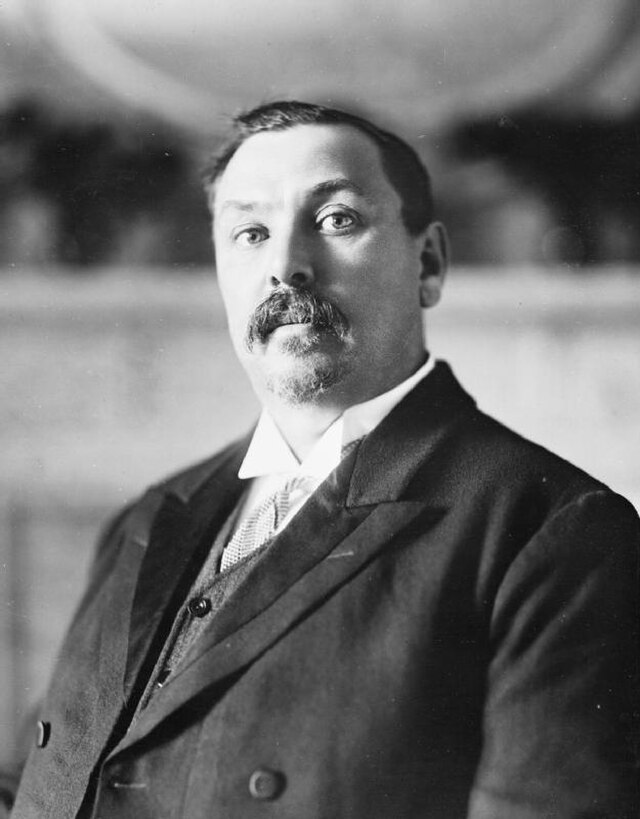
In the early 20th century, the South Africa Acts had disenfranchised Indians, Coloureds, and Africans, sparking outrage and resistance among various communities. In response, the African People's Organizations put forth a resolution to declare the day of the Prince of Wales' arrival in South Africa as a day of mourning.
Support for this resolution came from an unexpected source - Mahatma Gandhi. Known for his nonviolent resistance and advocacy for civil rights, Gandhi stood in solidarity with the African People's Organizations in protest against the discriminatory laws. He recognized the importance of unity among marginalized groups in the face of oppression.
Gandhi's support for the resolution added significant weight to the protest, drawing attention to the injustices faced by Indians, Coloureds, and Africans in South Africa. His actions reflected a broader message of unity and resistance against colonial rule and discrimination.
The declaration of the day of the Prince of Wales' arrival as a day of mourning sent a powerful message to the colonial authorities and the international community. It symbolized a collective stand against discrimination and a demand for equal rights and representation for all South Africans, regardless of their race or background.
This event underscores the intersectionality of struggles against oppression and the importance of solidarity among diverse communities. It highlights the role of individuals like Gandhi in amplifying marginalized voices and challenging discriminatory systems through peaceful means.
#MahatmaGandhi #SouthAfrica #CivilRights #Solidarity #Protest
View details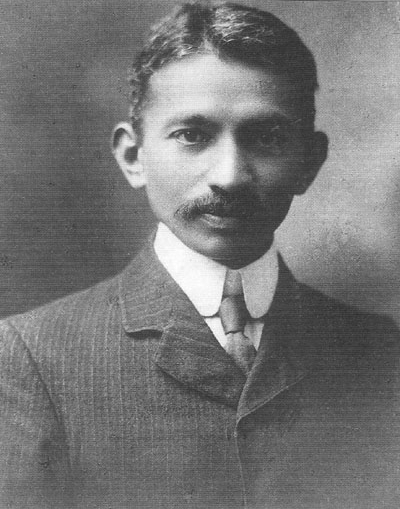
1909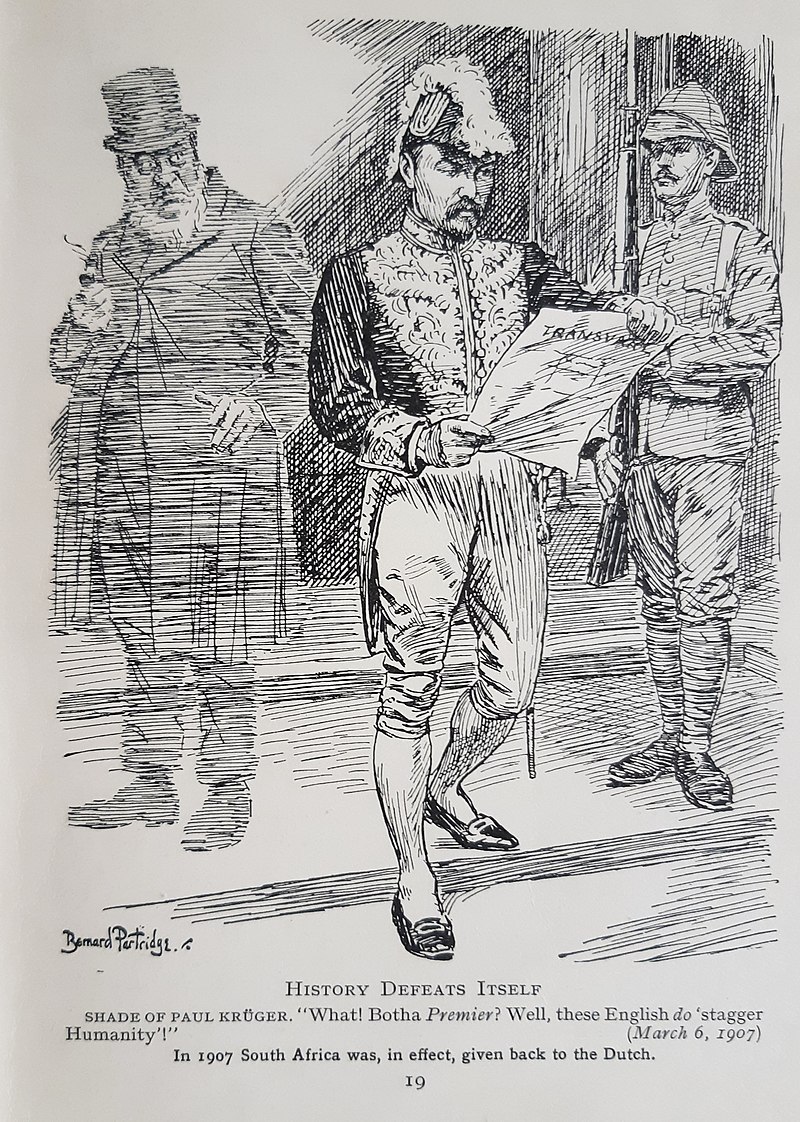
The King Edward VII signing of the South Africa Act was a pivotal event in the history of South Africa's governance. The Act aimed to establish the Union of South Africa, bringing together the British colonies of the Cape of Good Hope, Natal, the Transvaal, and the Orange River Colony. This signified a major step towards self-governance and unity within South Africa.
The background of this event dates back to the aftermath of the Second Boer War, which ended in 1902. The British Empire sought to consolidate its control over the territories by uniting them under a single government. The South Africa Act was the culmination of this effort, leading to the formation of the Union of South Africa as a self-governing dominion within the British Empire.
The impact of King Edward VII signing the South Africa Act was profound. It established a framework for a new government that would eventually lead to the Union of South Africa's independence in 1961. The Act also laid the foundation for the country's apartheid system that would later shape its history for decades to come.
The signing of the South Africa Act marked a significant turning point in South Africa's political landscape, setting the stage for the country's future development and struggles. It represented a key moment in the transition from British colonial rule to self-governance for the people of South Africa.
#SouthAfrica #UnionofSouthAfrica #BritishEmpire #SelfGovernance #Apartheid #History
View details1902
In 1902, after years of fighting and negotiation, the Peace of Vereeniging was signed, officially bringing an end to the Second Boer War. The war was fought between the British Empire and the Boer states of Transvaal and the Orange Free State in South Africa. The conflict arose due to tensions over colonial control, with the discovery of gold and diamonds in the region fueling the imperial ambitions of both sides.
The Peace of Vereeniging was signed in the town of Vereeniging, South Africa, following months of negotiations. The treaty outlined the terms of surrender for the Boer forces, including the recognition of British authority in the region and guarantees of rights for the Boer people. The signing of the treaty marked the official end of the war, bringing a sense of relief and hope for peace to the war-weary population.
The impact of the Peace of Vereeniging was significant, as it marked the end of a devastating conflict that had claimed thousands of lives on both sides. The treaty laid the foundation for a new era in South Africa, one marked by reconciliation and the eventual formation of the Union of South Africa in 1910. While the scars of the war would linger for years to come, the signing of the Peace of Vereeniging represented a crucial step towards healing and rebuilding the nation.
Overall, the Peace of Vereeniging was a pivotal moment in South African history, marking the conclusion of a brutal war and laying the groundwork for a more united future. It serves as a reminder of the complexities of colonial history and the enduring quest for peace and reconciliation. #PeaceofVereeniging #SecondBoerWar #SouthAfricanHistory
View details1900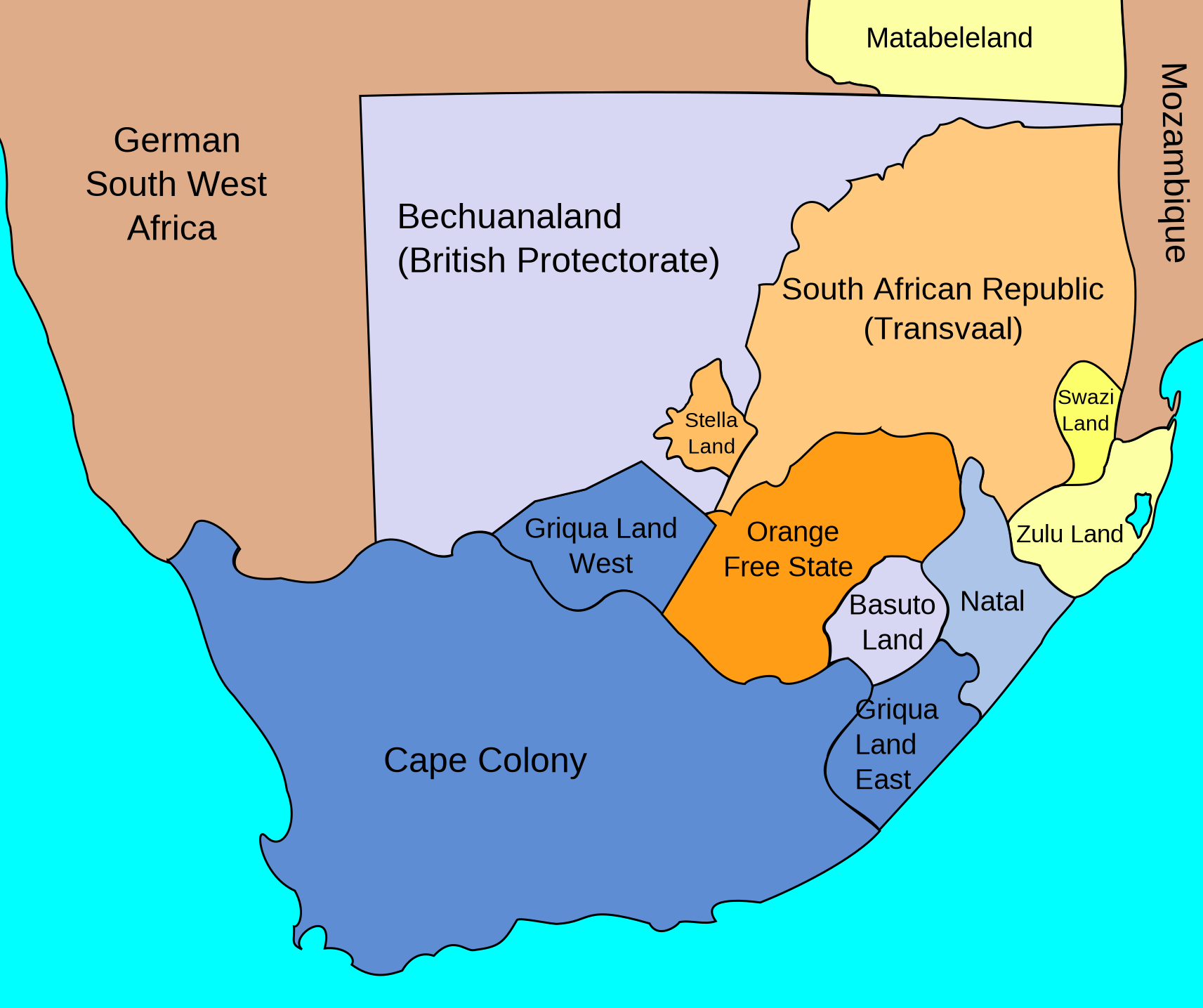
In the early 1900s, the British annexation of the Orange Free State marked a pivotal moment in South Africa's history. The Boer republic's refusal to align with the British empire led to escalating tensions, culminating in a military conflict. British forces, determined to consolidate power in the region, launched a campaign to assert their dominance.
The annexation had far-reaching consequences for the Orange Free State and its inhabitants. The imposition of British rule brought about significant changes to the region's governance, economy, and social fabric. The Boer population faced challenges as their way of life was altered under British control.
British annexation also had broader implications for South Africa as a whole. The consolidation of British authority in the Orange Free State contributed to the eventual formation of the Union of South Africa in 1910. The annexation served as a catalyst for greater British influence and control over the entire region.
The aftermath of the annexation saw a period of transition and adaptation for the Orange Free State. The Boer population navigated a new political landscape under British rule, with implications for land rights, cultural practices, and social dynamics. The integration of the region into the broader British colonial framework reshaped the dynamics of power in South Africa.
Overall, the British annexation of the Orange Free State represented a turning point in the history of South Africa. The event not only altered the political and social landscape of the region but also set the stage for broader shifts in colonial power dynamics. The legacy of this annexation continues to resonate in the historical narrative of South Africa, shaping its path towards independence and self-governance.
#BritishAnnexation #OrangeFreeState #SouthAfricanHistory #Colonialism
View details1899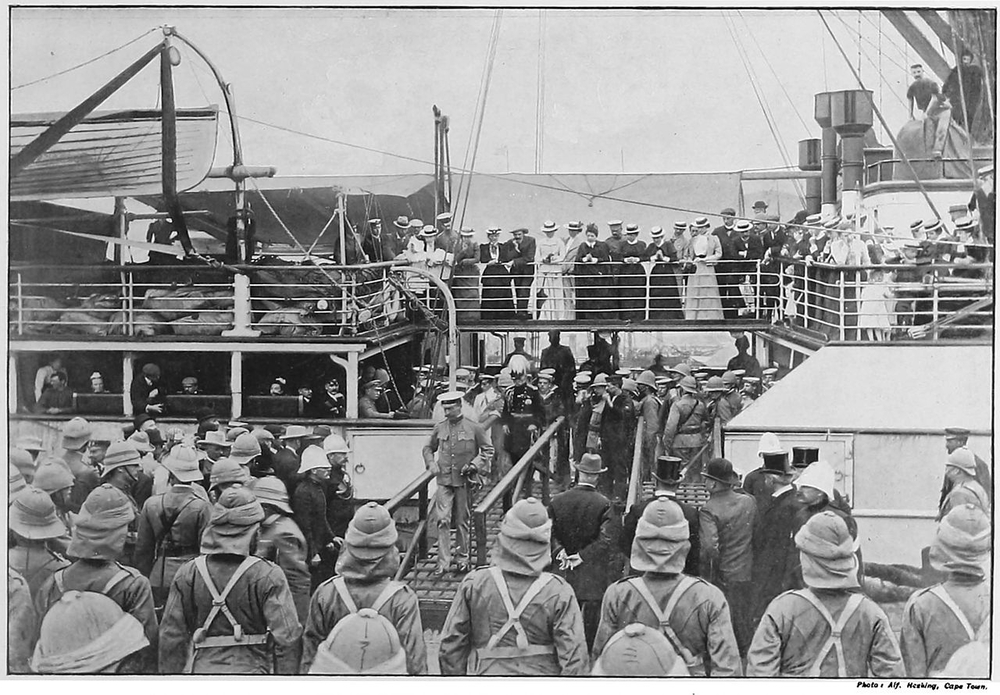
The South African War, also known as the Second Boer War, erupted between the British Empire and the Boer republics of Transvaal and Orange Free State. The conflict was rooted in tensions over British colonial expansion and Boer desire for independence. The discovery of gold and diamonds in Boer territory further fueled the tensions.
The British Empire, seeking to consolidate its power in the region, declared war on the Boer republics. What followed was a brutal and protracted conflict marked by guerrilla warfare, sieges, and scorched earth tactics. The Boers, highly skilled marksmen, inflicted heavy casualties on the British forces through hit-and-run tactics.
The war took a heavy toll on both sides, with significant loss of life among soldiers and civilians. The British implemented a scorched earth policy, destroying Boer farms and confining civilians in concentration camps where disease and malnutrition ran rampant. The Boers, in turn, engaged in a scorched earth strategy of their own, leading to widespread destruction and suffering.
After several years of fighting, the British ultimately emerged victorious, and the Boer republics were annexed into the British Empire. The war had far-reaching consequences, reshaping the political and social landscape of South Africa. The harsh treatment of Boer civilians in concentration camps left a deep scar on the collective memory of Afrikaners and fueled resentment towards British rule.
The South African War highlighted the complexities of imperialism, nationalism, and racial tensions in the region. It paved the way for the eventual establishment of the Union of South Africa in 1910, marking the beginning of a new chapter in the country's history.
#SouthAfricanWar #SecondBoerWar #BritishEmpire #BoerRepublics #Imperialism #Nationalism #RacialTensions
View details1895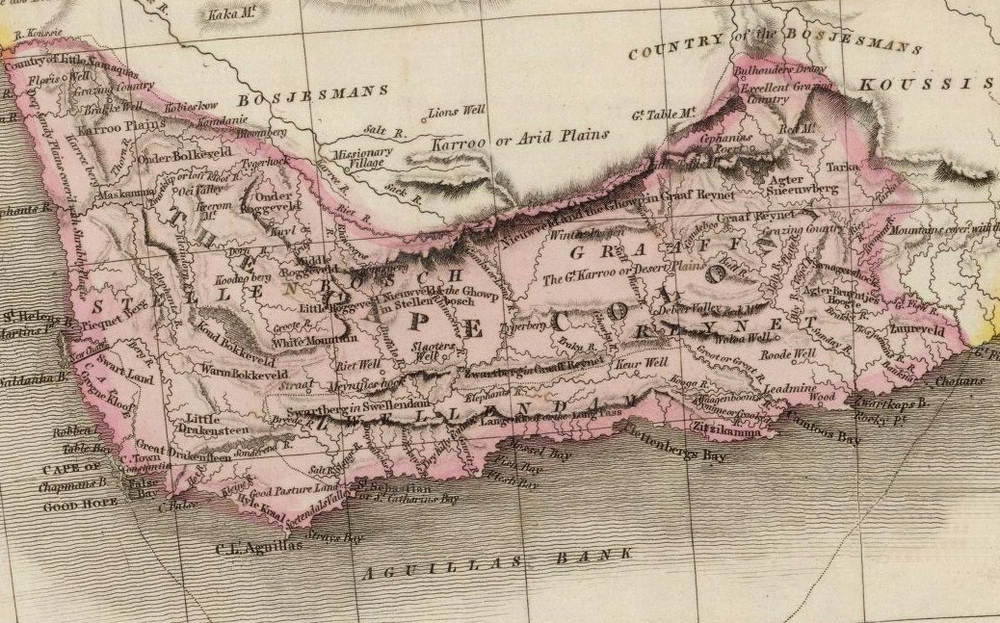
At the culmination of territorial disputes and political tensions in southern Africa, the British Cape Colony was officially established. The British Empire sought to expand its influence in the region, leading to the annexation of territories previously under Dutch control. The establishment of the British Cape Colony marked a turning point in the history of the region, as British colonial rule began to reshape the social, political, and economic landscape.
The Cape Colony's formation had a profound impact on the local population, particularly the indigenous communities who had inhabited the land for centuries. The imposition of British colonial administration brought significant changes to the governance and legal systems, as well as the economy and infrastructure of the region. The British also introduced their language, culture, and educational systems, leaving a lasting legacy that would shape the future of South Africa.
The establishment of the British Cape Colony set the stage for further colonial expansion and the eventual unification of South Africa under British rule. It laid the foundation for the broader process of British imperialism in the region, as well as the complex dynamics of race, class, and power that would define South African society for years to come. The events surrounding the establishment of the Cape Colony marked a critical moment in the history of South Africa, highlighting the enduring legacy of colonialism and its impact on the nation's development.
#BritishColonialism #CapeColony #SouthAfricanHistory #Imperialism
View details1890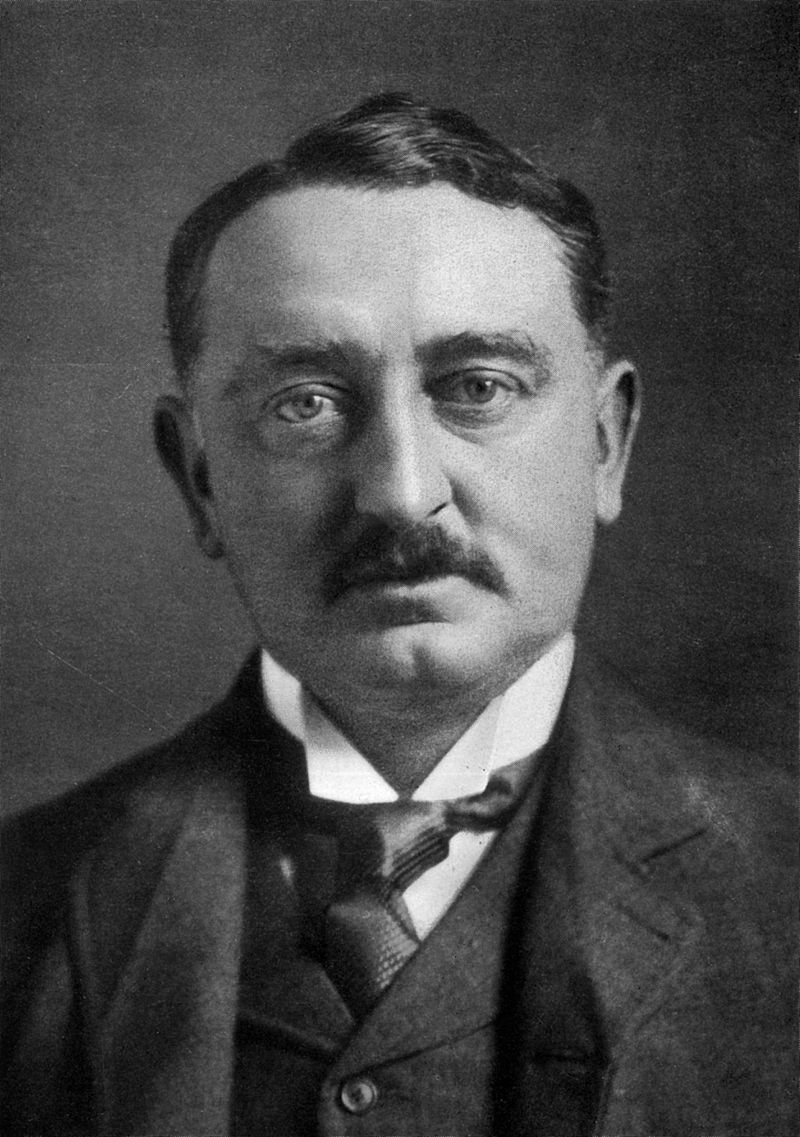
Cecil Rhodes, a prominent figure in the history of South Africa, assumed office as the Prime Minister of the Cape Colony. His political career was marked by his involvement in the diamond and gold mining industries, which had a significant impact on the economic growth of the region. Rhodes was a strong advocate for expanding British influence in Southern Africa and played a key role in the colonization of the region.
Rhodes' appointment as Prime Minister of the Cape Colony signaled a shift in governance towards more aggressive policies aimed at furthering British interests in the area. During his tenure, he implemented policies that favored British settlers and sought to consolidate British control over the region. His leadership style was characterized by a strong sense of nationalism and a vision of a unified British South Africa.
Under Rhodes' leadership, the Cape Colony experienced both economic growth and political turmoil. His policies were controversial and faced opposition from various groups, including indigenous populations and rival colonial powers. Despite these challenges, Rhodes was able to maintain a firm grip on power and leave a lasting impact on the political landscape of Southern Africa.
The appointment of Cecil Rhodes as Prime Minister of the Cape Colony was a pivotal moment in the history of South Africa. It marked the beginning of a new chapter in the region's political development and set the stage for future conflicts and struggles for independence. Rhodes' legacy continues to be a topic of debate and controversy in modern South Africa, as his actions continue to shape the country's political and social landscape.
#CecilRhodes #PrimeMinister #CapeColony #BritishInfluence #SouthAfrica #Colonization
View details1886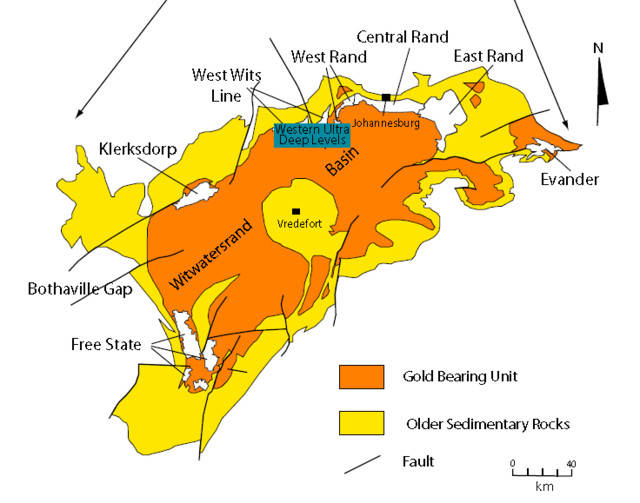
In the late 19th century, a significant event unfolded in what would later become Johannesburg, South Africa. Gold was discovered in the Witwatersrand basin by prospector George Harrison, sparking a gold rush that would shape the region's future. This discovery led to the establishment of a mining camp that would grow into the bustling city of Johannesburg, known as the City of Gold.
The impact of this discovery was profound, as the Witwatersrand gold rush attracted people from all over the world, leading to the rapid growth and development of the region. The mining industry boomed, providing employment opportunities and wealth for many. The discovery of gold in Witwatersrand also played a pivotal role in the history of South Africa, influencing the country's economy, demographics, and political landscape.
The newfound wealth from the gold mines attracted miners, entrepreneurs, and investors, transforming the area into a key player in the global gold market. Johannesburg became a vibrant hub of activity, attracting people from diverse backgrounds and cultures. The city's growth and prosperity were fueled by the riches extracted from the Witwatersrand mines.
The legacy of the Witwatersrand gold discovery continues to shape South Africa's economy and identity. It is a reminder of the country's rich natural resources and the enduring impact of mining on its development. The event marked a turning point in the history of the region, leaving a lasting imprint on its landscape and people.
#WitwatersrandGoldDiscovery #Johannesburg #MiningIndustry #SouthAfricanHistory
View details1880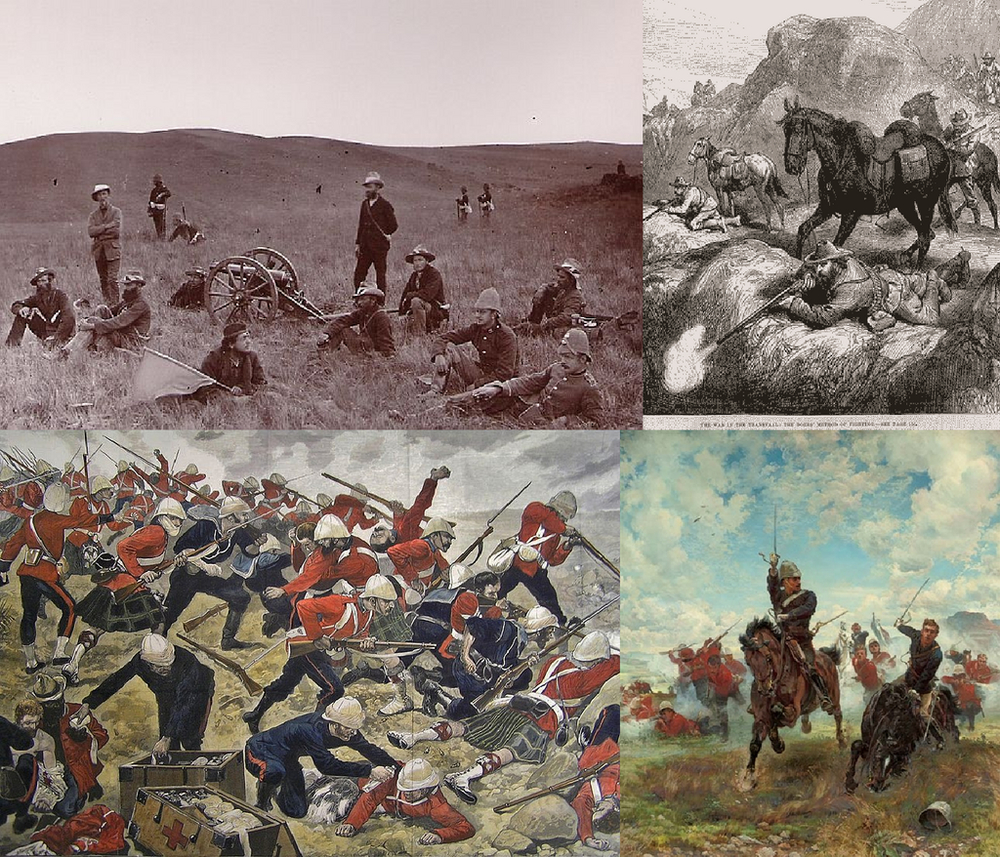
The First Boer War emerged as a result of tensions between the British Empire and the South African Republic (Transvaal) over political control and territory in the region. The discovery of valuable resources, particularly gold, in Transvaal led to an influx of foreign miners, which the Boers, descendants of Dutch settlers, viewed as a threat to their way of life and independence.
The British, on the other hand, sought to expand their influence and control over the region, leading to conflicts with the Boers who were determined to protect their land and sovereignty. The situation escalated when British attempts to annex Transvaal were met with fierce resistance from the Boers, who utilized their knowledge of the terrain and guerrilla warfare tactics to outmaneuver the British forces.
Despite initial British military superiority, the Boers' determination and strategic advantage eventually forced the British into a stalemate, culminating in the signing of the Pretoria Convention. This peace treaty recognized the South African Republic's independence and marked a significant defeat for the British Empire.
The First Boer War had far-reaching implications, serving as a catalyst for further conflicts and shaping the future of South Africa. It highlighted the challenges of imperialism and the resilience of indigenous populations in the face of foreign aggression. The Boers' successful defense of their territory also fueled a sense of nationalism and unity among the Afrikaner population, laying the groundwork for future struggles for independence and self-governance.
The legacy of the First Boer War remains ingrained in the history of South Africa, underscoring themes of resistance, sovereignty, and the enduring impact of colonialism on the region. #FirstBoerWar #BritishEmpire #SouthAfricanRepublic #Transvaal #ColonialConflict #Nationalism.
View details1871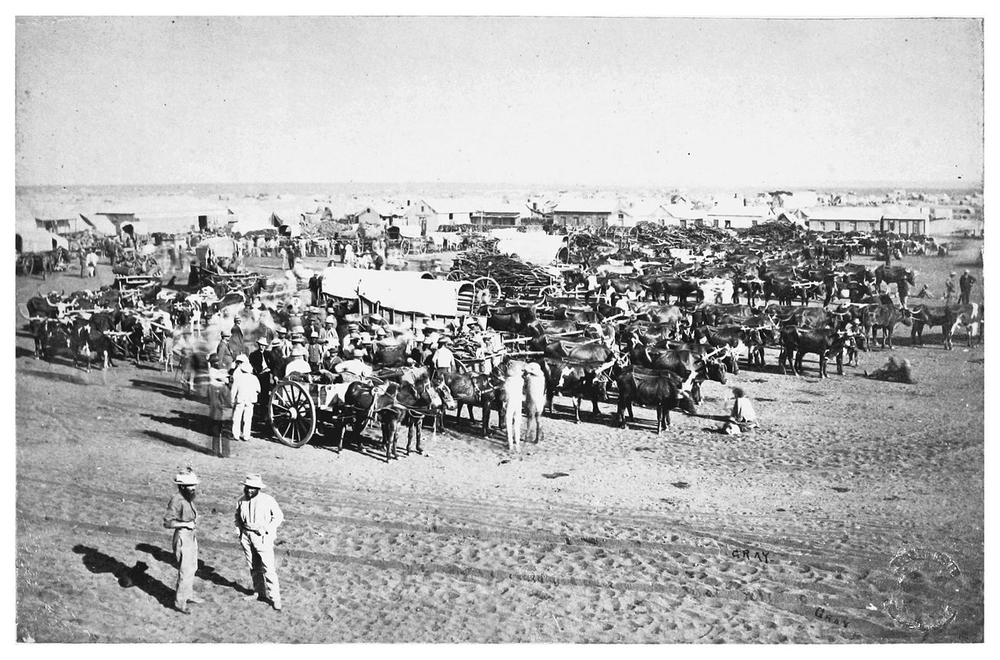
In 1871, a monumental discovery was made in Kimberley, South Africa - diamonds. The finding of these precious gems sparked a frenzied rush of prospectors hoping to strike it rich in the region. This marked the beginning of a significant shift in the local economy and the emergence of the mining industry in South Africa.
The discovery of diamonds in Kimberley led to a rapid influx of fortune seekers from different parts of the world. The once sleepy town transformed into a bustling hub of activity as prospectors scrambled to claim their stake in the diamond fields. The lure of quick wealth attracted individuals from all walks of life, contributing to the diverse population of miners in the area.
As word spread about the abundance of diamonds in Kimberley, mining operations quickly expanded. The demand for labor spurred the growth of towns and infrastructure in the region. The mining industry flourished, creating employment opportunities and driving economic development in South Africa. Kimberley became known as the diamond capital of the world, cementing its place in history as a significant player in the global diamond trade.
The discovery of diamonds in Kimberley had far-reaching implications beyond the economic realm. It fueled the expansion of colonial interests in South Africa and played a pivotal role in shaping the country's history. The influx of prospectors brought about cultural exchanges and societal changes that have had a lasting impact on the region.
Overall, the discovery of diamonds in Kimberley marked a turning point in the history of South Africa. It propelled the growth of the mining industry, transformed the local economy, and shaped the social fabric of the region. The legacy of this event continues to resonate in the diamond industry and the historical narrative of South Africa. #DiamondRush #MiningIndustry #EconomicTransformation
View details1867
In the mid-19th century, a significant discovery was made in the depths of the Orange River in South Africa. Miners stumbled upon diamonds, sparking a frenzy that would transform the region's history forever. The newfound wealth attracted people from all corners of the globe, leading to the establishment of mining towns and a surge in population in the area.
The discovery of diamonds in the Orange River had far-reaching consequences. It led to the Kimberley diamond rush, one of the largest diamond rushes the world has ever witnessed. The mining industry boomed, creating economic opportunities and shaping the landscape of the region. The booming diamond trade also played a pivotal role in the development of South Africa's economy.
The impact of the discovery was not limited to economic transformation. Socially, the diamond rush brought diverse groups of people together, leading to cultural exchange and interaction. However, it also brought challenges such as resource competition and social tensions among the settlers.
The discovery of diamonds in the Orange River marked a turning point in the history of South Africa. It paved the way for the country's future as a major player in the global diamond industry. The region continues to be a significant source of diamonds, contributing to South Africa's reputation as a leading diamond producer.
#DiamondDiscovery #OrangeRiver #SouthAfrica #MiningHistory #EconomicTransformation
View details1852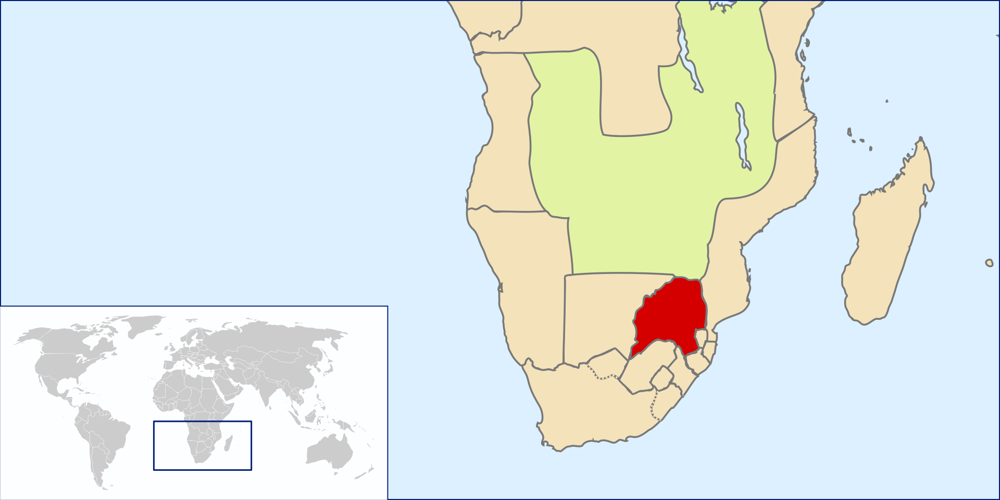
In 1857, the South African Republic, also known as Transvaal, was formed in the southern region of Africa. This historical event was a result of the Voortrekkers' migration to escape British rule and seek independence. The discovery of gold in the region also played a significant role in the formation of the South African Republic, attracting miners and further solidifying the territory's autonomy.
The establishment of the South African Republic had a profound impact on the region. It led to the emergence of an independent Boer government, with its own laws, customs, and administration. The new republic also sparked tensions with the British Empire, culminating in conflicts such as the First Boer War. The formation of the South African Republic marked a crucial step towards self-governance for the Boer settlers in the region.
The significance of this event lies in its role in shaping the political landscape of South Africa. It set the stage for future conflicts and negotiations between the Boer settlers, the British Empire, and the indigenous populations of the region. The formation of the South African Republic represented a turning point in the history of the country, highlighting the complex interplay of colonialism, migration, and resource exploitation in southern Africa.
#SouthAfricanRepublic #Transvaal #BoerSettlers #Independence #GoldDiscovery #BritishEmpire #Colonialism
View details1838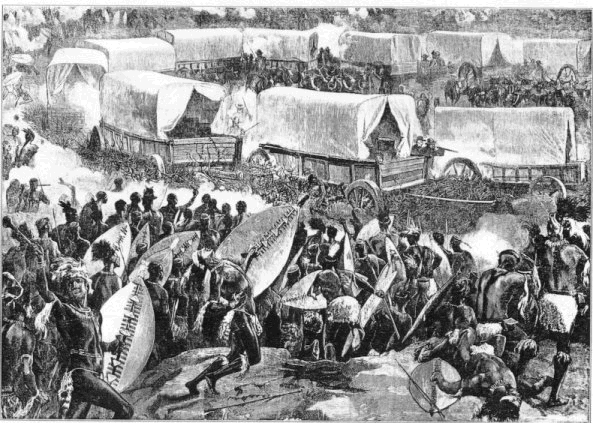
The Battle of Blood River was a significant clash between the Voortrekkers, led by Andries Pretorius, and the Zulu forces, commanded by King Dingane. It stemmed from tensions over land disputes and conflicting interests between the two groups. The Voortrekkers, descendants of Dutch settlers, sought to establish a territory independent of British colonial influence, while the Zulus aimed to maintain control over their ancestral lands.
In preparation for the battle, the Voortrekkers formed a laager, a circular defensive formation of wagons, to protect themselves against the Zulu impis. On the day of the confrontation, the Zulu forces launched several attacks on the Voortrekkers' position but were unable to penetrate their defenses. The Voortrekkers, utilizing their superior firepower and strategic positioning, effectively repelled the Zulu assaults, resulting in a decisive victory.
The aftermath of the Battle of Blood River had far-reaching consequences for both sides. The Voortrekkers solidified their presence in the region, paving the way for the establishment of the Natalia Republic. Meanwhile, the defeat dealt a significant blow to the Zulu kingdom, leading to a period of instability and internal strife.
The Battle of Blood River is commemorated annually in South Africa as a symbol of Afrikaner resilience and victory against overwhelming odds. The event has become ingrained in the collective memory of the nation, reflecting the complex and turbulent history of the region.
#BattleOfBloodRiver #Voortrekkers #ZuluForces #SouthAfricanHistory
View details1836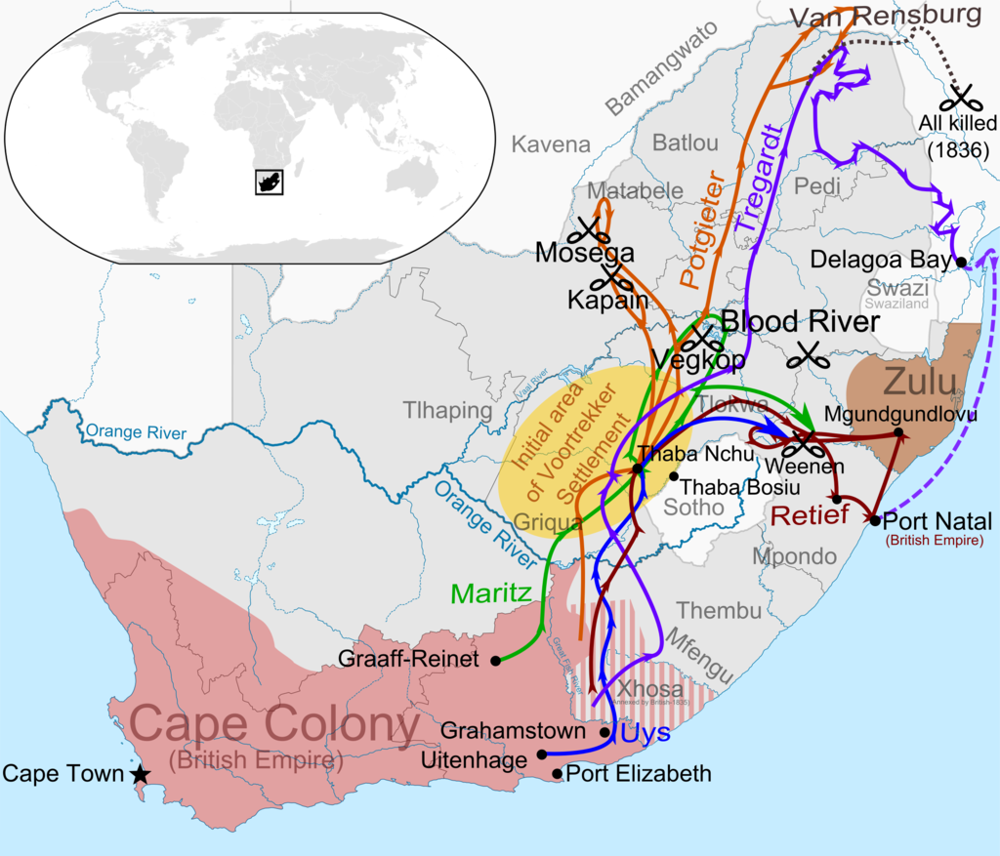
In the 1830s, Boer settlers in South Africa embarked on The Great Trek, a mass migration inland. This movement was a response to discontent with British colonial rule and a desire for independence. The Boers sought to escape British control and find new lands where they could establish their own communities.
As the Boer settlers trekked inland, they came into conflict with various indigenous groups, including the Xhosa and Zulu tribes. These clashes were often violent, as both sides fought for control of land and resources. The Boers' superior weaponry and tactics gave them an advantage in many of these conflicts, leading to the displacement and subjugation of indigenous peoples.
The Great Trek marked a significant turning point in South African history, as it laid the foundation for the establishment of Boer republics such as the South African Republic and the Orange Free State. These republics would later play a crucial role in shaping the political landscape of the region.
Overall, The Great Trek was a complex and tumultuous event that had lasting consequences for South Africa. It highlighted the tensions between European settlers and indigenous peoples, as well as the struggle for power and control in the region. The legacy of The Great Trek continues to resonate in modern South Africa, as the country grapples with issues of land ownership, identity, and reconciliation.
#GreatTrek #BoerSettlers #IndigenousConflicts #SouthAfricanHistory
View details