South Africa

The Rainbow Nation
Related Lives
Turkmenistan
The Land of the Eternal Flame.

Qatar
The Jewel of the Middle East.

China
Land of Silk

Nepal
The Land of Himalayas
China
Land of Silk

Chad
Heart of the Sahel

Prime Minister of the United Kingdom
The Head of Government

Norway
Land of Fjords and Northern Lights

1816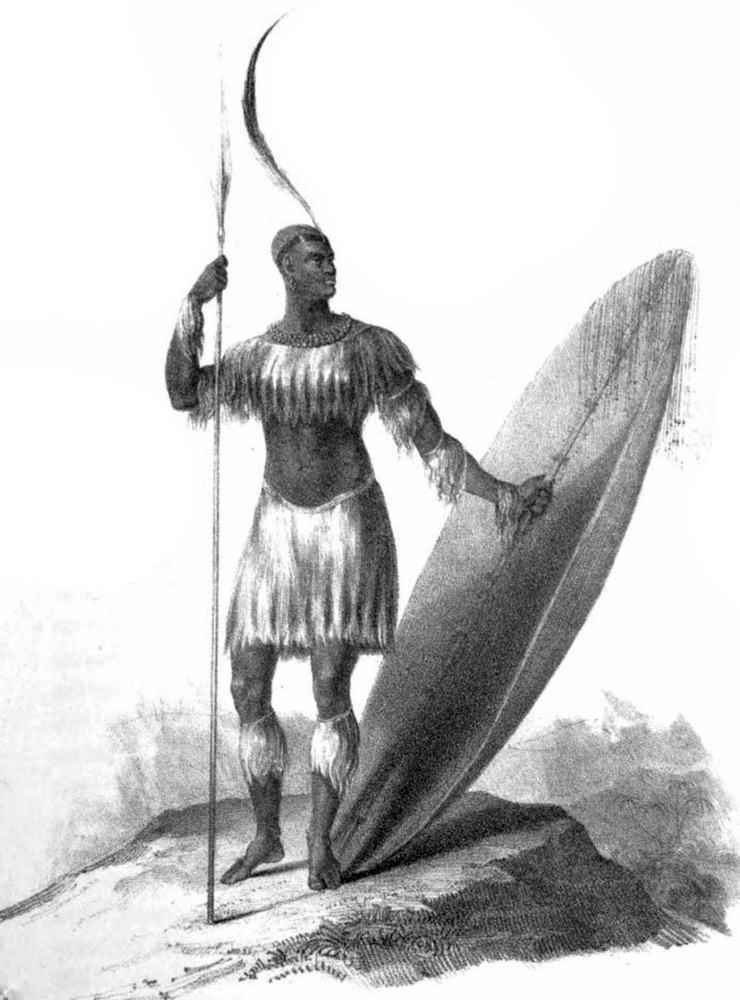
In the early 19th century, Shaka Zulu, a skilled warrior and leader, rose to power in southern Africa. Through military conquest and innovative tactics, he established the powerful Zulu Kingdom. Shaka implemented new formations and weapons, such as the short stabbing spear, changing the course of warfare in the region.
The Zulu Kingdom quickly became a force to be reckoned with, expanding its territory through a series of successful military campaigns. Shaka's army, known for its discipline and strategic maneuvers, defeated neighboring tribes and assimilated them into the growing Zulu nation. This led to the consolidation of power and the establishment of a centralized authority under Shaka's rule.
Shaka's reign brought about significant social and cultural changes within the Zulu society. He implemented military and social reforms, promoting a sense of unity and loyalty among his people. Shaka's military innovations and emphasis on discipline transformed the Zulu warriors into a formidable fighting force.
The rise of the Zulu Kingdom under Shaka's leadership had a lasting impact on the history of southern Africa. It marked the beginning of a new era of dominance in the region, as the Zulu Kingdom emerged as a major political and military power. Shaka's legacy as a skilled tactician and leader continues to be revered in South African history.
#ShakaZulu #ZuluKingdom #MilitaryConquest #AfricanHistory
View details1812
In the early 19th century, the British government sought to address overcrowding and unemployment in England by offering land in the Eastern Cape of South Africa to British settlers. As a result, a group of settlers arrived in the region and established the town of Grahamstown.
Grahamstown served as a crucial military outpost and commercial center, strategically located between the Cape Colony and the Xhosa tribes to the east. The town quickly grew in importance, attracting more settlers and becoming a hub for trade and agricultural development.
The establishment of Grahamstown had a significant impact on the region, as it brought European settlers into direct contact with the indigenous Xhosa people. This contact often led to violent conflicts over land and resources, shaping the uneasy relations between the two communities for decades to come.
Despite these tensions, Grahamstown continued to thrive and was eventually recognized as an important cultural and educational center. The town became known for its prestigious institutions, such as Rhodes University and the National Arts Festival, which have contributed to its reputation as a center of learning and creativity.
Overall, the establishment of Grahamstown by British settlers in the Eastern Cape played a key role in shaping the history and development of South Africa, marking a pivotal moment in the country's colonial past.
#BritishSettlers #Grahamstown #EasternCape #SouthAfrica #ColonialHistory
View details1779
The Great Fish River Frontier War erupted between the Xhosa people and British colonists in South Africa. The conflict was a result of territorial disputes as the Xhosa sought to defend their land against encroaching British settlement. The Xhosa were pushed further east by colonial expansion, leading to tensions and ultimately sparking the war.
The Xhosa, under the leadership of their chiefs, mounted resistance against the British forces, who were well-equipped with firearms. Despite their limited resources, the Xhosa warriors displayed fierce determination in defending their territory. The British, on the other hand, aimed to assert control and expand their influence in the region.
The war had a devastating impact on both sides, resulting in significant casualties and widespread destruction. Battles were fought over contested territories, with both sides suffering losses. The conflict also had broader implications for the region, exacerbating existing tensions between the Xhosa people and the British colonial authorities.
The Great Fish River Frontier War highlighted the complex dynamics of colonial expansion and indigenous resistance in South Africa. It underscored the challenges faced by indigenous populations in the face of European colonization and the inherent power imbalances that characterized colonial encounters. The war also emphasized the resilience and determination of the Xhosa people in the face of external threats to their land and way of life.
#XhosaResistance #BritishColonialism #FrontierWar #SouthAfricanHistory
View details1700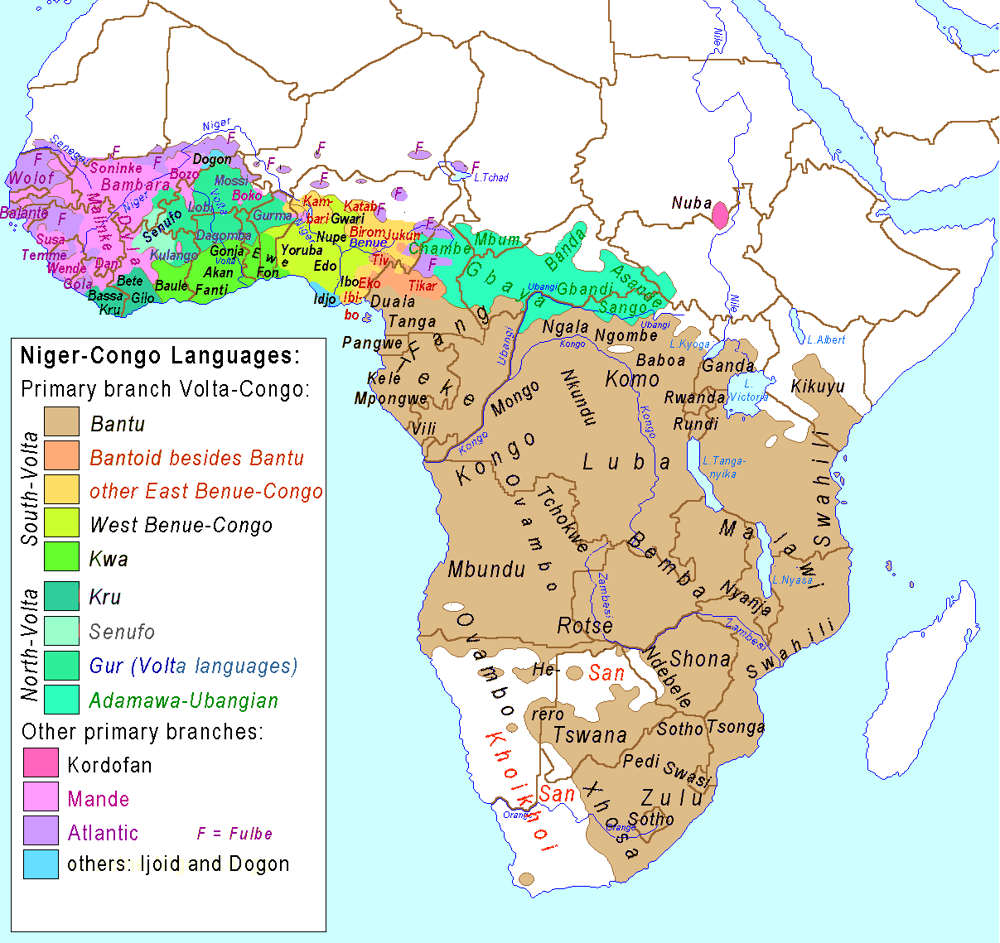
The arrival of the Bantu-speaking people in South Africa reshaped the region's linguistic and cultural landscape. Traveling southwards over centuries, Bantu-speaking groups brought with them advanced agricultural techniques, iron tools, and a rich cultural heritage. This migration resulted in the assimilation of the indigenous Khoisan peoples and the formation of diverse societies.
The Bantu-speaking people introduced new crops such as millet, sorghum, and yams, significantly impacting the region's food production. Their knowledge of iron metallurgy revolutionized tool-making and trade practices. Moreover, their social structures, beliefs, and languages influenced the communities they interacted with, leading to a complex intermingling of customs and traditions.
The interaction between the Bantu-speaking people and the indigenous populations contributed to the development of unique societies with distinct cultural practices. This cultural fusion gave rise to diverse art forms, music styles, and spiritual beliefs that continue to shape South Africa's cultural identity to this day.
The linguistic impact of the Bantu migration was profound, as Bantu languages spread across the region, influencing the development of many present-day languages in South Africa. The incorporation of Bantu vocabulary enriched local dialects and contributed to the evolution of new linguistic variations.
Overall, the arrival of the Bantu-speaking people marked a transformative period in South Africa's history, laying the foundation for the rich tapestry of cultures and languages that define the country today. Their legacy endures in the customs, traditions, and languages of the diverse communities across the nation.
#BantuMigration #CulturalAssimilation #LinguisticDiversity
View details1652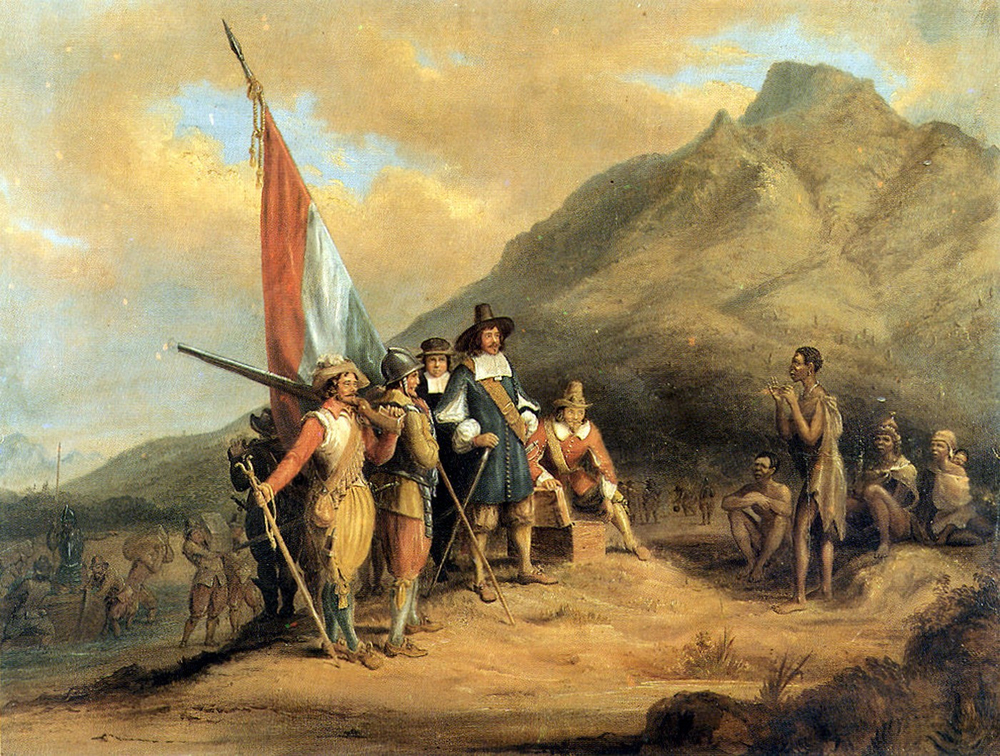
The settlement at Cape Town by the Dutch under Jan van Riebeeck marked the beginning of European colonization in South Africa. The Dutch East India Company aimed to establish a refreshment station for ships traveling to the East Indies, where they could restock on supplies and provisions. Jan van Riebeeck was appointed as the commander of the Cape Colony, leading a small expedition to set up the settlement.
Upon arrival, a suitable site was chosen at the Cape of Good Hope due to its strategic location along the sea route to the East. The Dutch built a fort, gardens, and houses to sustain their presence in the region. They also introduced agriculture, importing seeds and livestock to cultivate the land and provide for the growing settlement.
The establishment of the Cape Town settlement had significant implications for the region. It led to increased interactions between the Dutch settlers and the indigenous Khoikhoi people, shaping the cultural and social dynamics of the area. The Dutch presence also laid the foundation for future European colonization and the eventual establishment of the apartheid system in South Africa.
Over time, Cape Town grew into a bustling hub of trade and commerce, attracting settlers from Europe, Asia, and other parts of Africa. The legacy of Jan van Riebeeck and the Dutch settlement is still visible in Cape Town's architecture, language, and traditions.
Today, Cape Town stands as a vibrant multicultural city, reflecting its complex history of colonization and resistance. The establishment of the settlement at Cape Town by the Dutch under Jan van Riebeeck continues to influence South Africa's political and social landscape.
#DutchColonization #CapeTownSettlement #JanvanRiebeeck #EuropeanExpansion #CulturalInteraction
View details1488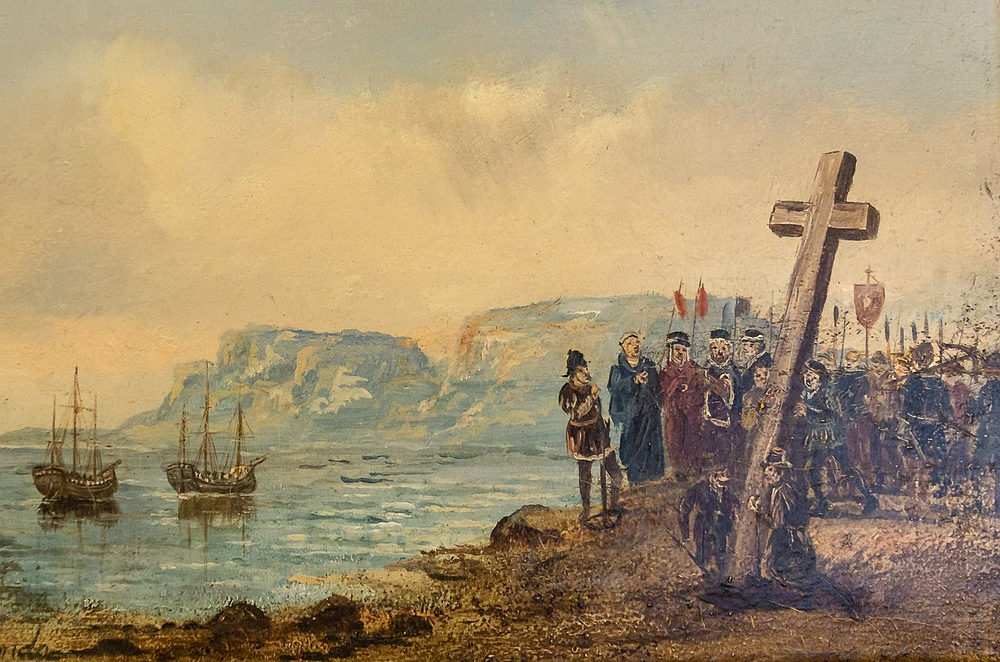
Bartolomeu Dias, a skilled Portuguese navigator during the Age of Discovery, led an expedition to find a sea route to Asia by sailing around the southern tip of Africa. This journey was part of Portugal's efforts to establish trade routes and expand their empire.
Dias departed from Lisbon with three ships, facing harsh weather conditions and treacherous waters along the unknown coast of Africa. After weeks at sea, they reached the southernmost point of Africa, which Dias named the Cape of Storms due to the rough seas they encountered. The king of Portugal later renamed it the Cape of Good Hope, as it represented a hopeful outlook towards the lucrative trade routes with Asia.
Dias' voyage marked a significant breakthrough in navigation and exploration. His successful rounding of the Cape of Good Hope opened up a sea route to Asia, challenging the traditional overland routes controlled by the Venetians and Arabs. This achievement paved the way for future explorers, including Vasco da Gama, to reach India and establish direct trade links with the East.
The establishment of the Cape of Good Hope by Bartolomeu Dias had far-reaching consequences. It not only reshaped trade patterns and global commerce but also had a lasting impact on the geopolitical landscape of the time. Portugal's control of this strategic route bolstered its power and influence in the Age of Exploration, positioning the country as a dominant player in the lucrative spice trade.
Dias' expedition showcased Portugal's maritime expertise and determination to explore the unknown, leaving a lasting legacy in the annals of exploration and discovery. The Cape of Good Hope became a beacon for future sailors seeking to navigate the treacherous waters of the southern seas, symbolizing the spirit of adventure and discovery that defined the Age of Exploration. #PortugueseExploration #TradeRoutes #CapeofGoodHope
View details.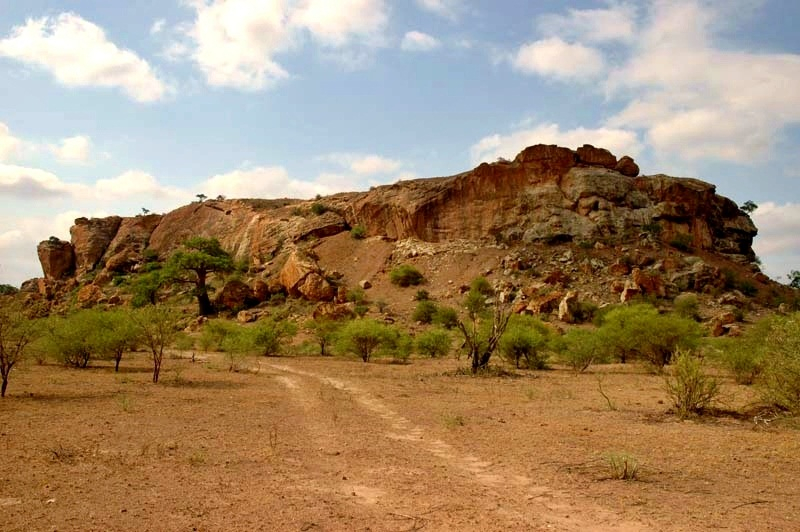
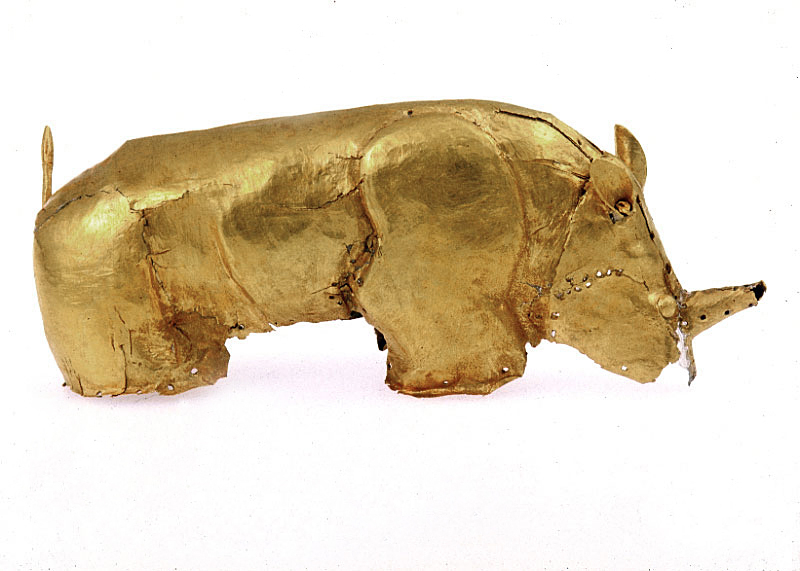
The decline of the Kingdom of Mapungubwe was driven by a combination of environmental changes and political shifts. Mapungubwe was a thriving kingdom located in southern Africa, known for its advanced society and extensive trading networks. However, the kingdom's prosperity was short-lived due to various factors.
Environmental changes, such as prolonged droughts and soil erosion, disrupted agricultural practices and led to food shortages. This, in turn, contributed to social unrest and economic instability within the kingdom. Additionally, the depletion of natural resources further exacerbated the situation, making it difficult for the kingdom to sustain its population and maintain its status as a regional power.
Politically, internal conflicts and external pressures from neighboring kingdoms and trade partners also played a significant role in the decline of Mapungubwe. Disputes over territory and resources weakened the kingdom's influence and ultimately led to its fragmentation. The once-powerful kingdom was gradually overshadowed by emerging political entities in the region, marking the end of its dominance.
As the Kingdom of Mapungubwe declined, its impact reverberated throughout the region. Trade routes shifted, alliances were reconfigured, and new power dynamics emerged. The fall of Mapungubwe serves as a reminder of the interconnectedness between environmental sustainability and political stability in ancient civilizations.
#Mapungubwe #SouthAfrica #EnvironmentalChanges #PoliticalShifts
View details1200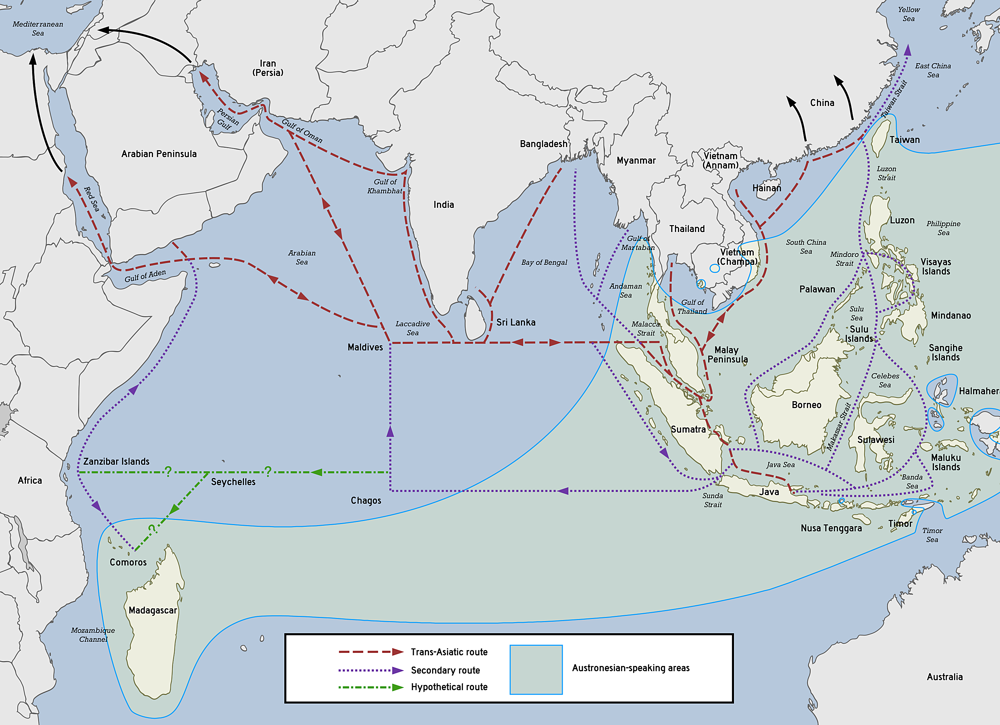
During this period, the region of Mapungubwe in Southern Africa experienced a significant expansion of trade networks with the Indian Ocean trading cities of the Swahili Coast. This event marked the culmination of a gradual process of economic and cultural exchange between the two regions.
The trade networks between Mapungubwe and the Swahili Coast allowed for the exchange of goods such as gold, ivory, pottery, and beads. These exchanges not only facilitated economic growth but also fostered cultural interactions and the sharing of knowledge and ideas between the different societies. Additionally, the increased trade contributed to the development of Mapungubwe as a prominent center of commerce in the region.
The impact of the enhanced trade networks was multifaceted. Economically, it brought wealth and prosperity to Mapungubwe, allowing for the accumulation of resources and the establishment of a sophisticated society. Culturally, the interactions with the Swahili Coast facilitated the exchange of artistic styles, architectural techniques, and religious practices, enriching the cultural landscape of both regions. The trade networks also had political implications, as they led to the establishment of alliances and diplomatic relations between Mapungubwe and the Swahili trading cities.
Overall, the increased trade networks between Mapungubwe and the Indian Ocean trading cities of the Swahili Coast had a transformative effect on the region, shaping its economy, culture, and political dynamics. This event exemplifies the interconnectedness of African societies and the importance of trade in driving social and economic development.
#Mapungubwe #SwahiliCoast #TradeNetworks #CulturalExchange #EconomicGrowth
View detailsIn the early 13th century, the Mapungubwe Kingdom emerged in Southern Africa. Situated at the confluence of the Limpopo and Shashe rivers, Mapungubwe quickly established itself as a powerful trade hub due to its strategic location along well-traveled trade routes. The kingdom was renowned for its production of gold, ivory, and copper, which were highly sought after commodities in the region.
Mapungubwe's rise as a prominent trade center brought great wealth and prosperity to the kingdom. The elite ruling class amassed significant power and influence through their control of trade networks, which extended across present-day South Africa, Zimbabwe, and Botswana. This newfound wealth allowed the kingdom to flourish economically and culturally, leading to the development of advanced social structures and artistic expressions.
The Kingdom of Mapungubwe reached its zenith as a dominant force in Southern Africa during this time, attracting traders from distant lands and establishing diplomatic relations with neighboring states. The kingdom's success in trade not only bolstered its economy but also facilitated cultural exchange and technological advancements in agriculture and metallurgy.
The legacy of the Mapungubwe Kingdom as a powerful trade center continues to be felt in Southern Africa to this day. Its influence on regional trade routes and cultural development laid the foundation for future kingdoms and states in the region. The archaeological remains of Mapungubwe serve as a reminder of the kingdom's once-thriving civilization and its significant contributions to the history of Southern Africa.
#MapungubweKingdom #TradeCenter #SouthernAfrica #CulturalExchange #EconomicProsperity #HistoricalLegacy
View details