Impact of the Native Land Act in South Africa
Political
Social Injustice
4 min read
Updated By: History Editorial Network (HEN)
Published:
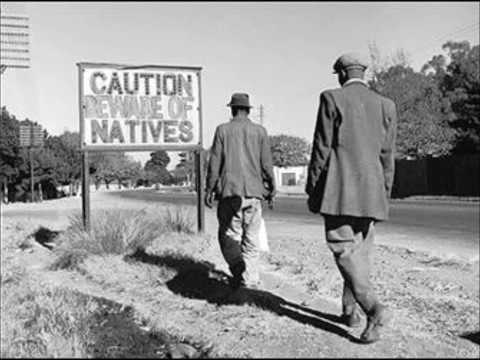
The Native Land Act marked a turning point in the history of South Africa, as it restricted black South Africans from owning or renting land in 93% of the country. This legislation was driven by the government's aim to reserve the most fertile lands for the white population while confining black South Africans to less desirable areas. The Act exacerbated land dispossession and forced many black families off their ancestral lands, leading to increased poverty and social inequity.
The impact of the Native Land Act was profound and long-lasting. It entrenched racial segregation and inequality, creating a system where black South Africans were deprived of economic opportunities and the ability to own property. This dispossession not only had immediate consequences for individuals and families but also had intergenerational effects, shaping the social and economic landscape of South Africa for decades to come.
Despite widespread resistance and protests from black South Africans and civil rights activists, the government's implementation of the Native Land Act further cemented the apartheid system, segregating communities and reinforcing discriminatory policies. The Act served as a cornerstone of the apartheid regime's oppressive laws and practices, perpetuating a system of racial hierarchy and control.
The passing of the Native Land Act in South Africa marked a dark chapter in the country's history, reflecting the deep-seated racism and injustice that characterized the apartheid era. It stands as a stark reminder of the enduring legacy of colonialism and discrimination, highlighting the ongoing struggles for land rights and social justice in South Africa. #NativeLandAct #ApartheidLegacy #LandDispossession #SocialInjustice

Explore the Life Moments of
 AI Twin