
South Africa

The Rainbow Nation
About
#SouthAfrica
#RainbowNation
#Safari
#TravelSouthAfrica
Life Classification
Country
Life ID
EL9451624291946
Verified Name
south-africa
Life Type
Entity Life
Life Editor(s)
History Editorial Network (HEN)
Life Privacy
Public
Subscription
Elite
Created On
2024-08-06
Updated On
2025-12-18
Connect







2026
Mid-January 2026 floods in northeastern South Africa led authorities to close parts of Kruger National Park (including to day visitors) and evacuate people from flood-hit areas, as rivers burst their banks and rescue operations expanded across Limpopo and Mpumalanga.
After days of intense rainfall, swelling rivers and washed-out roads disrupted communities across northeastern South Africa and spilled into one of the country’s most iconic landmarks: Kruger National Park. Park authorities restricted access, suspended day visitation, and moved visitors and staff out of the most affected zones as emergency teams carried out rescues in surrounding provinces. The wider flooding emergency was reported to have caused significant loss of life and major infrastructure damage, with officials warning that further rain could worsen conditions.
View details2024
For the first time in South Africa’s democratic history, the African National Congress (ANC) did not secure a majority of the vote during the national elections. Since the end of apartheid and the inception of democracy in 1994, the ANC had governed the country with consistent majorities. In the latest election, which saw a particularly high voter turnout, the ANC received 48% of the vote.
This shift in political tides follows years of mounting discontent over corruption scandals, economic stagnation, and persistent inequality. The party’s support dwindled as opposition parties gained ground. The Democratic Alliance (DA) and the Economic Freedom Fighters (EFF) capitalized on public dissatisfaction, securing 25% and 15% of the vote respectively. Several smaller parties also saw increases in their share.
The outcome necessitated coalition talks as the ANC, unable to form a government on its own, sought alliances to maintain a governing majority. This marked a significant moment of political realignment in South Africa, highlighting the voters' growing frustration with the status quo and the desire for substantive change.
The election results had immediate economic implications. The South African Rand experienced volatility in the wake of the news, reflecting investor uncertainty. Analysts predicted that the country’s policy direction might see significant shifts depending on coalition negotiations and the resultant policy compromises.
The international community closely monitored the situation, with analysts from global institutions highlighting the importance of a stable and transparent government for fostering economic growth and investment. The evolving political landscape underscored the dynamic nature of South Africa’s democracy and the increasing importance of accountability and good governance.
Local and international reactions included a mix of optimism and concern. Some saw the results as a positive step towards a more robust and responsive political system, while others worried about the potential for instability and policy uncertainty.
Social media buzzed with discussions on the implications of the vote, with trending topics focusing on political accountability, economic expectations, and the future of South African governance. The hashtag #MoofLife captured the essence of the moment, emphasizing movement (Moof) and the dynamic quality of life in the country.
#PoliticalShift #SouthAfrica #VotingResults #ANCMajority #Elections2024 #NewEra #MoofLife
View details2023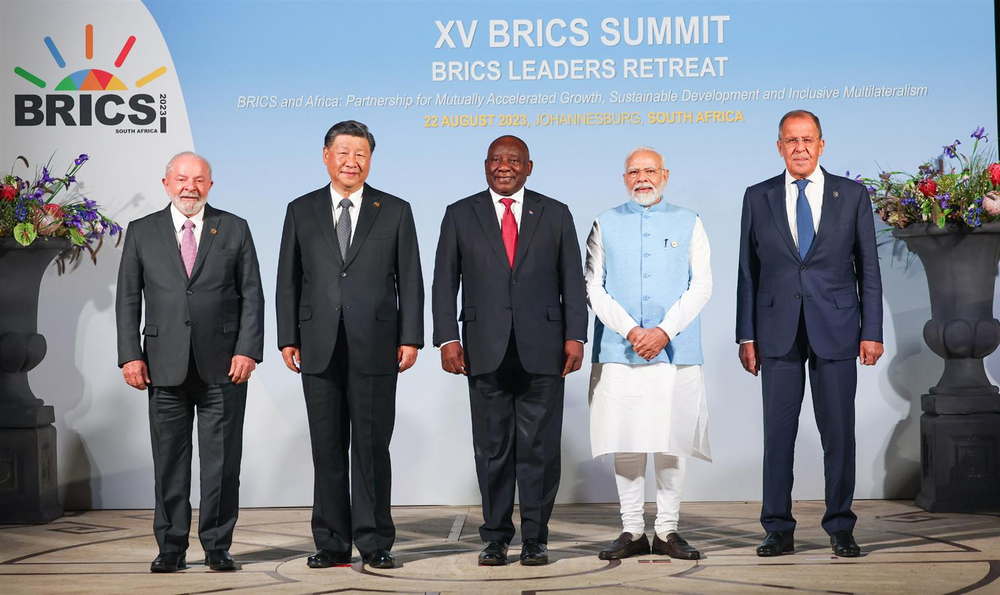
Leaders from BRICS nations, Brazil, Russia, India, China, and South Africa, gathered in South Africa. The main agenda was to discuss inviting six new countries to join their alliance. The decision aimed to create a more balanced global power structure, countering the influence of the US and Europe.
The meeting was crucial as the BRICS nations sought to strengthen their collective voice in international affairs. The addition of six new countries would expand the group's reach and impact on the global stage. This move was seen as a strategic maneuver to challenge the dominance of Western powers and promote a more multipolar world order.
The invited countries, Indonesia, Mexico, Nigeria, Turkey, Egypt, and Saudi Arabia, were chosen based on their economic potential, geopolitical importance, and regional influence. Their inclusion would further diversify the BRICS alliance and enhance its standing as a formidable bloc in international relations.
The decision received mixed reactions from the global community. Some hailed it as a progressive step towards a more inclusive global governance system, while others raised concerns about the potential challenges of integrating new members with diverse interests and priorities.
Overall, the BRICS meeting in South Africa marked a significant development in reshaping the geopolitical landscape. The decision to invite six new nations reflected a concerted effort to rebalance global power dynamics and foster greater cooperation among emerging economies. The outcome of this gathering was expected to have far-reaching implications for the future of international relations and global governance.
#BRICS #GlobalPowerShift #EmergingEconomies #SouthAfrica #Geopolitics
View details2020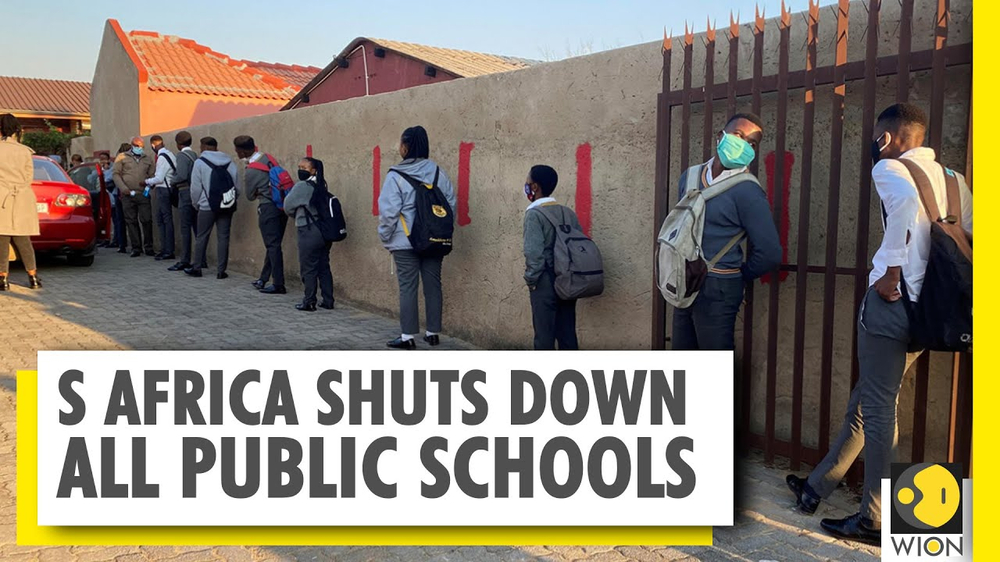
Amid soaring COVID-19 infections, South Africa surpassed 400,000 confirmed cases, prompting decisive action from authorities to curb the spread of the virus. In a bid to contain the surge, the government made the tough decision to close schools for a month.
With the number of cases steadily climbing, reaching the grim milestone of over 400,000 infections underscored the severity of the situation. The move to shut schools was a preventative measure aimed at reducing opportunities for the virus to spread among students and staff. This decision came in light of the concerning trajectory of the pandemic in the country, emphasizing the need for proactive steps to safeguard public health.
The closure of schools for a month carried implications for students, teachers, and parents alike. It interrupted the learning process, requiring institutions to adapt to remote teaching methods to ensure continuity in education. Families had to navigate the challenges of balancing work and childcare responsibilities during this period of extended school closure.
The decision to shut schools reflected the government's commitment to prioritizing the health and safety of the population in the face of escalating COVID-19 cases. By taking this proactive measure to limit potential transmission within educational settings, authorities aimed to mitigate the strain on the healthcare system and protect vulnerable individuals from the impacts of the virus.
As the country grappled with the impact of the pandemic, the closure of schools for a month served as a crucial intervention to help flatten the curve and control the spread of COVID-19. This development highlighted the ongoing efforts to manage the crisis and safeguard public health in South Africa.
#SouthAfrica #COVID19 #SchoolClosure #PublicHealth #PandemicResponse
View details2018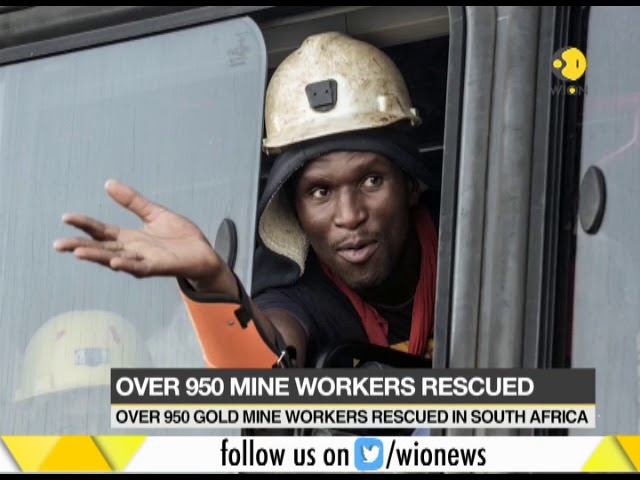
In Welkom town, South Africa, a group of 955 miners were successfully rescued after being trapped underground for 2 days in the Beatrix gold mine. The miners got stuck due to a power outage that disabled the elevators, preventing their timely ascent to the surface.
The rescue operation involved a coordinated effort between the mine's management, emergency services, and the South African government. Multiple communication channels were established with the miners to ensure their safety and provide them with supplies while they were waiting to be brought to the surface.
Once power was restored, the miners were lifted to safety one by one using a sturdy elevator system. Medical teams were on standby to assess the miners' health conditions upon their rescue, with only a few cases of dehydration and high blood pressure reported. Fortunately, there were no serious injuries or casualties among the trapped miners.
The successful rescue of all 955 miners was a relief to their families, colleagues, and the entire nation. It showcased the effectiveness of emergency protocols and the dedication of the rescue teams involved in the operation. The event also sparked discussions about improving safety measures in mines to prevent similar incidents in the future.
This incident highlighted the risks faced by miners in the industry and the importance of stringent safety regulations. It also shed light on the resilience and teamwork displayed by all parties involved in the rescue mission, which ultimately led to the positive outcome.
#MineSafety #Teamwork #EmergencyResponse #SouthAfrica #RescueMission
View details2016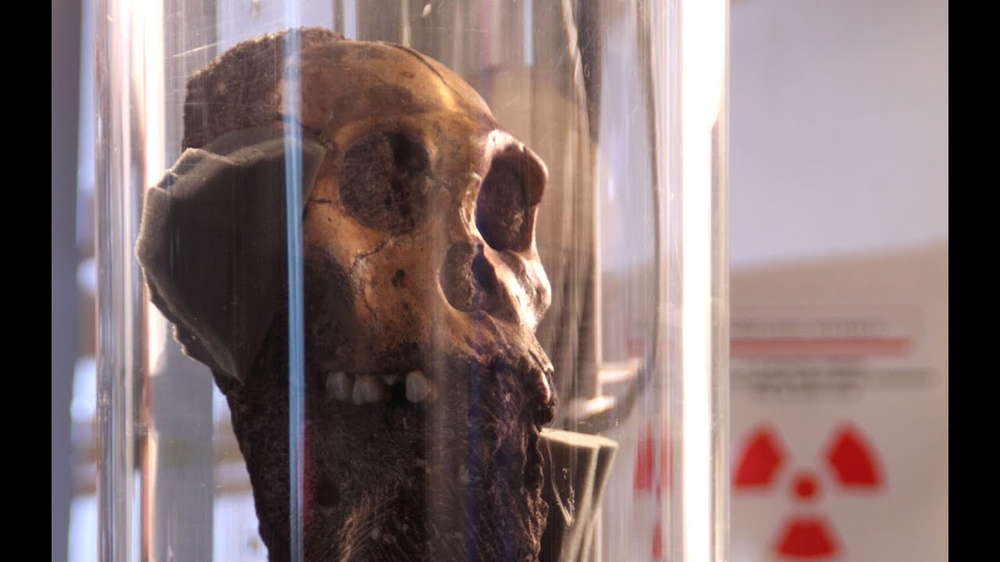
The discovery of the earliest evidence of cancer in a 1.7 million-year-old toe fossil from Swartkrans Cave, South Africa, sheds light on the ancient history of this disease. This finding is significant as it provides valuable insights into the prevalence of cancer in early human ancestors.
The fossil was found to have a tumor on the toe bone, resembling osteosarcoma, a type of bone cancer. This discovery challenges previous beliefs that cancer is a modern disease, showing that it has been affecting living beings for much longer than previously thought.
By analyzing ancient fossils for signs of disease, researchers can better understand the health conditions of early humans and their evolutionary history. This discovery contributes to the field of paleo-oncology, which investigates the presence of cancer in ancient populations.
Studying ancient cases of cancer can also provide valuable information for modern research, helping to improve our understanding and treatment of this disease. It highlights the importance of interdisciplinary research that combines fields such as archaeology, anthropology, and medicine.
The discovery of cancer in a 1.7 million-year-old toe fossil from South Africa is a reminder that this disease has affected living beings throughout history and continues to be a significant health challenge today. It underscores the resilience and adaptability of humans in the face of diseases, both in the past and present.
#AncientCancer #PaleoOncology #SouthAfricaDiscovery
View details2014
In 2013, South Africa was gripped by the high-profile trial of Oscar Pistorius, a celebrated Paralympian, for the murder of his girlfriend, Reeva Steenkamp. The case attracted worldwide attention due to Pistorius's fame and the tragic circumstances of Steenkamp's death.
Background
Oscar Pistorius, born on November 22, 1986, is a South African sprint runner who made history as a double amputee competing in both Paralympic and Olympic Games. Known as the "Blade Runner" for his use of carbon-fiber prosthetic legs, Pistorius was a national hero and an inspirational figure in sports.
Reeva Steenkamp, born on August 19, 1983, was a South African model and law graduate. She was known for her work in modeling and television, and she was an advocate for women's rights.
The Incident
On February 14, 2013, Reeva Steenkamp was shot and killed in Pistorius's home in Pretoria. Pistorius claimed that he had mistaken her for an intruder, shooting through a locked bathroom door in a state of panic. He fired four shots, which resulted in her death. The incident shocked the nation and led to a media frenzy, given Pistorius's high profile and the brutal nature of Steenkamp's death.
The Trial
The trial began on March 3, 2014, at the North Gauteng High Court in Pretoria, with Judge Thokozile Masipa presiding. The prosecution, led by Gerrie Nel, argued that Pistorius had intentionally killed Steenkamp in a fit of rage following an argument. They presented evidence suggesting premeditation, including testimonies from neighbors who claimed to have heard arguments and screams prior to the shooting.
The defense, led by Barry Roux, contended that Pistorius had made a tragic mistake, acting out of fear for his safety due to his vulnerability without his prosthetic legs. Pistorius testified, describing his deep remorse and asserting that he believed Steenkamp was an intruder.
Key Evidence and Testimonies
Forensic Evidence: The prosecution's forensic experts provided detailed analysis of the crime scene, including the trajectory of the bullets and the position of Steenkamp's body, suggesting she was standing and then fell into a sitting position when shot.
Witness Testimonies: Neighbors and experts testified about the events leading up to the shooting. The defense challenged these testimonies, aiming to discredit the reliability of witnesses.
Pistorius's Testimony: Pistorius took the stand, giving an emotional account of the events, expressing his grief and insisting on his version of the story. The cross-examination was intense, with prosecutor Gerrie Nel attempting to expose inconsistencies in Pistorius's account.
Verdict and Sentencing
On September 12, 2014, Judge Masipa delivered her verdict. Pistorius was acquitted of the premeditated murder charge but found guilty of culpable homicide (equivalent to manslaughter), concluding that his actions were negligent but not intentional. He was also found guilty of one count of reckless endangerment involving a firearm discharge in a separate incident.
On October 21, 2014, Pistorius was sentenced to five years in prison for culpable homicide and a concurrent three-year suspended sentence for the firearms charge. However, in December 2015, after an appeal by the prosecution, the Supreme Court of Appeal overturned the culpable homicide conviction and found Pistorius guilty of murder, concluding that he should have foreseen the fatal consequences of his actions.
Re-Sentencing
In July 2016, Pistorius was re-sentenced to six years in prison for murder. The prosecution appealed again, arguing that the sentence was too lenient. In November 2017, the Supreme Court of Appeal increased the sentence to 13 years and five months, reflecting the gravity of the crime.
Impact and Legacy
The Pistorius trial had a profound impact on South African society, highlighting issues of domestic violence, gun control, and the legal system's handling of high-profile cases. It also sparked widespread debate about privilege, justice, and the influence of celebrity status in legal proceedings.
#MomentsOfLife #MoofLife_Moment #MoofLife #OscarPistorius #ReevaSteenkamp #Trial #Justice #SouthAfrica #LegalHistory
View details2013
In 2012, South Africa made strides towards socio-economic transformation with the adoption of the National Development Plan {NDP}. This comprehensive blueprint aimed at eradicating poverty and reducing inequality in the country.
The NDP was developed to address the various challenges faced by post-apartheid South Africa, including high levels of unemployment, inequalities in access to basic services, and a struggling economy. The plan focused on promoting inclusive growth, increasing investment in education and skills development, improving healthcare services, and enhancing social cohesion.
The impact of the NDP was significant, as it provided a long-term vision and strategic framework for sustainable development. It garnered support from various stakeholders, including government, civil society, and the private sector. The plan aimed to create a more equal society where all South Africans could have access to opportunities and live dignified lives.
One key aspect of the NDP was its emphasis on job creation through infrastructure development, small business support, and skills training programs. By investing in these areas, the plan sought to stimulate economic growth and reduce the high unemployment rate in the country.
Overall, the adoption of the NDP signaled a commitment to addressing the root causes of poverty and inequality in South Africa. It laid the foundation for long-term sustainable development and socio-economic transformation. The plan aimed to create a more inclusive society where all citizens could contribute to and benefit from the country's progress.
#SouthAfrica #NationalDevelopmentPlan #PovertyElimination #InequalityReduction #SocioEconomicTransformation
View details2012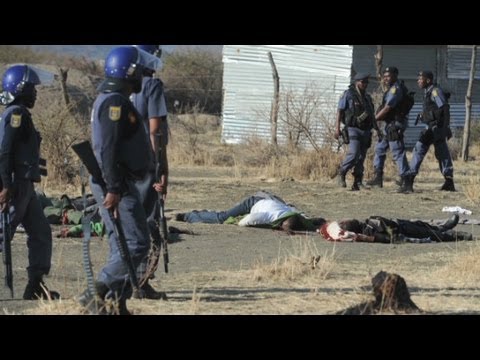
During a mining strike in a South African town, tensions escalated as police authorities were called in to manage the protest. The strike was driven by mine workers demanding higher wages and better working conditions. As negotiations between the miners and the mining company reached a standstill, the atmosphere grew increasingly volatile. The police were deployed to disperse the striking workers, armed with tear gas and rubber bullets. However, the situation took a tragic turn when the police decided to open fire on the miners.
The gunfire resulted in the deaths of at least 34 people, with many more sustaining injuries. The incident sparked outrage and condemnation both locally and internationally, shedding light on the ongoing struggles faced by workers in the mining industry. The South African government launched an investigation into the shooting, aiming to hold those responsible for the deaths accountable.
The event highlighted the deep-rooted issues surrounding labor rights and working conditions in South Africa, particularly in the mining sector. It brought to the forefront the challenges faced by workers in their fight for fair wages and safe working environments. The tragic loss of life underscored the need for meaningful dialogue and systemic change to prevent such incidents from occurring in the future.
#SouthAfrica #MiningStrike #LaborRights #PoliceBrutality #SocialJustice
View details2010
In ***South Africa***, history was made when the country hosted the ***2010 FIFA World Cup***, marking the first time the prestigious tournament took place on African soil.
The decision to award South Africa the opportunity to host the tournament was not only a significant milestone for the country but also a major step towards promoting football on the African continent. It was a chance to showcase the rich culture, warm hospitality, and vibrant spirit of South Africa to the world, while also improving infrastructure and stimulating economic growth.
The impact of hosting the World Cup extended beyond sport. The tournament brought together people of different nations, cultures, and backgrounds, fostering unity and promoting diversity. It provided an opportunity for South Africa to challenge stereotypes and misconceptions, highlighting its progress and potential on a global stage.
From a logistical standpoint, the event required extensive preparation and coordination. Stadiums were built or renovated, transportation networks were upgraded, and security measures were implemented to ensure the safety and comfort of players, officials, and fans. The efforts put into hosting the tournament left a lasting legacy for South Africa, with improved infrastructure benefiting the country long after the World Cup had ended.
The success of the ***2010 FIFA World Cup*** in South Africa was evident not only in the thrilling matches played on the field but also in the positive impact it had on the country and the continent as a whole. It was a testament to the power of sport to bring people together, inspire change, and leave a lasting legacy for generations to come.
#SouthAfrica #FIFAWorldCup #AfricanHost
View details2006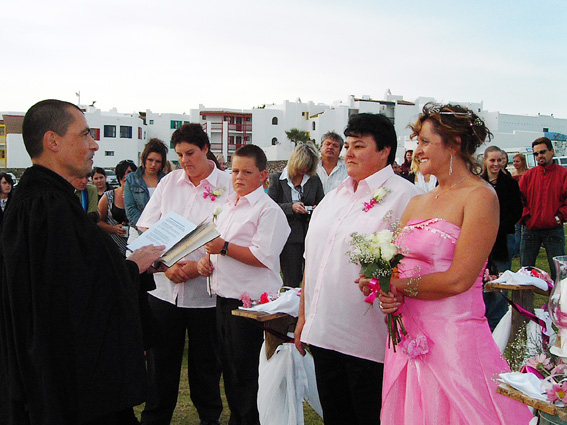
South Africa passed the Civil Union Act, legalizing same-sex marriage, making it the fifth country worldwide and the first in Africa to allow such unions. The Act was born out of a Constitutional Court ruling that declared the previous marriage laws discriminated against same-sex couples.
The passing of the Civil Union Act was a significant victory for LGBTQ+ rights in South Africa and globally. It marked a pivotal moment in the fight for equality and acceptance. The Act not only granted same-sex couples the legal right to marry but also provided them with the same legal benefits and protections as heterosexual couples.
In addition to the legal implications, the passing of the Civil Union Act had a profound social impact. It symbolized a step towards a more inclusive and tolerant society. By recognizing and legally sanctioning same-sex marriages, South Africa sent a powerful message of acceptance and respect for the LGBTQ+ community.
The passing of the Civil Union Act sparked discussions and debates nationwide, with both supporters and opponents voicing their opinions. However, over time, the Act came to be accepted as a positive step towards equality and diversity.
Overall, the legal recognition of same-sex marriage through the Civil Union Act was a landmark moment in South Africa's history. It not only affirmed the rights of the LGBTQ+ community but also reaffirmed the country's commitment to upholding equality and human rights for all its citizens.
#SouthAfrica #CivilUnionAct #SameSexMarriage #LGBTQ+ #Equality
View details2004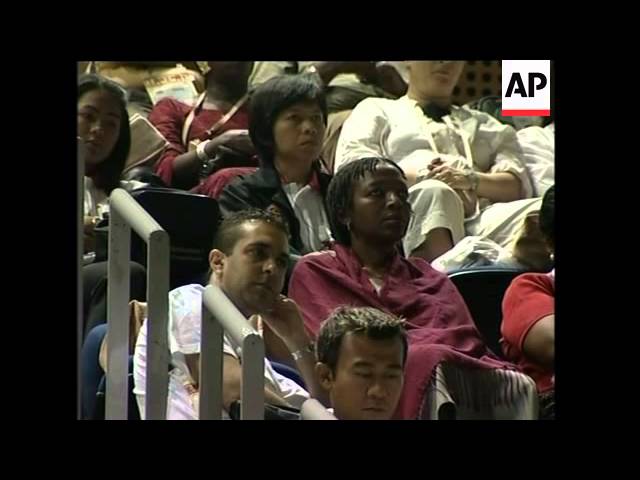
In July 2004, former South African President Nelson Mandela urged the global community to intensify efforts in combating the AIDS pandemic. Speaking at the 15th International AIDS Conference in Bangkok, Thailand, Mandela called for a focused and sustained commitment to tackle the disease, emphasizing the need for action at the individual, community, and governmental levels.
Mandela's address highlighted the urgency of the AIDS crisis, particularly in Africa where the epidemic was most severe. He emphasized the importance of prevention, treatment, and care in addressing the challenges posed by the disease. Mandela's call to action resonated with many attendees at the conference, drawing attention to the need for increased funding, research, and support for those affected by HIV/AIDS.
The event marked a significant moment in the global fight against AIDS, with Mandela's powerful words serving as a catalyst for renewed commitment and collaboration. His advocacy helped raise awareness about the impact of the disease and the importance of solidarity in addressing it. Mandela's leadership and moral authority inspired individuals and organizations to redouble their efforts in the battle against HIV/AIDS.
Overall, Nelson Mandela's call for action against AIDS at the 15th International AIDS Conference underscored the importance of unity and determination in confronting one of the most pressing public health challenges of our time.
#NelsonMandela #AIDS #GlobalHealth #HIVPrevention #CommunitySupport
View details2002
Earth Summit 2002 commenced in Johannesburg, South Africa, sparking global discussions on sustainable development. With the participation of over 100 world leaders, the event aimed to address pressing issues such as poverty alleviation, environmental degradation, and social inequality.
The summit built upon the environmental agreements made at the 1992 Rio Earth Summit, focusing on practical solutions and concrete actions. Key topics included access to clean water, renewable energy sources, biodiversity preservation, and the impact of globalization on developing nations.
Delegates engaged in dialogues, negotiations, and workshops towards creating a comprehensive plan of action known as the Johannesburg Plan. This document outlined targets and strategies for sustainable development, emphasizing the need for cooperation among governments, businesses, and civil society.
The summit's impact extended beyond governmental policies, inspiring grassroots movements and environmental initiatives worldwide. It highlighted the interdependence of economic, social, and environmental aspects of sustainability, emphasizing the urgency of collective action in combating climate change and promoting global well-being.
Participants recognized the need for long-term commitment to sustainability, acknowledging the shared responsibility of all nations in safeguarding the planet for future generations. The summit underscored the importance of balancing economic growth with environmental stewardship, advocating for inclusive development that benefits all people.
Overall, Earth Summit 2002 in Johannesburg served as a significant platform for advancing global environmental governance and promoting sustainable practices. The outcomes of the summit laid the groundwork for continued efforts in achieving a more equitable and resilient world.
#EarthSummit #SustainableDevelopment #GlobalAction #JohannesburgPlan
View details1996
The Truth and Reconciliation Commission was established in South Africa to confront the apartheid-era injustices that occurred during the country's dark past. The commission was formed to investigate human rights violations committed by all sides and offer amnesty to those who confessed their crimes. There were public hearings where victims could tell their stories and perpetrators could admit to their actions.
The impact of the Truth and Reconciliation Commission was profound, as it provided a platform for healing and closure for many South Africans who had suffered under the oppressive regime. It allowed for the truth to be brought to light and for perpetrators to be held accountable for their actions. The commission's work helped to foster national unity and reconciliation, laying the groundwork for a more just and inclusive society.
The commission's efforts were not without challenges, as some criticized the amnesty process for allowing perpetrators to avoid prosecution. However, it was seen as a necessary step towards national healing and moving forward as a nation. The work of the Truth and Reconciliation Commission continues to be a crucial part of South Africa's history and serves as a reminder of the importance of confronting the past in order to build a better future.
#TruthAndReconciliation #HumanRights #SouthAfricaUnite
View details1994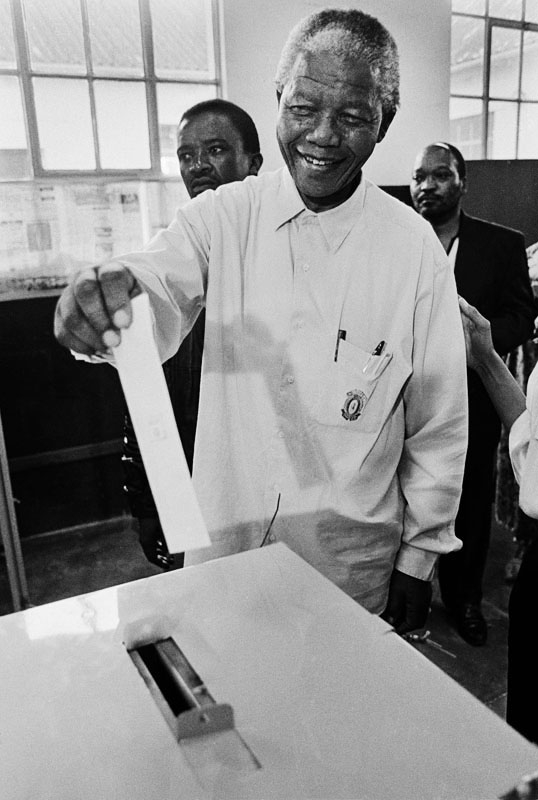
Nelson Mandela's inauguration as the first black President of South Africa marked a pivotal moment in the country's history. After decades of apartheid rule, Mandela's election symbolized a new era of reconciliation and unity. Mandela had spent 27 years in prison for his anti-apartheid activism before emerging as a key figure in the negotiations that led to the end of apartheid.
His inauguration ceremony was attended by numerous world leaders and dignitaries, reflecting the global significance of the event. Mandela's presidency was characterized by efforts to heal the wounds of the past and build a more inclusive society. His leadership helped prevent a potential civil war and laid the foundation for a democratic South Africa.
Mandela's presidency was not without challenges, as he grappled with the legacy of apartheid, socio-economic disparities, and high expectations from the South African people. Despite these challenges, Mandela's commitment to reconciliation and nation-building earned him respect both locally and internationally.
The inauguration of Nelson Mandela as South Africa's first black President was a momentous occasion that brought hope and optimism to the country and the world. Mandela's legacy continues to inspire generations to strive for equality, justice, and peace.
#NelsonMandela #SouthAfrica #Inauguration #Apartheid #Reconciliation
View detailsIn April 1994, a historic event unfolded in South Africa as the Peace Accords were signed, bringing an end to apartheid and setting the stage for democratic elections. This marked a significant turning point in the country's history, symbolizing the culmination of years of struggle against institutionalized racial segregation and oppression.
The Peace Accords were the result of intense negotiations involving various political parties, including the African National Congress (ANC) led by Nelson Mandela and the National Party representing the white minority government. The agreement paved the way for the dismantling of apartheid laws and the establishment of a new constitutional framework that enshrined the principles of equality and democracy.
As a result of the Peace Accords, South Africa was able to conduct its first inclusive elections, where citizens of all races were able to participate. In those elections, Nelson Mandela emerged as the country's first black president, ushering in a new era of reconciliation and unity.
The impact of the Peace Accords was profound, not only in South Africa but also on a global scale. The peaceful transition from apartheid to democracy served as a beacon of hope and inspiration for oppressed peoples around the world, demonstrating the power of dialogue and negotiation in resolving conflicts.
The signing of the Peace Accords marked a new beginning for South Africa, as the country embarked on a journey towards healing and nation-building. The legacy of this historic event continues to resonate today, reminding us of the importance of pursuing peace, justice, and equality in the face of adversity.
#SouthAfrica #PeaceAccords #EndOfApartheid #DemocraticElections #NelsonMandela #Reconciliation
View details
1993
After years of international isolation due to its apartheid policies, South Africa regained its seat in the United Nations. This marked a significant step towards the country's reintegration into the global community. The apartheid system, which enforced racial segregation and discrimination, had led to widespread condemnation and sanctions against South Africa.
The decision to readmit South Africa to the United Nations was a result of the country's efforts to dismantle the apartheid system and transition to a more inclusive democracy. The international community recognized these efforts and welcomed South Africa back into the fold of nations. This event also signaled a shift in the country's foreign relations, as it sought to engage with the world on issues such as human rights, peacekeeping, and development.
South Africa's return to the United Nations had a profound impact on the country's international standing and reputation. It allowed South Africa to participate in global decision-making and contribute to discussions on a wide range of issues affecting the international community. By reclaiming its seat in the United Nations, South Africa signaled its commitment to upholding the principles of equality, justice, and cooperation.
Overall, South Africa's reentry into the United Nations was a momentous occasion that symbolized the country's journey towards reconciliation and inclusion on the world stage. It represented a new chapter in South Africa's history, one in which it could actively participate in shaping the future of the global community.
#SouthAfrica #UnitedNations #ApartheidLegacy #GlobalReintegration #InternationalCommunity
View details1990
Inkatha Freedom Party supporters clashed with members of the United Democratic Front in Natal, resulting in a devastating battle that left 50 people dead. The conflict stemmed from long-standing tensions between the two political groups, rooted in their differing views on how to achieve equality and democracy in South Africa.
The Inkatha Freedom Party, led by Chief Mangosuthu Buthelezi, advocated for a more traditional approach to governance, emphasizing tribal authority and autonomy. In contrast, the United Democratic Front was a coalition of anti-apartheid organizations pushing for nonviolent protests and international sanctions to dismantle the apartheid system.
The deadly confrontation in Natal highlighted the deep divisions within South African society during a turbulent period of political transition. The violence not only claimed the lives of many individuals but also heightened fears of escalating conflict and instability in the region.
The incident prompted widespread condemnation and calls for peaceful resolution from both domestic and international actors. It underscored the urgent need for reconciliation and dialogue to address the underlying grievances fueling the violence.
In the aftermath of the tragic event, efforts were made to mediate between the warring factions and prevent further bloodshed. The government, civil society groups, and religious leaders all played a role in facilitating dialogue and promoting understanding between Inkatha and UDF supporters.
Despite the loss of life and the deep scars left by the confrontation, the event served as a stark reminder of the dangers of political polarization and the importance of seeking common ground in pursuit of a more just and inclusive society.
#SouthAfrica #PoliticalConflict #Violence #Reconciliation #Apartheid
View detailsNelson Mandela's release from prison marked a pivotal moment in South Africa's history. After 27 years of incarceration for his anti-apartheid activism, Mandela walked out of Victor Verster Prison, a symbol of the fight against racial segregation. His release was the result of international pressure and negotiations with the apartheid government.
Mandela's imprisonment had made him a global icon for freedom and justice. His resilience and commitment to peaceful resistance inspired a movement against apartheid both within South Africa and around the world. Mandela's release signaled hope for the end of racial oppression and the dawn of a new era in South Africa.
Upon his release, Mandela continued his efforts to dismantle apartheid through negotiations with President F.W. de Klerk. These talks led to the eventual abolition of apartheid and the establishment of free and fair democratic elections. Mandela's journey from prisoner to president exemplified forgiveness and reconciliation, laying the foundation for a more inclusive and democratic South Africa.
Mandela's release from prison was a momentous event that forever changed the course of South African history. It marked the beginning of a new chapter of hope, unity, and democracy in the country. Mandela's legacy continues to inspire generations to stand up against oppression and fight for equality and justice.
#NelsonMandela #SouthAfrica #Apartheid #Freedom #Justice #Democracy
View details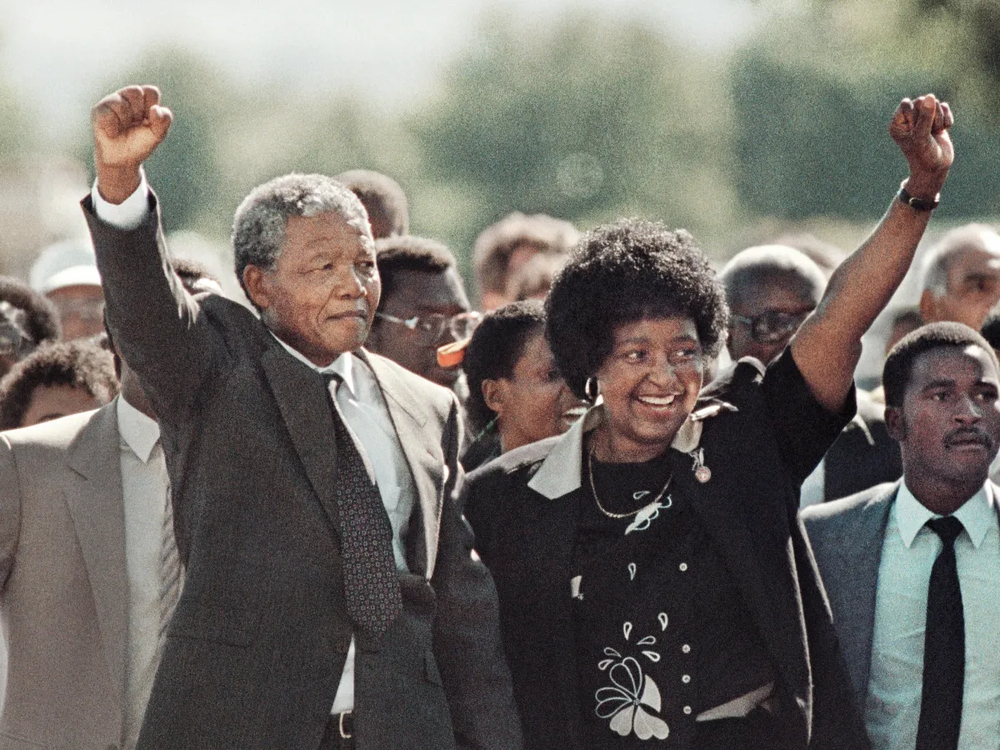
1987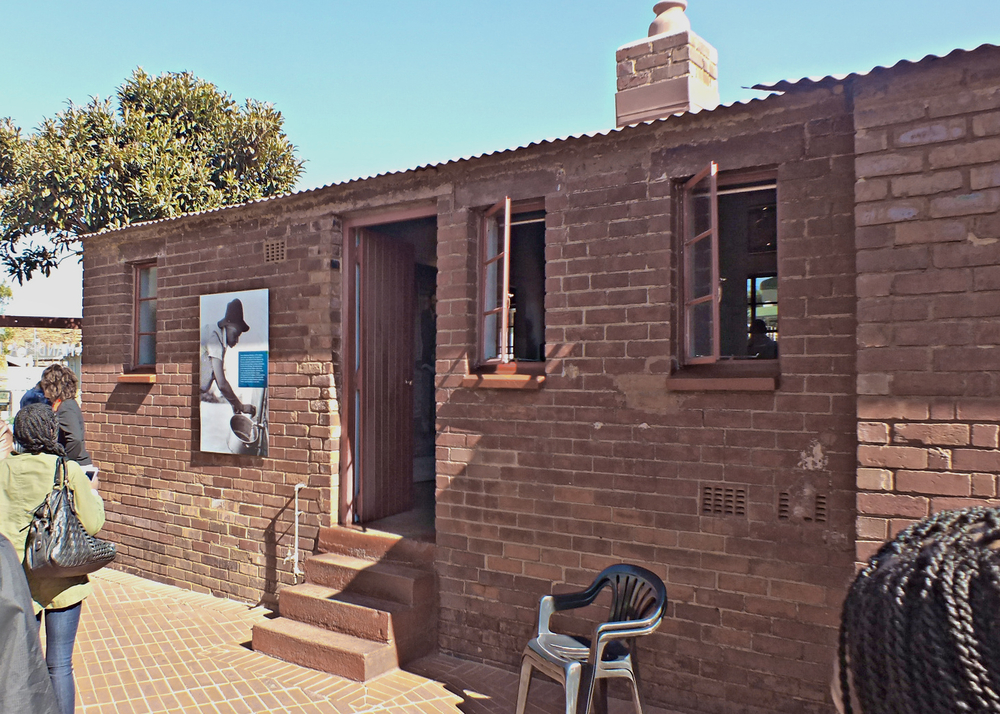
Winnie Mandela's residence in Soweto, South Africa, was targeted by arsonists, resulting in its destruction. The incident took place amidst the political turmoil in the country. Winnie Mandela, a prominent anti-apartheid activist and ex-wife of Nelson Mandela, was not present during the attack. The motive behind the arson was believed to be linked to the ongoing struggle against apartheid.
The destruction of Winnie Mandela's home had a significant impact on the community, sparking outrage and condemnation from both local and international audiences. The incident served as a stark reminder of the dangers faced by those who fought against the oppressive regime. It also highlighted the personal sacrifices made by individuals like Winnie Mandela in the pursuit of freedom and equality.
The arson attack on Winnie Mandela's residence underscored the volatile and precarious environment in which activists operated during that time. It symbolized the lengths to which opponents of apartheid would go to silence dissent and instill fear. Despite the destruction of her home, Winnie Mandela remained resolute in her dedication to the anti-apartheid movement.
The event resonated with people around the world, drawing attention to the ongoing struggle for justice and equality in South Africa. It served as a rallying cry for continued resistance against the oppressive regime and a call to action for those committed to the cause of freedom.
#WinnieMandela #SouthAfrica #Apartheid #Activism #Resistance
View details1984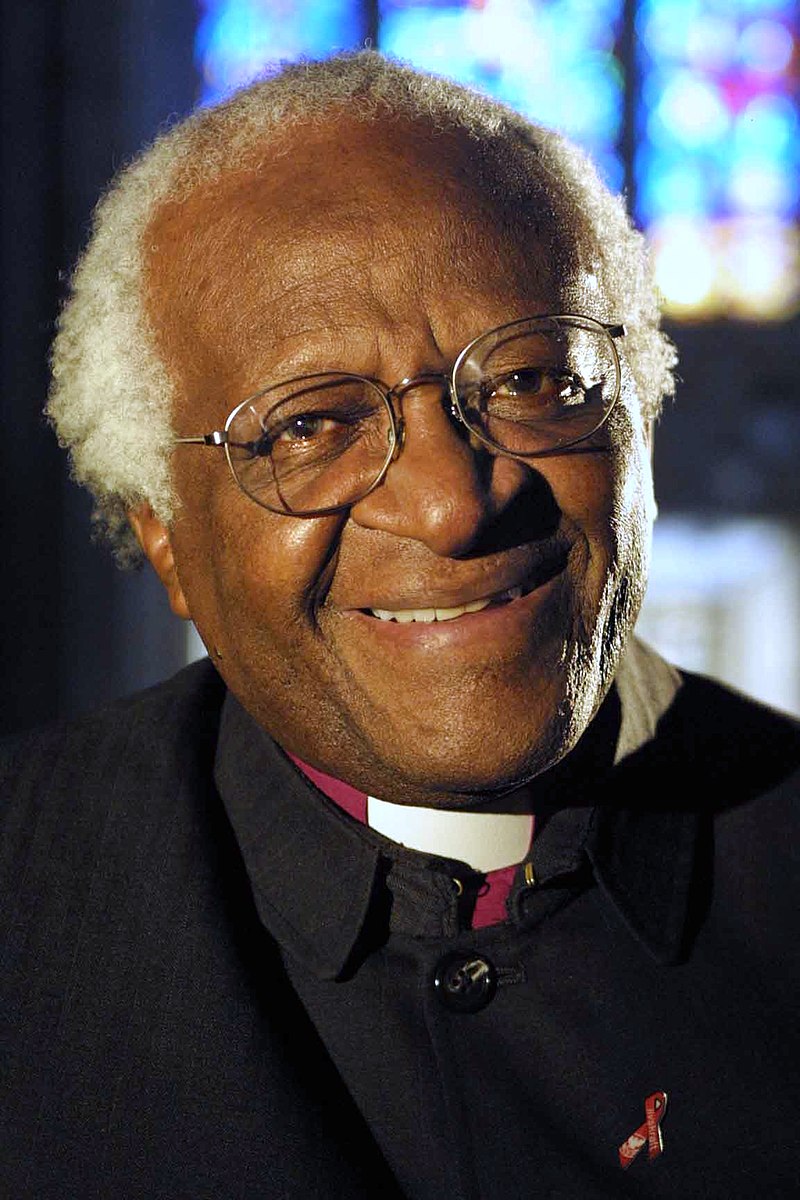
On October 16, 1984, Archbishop Desmond Tutu was awarded the Nobel Peace Prize for his courageous and unwavering opposition to apartheid, South Africa’s institutionalized system of racial segregation and discrimination. Tutu's leadership and moral authority were instrumental in mobilizing both domestic and international resistance to apartheid, advocating for peaceful reconciliation rather than violent confrontation.
Early Life and Career
Desmond Mpilo Tutu was born on October 7, 1931, in Klerksdorp, South Africa. Initially trained as a teacher, he later turned to theology, becoming an Anglican priest in 1960. Tutu's deep religious conviction and commitment to social justice led him to become a prominent voice against apartheid.
Role in the Anti-Apartheid Movement
Tutu rose to international prominence in the 1970s and 1980s as a key figure in the anti-apartheid movement. As the Bishop of Lesotho, and later as the General Secretary of the South African Council of Churches, Tutu used his platform to denounce the injustices of apartheid. His message was clear: apartheid was a sin and needed to be dismantled through peaceful means. He called for economic sanctions and international pressure on the South African government, believing that these measures would force the regime to negotiate and end apartheid.
Nobel Peace Prize
The Nobel Committee awarded Tutu the Peace Prize in recognition of his role as a unifying figure in the campaign for racial equality in South Africa. The committee highlighted his “role as a unifying leader figure in the campaign to resolve the problem of apartheid in South Africa.” This award brought significant international attention to the anti-apartheid cause and further isolated the South African government.
Impact of the Nobel Prize
Receiving the Nobel Peace Prize greatly amplified Tutu’s influence and the anti-apartheid movement. It provided him with a larger global platform to advocate for the end of apartheid and to call for non-violent resistance and reconciliation. Tutu's approach was marked by his strong Christian faith and belief in forgiveness, which later played a crucial role in South Africa's transition to democracy.
Post-Nobel Activities
Following the award, Tutu continued to be a prominent figure in South Africa's journey towards democracy. He was appointed the Archbishop of Cape Town in 1986, becoming the first black person to lead the Anglican Church in South Africa. After the end of apartheid, President Nelson Mandela appointed Tutu to chair the Truth and Reconciliation Commission (TRC) in 1995. The TRC aimed to uncover the truth about human rights violations that occurred during the apartheid era and to promote national healing and reconciliation. Tutu's leadership in the TRC was characterized by his deep empathy and commitment to restorative justice.
Legacy
Archbishop Desmond Tutu's receipt of the Nobel Peace Prize cemented his legacy as a symbol of peace and justice. His unwavering stand against apartheid and his advocacy for non-violent resistance inspired many both within South Africa and globally. Tutu's emphasis on reconciliation, forgiveness, and human dignity continues to resonate as a powerful message of hope and moral integrity.
#MomentsOfLife #MoofLife_Moment #MoofLife #DesmondTutu #NobelPeacePrize #AntiApartheid #SouthAfricaHistory #PeacefulResistance #HumanRights
View detailsPieter Willem Botha, commonly known as P.W. Botha, was a pivotal figure in South African history. His election as State President on September 3, 1984, marked a significant moment in the country's complex political landscape, characterized by the enforcement and eventual unraveling of apartheid, the institutionalized system of racial segregation and discrimination.
Political Landscape Prior to Botha's Presidency
Before becoming State President, Botha had been serving as Prime Minister since 1978, succeeding John Vorster. During his tenure as Prime Minister, Botha implemented several policies aimed at preserving white minority rule, while also attempting to placate international criticism and internal unrest. His administration was known for its "total strategy" approach, which combined military force and reformist measures to maintain control.
Election as State President
Botha's election as State President came about following significant constitutional changes. The new constitution, enacted in 1983, established a Tricameral Parliament, which included separate houses for whites, coloureds (mixed-race people), and Indians, but notably excluded the black African majority. This system aimed to give a semblance of political representation to non-white groups while ensuring white dominance.
The office of State President replaced the ceremonial position with an executive role, combining the head of state and head of government. This shift effectively gave Botha unprecedented power. His election by the predominantly white electoral college was emblematic of the apartheid regime's reluctance to cede any real political power to the non-white population.
Botha's tenure saw intensified resistance from within and outside South Africa. The African National Congress (ANC) and other anti-apartheid organizations ramped up their efforts, leading to widespread protests, strikes, and civil disobedience. The government's response was typically harsh, involving violent crackdowns and states of emergency declared in 1985 and 1986.
Internationally, Botha's regime faced mounting pressure. Economic sanctions, diplomatic isolation, and cultural boycotts from countries and organizations worldwide highlighted the growing condemnation of apartheid. Despite Botha's efforts to reform and modernize apartheid, these measures only deepened South Africa's pariah status on the global stage.
P.W. Botha's election as State President of South Africa represents a crucial juncture in the nation's history. His tenure is a testament to the complexities of maintaining an oppressive regime in the face of inevitable change and the relentless pursuit of justice by those oppressed.
#MomentsOfLife #MoofLife_Moment #MoofLife #SouthAfricaHistory #ApartheidEra #PWBotha #PoliticalReform #ResistanceAndRepression
View details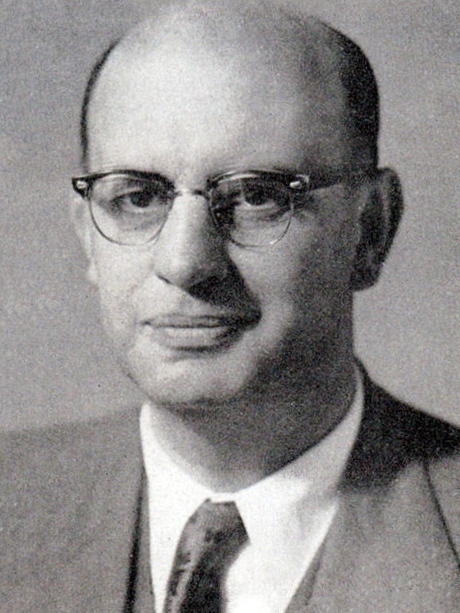
1983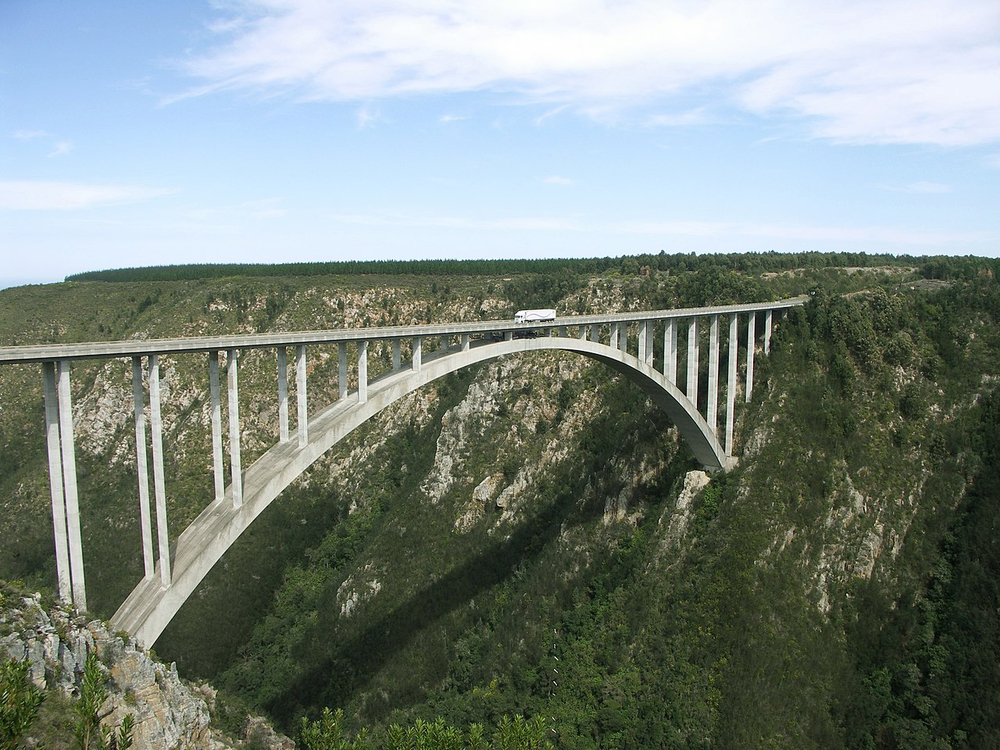
The Bloukrans Bridge, located in the Western Cape province of South Africa, is a remarkable engineering feat that stands as the highest concrete arch bridge in Africa. Officially opened in 1984, the bridge spans the Bloukrans River and has become an iconic landmark, attracting both engineering enthusiasts and thrill-seekers from around the world.
Construction and Design
The Bloukrans Bridge was designed by the South African company Murray & Roberts, with construction commencing in 1980 and concluding in 1983. The project aimed to improve the transport infrastructure along the N2 national route, which connects the cities of Cape Town and Durban. The bridge's primary function was to facilitate traffic flow across the deep gorge carved by the Bloukrans River, significantly enhancing connectivity in the region.
Opening and Significance
The official opening of the Bloukrans Bridge in 1984 marked a significant milestone in South African civil engineering. It was celebrated for its advanced design, construction techniques, and the role it played in improving transportation infrastructure. The bridge quickly gained recognition as a landmark achievement, symbolizing progress and innovation.
Adventure Tourism
Beyond its functional role in transportation, the Bloukrans Bridge has gained international fame as a premier bungee jumping destination. The bridge hosts the world’s highest commercially operated bungee jump, with a jump height of 216 meters. Operated by Face Adrenalin since 1997, the bungee jump has become a major attraction, drawing adrenaline junkies from across the globe.
Engineering Challenges
Constructing the Bloukrans Bridge posed significant engineering challenges due to the height and the terrain of the gorge. The project required precise calculations and innovative techniques to ensure the stability and safety of the structure. The successful completion of the bridge demonstrated South Africa's capability in executing large-scale engineering projects and contributed to the global reputation of its engineering sector.
#MomentsOfLife #MoofLife_Moment #MoofLife #BloukransBridge #EngineeringMarvel #SouthAfricaLandmarks #HighestArchBridge #BungeeJumping #CivilEngineering #TravelAndAdventure
View details1976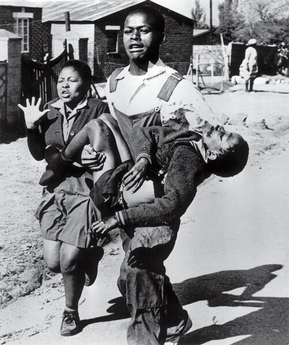
The Soweto Uprising was a turning point in South Africa's history, when students protested against the mandatory use of Afrikaans in schools. The policy aimed to marginalize black students by imposing the language of the apartheid government. On the fateful day, the peaceful demonstration turned violent as police opened fire on the unarmed students.
The impact of the Soweto Uprising was devastating, with hundreds of students losing their lives and many more injured. The brutal crackdown drew international condemnation and sparked further resistance against apartheid. The event fueled the anti-apartheid movement and garnered support for the struggle for equal rights in South Africa.
This tragic event highlighted the oppressive nature of the apartheid regime and brought global attention to the injustices faced by black South Africans. The Soweto Uprising symbolized the resistance and resilience of the oppressed people in their fight for freedom and equality.
#SowetoUprising #Apartheid #EqualRights #StudentProtests
View details1964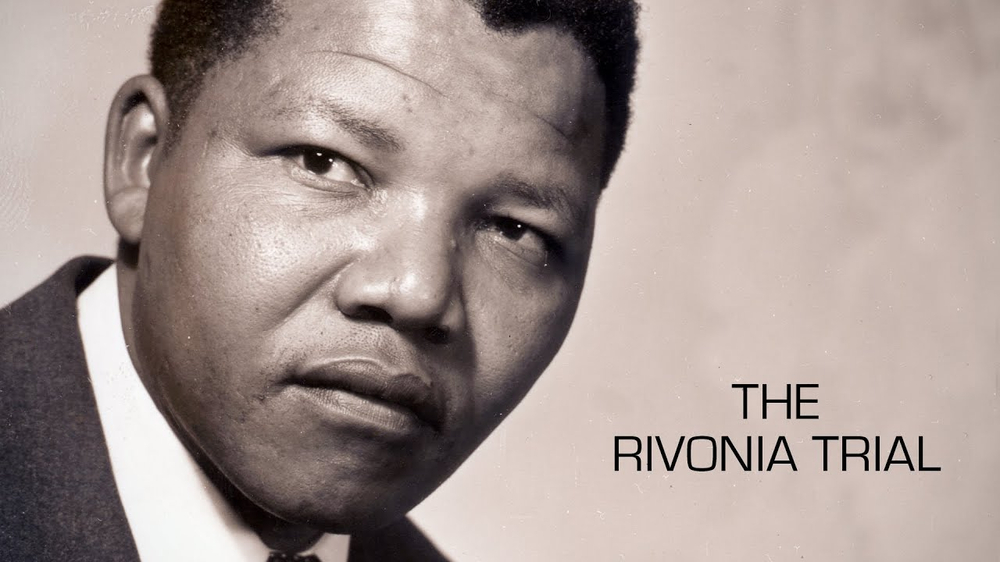
During the Rivonia Trial, Nelson Mandela and seven others were convicted and sentenced to life in prison for planning to overthrow the apartheid government in South Africa. Mandela had been a prominent anti-apartheid activist and leader of the African National Congress (ANC), which was fighting against the racist policies of the government.
The trial took place in the city of Pretoria and lasted several months, drawing international attention to the injustices of the apartheid regime. Mandela and his co-defendants were charged with sabotage and conspiracy to commit guerrilla warfare against the government. Despite facing the death penalty, they chose to use the trial as a platform to denounce apartheid and showcase their commitment to the struggle for freedom and equality.
The sentencing of Mandela and his comrades sent shockwaves throughout South Africa and the world, sparking widespread protests and condemnation of the regime. Mandela's famous speech during the trial, in which he declared his willingness to die for the ideal of a democratic and free society, became a rallying cry for the anti-apartheid movement.
The Rivonia Trial marked a turning point in the struggle against apartheid, galvanizing support for the ANC and other liberation movements. Mandela's imprisonment solidified his status as a symbol of resistance and resilience, inspiring generations of activists to continue the fight for justice and equality.
The legacy of the Rivonia Trial lives on in the ongoing quest for reconciliation and healing in post-apartheid South Africa. Mandela's eventual release from prison in 1990 and his election as the country's first black president in 1994 are testaments to the enduring power of hope and perseverance in the face of oppression.
#RivoniaTrial #NelsonMandela #Apartheid #AntiApartheidStruggle #FreedomFighters #SouthAfrica
View details1960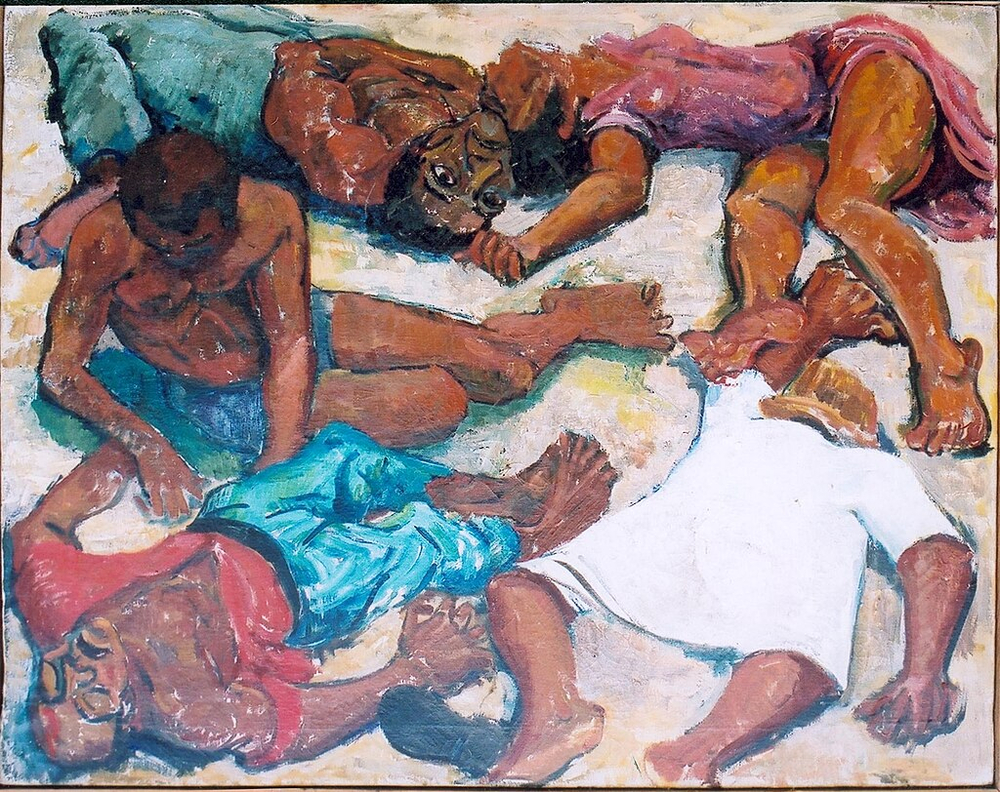
In Sharpeville, South Africa, a peaceful protest against pass laws turned into a tragic event leading to the death of 69 individuals. Pass laws required black South Africans to carry identification documents, limiting their movement and freedom. On that fateful day, a large crowd gathered at the police station in Sharpeville to protest against these discriminatory laws. The atmosphere was tense as the protesters refused to disperse.
As tension escalated, the police opened fire on the crowd without warning, resulting in the deaths of 69 people, with many more injured. The brutal and indiscriminate use of force by the authorities shocked the nation and the international community, sparking outrage and condemnation worldwide. This event highlighted the oppressive nature of the apartheid regime and its disregard for the rights and dignity of black South Africans.
In the aftermath of the Sharpeville Massacre, the African National Congress (ANC) and other anti-apartheid organizations were banned, leading to increased resistance and underground activities. The international community imposed sanctions on South Africa, isolating the country and putting pressure on the government to end apartheid. The Sharpeville Massacre marked a turning point in the struggle against apartheid, galvanizing the fight for justice and equality in South Africa.
The legacy of the Sharpeville Massacre lives on in the collective memory of South Africans, serving as a reminder of the sacrifices made in the struggle for freedom and democracy. It stands as a symbol of resistance against oppression and injustice, inspiring future generations to continue the fight for a more just and equitable society. #SharpevilleMassacre #Apartheid #HumanRights #Resistance
View details1956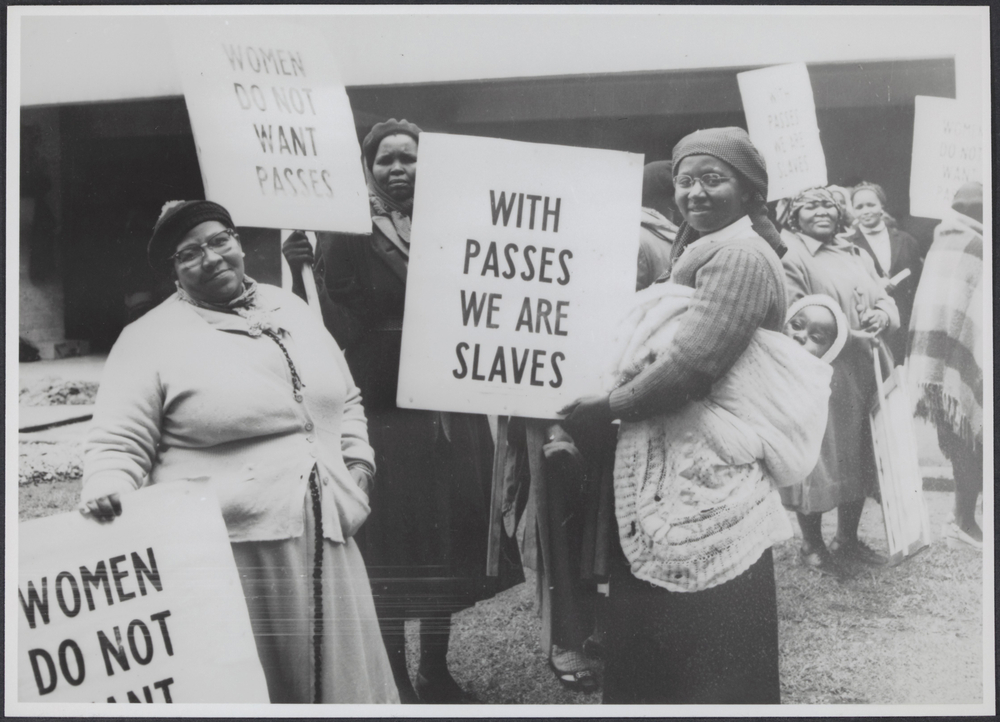
In the event known as the 'South African women demonstrate against pass laws,' thousands of women from all walks of life gathered in Pretoria to protest the discriminatory pass laws imposed by the apartheid government. These laws restricted the movement of black South Africans, requiring them to carry passes at all times.
The demonstration was a remarkable display of unity and strength, as women from different racial and cultural backgrounds came together to voice their opposition to the unjust laws. The protesters marched to the Union Buildings, where they delivered a petition containing more than 20,000 signatures, denouncing the pass laws and demanding equality and freedom of movement.
The impact of the protest was profound, sparking a wave of resistance against apartheid and inspiring future generations of activists. The women who participated in the demonstration showed the world the power of peaceful protest and the determination to fight for justice and equality.
The 'South African women demonstrate against pass laws' event marked a pivotal moment in the struggle against apartheid, highlighting the courage and resilience of South African women in the face of oppression and injustice. The protest served as a catalyst for change, galvanizing support for the anti-apartheid movement and drawing global attention to the plight of black South Africans.
#SouthAfrica #WomenEmpowerment #AntiApartheid #Equality #PeacefulProtest #Unity
View detailsIn South Africa, the discovery of the world's largest diamond, the 3,106-carat Cullinan, caused a stir in the mining industry. The diamond was unearthed at the Premier Mine in Pretoria, known for producing high-quality diamonds. Named after Sir Thomas Cullinan, the mine's chairman, the diamond was remarkable for its size and clarity.
The Cullinan diamond was acquired by the Transvaal government, who deliberated on what to do with this extraordinary gem. Eventually, it was decided to present the diamond as a gift to King Edward VII of the United Kingdom. This gesture was seen as a strategic move to strengthen diplomatic ties between South Africa and the British Empire.
The impact of the discovery of the Cullinan diamond reverberated globally, attracting attention from diamond enthusiasts, investors, and royalty. The diamond's size and brilliance made it a coveted treasure, sparking awe and fascination among those who beheld it.
After being cut into several smaller stones, the Cullinan diamond yielded nine major gems, with the largest two named the Great Star of Africa and the Lesser Star of Africa. These gems found their place among the British Crown Jewels, enhancing their prestige and historical significance.
The discovery of the Cullinan diamond highlighted South Africa's position as a major player in the diamond trade, solidifying its reputation for producing some of the world's most exceptional diamonds.
#SouthAfrica #CullinanDiamond #PremierMine #DiamondTrade
View details
1955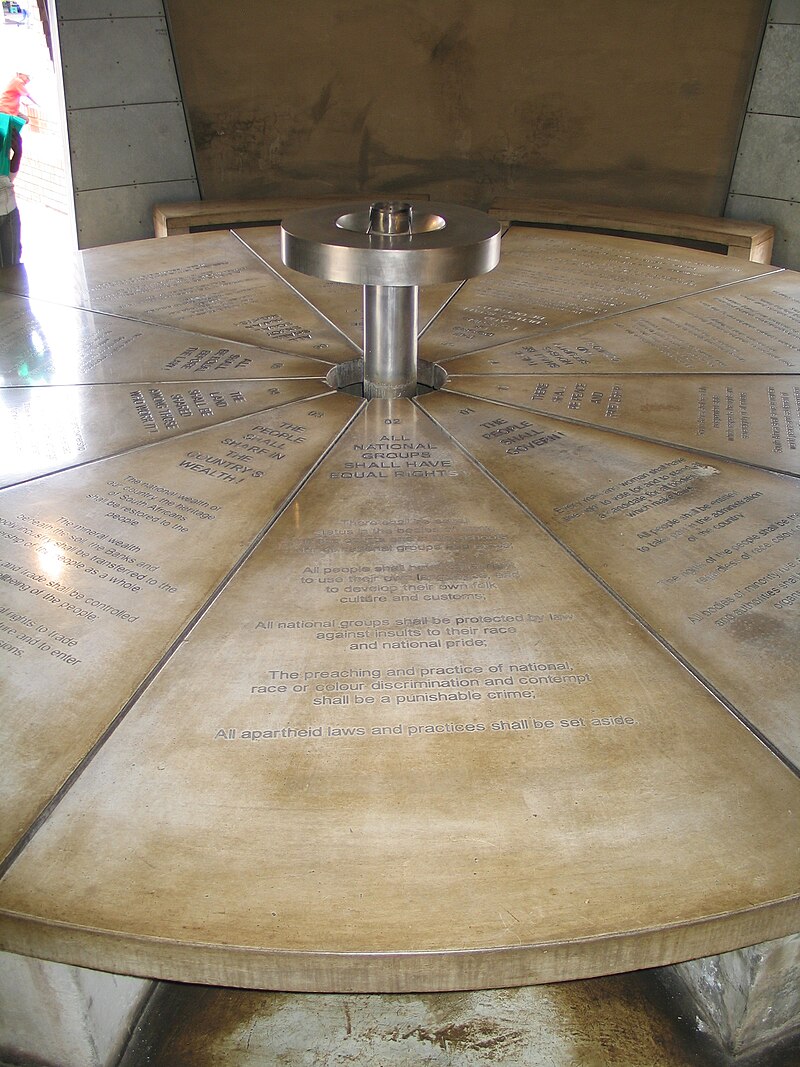
In Kliptown, the Congress of the People gathered to adopt the Freedom Charter, a pivotal document in the fight against apartheid in South Africa. The event brought together around 3,000 delegates from various anti-apartheid organizations, representing different races and backgrounds, united in their quest for freedom and equality.
The Freedom Charter, a culmination of grassroots inputs collected from people across the country, outlined the vision for a democratic and non-racial South Africa. It called for equal rights and opportunities for all, regardless of race, gender, or class. The adoption of the charter marked a significant moment in the struggle against apartheid, as it articulated the aspirations and demands of the oppressed majority.
The gathering in Kliptown was a bold and defiant act against the oppressive apartheid regime, which sought to divide and suppress the population. By coming together and adopting the Freedom Charter, the Congress of the People demonstrated the strength and unity of the anti-apartheid movement.
The impact of the event reverberated far beyond Kliptown, inspiring generations of activists and shaping the course of the struggle against apartheid. The principles enshrined in the Freedom Charter would go on to influence the fight for freedom and democracy in South Africa, culminating in the eventual dismantling of the apartheid system.
The Congress of the People gathering in Kliptown and the adoption of the Freedom Charter represent a turning point in the history of South Africa, symbolizing the resilience, unity, and vision of the anti-apartheid movement. The event stands as a testament to the power of ordinary people coming together to demand justice and equality. #FreedomCharter #KliptownGathering #AntiApartheidMovement #SouthAfricanHistory
View details1952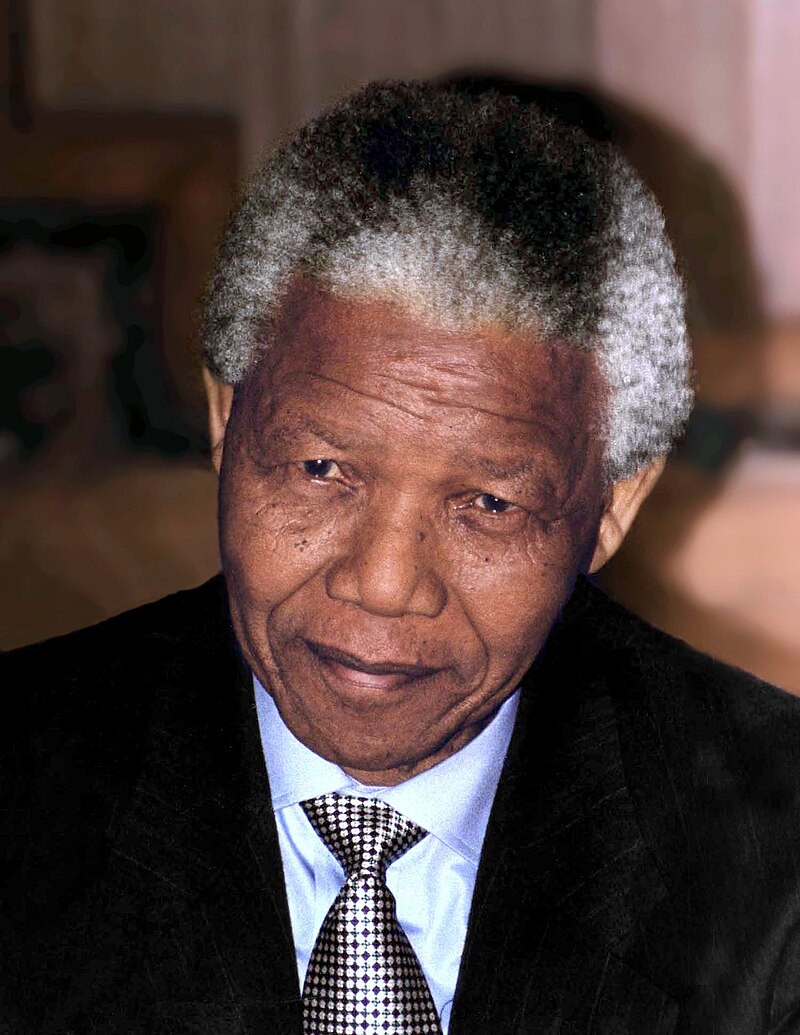
In 1952, Nelson Mandela, along with 51 other activists, engaged in a deliberate act of civil disobedience by infringing South Africa's strict curfew laws. This defiant action was part of the broader Defiance Campaign, a nonviolent protest initiated by the African National Congress (ANC) against the apartheid regime's oppressive policies. By intentionally breaking the curfew, Mandela and his fellow protesters aimed to challenge the system of racial segregation and discrimination that defined apartheid. This act of defiance was not just a violation of the law; it was a powerful statement against the unjust and inhumane practices that sought to control and marginalize the non-white population in South Africa.
Mandela's involvement in this campaign marked a significant step in his rise as a leader in the anti-apartheid movement. The infringement of the curfew was a strategic effort to draw international attention to the brutality of the apartheid system and to inspire widespread resistance within the country. The Defiance Campaign, with Mandela at its forefront, played a crucial role in mobilizing South Africans from all walks of life to stand up against the oppressive regime. This moment highlighted the courage and determination of Mandela and his fellow activists, who risked their freedom and safety in the pursuit of equality and justice. Their actions laid the groundwork for future struggles that would eventually lead to the dismantling of apartheid and the establishment of a democratic South Africa.
#NelsonMandela #AntiApartheid #CivilDisobedience #DefianceCampaign #SouthAfricanHistory #HumanRights #ResistanceMovement #Equality #Justice #MomentsOfLife #MoofLife_Moment #MoofLife
View details