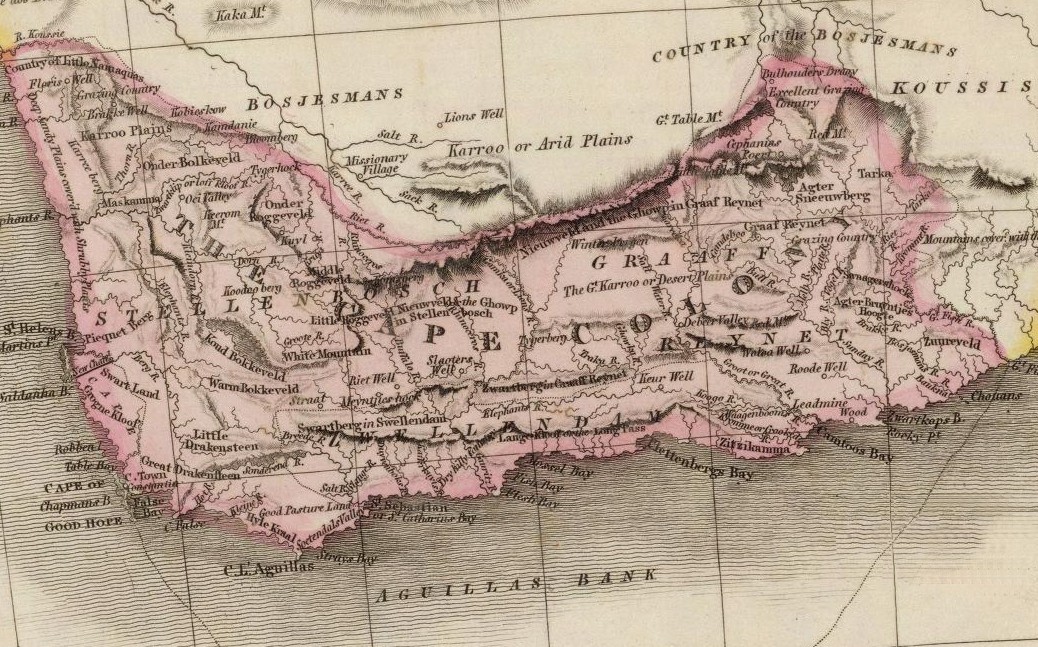
Establishment of British Cape Colony

Political
4 min read
Updated By: History Editorial Network (HEN)
Published:
At the culmination of territorial disputes and political tensions in southern Africa, the British Cape Colony was officially established. The British Empire sought to expand its influence in the region, leading to the annexation of territories previously under Dutch control. The establishment of the British Cape Colony marked a turning point in the history of the region, as British colonial rule began to reshape the social, political, and economic landscape.
The Cape Colony's formation had a profound impact on the local population, particularly the indigenous communities who had inhabited the land for centuries. The imposition of British colonial administration brought significant changes to the governance and legal systems, as well as the economy and infrastructure of the region. The British also introduced their language, culture, and educational systems, leaving a lasting legacy that would shape the future of South Africa.
The establishment of the British Cape Colony set the stage for further colonial expansion and the eventual unification of South Africa under British rule. It laid the foundation for the broader process of British imperialism in the region, as well as the complex dynamics of race, class, and power that would define South African society for years to come. The events surrounding the establishment of the Cape Colony marked a critical moment in the history of South Africa, highlighting the enduring legacy of colonialism and its impact on the nation's development.
#BritishColonialism #CapeColony #SouthAfricanHistory #Imperialism

Explore the Life Moments of
 AI Twin