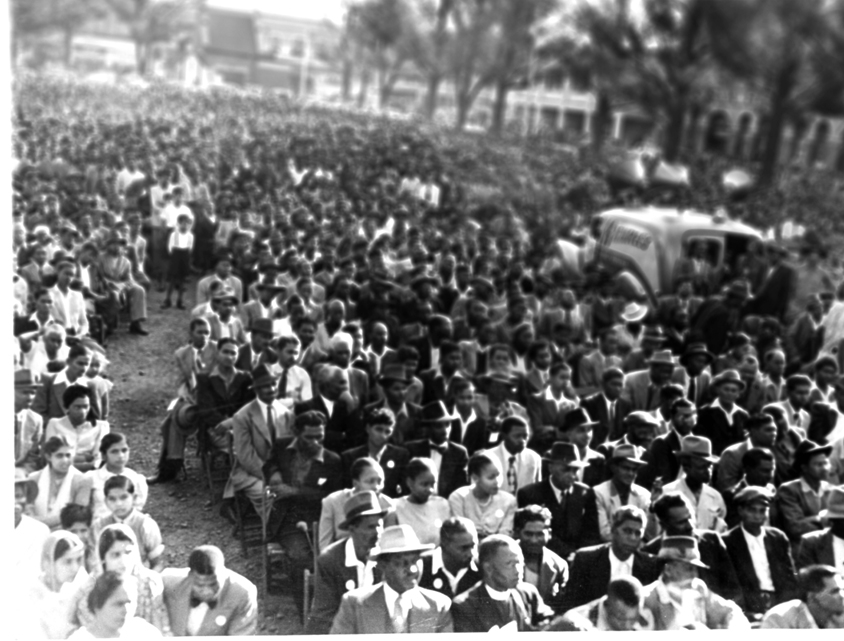
Act passed to ban political groups and parties.

Political
4 min read
Updated By: History Editorial Network (HEN)
Published:
During that period, South Africa experienced a significant development with the passing of the Suppression of Communism Act. This Act provided the government with the authority to outlaw political organizations and parties deemed as communist. The background leading to this event was influenced by the growing fear of communism spreading in the country, particularly during the Cold War era when tensions between the Western bloc and the Eastern bloc were high.
The passing of this Act had a profound impact on the political landscape of South Africa, as it effectively suppressed any form of opposition that was associated with communist ideologies. Political leaders, activists, and organizations that were considered a threat to the government's agenda were targeted and often faced imprisonment or exile. The Act allowed the government to maintain a tight grip on power and control the narrative by silencing dissenting voices.
As a result of this legislation, many anti-apartheid activists, trade unionists, and members of the liberation movements were persecuted and driven underground. The Suppression of Communism Act became a tool used to stifle resistance against the oppressive apartheid regime, further entrenching the systemic discrimination and inequalities that existed in South Africa at the time.
The passing of the Suppression of Communism Act symbolized a dark period in South Africa's history, where basic freedoms of speech, association, and political expression were severely limited. It marked the beginning of a systematic crackdown on any form of opposition, setting the stage for further repressive measures to be implemented in the years to come.
#SuppressionofCommunismAct #ApartheidEra #PoliticalRepression #ColdWarEra

Explore the Life Moments of
 AI Twin