Gandhi Backs Protest against Disenfranchisement on Prince of Wales Arrival Day
Political
4 min read
Updated By: History Editorial Network (HEN)
Published:
In the early 20th century, the South Africa Acts had disenfranchised Indians, Coloureds, and Africans, sparking outrage and resistance among various communities. In response, the African People's Organizations put forth a resolution to declare the day of the Prince of Wales' arrival in South Africa as a day of mourning.
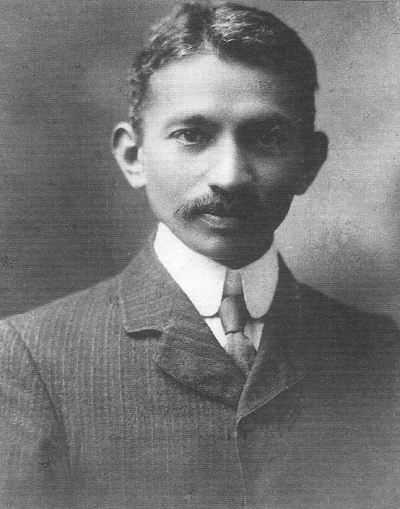
Support for this resolution came from an unexpected source - Mahatma Gandhi. Known for his nonviolent resistance and advocacy for civil rights, Gandhi stood in solidarity with the African People's Organizations in protest against the discriminatory laws. He recognized the importance of unity among marginalized groups in the face of oppression.
Gandhi's support for the resolution added significant weight to the protest, drawing attention to the injustices faced by Indians, Coloureds, and Africans in South Africa. His actions reflected a broader message of unity and resistance against colonial rule and discrimination.
The declaration of the day of the Prince of Wales' arrival as a day of mourning sent a powerful message to the colonial authorities and the international community. It symbolized a collective stand against discrimination and a demand for equal rights and representation for all South Africans, regardless of their race or background.
This event underscores the intersectionality of struggles against oppression and the importance of solidarity among diverse communities. It highlights the role of individuals like Gandhi in amplifying marginalized voices and challenging discriminatory systems through peaceful means.
#MahatmaGandhi #SouthAfrica #CivilRights #Solidarity #Protest

Explore the Life Moments of
 AI Twin