
Singapore

The Asian Tiger
About
#LionCity
#Singapore
#Singapore_History
#Singapore_History_Timeline
#Singapore_Timeline
#When_did_Singapore_start
#When_was_Singapore_formed
#Singapore_Historical_Moments
Life Classification
Country
Life ID
EL9827080602488
Verified Name
singapore
Life Type
Entity Life
Life Editor(s)
History Editorial Network (HEN)
Life Privacy
Public
Subscription
Elite
Created On
2024-07-26
Updated On
2025-12-19
Connect
Related Lives

Canadian Federal Election
Canada Decides

World War I
The Great War

Serbia
The Heart of the Balkans

Philippines
Pearl of the Orient Seas

Netherlands
The Land of Tulips and Windmills

Azerbaijan
The Land of Fire

Lithuania
The Land of Amber

South Africa
The Rainbow Nation

2024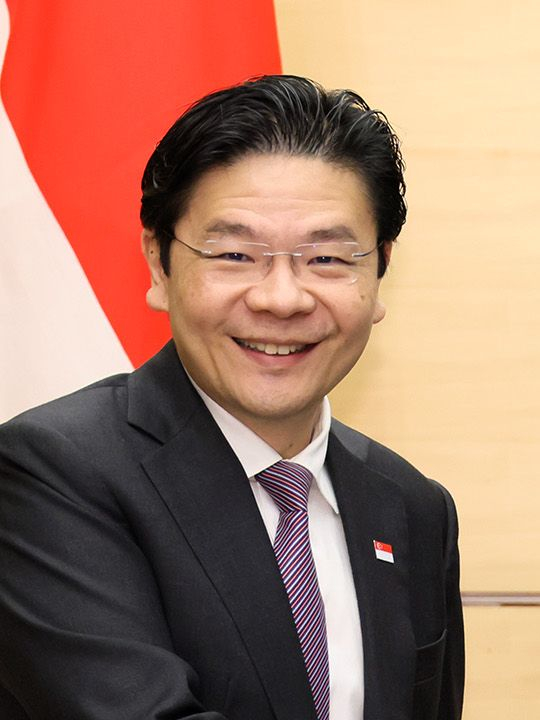
Lawrence Wong has succeeded Lee Hsien Loong as the Prime Minister of Singapore. Lawrence Wong, previously serving as the Deputy Prime Minister and Minister for Finance, took over the leadership position following Lee Hsien Loong's long tenure. This transition is part of the People's Action Party's (PAP) leadership renewal.
Lee Hsien Loong served as the Prime Minister for two decades, during which Singapore underwent substantial economic transformation and development. His tenure saw Singapore solidifying its role as a global financial hub, with substantial investments in technology and infrastructure, as well as efforts to address social challenges like housing affordability and income inequality.
Lawrence Wong has been a prominent figure in the government, especially noted for his role in managing the COVID-19 pandemic as co-chair of the multi-ministry task force. His policies during the pandemic were pivotal in shaping Singapore's response strategy, contributing to a relatively low death rate and a high vaccination rate—over 90% of the population being fully vaccinated.
The leadership change marks a new chapter in Singapore's political landscape. Wong's appointment reflects the PAP's commitment to a carefully managed transition, ensuring stability and continuity. Analysts expect Wong to focus on maintaining Singapore’s economic growth, addressing climate change, and continuing to foster social cohesion in a multicultural society.
Public confidence in Wong is evidenced by various opinion polls showing a high approval rating for his handling of the pandemic and his approach to social policies. Business sectors are optimistic about continued economic stability and growth, anticipating Wong's experience in finance will be beneficial for future development.
The transition also highlights the importance of sustained leadership in maintaining Singapore's strategic position globally. With Wong at the helm, Singapore is expected to continue its pragmatic approach to governance, focusing on innovation, sustainability, and inclusivity.
#LeadershipTransition #SingaporePolitics #LawrenceWong #PublicAdministration #EconomicGrowth #MoofLife
View details2022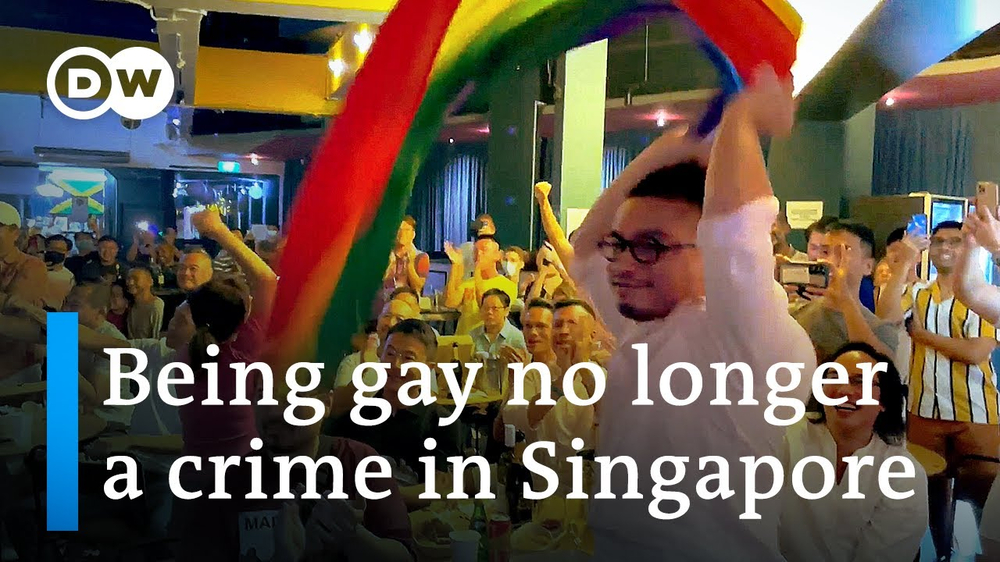
Singapore's parliament repealed Section 377A, a British colonial-era law that previously criminalized gay sex. The law had been in place since the 1930s but had come under increasing scrutiny and criticism in recent years for being outdated and discriminatory.
The decision to repeal Section 377A marked a significant step towards LGBTQ+ rights in Singapore, a country known for its conservative attitudes towards homosexuality. The move was seen as a victory for human rights activists and the LGBTQ+ community, who had long been pushing for the decriminalization of gay sex.
The repeal of Section 377A was met with mixed reactions in Singapore. While many celebrated the decision as a positive step towards equality and inclusivity, others expressed concerns about the impact it might have on traditional values and beliefs in the country.
Overall, the repeal of Section 377A was a historic moment for Singapore and a significant milestone in the ongoing fight for LGBTQ+ rights in the country. It represented a shift towards a more progressive and inclusive society, where individuals are free to love who they choose without fear of persecution or discrimination.
#Singapore #LGBTQ+ #Equality #HumanRights
View details2020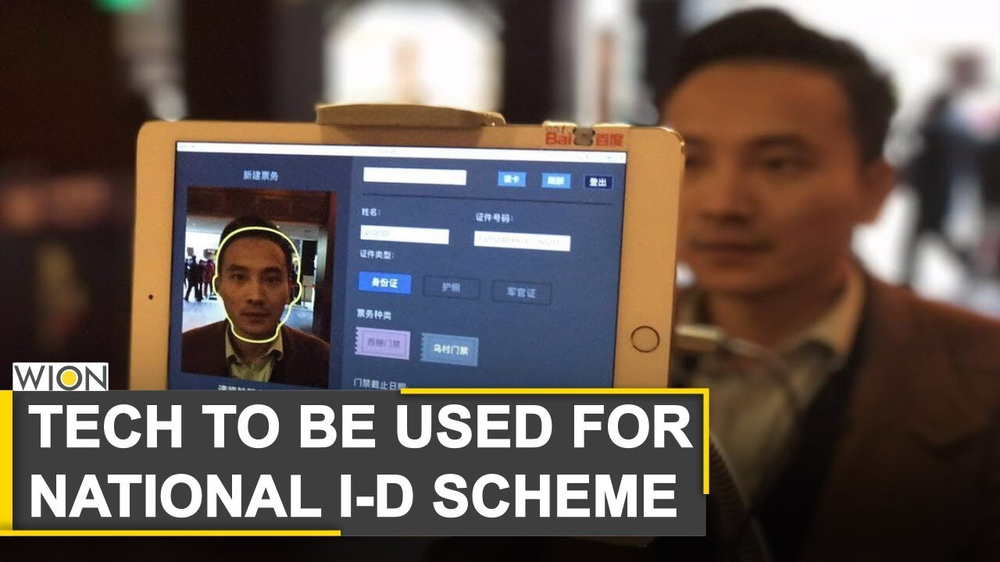
Singapore made history by becoming the first country globally to incorporate facial verification into its national identification system. This revolutionary move aims to enhance security and streamline processes for citizens. With the deployment of this cutting-edge technology, Singaporeans will have an efficient and secure way to access government services and make transactions.
The introduction of facial verification in the national identity scheme marks a significant milestone in Singapore's journey towards becoming a Smart Nation. By utilizing biometric data, the system will offer higher levels of security compared to traditional methods like passwords or tokens. This innovation not only enhances convenience but also reduces the risk of identity fraud.
Moreover, the implementation of facial verification underscores Singapore's commitment to embracing digital transformation and staying at the forefront of technological advancement. This development sets a precedent for other nations considering similar biometric solutions for identity authentication.
While the incorporation of facial verification brings numerous benefits, it also raises concerns about privacy and data security. The Singaporean government has assured its citizens that stringent measures are in place to protect personal information and prevent misuse of data.
Overall, this milestone event showcases Singapore's dedication to innovation and reinforces its position as a global leader in technology adoption. The inclusion of facial verification in the national identity scheme reflects Singapore's proactive approach towards leveraging technology for the betterment of society.
#Singapore #FacialVerification #NationalIdentity #Innovation #BiometricTechnology #Security #DigitalTransformation #SmartNation
View details2019
On May 8, 2019, Singapore's parliament passed the Protection from Online Falsehoods and Manipulation Act (POFMA), commonly referred to as the "anti-fake news" law. This legislation was designed to combat the spread of false information online and to protect the public from the potential harm such misinformation can cause. The passage of this law marked a significant moment in the global discourse on internet regulation and free speech.
Background and Context
The rise of social media and digital communication platforms has facilitated the rapid spread of information. However, this has also led to the proliferation of misinformation and fake news, which can influence public opinion, incite violence, and undermine trust in institutions. Singapore, a highly connected and technologically advanced society, recognized the need to address these challenges to maintain social harmony and public order.
Key Provisions of POFMA
POFMA grants the government broad powers to act against online falsehoods that it deems harmful. The main provisions of the law include:
Correction Directions:
The government can issue correction directions to individuals, internet platforms, and media outlets. These directions require the publication of corrections alongside the original false statements to inform the public of the inaccuracies.
Stop Communication Directions:
The government can order individuals or platforms to stop communicating falsehoods. This can include removing the content or disabling access to it.
General Correction Directions:
These directions can compel platforms to display a correction notice to all users accessing the false content, even if the platform did not originate the content.
Disabling Directions:
Internet access service providers can be ordered to disable access to websites that repeatedly publish falsehoods.
Financial Penalties and Criminal Charges:
Individuals and entities that fail to comply with these directives can face substantial fines and, in some cases, imprisonment.
Exemptions:
The law includes exemptions for certain categories of speech, such as opinions, parody, and satire, provided they do not present falsehoods as facts.
Implementation and Enforcement
The enforcement of POFMA is overseen by the Infocomm Media Development Authority (IMDA) and other designated government bodies. Ministers have the authority to issue directions under the law, and affected parties can appeal these directions in court. However, the appeals process has been criticized for potentially being lengthy and costly, raising concerns about access to justice.
Reception and Criticism
The introduction of POFMA sparked considerable debate both within Singapore and internationally. Proponents argue that the law is necessary to protect society from the harmful effects of fake news, which can disrupt social harmony, incite violence, and undermine democratic processes. They emphasize the importance of maintaining public trust in information and the need for swift action to counteract falsehoods.
Critics, however, express concerns over the potential for abuse of power and the law's impact on freedom of expression. They argue that the broad and vague definitions of "falsehoods" and the extensive powers granted to government officials could be used to stifle dissent and censor legitimate criticism. International human rights organizations and free speech advocates have highlighted the risks of such laws in curbing media freedom and political expression.
Global Implications
Singapore's POFMA has become a reference point in the global debate over how to regulate misinformation online. It reflects a growing trend of governments seeking to implement legal frameworks to manage digital content and the challenges associated with misinformation. The law has influenced discussions in other countries grappling with similar issues, contributing to the evolving landscape of internet governance.
#MomentsOfLife #MoofLife_Moment #MoofLife #Singapore #AntiFakeNewsLaw #POFMA #InternetRegulation #FreedomOfExpression #Misinformation
View details2010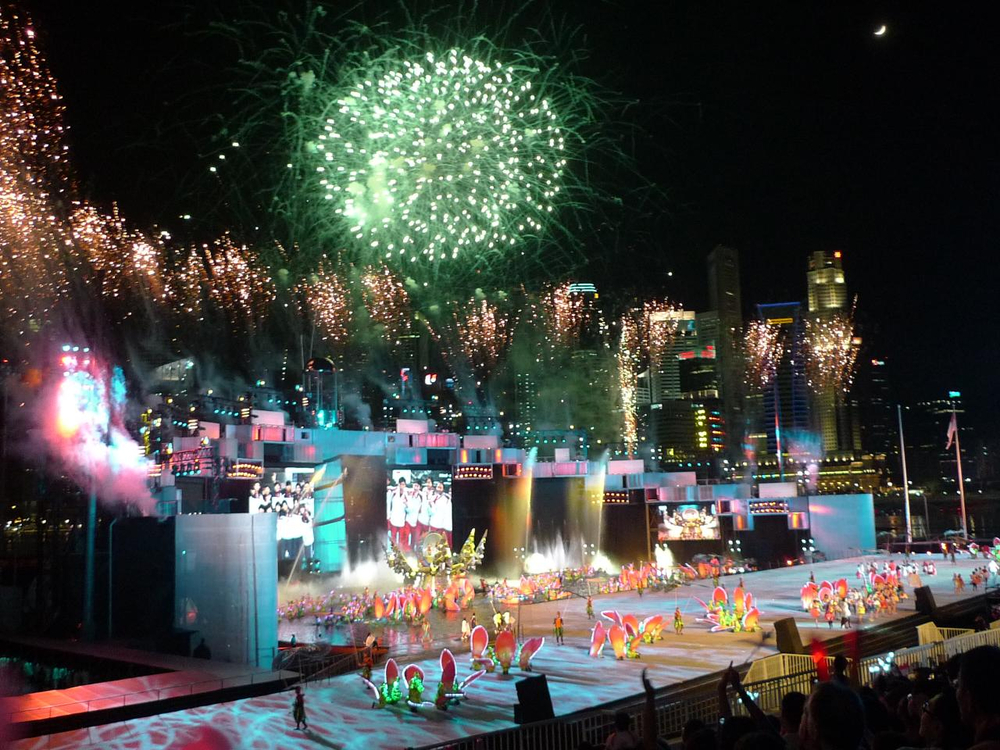
In 8/14/2010, Singapore made history by hosting the first ever Youth Olympic Games. The idea of hosting the event was initially proposed by Singaporean IOC member, Ng Ser Miang, in 2001. It aimed to provide a platform for young athletes from around the world to compete in the spirit of sportsmanship and cultural exchange.
Over 3,600 athletes between the ages of 14 and 18, from 204 National Olympic Committees, participated in the event. The Games featured 26 sports and numerous cultural and educational activities, engaging the youth in a diverse range of experiences beyond sports competition. Venues across Singapore, including the iconic Marina Bay Sands and Singapore Sports Hub, were bustling with energy and excitement throughout the event.
The hosting of the Youth Olympic Games had a significant impact on Singapore. It not only put the city-state on the global sporting map but also showcased its capabilities in organizing and hosting international events. The Games left a legacy of new sports facilities, infrastructure improvements, and a heightened sense of national pride and unity among Singaporeans.
The success of the event garnered praise from the international community, with many commending Singapore for its hospitality, organizational excellence, and commitment to the Olympic values. The closing ceremony, held at the Marina Bay Floating Stadium, was a vibrant celebration of youth, diversity, and friendship, marking the end of a memorable inaugural Youth Olympic Games.
#Singapore #YouthOlympics #GlobalSportingEvent #CulturalExchange #Legacy
View detailsThe launch of the Marina Bay Sands integrated resort marked a milestone in Singapore's development as a premier tourist destination. Situated in the iconic Marina Bay area, the resort was a project by Las Vegas Sands Corporation, aiming to transform the city-state's tourism landscape.
The resort's three cascading towers are connected at the top by the Sands SkyPark, offering panoramic views of the city skyline. With over 2500 hotel rooms, a convention center, a shopping mall, an art and science museum, celebrity chef restaurants, and a casino, Marina Bay Sands quickly became a symbol of luxury and opulence.
The grand opening of Marina Bay Sands drew international attention, attracting tourists, celebrities, and dignitaries. The event featured spectacular fireworks displays, performances by world-class entertainers, and exclusive parties. The integrated resort's unique architecture and design became an instant attraction, garnering praise from visitors and design enthusiasts alike.
The resort's impact on Singapore's economy and tourism industry was substantial. Marina Bay Sands created thousands of job opportunities, boosting employment rates and driving economic growth. Its world-class facilities and entertainment options attracted millions of visitors each year, contributing significantly to the country's tourism revenue.
Marina Bay Sands also played a crucial role in positioning Singapore as a global hub for business and leisure. The resort's state-of-the-art convention center hosted international conferences and events, bringing together industry leaders and experts from around the world.
The opening of Marina Bay Sands represented a transformational moment for Singapore, solidifying its reputation as a dynamic and cosmopolitan city. The integrated resort's success paved the way for further developments in the Marina Bay area, shaping the city's skyline and attracting investment opportunities.
#MarinaBaySands #SingaporeTourism #LuxuryDestination #EconomicImpact
View details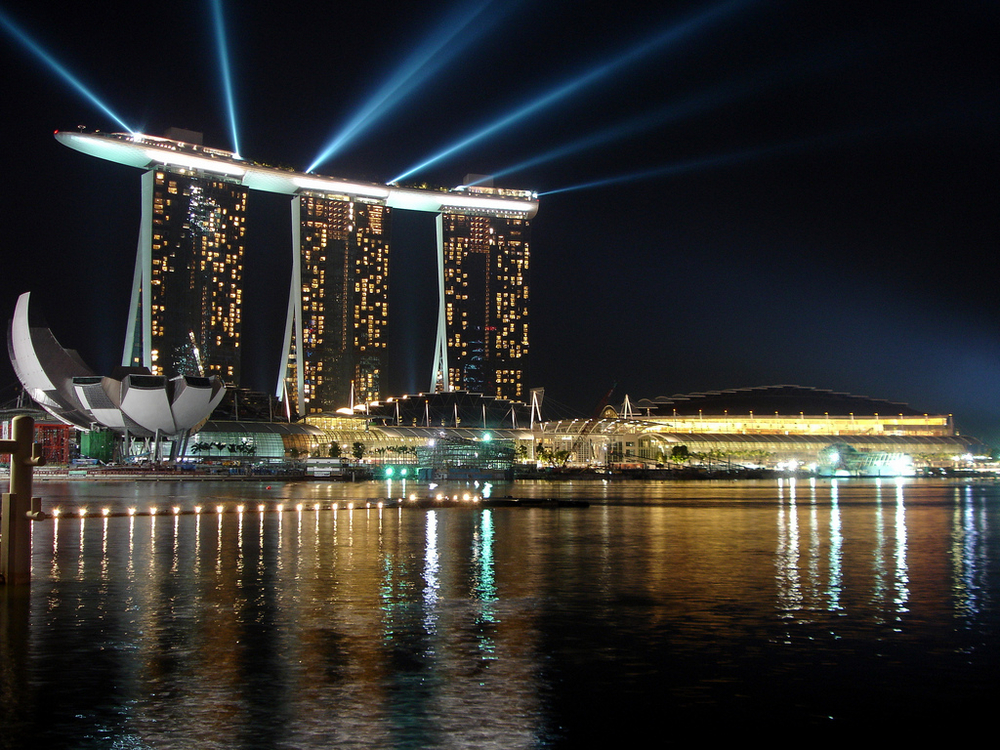
2008
Singapore entered a recession for the first time since the global financial crisis began. The country's economy shrank by more than analysts had predicted, signaling a downturn in the nation's financial growth. The recession was primarily due to the decline in external demand for Singaporean goods and services, as key trading partners faced economic difficulties. The country's heavy dependence on exports made it vulnerable to the shifting global economic climate.
As a result of the recession, Singapore faced challenges such as rising unemployment rates and decreasing consumer spending. The government implemented measures to stimulate the economy, such as increasing public sector spending and providing support to affected industries. Despite these efforts, the road to recovery remained uncertain as the global economy continued to struggle.
The recession had a significant impact on Singapore's reputation as a stable and prosperous financial hub in Asia. The downturn highlighted the interconnectedness of the global economy and the vulnerability of small, trade-dependent nations like Singapore to external shocks. It also underscored the need for diversification and resilience in the face of economic uncertainties.
In response to the recession, Singapore focused on restructuring its economy and promoting innovation and entrepreneurship to drive future growth. The government introduced policies to support businesses, enhance productivity, and create new opportunities for economic development. These measures aimed to position Singapore for long-term success and reduce its reliance on traditional industries.
#Singapore #Recession #EconomicDownturn #GlobalEconomy #TradeDependent #GovernmentPolicies #Innovation #Entrepreneurship
View detailsThe Singapore Grand Prix made history as the inaugural night race in Formula One. The concept was introduced to differentiate the race from other grands prix and to accommodate a global television audience. The event took place on the Marina Bay Street Circuit, a challenging track with numerous turns and tight corners set against the backdrop of Singapore's iconic skyline.
The launch of the Singapore Grand Prix marked a significant shift in the Formula One calendar, offering a unique spectacle under the floodlights that added a new dimension to the sport. The race became a highlight of the season, attracting fans from around the world to witness the cars racing through the illuminated streets of the city-state.
The night race not only showcased Singapore as a vibrant host city for major sporting events but also brought economic benefits through increased tourism and international exposure. The event boosted the local economy, with hotels, restaurants, and shops benefiting from the influx of visitors during the race weekend.
The Singapore Grand Prix's success as a night race paved the way for other Formula One events to consider similar formats, highlighting the innovation and adaptability of the sport. The event also demonstrated Formula One's ability to push boundaries and explore new ways to engage audiences, cementing its position as a premier global sporting spectacle.
The launch of the Singapore Grand Prix as the first night race in Formula One history marked a turning point for the sport, setting a new standard for race experiences and showcasing the beauty of Singapore's urban landscape under the lights. The event's impact extended beyond the track, leaving a lasting legacy as a trailblazer in motorsport entertainment.
#SingaporeGrandPrix #NightRace #FormulaOne #Innovation #UrbanLandscape
View details
The International Court of Justice (ICJ) awarded Malaysia ownership of Middle Rocks and granted Singapore sovereignty over Pedra Branca. The territorial dispute over these two islands had simmered for years before reaching the ICJ in 2003.
Pedra Branca, also known as Pulau Batu Puteh, had been under Singapore's administration since the 1840s, serving as a strategic lighthouse location. Middle Rocks, a cluster of outcrops situated nearby, was claimed by both countries. The ICJ's ruling clarified the ownership of these maritime territories, settling a longstanding disagreement.
Singapore accepted the ICJ's decision and reaffirmed its commitment to maintaining good relations with Malaysia. The ruling had implications for the maritime boundaries and resource rights of both countries. It marked a milestone in the resolution of territorial disputes through international legal mechanisms.
The event sparked discussions on the importance of upholding international law and respecting arbitration processes in settling disputes between nations. It highlighted the significance of clear and binding legal frameworks in addressing territorial disagreements peacefully.
The awarding of Middle Rocks to Malaysia and Pedra Branca to Singapore demonstrated the role of international bodies in resolving complex disputes and maintaining stability in the region. It underscored the value of diplomacy and adherence to legal principles in managing territorial conflicts.
The ICJ's decision brought closure to a long-standing issue between Singapore and Malaysia, paving the way for continued cooperation and collaboration between the two countries. It set a precedent for peaceful resolution of territorial disputes in Southeast Asia and underscored the importance of adhering to international law.
#ICJ #Singapore #Malaysia #TerritorialDispute #InternationalLaw #Diplomacy
View details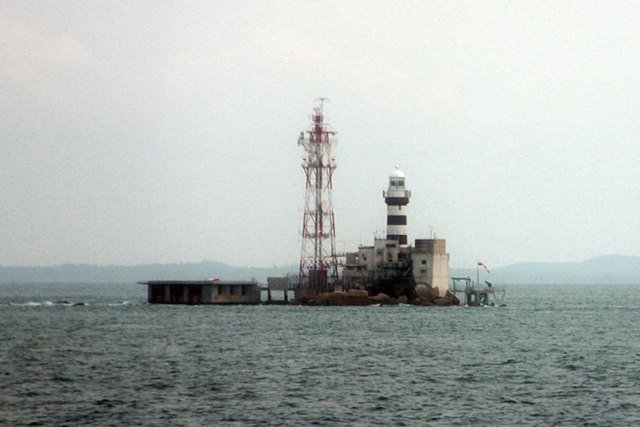
2007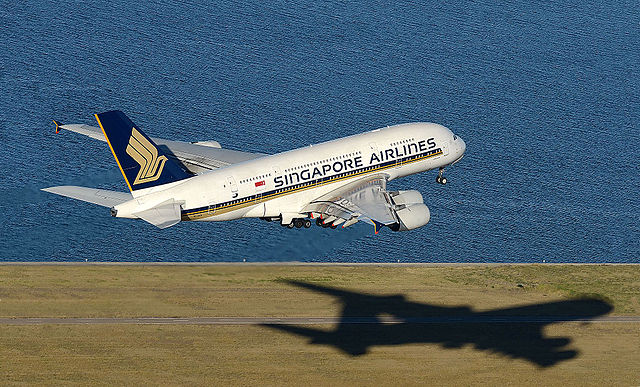
The Airbus A380 made history as the world's largest passenger aircraft. Operated by Singapore Airlines, it successfully completed its maiden passenger flight, marking a milestone in aviation. The flight attracted global attention due to the groundbreaking size and luxurious features of the aircraft.
The A380 offered unparalleled comfort and amenities to passengers, including spacious cabins, advanced entertainment systems, and smooth, quiet flights. Its capacity to accommodate over 800 passengers set a new standard for air travel, revolutionizing the industry. The aircraft's innovative design also prioritized environmental sustainability, with reduced fuel consumption and emissions compared to other planes.
The first passenger flight of the A380 showcased Singapore Airlines' commitment to providing exceptional service and redefining the flying experience. Passengers on board experienced the unparalleled luxury and grandeur of the A380, setting a new precedent for air travel. The successful flight demonstrated the aircraft's reliability and efficiency, solidifying its reputation as a game-changer in the aviation sector.
The event generated excitement and anticipation among aviation enthusiasts, as the A380 represented a leap forward in technology and design. It offered a glimpse into the future of air travel, promising a new era of comfort and efficiency for passengers worldwide. The Airbus A380's debut passenger flight left a lasting impact on the aviation industry, inspiring further innovation and advancements in aircraft development.
#AirbusA380 #SingaporeAirlines #AviationInnovation #LuxuryTravel
View details2004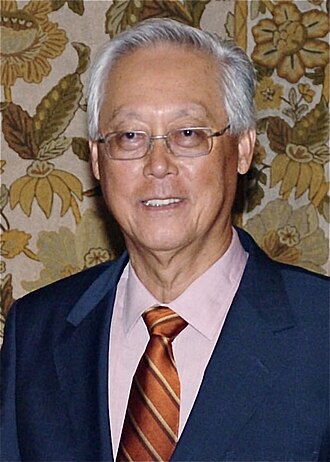
After serving as Singapore’s Prime Minister for 14 years, Goh Chok Tong handed over the leadership to Lee Hsien Loong, who was chosen as his successor by the ruling People's Action Party. Lee Hsien Loong had an extensive background in politics, having held various ministerial positions before becoming Prime Minister. His father, Lee Kuan Yew, was the founding Prime Minister of Singapore, adding to the weight of expectations on his shoulders.
Lee Hsien Loong's succession marked a generational shift in Singaporean leadership and was seen as a continuation of the country's stability and development. Under his leadership, Singapore continued to focus on economic growth, social stability, and technological advancements. Lee Hsien Loong emphasized the importance of maintaining Singapore's position as a global hub for finance, trade, and technology.
During his tenure, Lee Hsien Loong faced challenges such as an aging population, income inequality, and the need to diversify the economy. He implemented policies to address these issues, including investing in education and skills training, promoting innovation and entrepreneurship, and enhancing social welfare programs.
Lee Hsien Loong's leadership style was characterized by pragmatism, strategic thinking, and a commitment to long-term planning. He maintained Singapore's reputation as a clean and efficient government, while also promoting multiculturalism and social harmony among the diverse population.
Overall, Lee Hsien Loong's succession as Prime Minister of Singapore marked a significant moment in the country's history. His leadership brought continuity and stability, while also addressing the challenges and opportunities facing Singapore in the 21st century. #LeeHsienLoong #SingaporePrimeMinister #Succession #LeadershipTransition
View details1993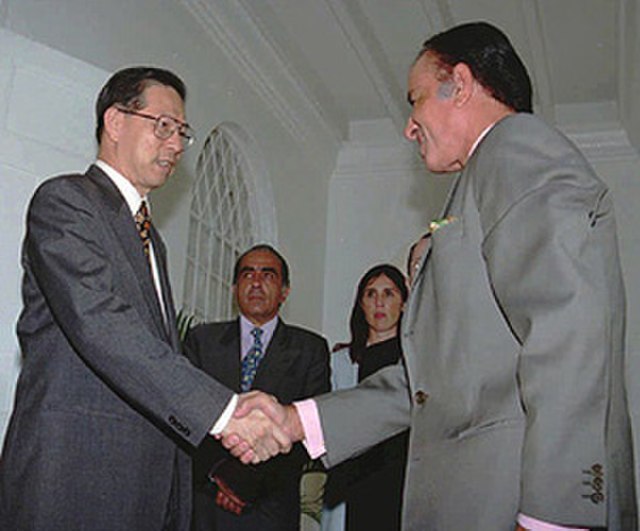
Teng Cheong, the former Vice-Premier of Singapore, made history when he was elected as the President. Teng was known for his contributions to the labor movement in Singapore, having served as the Secretary-General of the National Trades Union Congress. His presidency marked a shift in Singapore's political landscape, as he was the first head of state to come from the labor movement.
Teng's election as President was seen as a significant step towards a more inclusive and representative government. During his time in office, he focused on issues such as social welfare, economic development, and improving the lives of ordinary Singaporeans. Teng's presidency was characterized by his efforts to bridge the gap between the government and the people, advocating for greater transparency and accountability in governance.
Under Teng's leadership, Singapore saw increased discussions on social issues and a greater emphasis on listening to the needs of the people. His tenure as President was marked by a commitment to promoting unity and social cohesion among Singaporeans, regardless of their background or political beliefs.
Teng Cheong's presidency was a turning point in Singapore's political history, emphasizing the importance of representation and inclusivity in government. His legacy continues to inspire current and future leaders to strive for a more equitable and responsive government that prioritizes the well-being of all its citizens.
#TengCheong #SingaporePresident #LaborMovement #InclusiveGovernment #SocialCohesion
View details1990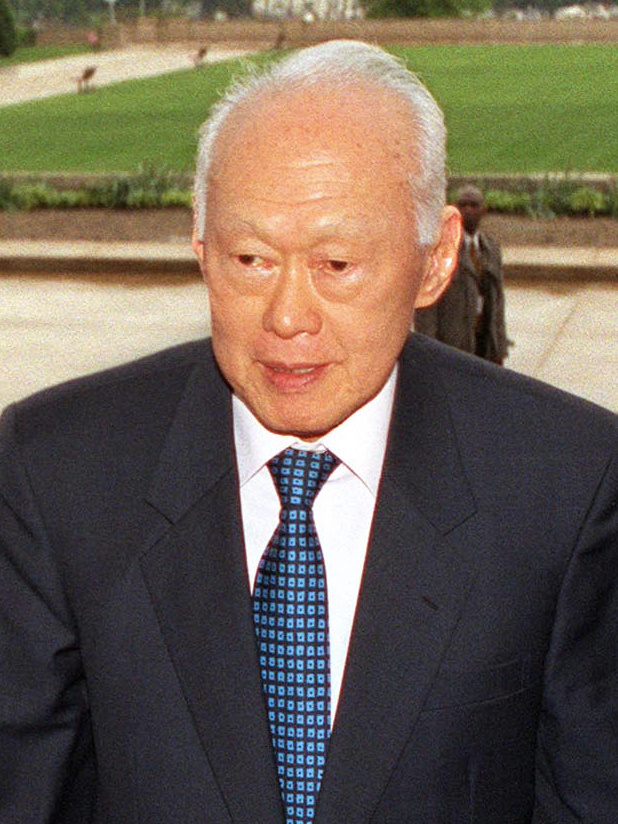
On November 28, 1990, Lee Kuan Yew stepped down as Singapore's Prime Minister, concluding his tenure as the nation's longest-serving leader. Lee had been instrumental in transforming Singapore from a small, underdeveloped country into a prosperous global financial center during his 31 years in office.
Lee Kuan Yew, a founding member of the People's Action Party (PAP), became Singapore's Prime Minister in 1959. Under his administration, Singapore experienced rapid economic growth, industrialization, and modernization. Lee's strict policies focused on maintaining political stability, fighting corruption, and promoting meritocracy, leading Singapore to become one of the world's wealthiest nations.
During his time in office, Lee implemented various policies that shaped Singapore's society, such as promoting English as the main language, investing in education and healthcare, and establishing efficient infrastructure. His authoritarian style of governance, however, was also met with criticism for its restrictions on political freedoms and limitations on free speech.
Lee's resignation marked the end of an era for Singapore. His successor, Goh Chok Tong, continued many of Lee's policies while also introducing some reforms to address emerging challenges. Lee remained active in Singaporean politics as a Senior Minister and later as Minister Mentor, playing a significant role in advising the government until his passing in 2015.
The resignation of Lee Kuan Yew had a profound impact on Singapore's political landscape. It symbolized a transition towards a new generation of leadership while also solidifying Lee's legacy as the architect of modern Singapore. His legacy continues to shape Singapore's development and the way it is perceived on the global stage.
#LeeKuanYew #SingaporePrimeMinister #EconomicTransformation #PoliticalLegacy
View details1987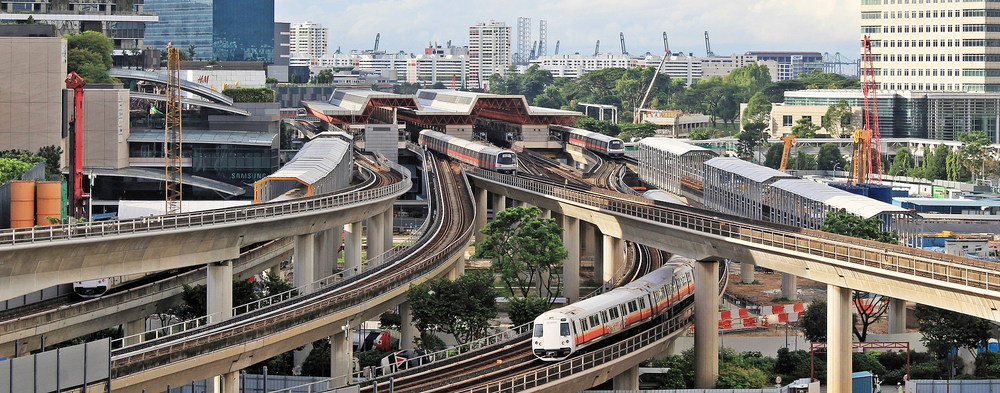
The introduction of the Mass Rapid Transit (MRT) system in Singapore transformed the city-state's public transportation landscape. Prior to its launch, Singapore faced challenges of congestion and limited transport options. The MRT system aimed to alleviate these issues by providing a reliable, efficient, and comfortable mode of transportation for its residents.
The MRT system comprised several lines that connected key areas across the island, offering a convenient alternative to traditional bus services. This new mode of transportation not only reduced traffic congestion but also improved connectivity within the city-state. The MRT stations were strategically located near residential areas, shopping districts, and business hubs, making it easier for commuters to travel to their desired destinations.
The impact of the MRT system was profound, revolutionizing the way people in Singapore commuted. It soon became the preferred choice for many residents due to its speed, reliability, and cleanliness. The introduction of the MRT system also contributed to the overall development of Singapore, enhancing its reputation as a modern and efficient city.
The launch of the Singapore MRT system marked a significant milestone in the city-state's history. It not only improved the quality of life for its residents but also had a positive impact on the economy by facilitating smoother movement of people and goods. The MRT system continues to be a vital component of Singapore's public transportation network, serving millions of commuters every day.
#SingaporeMRT #PublicTransportation #Efficiency #Connectivity #Development
View details1981
Changi International Airport in Singapore, now among the world's busiest airports, commenced operations in 1981. This modern facility was a strategic move by the Singaporean government to establish the country as a key hub for air travel. The airport's centralized location in Southeast Asia linked major cities worldwide, boosting Singapore's connectivity and global significance.
Changi International Airport's establishment was a crucial development for Singapore's economy, tourism, and overall connectivity with the world. With state-of-the-art infrastructure and efficient operations, the airport quickly gained recognition for its top-notch facilities, high service standards, and dedication to passenger experience. These factors played a significant role in attracting numerous airlines to operate out of Changi, expanding its network and increasing its international reach.
As the airport grew in popularity and reputation, it became a preferred stopover for global travelers. Changi's continual innovations, such as the Jewel complex and various amenities, set new benchmarks for excellence in the aviation industry. The airport's success also spurred the growth of ancillary industries, such as hospitality, retail, and logistics, creating a ripple effect on Singapore's overall economic landscape.
Changi International Airport's rise to prominence has not only transformed Singapore into a key aviation hub but has also elevated the country's status on the global stage. By handling millions of passengers and tons of cargo annually, the airport has become a vital gateway connecting Asia to the rest of the world. Its efficient operations, seamless connectivity, and focus on passenger experience have set it apart as a model for other airports worldwide.
#ChangiAirport #SingaporeHub #GlobalConnectivity
View details1971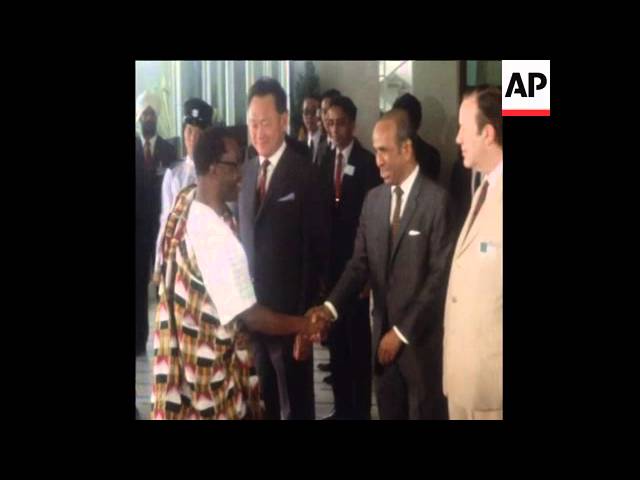
Following the conclusion of the Commonwealth Conference in Singapore, a compromise was reached allowing Britain to resume selling arms to South Africa. The conference was a platform for commonwealth countries to address the issue of apartheid in South Africa. Despite strong opposition from other member states, Britain argued that the arms sold were for external defense purposes only.
The compromise stipulated that Britain could sell arms to South Africa, but only for naval use and exclusively for defensive purposes. This decision marked a shift in the commonwealth's stance on the apartheid regime and highlighted the complexities of international relations.
The event had a significant impact on the diplomatic relations between Britain and other commonwealth countries. It also brought attention to the ethical considerations surrounding arms sales and the role of external actors in conflicts.
The compromise reached at the Commonwealth Conference in Singapore regarding Britain's arms sales to South Africa showcased the intricacies of international diplomacy and the challenges of balancing political interests with ethical considerations. It underscored the need for constructive dialogue and negotiation in addressing complex global issues.
#CommonwealthConference #Singapore #ArmsSales #Diplomacy #Apartheid #InternationalRelations.
View details1965
Singapore officially became a member of the United Nations, enhancing its global presence. The nation's entry into the UN came following its independence from Malaysia. This development marked Singapore’s sovereignty and its commitment to international cooperation.
Joining the UN granted Singapore a platform to engage in diplomacy, peacekeeping efforts, and global decision-making. The admission underscored Singapore's role as a responsible member of the international community. It provided the nation with opportunities to collaborate on humanitarian issues, economic development, and security matters.
Singapore's entry into the UN brought about diplomatic advantages, enabling the country to establish ties with a diverse range of nations. This membership opened doors for Singapore to be part of UN initiatives, conferences, and debates, shaping its foreign policy and contributing to global conversations.
In conclusion, Singapore's admission to the United Nations was a defining moment that solidified its place in the international arena. The event marked a significant milestone in Singapore's history, highlighting its transition to an independent nation and its commitment to global cooperation and diplomacy. #Singapore #UN #GlobalDiplomacy #InternationalRelations
View detailsIn 1967, Indonesia, Malaysia, Philippines, Singapore, and Thailand united to establish the Association of Southeast Asian Nations (ASEAN). This landmark initiative aimed to foster regional cooperation, enhance economic growth, promote social progress, and uphold stability in Southeast Asia.
The formation of ASEAN was a response to the shared aspiration of its founding members to cultivate closer relations and collaboration among nations in the region. With a commitment to the principles of mutual respect, non-interference, and peaceful conflict resolution, ASEAN sought to strengthen ties and address common challenges together.
Since its inception, ASEAN has played a pivotal role in facilitating dialogue, promoting trade and investment, advancing regional security, and fostering cultural exchange among its member states. The organization has also served as a platform for diplomatic engagement and consensus-building on various regional and global issues.
Over the years, ASEAN has expanded its membership to include Brunei, Vietnam, Laos, Myanmar, and Cambodia, further solidifying its relevance and influence in the region. The establishment of the ASEAN Free Trade Area (AFTA) and the ASEAN Economic Community (AEC) have been key milestones in the organization's efforts to promote economic integration and development.
The collaborative efforts of ASEAN have brought about significant benefits for its members, contributing to the region's prosperity and stability. By working together on various fronts, such as disaster management, environmental protection, and counterterrorism, ASEAN has demonstrated the value of regional cooperation in addressing common challenges.
The formation of ASEAN marked a significant step towards closer regional integration and cooperation in Southeast Asia. As the organization continues to evolve and expand its engagement with external partners, the spirit of unity and collaboration remains at the core of ASEAN's identity and purpose.
#ASEAN #RegionalCooperation #EconomicIntegration #Diplomacy #Unity
View details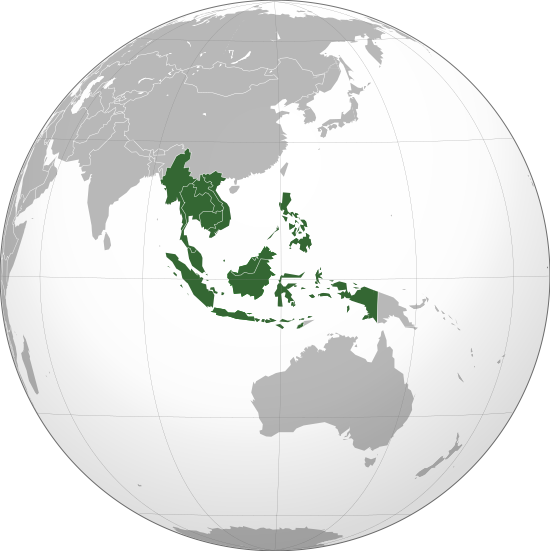
In 1970, the Constitution of Singapore was enacted, marking a pivotal moment in the nation's history. The Constitution served as the supreme law of Singapore, outlining the rights and responsibilities of its citizens, as well as the framework of government institutions.
The background leading to the enactment of the Constitution of Singapore can be traced back to the country's separation from Malaysia in 1965. As an independent nation, Singapore needed a foundational document to guide its governance and ensure the protection of its citizens' rights. The Constitution was carefully crafted to reflect the values and aspirations of the Singaporean society, incorporating elements of democracy, rule of law, and equality.
The impact of the Constitution of Singapore was profound, providing a solid legal framework that has helped to uphold stability, unity, and progress in the nation. It established the principles of a democratic system, with provisions for the separation of powers among the executive, legislative, and judicial branches of government. The Constitution also safeguarded fundamental rights such as freedom of speech, religion, and assembly, ensuring that the voices of the people are heard and protected.
Since its enactment, the Constitution of Singapore has undergone several amendments to adapt to the changing needs of society and to reinforce the rule of law. It remains a living document that continues to shape the governance and development of Singapore, guiding policymakers, lawmakers, and citizens in upholding the values of justice, equality, and progress.
#ConstitutionOfSingapore #FoundingDocument #RuleOfLaw #Democracy
View details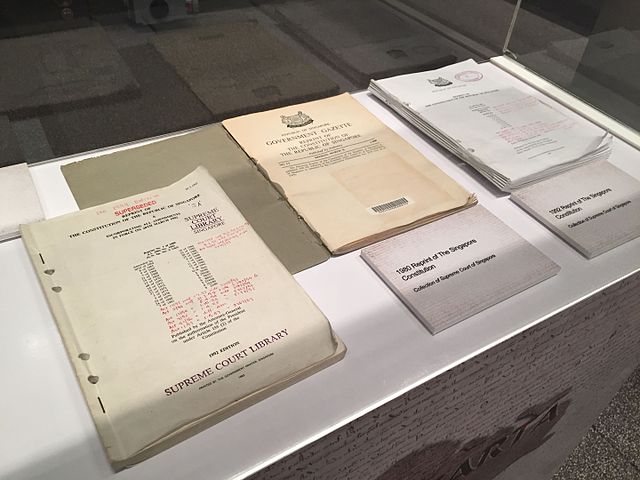
"After two years of political union, Lee Kuan Yew, Prime Minister of Singapore, signed a separation agreement with Malaysia. The merger between Singapore and Malaysia in 1963 was intended to strengthen unity among the diverse populations. However, the differing political ideologies and economic disparities led to tensions between the two regions. Singapore, predominantly Chinese, faced challenges in aligning with the Malay-dominated government of Malaysia.
The separation agreement marked the end of a tumultuous period for both countries. Singapore emerged as an independent nation, with Lee Kuan Yew at the helm. The decision to part ways was met with mixed reactions, as some viewed it as a setback to regional cooperation while others saw it as an opportunity for Singapore to pursue its own economic and social policies.
The aftermath of the separation saw Singapore embarking on a journey towards nation-building. Despite limited resources and land, the country focused on industrialization, education, and infrastructure development. This strategic vision laid the foundation for Singapore's rapid transformation into a global economic powerhouse.
The separation agreement with Malaysia was a defining moment in Singapore's history, shaping its identity as a sovereign nation. It marked the beginning of a new chapter filled with challenges and opportunities. Lee Kuan Yew's leadership and determination played a crucial role in guiding Singapore through this transition and setting it on a path towards progress and prosperity.
#LeeKuanYew #Singapore #Malaysia #SeparationAgreement #NationBuilding #Independence #EconomicTransformation"
View details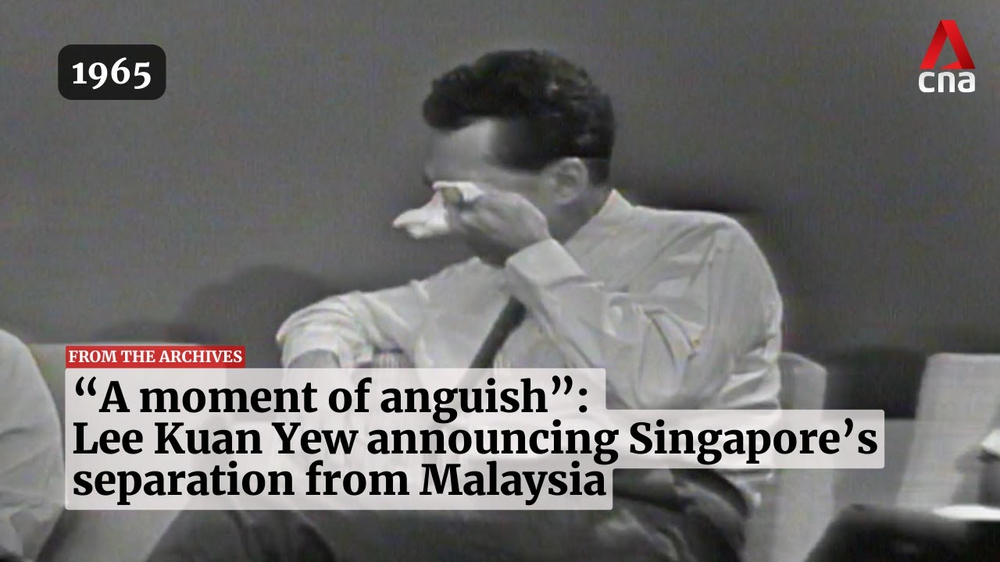
Lee Kuan Yew, Singapore's first Prime Minister, implemented various policies that were pivotal in shaping Singapore's economic success. Upon attaining self-governance, Lee Kuan Yew prioritized economic development to uplift the nation from its post-colonial state. He focused on creating a business-friendly environment through measures like establishing the Economic Development Board to attract foreign investments and promoting export-oriented industrialization.
Another crucial policy was ensuring a corruption-free government, which helped in building trust with investors and fostering a transparent business ecosystem. Lee Kuan Yew also championed education reforms, emphasizing the importance of skilled workforce to drive economic growth. His government invested heavily in education and vocational training, which eventually contributed to a highly skilled workforce in Singapore.
Under Lee Kuan Yew's leadership, Singapore also prioritized infrastructure development. The government invested in building world-class infrastructure, including efficient transportation networks, modern ports, and state-of-the-art telecommunication systems. These developments not only improved the overall quality of life for Singaporeans but also enhanced the country's attractiveness as a global business hub.
The policies implemented by Lee Kuan Yew laid a solid foundation for Singapore's economic success. The nation transformed from a small trading post into a thriving global financial center and a hub for technological innovation. Singapore's GDP skyrocketed, and the country became one of the wealthiest nations in the world in terms of GDP per capita.
Overall, Lee Kuan Yew's visionary policies were instrumental in driving Singapore's rapid economic growth and establishing it as a global economic powerhouse. His legacy continues to shape Singapore's economic landscape, making him a revered figure both in Singapore and the international community.
#LeeKuanYew #SingaporeEconomicSuccess #VisionaryLeadership
View details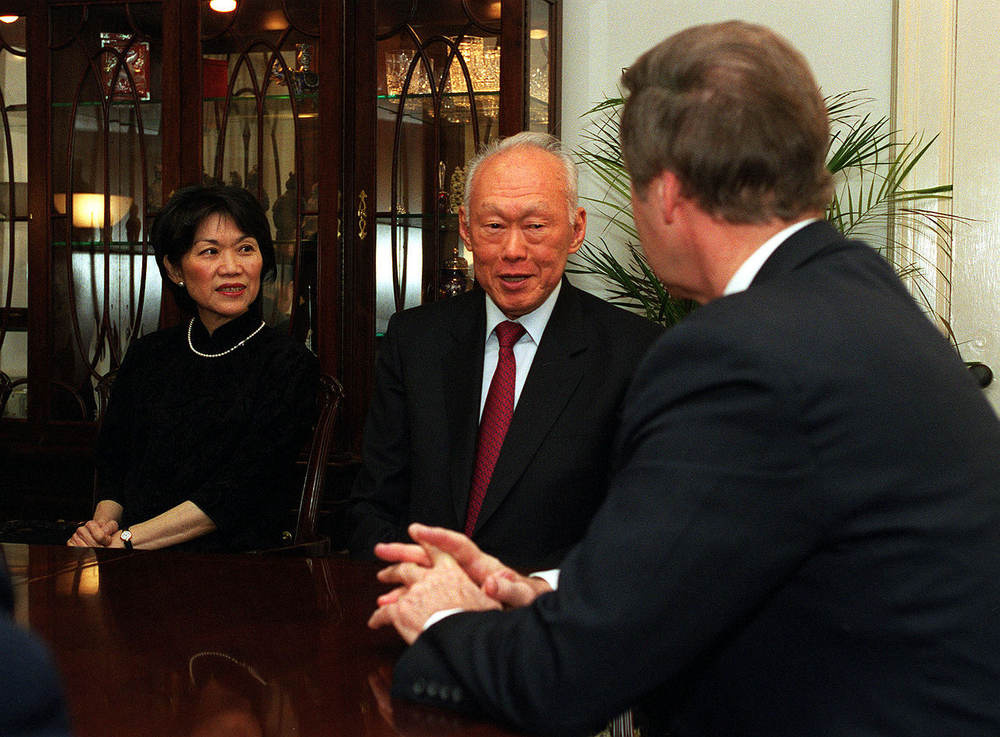
1963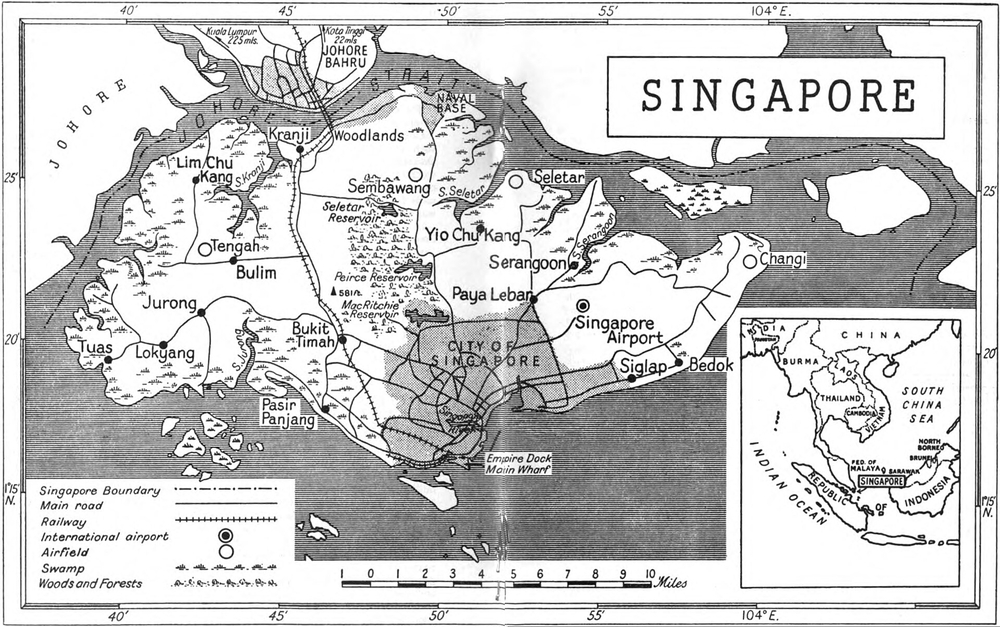
The Federation of Malaysia was officially formed with the inclusion of Malaya, Singapore, British North Borneo (Sabah), and Sarawak. The idea of a unified Malaysia had been discussed since the early 20th century, driven by shared economic interests and security concerns.
For Malaya, which had achieved independence in 1957, the formation of Malaysia was a significant step towards economic growth and political stability. Singapore, as a highly developed city-state, brought its strategic location and skilled workforce to the new federation. British North Borneo and Sarawak, both located on the island of Borneo, hoped to benefit from the economic opportunities that a larger market would provide.
The inclusion of Singapore in the federation was initially met with mixed reactions. Some Singaporeans were concerned about losing their autonomy, while others saw the potential benefits of being part of a larger political entity. However, tensions soon arose between Singapore and the central government in Kuala Lumpur over issues such as economic disparity and cultural differences.
Despite efforts to address these challenges, the partnership between Singapore and the other states within Malaysia proved to be short-lived. In 1965, Singapore was expelled from the federation after ongoing disagreements and political differences. This event marked the end of Singapore's brief involvement in the Federation of Malaysia, leading the city-state to chart its own independent path towards development.
The formation and subsequent dissolution of the Federation of Malaysia had a lasting impact on the political landscape of Southeast Asia. It highlighted the complexities of uniting diverse regions and cultures under a single national identity, demonstrating the challenges of achieving unity within diversity.
#FederationofMalaysia #Malaya #Singapore #BritishNorthBorneo #Sarawak #UnityinDiversity #PoliticalIntegration #SoutheastAsia.
View details1961
In the early 1960s, Singapore was facing economic uncertainty due to its heavy reliance on entrepôt trade. The government, recognizing the need for diversification, initiated the founding of the Jurong Industrial Estate. This marked the country's foray into industrialization, aiming to attract foreign investment and create employment opportunities for its growing population.
The Jurong Industrial Estate was strategically located away from the city center to minimize the impact of industrial activities on residential areas. The infrastructure of the estate was well-planned, with modern amenities and efficient transportation networks to support the burgeoning industries. The government offered incentives such as tax breaks and grants to entice multinational corporations to set up manufacturing facilities in Jurong.
The impact of the Jurong Industrial Estate was transformative for Singapore. It propelled the country from a trading port to a manufacturing hub, boosting its economic growth and creating a more diverse and resilient economy. The establishment of Jurong marked the beginning of Singapore's industrialization journey, paving the way for future developments in sectors such as electronics, petrochemicals, and biotechnology.
Over the years, the Jurong Industrial Estate expanded rapidly, attracting a wide range of industries and creating thousands of job opportunities for Singaporeans. The success of Jurong set a precedent for the development of other industrial estates in Singapore, contributing significantly to the country's economic prosperity.
The founding of the Jurong Industrial Estate exemplifies Singapore's proactive approach to economic development and long-term planning. It remains a pivotal moment in the country's history, showcasing its ability to adapt to changing global trends and drive sustainable growth. #JurongIndustrialEstate #SingaporeIndustrialization #EconomicTransformation #ForeignInvestment #JobCreation
View details1960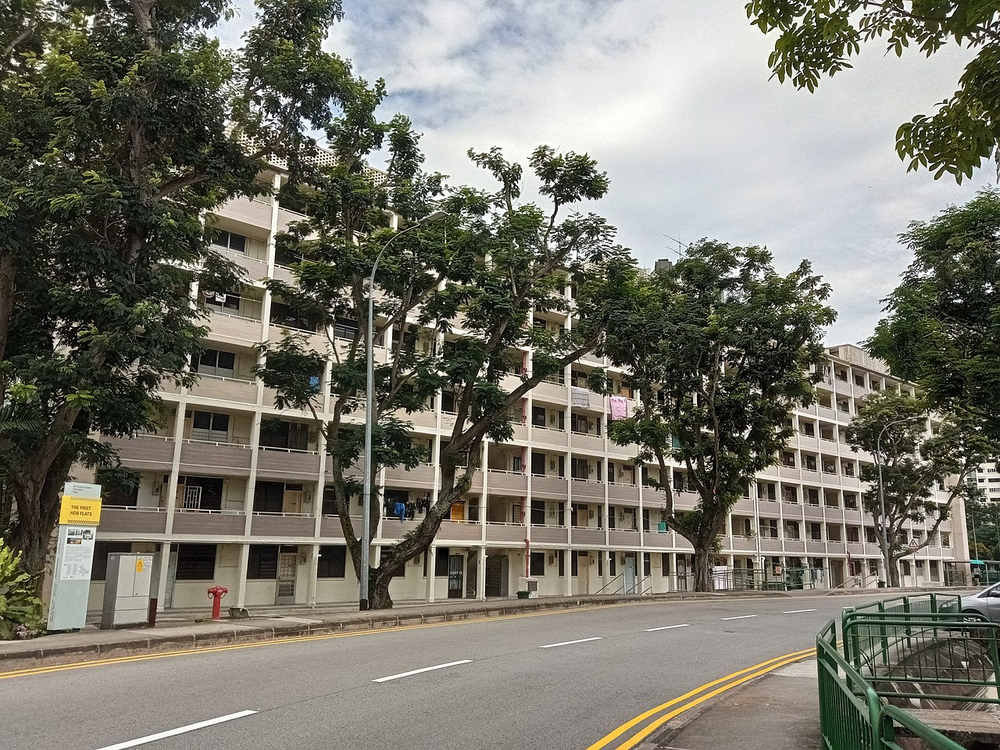
In Singapore, a housing shortage crisis led to the creation of the Housing and Development Board {HDB}. The issue stemmed from a combination of factors like rapid urbanization, population growth, and housing conditions post-World War II. The HDB was established to tackle this problem by constructing affordable public housing for the people.
The HDB began its mission by building mass residential estates to accommodate the growing population. This initiative aimed to provide basic and comfortable housing for Singaporeans from all walks of life. The development of HDB flats transformed the housing landscape in Singapore, offering modern amenities and community facilities within well-planned towns.
The impact of the HDB's efforts was profound. It alleviated the housing shortage crisis, providing a solution to Singapore's growing population. Families were able to secure affordable homes with access to essential services and recreational amenities. Moreover, the establishment of HDB estates fostered a sense of community among residents, promoting social cohesion and unity.
Over time, the HDB's role expanded beyond just housing provision. It played a vital role in urban planning, shaping Singapore's cityscape and contributing to its overall development. The success of the HDB model is evident in Singapore's high homeownership rates and quality public housing options available to its residents.
The creation of the HDB marked a crucial turning point in Singapore's history, addressing a critical need while laying the foundation for a sustainable housing policy. Its impact resonates to this day, shaping the way Singaporeans live and interact within their communities.
#HDB #PublicHousing #SingaporeHistory #Urbanization #CommunityDevelopment
View details1959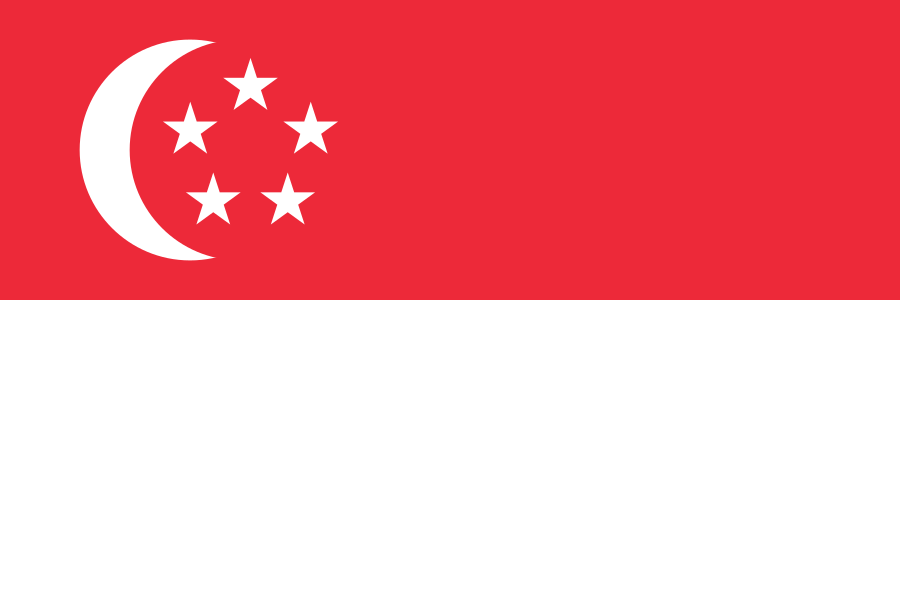
Following years of British colonial rule in Singapore, the city-state saw a pivotal moment with the People's Action Party (PAP) emerging victorious in the country's first general election. This marked the beginning of Singapore's journey towards self-governance and eventual independence.
Founded in 1954 by Lee Kuan Yew, the PAP had gained popularity among the local population for its stance against colonialism and its push for self-determination. The party's victory in the general election signaled a desire among Singaporeans for greater autonomy and control over their own affairs.
With the PAP at the helm, Singapore began the process of transitioning from a British colony to a self-governing state. The new government focused on addressing pressing issues such as housing shortages, unemployment, and improving living standards for the population.
The successful outcome of the election paved the way for negotiations between Singapore and the British authorities, leading to the establishment of a fully self-governing state within the British Commonwealth. This laid the foundation for Singapore to eventually gain full independence in the years to come.
The PAP's win in the first general election was a significant turning point in Singapore's history, marking the beginning of its transformation into a modern, prosperous nation. Today, the event is remembered as a key milestone in Singapore's journey towards self-determination and sovereignty.
#SingaporeIndependence #SelfGovernance #PAPVictory
View detailsIn 1959, Singapore adopted its constitution, marking a pivotal moment in its history. The move came after the country gained self-governance from British colonial rule. The constitution established Singapore as a self-governing state within the British Empire, granting it greater autonomy in managing its internal affairs.
The adoption of the constitution had a significant impact on Singapore's political landscape, paving the way for its eventual independence from British rule. It laid the foundation for the development of Singapore as a sovereign nation, with its own laws and government institutions. The constitution also defined the rights and responsibilities of its citizens, setting the framework for a democratic system of governance.
Under the new constitution, Singapore saw the emergence of political parties and leaders who played a key role in shaping the country's future. The document reflected the aspirations of the people for self-determination and provided a legal framework for governing the diverse population of Singapore.
The adoption of the constitution marked a turning point in Singapore's history, setting the stage for its transformation from a British colony to an independent nation. It signified the beginning of a new chapter in Singapore's journey towards nation-building and development.
#Singapore #Constitution #SelfGovernance #Independence
View details1957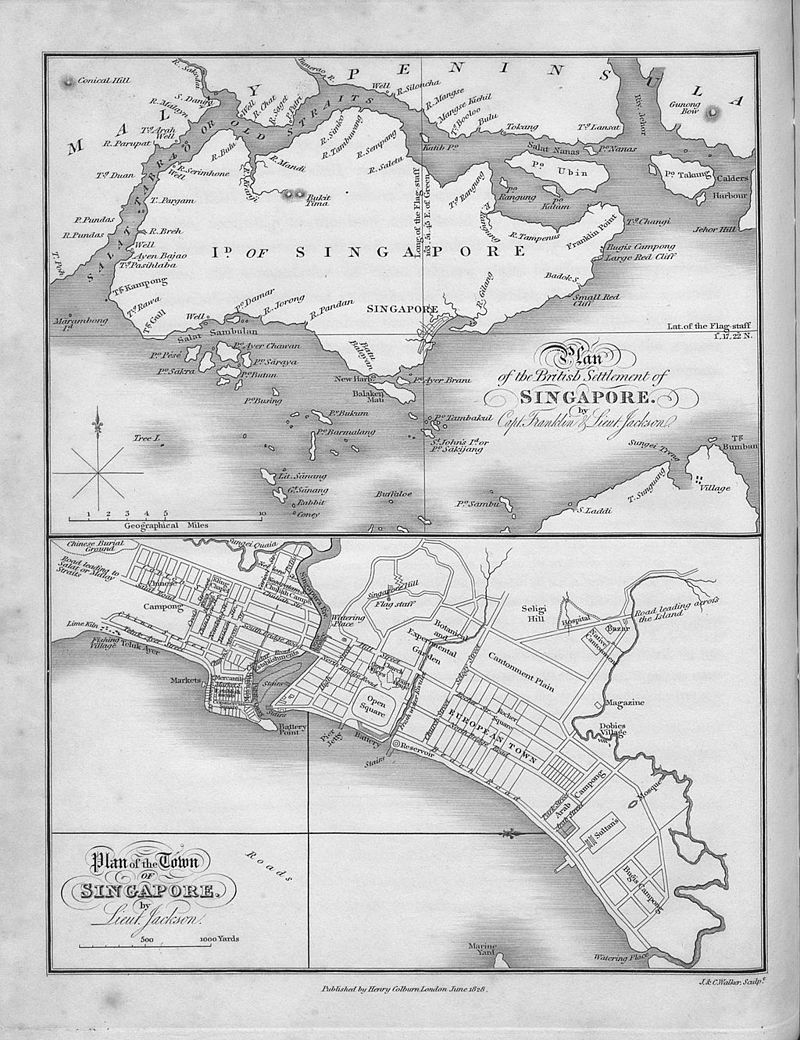
On the event where Britain agreed to Singaporean self-rule, an important milestone was reached in the nation's journey towards independence. The background leading to this momentous decision can be traced back to Singapore's strategic location, which made it a valuable port for British trade interests in the region. However, following World War II and increasing calls for self-governance, pressure mounted on Britain to grant Singapore more autonomy.
The impact of Britain's agreement to Singaporean self-rule was significant. It marked a crucial step towards the eventual independence of Singapore, setting the stage for the formation of a self-governing state. This decision empowered the local population to have more control over their own affairs and paved the way for the development of Singapore as a modern, prosperous nation.
The road to self-rule was not without challenges, as Singapore faced socio-political tensions and economic uncertainties during this transitional period. However, the determination and resilience of the Singaporean people prevailed, leading to the eventual establishment of the Republic of Singapore as an independent nation. This turning point in Singapore's history laid the foundation for its rapid progress and transformation into a global economic hub.
Overall, Britain's agreement to Singaporean self-rule was a defining moment that shaped the future trajectory of the nation. It symbolized the triumph of self-determination and the beginning of a new chapter in Singapore's history as a sovereign state.
#SingaporeIndependence #SelfRuleAgreement #HistoricDecisions
View details1956
Lim Yew Hock assumed the position of forming the government of Singapore on June 8, 1956. He took his role after the turmoil caused by the Hock Lee Bus Riots, where Chinese middle school students protested against the new education regulations, resulting in violence and arrests.
Lim Yew Hock faced the challenge of stabilizing the situation and restoring peace in Singapore. He implemented strict security measures to prevent further unrest and worked on building better relations between different ethnic groups in the diverse society. His leadership style was authoritarian, which some criticized, but others acknowledged as necessary during the turbulent times.
Under his administration, Lim Yew Hock focused on improving social welfare and economic development. He also played a significant role in the negotiations for internal self-government, paving the way for Singapore's eventual independence from British colonial rule. His efforts laid the foundation for the political landscape that would later lead to the formation of the Republic of Singapore.
Lim Yew Hock's tenure as the head of the Singapore government was characterized by both challenges and accomplishments. Despite facing opposition and criticism, he made significant contributions to the stability and progress of the nation during a critical period of its history.
#LimYewHock #SingaporeGovernment #HockLeeBusRiots #SingaporeHistory #PoliticalLeadership
View detailsIn 1956, the government of David Marshall in Singapore resigned due to failed negotiations with the British colonial authorities regarding self-governance. The breakdown in talks led to a loss of confidence in Marshall's ability to secure autonomy for Singapore.
Marshall, the leader of the Labour Front party, had been pushing for full self-governance for Singapore, advocating for local control over internal affairs. However, the British were hesitant to grant such power, leading to a political stalemate. Faced with the inability to achieve his political goals, Marshall decided to step down, believing that his resignation would pave the way for new leadership to navigate the challenging negotiations.
The resignation of Marshall's government had a significant impact on the political landscape of Singapore. It marked a turning point in the push for self-governance and highlighted the complexities of negotiating with the British colonial authorities. The event also underscored the importance of strong and strategic leadership in advocating for the interests of Singaporeans on the international stage.
In the aftermath of the resignation, Marshall's successor, Lim Yew Hock, took the reins of government and continued the negotiations with the British. His tenure saw the eventual establishment of internal self-government for Singapore in 1959, setting the stage for full independence in 1965.
The resignation of the Marshall government exemplified the challenges and complexities of the decolonization process in Singapore. It highlighted the need for tenacity and strategic negotiation skills in navigating the path to self-governance and independence. The event serves as a reminder of the importance of strong leadership in advocating for the interests of the people. #Singapore #SelfGovernance #Decolonization #Leadership
View details
1954
In the year 1954, the People's Action Party (PAP) was formed in Singapore. The party emerged in response to the political landscape at the time, characterized by social unrest and dissatisfaction with the colonial government. Comprised of a mix of socialist and communist members, the PAP's key objective was to advocate for the rights and well-being of the common people.
Led by prominent figures such as Lee Kuan Yew, the party quickly gained popularity among the masses for their pro-independence stance and promises of social and economic reforms. Through grassroots efforts and effective communication strategies, the PAP amassed support from various segments of society, including the working class and trade unions.
The formation of the PAP marked a turning point in Singapore's political history. In the subsequent years, the party would go on to play a significant role in the fight for self-governance and eventual independence from British colonial rule. Their emphasis on meritocracy, economic development, and social cohesion helped shape the foundations of modern Singapore.
Following successful election campaigns, the PAP secured a majority in the Legislative Assembly, paving the way for their continued dominance in Singaporean politics. Over the decades, the party implemented various policies that contributed to Singapore's rapid transformation into a prosperous nation with a strong economy and high living standards.
Today, the People's Action Party remains the dominant political force in Singapore, having won every general election since gaining power. The legacy of the party's formation in 1954 continues to influence the country's governance and policies, reflecting a commitment to progress, stability, and the well-being of the people.
#People'sActionParty #SingaporePolitics #IndependenceMovement
View details