Afrikaans Official Language Status Declared

Cultural Heritage
Political
4 min read
Updated By: History Editorial Network (HEN)
Published:
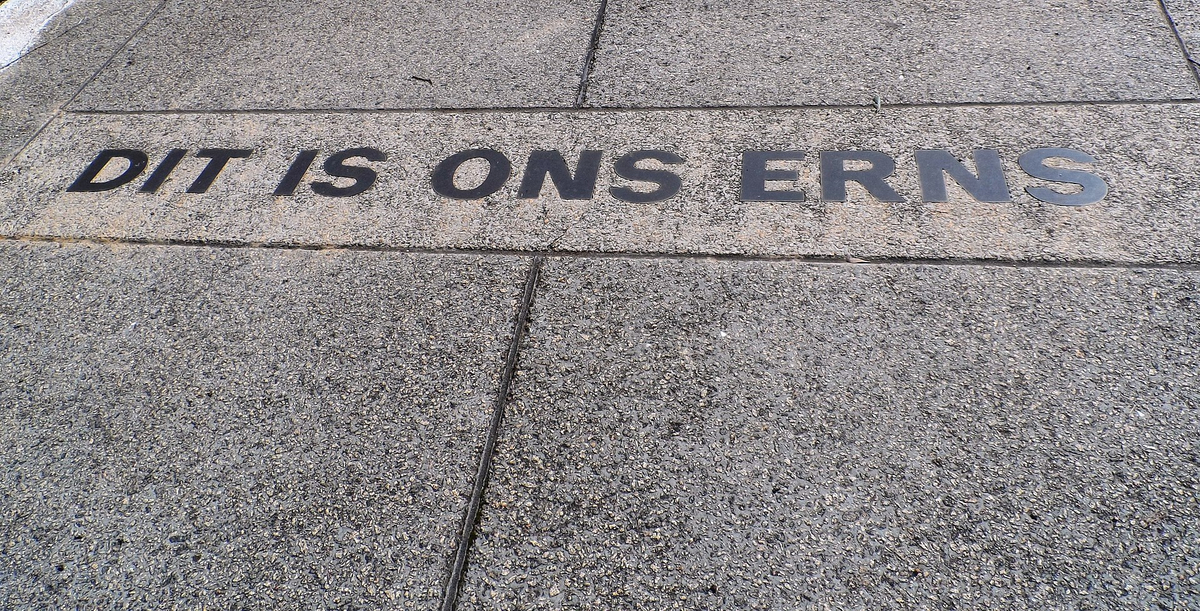
On the 5th of May, 1925, Afrikaans was recognized as an official language in South Africa. This decision reflected the growing influence of Afrikaans, a language derived from Dutch and spoken predominantly by the Afrikaner population. The roots of Afrikaans can be traced back to the 18th century when Dutch settlers arrived in the Cape Colony. Over time, Afrikaans evolved as a distinct language, incorporating influences from indigenous languages and other European languages.
The official recognition of Afrikaans was a significant development in South Africa's linguistic landscape. It elevated the status of Afrikaans, granting it equal footing with English, which was previously the sole official language. This move was a reflection of the cultural and political shifts taking place in the country at the time, as Afrikaners asserted their identity and sought to promote their language and heritage.
The establishment of Afrikaans as an official language had a far-reaching impact on various aspects of South African society. It played a role in shaping national identity, fostering a sense of pride among Afrikaans speakers, and promoting linguistic diversity in the country. It also had implications for education, media, and government, as Afrikaans began to be used more widely in these domains.
Overall, the recognition of Afrikaans as an official language marked a turning point in South Africa's linguistic history. It symbolized the growing importance of Afrikaans as a language of cultural and political significance, and it paved the way for its continued development and growth in the decades to come.
#SouthAfrica #Afrikaans #OfficialLanguage #CulturalHeritage

Explore the Life Moments of
 AI Twin