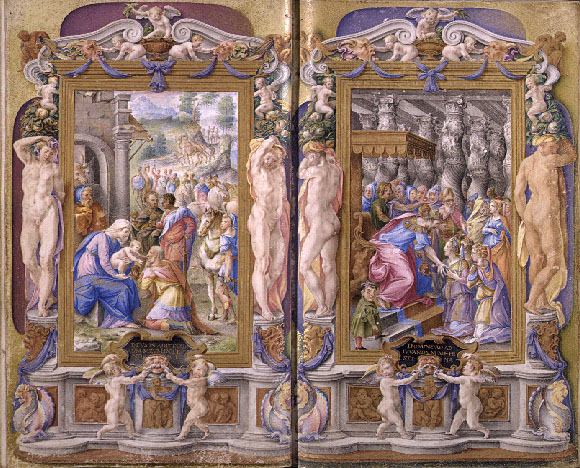
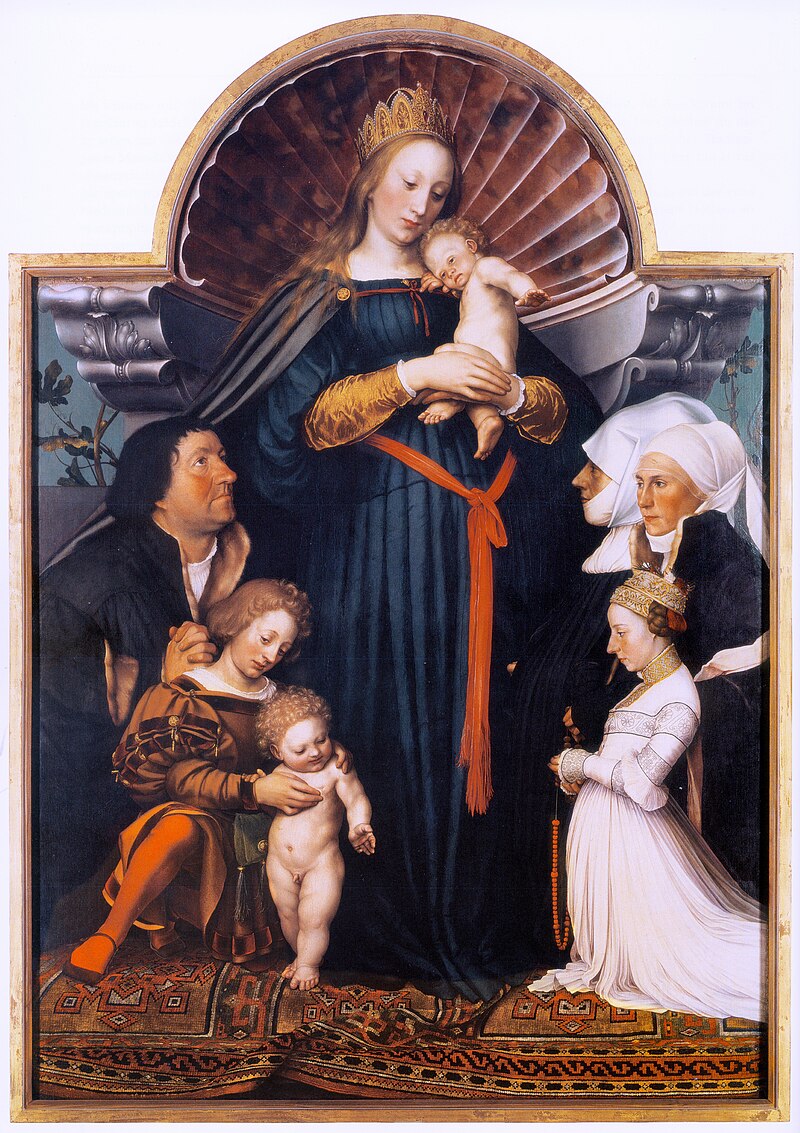
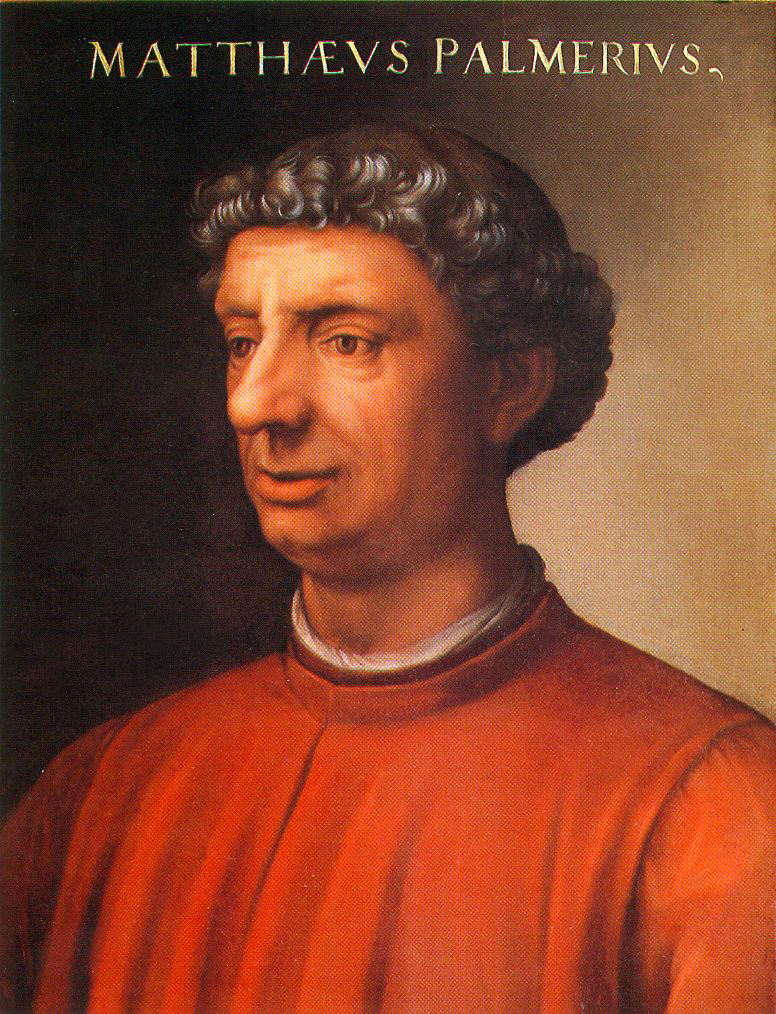
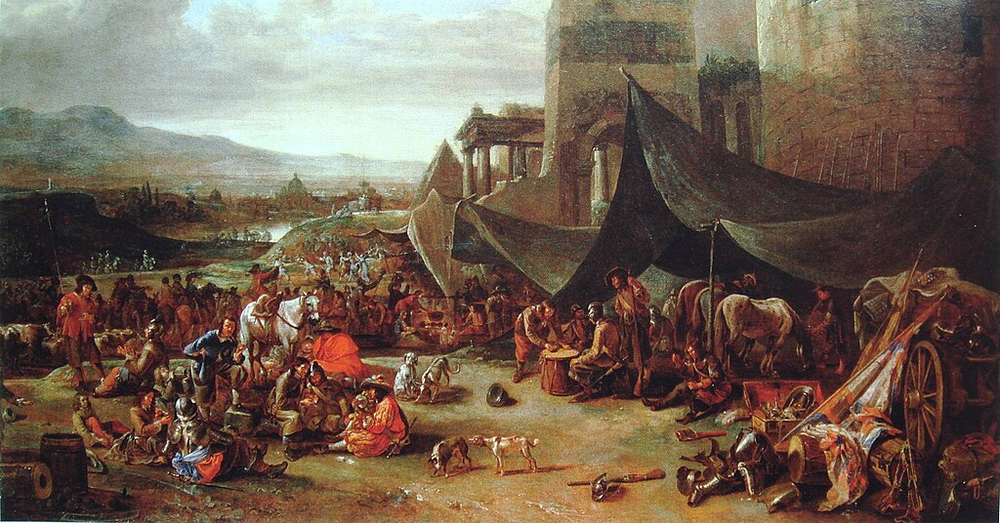
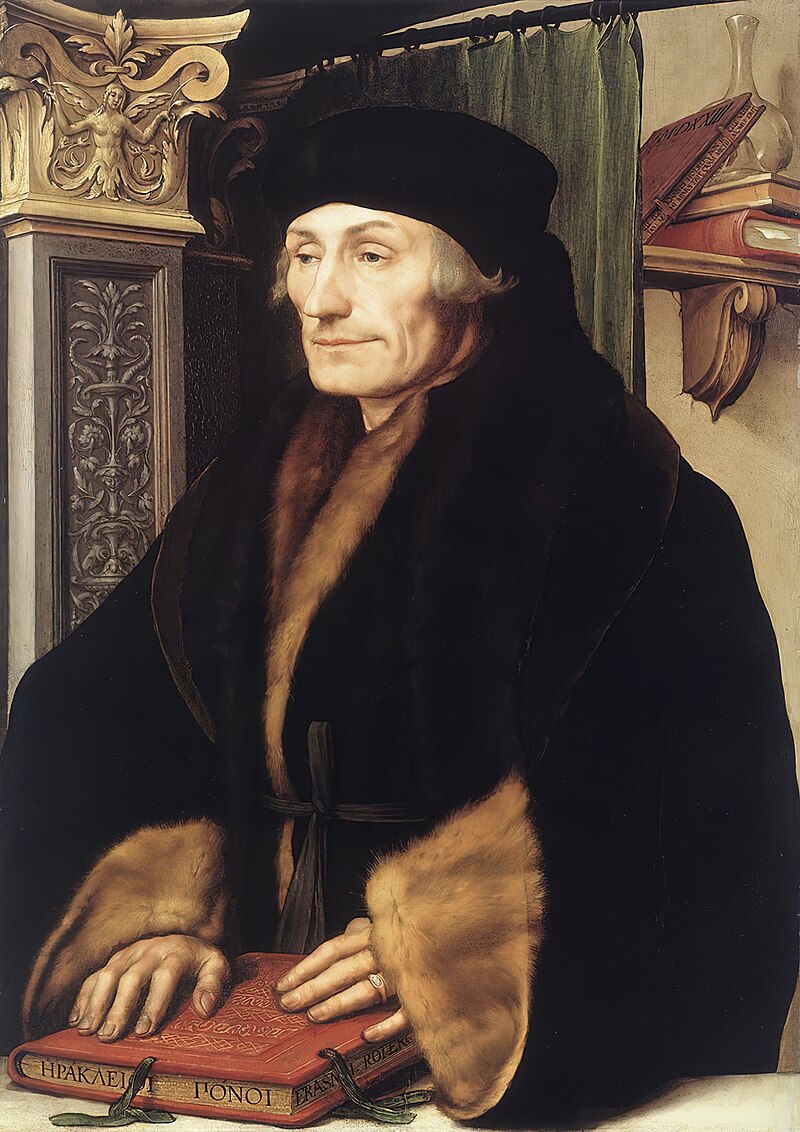
The Renaissance was a pivotal era in European history that marked the transition from the Middle Ages to modernity, spanning roughly from the 14th to the 17th century. Originating in Italy, this cultural rebirth was driven by a renewed interest in the art, science, and philosophy of classical antiquity. The term "Renaissance" itself means "rebirth," and this period saw the flourishing of intellectual pursuits, artistic expression, and the development of humanism—a worldview that emphasized human potential and achievements. Renowned figures such as Leonardo da Vinci, Michelangelo, and Galileo Galilei exemplified the spirit of the Renaissance through their groundbreaking work in art, science, and innovation.
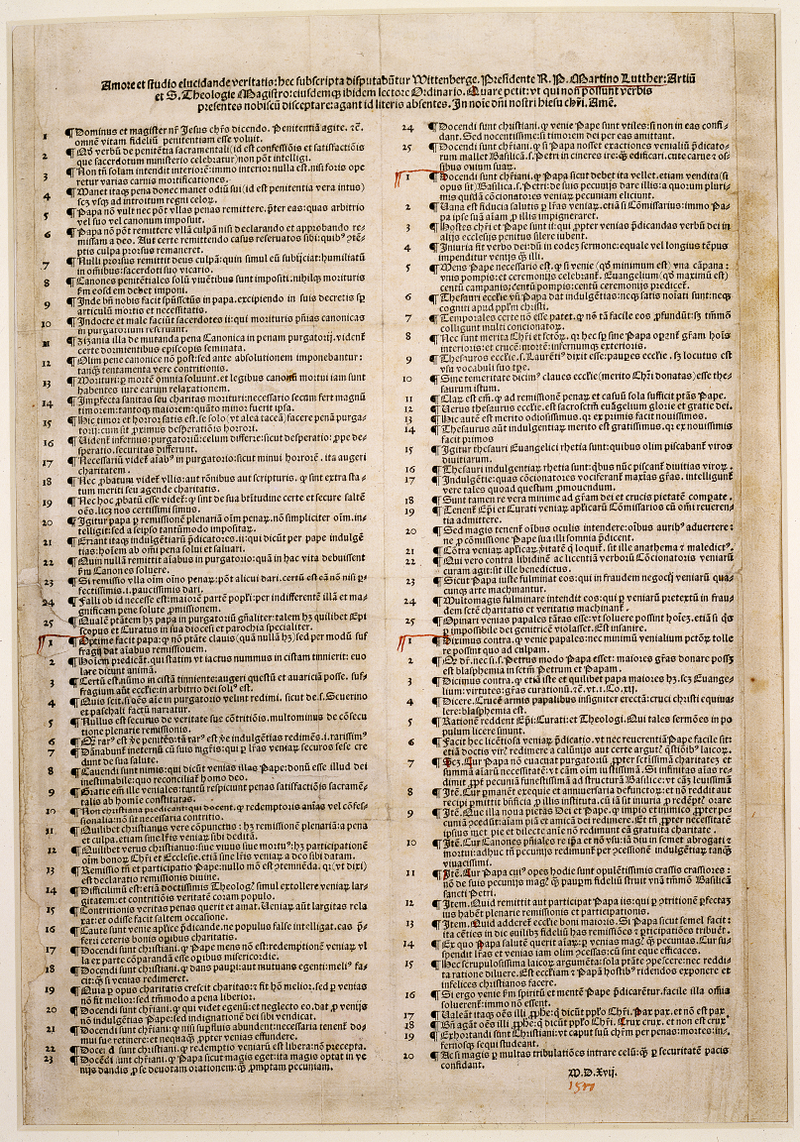
This period was not just an artistic revival but also a time of significant social, political, and economic change. The invention of the printing press by Johannes Gutenberg revolutionized the spread of knowledge, making books more accessible and promoting literacy across Europe. Scientific exploration, combined with empirical observation, laid the groundwork for the Scientific Revolution. In the realm of politics and society, Renaissance ideas began to challenge traditional authorities and inspire new forms of governance and individual freedom. The Renaissance, therefore, stands as a cornerstone in the foundation of the modern world, symbolizing a time when creativity, knowledge, and discovery reshaped civilization.