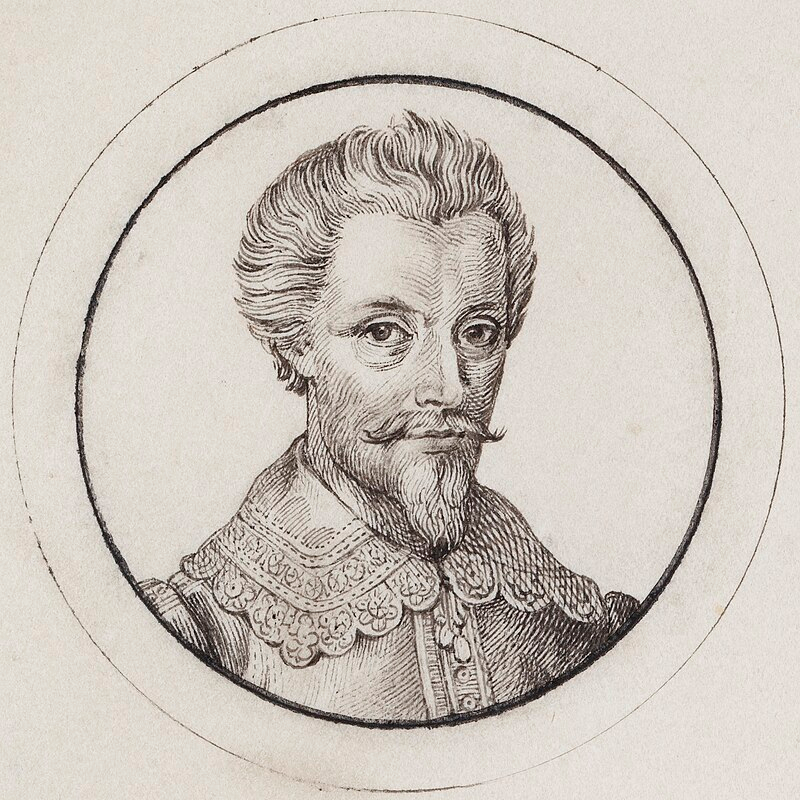
Abel Tasman's Circumnavigation of the Continent
Italy
Exploration
3 min read
Updated By: History Editorial Network (HEN)
Published:
Updated:
Abel Tasman's circumnavigation of Australia marked a pivotal moment in the exploration of the continent. During his voyage from 1642 to 1643, Tasman set sail under the Dutch flag, tasked with exploring the southern seas. His journey led him to the west and south coasts of Australia, where he meticulously charted the coastline. This exploration was significant as it provided concrete evidence that Australia was not connected to the hypothetical southern polar continent, a notion that had been speculated by geographers of the time. Tasman's findings contributed to a better understanding of the geography of the region and laid the groundwork for future explorations and mappings of Australia.
The impact of Tasman's circumnavigation extended beyond mere exploration. By the mid-17th century, Dutch cartographers had utilized Tasman's detailed observations to create accurate maps of the Australian coastline, which they referred to as New Holland. This mapping effort was crucial for navigation and trade, as it opened up new maritime routes and opportunities for the Dutch East India Company. The information gathered during Tasman's voyage not only enhanced European knowledge of the Australian continent but also influenced subsequent explorers and settlers. The legacy of Tasman's journey is evident in the continued interest in the exploration of Australia and its eventual colonization by European powers.
#mooflife
#MomentOfLife
#AbelTasman
#AustraliaExploration
#DutchCartography
#Circumnavigation
#NewHolland

Explore the Life Moments of
 AI Twin