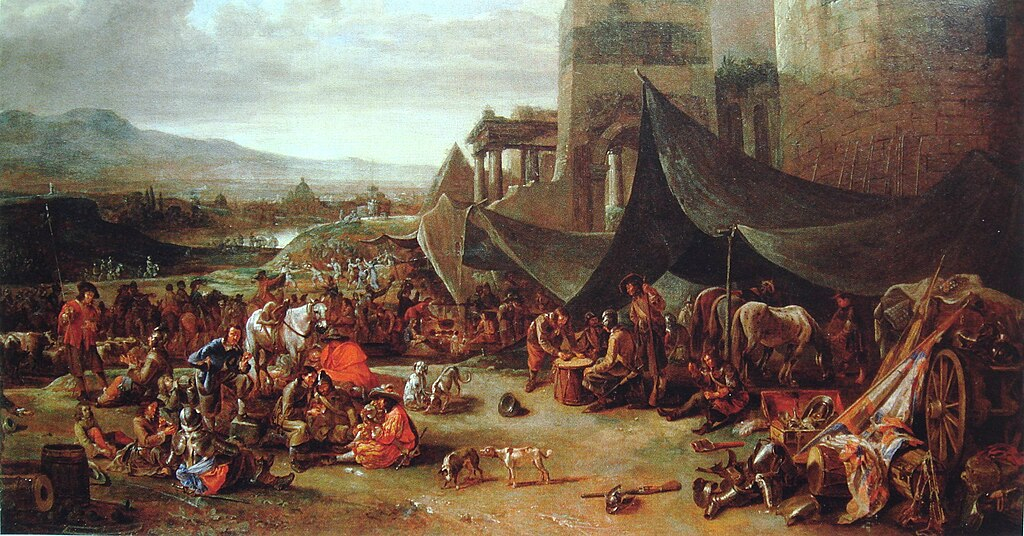
Sack of Rome Ends the Italian Renaissance
Italy
Art History
Renaissance Studies
Italian History
3 min read
Updated By: History Editorial Network (HEN)
Published:
Updated:
The Italian Renaissance, a period marked by a revival of art, culture, and intellectual pursuit, is often considered to have concluded with the assault on Rome by Holy Roman Emperor Charles V. This military action was part of the broader conflict known as the War of the League of Cognac, which involved various European powers. The siege of Rome had profound implications, leading to significant political and social upheaval in Italy. The fall of the city symbolized the decline of the city-states that had been the cradle of Renaissance thought and creativity. Despite this military defeat, the artistic legacy of the Renaissance continued to influence subsequent generations of artists. Notable painters such as Tintoretto, Sofonisba Anguissola, and Paolo Veronese emerged during the mid-to-late 16th century, carrying forward the techniques and themes established by their predecessors. Their works reflected the enduring impact of Renaissance ideals, even as the political landscape of Italy shifted dramatically.
#mooflife
#MomentOfLife
#ItalianRenaissance
#CharlesV
#WarOfTheLeagueOfCognac
#RenaissanceArt
#ItalianPainters

Explore the Life Moments of
 AI Twin