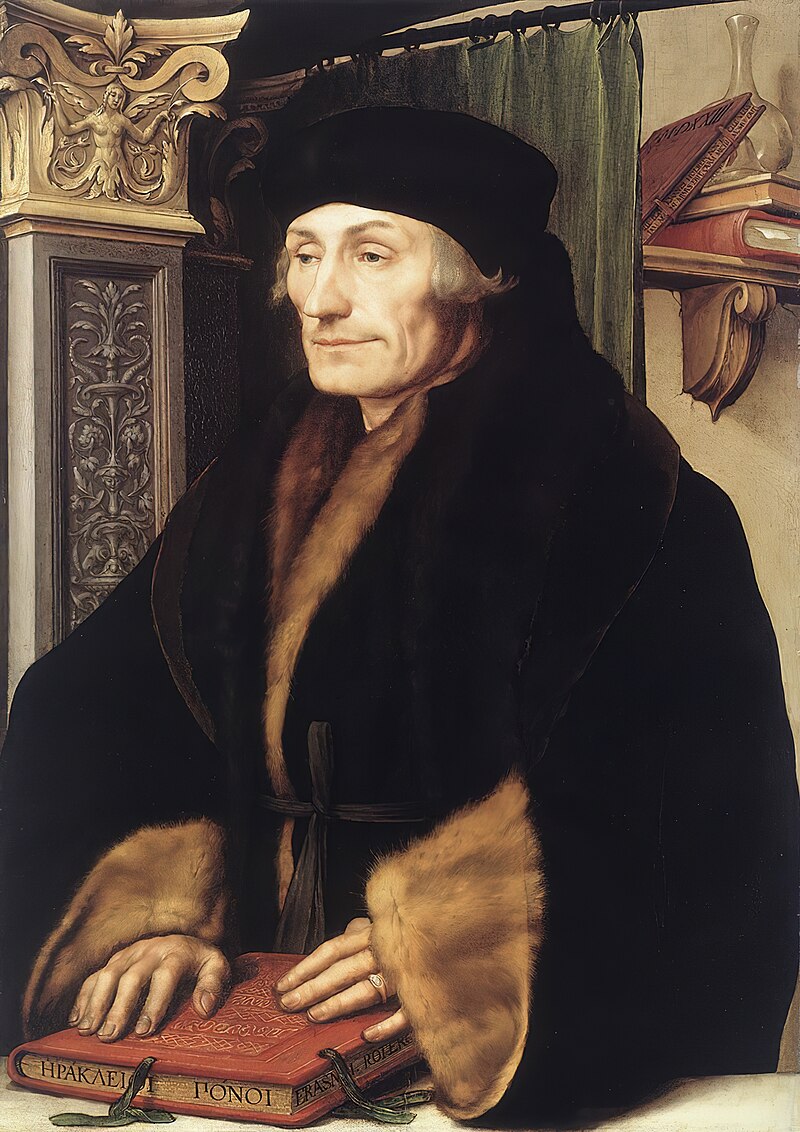
Erasmus of Rotterdam's Influence and Legacy
Italy
Philosophy
Literature
4 min read
Updated By: History Editorial Network (HEN)
Published:
Updated:
Erasmus of Rotterdam was a pivotal figure in the Northern Renaissance, known for his role in promoting Renaissance humanism across Northern Europe. His scholarly work emphasized the importance of education, critical thinking, and the study of classical texts, which were foundational to the humanist movement. Erasmus's writings, including 'In Praise of Folly' and his translations of the New Testament, challenged the established norms of the Church and encouraged a return to the original texts of Christianity. This approach not only influenced religious thought but also laid the groundwork for the Reformation, as his ideas resonated with reformers who sought to address the corruption within the Church. His advocacy for a more personal and direct relationship with God contrasted sharply with the prevailing practices of the time, which were often steeped in ritual and tradition.
The impact of Erasmus's work extended beyond theology; it also influenced literature, education, and philosophy. His emphasis on moral philosophy and ethics encouraged a more humane approach to education, promoting the idea that learning should cultivate virtue and wisdom. Erasmus's thoughts on free will and human agency contributed to the intellectual debates of the Reformation, as they provided a counterpoint to the deterministic views held by some reformers. His legacy is evident in the way humanism shaped modern Western thought, fostering a spirit of inquiry and skepticism that remains relevant today. The spread of his ideas through print media facilitated a broader dialogue about faith, reason, and the role of the individual in society, marking a significant shift in European intellectual history.
#mooflife
#MomentOfLife
#ErasmusOfRotterdam
#RenaissanceHumanism
#NorthernRenaissance
#Reformation
#IntellectualHistory

Explore the Life Moments of
 AI Twin