Construction of Château de Chambord Begins
Italy
Renaissance Architecture
French History
Art and Culture
4 min read
Updated By: History Editorial Network (HEN)
Published:
Updated:
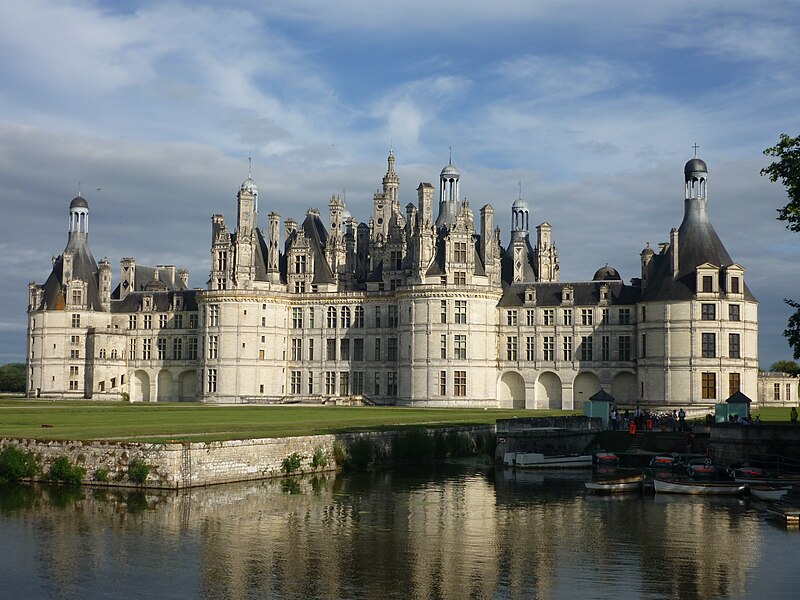
The construction of Château de Chambord marked a pivotal development in French Renaissance architecture. This grand project was initiated during a time when France was heavily influenced by Italian art and culture. The introduction of Italian artists, including notable figures like Leonardo da Vinci, played a crucial role in shaping the architectural landscape of the period. Chambord was designed as a hunting lodge for King Francis I, reflecting the monarch's desire to showcase his power and taste through monumental architecture. The design of the château features a distinctive blend of traditional French medieval forms and classical Italian elements, characterized by its elaborate roofline, intricate chimneys, and a central keep that rises above the surrounding landscape. The use of symmetry and proportion in its design exemplifies the Renaissance ideals of harmony and balance.
The impact of Château de Chambord extends beyond its architectural significance. It became a symbol of the Renaissance in France, attracting artists, architects, and visitors from across Europe. The château's construction employed a large workforce and stimulated the local economy, contributing to the development of the region. Over time, Chambord has become a UNESCO World Heritage site, recognized for its cultural and historical importance. The château is also noted for its extensive grounds, which include a vast forest and a network of canals, further enhancing its status as a remarkable example of landscape architecture. Today, Château de Chambord stands as a testament to the artistic and cultural exchanges that defined the Renaissance, continuing to draw attention for its beauty and historical significance.
#mooflife
#MomentOfLife
#ChâteauDeChambord
#RenaissanceArchitecture
#FrenchHistory
#LeonardoDaVinci
#UnescoWorldHeritage

Explore the Life Moments of
 AI Twin